Top 22 Sneaky Animals in The World (With Images)
Did you know that some animals can evade detection so skillfully that they seem to vanish into thin air? Welcome to the intriguing realm of sneaky animals in the world, where cleverness and camouflage reign supreme. Understanding these masters of disguise not only captivates the imagination but also sheds light on the evolutionary tactics that ensure survival. In this article, you’ll discover the remarkable strategies employed by these elusive creatures, and you might just find a newfound appreciation for the subtle wonders of nature.
List of Most Sneaky Animals in The World
Here is the list of animals that are sneaky:
- Black Mamba
- Fox
- Cheetah
- Crocodile
- Jaguar
- House Cat
- Spider
- Raccoon
- Alligator Gar
- Tarantula
- Frogfish
- Wolf
- Octopus
- Tiger
- Leaf-Tailed Gecko
- Snow Leopard
- Orchid Mantis
- Hyena
- Weasel
- Chameleon
- Cuttlefish
- Owl
Black Mamba
Scientific Name: Dendroaspis polylepis
Class: Reptilia
Diet: Carnivore
The black mamba, often feared for its deadly reputation, is a master of stealth and agility, embodying the essence of nature’s stealthy artisans. Unlike many snakes that rely on camouflage to evade detection, the black mamba’s sheer speed — capable of reaching up to 12 miles per hour — renders it an apex predator in its African habitat. This remarkable speed isn’t just for catching prey; it also allows the black mamba to swiftly retreat from threats, demonstrating a cunning survival strategy that highlights its intelligence.
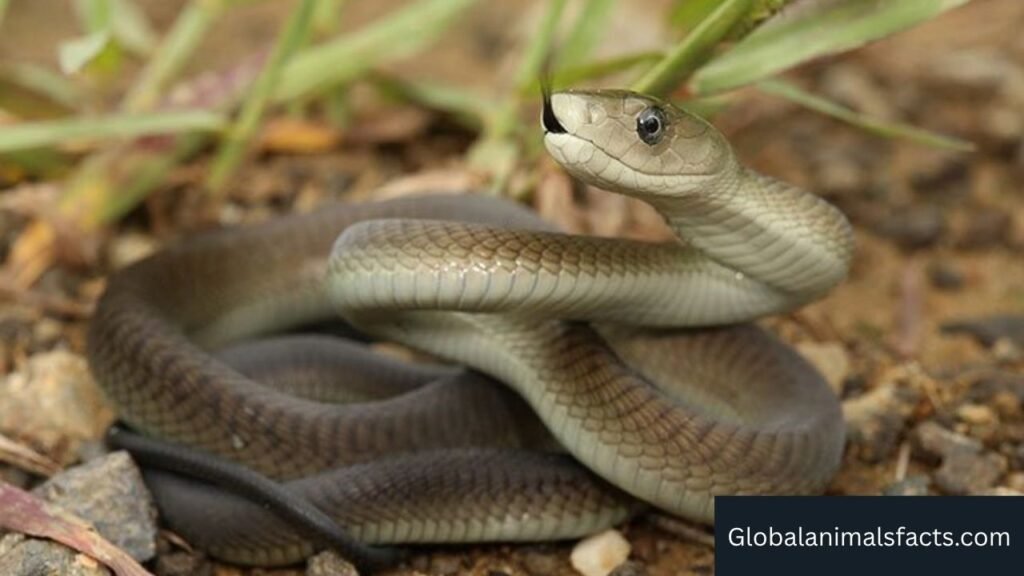
What’s particularly fascinating is its social behavior; while known as solitary creatures, black mambas exhibit varying degrees of tolerance towards one another, sometimes cohabiting in advantageous territories. This nuanced social interaction counters the usual narrative of snakes as purely solitary hunters. Their venom, while infamous, also plays a dual role: it subdues prey with remarkable efficiency and serves as a tool for intimidation. In many instances, black mambas prefer to escape rather than engage, showcasing a level of strategic thinking that shifts them from mere predators to tacticians in the wilderness. I
Fox
Scientific Name: Vulpes vulpes
Class: Mammalia
Diet: Omnivore
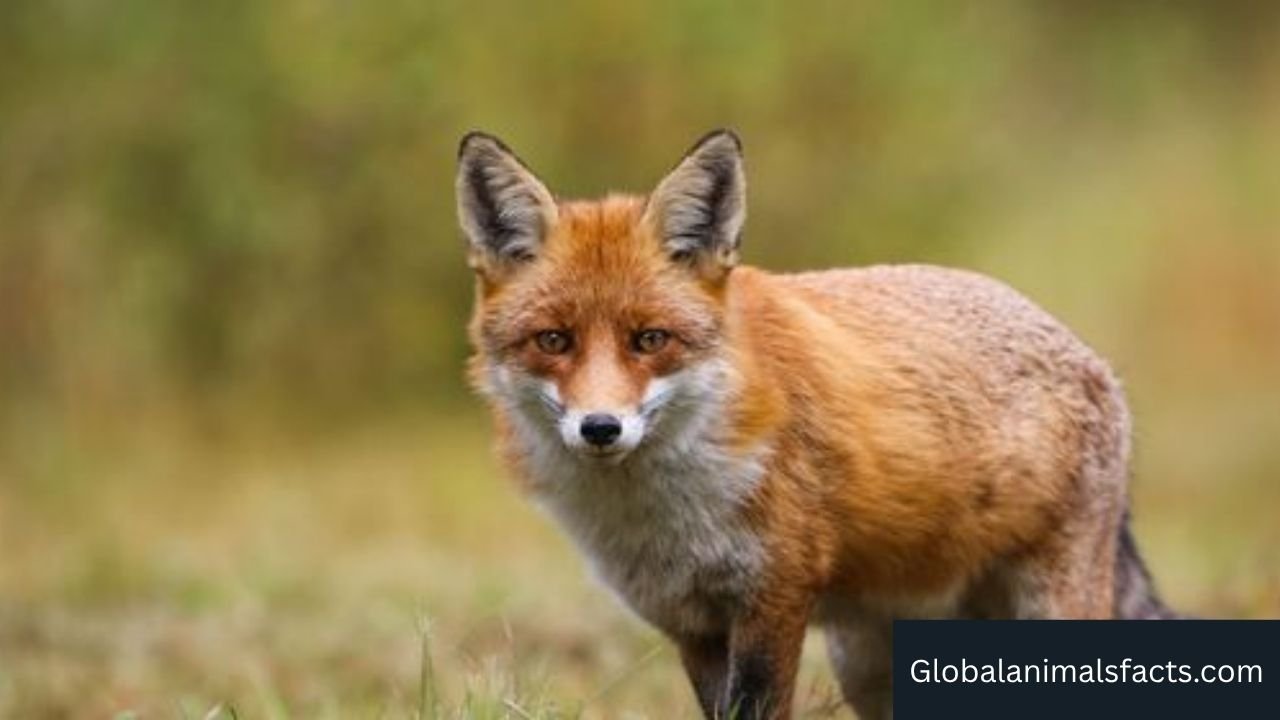
The fox, often portrayed in folklore as the epitome of cunning, embodies a unique blend of intelligence and adaptability that sets it apart from other wildlife. Its ability to thrive in diverse environments — urban landscapes, forests, and even tundra — underscores a remarkable survival instinct. This adaptability not only highlights the fox’s cunning nature but also reflects its keen understanding of human behavior; urban foxes, for instance, have learned to navigate city life, scavenging scraps and finding shelter in parks and alleys.
What makes the fox especially intriguing is its social structure; unlike many solitary hunters, some species, like the red fox, exhibit complex social behaviors. They communicate through a variety of vocalizations, body language, and even scent markings, creating a sophisticated network that aids in hunting and territorial defense. This social dimension challenges the stereotype of the fox as merely a sneaky trickster, revealing instead an animal capable of collaboration and strategy. Beyond their furtive image, foxes remind us of the delicate balance between cunning and cooperation in the natural world.
Cheetah
Scientific Name: Acinonyx jubatus
Class: Mammalia
Diet: Carnivore
The cheetah, often celebrated for its incredible speed, also showcases a masterclass in stealth. Unlike other big cats that rely on brute strength to overpower their prey, cheetahs utilize a combination of patience and tactical prowess, stalking their target with an unparalleled focus. Their lightweight build and slender frame allow them to maneuver silently through the tall grass of the savannah, blending seamlessly with their environment until the moment is right to strike.
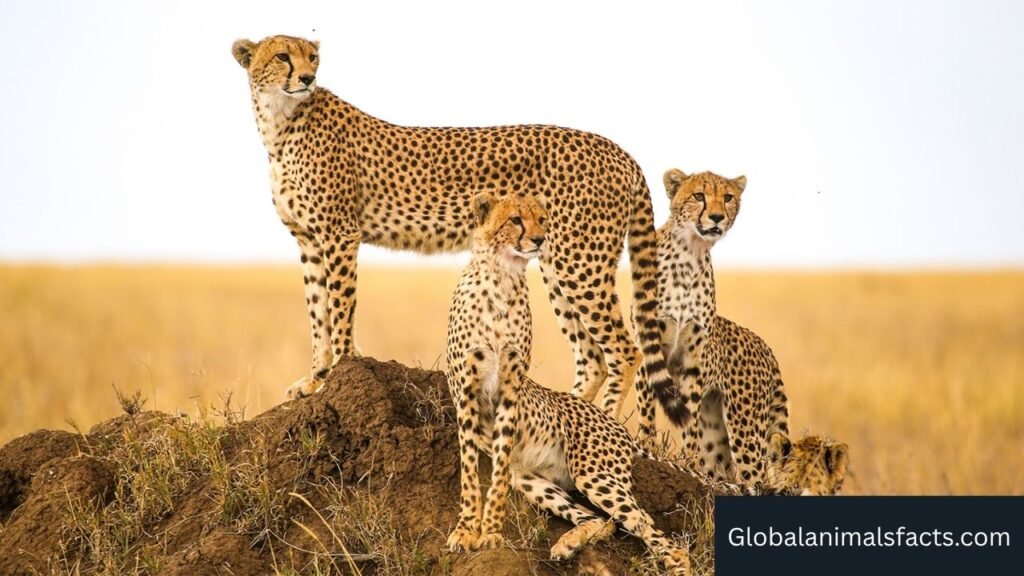
What’s particularly fascinating about these agile hunters is their unexpected social behavior. While typically solitary, cheetahs can form small groups called coalitions, usually consisting of brothers. This strategy not only enhances their hunting efficiency but also serves as a protective measure against larger predators, showcasing a level of social intelligence that is often overlooked. Their adaptability in using both stealth and collaboration reveals a nuanced approach to survival that is both captivating and critical to understanding these remarkable animals.
Readmore: Explore Top 30 Shy Animals in The World.
Crocodile
Scientific Name: Crocodylus
Class: Reptilia
Diet: Carnivore
Crocodiles are the ultimate masters of stealth, their camouflaged bodies blending seamlessly with the murky waters they inhabit. With eyes and nostrils positioned on the top of their heads, they can lie nearly submerged while keeping a watchful gaze on the world above. This unique adaptation allows them to ambush prey with unwavering patience, striking in mere seconds when the opportunity arises. It’s this combination of fierce power and cunning patience that makes them one of nature’s most effective ambush predators.
Beyond their menacing appearance, crocodiles exhibit surprising social behaviors that add a layer of intrigue to their character. For instance, some species display parental care, where females fiercely protect their young from potential threats. This nurturing instinct contradicts the typical image of a solitary predator and showcases their complex social structures. Moreover, crocodiles communicate using a range of vocalizations, from growls to hisses, unveiling an intelligent side often overlooked in reptiles.
Jaguar
Scientific Name: Panthera onca
Class: Mammalia
Diet: Carnivore
The jaguar, often cloaked in the shadowy canopies of the rainforest, embodies both elegance and stealth. With its powerful physique and stunning rosette-patterned coat, this apex predator employs a range of clever strategies to remain undetected. Unlike its larger cousin, the jaguar is a master of ambush tactics, often using its keen eyesight to spot prey from high vantage points before pouncing with incredible speed and precision. Their uniquely strong jaws enable them to pierce the tough shells of armored reptiles, showcasing an adaptability that underscores their position at the top of the food chain.
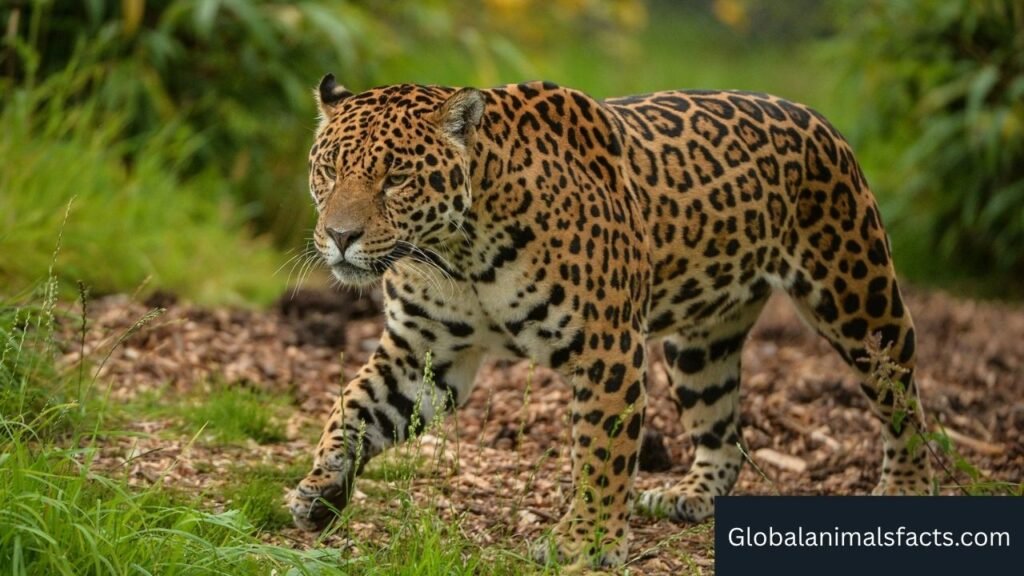
But the jaguar’s cunning goes beyond physical prowess; it also exhibits remarkable behavioral adaptations. Recent studies suggest that these elusive cats often employ ‘sneak tactics,’ using forest trails and rivers to create ambush spots. They’ve even been observed engaging with local wildlife, adjusting their hunting patterns based on the availability of prey, demonstrating a level of intelligence that many might not attribute to such solitary hunters. As deforestation and climate change threaten their natural habitats, the jaguar’s survival could hinge not only on its brute strength but also on its ability to outsmart both man and the rapidly changing environment around it.
House Cat
Scientific Name: Felis catus
Class: Mammalia
Diet: Carnivore
House cats are masters of stealth, blending seamlessly into their environments with an innate ability to remain unseen until they choose otherwise. Their whiskers quiver with anticipation, sensing vibrations and movements that often escape human notice. This keen awareness allows them to slip into the quietest corners of the home, where they observe their surroundings like tiny, furry spies.
But it’s not just their physical agility that makes them sneaky; their psychological game is just as impressive. Cats have a unique way of playing with our emotions, manipulating us into believing they’re sweet, innocent companions. Yet, in an instant, they can shift from that charming demeanor to a covert hunter, pouncing on unsuspecting toys — or your unsuspecting foot. This playful duality keeps life unpredictable, reminding us that beneath their soft fur lies a wild instinct waiting to emerge.
Spider
Scientific Name: Araneae
Class: Arachnida
Diet: Carnivore
Spiders are often perceived as mere pests, but their stealthy nature unveils a world of fascination. These eight-legged arachnids have evolved intricate tactics to ensnare unsuspecting prey, using silk not just for webs but also as tools for deception. For instance, some species spin traps that mimic the appearance of flowers, luring in unsuspecting insects with the promise of nectar. This camouflage reflects an extraordinary level of adaptation, showcasing their intelligence and survival instincts.
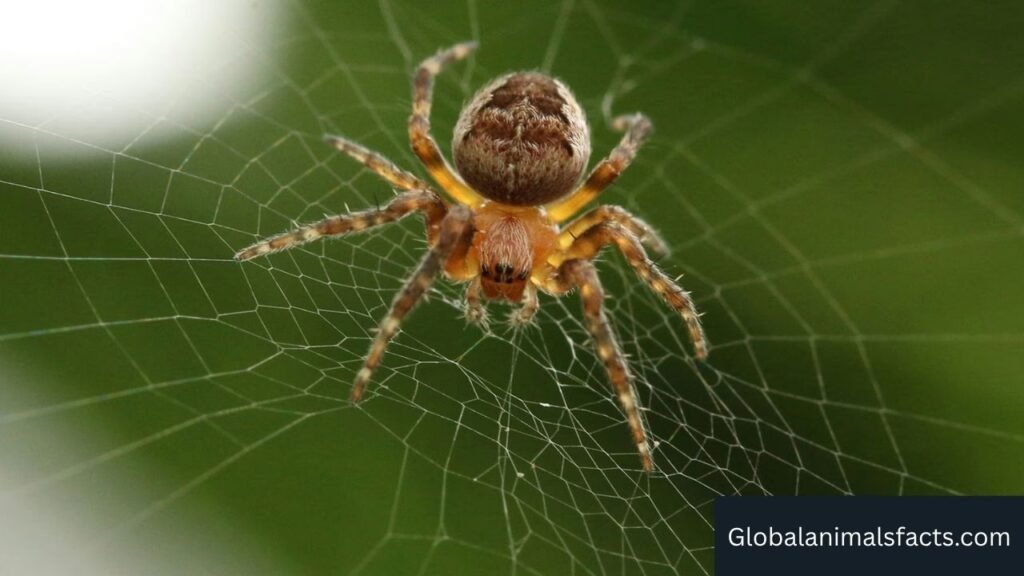
Interestingly, the way spiders utilize their environment for ambush speaks to their resourcefulness. The orb-weaver, for instance, crafts its delicate yet strong webs in prime locations — strategically placed between branches or in dark corners where flying insects roam. This calculated placement is a testament to their ability to analyze their surroundings, allowing them to take advantage of the most lucrative opportunities. Beyond their hunting strategies, the social behaviors of spiders, particularly in species like the communal spider, challenge our perceptions of these creatures as solitary hunters, revealing a complex social dynamic that can be just as strategic. As we learn more about these often-misunderstood creatures, we find that their “sneakiness” is not merely a survival tactic; it’s a manifestation of adaptability and ingenuity in a challenging world.
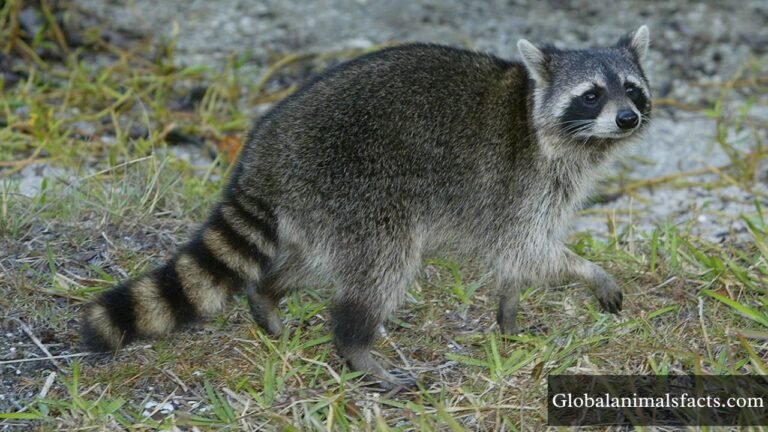
Raccoon
Scientific Name: Procyon lotor
Class: Mammalia
Diet: Omnivore
Raccoons are the ultimate urban survivors, blending charm with cunning as they navigate city streets and suburban neighborhoods. Often dubbed “masked bandits” due to their distinct facial markings, these nocturnal foragers possess an impressive dexterity that allows them to manipulate locks, unscrew jar lids, and even open containers. Studies have shown that raccoons can remember the solution to tasks for up to three years, showcasing their remarkable intelligence and adaptability in ever-changing environments.
Beyond their thieving reputation lies a fascinating social structure; raccoons often form small communities, especially in urban settings. This cooperative living allows them to share knowledge about food sources, enhancing their overall survival. Moreover, their unique “paw” sensitivity plays a vital role in their foraging habits. When submerged in water, raccoons use their front paws to explore and discern objects by touch — a behavior reminiscent of human hand-eye coordination. This skill not only aids in finding food but also adds an intriguing aspect to their character, elevating them beyond mere scavengers to resourceful problem solvers.
Alligator Gar
Scientific Name: Atractosteus spatula
Class: Actinopterygii
Diet: Carnivore
The alligator gar, with its mesmerizing armor of scales and elongated, toothy jaw, epitomizes the blend of ancient and modern in the aquatic world. Often mistaken for a relic from the past, this fish has remained relatively unchanged for millions of years, making it a living link to the time of the dinosaurs. This formidable predator glides through the waters of North America, using its impressive size — typically reaching lengths of up to ten feet — to maximize its stealth while hunting. Its ambush tactics, combined with a remarkable ability to hold its breath for up to two hours, make it a master of the sneak attack.
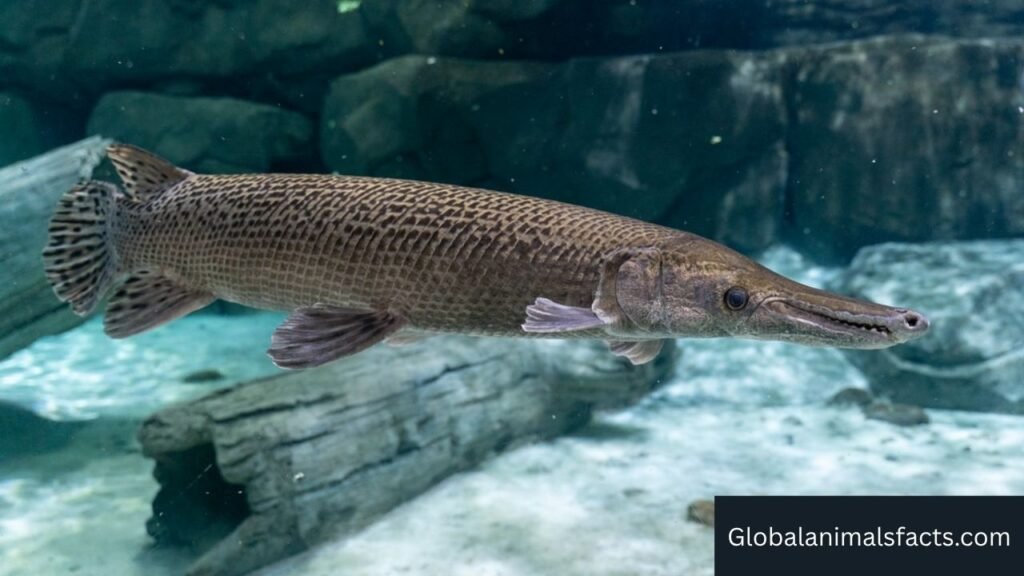
But beyond its predatory prowess, the alligator gar holds a vital ecological role in its habitat. These fish help maintain the balance of fish populations, controlling the numbers of smaller species and preventing overcrowding in rivers and lakes. Moreover, the gar’s diets and behaviors can serve as indicators of environmental change, providing crucial data for conservation efforts. While often overlooked or feared, the alligator gar urges us to reconsider our perception of it not just as a fearsome predator, but as a resilient guardian of its ecosystem, embodying the delicate interplay of life beneath the water’s surface.
Tarantula
Scientific Name: Theraphosidae
Class: Arachnida
Diet: Carnivore
Tarantulas often evoke fear due to their size and appearance, but these fascinating arachnids have some of the most complex behaviors in the animal kingdom. Unlike many spiders, tarantulas do not spin webs to catch their prey. Instead, they rely on their impressive speed and ambush tactics, showcasing a level of predatory skill that surprises many. They set up shop in burrows or beneath rocks, waiting patiently for unsuspecting insects and even small vertebrates to wander too close.
A lesser-known aspect of tarantulas is their social behavior. Many species engage in surprisingly intricate courtship dances, where the male must perform elaborate leg movements to attract a female. This ritual can be a delicate dance of danger, as the female sometimes views the male as a potential meal. Adding to their mystique, tarantulas possess the ability to flick tiny hairs from their bodies as a defensive mechanism, causing irritation to potential predators — an effective, if sneaky, way to ensure they remain unbothered in their natural habitat.
Frogfish
Scientific Name: Antennariidae
Class: Actinopterygii
Diet: Carnivore
Frogfish are a true marvel of the deep sea, blending artistry with predatory prowess. These fascinating creatures employ a remarkable form of camouflage; their skin texture mimics the coral or seafloor where they reside, allowing them to evade both prey and predators alike. This skillful disguise is complemented by their ability to change colors and patterns, a trait that makes them appear almost like living pieces of art.
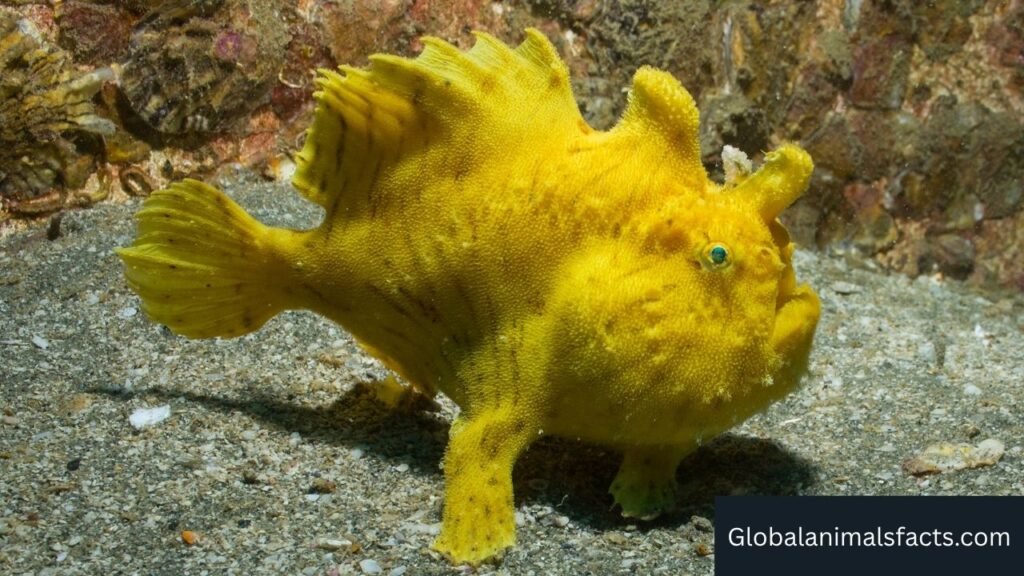
But it’s not just their appearance that captivates. Frogfish are voracious hunters, showcasing a unique feeding strategy through their specialized lure — often a modified dorsal fin that wiggles enticingly like a small fish. Once a curious target approaches, the frogfish strikes with lightning speed, engulfing its prey whole. This combination of stealth and sudden aggression showcases the delicate balance between beauty and brutality in the underwater realm, reminding us that even the most unassuming creatures can wield remarkable power.
Their reproductive habits are equally intriguing, as male frogfish cling to females in a form of role-reversal that resembles a romantic ballet. Once the female lays her eggs, the male fertilizes them and guards the nest, offering a rare glimpse of nurturing behavior in the often harsh marine landscape. Frogfish embody both cunning and creativity, captivating divers and marine biologists alike as they navigate the ocean’s depths in their quest for survival.
You can also read: Explore Top 28 Energetic Animals in The World.
Wolf
Scientific Name: Canis lupus
Class: Mammalia
Diet: Carnivore
Wolves, often portrayed as fearsome predators, possess a cunning intelligence that more closely resembles that of a seasoned tactician. Their social structure, built around tight-knit packs, allows them to execute elaborate hunting strategies, demonstrating an impressive level of cooperation rarely seen in the wild. Ingeniously, wolves can assess their environment and adapt their tactics based on the specific prey or terrain, showcasing their ability to be both stealthy and strategic.
Moreover, wolves communicate through a complex language of vocalizations, body language, and even facial expressions, enhancing their ability to coordinate and deceive. This means that a well-organized pack can create distractions, misleading their prey about their true intentions, a testament to their sneaky nature. Their incredible endurance allows them to chase prey over long distances, employing stamina to outlast and outsmart rather than simply overpower them. This clever blend of physical prowess and social intelligence makes wolves not just effective hunters but also master tacticians of the animal kingdom.
Octopus
Scientific Name: Octopoda
Class: Cephalopoda
Diet: Carnivore
Octopuses are the Chameleons of the sea, showcasing an extraordinary ability to camouflage themselves against their surroundings. Not only can they change color, but they also alter their skin texture, mimicking everything from rugged rocks to smooth coral. This remarkable transformation is governed by specialized cells called chromatophores, allowing them to blend seamlessly with their environment, evading predators and stalking prey in plain sight.
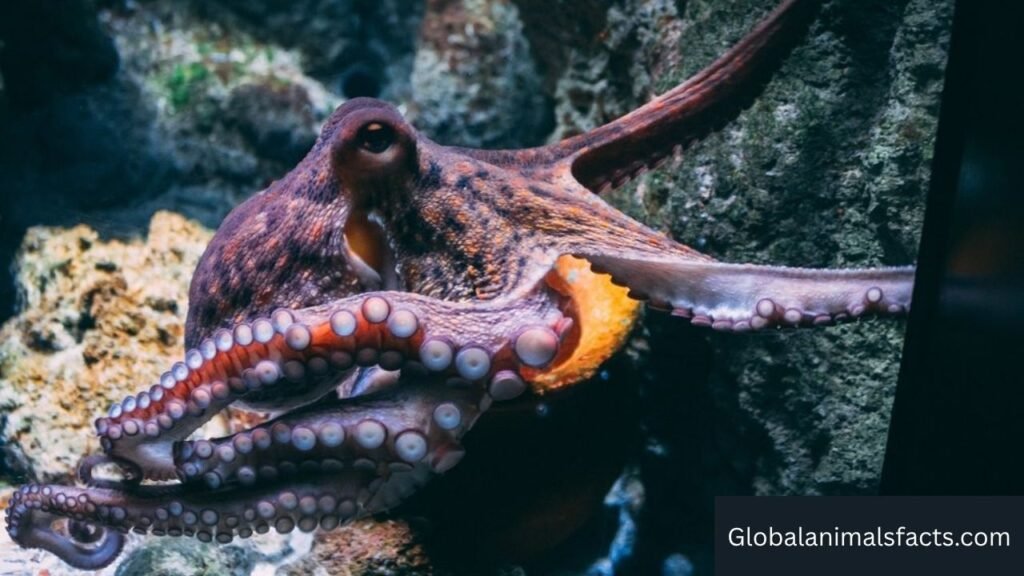
These cephalopods are masters of escape artistry. Their soft, malleable bodies can squeeze through openings as tight as a dime, enabling them to slip out of aquariums and evade capture with astonishing agility. This cleverness extends beyond mere physical adaptability; octopuses are also adept problem solvers. Observations have revealed them opening jars to access food, showcasing a mix of intelligence and instinct that captivates researchers and aquarium-goers alike. The octopus stands as a true testament to nature’s ingenuity, inspiring awe, and curiosity about the enigmatic lives of these underwater tricksters.
Tiger
Scientific Name: Panthera tigris
Class: Mammalia
Diet: Carnivore
Tigers are the embodiment of stealth and strategy in the animal kingdom, often lurking within the underbrush with an elegance that belies their formidable strength. Unlike many predators, these big cats have an astonishing ability to blend into their surroundings, employing a coat of striking stripes that disrupts their outline against the dappled sunlight of their forest habitats. This unique adaptation not only enhances their hunting skills but also instills an air of mystery, making them one of the most captivating animals to observe in the wild.
Beyond their physical prowess, tigers display an intricate understanding of their environment, utilizing scent markings and vocalizations to communicate without revealing their presence. Their cunning has been documented in various instances where they’ve waited patiently for hours, observing their prey from a distance before launching a calculated attack. This strategic patience highlights an intelligence that goes beyond mere instinct, showcasing their ability to adapt and thrive in diverse ecosystems. In a world increasingly encroached upon by human activity, the tiger’s stealth serves as a poignant reminder of the delicate balance between predator and prey, urging us to protect the wilderness that nurtures such extraordinary life.
Leaf-Tailed Gecko
Class: Reptilia
Diet: Carnivore
The Leaf-Tailed Gecko is the ultimate master of disguise, embodying nature’s art of camouflage. This remarkable reptile hails from Madagascar, where its flat, leaf-shaped tail serves not only as a protective mechanism but also as a cunning form of deception. By blending seamlessly into the forest floor or among the lush foliage, it confounds both predators and unsuspecting prey, demonstrating that survival often hinges on the art of invisibility.
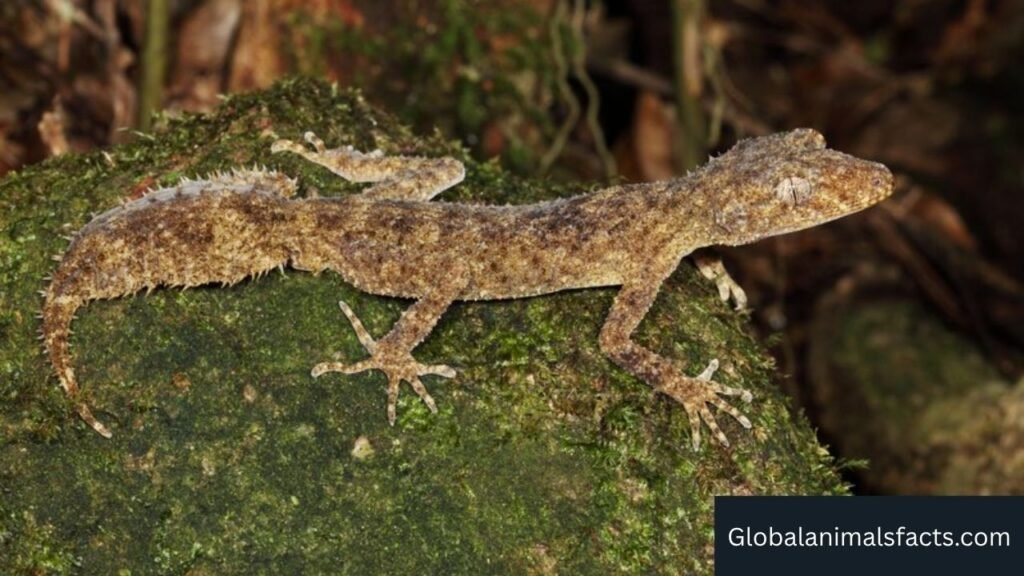
What sets the Leaf-Tailed Gecko apart is not just its appearance, but its behavior. These nocturnal creatures employ a fascinating strategy during the day, choosing to remain motionless in plain sight, perfectly mimicking the surrounding environment. This behavioral stealth is complemented by their ability to alter their color slightly, shifting hues according to their surroundings — a true testament to evolution’s ingenuity.
Snow Leopard
Scientific Name: Panthera uncia
Class: Mammalia
Diet: Carnivore
Snow leopards, with their enchanting fur patterns and piercing gazes, are masters of stealth in the rugged terrains of the Himalayas. Unlike their larger big cat cousins, these elusive felines possess a slew of adaptations that allow them to navigate steep, rocky landscapes with grace. Their long, thick tails not only provide balance but also serve as a warm blanket, wrapping around their bodies during chilly nights in the High Himalayas. The “white” snow cover isn’t a hindrance; rather, their smoky-gray coats, adorned with black rosettes, offer excellent camouflage against the rocky backdrop, making them virtually invisible to both prey and predators.
Beyond their physical prowess, snow leopards exhibit fascinating social behaviors that contribute to their survival. While often considered solitary, they engage in intricate communication through scent markings and vocalizations, creating a complex social tapestry that transcends mere existence. Conservation efforts are increasingly pivotal, not just for their survival, but to maintain the ecological balance within their mountainous realm, reminding us of the intricate interdependence in nature’s design. Each snow leopard sighting becomes an emblem of hope, emphasizing the importance of preserving their pristine habitats for future generations.
Orchid Mantis
Scientific Name: Hymenopus coronatus
Class: Insecta
Diet: Carnivore
The orchid mantis, an outstanding mimic of delicate flowers, embodies the art of disguise in the animal kingdom. This master of camouflage primarily resides in tropical forests, where its petal-like appendages blend seamlessly with the vibrant flora. When a pollinator, such as a butterfly or bee, unwittingly approaches the mantis, it becomes a meal rather than a visitor to a blossom. This strategic predation exemplifies nature’s creativity, showcasing how survival oftentimes hinges on an animal’s ability to transform into its environment.
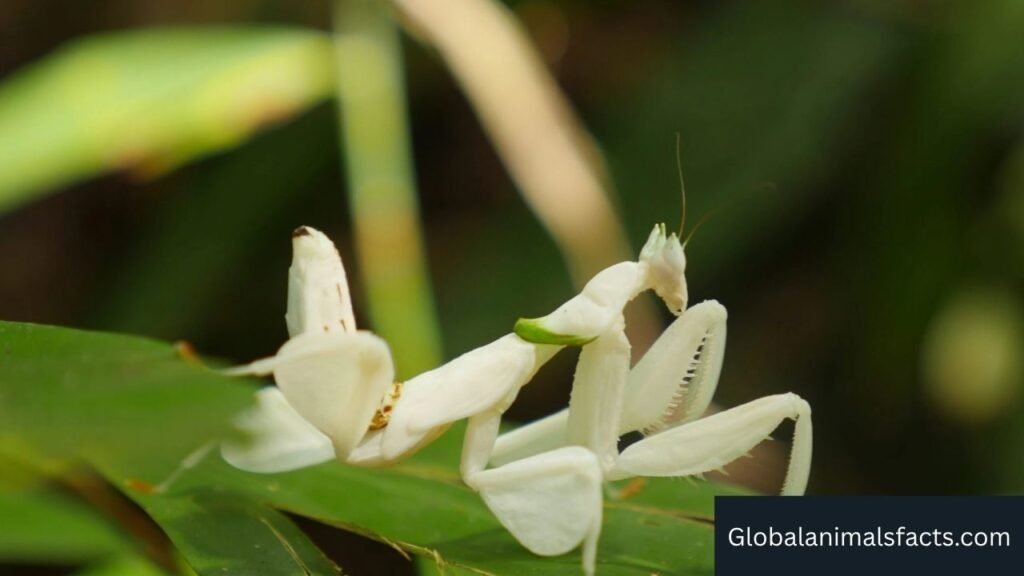
Beyond mere appearance, the orchid mantis engages in fascinating behavioral adaptations. Its slow, deliberate movements mimic the swaying of a flower, further enchanting its unsuspecting prey. Interestingly, the orchid mantis has been observed to interact with its surroundings in ways that hint at a complex understanding of its environment. For instance, studies suggest that these mantises may selectively position themselves based on the flowers that attract the most pollinators, revealing a strategic mind behind the mask of beauty. This intricate dance of adaptation illustrates how even the most delicate creatures possess a cunning intelligence in the pursuit of survival.
Hyena
Scientific Name: Crocuta crocuta
Class: Mammalia
Diet: Carnivore
Hyenas often dwell in the shadows of their more glamorous African counterparts, but these cunning creatures possess an intelligence that challenges traditional perceptions. Contrary to the stereotype of being mere scavengers, hyenas are strategic hunters, working in packs to outmaneuver their prey. Their unique social structure resembles that of primates, where matriarchs lead family groups and females dominate hierarchy, showcasing a fascinating twist on the typical mammalian roles.
What truly sets hyenas apart is their remarkable vocal repertoire. Known for their “laughs,” which are actually communication signals, these sounds convey everything from excitement to alarm, highlighting their complex social interactions. Researchers have found that each hyena has its own distinct call, akin to a fingerprint, making these vocalizations an essential part of their identity. This intricate communication system not only fosters teamwork during hunts but also reinforces social bonds among pack members, offering a deeper understanding of their sophisticated community dynamics.
Weasel
Scientific Name: Mustela
Class: Mammalia
Diet: Carnivore
The weasel, often perceived as a cunning and sneaky creature, has developed an extraordinary set of survival skills that masks its true prowess. With a slender body and quick reflexes, this small carnivore navigates its environment with an agility that belies its unassuming appearance. Weasels are not just expert hunters; their ability to camouflage themselves among their surroundings allows them to blend seamlessly into grasslands and woodlands, making them elusive hunters of rabbits, rodents, and birds.
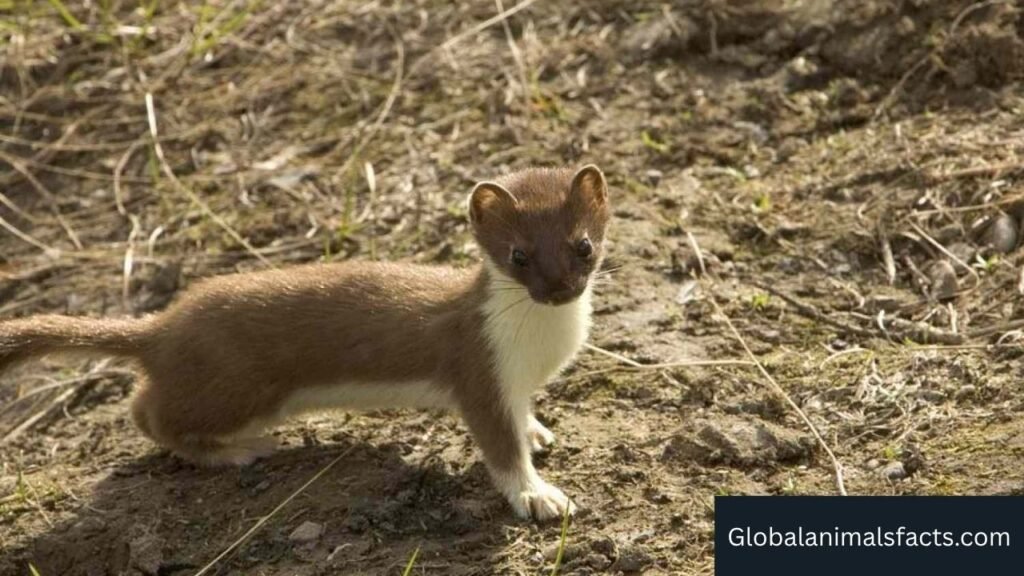
Not only are they masters of stealth, but weasels also exhibit intriguing social behaviors. While often solitary, they are known to work together in family groups during hunts. This cooperative strategy enhances their efficiency, showcasing a level of intelligence that contrasts sharply with their reputation as mere tricksters. These animals possess a unique ability to enter burrows much larger than themselves, providing them with access to both food and potential escape routes from predators, reinforcing their reputation as crafty survivors in the animal kingdom.
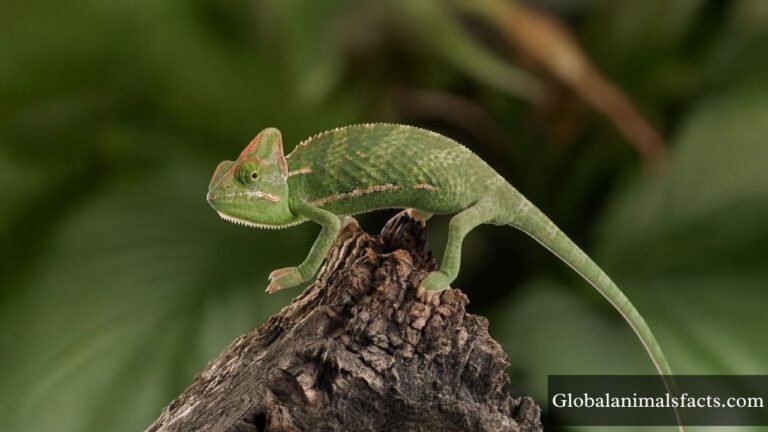
Chameleon
Scientific Name: Chamaeleonidae
Class: Reptilia
Diet: Carnivore
Chameleons are the ultimate masters of disguise, but their color-changing abilities go beyond mere camouflage. These fascinating reptiles utilize their skin’s specialized cells, called chromatophores, to communicate and express emotions. A sudden burst of vibrant colors can signal aggression, while softer hues may indicate calmness or submission. This means that a chameleon’s vibrant palette is not just for blending in with the surroundings but also a dynamic language of its own.
Moreover, the chameleon’s vision is just as remarkable as its coloration. With independently moving eyes, they can observe two different scenes at once, making them adept hunters. This unique visual prowess allows them to spot both prey and predators simultaneously, turning them into a stealthy predator in the wild. When they finally strike, their extendable tongues can reach up to twice their body length, snatching insects with astonishing speed.
Cuttlefish
Scientific Name: Sepiida
Class: Cephalopoda
Diet: Carnivore
Cuttlefish are the masters of disguise, capable of blending seamlessly into their surroundings. With specialized skin cells called chromatophores, they can flash vibrant colors or mimic intricate patterns in mere seconds. This remarkable ability not only serves as camouflage against predators but also plays a crucial role in communication during mating rituals.
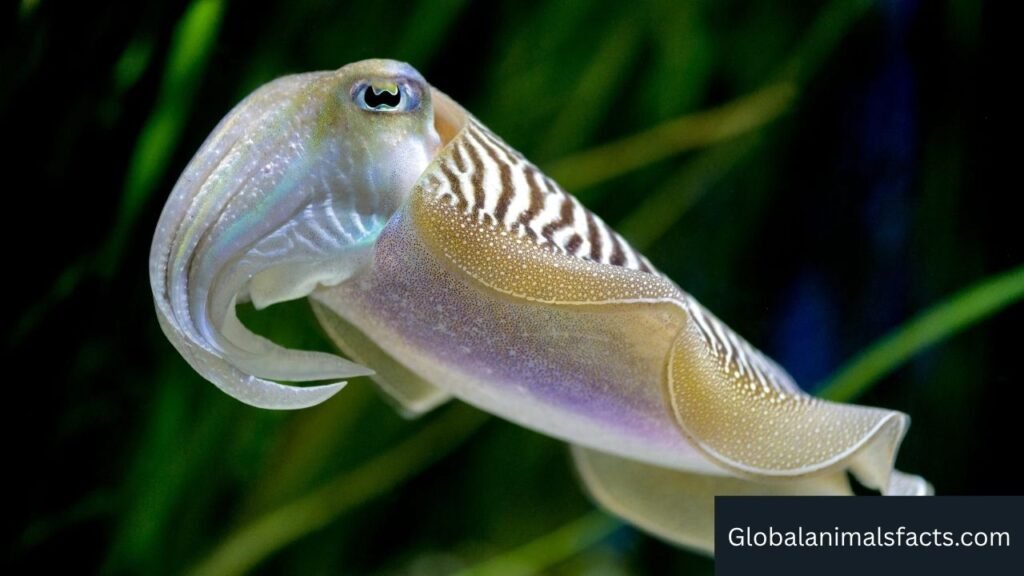
But it’s not just their camouflage that makes cuttlefish sneaky. They possess keen intelligence, using problem-solving skills that rival those of some mammals. For instance, cuttlefish can sneak up on prey by employing stealthy approaches, using their ability to change both color and texture. They can even leave the ocean floor and hover near the surface to pounce on unsuspecting shrimp and small fish. Such tactics reveal a cunning predator that has mastered the art of ambush in a world teeming with potential threats.
Owl
Scientific Name: Strigiformes
Class: Aves
Diet: Carnivore
Owls, those enigmatic creatures of the night, possess an extraordinary blend of stealth and wisdom. With their keen, forward-facing eyes, they enjoy a unique binocular vision that allows them to spot movement in near darkness, making their silent hunting style even more captivating. These raptors have specialized feathers that mute the sound of their flight, enabling them to glide through the dark like phantoms, drawing near to unsuspecting prey without a whisper.
But it’s not just their hunting prowess that intrigues us; it’s their complex social behaviors. Many owl species are solitary, yet some engage in surprising cooperative strategies, such as hunting in pairs or even roosting together during harsh weather. This adaptability highlights their intelligence, showing they can navigate their environments in unique ways that often go unnoticed.
Readmore: Explore Top 16 Flexible Animals in The World.
Final Thoughts
Sneaky animals remind us that survival is often a game of wits, where intelligence and adaptability can mean the difference between life and death. From the camouflage of the chameleon to the elaborate traps set by spiders, these creatures showcase a range of strategies that leave us in awe. Their behaviors challenge us to rethink our understanding of nature and its countless wonders. As we observe these clever antics, we are reminded of the importance of preserving their habitats and appreciating the diversity of life around us. Take a moment to reflect on the marvels of the animal kingdom and consider how you can contribute to its protection for generations to come.
FAQs
What animals known for being sneaky?
Many animals have earned a reputation for being sneaky due to their cunning behaviors. Foxes are often seen as the archetypal sneaky animal. Their cleverness allows them to outsmart predators and hunters alike, often using stealth to catch their prey. Another sneaky contender is the octopus. These marine creatures are masters of disguise, capable of blending into their surroundings and escaping threats. They can manipulate their bodies and colors, making them almost invisible when necessary.
What is the sneakiest animal in the world?
The sneakiest animal in the world might just be the octopus. Known for their intelligence and ability to camouflage, octopuses can blend seamlessly into their surroundings, making them nearly invisible to predators and prey alike. Some species can even change texture to mimic rocks or coral, enhancing their stealth.