Top 20 Animals That Eat Monkeys (With Pictures)
Did you know that some animals actively hunt monkeys as part of their diet? In the wild, the circle of life often takes surprising turns, and understanding the predators that target these agile primates can reveal much about ecosystem dynamics. This article delves into the fascinating world of Animals That Eat Monkeys, highlighting not just their dietary choices but also their role in maintaining ecological balance. By exploring this topic, you’ll gain insights into predator-prey relationships and the often-overlooked complexities of animal behavior in the wild.
List of Animals That Eat Monkeys
Below is the list of animals that eat monkeys:
- Leopards
- Lions
- Crocodiles
- Ocelots
- Martial Eagles
- Green Anaconda
- Fox
- Hawks
- Komodo Dragons
- Reticulated Python
- Philippine Eagle
- Chimpanzee
- Cheetahs
- Tigers
- Crowned Eagle
- Dhole
- Harpy Eagles
- Wild Dog
- Alligators
- Jaguars
Leopards
Scientific Name: Panthera pardus
Class: Mammalia
Leopards are apex predators, exhibiting a remarkable adaptability that allows them to thrive in diverse habitats — from dense rainforests to arid savannas. Their hunting prowess extends to primates, including monkeys, which they often stalk with stealthy precision. Unlike many predators, a leopard’s strategy involves not just sheer power but also an acute awareness of its surroundings and the behavior of its prey. This keen observation is particularly beneficial when hunting arboreal species; leopards are excellent climbers and can easily navigate the trees where monkeys often make their homes.
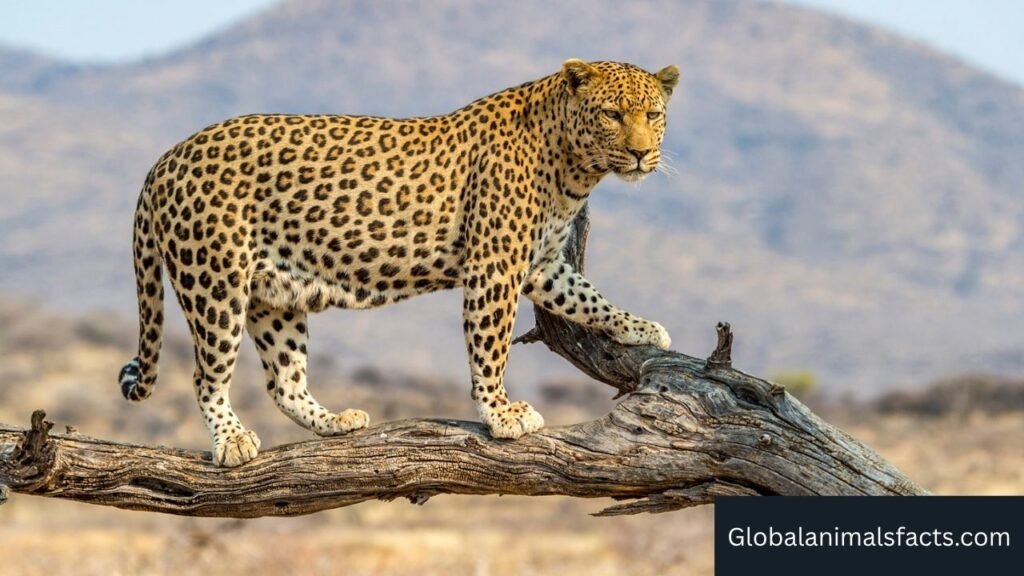
One fascinating aspect of leopard hunting behavior is their tendency to feast on monkeys primarily during specific times of the year when these primates are less vigilant, typically during the mating season or periods of food scarcity. This strategic approach allows leopards to capitalize on their prey’s momentary distractions.
Lions
Scientific Name: Panthera leo
Class: Mammalia
In the mesmerizing tapestry of the animal kingdom, lions stand out as apex predators exhibiting remarkable adaptability. While their primary diet consists of ungulates, there are instances when these powerful felines turn their attention to smaller primates, including monkeys. This predation is often driven by scarcity, demonstrating the lion’s opportunistic nature. In habitats where prey is scarce, a lion’s ability to exploit various food sources — including monkeys — can inadvertently balance the local ecosystem by regulating primate populations.
Interestingly, this behavior can also stem from environmental pressures, such as habitat encroachment and changes in prey availability. In some regions, lions may encounter troops of monkeys venturing closer to their territories, especially during times of drought when traditional prey migrates away from water sources. Such interactions can lead to dramatic encounters, showcasing not only the raw power of the lion but also the intelligence and agility of monkeys as they attempt to evade their formidable predators. In these high-stakes situations, it becomes clear that survival in the wild is often a precarious dance of predator and prey, with each adapting to the other in the relentless pursuit of life.
Crocodiles
Scientific Name: Crocodylus
Class: Reptilia
Crocodiles, often viewed as formidable predators, have an intriguing relationship with monkeys, particularly in regions where their habitats overlap. These ancient reptiles employ both stealth and strength, using their camouflage to stealthily stalk their prey along riverbanks and forest edges. When monkeys venture too close to the water’s edge, they unwittingly enter the crocodile’s domain, often becoming an accidental meal. This predation contributes to a delicate balance in the ecosystem, illustrating nature’s ruthless efficiency.
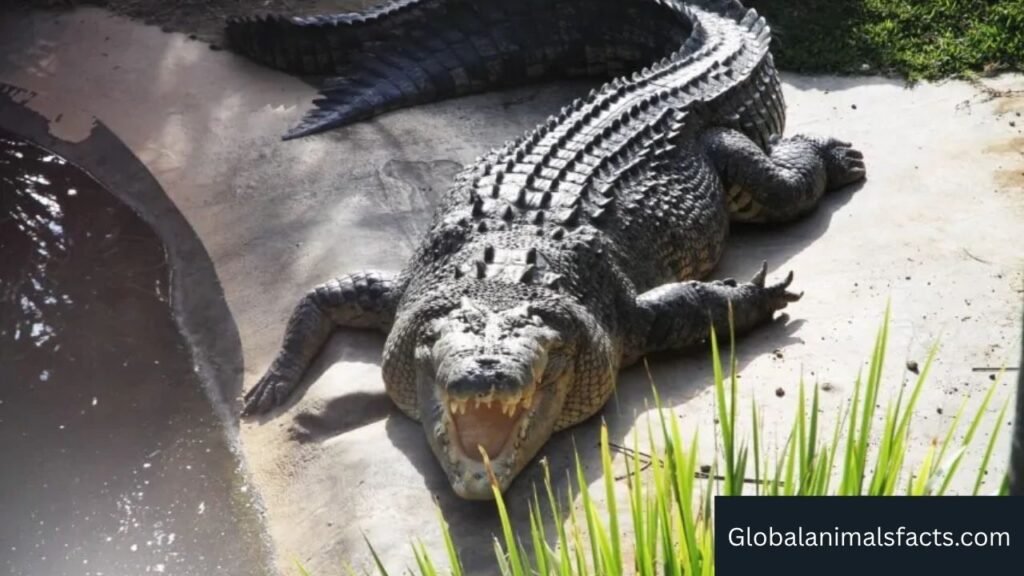
Interestingly, the predation dynamics shift when considering the behavior of the monkeys themselves. Many species, like howler monkeys, have adapted their foraging and social habits to minimize the risk of crocodile attacks. They often form tight-knit groups, utilizing a watchful sentinel system where one or a few individuals remain alert for potential dangers while others feed. This fascinating survival tactic underscores an evolutionary arms race between predator and prey, where intelligence and adaptability play crucial roles in survival.
Readmore: Explore Top 14 Animals That Eat Rabbits.
Ocelots
Scientific Name: Leopardus pardalis
Class: Mammalia
Ocelots, those strikingly beautiful wild cats known for their distinctive spotted coats, play a crucial yet often overlooked role in the complex web of their rainforest ecosystem. While their diet primarily consists of small mammals, birds, and reptiles, they also opportunistically prey on monkeys, especially the smaller species such as tamarins and squirrel monkeys. This predatory behavior showcases the ocelot’s adaptability; it can seamlessly shift its hunting strategy based on prey availability, illustrating the fluidity of nature’s balance.
Intriguingly, ocelots are not only solitary hunters but also possess keen climbing skills, which enable them to pursue monkeys in the trees. This arboreal agility sets them apart from many other predators, allowing them to exploit a niche that few can enter.
Martial Eagles
Scientific Name: Polemaetus bellicosus
Class: Aves
Martial eagles stand out as one of the most formidable avian predators in Africa, boasting impressive wingspans that can reach over eight feet. These majestic birds are not just aerial marvels; they play a vital role in their ecosystem by regulating monkey populations. Their hunting prowess is honed by a combination of keen eyesight and swift agility, enabling them to spot their prey from great distances. Once a target is identified, the martial eagle swoops down with breathtaking speed, exhibiting a level of precision that leaves little room for escape.
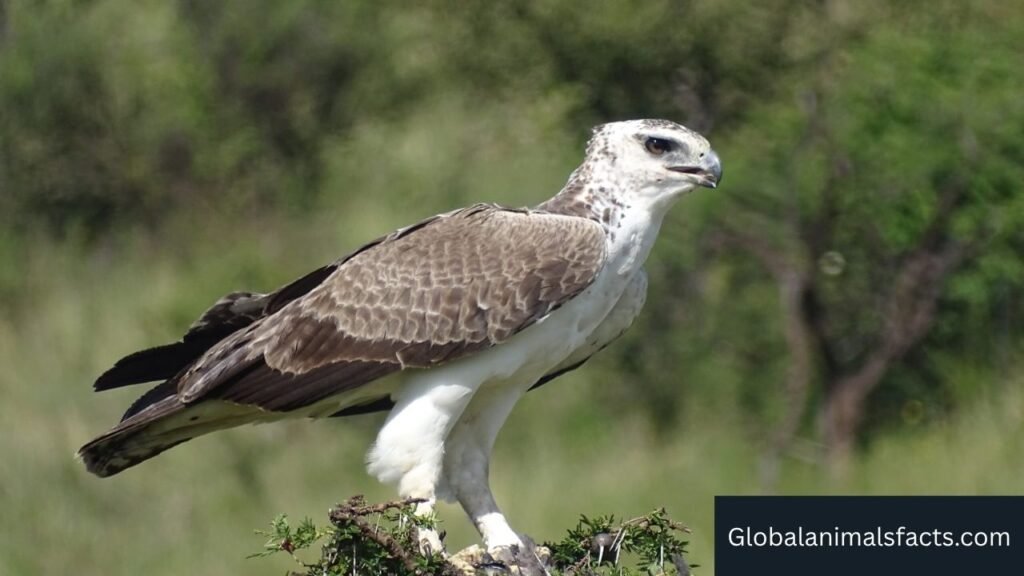
Interestingly, these birds aren’t limited to hunting just monkeys; their diet is diverse, including various mammals and birds. However, engaging with primates offers a unique challenge, showcasing their strength and adaptability. What’s more, the dynamics between martial eagles and monkeys can illustrate larger ecological narratives. As these apex predators thin out monkey populations, they create a ripple effect that influences the vegetation and other species in their habitat, underscoring the interconnectedness of life in the wild. In environments where martial eagles thrive, the balance of the ecosystem can shift dramatically, revealing the intricate dance of predator and prey.
Green Anaconda
Scientific Name: Eunectes murinus
Class: Reptilia
In the murky waters of the Amazon, the green anaconda reigns as a formidable predator, showcasing a diet that often includes monkeys. These colossal serpents have evolved to take advantage of the dense jungle environment, utilizing stealth and immense strength to capture their prey. Unlike the more commonly feared land predators, anacondas employ an ambush strategy, lurking beneath the water’s surface until a curious monkey ventures too close to the edge. Once the moment is right, the anaconda strikes with incredible speed, securing a meal that can significantly sustain its massive body for weeks.
The hunting tactics of the green anaconda highlight a fascinating evolutionary advantage: their ability to adapt to varied prey. While various species of monkeys might frolic in the treetops, oblivious to the danger below, these snakes demonstrate a unique form of resourcefulness. By waiting patiently, the anaconda symbolizes the often unacknowledged power dynamics that exist within the jungle.
You can also read: Explore Top 13 Animals That Eat Oranges.
Fox
Scientific Name: Vulpes vulpes
Class: Mammalia
In the intricate web of nature, the cunning fox emerges as a surprising predator, albeit infrequently, of monkeys. While primarily known for their agility and adaptability in diverse environments, foxes are opportunistic feeders. In areas where their habitats overlap with monkey populations, such as certain forested regions, a fox may target young or weak primates, especially if other food sources are scarce. This unusual dietary choice highlights the versatility of the fox in navigating the complexities of the food chain.
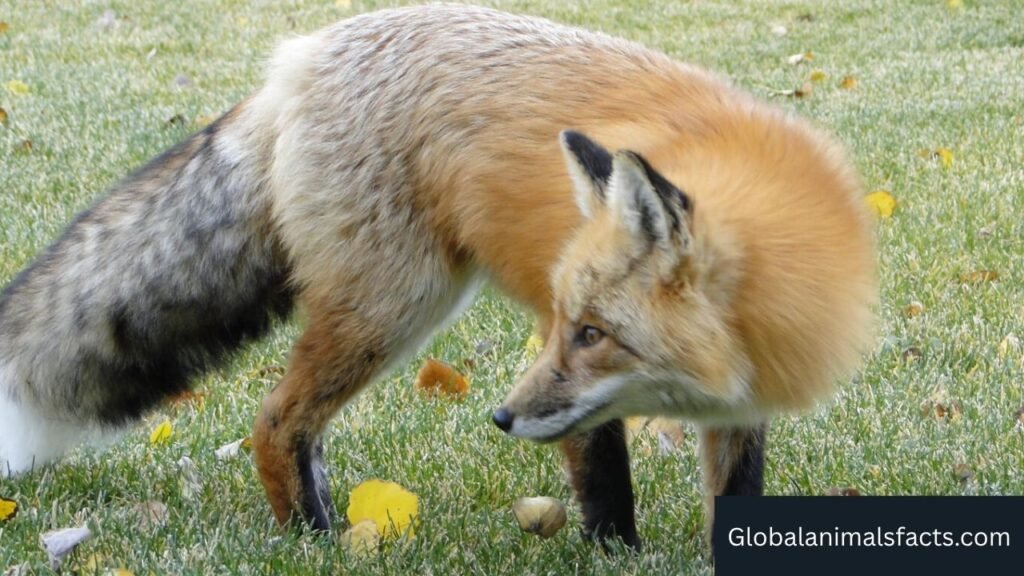
Interestingly, the relationship between foxes and monkeys extends beyond mere predation. Observations suggest that foxes may also scavenge remains left behind by larger predators, acting as a crucial link in the ecosystem that helps maintain balance. This scavenging behavior offers a fascinating glimpse into the role of foxes within their ecological niches, showcasing their intelligence and adaptability.
Hawks
Class: Aves
Hawks, with their keen eyesight and masterful hunting skills, are adept predators in the animal kingdom, occasionally setting their sights on monkeys. Though these raptors primarily hunt smaller mammals or birds, certain species of hawks have been observed employing impressive aerial tactics to snatch primates, especially young or weaker individuals. This predation highlights a fascinating dynamic: the balance of ecosystems where even primates, often seen at the top of their food chain due to their intelligence and social structures, can fall victim to aerial hunters.
In dense forests, hawks utilize stealth and agility to navigate through the canopy, targeting unsuspecting monkeys. Their high-altitude vantage points allow them to spot vulnerable prey amidst the foliage. This interaction serves as a reminder that the circle of life is complex; it’s not only about survival but also about the intricate connections between species. Furthermore, the presence of such predators can influence monkey behavior, leading them to develop more vigilant social structures and adaptive strategies for protection, underscoring the profound impact of hawks on the primate communities they coexist with.
Komodo Dragons
Scientific Name: Varanus komodoensis
Class: Reptilia
Komodo dragons, the formidable giants of the lizard family, are known for their impressive hunting skills and formidable arsenal of predatory tactics. While their diet typically consists of small mammals, birds, and carrion, they have been observed preying on monkeys — an unusual and striking choice among their more common fare. With their keen sense of smell and remarkable patience, these reptiles can stalk their prey for hours, waiting for the opportune moment to ambush. The stealthy approach and sudden burst of speed make them apex predators in their natural habitats, instilling a sense of awe in anyone fortunate enough to witness the hunt.
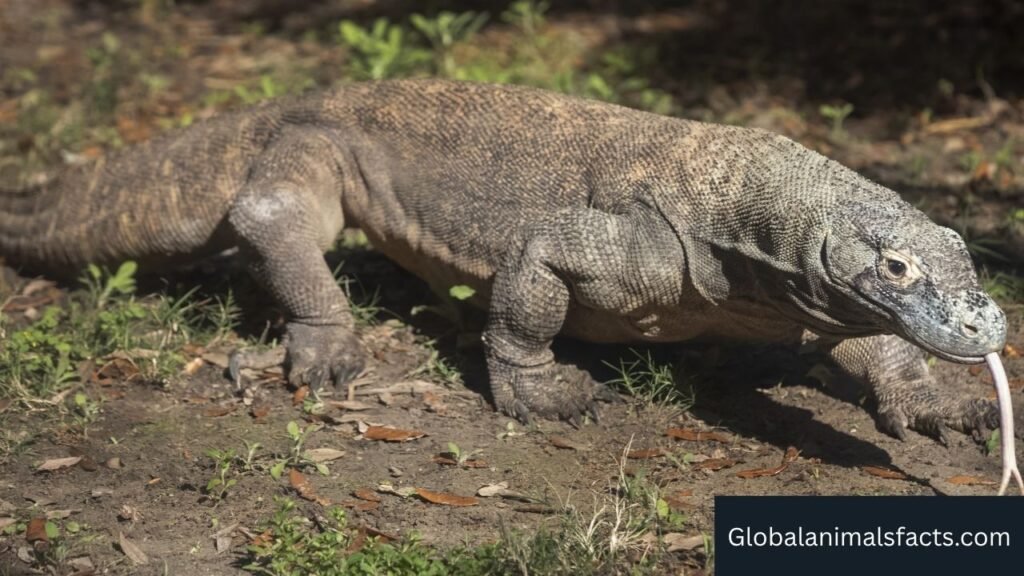
What sets the Komodo dragon apart is its venom, which contains a cocktail of bacteria and anticoagulants that can immobilize prey over time. When it comes to capturing monkeys, this venom becomes an asset, as the unsuspecting primates often succumb to the slow, debilitating effects after a bite. This unique predation strategy highlights the intricacies of the Komodo dragon’s ecosystem, revealing it as not merely a scavenger but as a significant player in the balance between species.
Also read: Explore Top 12 Animals That Eat Ants.
Reticulated Python
Scientific Name: Malayopython reticulatus
Class: Reptilia
The reticulated python, one of the longest snakes in the world, embodies both elegance and predatory ferocity, making it a formidable foe in the jungles of Southeast Asia. Known for its impressive hunting skills, this constrictor has a varied diet that occasionally includes monkeys. Utilizing its exceptional camouflage, the reticulated python can silently blend into the thick foliage, waiting for the perfect moment to strike. Its ability to swallow prey several times its own size is a testament to its flexible jaws and powerful musculature, enabling it to ambush and consume a variety of animals, including those nimble primates.
Interestingly, the relationship between reticulated pythons and monkeys provides a fascinating glimpse into the complex dynamics of predator-prey interactions. Monkeys are often agile and quick, making their capture a considerable challenge. However, if a young or unsuspecting monkey strays too close, the python’s patience and strategic ambush can lead to an extraordinary encounter. This predation not only impacts monkey populations but also serves as a critical check on their numbers, ensuring the health of the ecosystem. The reticulated python, therefore, plays a crucial role in maintaining the balance of its habitat, reminding us of the intricate web of life that unfolds in the vibrant jungle.
Philippine Eagle
Scientific Name: Pithecophaga jefferyi
Class: Aves
The Philippine eagle, known for its incredible size and striking appearance, reigns as one of the apex predators in its lush, tropical habitat. This formidable bird of prey can reach a wingspan of up to seven feet, providing it with both the power and agility to navigate the dense canopies of the Philippines. While its diet includes a variety of small mammals and birds, it’s the consumption of monkeys that adds an intriguing layer to its predatory repertoire.
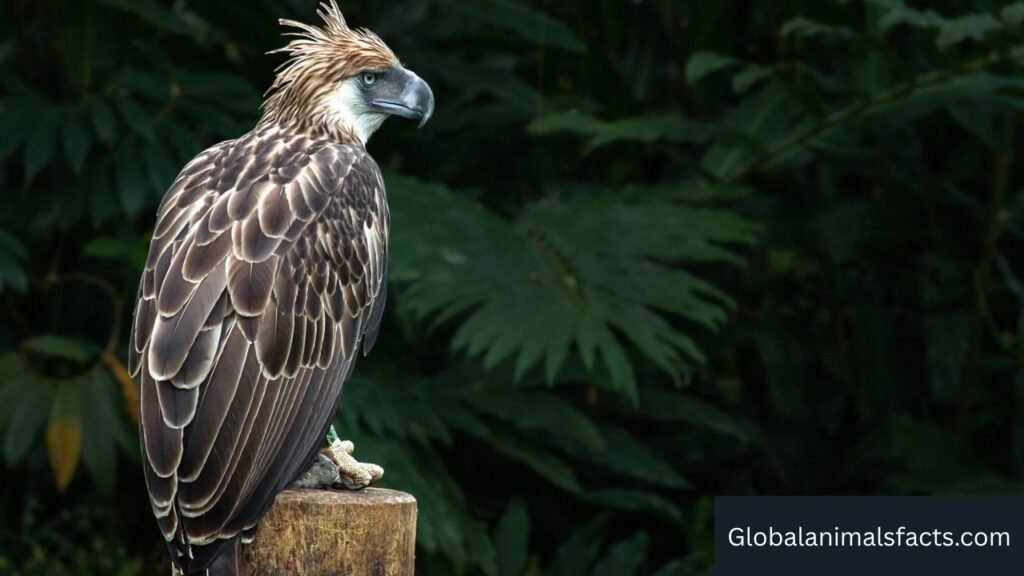
Observations reveal that the Philippine eagle utilizes both stealth and strength when hunting. It often perches high above the forest floor, scanning the underbrush for movement. When a target is identified, whether it’s a monkey or another small mammal, the eagle launches into a quick and silent dive, showcasing remarkable speed and precision. This adaptation not only highlights the eagle’s role in controlling primate populations but also underscores the delicate balance of the forest ecosystem.
Sadly, the plight of the Philippine eagle is intertwined with the survival of its prey. As deforestation and habitat destruction threaten their breeding grounds, both the eagle and its monkey prey face uncertainty. Conservation efforts are vital not only for ensuring that this majestic raptor continues to soar through its native skies but also for maintaining the intricate web of life in which it plays a pivotal role. By protecting these eagles, we safeguard countless species, revealing just how interconnected the survival of these apex predators truly is with the fate of the forests they inhabit.
Chimpanzee
Scientific Name: Pan troglodytes
Class: Mammalia
Chimpanzees, often regarded as charming and intelligent, exhibit a surprising predatory side when it comes to their interactions with other primates. In the wild, these social creatures demonstrate a complex hierarchy that sometimes leads them to hunt and consume smaller monkeys, particularly in times of scarcity. This behavioral aspect, often overlooked in favor of their more endearing traits, showcases their adaptability and cunning nature.
Hunting allows chimpanzees to strengthen social bonds within their communities. When they hunt, they cooperate in strategic ways, sharing the spoils afterward, which reinforces alliances among members. This not only fulfills their nutritional needs, but also enhances their social structure, blurring the lines between predator and prey.
Readmore: Explore Top 15 Animals that Eat Coconuts.
Cheetahs
Scientific Name: Acinonyx jubatus
Class: Mammalia
Cheetahs, renowned for their unparalleled speed and agility, are not often associated with hunting monkeys, yet these sleek predators can, on occasion, capitalize on a vulnerable primate. While their primary diet consists of ungulates like gazelles, cheetahs have been known to adapt to their environment and target smaller prey, which includes various species of monkeys, especially in regions where their paths intersect. This not only highlights the cheetah’s adaptability but also emphasizes the balance of ecosystems in which these big cats operate.
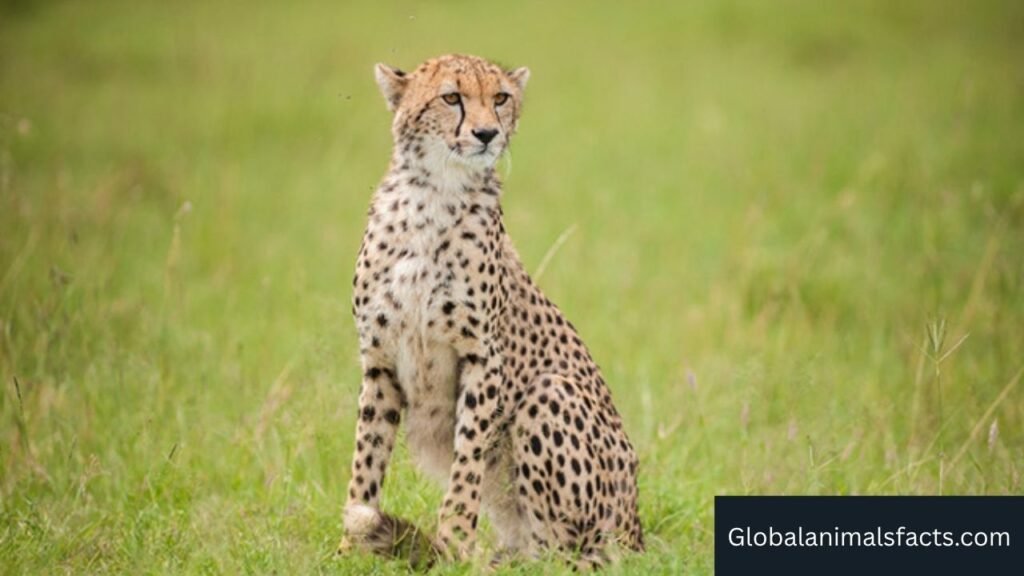
Interestingly, the hunting tactics employed by cheetahs reveal a remarkable blend of stealth and sheer velocity. Unlike their more deliberate counterparts like lions, cheetahs rely on their keen eyesight to spot a potential target from a distance. Once they identify a monkey, they may use the cover of bushes or tall grass to inch closer, ensuring that they remain undetected. This high-stakes game between predator and prey underscores the constant evolutionary arms race, where monkeys must evolve social behaviors and rapid reactions to evade these agile hunters. The dynamics of these encounters illustrate not only the ferocity of nature but also the intricate relationships woven throughout the animal kingdom.
Tigers
Scientific Name: Panthera tigris
Class: Mammalia
While tigers are often celebrated as apex predators within their ecosystems, the notion of them preying on monkeys offers a fascinating glimpse into the complexity of animal relationships. In their natural habitat, particularly in parts of Southeast Asia, tigers have been known to consider monkeys, such as macaques and langurs, as part of their varied diet. The malleability of tiger behavior underscores their adaptability; they can shift their hunting strategies according to the available prey, demonstrating the dynamic nature of predation.
Interestingly, tigers utilize stealth and raw power to catch these agile primates. They often stalk through dense undergrowth, taking advantage of their climbing skills and dexterous limbs to ambush unsuspecting monkeys that venture too close to the ground. This hunting method not only highlights the exceptional physical capabilities of tigers but also serves as a natural population control for monkeys, balancing the ecosystem.
Crowned Eagle
Scientific Name: Stephanoaetus coronatus
Class: Aves
The crowned eagle, often regarded as Africa’s most formidable raptor, showcases an astonishing blend of power and precision, setting it apart in the avian hunting world. With a wingspan that can exceed seven feet, this eagle soars through the tropical forests of sub-Saharan Africa, skillfully navigating the dense canopy in search of prey. Unlike many other eagles that favor smaller mammals or birds, the crowned eagle has developed a taste for primates, particularly monkeys. These birds are not just opportunistic hunters; their hunting prowess is honed through a unique strategy that involves ambushing monkeys from high perches, employing a combination of stealth and speed.
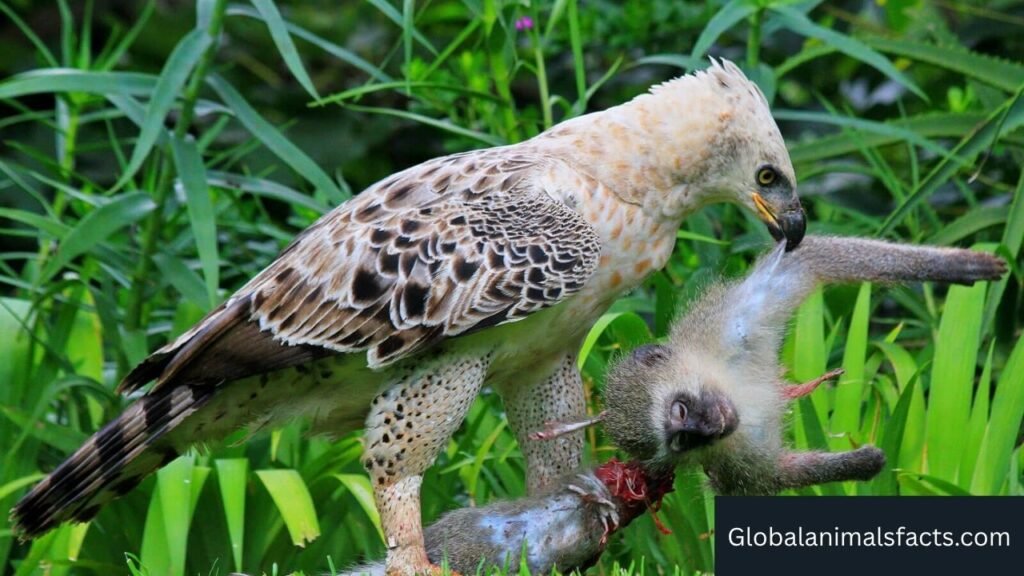
What makes the crowned eagle truly captivating is its formidable talons, which exert tremendous pressure — more than enough to crush bone. This evolutionary adaptation allows them to tackle even larger primates, such as the agile blue monkey or the smaller vervet. The crowned eagle’s ability to take down such nimble prey speaks volumes about its adaptability and prowess as a top predator. Each hunt is a testament to its unparalleled skills, revealing the intricate balance of life within the forest ecosystem where survival often hinges on the sharp instincts of both hunter and hunted.
You can also read: Explore Top 14 Animals That Eat Cactus.
Dhole
Scientific Name: Cuon alpinus
Class: Mammalia
The dhole, often overshadowed by more famous predators, is a fascinating example of nature’s complex food web. This social canid, native to the forests and grasslands of Asia, has a unique hunting strategy that often includes packs — an attribute that sets it apart from many solitary predators. Dholes are known for their remarkable vocalizations, which help coordinate their hunts and ultimately lead to the capture of prey, including monkeys. Their agile bodies and stamina enable them to chase down monkeys through dense undergrowth, manipulating the environment to their advantage.
What makes the dhole particularly intriguing is its adaptability. Unlike the more solitary jaguars or tigers that might rely on stealth, dholes employ a relentless pursuit, demonstrating teamwork in action. This social structure not only enhances their hunting efficiency but also speaks to a broader ecological balance; by preying on monkeys, dholes help regulate primate populations, preventing overgrazing of vegetation. In many ways, the dhole serves as a reminder of the intricate connections within ecosystems, where every species plays a crucial role in maintaining the delicate equilibrium of nature.
Harpy Eagles
Scientific Name: Harpia harpyja
Class: Aves
The Harpy Eagle, one of the largest and most powerful birds of prey, showcases a predatory prowess that is both awe-inspiring and slightly unsettling. With a wingspan reaching up to 7 feet, these magnificent raptors dominate the treetops of Central and South American rainforests. Their keen eyesight and incredible strength allow them to hunt a variety of animals, including monkeys — specifically, species like the howler and spider monkeys. This predation plays a crucial role in maintaining the balance of their ecosystem, highlighting nature’s intricate web of interdependencies.
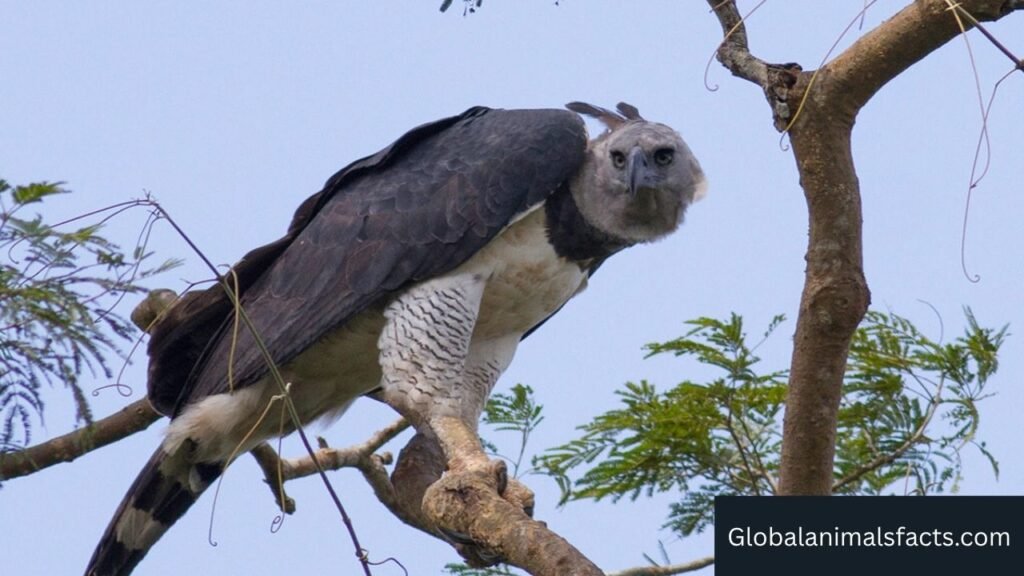
A striking feature of the Harpy Eagle is its large talons, which can measure up to 5 inches in length — akin to a grizzly bear’s claws. This adaptation not only aids in grasping and dispatching their primate prey but also serves as a stark reminder of their position atop the food chain. Observing a Harpy Eagle in action, one can witness the raw power of nature, where even the most adept of climbers are not immune to becoming a meal. These moments serve as a vivid illustration of survival, challenging our perceptions of strength and vulnerability in the wild.
Wild Dog
Scientific Name: Lycaon pictus
Class: Mammalia
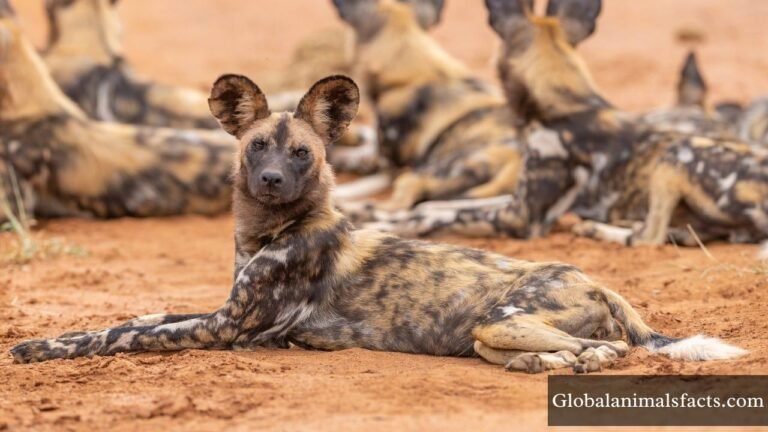
Wild dogs, particularly the African wild dog, are formidable hunters with a unique strategy that sets them apart in the animal kingdom. Unlike solitary predators, these highly social canines rely on teamwork and sophisticated communication to take down prey, including monkeys. Their success hinges on their stamina and relentless pursuit, allowing them to exhaust agile targets in a game of endurance rather than strength.
In the complex tapestry of the ecosystem, the predation on monkeys by wild dogs reflects the delicate balance between species. Monkeys, often thought to be at the top of their food chain, can become targets when they venture too far into the open during foraging or while migrating. This highlights a fascinating behavioral adaptation in monkeys as they cautiously navigate their environment, learning to avoid known predators. The intricate dynamics of predator and prey not only underscore the wild dog’s role in controlling monkey populations but also serve as a reminder of the interconnectedness of life in the wild.
Also read: Explore Top 25 Scavenger Animals.
Alligators
Class: Reptilia
Alligators are adept ambush predators, often lurking in the murky waters of their habitats until the perfect opportunity arises. While they are most commonly associated with fish and birds, these formidable reptiles are also known to take down monkeys that venture too close to the water’s edge. Species such as the howler and spider monkey, while nimble in the treetops, can fall prey to a stealthy alligator waiting beneath the surface, showcasing the ruthless dynamics of predator-prey interaction.
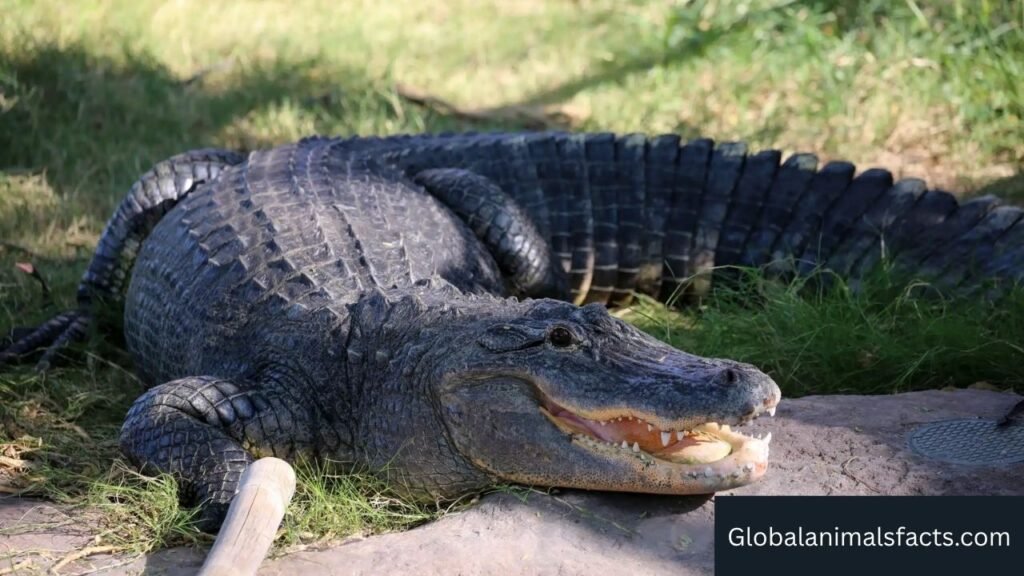
What’s fascinating is that the alligator’s approach is a masterclass in patience and strategy. They can remain motionless for long stretches, blending seamlessly into their environment. Once a monkey gets too close, the alligator uses its powerful jaws with swift precision, turning what many consider an agile monkey into a rather unfortunate meal.
Jaguars
Scientific Name: Panthera onca
Class: Mammalia
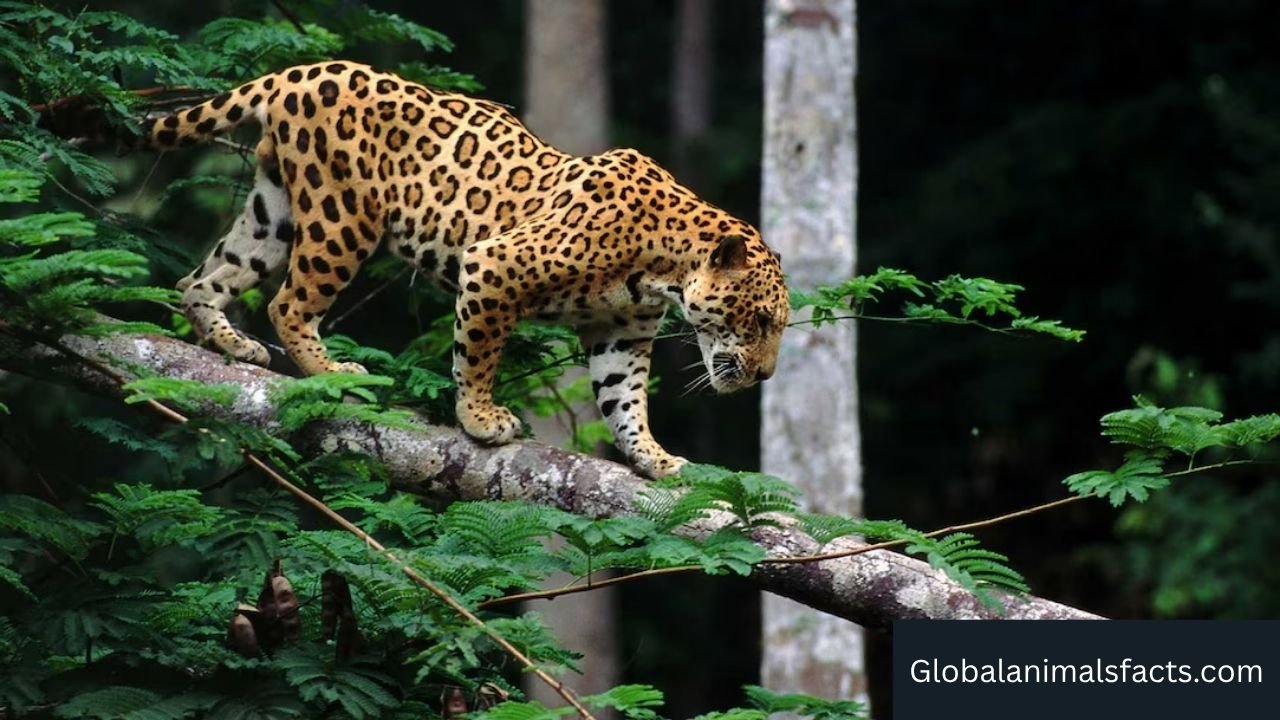
Jaguars are apex predators, renowned not only for their striking coat patterns but also for their incredible strength and cunning hunting techniques. These big cats inhabit the lush rainforests and riverine ecosystems of Central and South America, where they have adapted to a diverse array of prey. Among the more surprising items on their menu is the monkey, particularly capuchins and howler monkeys, which often inhabit the same treetops that jaguars stealthily traverse. The jaguar’s ability to climb trees and ambush its prey from above highlights the intricate balance of predator and prey in these vibrant ecosystems.
What makes the jaguar’s method of hunting monkeys particularly fascinating is its unique killing technique. Unlike other big cats that may aim for the neck, jaguars have powerful jaws that allow them to deliver a fatal bite directly to the skull of their prey. This adaptation not only ensures a quick kill but also allows them to tackle a range of animals, from caimans to larger mammals.
Readmore: Explore Top 12 Animals That Eat Squirrels.
Final Thoughts
The intricate web of nature reveals that various predators find monkeys to be a significant part of their diet. From large cats like leopards to birds of prey such as harpy eagles, these animals play vital roles in maintaining ecological balance. The interactions between these predators and their monkey prey highlight the harsh realities of survival in the wild. Understanding these relationships not only deepens our appreciation for biodiversity but also underscores the importance of conservation efforts. As we continue to study these fascinating dynamics, let’s commit to protecting the habitats that support all life forms, ensuring a healthier ecosystem for generations to come.
FAQs
What eats monkeys?
Monkeys have a variety of natural predators, depending on their habitat. Large birds of prey, like harpy eagles, can swoop down on smaller monkeys. In the jungle, big cats like jaguars and leopards are formidable hunters that can take down larger primates. On the ground, snakes often pose a threat, especially constrictors that can ambush monkeys.
Do tigers eat monkeys?
Yes, tigers do eat monkeys, but it’s not their primary source of food. Tigers are opportunistic hunters and will prey on a variety of animals based on availability. In some regions where tigers coexist with monkey species, they may target monkeys when other prey is scarce.
Do cheetahs eat monkeys?
Yes, cheetahs can eat monkeys, but it’s not a common part of their diet. Cheetahs primarily hunt smaller ungulates like gazelles and impalas. However, if the opportunity arises and a monkey is within reach, they might go for it.