Explore Top 14 Animals That Eat Rabbits (With Pictures)
Did you know that rabbits are preyed upon by a diverse array of animals, from the common household cat to the elusive fox? Understanding the dynamics of the animal kingdom, particularly focusing on Animals That Eat Rabbits, reveals the intricate web of predator and prey relationships. This knowledge not only enhances our understanding of wildlife ecosystems but also highlights the importance of each species in maintaining ecological balance. In this article, we will explore various creatures that hunt rabbits, shedding light on their behaviors and habitats, so you can appreciate the role rabbits play in the food chain.
List of Animals That Eat Rabbits
Below is the list animals that eat rabbits:
- Foxes
- Badgers
- Bobcat
- Weasel
- Dogs
- Great Horned Owl
- Ferrets
- Golden Eagle
- Wolves
- Eurasian Lynx
- Snakes
- Red-tailed Hawk
- Bears
- Coyotes
Foxes
Scientific Name: Vulpes vulpes
Class: Mammalia
Diet: Omnivore
Foxes are remarkable hunters, utilizing their keen senses and adaptability to thrive in diverse environments. With their acute vision and exceptional hearing, they can detect even the faintest movements of their prey. This skill is particularly advantageous when hunting rabbits, often found in dense cover or open fields. The element of surprise plays a crucial role; foxes employ a stealthy approach, often stalking their prey before launching a swift attack.
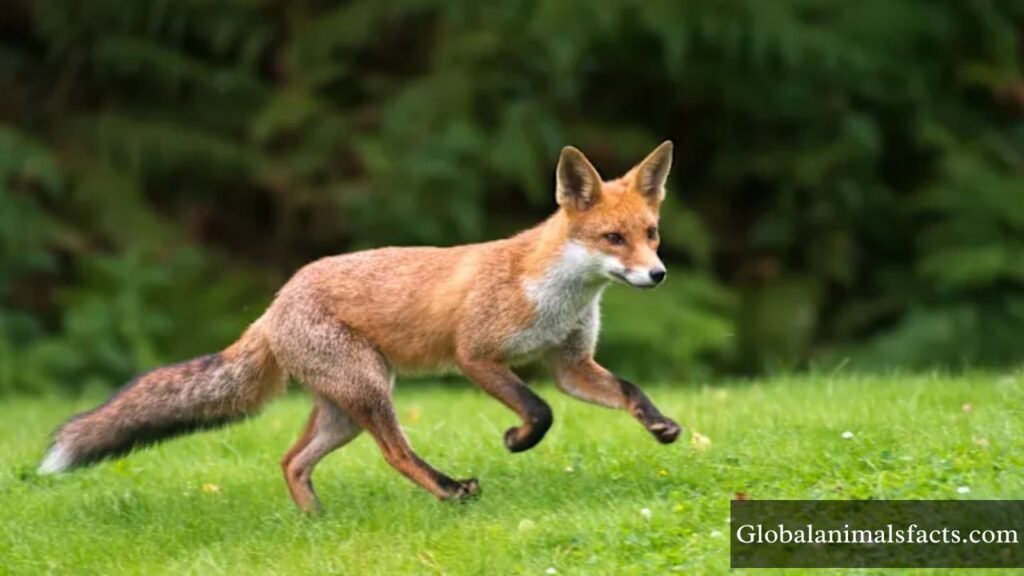
What makes the fox’s hunting strategy fascinating is its versatility. Foxes can adapt their techniques based on habitat and prey behavior. In urban settings, they might exploit human structures to ambush unsuspecting rabbits, showcasing their cleverness and adaptability. This not only reflects their resourcefulness but also raises questions about the ecological balance in changing landscapes. By keeping rabbit populations in check, foxes play a vital role in maintaining the health of their ecosystems, illustrating the complex interdependence of species.
Badgers
Scientific Name: Meles meles
Class: Mammalia
Diet: Omnivore
Badgers are fascinating creatures that often go unnoticed in the grand tapestry of wildlife. These nocturnal foragers are not just adept at digging; they’re also skilled hunters, and their diet includes the nimble rabbit. With their powerful forelimbs and keen sense of smell, badgers can track down rabbits hidden in their burrows or flush them out into the open. This predatory behavior is crucial in maintaining the delicate balance of their ecosystems, as it helps control rabbit populations that can otherwise explode and lead to overgrazing.
What’s particularly intriguing is the badger’s unique hunting strategy. Instead of relying on sheer speed or stealth, they employ a combination of patience and persistence. Once they’ve identified a potential rabbit den, a badger will often wait quietly for hours, watching and listening for any signs of movement. Their tenacity is not merely survival instinct; it’s a demonstration of an adaptive behavior honed through generations, showcasing how interconnected survival strategies within nature can be.
Bobcat
Scientific Name: Lynx rufus
Class: Mammalia
Diet: Carnivore
The bobcat, a stealthy predator of North America’s forests and grasslands, showcases both adaptability and cunning in its hunting techniques. With their keen senses and agile bodies, bobcats are perfectly equipped to track down their favorite prey: rabbits. Typically ambushing these quick-footed critters, a bobcat can leap up to 12 feet, giving it the edge in surprise and speed.
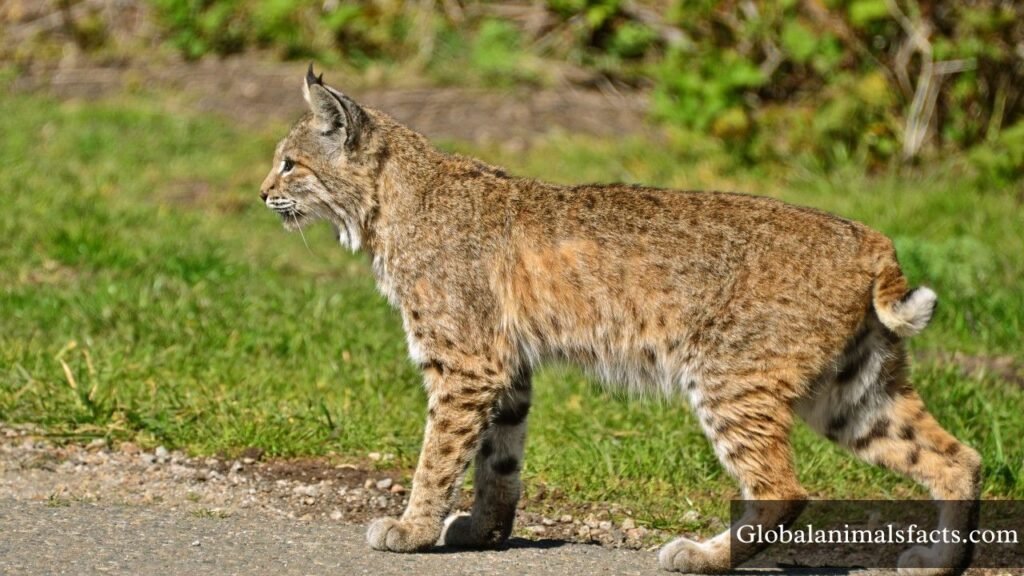
Interestingly, the bobcat’s hunting style varies based on the environment. In dense underbrush, they often rely on stealthy stalks and sudden bursts of speed, whereas in open areas, they may use the terrain to conceal their approach. This adaptability highlights the intricate balance of the ecosystem, where the bobcat serves as both a skilled hunter and a crucial regulatory force for rabbit populations.
Readmore: Explore Top 12 Animals That Eat Squirrels.
Weasel
Scientific Name: Mustela nivalis
Class: Mammalia
Diet: Carnivore
Weasels are cunning predators, wielding an impressive combination of agility and stealth that makes them formidable hunters of rabbits. With their slender bodies and sharp teeth, they can slip into tight burrows or low brush with surprising ease, a skill that allows them to ambush unsuspecting prey. Unlike larger predators, weasels rely on speed and quick reflexes, often catching rabbits off guard before they can react.
What’s fascinating is the weasel’s unique hunting strategy, which often involves patience and precision. They don’t just rely on brute force; instead, weasels will stalk their prey silently, employing a tactic known as “stillness hunting.” This approach allows them to observe rabbit behaviors and movements, helping them time their strike perfectly.
Dogs
Scientific Name: Canis lupus familiaris
Class: Mammalia
Diet: Omnivore
Dogs, often considered man’s best friend, have a surprising predatory side when it comes to rabbits. Instinctually driven by their nature, many breeds — from the swift Greyhound to the agile Jack Russell Terrier — are natural hunters, showcasing impressive speed and agility in pursuit. This behavior harks back to their ancestors, where survival relied heavily on hunting small mammals for food.

Interestingly, not all dogs exhibit this predatory instinct uniformly. While some may chase rabbits purely for sport, others approach the act with an underlying hunger. It’s a fascinating blend of play and instinct, demonstrating the complexity of canine behavior. In urban settings, even well-trained pets might show heightened excitement upon spotting a rabbit, turning a simple stroll into a deep dive into their primal roots. Observing this can evoke a sense of awe, reminding us of the wild heritage still lurking beneath the surface of our domesticated companions.
Also read: Explore Top 20 Animals That Eat Monkeys.
Great Horned Owl
Scientific Name: Bubo virginianus
Class: Aves
Diet: Carnivore
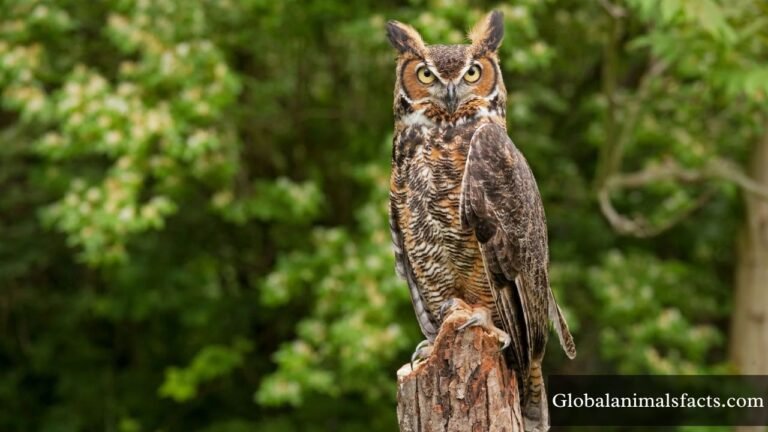
The Great Horned Owl, with its striking tufted ears and piercing yellow eyes, is a formidable predator that reigns over many North American landscapes. This master of the night is particularly adept at hunting rabbits, leveraging its exceptional hearing and silent flight to capture these agile creatures. What makes the Great Horned Owl even more fascinating is its varied hunting strategy; it may perch silently before swooping down to surprise its prey, showcasing a blend of patience and precision.
Ferrets
Scientific Name: Mustela putorius furo
Class: Mammalia
Diet: Carnivore
Ferrets, with their playful demeanor and boundless energy, are much more than just adorable pets; they are also natural predators. In the wild, their sharp instincts and agile bodies make them adept hunters, often preying on small mammals like rabbits. Their hunting style is marked by a combination of stealth and speed, allowing them to access the burrows where rabbits dwell. Interestingly, ferrets have an innate ability to scent-track their prey, showcasing a keen olfactory sense that rivals that of many larger carnivores.
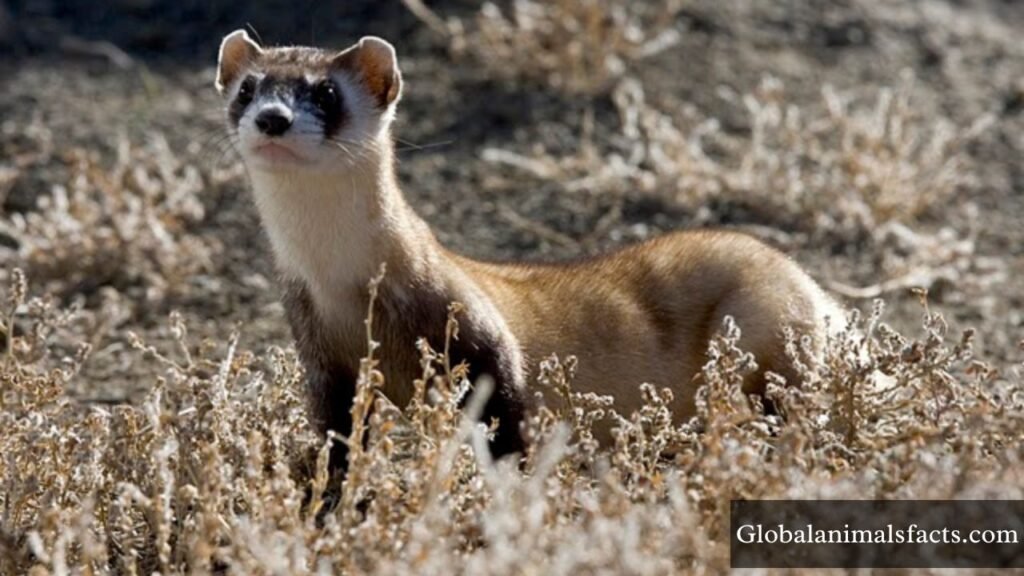
What’s particularly fascinating about ferrets is their unique social structure. They often hunt in groups, using teamwork to flush out rabbits from their hiding spots, creating a tactical approach reminiscent of a pack of wolves. This social dynamic is not just about survival; it also influences their playful interactions, which often mirror the hunting behaviours they inherit. The presence of ferrets in ecosystems can control rabbit populations, providing a natural balance that benefits other flora and fauna.
You can also read: Explore Top 15 Animals that Eat Coconuts.
Golden Eagle
Scientific Name: Aquila chrysaetos
Class: Aves
Diet: Carnivore
With a wingspan that can reach over six feet, the Golden Eagle is a majestic predator, commanding both fear and admiration in the animal kingdom. This raptor’s keen eyesight, able to spot prey from over two miles away, makes it a formidable hunter of the skies. When it comes to their diet, rabbits are a staple, serving as a primary food source in many habitats. Their agility allows Golden Eagles to dive at incredible speeds, often exceeding 150 miles per hour, to snatch these quick-footed mammals from the ground.
What’s fascinating is the hunting strategy employed by these eagles. They often utilize a combination of stealth and speed, positioning themselves on high perches to survey the terrain before launching a calculated attack. This behavior showcases not just their physical prowess but also their intelligence in understanding the patterns of rabbit movement.
Wolves
Scientific Name: Canis lupus
Class: Mammalia
Diet: Carnivore
Wolves are apex predators, renowned for their pack mentality and strategic hunting techniques. When it comes to their diet, rabbits often serve as an important source of sustenance. Typically found in abundant numbers, these small mammals are not only agile but also serve as a crucial food chain link in various ecosystems. Wolves capitalize on this by hunting rabbits during twilight hours, utilizing their sharp senses and teamwork to flush out their prey from dense underbrush.
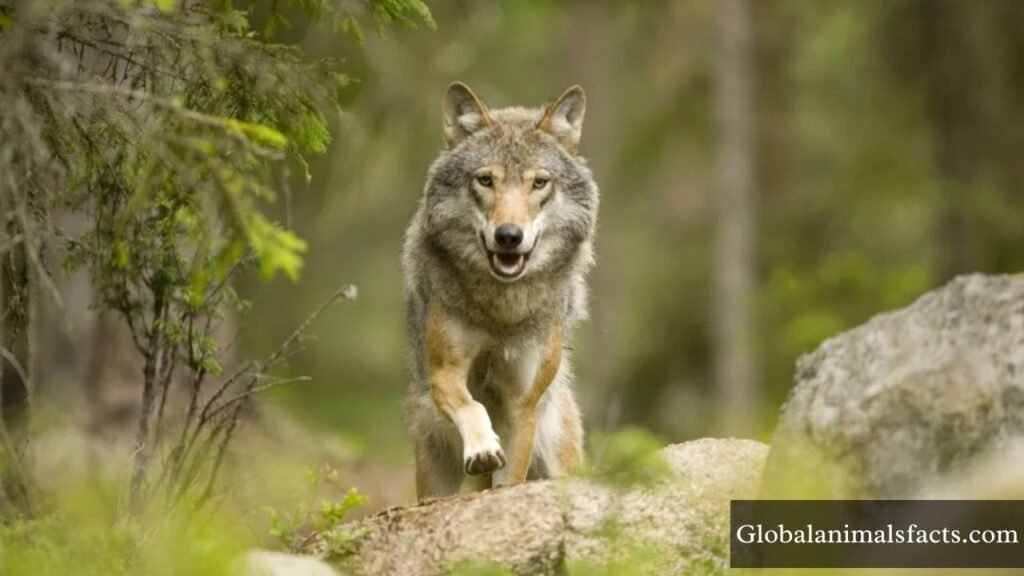
What sets wolves apart in their pursuit of rabbits is their incredible adaptability. In open terrains, they can chase down their quarry with impressive speed, while in forested areas, they rely on stealth and coordination to outmaneuver them. Fascinatingly, the consumption of rabbits helps maintain rabbit populations, thus ensuring a healthy balance in the ecosystem.
Readmore: Explore Top 14 Animals That Eat Cactus.
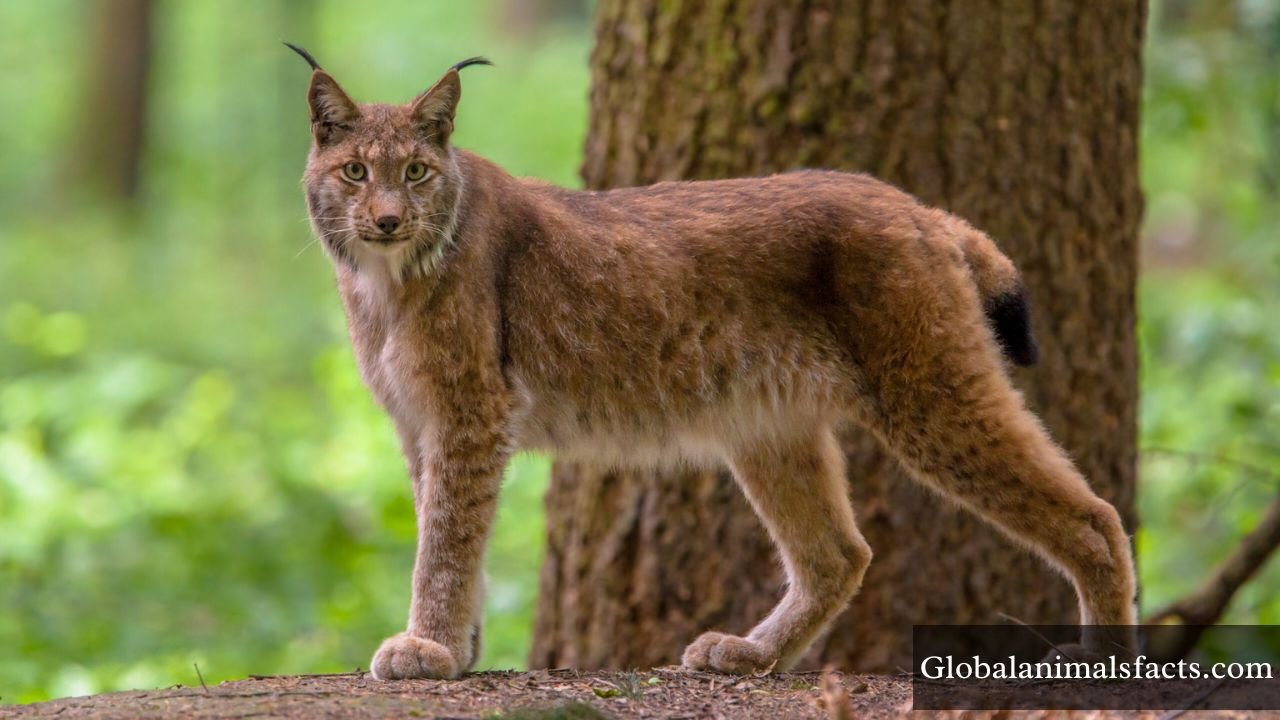
Eurasian Lynx
Scientific Name: Lynx lynx
Class: Mammalia
Diet: Carnivore
The Eurasian Lynx, a master of stealth and agility, roams the dense boreal forests of Europe and Asia, and it has developed a taste for rabbits that sets it apart in the wild. With its tufted ears and powerful legs, this enigmatic feline is not just a nocturnal hunter; it embodies the elegance of predator and prey dynamics. Rabbits, abundant in its habitat, serve as a crucial element of the lynx’s diet, showcasing a unique balance in the ecosystem.
Intriguingly, the lynx’s hunting strategy relies on patience and stealth, often stalking its prey before launching an explosive burst of speed. They utilize their keen eyesight and acute hearing to track the rustling movements of rabbits amidst the underbrush. This remarkable ability not only reveals the lynx’s prowess as a hunter but also highlights the intricate relationship between predator and prey, further emphasizing the role of the rabbit as a vital part of the lynx’s life cycle.
Snakes
Scientific Name: Serpentes
Class: Reptilia
Diet: Carnivore
Snakes, with their stealthy movements and keen hunting instincts, are a fascinating category of predators that prey on rabbits. Species like the Eastern Diamondback Rattlesnake and the Common Garter Snake have developed incredible adaptations to capture these nimble creatures. By using heat-sensing pits located on their faces, certain snakes can detect the body heat of nearby rabbits, allowing them to hunt effectively even in dim light or thick cover. This evolutionary trait gives them a significant advantage in locating their prey, transforming the rabbit’s natural agility into a mere survival challenge.
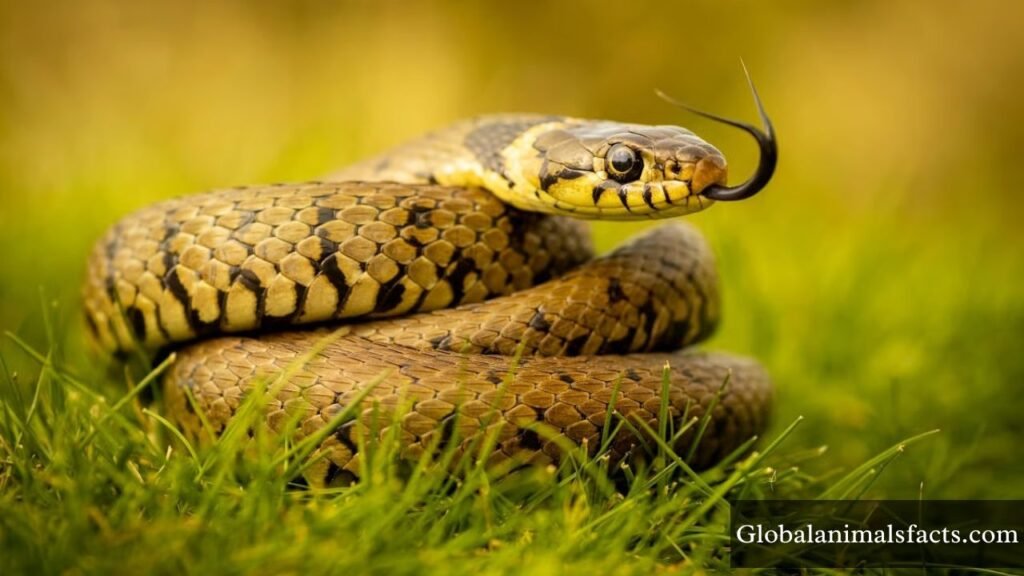
Once a snake successfully ambushes a rabbit, the method of consumption is equally intriguing. By employing a specialized technique of constriction or, in some cases, envenomation, snakes can subdue their prey quickly. The rabbit’s soft body is easily enveloped, allowing the snake to swallow it whole, a behavioral process often followed by a long period of digestion.
You can also read: Explore Top 13 Animals That Eat Oranges.
Red-tailed Hawk
Scientific Name: Buteo jamaicensis
Class: Aves
Diet: Carnivore
The Red-tailed Hawk stands as one of the most formidable predators in North America, seamlessly weaving through the tapestry of the ecosystem. Renowned for their sharp eyesight, these hawks can spot a rabbit hiding in dense underbrush from great heights. Their keen vision, coupled with a wingspan of up to four feet, allows them to swoop down unexpectedly, turning the ordinary landscape into a battleground for survival.
What sets the Red-tailed Hawk apart is not just its hunting prowess but its adaptability. Unlike other predators that may prefer specific habitats, these hawks thrive in diverse environments — from urban areas to sprawling grasslands. Their hunting strategy often involves perching silently and patiently, showcasing a level of intelligence and awareness that captivates birdwatchers and nature enthusiasts alike.
Bears
Scientific Name: Ursidae
Class: Mammalia
Diet: Omnivore
Bears, particularly species like the black bear and grizzly, showcase a surprisingly diverse diet that includes the opportunistic consumption of rabbits. These omnivorous giants have a remarkable ability to adapt their foraging behavior based on seasonal availability and environmental conditions. During the warmer months, when rabbits are more active, a bear’s keen sense of smell can detect their presence from afar, allowing them to capitalize on this easy source of protein.
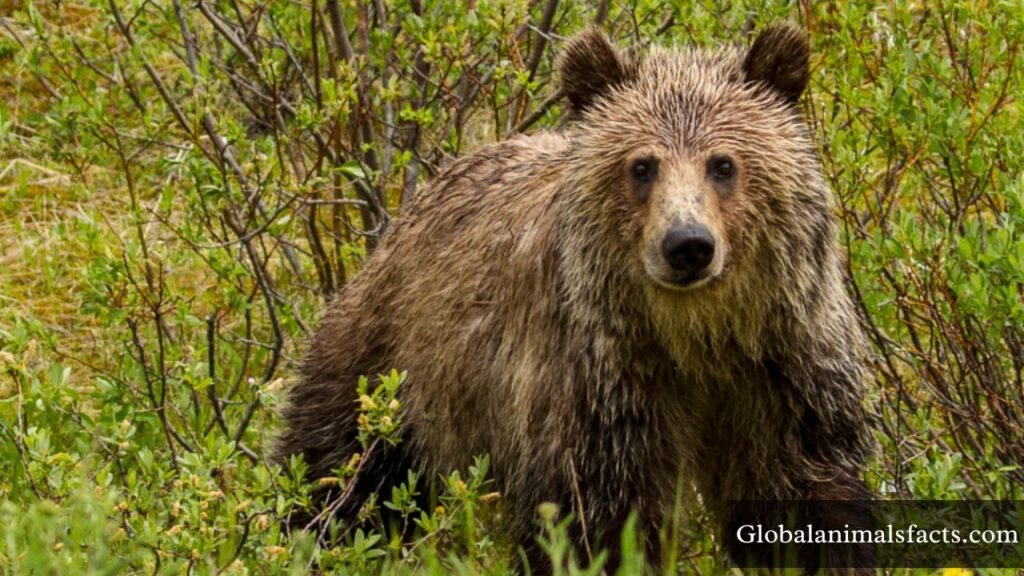
Interestingly, rabbit hunting can be a strategic behavior for bears. Unlike their typical forage of berries and nuts, targeting rabbits provides a quick energy boost, which is essential for building fat reserves before hibernation.
Coyote
Scientific Name: Canis latrans
Class: Mammalia
Diet: Omnivore
Coyotes, often seen as the quintessential survivors of the wild, have adapted remarkably well to diverse environments, ranging from deserts to urban landscapes. Their opportunistic nature and keen hunting skills make them skilled predators, especially when it comes to rabbits, which constitute a substantial part of their diet. With swift agility and sharp instincts, coyotes can outmaneuver their prey, capitalizing on the rabbits’ natural tendency to bolt in zigzag patterns to evade capture.
In a fascinating twist of nature, coyotes also play a role in controlling rabbit populations, influencing the dynamics within their ecosystems. This predator-prey relationship not only promotes biodiversity but also ensures that rabbit populations remain healthy, preventing overgrazing and enabling vegetation to thrive. Interestingly, coyotes are known to exhibit social hunting behaviors, sometimes coming together in small packs to increase their chances of a successful hunt. This cooperative approach highlights their adaptability and intelligence, qualities that set them apart in the animal kingdom and contribute to their ongoing resilience against environmental challenges.
Readmore: Explore Top 12 Animals That Eat Ants.
Final Thoughts
The diverse array of animals that prey on rabbits showcases the intricate balance of ecosystems and the roles that various species play within them. From formidable predators such as foxes and coyotes to smaller hunters like hawks and weasels, each contributes to controlling rabbit populations and maintaining ecological harmony. This dynamic not only emphasizes the rabbit’s significance as a vital food source but also highlights the adaptability and survival strategies of the species that rely on them. Understanding these relationships enhances our appreciation for wildlife and the complexity of natural systems. As we observe these fascinating interactions, let’s commit to preserving habitats that support both rabbits and their predators, ensuring a balanced ecosystem for future generations.
FAQs
What eats rabbits?
Rabbits have a host of natural predators. Common threats include foxes, hawks, and owls, all of which hunt rabbits for food. Ground predators like coyotes and weasels also see rabbits as a staple in their diet. Even domestic pets like dogs may chase and sometimes catch rabbits in certain situations. In addition to these carnivorous animals, rabbits also face dangers from larger predators such as bobcats and mountain lions. Even smaller creatures, like raccoons and snakes, can take advantage of a rabbit when the opportunity arises.
Do bears eat rabbits?
Yes, bears do eat rabbits, along with a variety of other foods. While their diet primarily consists of plant matter like berries and nuts, they are opportunistic feeders. This means they will eat small mammals, including rabbits, if the opportunity arises. In the wild, bears generally prefer easier prey, but they won’t hesitate to catch a rabbit if they’re hungry and it’s available.
Do foxes eat rabbits?
Yes, foxes do eat rabbits. They are opportunistic hunters and rabbits are a significant part of their diet, especially in rural areas where these small mammals are abundant. Foxes use their keen senses and agility to stalk and catch rabbits, often employing stealth to get close before pouncing.