Top 18 Animals That Can See in The Dark (With Images)
Did you know that some animals can navigate their world in total darkness with remarkable ease? This article explores the fascinating abilities of Animals That Can See in the Dark, revealing how they thrive in environments where light is scarce. Understanding these creatures not only deepens our appreciation for biodiversity but also highlights the incredible adaptations that allow life to flourish in the shadows. Get ready to discover the unique strategies and evolutionary traits that enable these remarkable animals to thrive where humans would struggle.
List of Animals That Can See in The Dark
Here is the list of animals that can see in the dark:
- Owls
- Raccoons
- Frogs
- Wolf
- Bats
- Dung Beetles
- Sharks
- Pit Vipers
- Foxes
- Leopard
- Crocodile
- Domestic cats
- Cockroach
- Tarsiers
- Mountain Lions
- Moths
- Cuttlefish
- Alligators
Owls
Scientific Name: Strigiformes
Class: Aves
Diet: Carnivorous
Owls, often regarded as the quintessential nocturnal hunters, possess a remarkable adaptation that sets them apart in the animal kingdom: their extraordinary eyesight. Unlike many creatures, an owl’s eyes are specially structured to maximize light intake, allowing them to navigate and hunt in near pitch-black conditions. Their large, forward-facing eyes collect even the faintest light, providing a panoramic view of their surroundings. As a result, these raptors can detect subtle movements that other animals might easily overlook, ensuring they remain formidable predators in the shadows of the night.
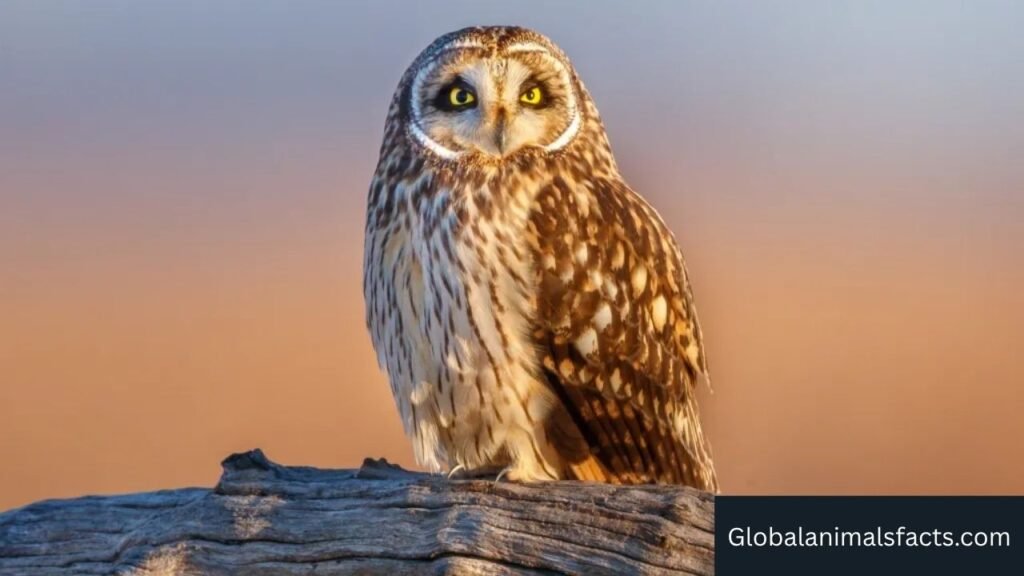
But it’s not just their eyes that give them a supernatural edge; owls also have specialized retinas containing a high concentration of rod cells, which are vital for low-light vision. This adaptation allows them to perceive the world in a spectrum of gray shades, honing their ability to identify prey even when cloaked by darkness. Furthermore, their exceptional hearing enhances this ability — some species can pinpoint the slightest rustle of grass or whisper of wind, transforming their nocturnal domain into a well-orchestrated symphony of sounds.
Raccoons
Scientific Name: Procyon lotor
Class: Mammalia
Diet: Omnivorous
Raccoons are the nocturnal acrobats of the animal kingdom, equipped with an extraordinary set of adaptations that enable them to thrive in the dark. Their strikingly large eyes not only grant them acute night vision but also have a unique structure that enhances light sensitivity. This allows them to navigate their surroundings with remarkable precision, even in near-total darkness. As masters of exploration, these clever creatures have a complex behavior that involves meticulous paw dexterity, making them exceptionally proficient at opening containers or manipulating objects in their quest for food.
What sets raccoons apart is their use of their highly sensitive front paws, which function almost like hands. This tactile sensitivity further enhances their ability to forage in dim conditions, enabling them to feel out potential meals among the shadows. Surprisingly, their keen eyesight is paired with a strong sense of smell, allowing them to locate food sources even when their vision alone wouldn’t suffice.
Frogs
Class: Amphibia
Diet: Carnivorous
Frogs possess an extraordinary adaptation that enables them to thrive in nocturnal habitats: their large, sensitive eyes. Unlike many other creatures, a frog’s eyes are equipped with a high number of rod cells, allowing them to detect low-light conditions with impressive acuity. This adaptation is particularly valuable for species that hunt at night, as it enhances their ability to spot prey — be it a scrumptious insect or a smaller frog — amidst the shadows of twilight.
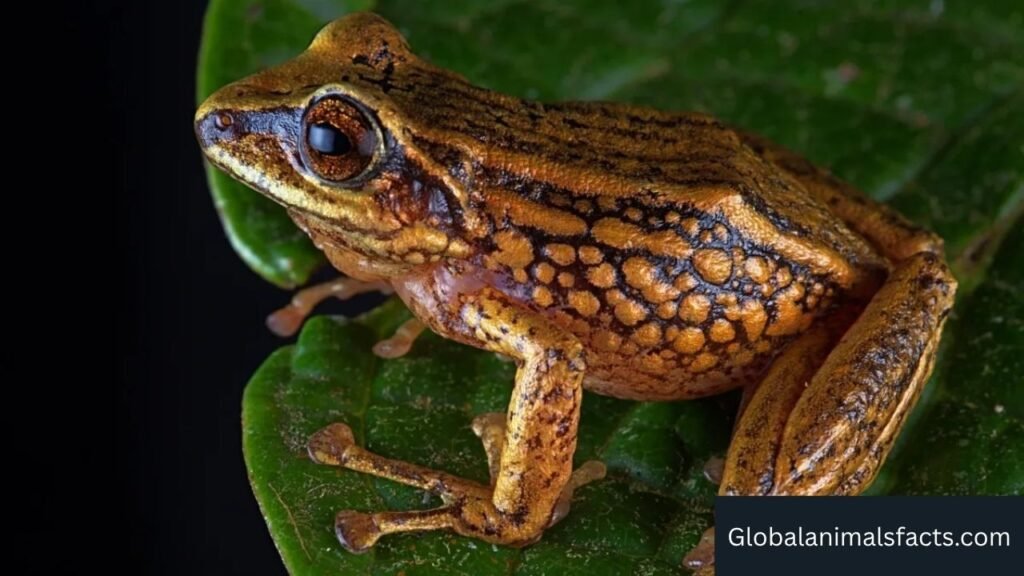
Frogs utilize a unique visual technique known as “convergence,” where their eyes work synchronously to create a more comprehensive view of their surroundings. This ability not only aids in navigation but also heightens their awareness of predators lurking in the dark. Interestingly, some frog species even exhibit enhanced color vision during the night, giving them an advantage in distinguishing between different hues in the muted light, while their pupils can dilate significantly to capture as much light as possible.
Readmore: Explore Top 16 Flexible Animals in The World.
Wolf
Scientific Name: Canis lupus
Class: Mammalia
Diet: Carnivorous
Wolves are fascinating nocturnal hunters, equipped with remarkable adaptations that allow them to navigate the darkness with ease. Their eyes are structured with a higher proportion of rod cells, sensory cells essential for low-light vision. This unique adaptation enhances their ability to see in dim conditions, making them efficient predators during twilight hours when many of their prey are most active. Moreover, a reflective layer behind their retinas, known as the tapetum lucidum, amplifies the available light, giving their eyes an eerie glow — a sight that has intrigued humans for generations.
Interestingly, these nocturnal capabilities extend beyond mere vision. Wolves rely on their acute sense of smell and hearing to complement their night vision, creating a multifaceted sensory perception that allows them to hunt and communicate in the dark. Their howls, with their ability to travel long distances, resonate through the night, serving both as a means of coordination within packs and as a way to establish territory. This instinctual prowess in dim lighting not only showcases their evolutionary adaptability but also underscores the intricate balance that exists within their ecosystem, where survival depends on a blend of sensory acuity and teamwork under the cover of night.
Bats
Scientific Name: Chiroptera
Class: Mammalia
Diet: Insectivorous / Frugivorous
Bats are the quintessential nighttime navigators, relying on a sophisticated echolocation system to traverse the dark skies. While many creatures struggle to find their way in low light, bats emit high-frequency sound waves that bounce off objects, allowing them to “see” their surroundings through auditory feedback. This remarkable ability is not just a survival tool; it showcases nature’s ingenuity in adaptation. They can accurately detect the flutter of a moth’s wings, making them expert hunters in the silent night.
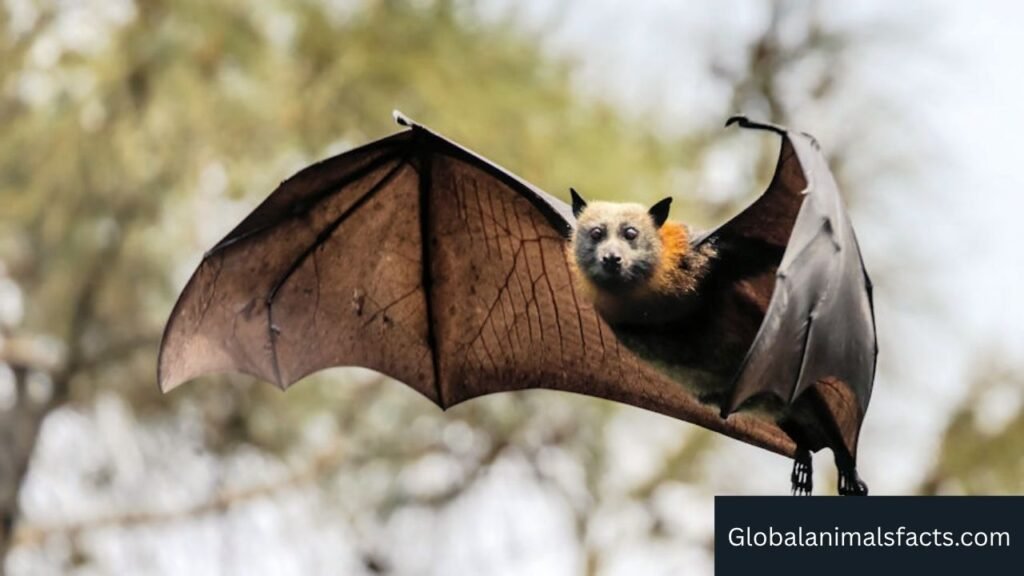
Moreover, bats possess large eyes that, while not their primary means of navigation, are equipped with a special layer of cells sensitive to low light. This anatomical feature allows them to gather even the slightest illumination, further enhancing their nocturnal capabilities. Interestingly, different bat species have evolved unique adaptations based on their habitat and feeding strategies, from fruit bats that forage for ripening fruits to insectivorous species that thrive on airborne prey. The fascinating diversity among bats underscores the intricate balance between adaptation and survival in the animal kingdom, highlighting just how profoundly life has evolved to conquer the darkness.
Dung Beetles
Scientific Name: Scarabaeinae
Class: Insecta
Diet: Coprophagous
Dung beetles are nature’s unsung heroes, thriving in the shadowy realms of twilight and darkness. Their remarkable vision allows them to navigate through dimly lit environments with impressive precision. Equipped with specialized compound eyes, they can detect even the faintest traces of light, enabling them to spot dung piles from surprising distances. This skill is no mere accident; it’s vital for their survival, as dung serves not only as food but also as a breeding ground.
What’s even more fascinating is how these tiny creatures utilize the Milky Way as a navigational tool. Studies show that dung beetles can orient themselves using celestial cues, effectively transforming the night sky into a roadmap. This cosmic connection enhances their foraging efficiency, demonstrating a level of adaptability rarely seen in the animal kingdom.
You can also read: Explore Top 18 Independent Animals in The World.
Sharks
Scientific Name: Selachimorpha
Class: Chondrichthyes
Diet: Carnivorous
Sharks possess an extraordinary adaptation that allows them to thrive in the elusive twilight of the ocean depths: their remarkable ability to see in low light. This supernatural vision stems from a high concentration of rod cells in their retinas, which enhances their sensitivity to light. Many sharks possess a unique reflective layer behind their retinas known as the tapetum lucidum, similar to what’s found in cats. This biological feature not only amplifies the faintest glimmers of light but also enables them to detect the subtle movements of prey lurking in the shadows.
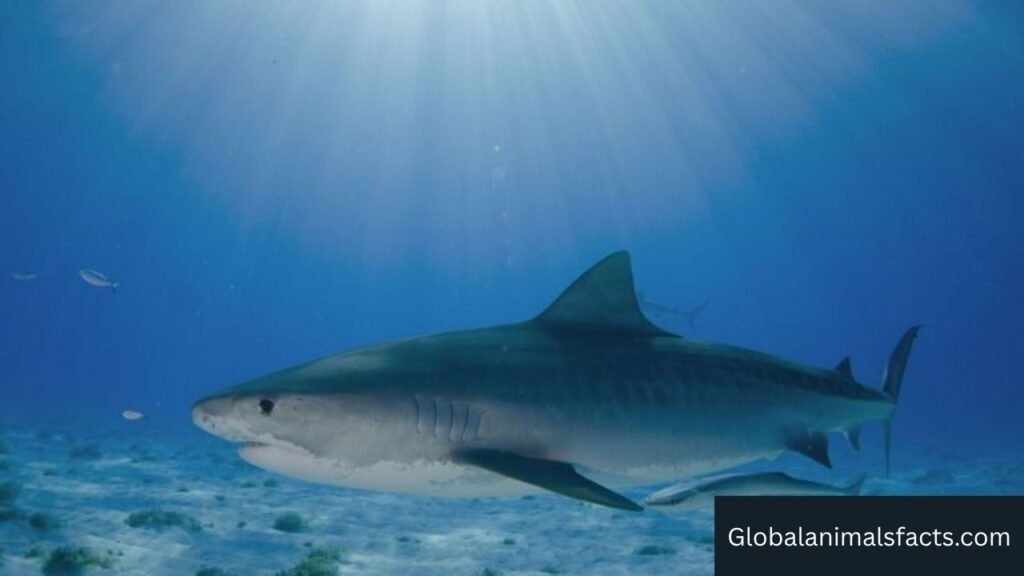
Interestingly, sharks still rely on more than just their keen eyesight to navigate the dark. Equipped with an acute sense of electroreception, they can pick up electrical signals emitted by other marine creatures, further solidifying their status as apex predators. This combination of visual and sensory inputs allows them to hunt effectively even in pitch-black waters, giving them a significant edge in environments where other creatures might falter.
Pit Vipers
Scientific Name: Crotalinae
Class: Reptilia
Diet: Carnivorous
Pit vipers, a fascinating group of snakes, possess an extraordinary adaptation that allows them to excel in low-light environments: their heat-sensing pits. Located between their eyes and nostrils, these specialized sensory organs detect infrared radiation emitted by warm-blooded prey, enabling pit vipers to “see” heat. This gives them a remarkable edge in dark surroundings, allowing the snakes to hunt effectively at night or in dense foliage where visibility is limited.
Beyond just their impressive prey-detection capability, this adaptation showcases nature’s ingenuity in solving the challenges of survival. While many animals rely on sight, pit vipers have expanded their sensory toolkit, blending thermal vision with traditional sight to create a comprehensive understanding of their environment. This dual perception allows them to strike accurately, even in complete darkness, revealing the intricate balance between evolution and ecological niche.
Foxes
Scientific Name: Vulpes
Class: Mammalia
Diet: Omnivorous
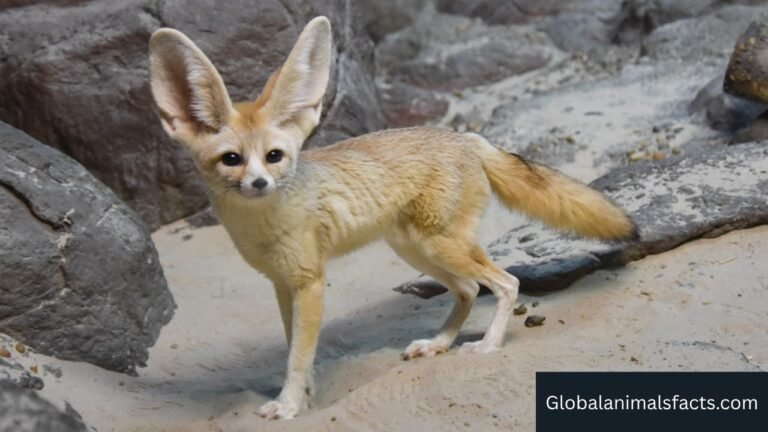
Foxes are fascinating nocturnal hunters, uniquely adapted for life in the shadows. Their exceptional eyesight, coupled with a heightened sense of hearing, allows them to navigate and thrive in low-light environments. The structure of their eyes reflects their adaptations; they contain a high concentration of rod cells, which are sensitive to dim light, enabling them to detect movement and shapes on moonlit nights. This keen vision is crucial for spotting prey, whether it be small rodents or birds, allowing them to pounce with precision during their twilight excursions.
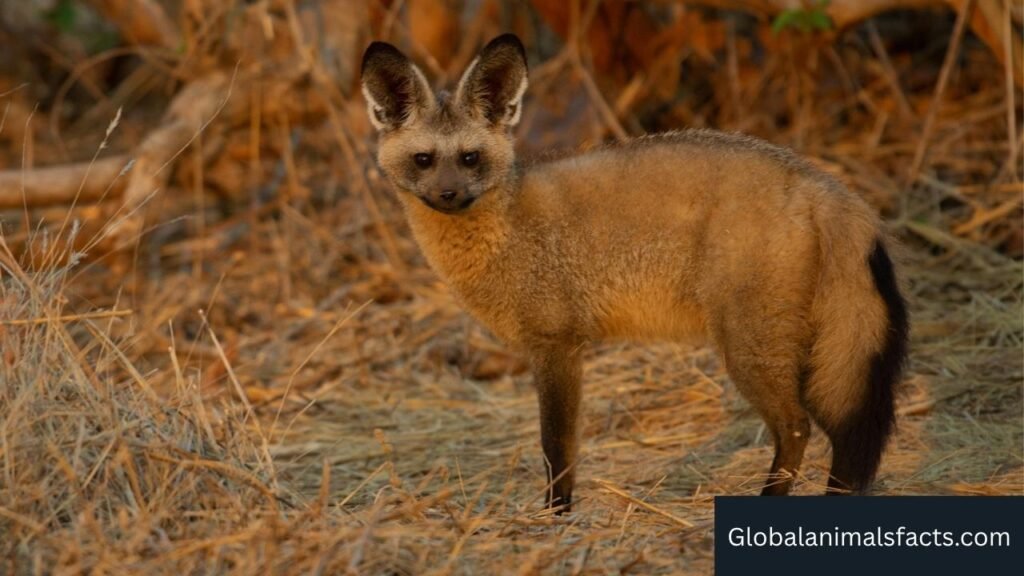
Moreover, foxes possess an intriguing ability known as “tapetum lucidum,” a reflective layer behind the retina that enhances their night vision. This characteristic not only amplifies their ability to see in complete darkness but also gives their eyes an eerie glow when caught in the light. Beyond their biological adaptations, foxes exhibit a level of cunning that turns their night-time visibility into a strategic advantage. They often use the cover of darkness to outsmart predators and navigate urban landscapes, demonstrating an impressive blend of intelligence and instinct.
Also read: Explore Top 12 Animals With Big Feet.
Leopard
Scientific Name: Panthera pardus
Class: Mammalia
Diet: Carnivorous
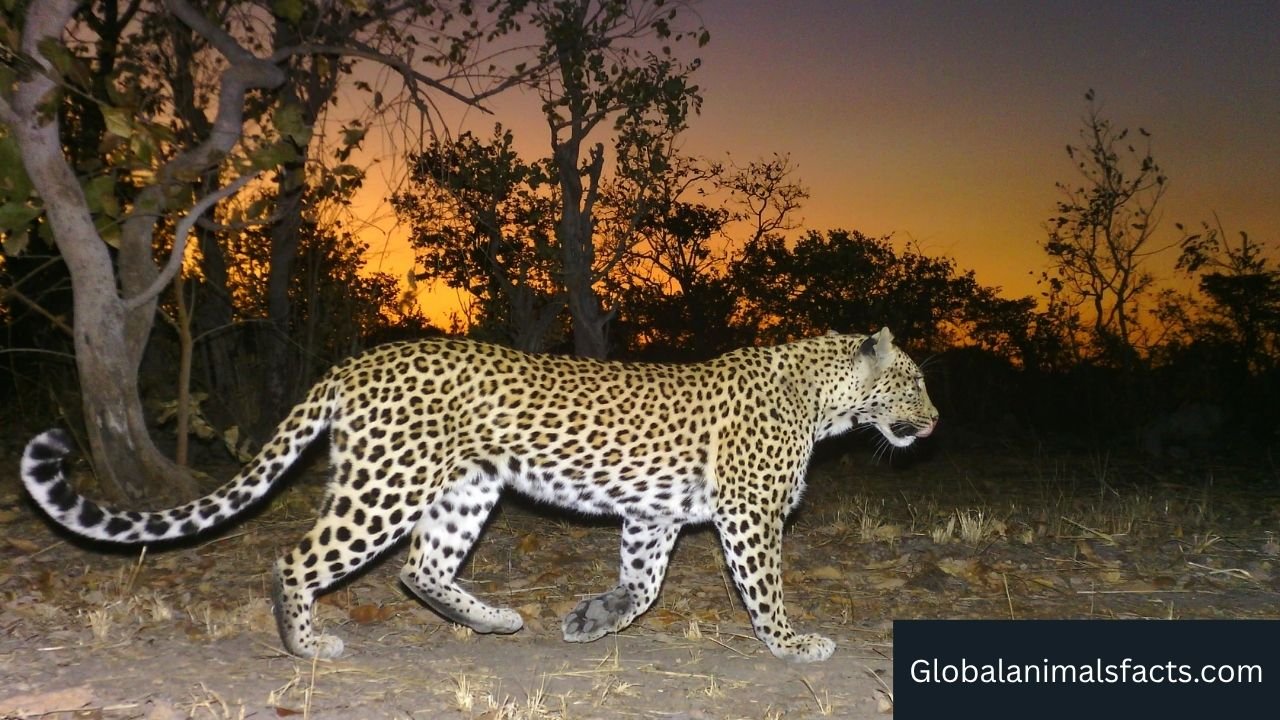
Leopards are remarkable night hunters, equipped with extraordinary adaptations that allow them to thrive in low-light environments. Their eyes contain a high density of rod cells, which are responsible for vision in dim light. This unique structure gives leopards a sight capability that’s around six to eight times better than that of humans at twilight or in near darkness. What’s even more fascinating is their tapetum lucidum, a reflective layer behind the retina that enhances night vision by bouncing light that passes through the retina back into the eye, amplifying their ability to detect movement and shapes even in the blackest of nights.
But leopards don’t rely solely on their exceptional vision; their acute sense of hearing plays a vital role during nocturnal hunts. They can discern sounds in the quiet of night, from the rustle of grass to the soft movements of potential prey. Combined with their stealthy approach, leopards become almost ghost-like predators, making them formidable hunters under the stars. Their ability to blend seamlessly into the shadows not only aids in avoiding detection but also in executing surprise attacks, demonstrating an intricate dance between vision and environment that keeps their instincts sharp and their survival skills honed.
Crocodile
Scientific Name: Crocodylus
Class: Reptilia
Diet: Carnivorous
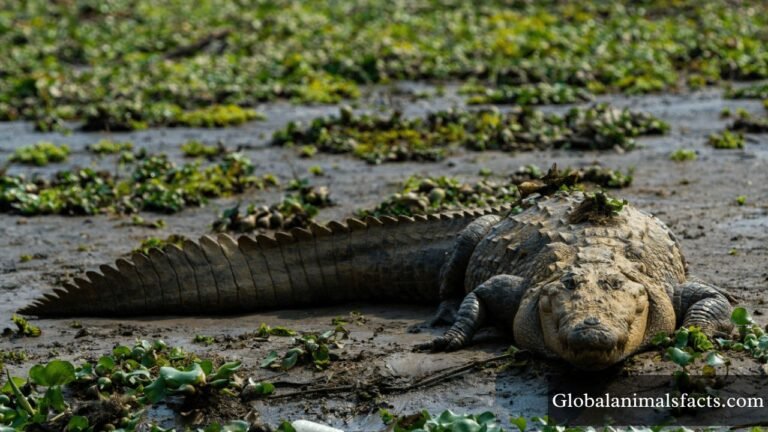
Crocodiles are fascinating creatures with remarkable adaptations that enable them to thrive in low-light conditions. Their eyes contain a layer of reflective cells known as the tapetum lucidum, which enhances their night vision by reflecting light that passes through the retina back into the eye. This biological feature allows them to detect even the slightest movements in their dark wetland habitats, making them formidable nocturnal hunters. While most reptiles rely on daylight, crocodiles have mastered the art of navigating murky waters under the cover of night.
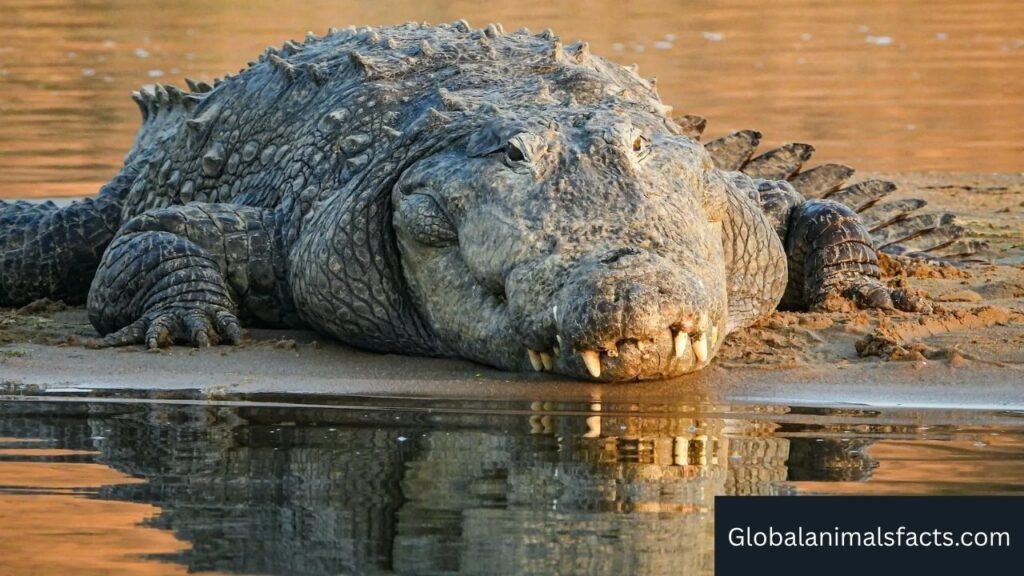
The structure of their eyes plays a crucial role in their ability to see in almost complete darkness. Crocodiles possess large, well-developed lenses that allow for a wider field of view, granting them the ability to spot prey from a distance. In contrast to other predators that may rely on sound or scent, crocodiles combine their superior eyesight with keen instincts, making them apex predators in their environments. Their ability to remain largely undetected while stalking their prey demonstrates not only their evolutionary prowess but also the incredible adaptability of life in challenging ecosystems.
Domestic cats
Scientific Name: Felis catus
Class: Mammalia
Diet: Carnivorous
Domestic cats, often regarded as the ultimate night hunters, possess an extraordinary ability to see in low-light conditions. This remarkable trait is attributed to their large corneas and pupils, which allow maximum light to enter their eyes. Cats have a layer of cells called the tapetum lucidum behind their retinas, which reflects light and enhances their night vision. This adaptation makes them approximately six to seven times more effective at seeing in dim light compared to us.
Beyond just the physical anatomy of their eyes, cats also have a unique behavior in low-light environments. Their whiskers, which are highly sensitive, help them navigate and gauge distances with ease. When darkness falls, these whiskers take on an even greater role, allowing cats to interpret their surroundings without relying solely on sight. This combination of advanced vision and heightened tactile senses turns your indoor cat into a stealthy shadow, capable of pouncing at lightning speed even in the inky black of night.
Readmore: Explore Top 14 Animals With Big Ears.
Cockroach
Scientific Name: Blattodea
Class: Insecta
Diet: Omnivorous
Cockroaches possess an incredible ability to navigate through darkness, thanks in large part to their compound eyes, which are finely tuned for low-light conditions. Each eye consists of thousands of tiny lenses that work together to capture even the faintest specks of light, allowing cockroaches to scuttle around effortlessly in the dark. Unlike humans, these insects don’t rely solely on visual signals; their sensitive antennae also help them detect changes in their environment, letting them sense potential threats or food sources even when visibility is low.
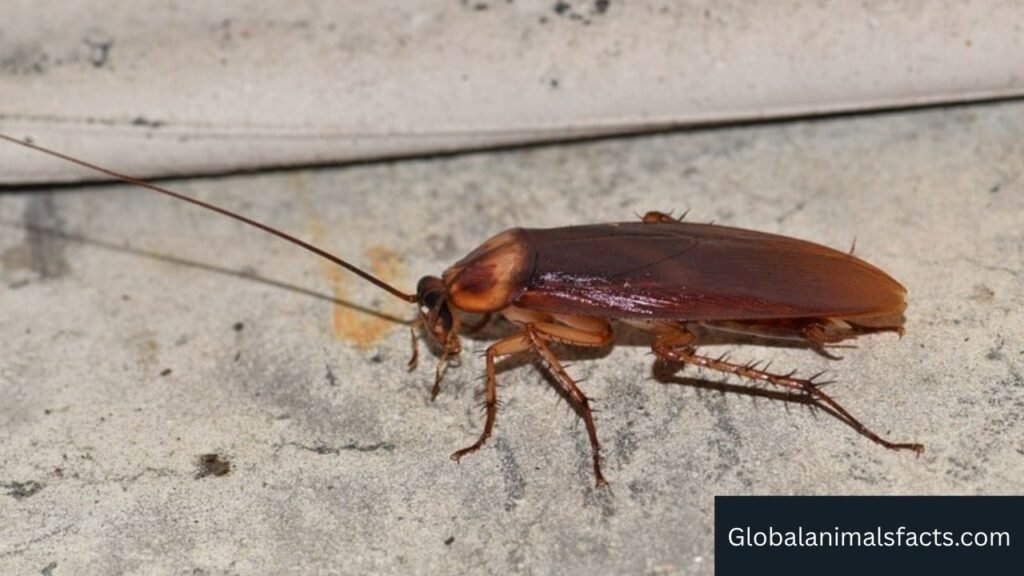
What’s truly fascinating is the duality of their vision. While cockroaches can see in the dark, their adaptability extends beyond just visual perception. They also have rapid reflexes and a unique escape response, enabling them to flee from predators at lightning speed. This combination of acute sensory capabilities equips them to thrive in various habitats, from under kitchen sinks to within the wild.
Tarsiers
Scientific Name: Tarsiidae
Class: Mammalia
Diet: Carnivorous / Insectivorous
Tarsiers, a small primate found in the lush rainforests of Southeast Asia, are remarkable creatures with extraordinary nocturnal abilities. Unlike many animals, these tiny primates boast enormous eyes, often surpassing the size of their own brains. This unique adaptation allows them to capture even the faintest glimmers of light, making them exceptional nighttime hunters. Equipped with a unique visual system, tarsiers can effectively navigate the dark, spotting prey like insects and small vertebrates with astonishing precision.
What sets tarsiers apart from other nocturnal animals is not just their eyesight but also the way they interact with their environment. Their large, sensitive eyes provide depth perception and excellent color discrimination, unlike many night-dwelling creatures that rely purely on shadows. Tarsiers possess an impressive ability to rotate their heads nearly 180 degrees, offering them an unparalleled panoramic view of their surroundings, a trait essential for spotting threats and opportunities in dense foliage.
Mountain Lions
Scientific Name: Puma concolor
Class: Mammalia
Diet: Carnivorous
Mountain lions, or cougars, exemplify nature’s incredible adaptations for survival. Equipped with a unique reflective layer behind their retinas called the tapetum lucidum, these big cats can maximize the low-light conditions of their habitats. This biological feature not only enhances their night vision but also allows them to navigate the rugged terrains of the mountains with eerie stealth. As twilight descends, their pupils dilate, permitting more light to enter, which sharpens their predatory instincts.
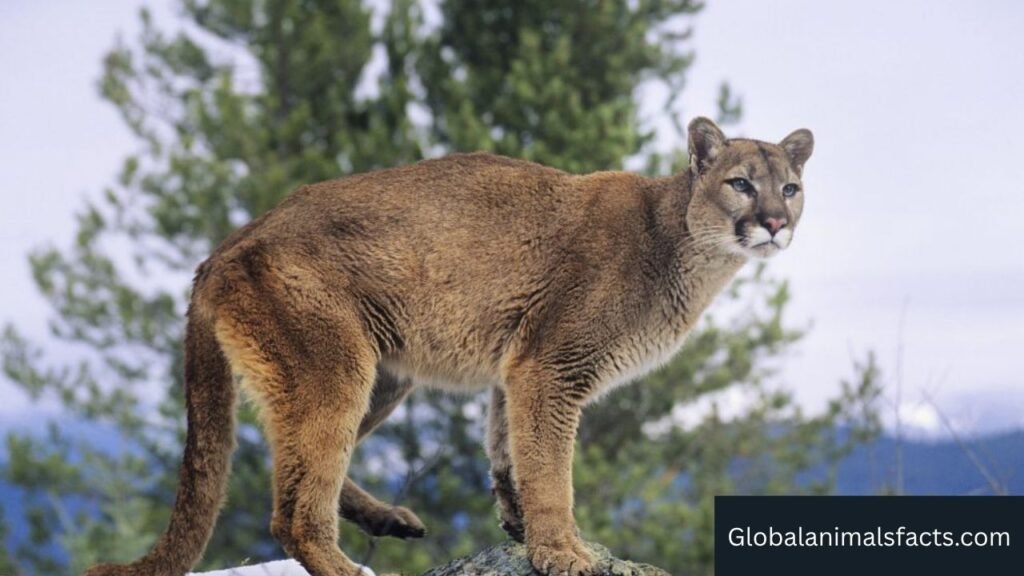
Interestingly, mountain lions utilize their keen night vision not just for hunting but also for social interaction. They rely on visual signals in the dark — tail postures or subtle movements — to communicate with other mountain lions over considerable distances. This dual advantage of hunting and social engagement sets them apart in the animal kingdom, making them masters of the night. As humans encroach on their territory, understanding these nocturnal behaviors becomes vital, not just for conservation efforts but also for coexisting peacefully with these majestic creatures. Only by appreciating their adaptations can we hope to protect the delicate balance they maintain in their ecosystems.
You can also read: Explore Top 20 Animals That Have Spots.
Moths
Scientific Name: Lepidoptera
Class: Insecta
Diet: Nectar / Plant matter
Moths, the nocturnal wonders of the insect world, possess an astonishing ability to navigate and thrive in complete darkness. Their unique compound eyes are finely tuned to detect even the faintest glimmers of light, allowing them to locate mates and food in the dead of night. Equipped with a structure known as retinular cells, moths can pick up on a broad spectrum of wavelengths, including ultraviolet light, which is invisible to many predators and humans. This remarkable vision empowers them to evade danger while deftly flitting from one flower to another, seeking out nectar with an efficiency honed by evolution.
Beyond their impressive eyesight, moths also utilize specialized sensory structures called antennae, which serve as sophisticated scent detectors. These delicate appendages amplify their ability to sense pheromones and other chemical signals, guiding them toward potential mates even in low-light settings. The combination of their keen eyesight and sensitive antennae creates a multi-sensory experience that enhances their survival in the darkness of night.
Cuttlefish
Scientific Name: Sepiida
Class: Cephalopoda
Diet: Carnivorous
Cuttlefish, often misunderstood as mere ocean dwellers, possess incredible adaptations that make them masters of the twilight zone. Their ability to navigate and hunt effectively in low-light conditions is largely attributed to their sophisticated eyes, which have a unique structure allowing them to detect polarized light. This adaptation helps cuttlefish spot prey and predators where regular visibility wanes, giving them a distinct advantage during dusk or dawn when many marine creatures are most active.
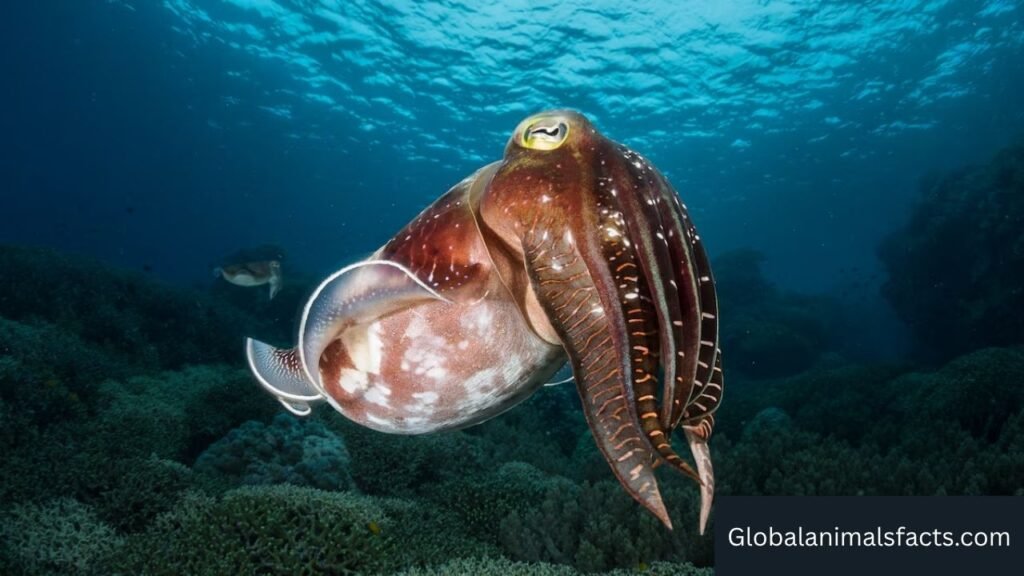
Interestingly, cuttlefish don’t just rely on their eyesight alone; they also utilize an advanced form of camouflage. By changing the color and texture of their skin, these cephalopods can blend into the dark underwater environment, becoming nearly invisible to both predators and prey. This mesmerizing skill not only aids in survival but also enhances their hunting techniques, allowing them to ambush unsuspecting prey with unmatched stealth.
Alligators
Class: Reptilia
Diet: Carnivorous
Alligators possess an extraordinary adaptation that allows them to thrive in the murky waters of their habitats, particularly at night. Their retinas are packed with a layer of cells called tapetum lucidum, which significantly enhances their night vision by reflecting light that passes through their eyes back into the retina. This ability not only enables them to navigate their surroundings in near-total darkness but also aids in hunting, making them efficient predators during twilight hours when many other animals are retreating.
In addition to their physiological adaptations, alligators have an impressive sensory arsenal. They rely not just on sight but also on highly sensitive vibrations and chemical cues in the water, giving them a comprehensive understanding of their environment. This multimodal approach sets them apart from other nocturnal hunters and underscores the alligator’s role as a key player in their ecosystems.
Readmore: Explore Top 22 Sneaky Animals in The World.
Final Thoughts
The ability of certain animals to see in the dark showcases the remarkable adaptations evolved in the animal kingdom. Species such as owls, cats, and certain types of fish have developed unique anatomical features that enhance their vision in low-light conditions. This extraordinary capability not only aids their survival but also highlights the intricate balance of ecosystems where nocturnal and diurnal creatures coexist. As we continue to study these fascinating animals, we gain insights into their behaviors and habitats, enriching our understanding of biodiversity. Let us appreciate and protect these remarkable creatures and their environments, ensuring that future generations can marvel at the wonders of nature.
FAQs
What animals can see in the dark?
Many animals have evolved to see well in low-light conditions, making them adept at navigating darkness. Cats are a prime example; their eyes have a high number of rod cells and a reflective layer called the tapetum lucidum, enhancing their night vision. This allows them to see with just one-sixth the light required by humans. Other nocturnal creatures include owls, which have large eyes to gather more light and excellent depth perception for hunting at night, and many species of bats that use echolocation to navigate and find prey in complete darkness. Even certain fish and insects have adapted to thrive in dim environments.
Which animal can see the most in the dark?
The animal that can see best in the dark is generally considered to be the owl. Owls have large, forward-facing eyes with a high density of rod cells, which are responsible for night vision. This unique eye structure allows them to gather more light, making them exceptional nocturnal hunters.
Can rats see in the dark?
Rats can’t see in complete darkness, but they have excellent night vision. Their eyes are adapted for low light, allowing them to navigate well in dim conditions. They rely on a combination of their keen sense of smell, touch, and hearing to move around in the dark.