Top 13 Animals That Swallow Their Food Whole (With Images)
In exploring animals that swallow their food whole, we uncover a realm of unique adaptations and survival strategies that allow these animals to thrive in their environments. This article will guide you through some of the most extraordinary examples, illustrating the simplicity and effectiveness of this feeding method. Get ready to be amazed by the secrets of nature that make these impressive eaters such integral parts of their ecosystems.
List of Animals That Swallow Their Food Whole
Here is the list of animals that swallow their food whole:
- Snakes
- Sharks
- Crocodile
- Frogs
- Penguin
- Owls
- Pelicans
- Alligator Gar
- Octopus
- Seagull
- Whales
- Monkfish
- Herons
Snakes
Scientific name: Serpentes
Class: Reptilia
Snakes are fascinating creatures, perfectly adapted to their unique feeding style. Their jaw structure is notably flexible, allowing them to unhinge their mouths wide enough to swallow prey much larger than their head. This remarkable adaptation not only aids in consuming whole meals, be it a rabbit or a rodent, but also showcases the intricate relationship between anatomy and diet in evolutionary terms.
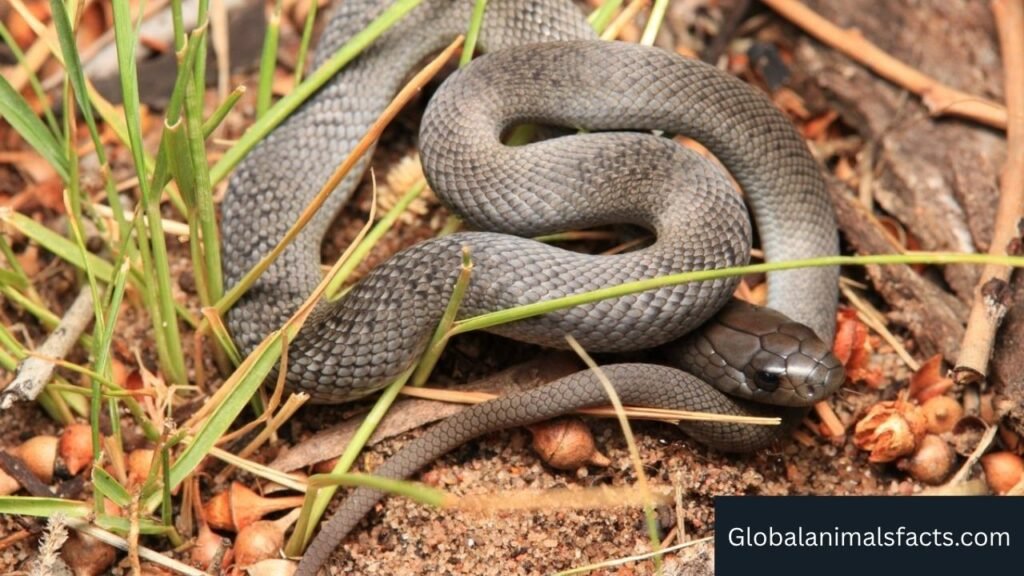
But it’s not just the mechanics of swallowing that captivate biologists; it’s also the snake’s digestive process. Once a snake engulfs its prey, it employs powerful enzymes to break down the food, able to dissolve bones and fur within days. This efficiency highlights the evolutionary advantage of such an approach, allowing snakes to consume large meals infrequently, conserving energy as they hunt in environments where prey may be scarce. Moreover, understanding this feeding strategy can provide insight into ecosystem dynamics, revealing how these predators maintain balance within their habitats.
Sharks
Scientific name: Carcharodon carcharias
Class: Chondrichthyes
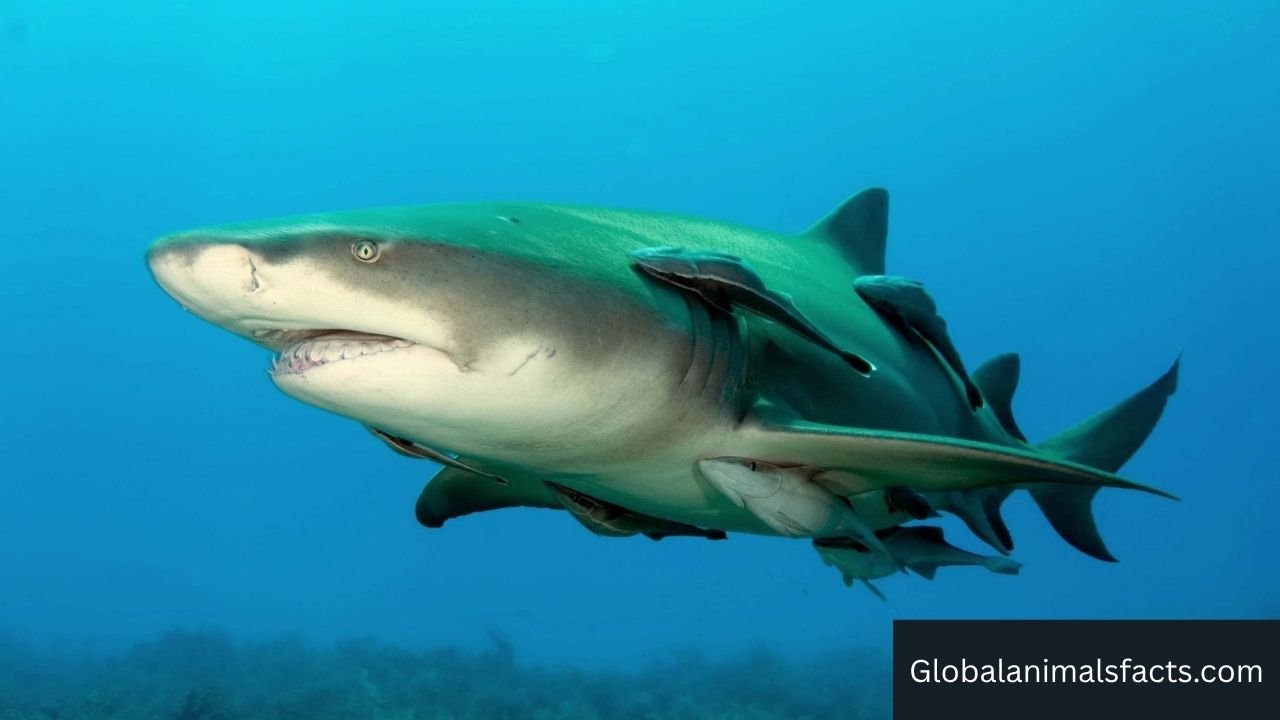
Sharks, the apex predators of the ocean, exhibit a remarkable feeding strategy that often involves swallowing their prey whole. Unlike many animals that chew or tear apart their food, most sharks possess a unique set of anatomical adaptations that allow them to gulp down large fish, seals, and even other sharks with astonishing efficiency. Their flexible jaws expand significantly, accommodating meals that rival their own body size. This capability not only enhances their survival but also underscores their evolutionary prowess.
Beyond their iconic jaws, sharks possess an extraordinary digestive system designed for rapid processing. Once ingested, the prey is met by a highly acidic stomach, capable of breaking down even the toughest tissues. Interestingly, this method of feeding minimizes energy expenditure, allowing sharks to conserve strength while maximizing their intake. As scavengers and hunters, their ability to swallow whole plays a crucial role in understanding marine ecosystems, illustrating the balance of predator and prey dynamics beneath the waves. Through this lens, we gain a deeper appreciation for the elegance and efficiency of shark biology in the ocean’s complex food web.
Crocodile
Scientific name: Crocodylus niloticus
Class: Reptilia
Crocodiles are fascinating predators, employing a unique feeding strategy that allows them to swallow their food whole. With their powerful jaws and sharp teeth, these reptiles can capture prey much larger than their head. Once caught, a crocodile will often perform a classic death roll to subdue its meal, tearing it apart without the need for chewing. This method is not just efficient; it’s crucial for their survival, as their strong stomach acids can break down even the toughest of tissues.
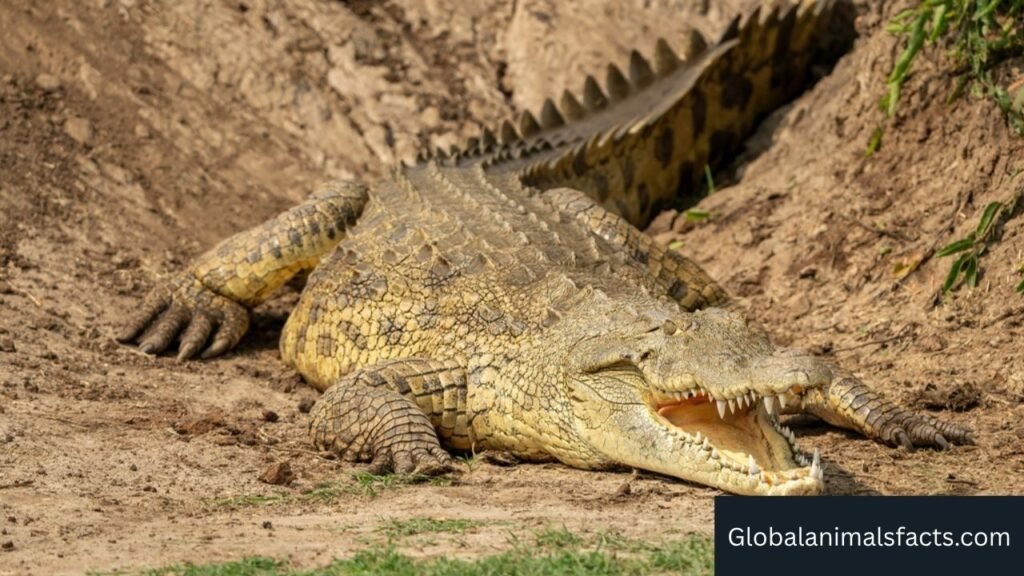
What sets crocodiles apart is their ability to digest large prey rapidly, allowing them to go extended periods without eating again — sometimes several weeks or even months. This adaptation is particularly advantageous in their often unpredictable habitats, where food availability can vary dramatically. In a world where resources are limited, the crocodile’s digestion prowess not only reflects their evolutionary success but also highlights their role as apex predators in maintaining ecosystem balance. With each massive gulp, these prehistoric creatures remind us of nature’s clever ways of survival.
Readmore: Explore Top 20 Animals That Eat Monkeys.
Frogs
Class: Amphibia
Frogs are fascinating carnivores, employing a unique feeding strategy that sets them apart from many other animals. Unlike creatures that chew their food, frogs use their specialized tongues to launch a sticky, lightning-fast attack on unsuspecting prey, often snatching insects mid-air or capturing them in an instant. Once prey is secured, frogs employ a dramatic gulping movement, allowing them to swallow their meal whole — a process that showcases their highly adaptable throat muscles and elongated bodies.
What’s particularly intriguing is how frogs have evolved to consume prey that is often larger than their own heads. They possess a unique set of backward-facing teeth that assist in preventing the food from escaping as it is drawn down into their gullets. Furthermore, the adaptability of their digestive systems enables them to extract nutrients efficiently from a range of prey, varying from insects to even small mammals. This incredible digestive flexibility underscores the evolutionary prowess of frogs, revealing a world where survival hinges on skillful adaptations rather than brute force.
Penguin
Scientific name: Aptenodytes forsteri
Class: Aves
Penguins, often beloved for their charming waddle and tuxedo-like feathers, also display fascinating feeding behaviors that might surprise many. These flightless birds possess a unique adaptation for eating: they often swallow their food whole. This is particularly evident in species like the Emperor and Gentoo penguins, which consume a diet rich in krill, fish, and squid. The design of their beaks, with a hook-like shape and smooth inner surfaces, allows them to effectively catch and gulp down slippery prey without chewing.
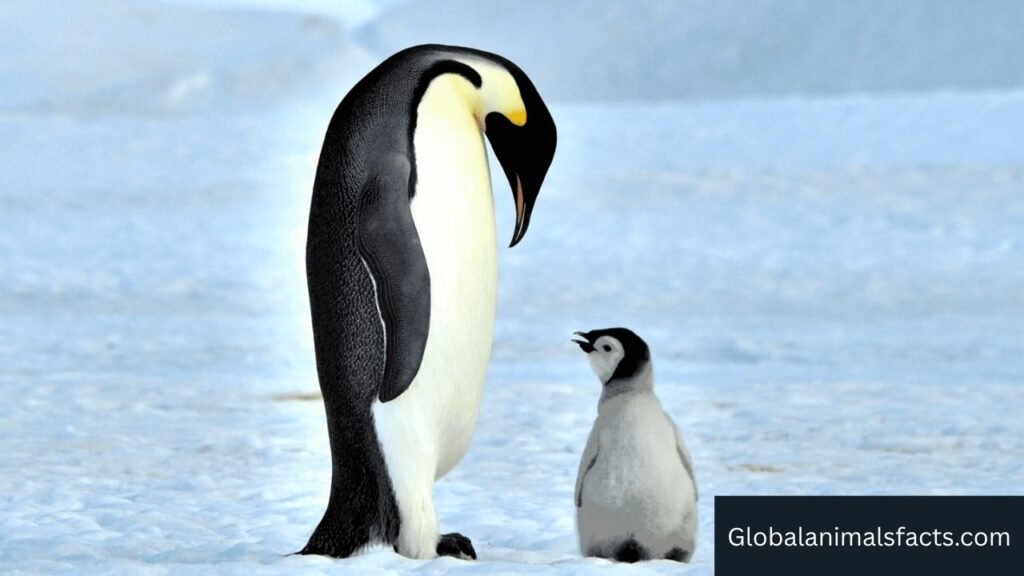
What’s remarkable is how this method affects their role in the ecosystem. By swallowing whole, penguins play a crucial part in controlling populations of their prey, influencing the marine food web dynamics. It’s also interesting to note that when chicks are fed, adult penguins will regurgitate partially digested food, providing their young with nutrient-rich meals that have already begun the digestive process. This not only nourishes the chicks but also fosters a deeper bond between parent and offspring, showcasing the evolutionary advantages of their unique feeding strategy.
Owls
Scientific name: Strigiformes
Class: Aves
Owls are fascinating creatures not just for their enigmatic presence in the night sky but also for their unique feeding habits. Unlike many birds that meticulously tear apart their prey, owls have an efficient digestive strategy: they swallow their food whole. This is particularly advantageous for these nocturnal hunters, who often capture small mammals, birds, and insects with impressive speed and silent flight. By swallowing their catch in one gulp, owls minimize the chance of losing valuable energy that would be expended on breaking down their food in a more time-consuming manner.
After ingestion, the owl’s digestive system works in remarkable ways. Food passes into the gizzard, where it’s ground up with the help of a gritty substance embedded in the muscle walls. This method not only aids in digestion but also facilitates the extraction of essential nutrients, allowing owls to thrive on a diet that many might consider simple. Interestingly, the indigestible parts — such as bones, fur, and feathers — are later regurgitated in the form of pellets, offering insight into the owl’s diet and hunting patterns. This unique trait not only highlights the owl’s evolutionary adaptability but also acts as a fascinating window into the ecological role they play, contributing to our understanding of local biodiversity.
You can also read: Explore Top 12 Animals That Eat Squirrels.
Pelicans
Scientific name: Pelecanus onocrotalus
Class: Aves
Pelicans are fascinating avian hunters, employing a unique feeding strategy that aligns with their distinctive anatomy. With their large, expandable bills, they create a natural net, scooping up fish and water in a single, fluid motion. This method not only allows them to consume prey whole but also demonstrates their high adaptability to aquatic environments. The pelican’s digestive system is remarkably efficient; once they catch their meal, they can quickly swallow it, sending it straight to their gullet without any preliminary chewing.
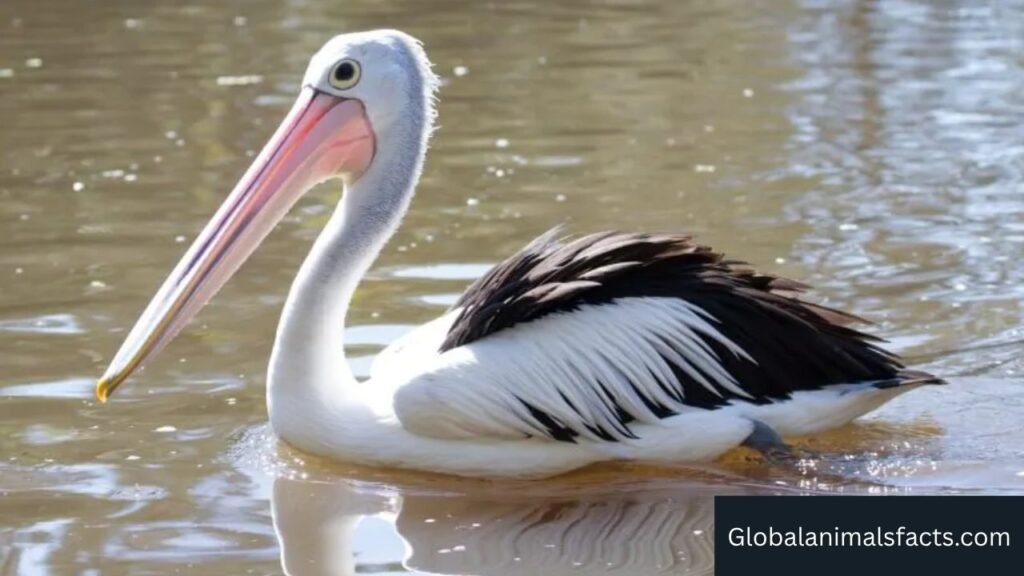
What truly sets pelicans apart is their social feeding behavior. When they hunt in groups, they coordinate their movements to drive fish into shallow waters, maximizing their chances of a successful catch. This teamwork showcases their intelligence and adaptability in finding sustenance. Observing a pelican dive into the water and emerge with a full pouch is a true testament to nature’s clever designs, revealing an intricate dance between evolution and survival that captivates both biologists and birdwatchers alike.
Alligator Gar
Scientific name: Atractosteus spatula
Class: Actinopterygii
The Alligator Gar, a fascinating predator of North American waters, boasts an ancient lineage that dates back to the time of the dinosaurs. This formidable fish can reach lengths of over ten feet, yet its most intriguing feature is its distinct feeding method. Unlike many fish that rely on a chewing mechanism, the Alligator Gar employs a powerful strategy: it uses its elongated jaws and sharp teeth to grab prey and swallow it whole. This sonic boom of a feeding technique speaks volumes about its evolutionary adaptation, enabling it to consume anything from fish to birds and even small mammals.
What sets the Alligator Gar apart is not just its remarkable hunting tactic, but also its unique physiological traits. With a swim bladder that functions like a lung, this fish can gulp air, allowing it to survive in oxygen-poor waters where other species might struggle. This adaptation expands its feeding opportunities, as it can linger in murky environments that conceal its presence from both prey and predators. Moreover, despite its fearsome reputation and appearance, the Alligator Gar plays a crucial ecological role, helping to maintain balanced aquatic ecosystems by controlling fish populations. Its storied existence offers a glimpse into evolutionary resilience, a reminder of the diverse strategies life employs to thrive in ever-changing environments.
Octopus
Scientific name: Octopus vulgaris
Class: Cephalopoda
The octopus stands out in the animal kingdom not only for its intelligence but also for its distinctive feeding style. Unlike many creatures that chew their food, octopuses are equipped with beaks that allow them to consume prey whole. This unique anatomy is particularly suited to their diet, which often includes crabs and other hard-shelled seafood. Once an octopus captures its meal, it uses its powerful beak to break the shell, releasing the soft flesh inside. The octopus can then swallow the meat whole, showcasing an impressive blend of strength and adaptability.
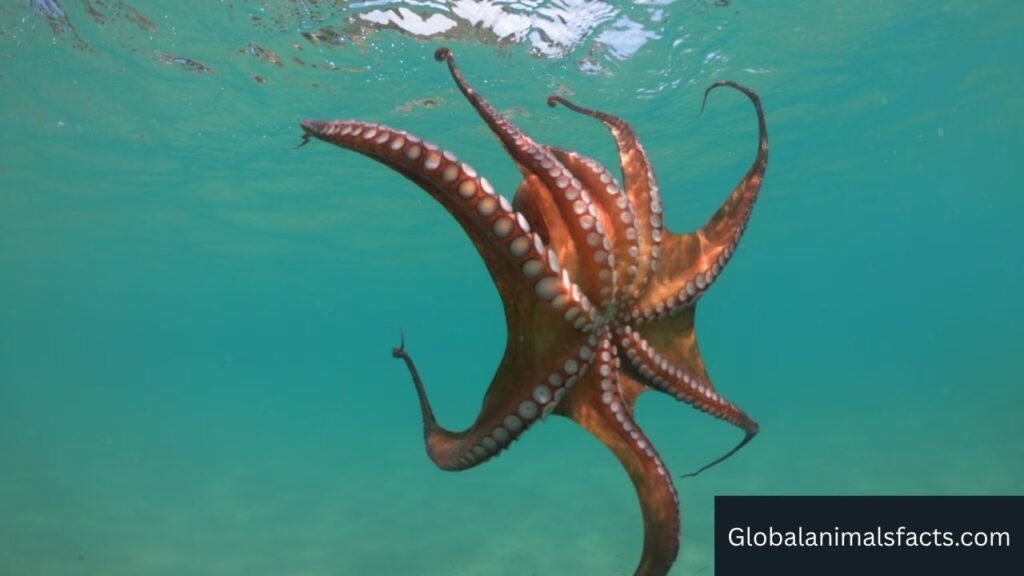
Furthermore, the digestive process of an octopus is fascinating. They possess a specialized organ called the salivary gland that secretes enzymes to break down food even before it is fully ingested. This pre-digestion accelerates nutrient absorption, allowing these cephalopods to efficiently convert their meals into energy. It’s a remarkable survival strategy, making them formidable predators in their underwater ecosystems.
Also read: Explore Top 12 Animals That Eat Ants.
Seagull
Scientific name: Larus argentatus
Class: Aves
Seagulls are often seen as common coastal birds, but their feeding habits reveal a fascinating adaptability that sets them apart in the animal kingdom. Known for their opportunistic eating, seagulls have mastered the art of swallowing their food whole, a behavior that minimizes the energy expended in the eating process. This trait is particularly evident when they feast on fish, crustaceans, or even discarded human food, allowing them to quickly digest their meals and resume their search for the next tasty morsel.
Interestingly, seagulls’ throat structures are flexible, enabling them to gulp down prey that can be surprisingly large relative to their size. This ability not only showcases their prowess as scavengers but also highlights the efficiency of their digestive system, which is designed to handle these quick meals without the need for extensive chewing. Observing these birds in action reveals a nuanced balance between their feeding strategies and survival in diverse environments, thriving on instinct and adaptability in ever-changing coastal landscapes.
Whales
Scientific name: Balaenoptera musculus
Class: Mammalia
Whales are fascinating examples of nature’s unique adaptations, particularly in how they consume their food. Many species, especially baleen whales, use a method called filter feeding, where they engulf massive amounts of water and then expel it, trapping krill and small fish in their baleen plates. This technique not only demonstrates the whale’s size but also the efficiency of their swallowing mechanism, allowing them to inhale and engulf prey who are unaware of their immense predator.
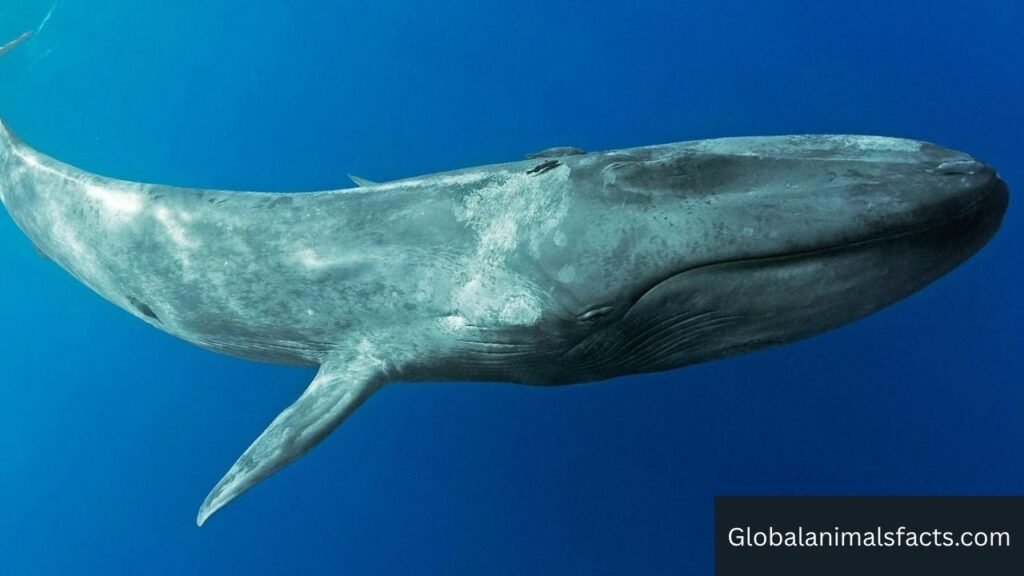
Interestingly, some whales can consume up to 4 tons of food daily, and this behavior reflects a finely tuned evolutionary strategy. Their massive throats expand remarkably, accommodating sizable gulps, further highlighting the contrast between their overall size and the delicate filtering process they employ. Moreover, the social dynamics of feeding — often seen in humpback whales that coordinate bubble net feeding — emphasizes the intelligence behind how these gentle giants locate and consume food, showcasing a blend of instinct and learned behavior that enriches our understanding of marine ecosystems.
Monkfish
Scientific name: Lophius piscatorius
Class: Actinopterygii
Monkfish are fascinating creatures, renowned not just for their unique appearance but also for their remarkable feeding habits. These deep-sea predators, often dubbed “the poor man’s lobster,” rely on their enormous mouths to engulf prey whole, thanks to their expandable jaws and sizable stomachs. This extraordinary adaptation allows monkfish to capitalize on a stealthy ambush strategy, swallowing fish and crustaceans whole with minimal effort. Observing their predation is like witnessing a slow-motion train wreck; they lurk camouflaged in the ocean floor until their prey ventures too close, and then, in a split second, they strike.
What sets monkfish apart is not only their formidable hunting technique but also their evolutionary backstory. Belonging to the Lophiidae family, they’ve adapted to thrive in diverse marine environments, from muddy shallows to deep oceanic trenches. Their flattened bodies and mottled skin enable them to blend seamlessly into their surroundings, making them expert ambush hunters. The physiology of swallowing prey whole, although efficient, raises intriguing questions about the ecological implications of such feeding behaviors. By consuming entire creatures, monkfish play a pivotal role in maintaining the balance of their habitats, serving both as predators and prey within the complex marine food web. Thus, these unique fish not only contribute to their ecosystems but also remind us of the extraordinary variety of survival strategies that exist in the animal kingdom.
Herons
Scientific name: Ardea cinerea
Class: Aves
Herons, with their elegant stature and poised presence, are masters of efficiency when it comes to feeding. These birds boast long necks and sharp, dagger-like beaks, which they expertly utilize to catch prey ranging from small fish to amphibians. Once snagged, there’s no time wasted in chewing — the heron simply swallows its quarry whole. This remarkable adaptation not only streamlines their feeding process but also allows them to capture and consume larger prey than might be feasible for other birds with beaks designed for tearing.
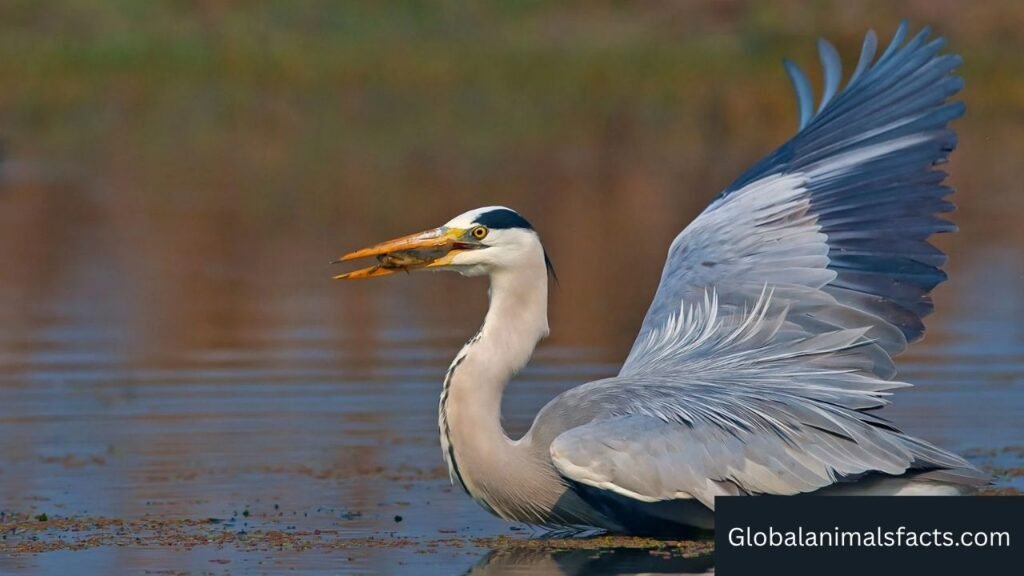
Interestingly, the process of swallowing whole often involves a fascinating technique. Herons employ their powerful throat muscles to push down their slippery catch, which can lead to some precarious moments as the fish wriggles on the way down. This method highlights the intricate relationship between anatomy and behavior in the animal kingdom, showcasing how a species can evolve specific traits to thrive in its environment. Observing a heron in action can be an awe-inspiring reminder of the complexities of nature, where each movement plays a crucial role in the survival of its intricate ecosystem.
You can also read: Explore Top 14 Animals That Eat Rabbits.
Final Thoughts
The fascinating world of animals that swallow their food whole showcases the remarkable adaptations that enable survival in diverse environments. From the serpentine movements of snakes to the unique feeding techniques of certain fish, these creatures highlight the incredible diversity of life on our planet. Understanding how these animals digest their food can deepen our appreciation for the intricate relationships within ecosystems. Moreover, learning about these adaptations can inspire us to think more critically about conservation efforts. So, let’s commit to protecting their habitats and fostering a world where such amazing creatures can thrive.
FAQs
What animals eat their food whole?
Many animals consume their food whole as a strategy for survival. For example, snakes are notorious for this; they can unhinge their jaws to swallow prey much larger than their heads. This allows them to avoid the energy expenditure of chewing and to digest their food more efficiently in their elongated bodies. Certain birds, like the pelican, also eat whole fish. They have specialized beaks that can scoop up prey in large quantities. Similarly, some species of turtles consume whole jellyfish or insects.
Do frogs swallow their food?
Yes, frogs do swallow their food. They primarily catch their prey with their sticky tongues and then use their eyes to help push the food down their throats. This technique is quite efficient and allows them to consume various insects and small animals quickly.
Do birds swallow prey whole?
Yes, many birds swallow their prey whole, especially those with diets consisting of smaller animals. Raptors like owls and hawks often consume entire rodents or small birds, thanks to their strong beaks and digestive systems that can handle whole prey. This allows them to maximize their nutrient intake quickly.