Munchkin Breed: What a Future Kitten Owner Needs to Know
According to The International Cat Association’s official Munchkin breed profile, these cats are “outgoing, intelligent, and respond well to being handled,” with a cuddly and curious nature that TICA states “has captured the hearts of cat lovers across the world” since the breed achieved championship status in 2003.
That official description captures the temperamental core of the breed accurately, but it leaves out most of what a prospective owner actually needs to know. The Munchkin Cat Breed has a specific genetic background, a documented set of characteristics, legitimate health considerations, and care requirements that differ enough from a standard domestic cat to warrant thorough research before commitment.
A Munchkin Kitten is a breed with a distinct genetic profile, a well-documented temperament, and specific ownership considerations that only become clear when the full picture is understood before purchase.
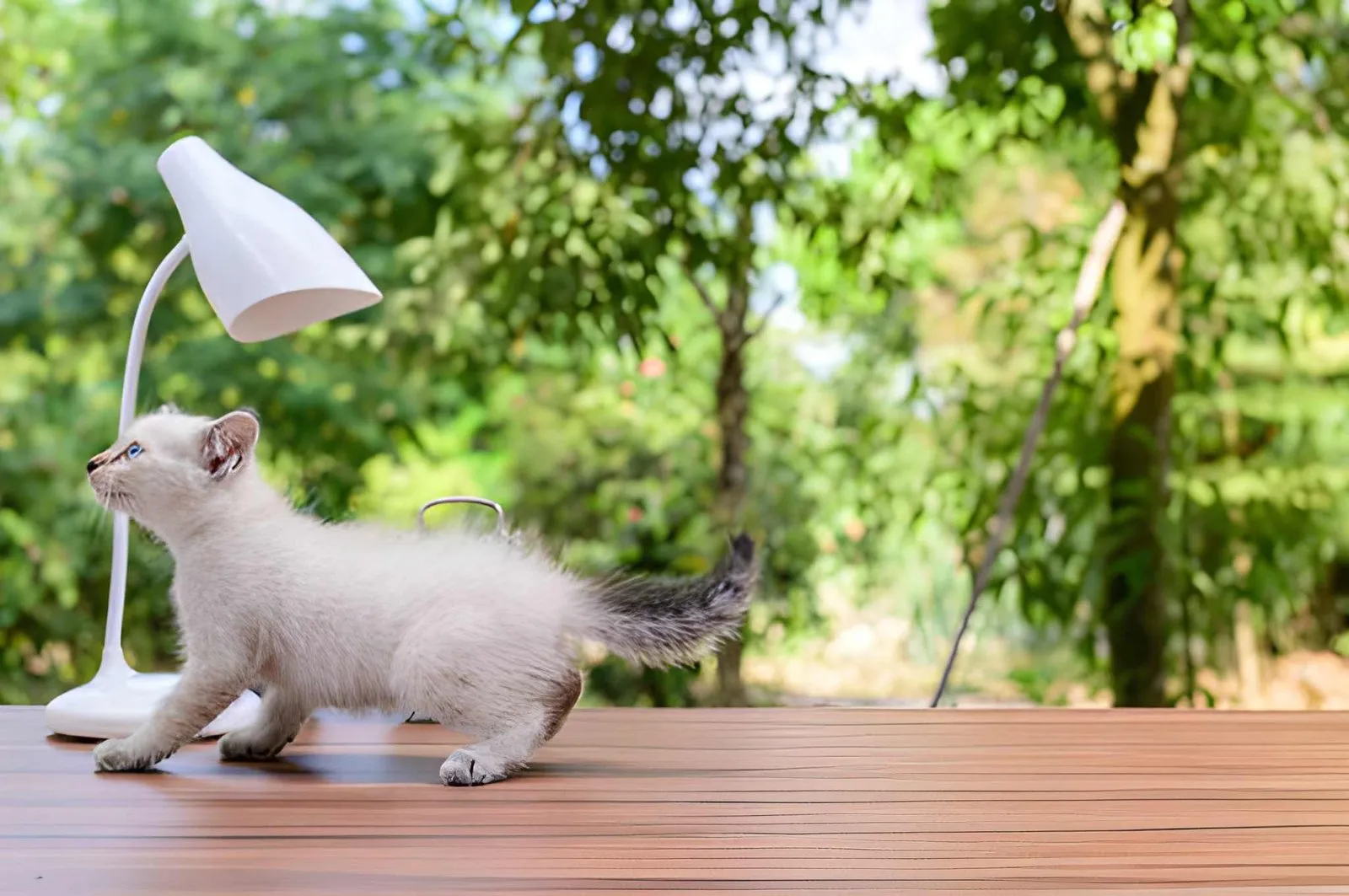
Munchkin Kittens are among the most immediately charming young cats available. Their low-to-the-ground silhouette, round walnut-shaped eyes, and genuinely playful confidence make them consistently arresting in person, and their sociable, curious nature means they integrate into new homes faster than many breeds. For prospective owners who have done the research, the Munchkin kitten delivers a genuinely rewarding ownership experience from the first week.
What Is the Munchkin Cat Breed and Where Did It Come From?
The Munchkin Cat Breed originated from a naturally occurring autosomal dominant gene mutation affecting the long bones of the limbs. The mutation was documented in cats as far back as the 1940s, but the modern breed traces to 1983, when short-legged cats were discovered in Louisiana. TICA accepted the Munchkin into its new breed development program in 1994 and granted full championship status in 2003.
Key facts about the breed’s recognition:
- TICA, the World Cat Federation, the Southern Africa Cat Council, and the Australian Cat Federation all formally recognize the Munchkin
- The Cat Fanciers’ Association does not recognize the breed, citing policy concerns about the mutation
- TICA maintains separate championship categories for Shorthair Munchkins and Longhair Munchkins
- The short-legged gene is dominant: only one copy is required to produce the trait, and two copies are lethal at the embryonic stage, which means all living Munchkins carry only one copy
What Are the Key Munchkin Cat Breed Characteristics?
Physical Characteristics
TICA’s breed standard describes the Munchkin as a medium-sized cat whose body proportions, apart from leg length, are consistent with a standard domestic cat. The spine is unaffected by the mutation and remains normal in form and flexibility.
Munchkin Cat Breed characteristics at a glance:
- Height: 6 to 9 inches at the shoulder, with hind legs potentially slightly longer than front legs
- Weight: 5 to 9 pounds at maturity, consistent with average domestic cats
- Coat: Available in both short-haired and long-haired varieties, all colors and patterns accepted
- Eyes: Walnut-shaped, expressive, any color accepted
- Legs: Short and strong, set evenly apart, with the distinctive low-to-the-ground silhouette the breed is known for
Temperament and Personality
TICA’s profile describes Munchkin Cats as “very sociable cats that are extremely spirited and love to run, chase and play with toys.” They are also known for a behavior rarely seen in other breeds: sitting upright on their hind legs, rabbit-style, to get a better view of something that has caught their attention.
What daily life with a Munchkin Cat actually looks like:
- Actively seeks out human company and follows owners between rooms
- Collects and hoards small objects, carrying favorites to preferred hiding spots
- Engages enthusiastically with interactive toys and puzzle feeders
- Gets along well with other cats and dogs when properly introduced
- Maintains a playful, kitten-like energy well into adulthood
What Are the Health Considerations for Munchkin Cats?
The most important health fact to understand about Munchkin Cats is the specific scope of the mutation. TICA’s breed profile explicitly states that “the spine is unaffected and similar in form and flexibility to that seen in other domestic cats” and that “the short legs do not hamper mobility or survival ability.” The mutation affects limb length only, not spinal structure, internal organs, or cognitive function.
Documented health considerations to be aware of:
- Lordosis: Excessive spinal curvature, ranging from asymptomatic to serious, occurs in some individuals and is not directly caused by the short-leg gene but appears at higher rates in the breed
- Pectus excavatum: A chest deformity that can affect breathing in severe cases; ranges considerably in presentation
- Joint health: Altered limb mechanics create abnormal joint loading over time, increasing osteoarthritis risk as the cat ages
- Weight management: Excess weight places disproportionate stress on already-shortened limbs and accelerates joint wear
Responsible breeders pair short-legged Munchkins with standard-legged cats, never Munchkin-to-Munchkin, to avoid the homozygous lethal outcome and to reduce the compounding of skeletal traits.
What Does Responsible Munchkin Kitten Ownership Require?
Three commitments define responsible Munchkin Cat ownership in practice:
- Source verification: Confirm the breeder pairs short-legged and standard-legged cats, provides parental health documentation, and releases kittens at 12 to 16 weeks. Any breeder unable to explain the homozygous gene issue clearly has not done foundational breed research.
- Environmental adaptation: Low-sided litter boxes, ramps to elevated furniture, and scratching posts at floor level rather than standard height accommodate the Munchkin’s proportions without limiting its daily activities.
- Proactive veterinary monitoring: Twice-yearly wellness exams through age 7, including spinal alignment and joint mobility assessment, catch developing issues at their most manageable point.
What Every Future Munchkin Owner Should Understand Before Buying
The Munchkin Cat Breed rewards owners who understand it fully before committing and approaches care as a long-term investment rather than a set of rules to follow. Munchkin Cats are not fragile, difficult, or compromised. They are a breed with a specific profile that, when met with the right preparation, produces one of the most engaging and affectionate ownership experiences available.
The short legs are the first thing most people notice about a Munchkin Kitten. The personality is what keeps owners devoted for 12 to 15 years.
Frequently Asked Questions
What makes the Munchkin Cat Breed different from other cat breeds?
The Munchkin is defined by a naturally occurring autosomal dominant gene mutation that shortens the long bones of the limbs while leaving the rest of the cat’s anatomy and temperament consistent with a standard domestic cat. It is the original dwarf cat breed and the basis from which other short-legged hybrid breeds have been developed. TICA has formally recognized it since 1994 and granted full championship status in 2003.
Are Munchkin Kittens healthy?
Munchkin Kittens from responsible breeders who avoid Munchkin-to-Munchkin pairings and conduct health testing have a manageable health profile. The mutation does not affect the spine or internal organs. Documented risks include lordosis, pectus excavatum, and joint stress from altered limb mechanics, all of which are significantly reduced in well-bred individuals and manageable with proactive veterinary care.
What are the most important Munchkin Cat Breed characteristics to know before buying?
The most practically significant characteristics are the short legs and their implications for environmental setup, the breed’s high social energy requiring daily interaction, the weight management requirement to protect joint health, and the genetic screening that responsible breeders should provide. The breed’s playful, curious, and people-oriented temperament is the characteristic most owners find most rewarding in daily life.
How do Munchkin Cats get along with other pets?
TICA’s breed profile describes Munchkin Cats as getting along well with other pets, including dogs, when properly introduced. Their confident, sociable nature means they approach other animals with curiosity rather than aggression. Gradual introductions over one to two weeks, with scent exchange before visual contact, produce the most reliable outcomes.
How much does a Munchkin Kitten cost from a reputable breeder?
Munchkin Kittens from health-tested, TICA-registered breeders in the U.S. typically range from $1,000 to $3,500, with variation reflecting pedigree quality, coat type, and breeder reputation. Kittens priced significantly below this range should be scrutinized carefully for health testing documentation and breeding practices. The purchase price is the most visible cost; first-year veterinary care, environmental adaptations, and ongoing wellness exams are the ongoing budget components to plan for.