
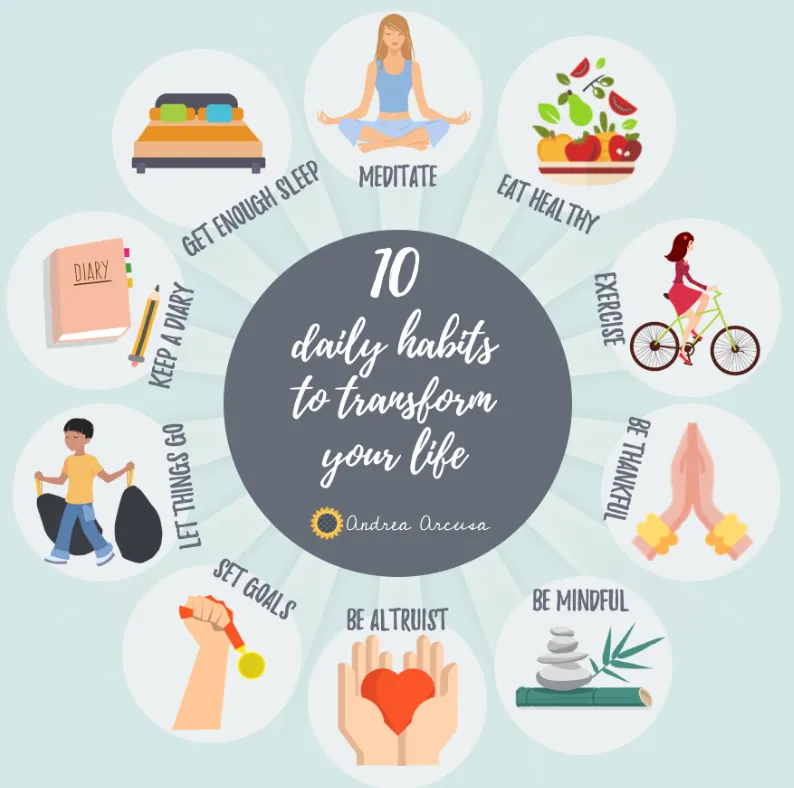
Simple Habits That Increase Productivity: Easy Daily Practices for Better Results
Productivity is not about working longer hours or constantly staying busy. Instead, it is about using your time, energy, and attention wisely to accomplish meaningful goals. Many people believe they need complicated systems or expensive tools to become more productive, but the truth is that small daily habits often create the biggest improvements over time.
Simple habits are easier to build, maintain, and turn into part of your routine. Whether you are a student, professional, entrepreneur, or someone managing a busy household, adopting a few productive habits can help you stay organized, reduce stress, and complete tasks more efficiently. These habits also improve focus, prevent burnout, and make it easier to maintain a healthy work-life balance.
One of the greatest benefits of building productive habits is consistency. When positive actions become automatic, you spend less mental energy deciding what to do next. Instead of relying on motivation, you rely on routines that naturally support your goals. Over weeks and months, these small improvements add up to significant personal and professional growth.
In this guide, you’ll discover practical and easy-to-follow habits that can increase productivity without overwhelming your schedule. These strategies require little effort to begin, yet they can have a lasting impact on your daily performance and overall success.
Why Simple Habits Matter
Many people try to improve productivity by making dramatic lifestyle changes. However, drastic changes often become difficult to maintain. Small habits are much more sustainable because they fit naturally into everyday life.
Simple habits help you:
- Improve concentration.
- Reduce procrastination.
- Manage time effectively.
- Lower stress levels.
- Complete more tasks with less effort.
- Build long-term discipline.
Consistency beats perfection. Even a five-minute productive habit practiced every day can produce impressive results over time.
Start Your Day with a Clear Plan
Beginning your day without a plan often leads to wasted time and unnecessary distractions. Taking just a few minutes each morning to organize your priorities gives your day clear direction.
Write down three to five important tasks you want to complete. Focus on the activities that have the greatest impact rather than trying to finish dozens of small tasks.
A simple daily plan helps you:
- Stay focused.
- Avoid decision fatigue.
- Track progress.
- Feel accomplished throughout the day.
Having a roadmap makes it easier to remain productive from morning until evening.
Prioritize the Most Important Task
Not every task deserves equal attention. Productive people identify their most valuable task and complete it before moving on to less important work.
Ask yourself:
“If I could only finish one task today, which one would make the biggest difference?”
Completing this priority task early provides momentum, reduces stress, and prevents important work from being delayed until the end of the day.
Avoid Multitasking
Many people think multitasking saves time, but research consistently shows that switching between tasks reduces efficiency and increases mistakes.
Instead of juggling multiple activities:
- Work on one task at a time.
- Finish it before moving to the next.
- Minimize interruptions.
- Keep your attention focused.
Single-tasking allows your brain to work more efficiently while producing higher-quality results.
Use Time Blocking
Time blocking is one of the simplest productivity techniques available. Instead of working randomly, assign specific periods for different tasks.
For example:
- 9:00–10:30 AM: Deep work
- 10:30–11:00 AM: Emails
- 11:00–12:00 PM: Meetings
- 1:00–3:00 PM: Project work
Scheduling focused work sessions reduces distractions and helps maintain concentration throughout the day.
Keep Your Workspace Organized
A cluttered workspace often creates a cluttered mind. Spending just a few minutes organizing your desk can improve concentration and reduce unnecessary stress.
Simple organization habits include:
- Remove unnecessary items.
- Keep frequently used tools nearby.
- Organize digital files.
- Clear your desk before ending the day.
An organized environment makes it easier to focus on meaningful work instead of searching for misplaced items.
Take Regular Breaks
Working continuously for hours may seem productive, but it often leads to mental fatigue and declining performance.
Short breaks help:
- Refresh your mind.
- Improve creativity.
- Reduce stress.
- Maintain energy.
Many people find success using techniques like working for 25–50 minutes followed by a 5–10 minute break. Even standing up, stretching, or taking a short walk can restore mental focus.
Eliminate Common Distractions
Distractions are one of the biggest barriers to productivity. Social media notifications, unnecessary emails, and constant phone checking interrupt concentration and waste valuable time.
Reduce distractions by:
- Turning off notifications.
- Putting your phone away during focused work.
- Closing unnecessary browser tabs.
- Setting boundaries with coworkers or family during work sessions.
Even small reductions in distractions can significantly increase daily productivity.
Follow the Two-Minute Rule
If a task takes less than two minutes to complete, do it immediately rather than postponing it.
Examples include:
- Replying to a simple email.
- Filing a document.
- Washing a coffee mug.
- Scheduling an appointment.
Completing small tasks immediately prevents them from piling up into overwhelming to-do lists.
Practice Saying No
One of the most overlooked productivity habits is protecting your time. Accepting every request, meeting, or commitment leaves little room for important work.
Learning to politely decline unnecessary obligations allows you to focus on activities that truly matter.
Remember:
Every “yes” to one task is often a “no” to another.
Prioritize commitments that align with your personal and professional goals.
Stay Hydrated and Eat Nutritious Foods
Productivity depends on physical health as much as mental discipline.
Drinking enough water helps improve:
- Focus
- Memory
- Energy
- Decision-making
Likewise, balanced meals containing lean protein, whole grains, fruits, and vegetables provide steady energy throughout the day.
Avoid excessive sugar and processed foods that often lead to energy crashes and reduced concentration.
Get Enough Sleep
No productivity strategy can replace quality sleep.
Adults generally perform better after getting sufficient restful sleep each night. Proper sleep improves:
- Memory
- Creativity
- Problem-solving
- Emotional regulation
- Focus
Instead of sacrificing sleep to work longer hours, prioritize consistent sleep schedules for sustainable productivity.
Review Your Progress Daily
Spend five to ten minutes at the end of each day reviewing what you accomplished.
Ask yourself:
- What went well?
- What distracted me?
- What can I improve tomorrow?
- Which tasks remain unfinished?
Daily reflection helps identify patterns, improve planning, and build stronger productive habits over time.
Continue Learning
Highly productive individuals never stop learning.
Read books, listen to educational podcasts, attend webinars, or develop new professional skills. Continuous learning helps you discover better methods for solving problems and working more efficiently.
Improving your knowledge also boosts confidence and opens new opportunities for career and personal growth.
Build Habits Gradually
Trying to change everything at once often leads to frustration.
Instead:
- Introduce one new habit each week.
- Practice it consistently.
- Allow it to become automatic.
- Add another habit afterward.
Small improvements repeated consistently create lasting transformation without feeling overwhelming.
Conclusion
Increasing productivity does not require complicated systems or dramatic life changes. In fact, the most effective improvements often come from simple daily habits practiced consistently. Planning your day, prioritizing important tasks, avoiding distractions, organizing your workspace, taking regular breaks, and maintaining good health all contribute to higher productivity and greater personal satisfaction.
Remember that productivity is about making steady progress rather than achieving perfection. Building one positive habit at a time creates momentum that leads to lasting success. As these routines become part of your daily life, you’ll find yourself accomplishing more with less stress, greater focus, and improved confidence. Start with one simple habit today, stay consistent, and watch your productivity grow over time.
Also Read About: Daily Habits That Help You Stay Organized