
Kansas City, Missouri Electrical Upgrade Checklist for Older Homes
Kansas City homeowners often love the character of an older house, from original millwork to established neighborhood trees. Its electrical system, however, may have been installed for a very different lifestyle. For homeowners comparing repair and upgrade options, Fusion Electric is an electrical contractor kansas city residents can consult for residential repairs, safety inspections, panel upgrades, lighting, EV charger installations, and related work throughout the metro, including Overland Park, Olathe, Mission Hills, Lee’s Summit, and Independence.
An older home is not automatically unsafe or overdue for a complete replacement. Many homes can continue serving their occupants well when wiring, grounding, devices, and protective equipment are in sound condition. The concern is whether past alterations, aging materials, moisture, damage, or increased electrical demand have created conditions that require repair or a planned upgrade.
Why Older Homes May Need Electrical Upgrades
Homes built decades ago were commonly expected to power basic lighting, kitchen appliances, and a smaller number of plug-in devices. Today, one household may also use central air conditioning, computers and monitors, entertainment equipment, electric cooking appliances, heat pumps, workshop tools, and electric vehicle charging. New demand does not automatically mean the service is inadequate, but it does make a professional review more important before adding major equipment.
Electrical problems can also develop gradually. A circuit may work most of the time, yet become overloaded when several appliances run together. Connections can loosen, outlet devices can wear out, and unapproved repairs can leave hazards hidden behind a wall or panel cover.
Start With a Visual Safety Check
A homeowner can perform a useful visual check without removing outlet covers, opening junction boxes, or touching panel components. Walk through the home and note concerns such as:
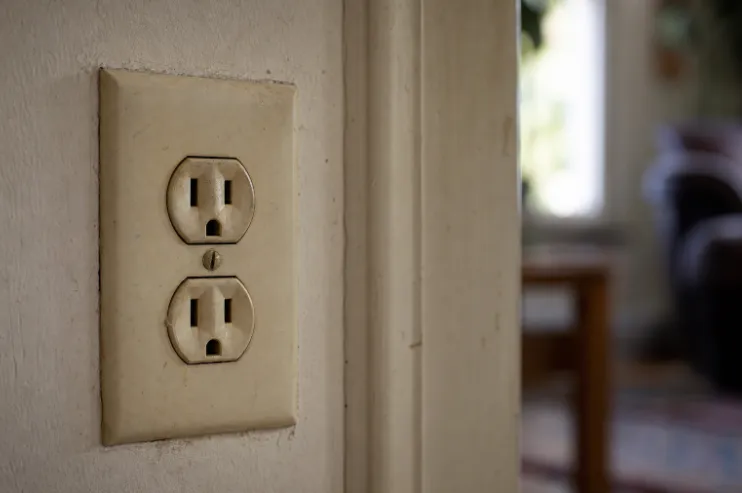
- Cracked, loose, discolored, or damaged outlet and switch covers.
- Switches or receptacles that feel warm during normal use.
- Buzzing, sizzling, or repeated clicking from an outlet, fixture, or panel.
- Lights that flicker repeatedly or breakers that trip often.
- Extension cords or power strips are being used as permanent wiring.
- Storage, furniture, or other obstacles are blocking access to the electrical panel.
Stop using a damaged outlet or affected circuit if there is heat, smoke, sparking, or a burning odor. Do not attempt to investigate inside the device or panel. Contact a qualified electrician promptly.
Electrical Panel Warning Signs
The electrical panel distributes power through the home and uses breakers or fuses to protect individual circuits. A panel deserves professional attention if the home has a fuse box, limited capacity for additional circuits, corrosion, water damage, visible charring, loose breakers, or signs of overheating.
Signs That May Point to a Panel Problem
- Breakers trip repeatedly during ordinary household use.
- The panel cover feels unusually warm.
- A breaker will not reset or will not stay firmly in position.
- Rust, moisture staining, melted material, or scorch marks are visible.
- Several rooms rely heavily on extension cords and power strips.
- A planned appliance needs a new circuit that the existing equipment cannot reasonably support.
A larger panel is not automatically the solution. An evaluation should consider service size, the condition of existing wiring, grounding, and bonding, current load, and future plans for the property.
When a Panel Upgrade May Make Sense
A professional assessment is especially useful when a home still has an older fuse system, a remodel will add rooms or appliances, breakers trip when everyday loads operate together, or physical damage appears at the panel. It is also wise before installing an EV charger, hot tub, electric range, heat pump, generator connection, or other high-demand equipment.
Panel and service decisions should follow an electrical load calculation. Depending on the scope, the work may involve new service equipment, grounding improvements, utility coordination, permits, and inspections.
Room-by-Room Upgrade Checklist
Kitchen and Bathroom
- Check kitchen receptacles for crowding from countertop appliances and inspect cords near sinks, ranges, dishwashers, and refrigerators.
- Watch for warm receptacles behind microwaves or refrigerators.
- Follow the device instructions when testing ground-fault circuit interrupter protection in bathrooms, kitchens, garages, and other applicable areas.
- Keep portable electrical appliances away from tubs, sinks, and standing water.
Basement, Utility Areas, Garage, and Exterior
- Look for dampness near outlets, panels, furnaces, sump pumps, laundry equipment, and freezers.
- Do not ignore exposed wiring, improvised splices, damaged outdoor covers, or loose exterior fixtures.
- Keep storage clear of the panel and keep cords away from water, snow, and locations where they can be damaged.
- Review circuits serving power tools, garage freezers, exterior lighting, and EV charging equipment.
EV Chargers and Other High-Demand Equipment
An EV charger or other major appliance should be planned as part of the entire electrical system. Proper installation may require a dedicated circuit, correctly sized conductors, suitable overcurrent protection, and available capacity at the service. Using a general-purpose outlet or an extension cord as a substitute can lead to nuisance trips, damaged equipment, or overheating. Arrange an evaluation before purchasing or installing high-demand equipment.
Permits, Inspections, and Local Requirements
Rules vary by jurisdiction and project scope. Within city limits, homeowners can review Kansas City, Missouri’s electrical permit requirements before work begins. The city explains that most electrical work requires permits and inspections, while certain minor repairs may be exempt.
For broader local requirements, the city’s Building and Rehabilitation Code provides code information and local amendments. Requirements in Kansas City, Missouri, may differ from those in Overland Park, Lenexa, Olathe, Lee’s Summit, or Independence, so confirm details with the authority having jurisdiction where the home is located.
Choosing the Right Electrical Professional
- Verify appropriate licensing, insurance, and local residential experience.
- Ask whether permits and inspections are included when required.
- Request a written scope that explains what will be repaired, replaced, or tested.
- Ask how the contractor will assess panel capacity and planned electrical load.
- Be cautious of vague proposals for major work that skip inspection or load-planning details.
Which Problems Need Fast Attention?
Seek prompt professional help for smoke, sparks, a strong burning smell, exposed conductors, melted or charred devices, water near electrical equipment, a hot panel, or loud buzzing from the panel. If there is immediate danger, move away from the area and call emergency services. Never touch wet electrical equipment or remove a damaged panel cover.
Common Homeowner Questions
Does every older home need a panel upgrade?
No. The decision depends on the panel’s condition, service capacity, wiring, grounding, electrical load, and planned improvements.
Is a flickering light always an emergency?
A loose bulb can be a simple cause, but persistent flickering may indicate a loose connection, overloaded circuit, failing fixture, or service issue. Repeated flickering should be checked.
A Simple Upgrade Planning Process
- List visible warning signs and recurring electrical problems.
- Record planned additions, including appliances, lighting, and EV charging.
- Schedule a professional inspection and request priorities for repair.
- Confirm permit and inspection requirements before major work begins.
- Complete urgent safety repairs first, then plan optional improvements around budget and future needs.
Conclusion
Electrical upgrades should be guided by safety, real household demand, and the condition of the existing system. A room-by-room review can identify visible concerns, but only a qualified evaluation can assess wiring, grounding, load capacity, and panel equipment together. Planning ahead helps Kansas City homeowners make safer, more practical choices for the home they have today and the equipment they may add tomorrow.