Top 16 Flexible Animals in The World (With Pictures)
Did you know that some animals can contort their bodies in ways that seem almost magical? In this article, we will examine the concept of flexible animals in the world, revealing the extraordinary skills of creatures that can bend, twist, and stretch in remarkable ways. This topic is not just a fun fact; it offers insights into evolutionary biology and the adaptability of life. Prepare to be amazed as we explore the flexibility of these enchanting animals and what it means for their survival and interaction with their ecosystems.
List of Flexible Animals in The World
Here is the list of most flexible animals in the world:
- Snakes
- Weasels
- Octopus
- Squirrel
- Earthworms
- Hero Shrew
- Eel
- Chameleon
- Rats
- Centipedes
- Cat
- Squid
- Sea Lions
- Cheetah
- Seal
- Spider Monkey
Snakes
Scientific Name: Serpentes
Class: Reptilia
Diet: Carnivore
Snakes captivate not just with their sleek bodies but with their remarkable flexibility, allowing them to navigate a vast range of environments. This adaptability is rooted in their unique skeletal structure, which features numerous vertebrae — more than any other group of land animals. With up to 400 vertebrae working in unison, snakes can bend, twist, and coil with impressive agility, enabling them to strike with both speed and precision when hunting.
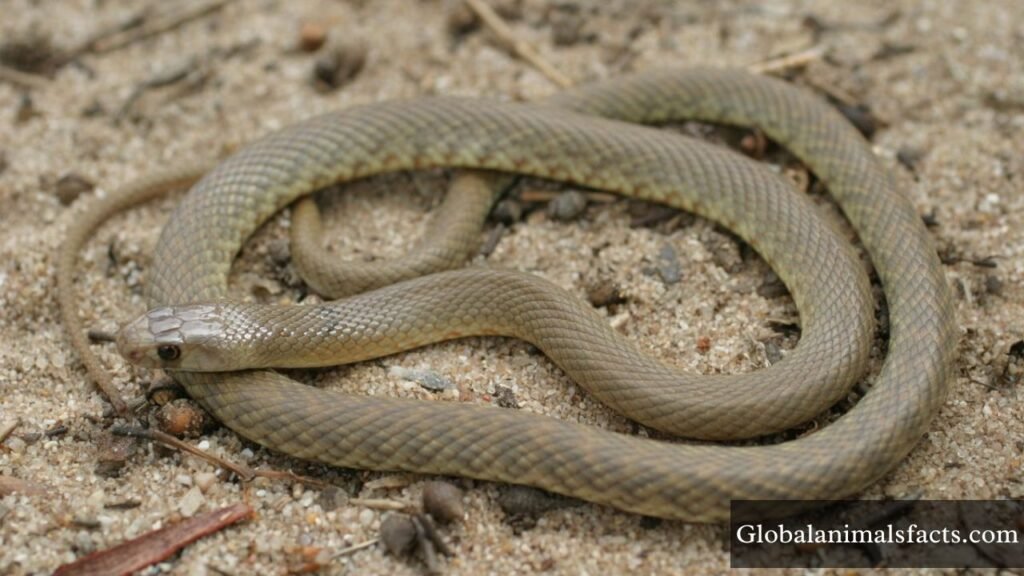
Beyond mere flexibility, snakes exhibit a fascinating ability to adapt their movement styles based on their environment. Some species, like the Caribbean boa, use a sidewinding technique to traverse sandy landscapes, while others, such as tree-dwelling pythons, display a remarkable prehensile capability, allowing them to grip branches securely. This versatility plays a crucial role in their survival, illustrating not just physical adaptability but also an intricate dance with their surroundings that rivals the complexity of flight in birds. Each contortion and curve tells a story of evolution finely tuned to a life of stealth and survival.
Weasels
Scientific Name: Mustela
Class: Mammalia
Diet: Carnivore
Weasels possess a remarkable agility that sets them apart in the animal kingdom. Their long, slender bodies and short legs enable them to navigate through narrow burrows and thick underbrush with incredible ease. This unique anatomical design isn’t merely for show; it allows weasels to be formidable hunters, capable of ambushing prey that would otherwise escape larger predators. Watching a weasel in action reveals a dance of cunning and speed, as they dart in and out of dens, almost as if they are playing a game of hide and seek with their next meal.
Socially, these solitary creatures often exhibit surprising intelligence and adaptability. From creating complex burrow systems to utilizing communal latrines, weasels demonstrate a level of environmental awareness that challenges our understanding of small mammals. Their diet also reveals a flexible approach to survival; while they primarily feast on rodents, they can switch their hunting techniques to target birds or even insects when necessary, showcasing an impressive skill for resourcefulness that contributes to their resilience in diverse habitats.
Octopus
Scientific Name: Octopus vulgaris
Class: Cephalopoda
Diet: Carnivore
The octopus is a master of adaptability, demonstrating a remarkable ability to navigate its surroundings with both grace and ingenuity. Lacking a rigid skeleton, these creatures can contort their bodies to squeeze through the tiniest of crevices, showcasing a flexibility that is breathtaking to observe. In addition to their physical agility, octopuses possess a sophisticated neural network distributed throughout their arms, allowing them to manipulate objects and explore the ocean floor with astonishing precision. This decentralized nervous system enables them not only to multitask effectively but also to react quickly to changes in their environment.
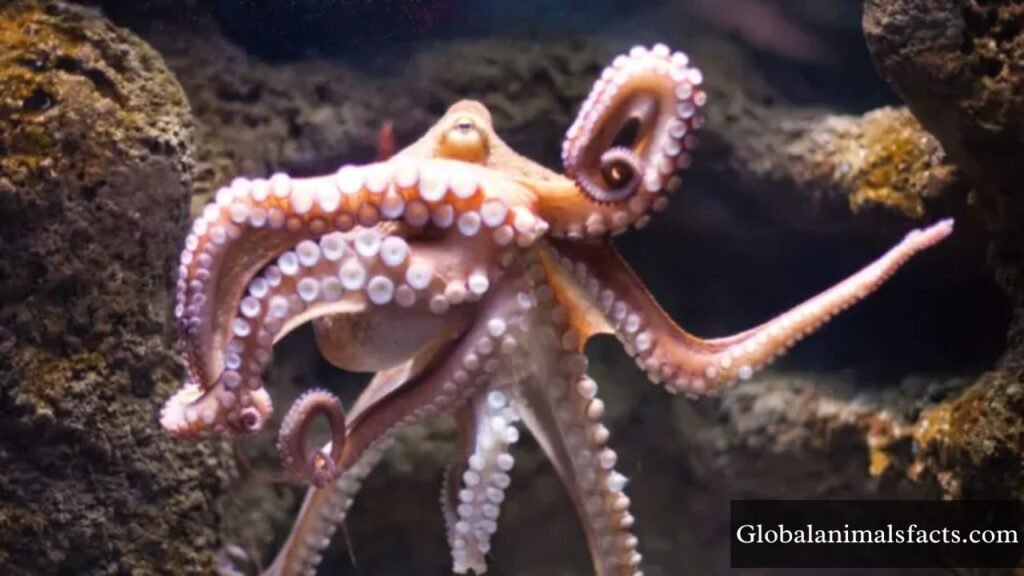
Furthermore, octopuses exhibit an extraordinary talent for camouflage, blending seamlessly into their surroundings. Through specialized skin cells, they can alter their color and texture, creating mesmerizing displays reminiscent of a living canvas. This ability serves as both a defensive tactic against predators and a hunting strategy, allowing them to ambush unsuspecting prey.
You can also read: Explore Top 15 Animals With Small Eyes.
Squirrel
Scientific Name: Sciuridae
Class: Mammalia
Diet: Omnivore
Squirrels are the acrobats of the animal kingdom, showcasing an extraordinary blend of agility and adaptability that captivates anyone fortunate enough to observe their antics. With their nimble bodies and bushy tails, they navigate trees with astonishing finesse, leaping between branches with the grace of a gymnast. This adaptability is not just a spectacle; it’s a survival strategy that allows them to thrive in a variety of habitats, from dense forests to urban parks.
What sets squirrels apart is their remarkable capacity to think on their feet — literally. When foraging for food, they employ a clever technique known as “caching,” burying nuts and seeds to consume later. This not only demonstrates their foresight but also their role as nature’s gardeners, as forgotten seeds germinate into new plants, contributing to ecosystem growth. Moreover, their social behavior, marked by playful chases and intricate communication, adds another layer to their flexibility, showcasing a lively interaction that is as essential to their survival as their physical prowess. Observing a squirrel can be a reminder of the intricate balance between agility, intelligence, and environmental harmony.
Earthworms
Scientific Name: Lumbricina
Class: Clitellata
Diet: Detritivore
Earthworms, often overlooked, play a critical role in our ecosystem as nature’s engineers. These flexible creatures, with their segmented bodies, don’t just glide through soil; they aerate it, promoting healthy root growth and enhancing water retention. Their remarkable digestive systems break down organic matter, transforming waste into nutrient-rich castings that enrich the earth. This natural process not only supports plant life but also fosters biodiversity in the soil, creating a thriving habitat for countless micro-organisms.
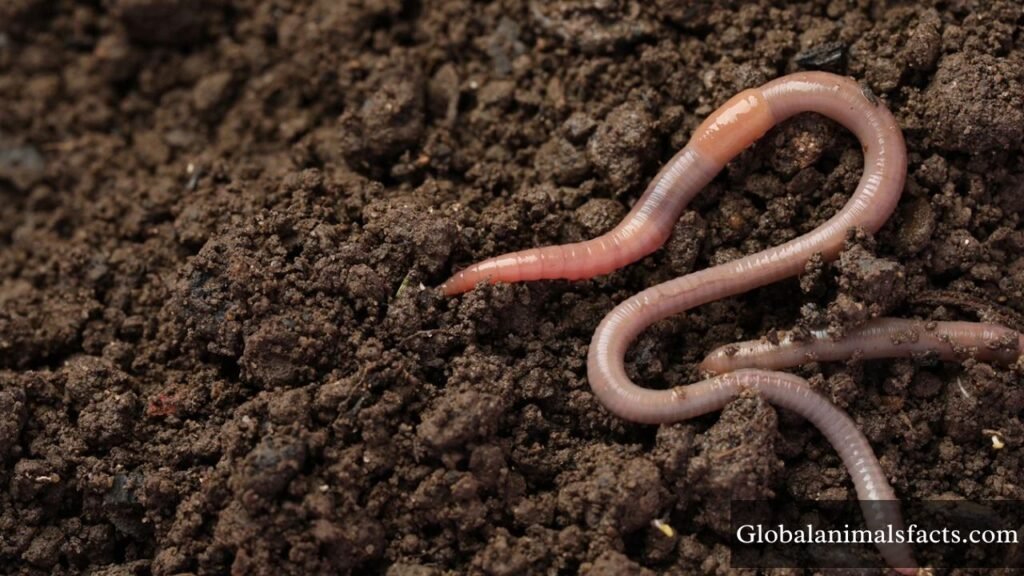
Interestingly, earthworms possess an innate ability to regenerate damaged segments of their bodies, a feature that highlights their resilience. This adaptability allows them to survive in varying environments, from rain-soaked gardens to drier landscapes. Moreover, they communicate through chemical signals, demonstrating a surprisingly sophisticated social interaction for such seemingly simple creatures.
Hero Shrew
Scientific Name: Scutisorex somereni
Class: Mammalia
Diet: Insectivore
The Hero Shrew, a small and unassuming creature native to Africa, challenges our perceptions of strength and adaptability in the animal kingdom. Often overlooked due to its modest size, this extraordinary mammal boasts a unique skeletal structure that allows it to bear the weight of predators and obstacles far greater than its own. Its spine features a remarkable arrangement of interlocking bones, creating a sort of natural armor that not only enhances its durability but also its flexibility — capabilities that would make even the toughest of animals envious.
But what truly elevates the Hero Shrew beyond mere physical attributes is its behavior and intelligence. In the wild, these shrews navigate through dense underbrush and challenging environments with an astute sense of awareness, showcasing an impressive level of adaptability. They possess a certain cunning, employing strategies that allow them to outmaneuver threats and secure food in a landscape where survival is often a game of wits.
Eel
Scientific Name: Anguilliformes
Class: Actinopterygii
Diet: Carnivore
Eels, particularly the moray eel and the electric eel, showcase remarkable adaptations that blur the lines between flexibility and function. Unlike many fish, eels possess elongated, snake-like bodies that allow them to navigate through crevices and narrow spaces in coral reefs, making them exceptional hunters. Their unique body structure, lacking pelvic fins, enhances their ability to twist and turn with incredible agility, providing a distinct advantage in their underwater environments.
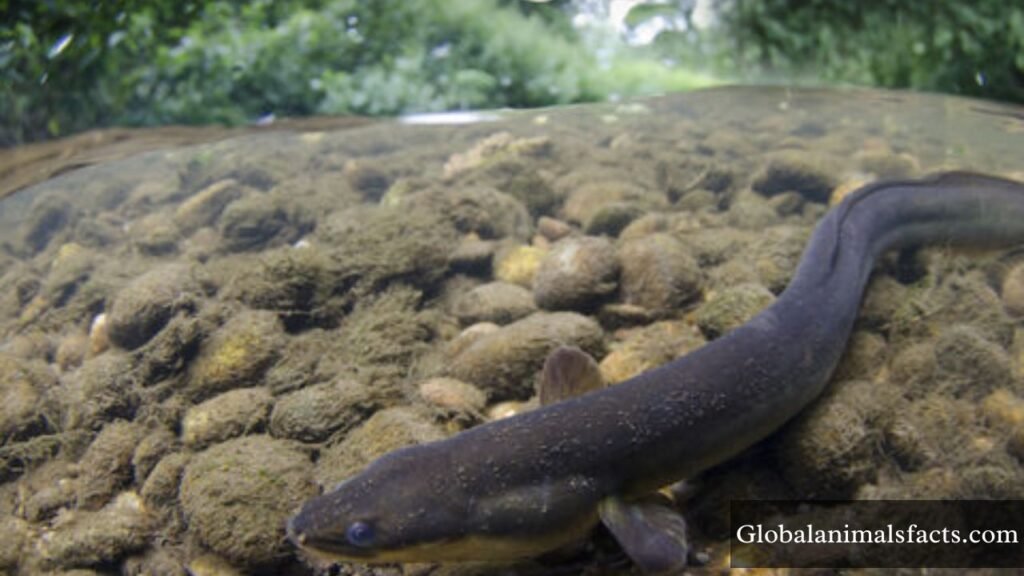
Beyond physical prowess, electric eels reveal another dimension of flexibility. They possess specialized cells called electrocytes that can deliver a jolt of electricity, enabling them to stun prey and defend against predators. This ability not only highlights the eel’s adaptability to its habitat but also raises intriguing questions about the role of bioelectricity in communication among aquatic species. As researchers delve deeper into the complexities of eel biology, it’s clear that these creatures are not just flexible in movement; they embody a fascinating interplay of adaptation, survival, and ecological strategy in the aquatic world.
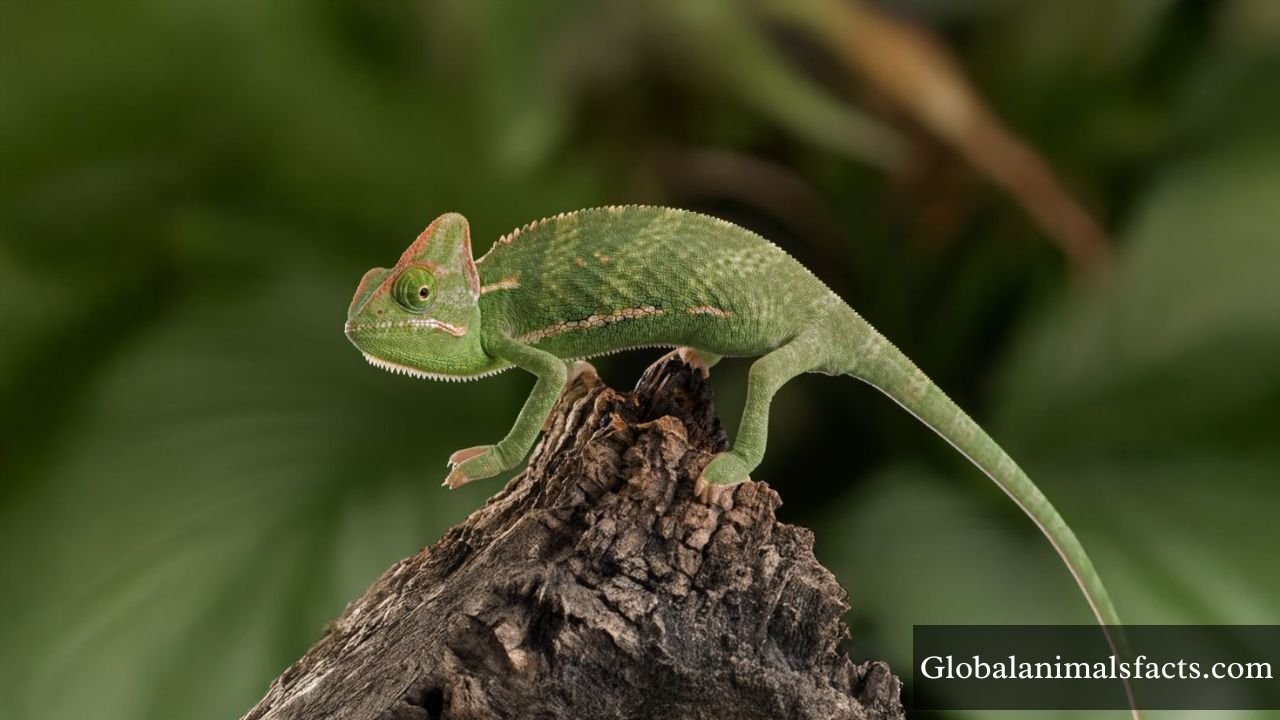
Chameleon
Scientific Name: Chamaeleonidae
Class: Reptilia
Diet: Carnivore
Chameleons are not just nature’s masters of disguise; they embody a fascinating blend of adaptability and communication. Their ability to shift colors isn’t solely for camouflage; it serves as a complex language among themselves. When a chameleon displays vibrant colors, it can indicate everything from mood shifts and territorial warnings to courtship signals. This color-changing prowess reflects their emotional state, transforming them into living canvases that convey intricate messages without uttering a sound.
Moreover, the chameleon’s remarkable visual acuity adds another layer to its intriguing lifestyle. With independently moving eyes that can scan two different directions simultaneously, these reptiles have a panoramic view of their surroundings. This ability not only enhances their hunting skills, allowing them to spot insects from afar, but it also enables them to be perpetually aware of potential threats. This multifaceted vision assists in their survival, showcasing a unique evolutionary adaptation that amplifies their flexible nature.
Rats
Scientific Name: Rattus
Class: Mammalia
Diet: Omnivore
Rats, often underestimated, embody remarkable adaptability that goes well beyond their survival skills. Capable of squeezing through openings as small as a quarter, their flexible bodies enable them to navigate complex environments with surprising agility. This physical flexibility is matched by their social intelligence; rats communicate through a range of high-pitched vocalizations and even display empathy, showcasing their intricate social structures and relationships.
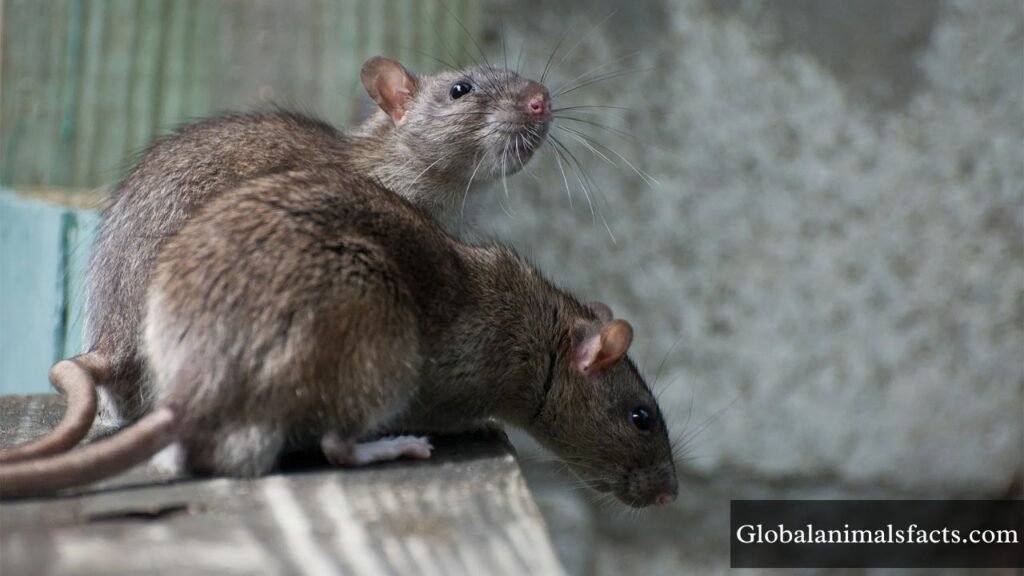
What sets rats apart is their keen ability to learn from their surroundings and even from each other. In experimental settings, they’ve demonstrated problem-solving skills akin to those of primates, often adapting their strategies based on peer behaviors. This adaptability is not just a survival tactic but a testament to their evolutionary success, allowing rats to thrive in diverse habitats — from urban landscapes to dense forests.
Centipedes
Class: Chilopoda
Diet: Carnivore
Centipedes, often regarded as nature’s agile predators, exhibit a remarkable blend of flexibility and speed that sets them apart in the animal kingdom. With their elongated bodies segmented by numerous legs, these creatures exemplify an evolutionary marvel. Each leg works independently, allowing centipedes to navigate through tight crevices and across various terrains with astonishing grace and efficiency.
What makes centipedes truly captivating is their predatory strategy. Rather than relying solely on brute strength, they employ venomous bites to immobilize their prey, often opting for smaller insects. This unique combination of flexibility and lethality enables them to thrive in diverse environments, from damp forest floors to arid deserts, adapting to myriad ecological niches. As they contribute to the balance of ecosystems by controlling insect populations, their role often goes unnoticed, yet it is crucial to maintaining biodiversity.
Cat
Scientific Name: Felis catus
Class: Mammalia
Diet: Carnivore
Cats are the ultimate masters of flexibility, both in body and spirit. Their unique skeletal structure allows them to twist and turn in ways that seem almost magical. With a spine composed of 30 vertebrae, cats can arch, bend, and contort themselves effortlessly, enabling them to squeeze into surprisingly tight spaces or execute jaw-dropping acrobatics. This remarkable agility serves not just for play; it’s an adaptive trait rooted in their ancestral hunting instincts.
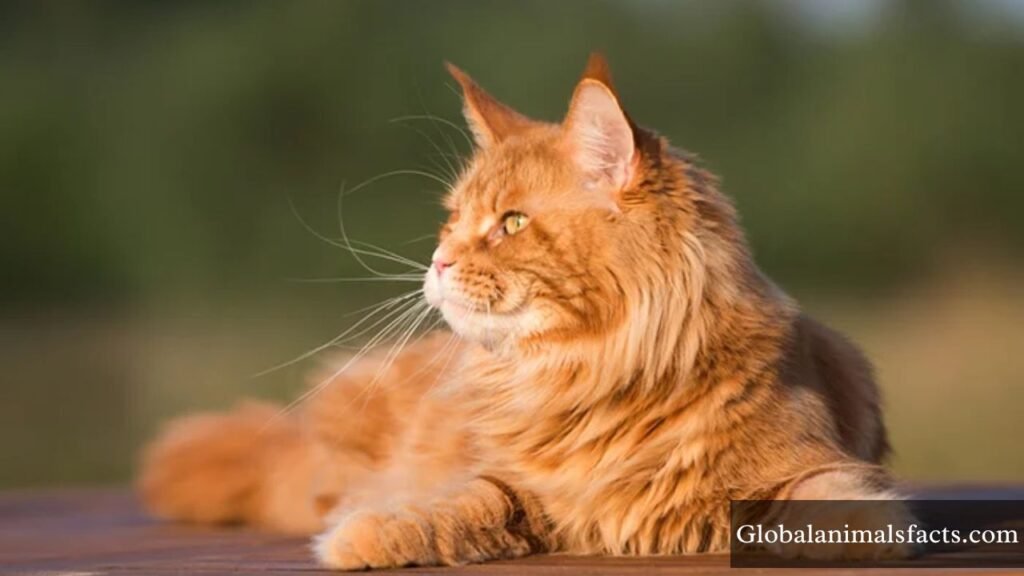
Beyond their physical prowess, cats embody a philosophy of flexibility in their behavior. They navigate their environments with a keen awareness, adapting their strategies based on mood, surroundings, and even the personalities of their human companions. Whether it’s choosing to curl up in a sunbeam or launching a playful pounce on a stray feather, their decision-making reflects a natural ability to embrace spontaneity.
Squid
Scientific Name: Teuthida
Class: Cephalopoda
Diet: Carnivore
The squid is a marvel of adaptability, embodying a unique blend of flexibility and intelligence in the animal kingdom. With their soft, gelatinous bodies, squids can contort into astonishing shapes, allowing them to slip through tight crevices and evade predators. This remarkable flexibility is not just physical; it’s also behavioral. For instance, squids display a range of complex behaviors, from intricate mating rituals to advanced problem-solving skills, showcasing their cognitive agility.
Moreover, squids are masters of camouflage, leveraging specialized skin cells known as chromatophores to change color and texture in an instant. This ability not only helps them blend into their surroundings but also facilitates communication with other squids, highlighting their social intelligence. As they navigate the ocean depths, these extraordinary creatures remind us that flexibility is not merely a physical trait; it’s a survival skill that encompasses adaptability, creativity, and social interaction in the complex tapestry of marine life.
Sea Lions
Scientific Name: Otariinae
Class: Mammalia
Diet: Carnivore
Sea lions are fascinating examples of adaptability in the animal kingdom, showcasing remarkable flexibility both in their physical abilities and their social structures. These playful pinnipeds possess a unique blend of aquatic agility and terrestrial prowess, capable of effortlessly transitioning from graceful swims to lumbering movements on land. Their ability to rotate their hind flippers allows them to walk on all fours, a rare trait among marine mammals, making them more versatile in their coastal habitats.
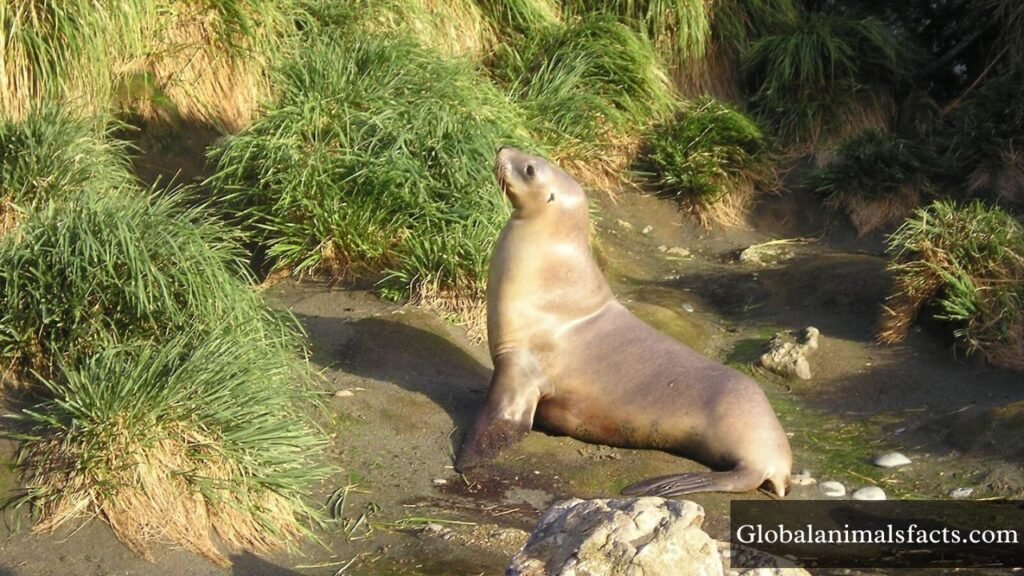
Beyond their physical adaptability, sea lions exhibit complex social dynamics that reflect their intelligence and cooperative instincts. Found often in noisy colonies, these animals engage in sophisticated vocalizations to communicate, from barking calls to nuanced sounds that convey specific meanings. This social intelligence is crucial during breeding seasons, where males establish territories and engage in intricate displays to attract females, showcasing not just strength but also charisma.
Cheetah
Scientific Name: Acinonyx jubatus
Class: Mammalia
Diet: Carnivore
The cheetah, often celebrated for its unparalleled speed, possesses an extraordinary flexibility that contributes significantly to its hunting prowess. Unlike other big cats, its spine is uniquely elongated and highly mobile, allowing for an impressive range of motion during sprinting. This elasticity enables the cheetah to stretch its legs far apart, maximizing stride length and helping it reach speeds of up to 75 miles per hour in mere seconds.
Beyond their speed, cheetahs also exhibit remarkable adaptability in their hunting techniques. Their keen eyesight and ability to execute sharp turns mid-sprint allow them to pursue prey through dense grasslands and abrupt terrain changes.
Seal
Scientific Name: Phocidae
Class: Mammalia
Diet: Carnivore
Seals are remarkable creatures, showcasing an unparalleled blend of agility and grace in their natural habitat. Unlike many other marine animals, these pinnipeds possess a unique skeletal structure that allows them to maneuver effortlessly between land and water. Their sleek, hydrodynamic bodies and strong flippers not only enable impressive speed while swimming but also facilitate playful interactions in both environments, from frolicking in the surf to sliding over ice.
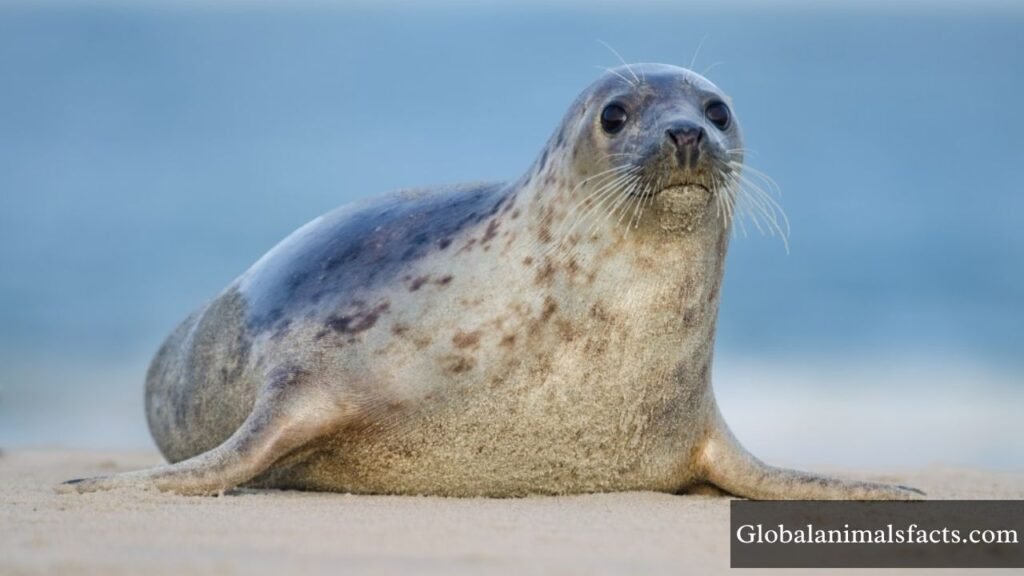
Beyond their physical attributes, seals exhibit fascinating social behaviors that reflect their adaptability. They often form tight-knit communities, engaging in vocalizations that range from haunting calls to playful barks, underscoring a complex social structure. These interactions are not just for communication; they serve crucial roles in mating rituals and establishing hierarchies, showcasing their emotional intelligence and flexibility in social dynamics. As climate change alters their habitats, seals have shown remarkable resilience, adapting their diets and migratory patterns to find new sources of food and safe breeding grounds, highlighting their enduring spirit and capacity to thrive amid challenges.
Spider Monkey
Scientific Name: Ateles
Class: Mammalia
Diet: Omnivore
Spider monkeys are the ultimate acrobats of the animal kingdom, showcasing a remarkable blend of flexibility and agility that sets them apart. Their long, prehensile tails act almost like a fifth limb, allowing them to swing gracefully between branches in the lush canopy of Central and South American forests. This unique adaptation not only enhances their mobility but also provides stability as they navigate the treetops in search of ripe fruits — one of their primary food sources. Observing a spider monkey in motion is like watching a skilled gymnast perform; their fluid movements and ability to change direction mid-leap are mesmerizing.
But beyond their physical prowess, spider monkeys embody a fascinating social structure. They live in large groups, where their vocalizations create a symphony of calls that resonate through the jungle. Each call serves a purpose, whether it’s to communicate group cohesion or warn of impending danger. This social flexibility is just as impressive as their physical adaptations, paving the way for complex relationships among individuals. While they may seem carefree as they swing effortlessly from branch to branch, spider monkeys are also crucial players in their ecosystems, dispersing seeds and contributing to forest regeneration.
Readmore: Explore Top 20 Animals That Hibernate.
Final Thoughts
Flexible animals embody the essence of resilience and adaptability in the natural world. Each species, with its unique skills and characteristics, offers a glimpse into the wonders of evolution and the various ways life can flourish. By learning more about these remarkable creatures, we gain a deeper appreciation for the complexity of ecosystems and the importance of biodiversity. It’s crucial that we advocate for the conservation of these extraordinary animals and their habitats, ensuring their survival amidst the challenges posed by human activity. Together, we can foster a greater awareness and commitment to preserving these flexible wonders for future generations.
FAQs
What animals are flexible?
Many animals are impressively flexible, showcasing incredible abilities to twist, bend, and contort their bodies. Cats are a prime example; their spine allows them to twist while jumping or falling, enhancing their agility and balance. This flexibility not only helps them land on their feet but also aids in stalking prey. Snakes are another standout in the flexibility department. Their lack of limbs gives them a unique advantage, enabling them to slither through tight spaces and wrap around objects effortlessly. Octopuses exhibit remarkable flexibility with their boneless bodies, allowing them to squeeze through small openings and manipulate objects in their environment.
What is the most flexible animal in the world?
The most flexible animal in the world is often considered to be the octopus. These remarkable creatures can contort their bodies and squeeze through incredibly tight spaces, thanks to their lack of a rigid skeleton and a unique muscle structure. Their ability to manipulate limbs, especially with their eight arms, allows them to perform stunning physical feats that seem almost impossible.