Top 20 Animals That Hibernate (With Pictures)
Did you know that some animals can sleep for months at a time without a single bite to eat? This fascinating behavior, known as hibernation, allows various species to survive harsh winters when food is scarce. In this article, we’ll explore the incredible adaptations of animals that hibernate, unveiling the science behind their deep slumber. By understanding these remarkable creatures, you’ll gain insights into their survival strategies and the importance of preserving their habitats.
List of Animals That Hibernate in Winter
Below is the list of animals that hibernate:
- Hedgehogs
- Brown Bear
- Bats
- Snakes
- Box Turtles
- Skunks
- Prairie Dogs
- Groundhogs
- American Bullfrog
- Fat-Tailed Dwarf Lemur
- Snails
- Yellow-Bellied Marmot
- American Black Bears
- Hamster
- Hazel Dormouse
- Bumblebees
- Eastern Chipmunks
- Ladybug
- Wood Frogs
- Common Poorwill
Hedgehogs
Scientific Name: Erinaceus europaeus
Class: Mammalia
Diet: Omnivore
Hedgehogs are fascinating hibernators, employing a unique blend of instinct and adaptability to survive the harsh winters. As the temperatures plummet and food becomes scarce, these small mammals enter a state of hibernation that can last up to six months. During this time, their body temperature drops significantly, slowing their metabolism to a crawl. What’s truly remarkable is that hedgehogs can wake intermittently, often in search of water or a snack, before retreating back into slumber.
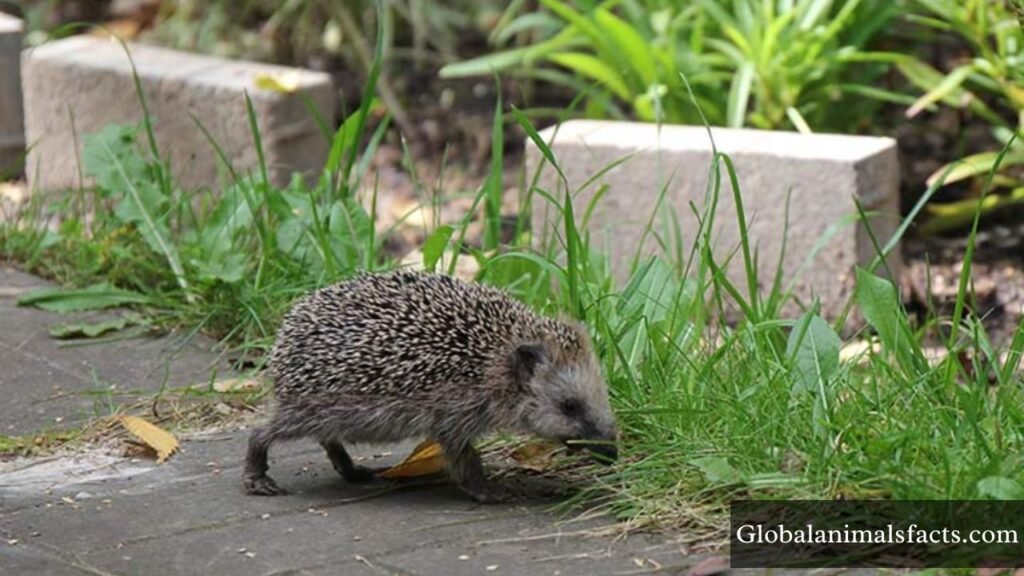
Moreover, their choice of hibernacula — the places where they hibernate — is crucial for their survival. Hedgehogs prefer secluded spots like dense undergrowth or compost heaps, which provide them with both warmth and protection from predators. Interestingly, hedgehogs also rely on a layered approach in their nesting, using leaves and grass to insulate themselves further, showcasing their innate ingenuity.
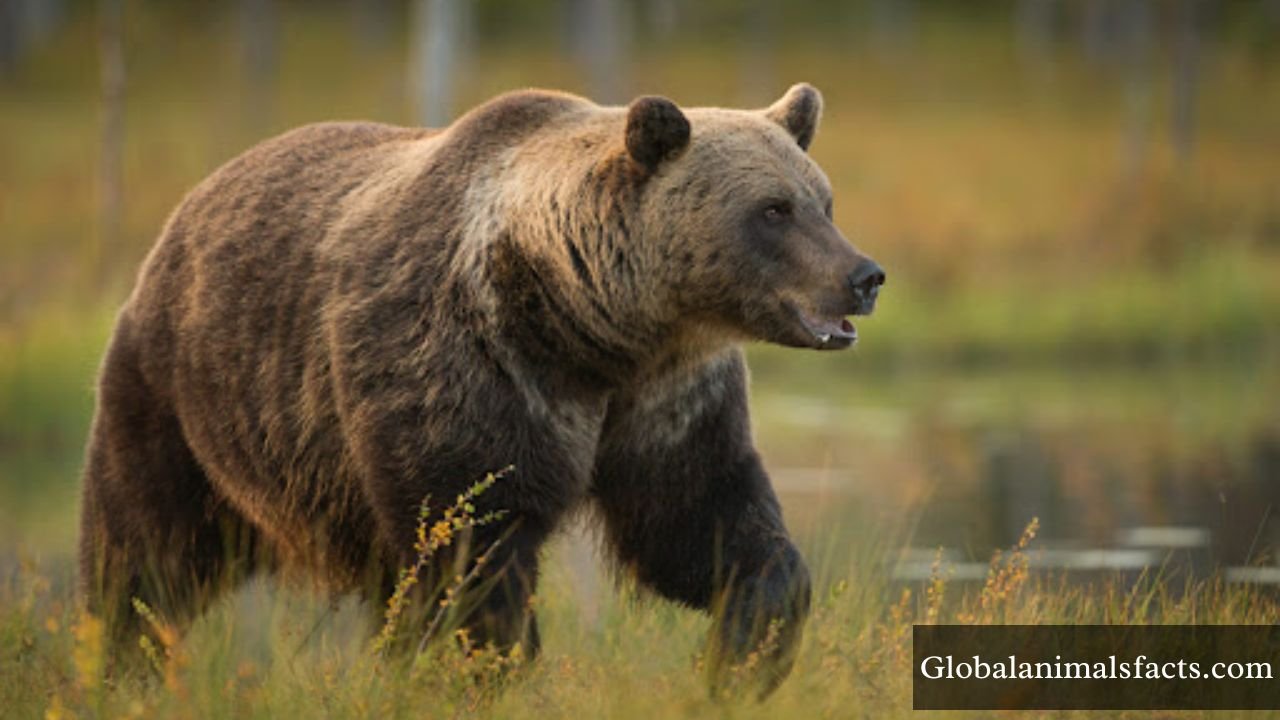
Brown Bear
Scientific Name: Ursus arctos
Class: Mammalia
Diet: Omnivore
Hibernation in brown bears is a remarkable survival strategy that goes beyond mere sleep; it’s a complex adaptation to harsh conditions. As winter approaches, these majestic creatures enter a state of torpor, a deep form of hibernation where their metabolic rates plummet. During this time, they can lose up to a third of their body weight, relying on the fat reserves they carefully built up during the warmer months. Unlike some hibernators, brown bears can awaken relatively easily, which allows them to respond to threats or environmental changes even while in this dormant state.
Furthermore, the maternal hibernation of pregnant female bears, who give birth during their slumber, adds another layer of intrigue. They nurse their cubs in a warm, insulated den, showcasing an extraordinary blend of parental care and evolutionary adaptation. This intimate and protective behavior not only highlights the resilience of brown bears but also underscores the intricate, interconnected web of life in their ecosystems.
Bats
Scientific Name: Chiroptera
Class: Mammalia
Diet: Mostly insectivore
Bats, often misunderstood as mere night creatures, exhibit a fascinating hibernation strategy that many might not realize. Unlike some hibernators that enter a deep sleep, many species of bats enter a state known as torpor, where they can quickly awaken in response to environmental changes. This flexibility allows them to react to warmer winter days or threats, emerging briefly to forage for insects when conditions permit.
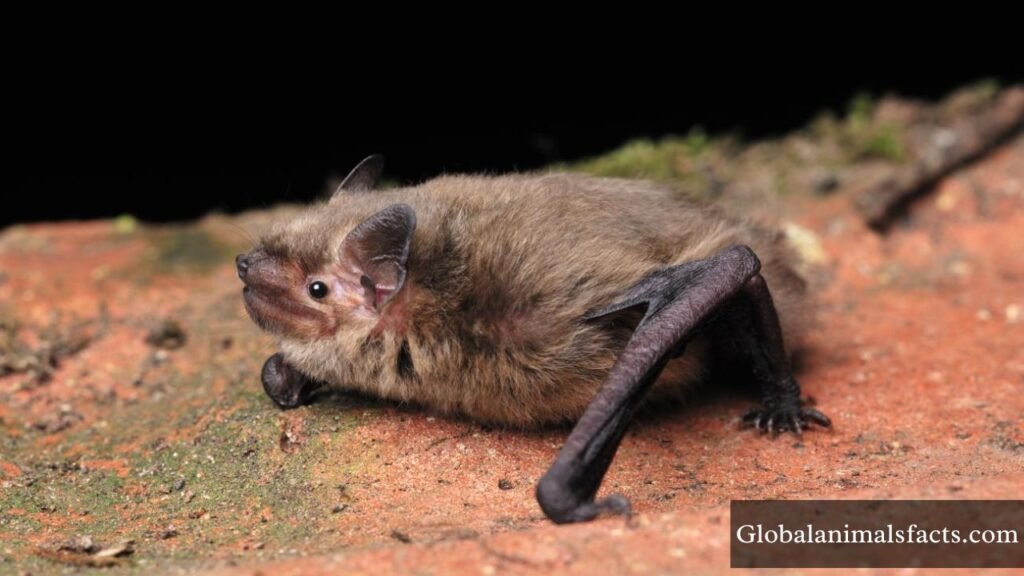
Unlike their more solitary counterparts, some bat species hibernate in large colonies, creating a community dynamic that enhances their survival prospects. The warmth generated by their collective body heat can raise the temperature of their roosting sites, providing a more stable environment. Moreover, their hibernation sites are often carefully chosen, with caverns, abandoned mines, and tree hollows offering the humidity and temperature range they need to conserve energy. This natural instinct to seek out optimal hibernation environments highlights not just individual adaptation but the complex ecosystems that support their survival.
The plight of bats also underscores the importance of conservation efforts; as habitat destruction and climate change threaten their hibernation sites, our understanding of their unique life cycles becomes ever more vital. Each winter, these tiny creatures undertake a remarkable journey of energy management that exemplifies nature’s ingenuity, reminding us that even the smallest inhabitants of our planet play crucial roles in maintaining ecological balance.
Readmore: Explore Top 15 Animals That Walk Slowly.
Snakes
Scientific Name: Serpentes
Class: Reptilia
Diet: Carnivore
Many may not realize that snakes, often thought of as cold-blooded creatures that bask in the sun, also engage in a form of hibernation known as brumation. This dormant state typically occurs during the colder months when temperatures drop dramatically. Unlike mammals, snakes don’t enter a deep sleep but rather enter a sluggish state where their metabolic rate decreases significantly. This allows them to conserve energy until warmer weather returns, and food sources become abundant again.
Snakes often seek out communal dens to hibernate, packing themselves into tight spaces with others of their kind. This behavior enhances warmth retention and provides safety from predators. Interestingly, different species have unique adaptations to brumation. For instance, the Eastern Gartersnake can remain semi-active, even in cooler weather, occasionally rousing themselves to drink or bask under the sun’s rays. This fascinating adaptability highlights the complexity and resilience of these reptiles, reminding us that nature has tailored survival strategies for even the most seemingly simple creatures.
Box Turtles
Scientific Name: Terrapene carolina
Class: Reptilia
Diet: Omnivore
Box turtles are fascinating hibernators, showcasing a unique adaptation to seasonal changes. When temperatures drop, these reptiles retreat into the safety of their shells, entering a state called brumation — a hibernation-like process specifically for cold-blooded animals. During this time, their metabolic rate slows significantly, allowing them to survive on stored body fat until warmth returns. Yet, unlike many other hibernators, box turtles don’t enter a deep sleep; they can awaken intermittently during warmer winter days to drink water or bask in the sun.
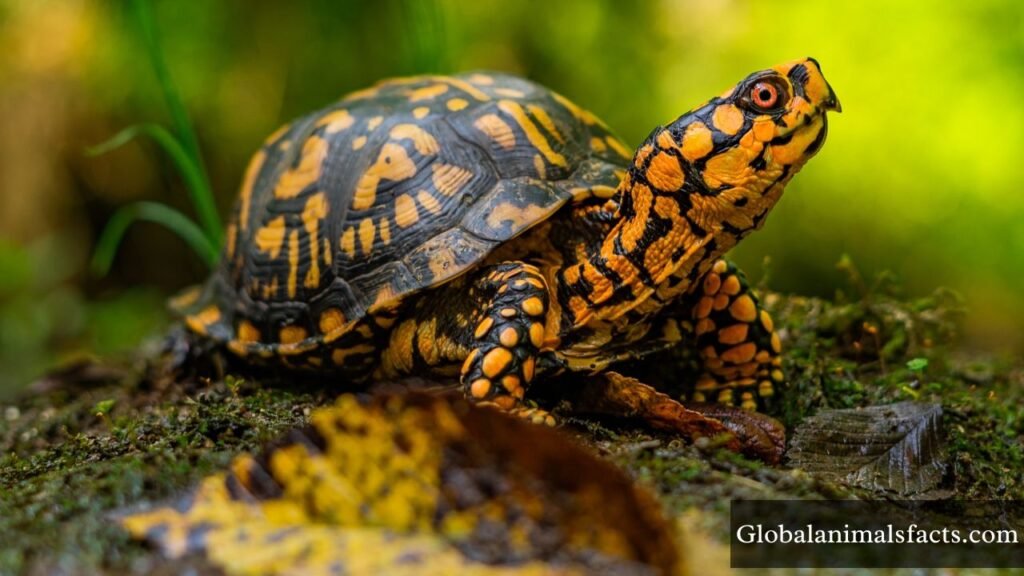
An intriguing aspect of box turtle hibernation is their choice of hibernacula — hidden spots where they burrow for the winter. They often dig into leaf litter, soil, or debris, providing insulation from chilly temperatures. This behavior not only protects them from predators but also helps maintain moisture levels, crucial for preventing dehydration during the chilly months. As climate change disrupts natural habitats, studying box turtles and their hibernation patterns can shed light on how these enduring creatures are adapting to the evolving environment, reminding us of the intricate balance in our ecosystems.
Skunks
Scientific Name: Mephitis mephitis
Class: Mammalia
Diet: Omnivore
Skunks might not fit the traditional mold of hibernators, yet their winter behavior is a fascinating blend of dormancy and activity. Unlike true hibernators, skunks enter a state called torpor, which allows them to conserve energy during the colder months. This means they can be intermittently roused from their slumber, especially during warmer winter days when food becomes available. Their unique approach to winter survival showcases nature’s adaptability, as these little creatures negotiate the harsh weather without the long, uninterrupted sleep typical of other hibernators.
Interestingly, skunks have an incredible sensory arsenal that plays a critical role in their survival. While they may not be out foraging during the deepest winter, their keen sense of smell helps them locate food, enabling them to take advantage of any unexpected treats that may surface beneath the snow. This remarkable ability highlights their flexible lifestyle; skunks exemplify how adaptation can lead to ingenuity, allowing them to thrive in diverse environments.
You can also read: Explore Top 15 Animals With Small Eyes.
Prairie Dogs
Scientific Name: Cynomys ludovicianus
Class: Mammalia
Diet: Herbivore
Prairie dogs are fascinating examples of hibernation that challenge traditional perceptions of the behavior. Unlike more solitary hibernators, these social creatures live in colonies, creating a unique dynamic during the winter months. Instead of true hibernation, prairie dogs undergo a state of torpor, slowing down their metabolism and reducing activity to conserve energy while remaining in the safety of their burrows. This communal approach to survival allows them to share warmth and exchange vital information, crucial for their survival in the harsh winter.
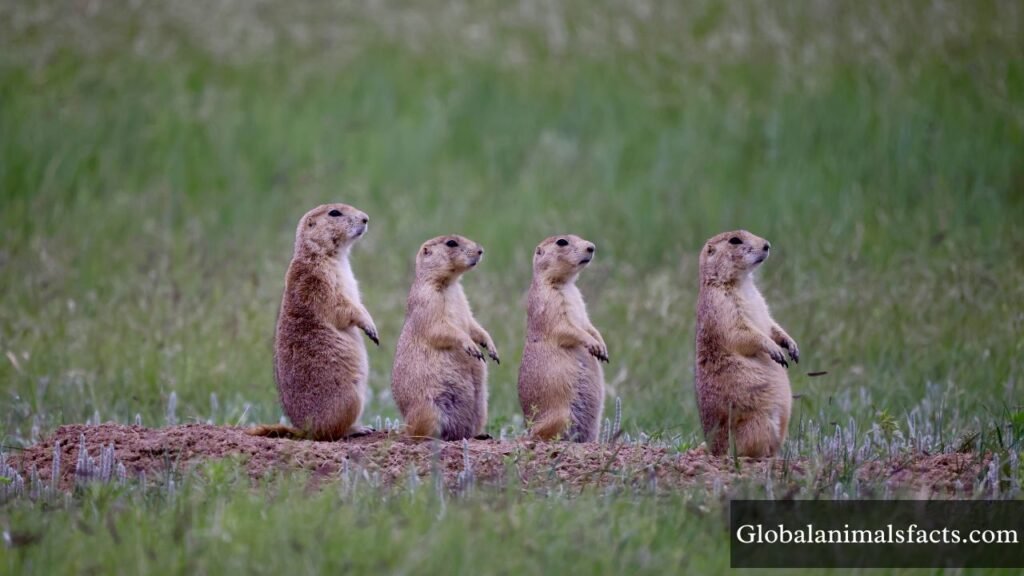
Interestingly, the social structure of prairie dog colonies plays a pivotal role in their hibernation strategy. The coordinating calls made by sentinel prairie dogs — those that watch for predators — help structure periods of torpor, ensuring that members feel secure enough to rest while still on alert. This collective vigilance not only enhances individual survival rates but also strengthens community bonds, making every individual feel like part of a greater whole. Thus, their hibernation isn’t just a biological necessity; it’s a profound social maneuver that showcases the intricate beauty of nature’s interconnectedness.
Groundhogs
Scientific Name: Marmota monax
Class: Mammalia
Diet: Herbivore
Groundhogs, often dubbed “whistle pigs” for their characteristic chirping call, are fascinating creatures that reveal the intricate balance of nature through their hibernation habits. As colder months approach, these robust rodents retreat to their underground burrows, where their metabolic rate plunges significantly. This dramatic slowdown in metabolism allows groundhogs to survive on their fat reserves, showcasing an incredible adaptation to seasonal changes.
Beyond mere survival, hibernation serves a critical role in maintaining ecological balance. As groundhogs emerge in spring, they play a vital role in shaping their habitat by aerating the soil and contributing to nutrient cycling. This activity supports a diverse array of plant life, ultimately benefiting other species within the ecosystem.
American Bullfrog
Scientific Name: Lithobates catesbeianus
Class: Amphibia
Diet: Carnivore
The American bullfrog, known for its distinctive call and robust size, takes an unusual approach to hibernation. Unlike many creatures that seek the cozy cover of burrows, these amphibians employ a more aquatic strategy. As temperatures drop, bullfrogs take refuge in the mud at the bottom of ponds and lakes, where they enter a state of brumation — a form of hibernation specific to cold-blooded animals. Here, their metabolism slows significantly, allowing them to survive the harsh winter months with minimal energy expenditure.
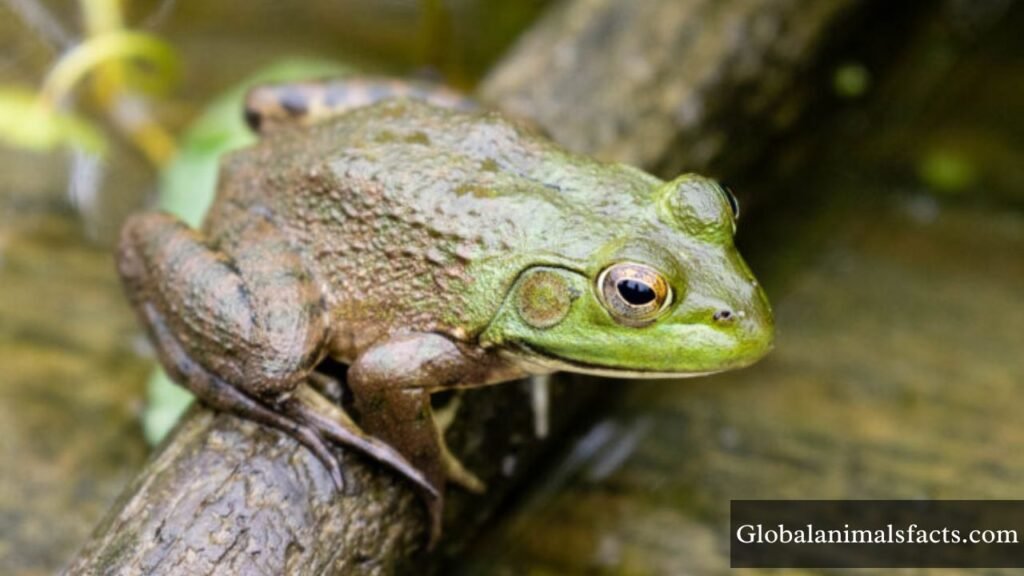
Interestingly, the unique physiology of the American bullfrog enables it to withstand freezing temperatures. While most frogs succumb to ice crystals forming in their bodies, bullfrogs can tolerate a freeze thanks to a high concentration of glucose in their tissues, which acts as a natural antifreeze. This remarkable adaptation highlights nature’s ingenuity, allowing these amphibians to thrive in environments that many others would find inhospitable.
Also read: Explore Top 15 Animals With Fur.
Fat-Tailed Dwarf Lemur
Scientific Name: Cheirogaleus medius
Class: Mammalia
Diet: Omnivore
The Fat-Tailed Dwarf Lemur, an enchanting creature endemic to Madagascar, defies conventional hibernation patterns with its fascinating approach to survival. Unlike the typical deep sleep associated with hibernation, this unique primate enters a state of torpor, where it lowers its metabolic rate and conserves energy without fully shutting down. This adaptation allows it to withstand the harsh dry season, a time when food is scarce and temperatures can plunge.
What sets the Fat-Tailed Dwarf Lemur apart is its ability to store fat in its tail, a remarkable evolutionary trait that serves dual purposes. Not only does the fat act as an energy reserve, but it also plays a crucial role in maintaining body temperature during the colder months. As the lemur hibernates within tree hollows, it cleverly utilizes this stored energy, demonstrating an intricate balance between resource management and environmental adaptability. Observing these lemurs in their natural habitat offers a rare glimpse into the complexities of survival strategies in the wild, highlighting the delicate interplay between flora, fauna, and climate.
Snails
Class: Gastropoda
Diet: Mostly herbivore
When we think of hibernation, the image of bears tucked away in cozy caves often comes to mind. Yet, snails present a fascinating twist on this survival strategy. These soft-bodied mollusks, with their coiled shells, enter a state called estivation during extreme heat or drought, effectively hitting the pause button on their life processes. This isn’t merely a survival tactic but a remarkable adaptation to their environment, allowing them to thrive in conditions that would otherwise be inhospitable.
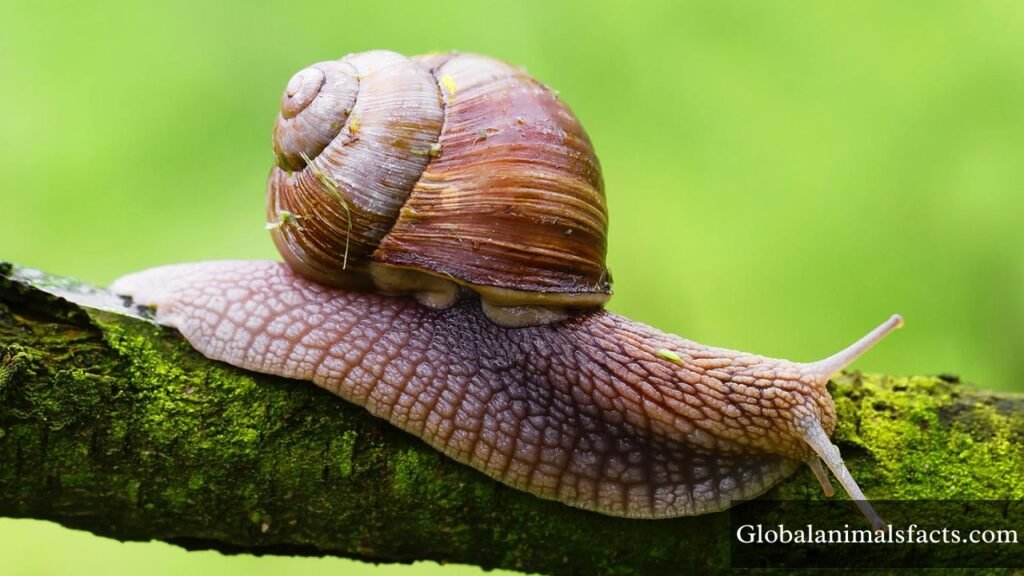
Interestingly, while snails slow down during estivation, they don’t completely shut down. Their metabolic rate decreases dramatically, but they remain somewhat alert to external stimuli, capable of reawakening when conditions improve. In a unique way, snails also utilize their shells as protective barriers against desiccation, sealing their bodies inside with a layer of mucus and allowing them to retain moisture. Observing these slow-paced creatures can shift our perspective on resilience; their ability to withstand harsh climates invites us to consider the intricate balance between life and the environment.
Yellow-Bellied Marmot
Scientific Name: Marmota flaviventris
Class: Mammalia
Diet: Herbivore
The yellow-bellied marmot, a charismatic rodent found primarily in the Rocky Mountains, showcases remarkable adaptations for survival during harsh winters. As the temperatures plummet and snow blankets their habitat, these sociable creatures retreat into insulated burrows, entering a state of hibernation that can last for up to nine months. This process isn’t merely a prolonged nap; it involves a significant drop in body temperature and metabolic rate, allowing them to conserve crucial energy reserves until spring arrives.
Intriguingly, the social dynamics of yellow-bellied marmots shift during the hibernation period. Unlike many solitary hibernators, these marmots often huddle together in their dens to share warmth and enhance survival chances. Emerging from their underground refuges, they display a fascinating burst of energy, reestablishing social bonds within their colonies through playful interactions and vocalizations. This interconnectedness not only reinforces social structures but also ensures that they collectively flourish as they emerge from the depths of winter, embodying a unique blend of resilience and community spirit.
Readmore: Explore Top 16 Animals With Pouches.
American Black Bears
Scientific Name: Ursus americanus
Class: Mammalia
Diet: Omnivore
American black bears exhibit an extraordinary adaptation to the challenges of winter through their hibernation process. Unlike typical hibernators, such as ground squirrels, black bears enter a state termed “walking hibernation,” where their body temperature decreases only slightly, allowing them to awaken more easily if disturbed. During this time, their metabolism slows significantly, and they rely on stored fat reserves, making them fascinating examples of nature’s efficiency.
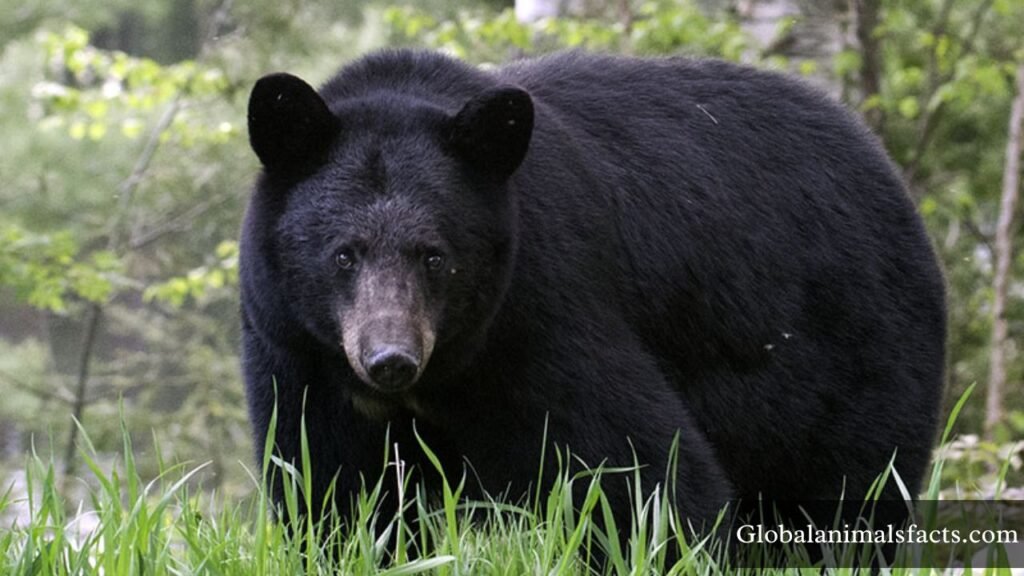
What’s particularly remarkable about these bears is their ability to give birth during hibernation. Female black bears, often referred to as sows, can deliver cubs while they remain in their dens, nurturing them with nutrient-rich milk even in the depths of winter. This unique reproductive strategy ensures that the young are born in a relatively safe environment, enhancing their survival chances when spring arrives. Furthermore, their hibernation is influenced by factors such as climate and food availability, highlighting the intricate relationship between an animal and its ecosystem. The resilience and adaptability of the American black bear serve as a compelling reminder of nature’s ingenuity in the face of environmental challenges.
Hamster
Scientific Name: Mesocricetus auratus
Class: Mammalia
Diet: Omnivore
Hamsters, often cherished as small, furry companions, exhibit a fascinating adaptation to seasonal changes through a behavior known as hibernation. Unlike the lengthy slumber of bears or groundhogs, a hamster’s hibernation is a nuanced response to environmental cues, triggered primarily by a drop in temperature or food scarcity. While many pet owners may not realize it, domestic hamsters have a unique ability to enter a state of torpor, significantly slowing their metabolism and conserving energy, particularly in colder months or during periods of stress.
What’s particularly intriguing is how this hibernation-like state reflects their wild ancestry. In the wild, hamsters use this instinctual behavior to endure winter months when food becomes scarce, burrowing deep within their tunnels for insulation and safety. Caring for a pet hamster requires understanding these natural rhythms; providing an environment that mimics their need for warmth and security can help prevent unnecessary hibernation. A well-balanced habitat, complete with ample bedding and hiding spots, not only supports their physical health but also encourages natural behaviors that enrich their lives, fostering a deeper bond between pet and owner.
Hazel Dormouse
Scientific Name: Muscardinus avellanarius
Class: Mammalia
Diet: Omnivore
The hazel dormouse, a small, elusive creature often overshadowed by more familiar hibernators, offers a fascinating glimpse into the world of mammalian adaptation. With its soft golden fur and large, expressive eyes, this tiny rodent captures the imagination, but it’s its remarkable hibernation behavior that truly sets it apart. As temperatures drop, the dormouse enters a deep sleep, radically slowing its metabolism and heart rate, allowing it to survive winter months on stored fat. This process is not merely a survival tactic; it represents an intricate biological ballet that scientists are still working to fully understand.
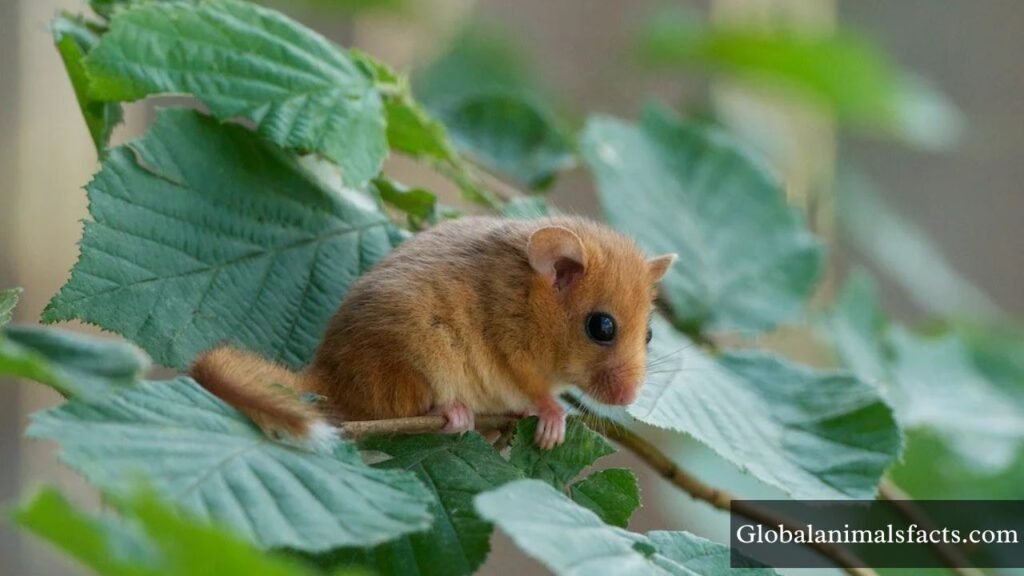
Interestingly, the dormouse doesn’t hibernate continuously; instead, it engages in periodic torpor, waking occasionally to feed on its fat reserves. This behavior serves as a compelling reminder of the delicate balance in ecosystems, where even small creatures play crucial roles. Furthermore, as climate change alters seasonal patterns, the future of the hazel dormouse — and its hibernation habits — remains uncertain. Observing how these charming creatures adapt to shifting environmental conditions can provide invaluable insights into broader ecological responses, enhancing our understanding of resilience in the animal kingdom.
You can also read: Explore Top 14 Animals With Big Ears.
Bumblebees
Scientific Name: Bombus
Class: Insecta
Diet: Herbivore
Bumblebees, often overlooked when thinking about hibernation, demonstrate a fascinating survival strategy that underscores their resilience. Unlike many hibernators, only the mated queen bumblebees survive the winter by entering a deep dormancy in the soil or beneath leaf litter. As temperatures drop, these queens feast on their pollen stores to build up fat reserves, entering a state of diapause, where their metabolic processes slow dramatically. This allows them to withstand harsh cold while waiting for the first signs of spring.
What’s particularly intriguing is how these queens are the entire colony’s lifeline. After enduring months of dormancy, they emerge to begin anew, foraging for nectar and pollen to fuel their initial brood. This emergence is not just a personal awakening; it marks the rejuvenation of entire ecosystems, as flowering plants rely on bumblebees for pollination. Observing this cyclical relationship prompts us to appreciate the interconnectedness of life, emphasizing the vital roles even the smallest creatures play in sustaining the health of our environment.
Eastern Chipmunks
Scientific Name: Tamias striatus
Class: Mammalia
Diet: Omnivore
Eastern chipmunks are fascinating creatures that display a unique approach to hibernation. Unlike bears, which go into a prolonged state of dormancy, these small mammals experience a more intermittent form of hibernation. During the colder months, they find sanctuary in burrows, where they enter a deep sleep that can last for days. However, their hibernation isn’t entirely continuous; they periodically awaken to feed on their meticulously stocked reserves of seeds and nuts, showcasing a remarkable balance between dormancy and activity.
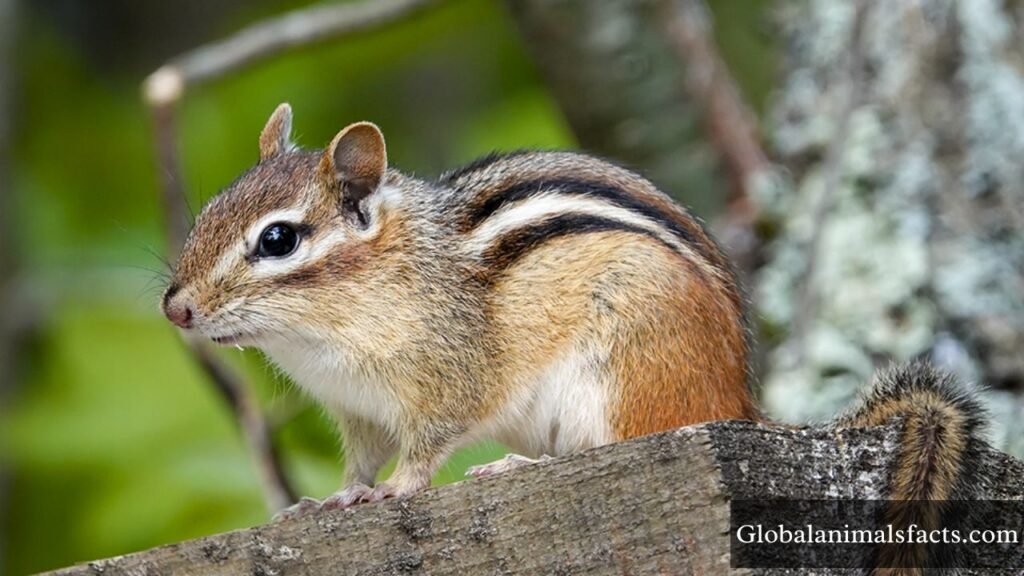
What sets Eastern chipmunks apart is their incredible ability to adapt their hibernation habits based on environmental cues. As seasons change, they fine-tune their behaviors, knowing when to retreat into the warmth of their burrows and when to venture out in search of food. This strategic approach not only highlights their resilience but also underscores the importance of understanding local ecosystems; fluctuations in climate or food availability can significantly impact their survival.
Ladybug
Scientific Name: Coccinellidae
Class: Insecta
Diet: Carnivore
While many might picture bears or groundhogs when thinking of hibernation, ladybugs offer a fascinating twist on this survival strategy. As the colder months creep in, these tiny beetles gather in clusters, often seeking refuge in sheltered spaces like tree bark, under leaves, or even in human homes. This instinctual behavior helps them conserve energy and protect themselves from the harsh winter elements, reducing their metabolic rate significantly.
Interestingly, ladybugs can enter a state known as diapause, a form of dormancy that allows them to endure unfavorable conditions. During this time, their bodies conserve vital resources, relying on the fat stored during summer feasts of aphids and other pests. This unique adaptation not only ensures their survival through winter but also synchronizes their waking cycle with the emergence of spring. When temperatures rise, they emerge, ready to continue their role as nature’s pest control agents, reminding us of the intricate balance between survival and the ecosystem’s health.
Also read: Explore Top 8 Mammals That Cannot Jump.
Wood Frogs
Scientific Name: Lithobates sylvaticus
Class: Amphibia
Diet: Carnivore
Wood frogs are remarkable masters of survival, showcasing an incredible adaptation to their frozen habitats. These amphibians possess a unique ability to survive being completely frozen for weeks, a strategy that defies common perceptions of life and death in the animal kingdom. Their bodies can endure temperatures as low as -6°C (21°F), with ice crystals forming in their tissues but leaving their vital organs unharmed. This incredible resilience allows wood frogs to emerge from hibernation as temperatures rise, ready to take advantage of the fleeting spring months.
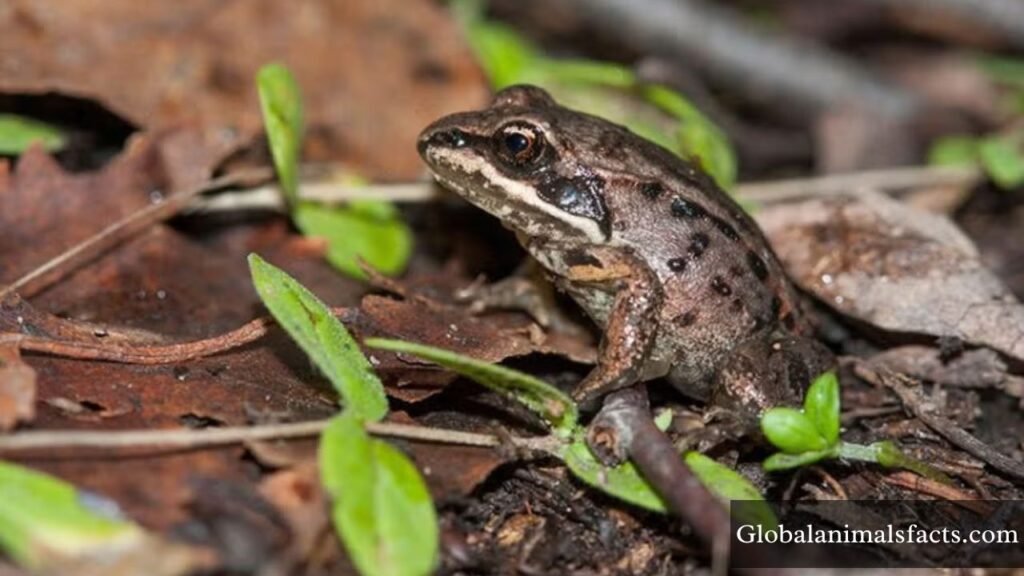
In the face of global climate change, the plight of wood frogs reveals deeper ecological narratives. Their hibernation behaviors serve as vital indicators of shifting seasonal patterns, highlighting the intricate connections between temperature fluctuations and amphibian biology. As their habitats warm, these frogs may be exposed to mismatched breeding cycles with their food sources, leading to cascading effects on the surrounding ecosystem. Observing how wood frogs adapt to these changes not only fascinates scientists but also emphasizes the urgency of conservation efforts to protect these extraordinary creatures and their environments.
Common Poorwill
Scientific Name: Phalaenoptilus nuttallii
Class: Aves
Diet: Insectivore
The Common Poorwill, a small nocturnal bird found in the western United States, offers a fascinating glimpse into the world of hibernation. Unlike most birds, the Poorwill can enter a state of torpor — a deep, prolonged sleep that resembles hibernation — when temperatures drop and food becomes scarce. Interestingly, this remarkable adaptation allows the Poorwill to survive harsh winter conditions, essentially shutting down its metabolism for weeks at a time. During this period, its heart rate slows dramatically, and it can go without food, relying on stored fat reserves.
What sets the Common Poorwill apart is its ability to sense environmental cues, prompting it to hibernate only when absolutely necessary. This skill reflects an intricate connection between the bird and its ecosystem, emphasizing how climate and seasonal changes directly impact animal behavior. As researchers delve deeper into the biological mechanisms that allow the Poorwill to enter such a dormant state, we gain insights not only into avian survival strategies but also into the broader implications for ecological resilience in changing climates.
Readmore: Explore Top 17 Animals That Look Like Squirrels.
Final Thoughts
Hibernation is a fascinating survival strategy that allows animals to endure harsh winter conditions when food is scarce. Species such as bears, ground squirrels, and bats exhibit remarkable adaptations that help them conserve energy and maintain their health during these dormant periods. Understanding the mechanisms behind hibernation not only deepens our appreciation for the natural world but also highlights the importance of protecting these species and their habitats. As climate change continues to affect ecosystems, it is crucial for us to advocate for conservation efforts. Let’s commit to raising awareness about the challenges faced by hibernating animals and support initiatives that promote their survival.
FAQs
What animals hibernate in winter?
Many animals hibernate, including bears, ground squirrels, and bats. Bears enter a state of torpor, slowing their metabolism and relying on fat reserves during winter. Ground squirrels and certain rodents like chipmunks go into deep hibernation, lowering their body temperature significantly to conserve energy. Reptiles, amphibians, and some insects also exhibit hibernation-like behavior. They often seek shelter to avoid cold temperatures, effectively slowing down their biological processes. This adaptation helps them survive harsh conditions until spring arrives.
Do ground squirrels hibernate?
Yes, ground squirrels do hibernate, but not all species hibernate in the same way. Typically, they enter a state of dormancy during the colder months to conserve energy, primarily when food is scarce. Their hibernation can last several months, depending on the climate and species. During this time, ground squirrels drastically lower their body temperature and metabolic rate, allowing them to survive on stored fat.
Which animals hibernate the longest?
The animals that hibernate the longest are typically certain species of bears, particularly the grizzly and black bears. These bears can hibernate for up to seven months, depending on the climate and food availability. During this time, their metabolic rate drops significantly, allowing them to survive off their fat reserves. Other long-hibernators include certain species of ground squirrels and the Arctic ground squirrel, which can hibernate for about eight months. They enter a state of torpor, slowing their heart rates and body temperature to conserve energy. These adaptations help them survive harsh winters when food is scarce.