
Essential Drilling Components in Oil and Gas Operations
Oil and gas exploration is a monumental engineering feat that requires a sophisticated integration of specialized machinery and advanced technology. While the towering derrick is often the most visible symbol of a drilling site, the success of the operation depends on an intricate network of components working in perfect harmony beneath and above the surface. These systems are designed to withstand extreme torque, pressure, and geological challenges to reach energy reserves kilometers underground.
The Drill Bit: Precision at the Business End
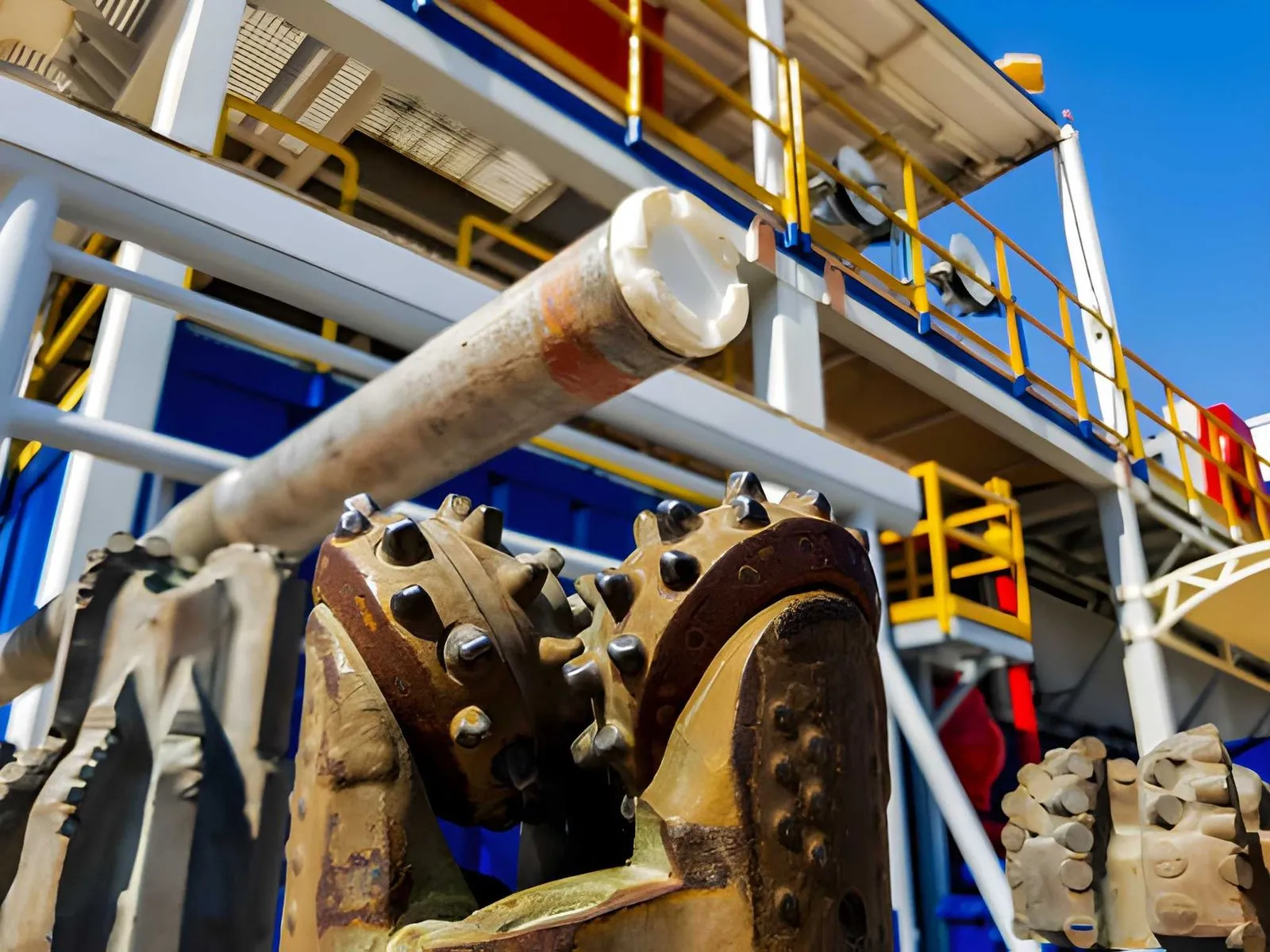
The drill bit is the primary component responsible for cutting through rock formations. Located at the very bottom of the drill string, it must endure intense friction and heat. Modern bits are engineered with extreme precision, often utilizing materials like industrial diamonds and tungsten carbide to maintain durability.
There are two primary categories of drill bits used in the industry:
- Roller Cone Bits: Known for their ruggedness and versatility in various formations.
- Fixed-Cutter Bits: Often using polycrystalline diamond compact (PDC), these bits are preferred for high-speed drilling through harder rock.
Choosing the correct bit is essential, as the wrong selection can lead to equipment failure or stalled production.
The Drill String: The Operational Backbone
Connecting the rig on the surface to the drill bit deep underground is the drill string. This component serves as both a physical backbone and a conduit for energy and fluids. It consists of several heavy-duty sections:
- Drill Pipes: These make up the majority of the string’s length.
- Heavy-Weight Drill Pipes: Used to provide a transition between flexible pipes and rigid collars.
- Drill Collars: Thick-walled sections that add weight to the bit, providing the downward force necessary to penetrate rock.
The drill string must be strong enough to transmit rotational energy while remaining flexible enough to navigate deep into the Earth.
The Mud Circulation System: The Lifeblood of the Well
Drilling fluid, or “mud,” is a vital element that keeps the entire operation moving. The circulation system—consisting of mud pumps, tanks, and return lines—creates a continuous loop that serves multiple functions. As the mud is pumped down the drill string and back up the wellbore, it:
- Cools and lubricates the drill bit.
- Transports rock cuttings back to the surface for analysis.
- Maintains hydrostatic pressure to prevent subsurface fluids from entering the wellbore uncontrollably.
Engineers often customize the chemical composition of the mud to match specific geological conditions.
Hoisting and Rotary Systems: Providing Power and Motion
To manage the massive weight of the drill string, rigs utilize a derrick and hoisting system. This steel structure supports the drawworks, cables, and pulleys required to raise and lower equipment with surgical precision.
Parallel to the hoisting system is the rotary system, which provides the circular motion needed to cut rock. While older rigs utilized a rotary table on the floor, modern operations frequently use top drive systems. Top drives attach directly to the drill string, offering superior control, enhanced safety, and greater drilling efficiency.
Safety and Environmental Protection: Blowout Preventers
Safety is the highest priority in oil and gas operations. Blowout preventers (BOPs) are critical safety components consisting of massive high-pressure valves installed at the wellhead. Their primary role is to seal the well in the event of an unexpected pressure surge.
BOPs can close around the drill pipe or completely shear through it to seal the wellbore, providing a final line of defense against uncontrolled releases that could harm workers or the environment.
Maintenance and the Role of Advanced Technology
The longevity of these components is maintained through rigorous inspection and advanced maintenance practices. Tools such as torque equipment, specialized lubricants, and pressure transducers are essential for monitoring equipment health. To further enhance durability, many high-wear parts now undergo specialized surface treatments. For instance, laser hard facing is increasingly applied to drill bits and stabilizers to create a robust, wear-resistant layer that extends the operational life of the tools in abrasive environments.
Furthermore, digital integration has revolutionized the field. Real-time data monitoring and sensors embedded within the drill string allow operators to steer the bit with pinpoint accuracy, maximizing recovery while minimizing risks.
Conclusion
The successful extraction of oil and gas is not the result of a single machine, but the seamless coordination of hundreds of specialized parts. From the drill bit cutting through the crust to the blowout preventer safeguarding the site, every component plays a decisive role in the industry’s productivity and safety. As technology continues to evolve, these tools will become even more resilient and intelligent, powering the future of global energy exploration.