Explore Top 15 Animals With Small Eyes (With Images)
In the realm of wildlife, these animals with small eyes often rely on other senses for survival rather than eyesight. Understanding their adaptations not only unveils the complexity of nature but also highlights the incredible diversity of life on Earth. In this article, we will explore various species that defy our expectations about vision and reveal what makes them thrive in their environments.
List of Animals With Small Eyes
Below is the list of animals that have small eyes:
- Armadillos
- Mole
- Elephant
- Mongoose
- Starfish
- Fox
- Wombat
- Shrew
- Whales
- Caterpillars
- Walrus
- Platypus
- Scorpions
- Hedgehogs
- Groundhogs
Armadillos
Scientific Name: Dasypus novemcinctus
Class: Mammalia
Diet: Omnivore
The armadillo, an endearing creature draped in a shell of armor-like plates, often flies under the radar in discussions about wildlife. Its tiny, bead-like eyes may seem inconsequential amidst its more striking features, yet these modest peepers offer unique adaptations that intrigue biologists. The armadillo is primarily nocturnal, and its small eyes are perfectly suited for low-light environments, allowing it to navigate its surroundings with remarkable precision during twilight hours.
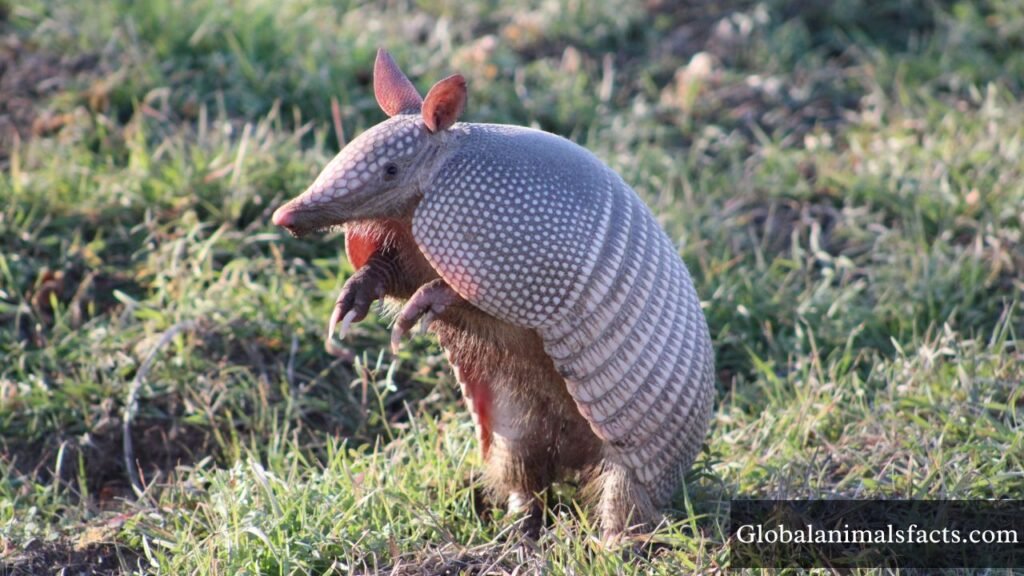
Moreover, their limited vision isn’t a hindrance; rather, it complements their other heightened senses. Armadillos rely heavily on their acute sense of smell and hearing, making them formidable foragers. This reliance on olfactory cues helps them locate food buried beneath the ground, enabling them to thrive in diverse habitats. In a world where size often dictates survival, the armadillo’s diminutive eyes serve as a testament to nature’s resourcefulness, reminding us that sometimes, less is indeed more.
Mole
Scientific Name: Talpa europaea
Class: Mammalia
Diet: Carnivore
Moles, with their diminutive eyes barely breaking the surface of their fur, challenge our perceptions of sight. They are mostly blind, relying instead on their other heightened senses to navigate the burrows they call home. Remarkably adapted to life underground, moles possess an intricate array of whiskers that serve as sensory organs, guiding them through the dark tunnels where vision becomes redundant. This adaptation speaks to a broader ecological strategy: survival often hinges on honing particular skills rather than possessing an all-encompassing set of traits.
While their small eyes may seem like a disadvantage, they actually represent an evolutionary trade-off. Moles spend the majority of their lives in darkness, foraging for worms and grubs, where the need for acute vision is minimal. This geological adaptability allows them to conserve energy and resources for other essential functions, such as digging elaborate tunnel systems that can stretch for miles.
Elephant
Scientific Name: Loxodonta africana
Class: Mammalia
Diet: Herbivore
Elephants, despite their massive size, intrigue us with their relatively small eyes that seem almost disproportionately tiny against their grand features. This unique characteristic might seem like a drawback in the wild, but it actually plays an essential role in their survival. Elephants have evolved to rely heavily on their other senses, particularly their acute sense of smell and hearing, which can detect sounds up to several miles away. Their small eyes, protected by thick eyelids and lashes, help minimize dust and debris in their often arid habitats, allowing them to navigate with clarity in challenging environments.
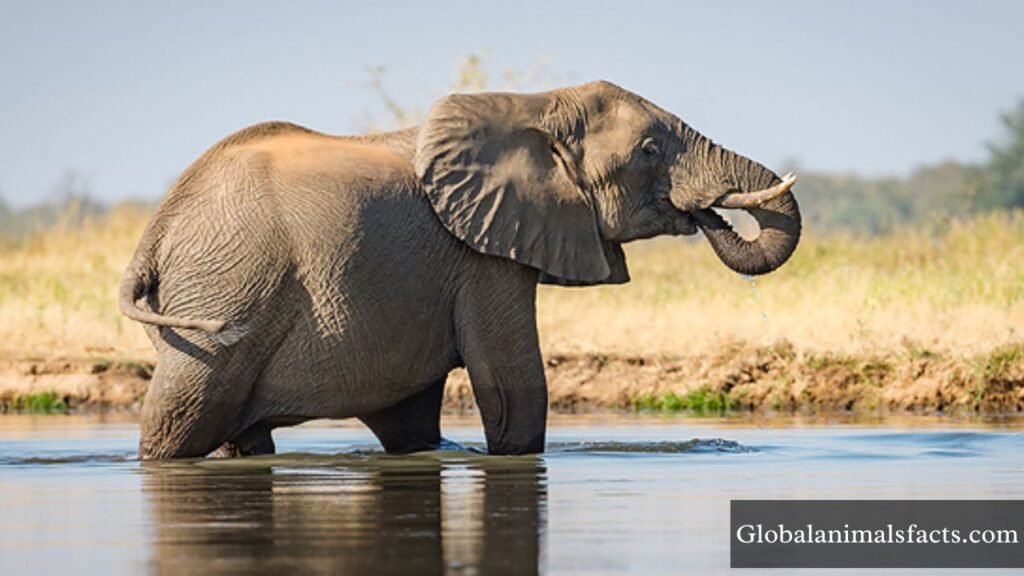
Interestingly, the placement of their eyes also offers a fascinating perspective on their perception of the world. With a nearly panoramic field of view, elephants can detect predators lurking nearby while keeping their massive bodies concealed from potential threats. This adaptation underscores an intricate balance between size and functionality, where small eyes become not just a feature of their anatomy, but a vital component of their survival strategy.
Readmore: Explore Top 15 Grumpy Animals in The World.
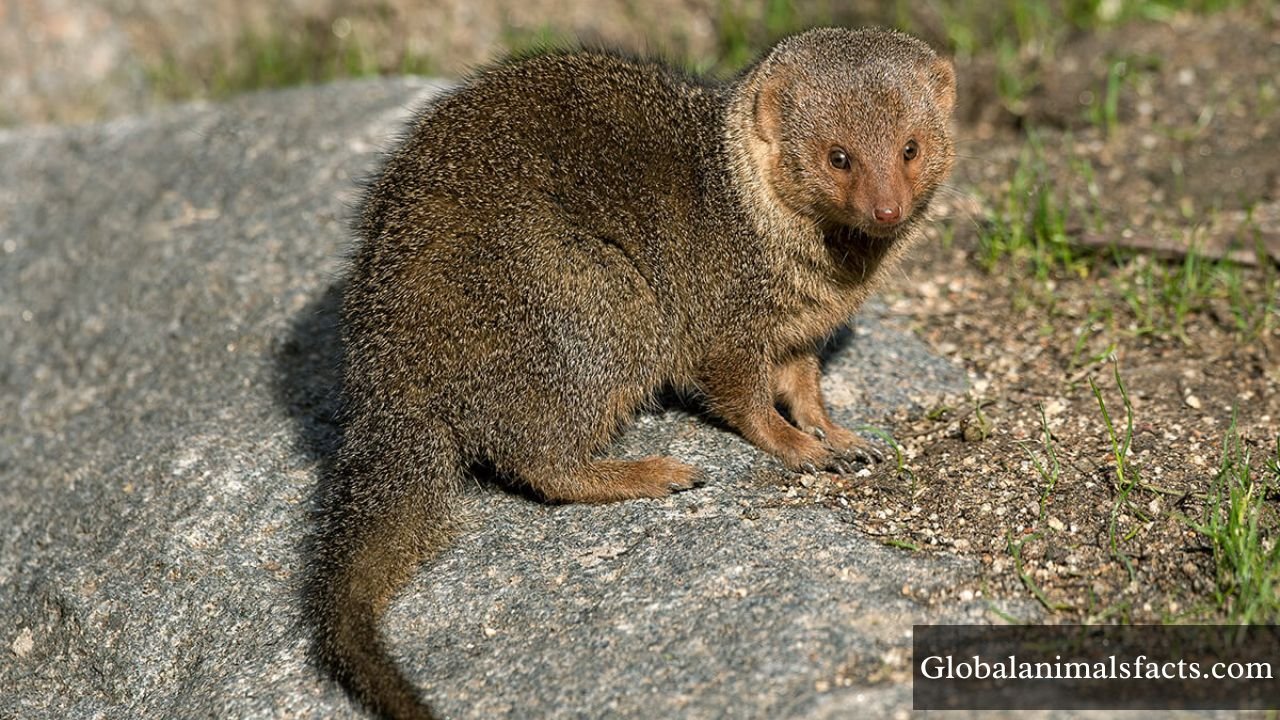
Mongoose
Scientific Name: Herpestes edwardsii
Class: Mammalia
Diet: Omnivore
The mongoose, a nimble and curious creature, is often underestimated due to its relatively small eyes. Yet, these tiny orbs are perfectly adapted for its dynamic lifestyle. Unlike many predators that rely heavily on their eyesight, mongooses are equipped with heightened senses of smell and hearing, making them formidable hunters despite their diminutive visual prowess. This adaptability allows them to thrive in various environments, from savannas to forests, where they skillfully navigate their world in search of insects, small mammals, and reptiles.
In social structures, mongooses display fascinating behaviors that go beyond basic survival. Their close-knit family groups, known as mobs, showcase cooperative practices like grooming and sentry duty, where one member keeps watch while others forage. This kinship evolves from their reliance on one another, often resulting in remarkable teamwork, especially when confronting threats such as snakes.
Starfish
Scientific Name: Asterias rubens
Class: Asteroidea
Diet: Carnivore
Starfish, renowned for their striking shapes and vibrant colors, often go unnoticed for having surprisingly small eyes. Located at the tips of their arms, these minuscule organs may seem insignificant, but they play a crucial role in how these marine creatures interact with their environment. While starfish don’t possess the complex vision that many animals do, their small eyes are highly adapted to detecting light and dark, helping them navigate the ocean floor. This minimalist approach to sight underscores a fascinating evolutionary strategy: they rely more on touch, chemical signals, and their acute sense of balance to hunt prey and evade predators.
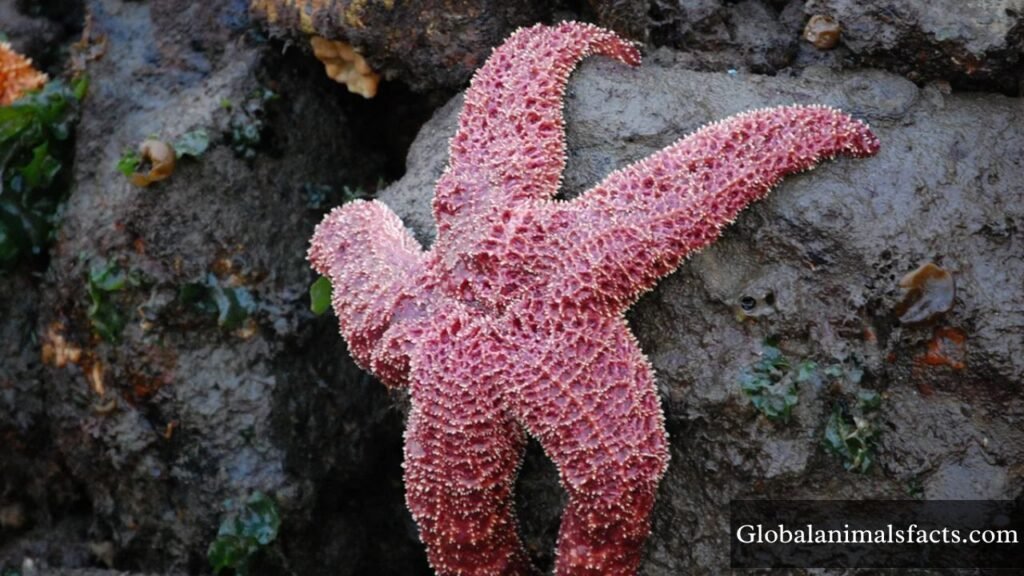
Interestingly, the eyes of a starfish are often overlooked when considering its impressive regenerative abilities. Each arm, equipped with a small eye, can perceive its surroundings independently, allowing the animal to process information and react efficiently. This decentralized way of interacting with the world reveals the starfish’s remarkable survival tactics; even if one arm is lost to a predator, the other arms can still function and keep the organism safe.
Fox
Scientific Name: Vulpes vulpes
Class: Mammalia
Diet: Omnivore
Foxes, with their petite yet piercing eyes, are often overshadowed by their larger, more charismatic counterparts in the animal kingdom. These small, expressive eyes are not merely a charming feature; they play a crucial role in a fox’s survival. Positioned atop their agile heads, their eyes grant them excellent peripheral vision, allowing them to detect movement in their environment — an essential skill for both hunting and evading predators. This sharp eyesight, combined with their acute sense of hearing, enables foxes to navigate the complexities of their habitats, from dense forests to urban landscapes.
Interestingly, the size and shape of a fox’s eyes also reflect their adaptability. Unlike many nocturnal animals that boast large eyes for better night vision, foxes possess a balanced visual acuity that allows them to thrive during both day and twilight hours. This versatility is emblematic of their cunning nature; they can switch hunting strategies based on the time of day, making them formidable predators.
Wombat
Scientific Name: Vombatus ursinus
Class: Mammalia
Diet: Herbivore
Wombats, with their stout bodies and robust limbs, possess surprisingly small eyes that might seem out of place on such a robust creature. These diminutive peepers are well-adapted to their burrowing lifestyle, allowing them to navigate the dark, winding tunnels they create beneath the Australian soil. While many animals rely heavily on vision, wombats primarily rely on their keen sense of smell and hearing, making their small eyes less of a hindrance.
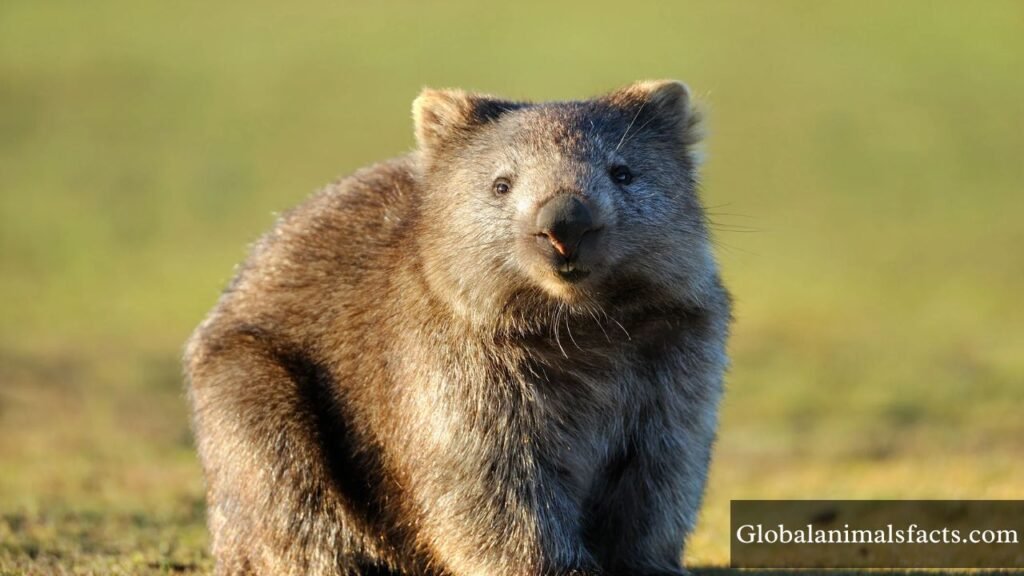
Interestingly, the small size of their eyes also emphasizes an important evolutionary trait: the wombat’s thick fur serves as additional protection against predators. Their other senses are finely tuned, providing them with heightened awareness of their surroundings. In fact, this unique combination of features allows them to thrive in their often harsh and competitive environment, demonstrating that in the animal kingdom, size is not always the most critical factor for survival.
Shrew
Scientific Name: Sorex araneus
Class: Mammalia
Diet: Carnivore
The shrew, a diminutive creature often overshadowed by its larger mammalian cousins, boasts a unique charm with its comparatively small eyes. These tiny orbs may seem insignificant, but they reflect an adaptive strategy shaped by their natural habitat. Shrews are primarily nocturnal and rely more on their acute sense of touch and smell than on vision, making their small eyes a fascinating evolutionary trait rather than a disadvantage.
Despite their size, these eyes are finely attuned to the low-light environments in which shrews thrive. Instead of depending on sharp eyesight, shrews navigate through darkness with an impressive array of sensory whiskers and a keen olfactory system. This evolution highlights a remarkable trait: the shrew doesn’t just survive in the shadows, it flourishes, darting through underbrush and leaf litter in search of insects and worms.
Whales
Scientific Name: Balaenoptera musculus
Class: Mammalia
Diet: Carnivore
Whales, the gentle giants of the ocean, have surprisingly small eyes compared to their massive bodies. Yet, these diminutive organs are perfectly adapted to their aquatic environment. While they may not boast the keen eyesight found in predatory species, whales rely on other senses — especially echolocation — to navigate the vast ocean depths. Their small eyes are optimized for seeing in low light, allowing them to discern their surroundings in the deep, dark waters where light barely penetrates.
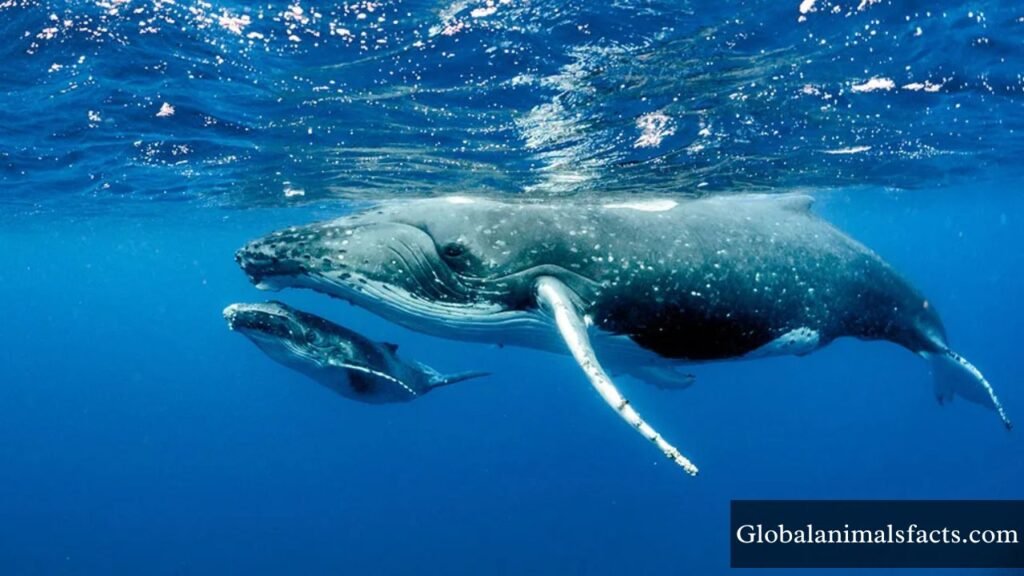
Furthermore, the positioning and structure of whale eyes contribute to their unique viewing capabilities. The lateral placement provides a wide field of vision, aiding in spotting potential threats or navigating through their expansive habitat. Interestingly, some species, like the sperm whale, even have a layer of protective fat around their eyes, ensuring clarity in murky waters. This adaptation signifies a remarkable evolutionary trade-off, where reliance on eyesight diminishes in favor of enhanced acoustic sensing and communication.
Caterpillars
Class: Insecta
Diet: Herbivore
Caterpillars, often overlooked in the vast tapestry of the animal kingdom, exemplify the beauty of subtlety with their small, almost unnoticeable eyes. These tiny orbs, usually no larger than pinheads, serve a critical role in their survival. Despite their size, caterpillars possess a remarkable ability to detect light changes and movement, utilizing their compound eyes to stay vigilant against predators. This primal form of vision might lack the sophistication of larger eyes, but it effectively helps these creatures navigate their leafy habitats.
Intriguingly, the size of a caterpillar’s eyes reflects its larger life strategy. With a focus on camouflage and blending into their surroundings, these diminutive beings rely less on keen eyesight and more on their natural artistry of mimicry. They are often adorned with vibrant patterns and textures, transforming them into leaves or even twigs, which is nature’s ingenious way of sidestepping danger.
Walrus
Scientific Name: Odobenus rosmarus
Class: Mammalia
Diet: Carnivore
Walruses, those impressive marine mammals, are often characterized by their massive tusks and blubbery bodies, but their small eyes — relative to their size — hold intriguing significance. These diminutive orbs are adapted for life in the icy waters of the Arctic, where visibility can be limited and light is sparse. The walrus’s small eyes help reduce glare from the sun reflecting off the snow and ice, allowing them to navigate their frigid environment more effectively. This adaptation underscores a fascinating evolutionary balance between size and functionality.
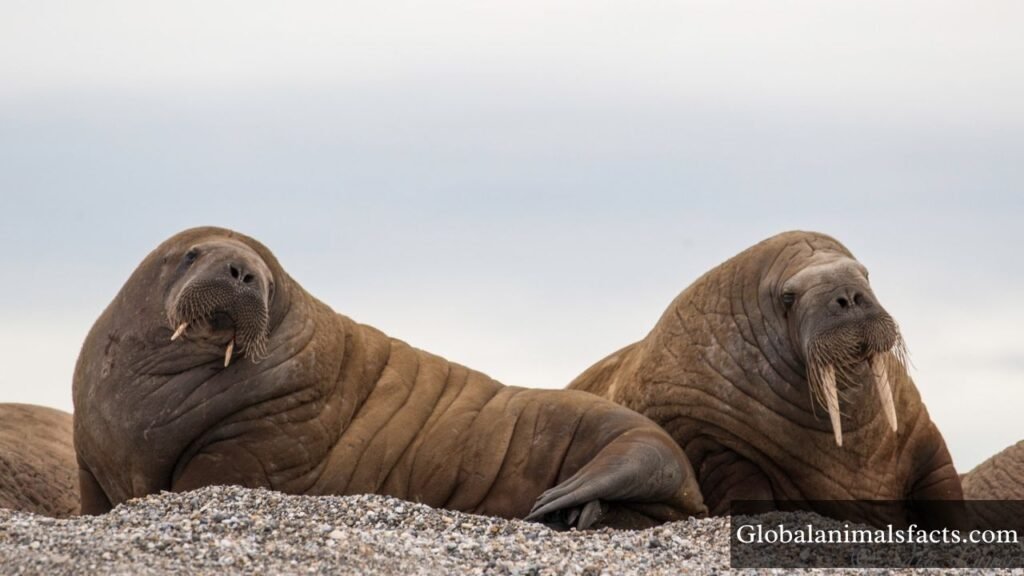
Interestingly, the walrus relies heavily on its other senses to compensate for its limited vision. Their whiskers are highly sensitive and enable them to detect even the slightest movements in the water, guiding their hunting efforts for delicious mollusks on the seafloor. The contrast between their tiny eyes and formidable tusks prompts reflection on the diverse adaptations within nature, illustrating that creatures can thrive despite having seemingly disadvantageous features.
Platypus
Scientific Name: Ornithorhynchus anatinus
Class: Mammalia
Diet: Carnivore
The platypus, an extraordinary blend of mammalian and avian features, captivates with its small yet distinctive eyes. While often overshadowed by its duck-bill and webbed feet, the platypus’s eyes are adapted for life in murky waters. These diminutive orbs provide sharp perception underwater, yet they are not the primary aids for their foraging. Instead, the platypus relies on electroreception — using sensory receptors in its bill to detect the muscle contractions of prey hidden beneath the sand and silt.
Interestingly, the reduced size of their eyes is a testament to their unique evolutionary path. In the dimly lit waters they inhabit, larger eyes would not necessarily offer a survival advantage; instead, their exceptional adaptations allow them to thrive in environments where other senses take precedence. Observing a platypus hunting at dusk, one can’t help but marvel at how these small eyes are perfectly suited to their ecological niche, highlighting the intricate balance between anatomy and environment in nature’s design.
Scorpions
Scientific Name: Scorpiones
Class: Arachnida
Diet: Carnivore
Scorpions, often perceived as fierce predators, possess surprisingly small eyes that add to their mystique. These diminutive sensory organs, usually numbering between two to twelve, play a crucial role in their survival. Unlike animals that rely heavily on their vision, scorpions have adapted to their environments to become efficient nighttime hunters. Their small eyes are primarily suited for detecting movement rather than forming detailed images, allowing them to sense prey in the dark with remarkable precision.
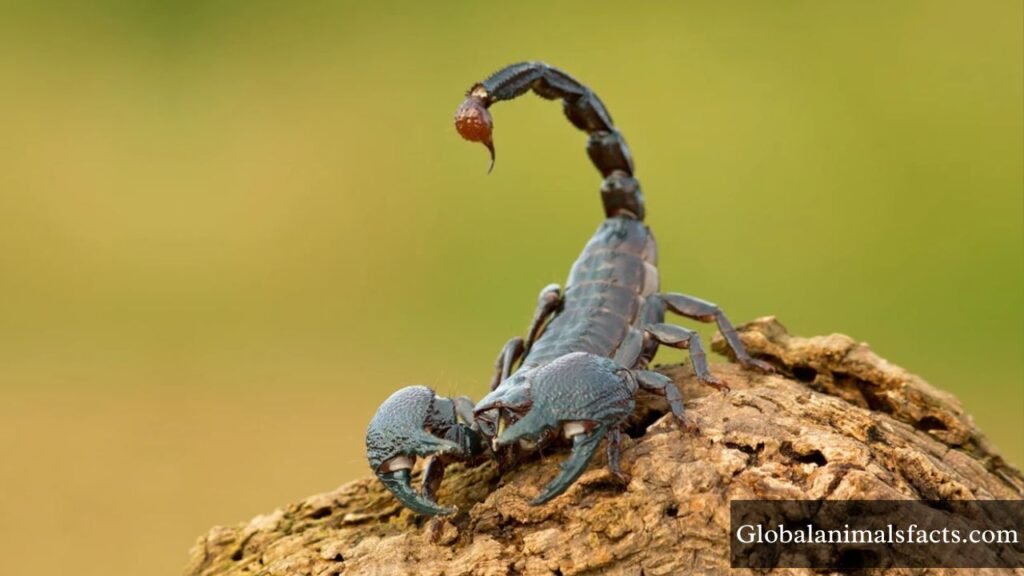
Intriguingly, the structure of scorpion eyes varies among species, presenting a fascinating case of evolutionary adaptation. For instance, some scorpions employ their small eyes to aid in depth perception, while others capitalize on their keen sense of touch and pheromone detection to navigate their surroundings. The iconic segmented bodies and pedipalps of these arachnids are just as vital; they rely on subtle vibrations and chemical cues in the environment to complement their limited visual capabilities. This synergy between their underdeveloped eyesight and acute tactile senses showcases nature’s ingenious solutions to survival and adaptation in challenging terrains.
Hedgehogs
Scientific Name: Erinaceus europaeus
Class: Mammalia
Diet: Omnivore
Hedgehogs, with their charming quills and tiny eyes, evoke curiosity and endearment among animal lovers. Despite their small peepers, these nocturnal creatures have evolved remarkable adaptations that contrast their seemingly limited vision. Relying heavily on their acute sense of smell and hearing, hedgehogs navigate their environment with surprising agility, often foraging for insects and worms during nightfall. Their diminutive eyes are particularly suited for low-light conditions, enhancing their ability to detect the slightest movements in the dark.
Interestingly, the size of a hedgehog’s eyes serves a practical purpose: their quills are primarily their defense mechanism. With their eyes nestled among the dense coat of spines, these little creatures have evolved to minimize injury during encounters with predators, relying instead on their keen senses to escape danger. Furthermore, their small eyes suggest a fascinating evolutionary trade-off — while vision is compromised, other senses are sharpened, enabling them to thrive in various environments.
Groundhogs
Scientific Name: Marmota monax
Class: Mammalia
Diet: Herbivore
Groundhogs, often overlooked in the biodiversity narrative, are intriguing creatures primarily due to their unexpectedly small eyes. Despite their robust size and burly frames, these diminutive peepers are adept at perceiving their environment with remarkable efficiency. The groundhog’s small eyes are complemented by a keen sense of smell and exceptional hearing, enabling these critters to navigate their subterranean homes and evade potential predators. This sensory adaptability illustrates how evolution often favors function over form, allowing them to thrive in diverse habitats.
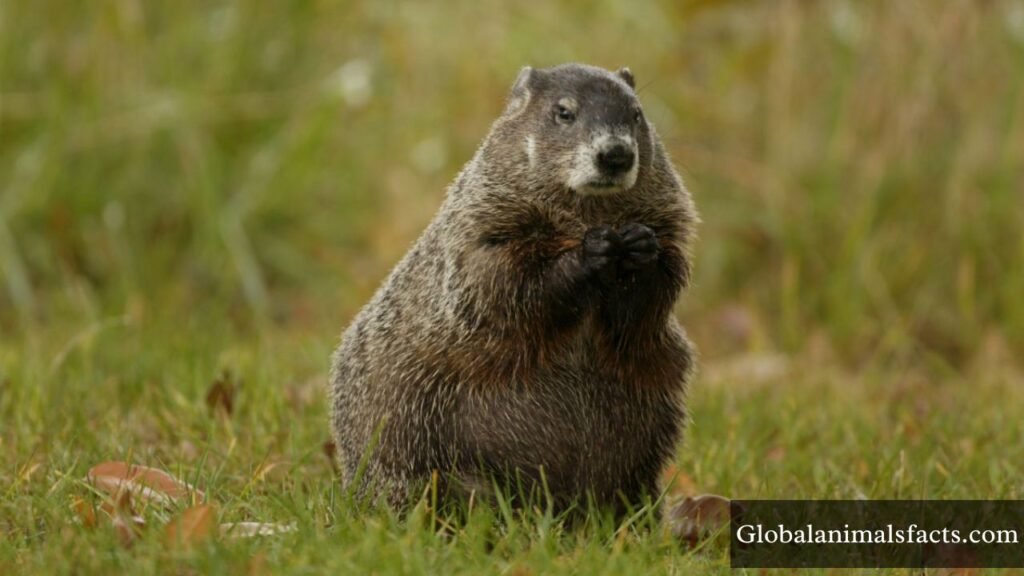
Interestingly, groundhogs’ eyes play a critical role in their social behaviors, especially during the mating season or territorial disputes. Their vision, while limited, is sharp enough to detect movement, allowing them to communicate through postural signals and vocalizations. These tiny visual aids contribute to their intricate social structures, revealing a complexity that belies their seemingly simple lifestyle. Their eyes are well-protected by brow ridges, a feature that not only shields them from debris when digging but also adds to their charming, expressive faces.
Readmore: Explore Top 20 Animals That Hibernate.
Final Words
The study of animals with small eyes reveals a remarkable aspect of evolutionary biology and environmental adaptation. Their seemingly limited vision often helps them excel in niches where larger-eyed competitors might falter. This underscores how different life forms have developed unique traits to meet challenges in their habitats. The more we learn about these extraordinary adaptations, the better equipped we are to protect the ecosystems they inhabit. Let’s continue to celebrate and safeguard the wonders of wildlife, big and small.
FAQs
Which animals have small eyes?
Several animals are known for their small eye size relative to their body. Many species of bats, for instance, have tiny eyes as they rely heavily on echolocation rather than vision to navigate in the dark. Similarly, some deep-sea fish, like the anglerfish, have small eyes that are adapted to the low-light conditions of their environment. Certain mammals, such as moles, have diminutive eyes since they spend most of their lives underground, where vision is less critical.
What animal has the smallest eyes in the world?
The star-nosed mole is often cited as having the smallest eyes among animals. These tiny creatures, native to North America, have eyes that are barely visible and are largely covered by fur. Their eyes are adapted to their dark, subterranean lifestyle, where vision isn’t as crucial as smell and touch. Instead of relying on eyesight, the star-nosed mole uses its distinctive star-shaped nose to sense its environment. This unique adaptation makes it one of the most efficient foragers in its habitat.