Top 15 Animals That Drink a Lot of Water (With Pictures)
Ever wondered which animals guzzle more water than most humans do in a week? “Animals that Drink a Lot of Water” is a topic that sheds light on the surprising ways different species have adapted to their ecosystems. This article takes you on a journey to discover the creatures that rely heavily on hydration and why it’s vital for their survival. You’ll learn about their habits, habitats, and the importance of freshwater in their lives — and perhaps gain a newfound appreciation for the natural world.
List of Animals That Drink a Lot of Water
Below is the list animals that drink a lot of water:
- Camels
- Zebra
- African Buffalo
- Marine Iguana
- Hippopotamus
- Proboscis Monkey
- Pigs
- Kangaroos
- Elephants
- Giraffe
- Deer
- Rhinoceros
- Horses
- Moose
- Cows
Camels
Scientific Name: Camelus dromedarius
Class: Mammalia
Diet: Herbivore
Camels are often hailed as the ultimate desert survivors, but their incredible ability to drink vast amounts of water is only one part of their fascinating adaptation to arid environments. These remarkable creatures can consume up to 40 gallons of water in one go, and even more surprising, they can hydrate themselves through the moisture in vegetation, making them uniquely equipped to thrive where most animals perish. Their bodies are designed to minimize water loss; for instance, camels can tolerate up to a 25% loss of their body weight due to dehydration — a feat lethal for most other mammals.
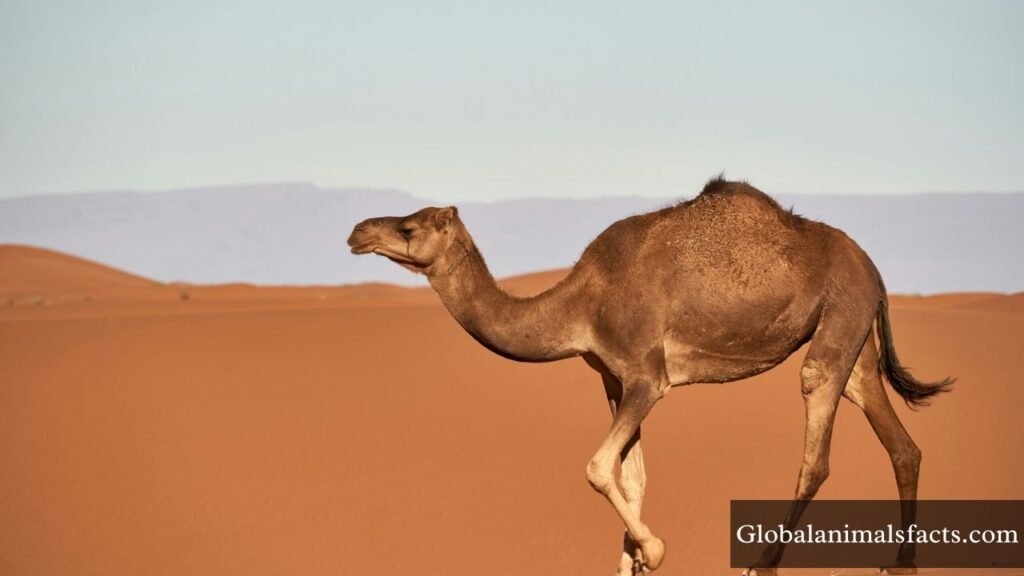
Beyond their capacity for drinking, camels have a unique physiological mechanism that allows them to regulate body temperature, minimizing the need for hydration. Their temperature can fluctuate throughout the day, rising as high as 104°F (40°C) without significant stress, which conserves water by reducing sweating. This temperature adaptability allows camels to forage during the heat of the day while conserving precious moisture — a strategy that underscores their resilience and engineering in a harsh ecosystem.
Zebra
Scientific Name: Equus quagga
Class: Mammalia
Diet: Herbivore
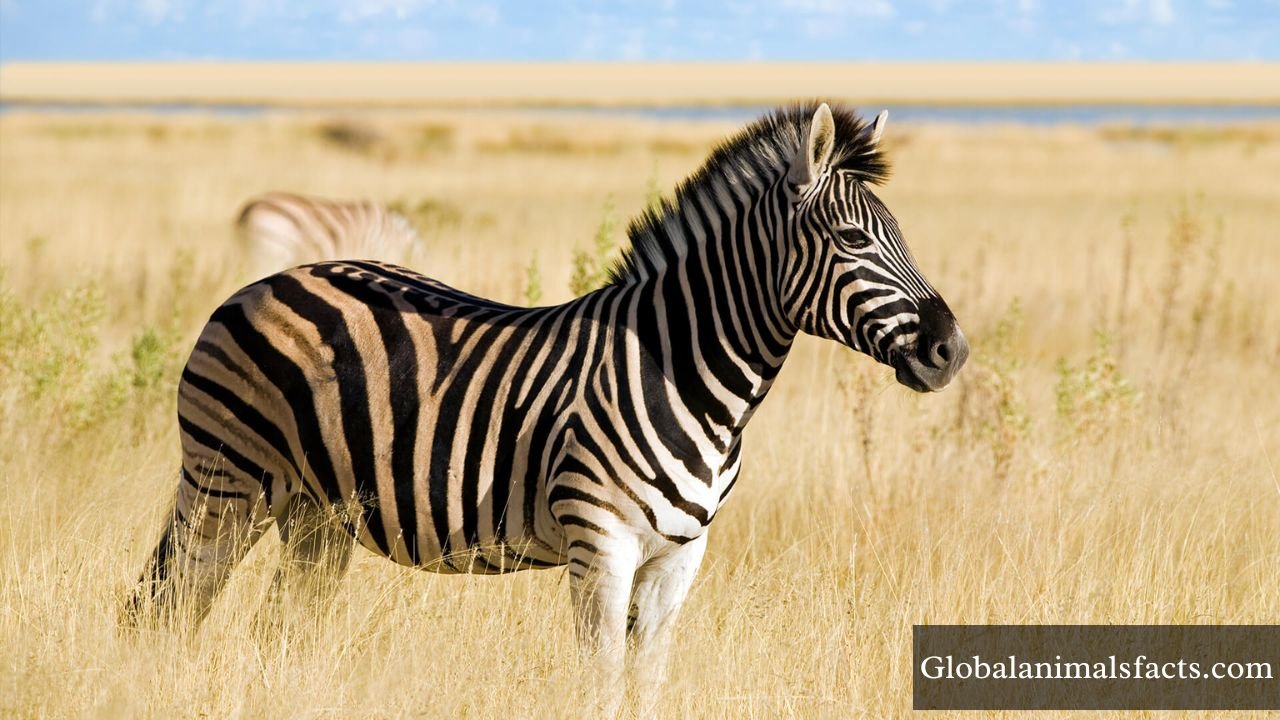
Zebras, often celebrated for their striking black and white stripes, have fascinating hydration habits that reflect their unique habitats. Living in the arid landscapes of Africa, these social equines demonstrate a remarkable ability to derive moisture not just from water sources, but also from their diet. While it’s common for zebras to drink from rivers and watering holes, they thrive on the juicy grasses and leaves that contain essential hydration, allowing them to survive longer in drought conditions than many other herbivores.
Interestingly, zebras have developed a keen instinct for finding water, often traveling great distances to locate it. This instinct is not just about survival; it plays a critical role in their social structure. As they rally at watering holes, these gatherings become vital for maintaining social bonds and ensuring herd safety. Moreover, the unique patterns of their stripes can serve as a camouflage against predators lurking near these vital resources, providing yet another layer of survival strategy.
African Buffalo
Scientific Name: Syncerus caffer
Class: Mammalia
Diet: Herbivore
The African buffalo, known for its impressive bulk and formidable presence, has an equally fascinating relationship with its environment, particularly water sources. These social animals, often seen in herds, can consume up to 20 gallons of water per day, depending on their activity levels and the surrounding conditions. This thirst is not just about quenching their needs; it’s vital for maintaining the health of their extensive digestive systems, which break down tough grasses and roughage they graze on in the savannah.
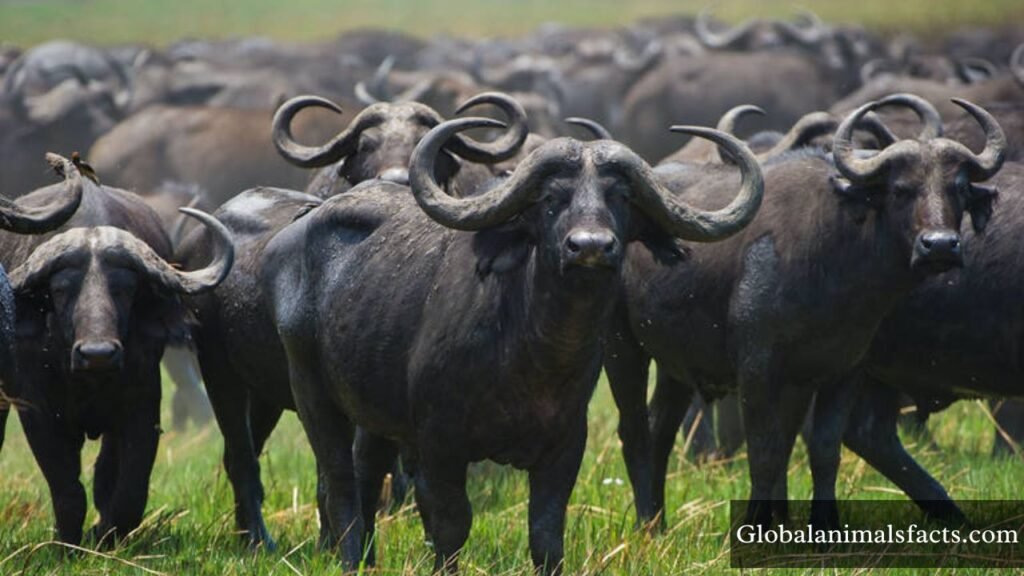
Interestingly, the buffalo gathers at waterholes during both the heat of the day and the coolness of dawn, making it a critical social hub for various wildlife. This routine bath not only hydrates but also serves as a refuge from biting insects. Other species, ranging from birds to hippos, often congregate at these water sources, highlighting the buffalo’s role in fostering biodiversity.
You can also read: Explore Top 20 Animals That Hibernate.
Marine Iguana
Scientific Name: Amblyrhynchus cristatus
Class: Reptilia
Diet: Herbivore
The marine iguana, found exclusively in the Galápagos Islands, showcases an extraordinary adaptation to its unique habitat. Unlike its terrestrial relatives, this remarkable lizard has evolved to thrive by foraging in the ocean, which demands a substantial intake of seawater. Surprisingly, marine iguanas have developed specialized nasal glands that enable them to excrete the excess salt they consume, a fascinating example of evolution fine-tuning life in extreme environments. This creates not only a physical distinction from other iguana species but also highlights their specialized niche in a fragile ecosystem.
Watching these creatures dive for algae, you can truly appreciate their mastery of adaptation. They can stay submerged for up to an hour, expertly balancing the need for hydration while navigating the challenges of their saline surroundings. Moreover, their behavior during sun basking, where they alternate between soaking up the sun and expelling salt through their nostrils, emphasizes their unique relationship with both land and sea. As climate change threatens their habitat, understanding their water needs reveals crucial insights into their survival strategies and the delicate balance of the ecosystems they inhabit.
Hippopotamus
Scientific Name: Hippopotamus amphibius
Class: Mammalia
Diet: Herbivore
The hippopotamus, often seen lounging languidly in rivers and lakes, has a surprisingly complex relationship with water. These massive creatures can consume up to 13 gallons of water in a single day, not just for hydration but also to regulate their body temperature. Unlike many animals that drink sporadically, hippos spend hours submerged, cooling off under the hot African sun while also keeping their skin moist and protected from cracking.
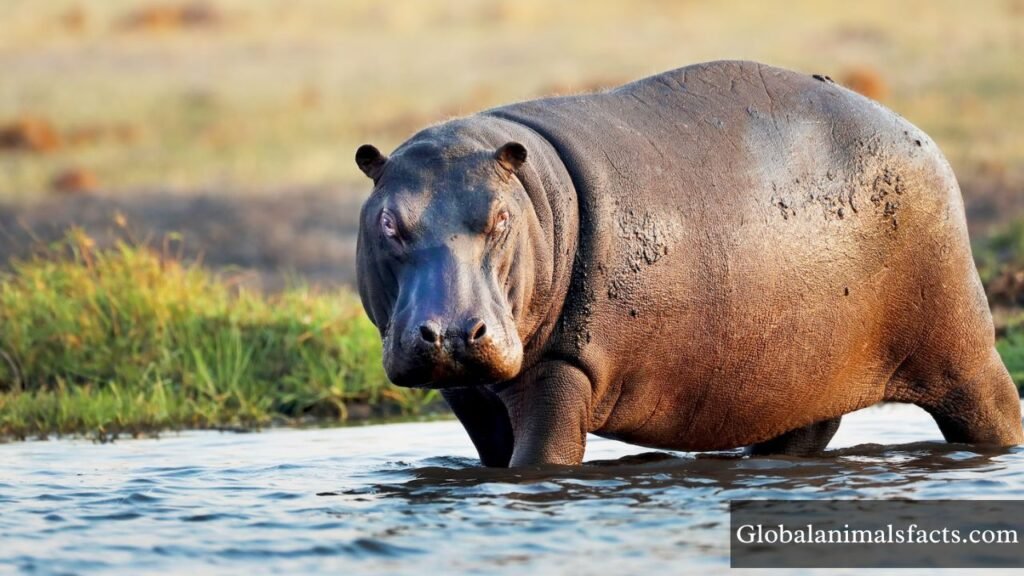
Interestingly, their affinity for water isn’t just about survival; it plays a vital role in their social behavior and hierarchy. Hippos are known to establish dominance through splashing and displaying submerged antics, showing that their aquatic environment is as much a social arena as it is a refuge. Furthermore, their dependence on water highlights the delicate balance of their habitat — climate change and drought can have devastating effects on these water-loving giants, making them more vulnerable than ever.
Readmore: Explore Top 15 Animals that Eat Coconuts.
Proboscis Monkey
Scientific Name: Nasalis larvatus
Class: Mammalia
Diet: Omnivore
The proboscis monkey, a remarkable inhabitant of the mangrove forests of Borneo, demonstrates an extraordinary relationship with water that sets it apart from many other primates. Known for its distinctive long nose and semi-aquatic lifestyle, this species not only thrives in humid environments but also has developed adaptations that enable it to consume large quantities of water daily. Their diet primarily consists of leaves, fruits, and seeds, which often have high moisture content, but they supplement this with direct drinking, particularly during hot spells.
What’s fascinating is that the proboscis monkey has a unique digestive system that allows it to extract moisture efficiently from its food. This adaptation is crucial, given the often sparse availability of fresh drinking water in their habitat. Observing a troop of proboscis monkeys engaging in water play is a spectacle of nature; their social behaviors even include swimming, using their webbed toes to navigate through waterways. This calls into question the evolutionary benefits of such voracious drinking habits and how they reflect the monkey’s overall lifestyle, revealing a species intimately connected to its liquid environment in both physical and social dimensions.
Pigs
Scientific Name: Sus scrofa domesticus
Class: Mammalia
Diet: Omnivore
Pigs are fascinating creatures that exhibit remarkable adaptability and intelligence, but their water consumption often takes people by surprise. On average, a domestic pig can drink anywhere from 2 to 4 gallons of water a day, depending on factors like size, age, and environmental conditions. This high water intake is crucial not only for their overall health but also for regulating body temperature, especially in warmer climates where they are prone to overheating.
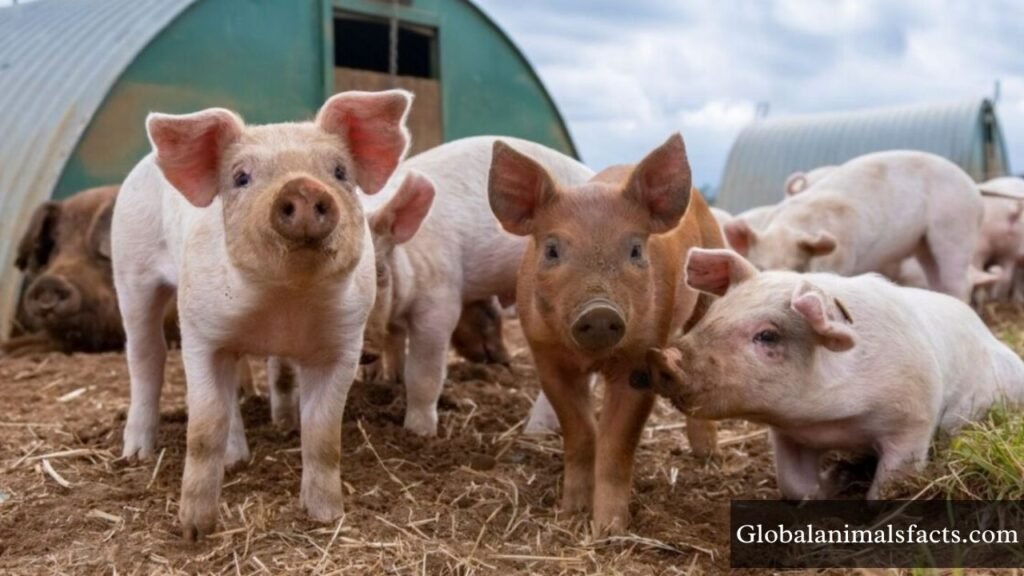
What’s particularly interesting is how pigs use water beyond mere hydration; they are natural bathers that relish rolling around in muddy puddles. This behavior serves a dual purpose: it cools them down and serves as a protective layer against sunburn and insect bites. The mud acts as a sunscreen, highlighting the pigs’ instinctive understanding of their needs. Their penchant for water reflects their foraging instincts, as they often root around in wet soil searching for food.
Kangaroos
Scientific Name: Macropus
Class: Mammalia
Diet: Herbivore
Kangaroos, often seen bounding through the Australian outback, have fascinating adaptations when it comes to hydration. While they can survive long periods without water — thriving in arid environments — these marsupials have a unique strategy for managing their hydration needs. They rely heavily on the moisture obtained from their primary food source: grasses and leaves, which can contain up to 80% water. This diet allows them to stay hydrated in the harsh, dry climates of Australia.
Interestingly, kangaroos possess a remarkable physiological trait: their kidneys can conserve water exceptionally well. This adaptation minimizes water loss, enabling them to thrive without easily accessible drinking sources — a lesson in resilience for species living in challenging habitats. During the cooler hours of the day, you’ll often find kangaroos resting in shade to avoid dehydration, displaying an innate understanding of their environment.
Readmore: Explore Top 15 Hard Working Animals in The World.
Elephants
Scientific Name: Loxodonta africana
Class: Mammalia
Diet: Herbivore
Elephants, the gentle giants of the animal kingdom, have an astounding ability to consume water, drinking up to 50 gallons in a single day. This remarkable hydration habit is not just about quenching their thirst; it’s intricately linked to their social and ecological roles. Water sources become focal points for elephant herds, serving as vital meeting grounds that strengthen familial bonds while promoting social interactions among various species within the ecosystem.
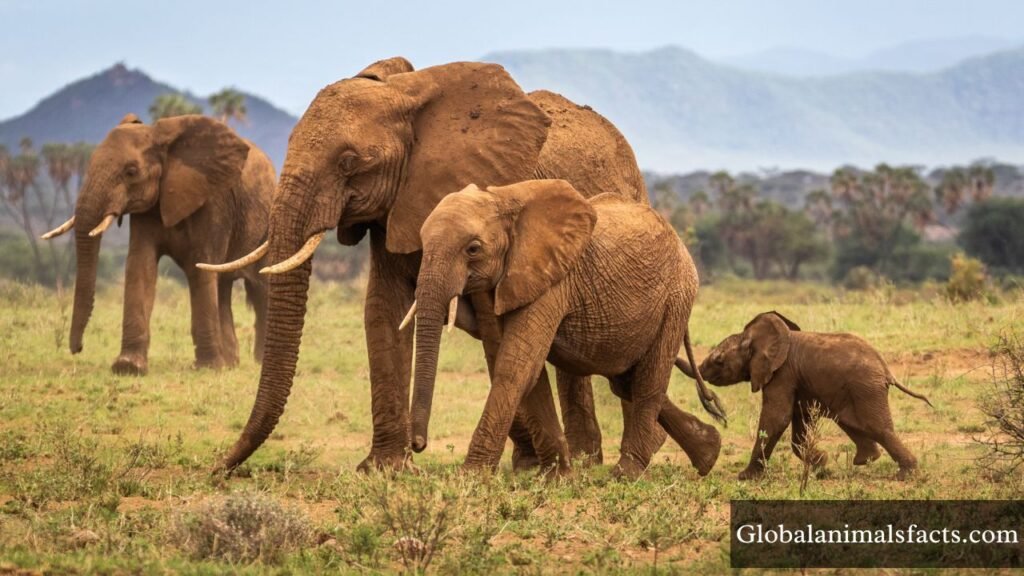
Interestingly, elephants demonstrate a unique understanding of their environment, often traversing vast distances to locate water, especially during dry seasons. Their impressive memory serves them well, as they can recall the locations of waterholes even years later. The act of drinking also showcases their intelligence; elephants often use their trunks to spray water over their bodies, helping to regulate their temperature and protect their skin from the sun. This behavior not only highlights their adaptability but underscores the intrinsic connection between their survival and the health of their habitats, reminding us of the delicate balance required to sustain these majestic creatures.
Giraffe
Scientific Name: Giraffa camelopardalis
Class: Mammalia
Diet: Herbivore
The giraffe, with its towering height and unique neck structure, has adapted remarkably to its arid African habitats, where water sources can be sparse. Interestingly, these gentle giants have evolved to rely on a diet rich in moisture — particularly from leaves, fruits, and twigs. On average, a giraffe can consume about 75 pounds of foliage daily, which can provide substantial hydration. However, when they do seek out water, giraffes are known to drink voraciously, capable of consuming 10 to 15 gallons in a single session.
One particularly captivating adaptation of the giraffe is its unique drinking posture. When leaning down to sip from a water source, a giraffe exhibits an almost balletic grace, spreading its legs or bending its knees to reach the water. This vulnerable position, while necessary for quenching their thirst, is a risky one — a reminder of their place in the ecosystem where predators like lions lurk. Furthermore, they possess an extraordinary ability to go days, or even weeks, without a direct water source, thanks to their efficient digestive systems and hydration from their plant-based diet.
Deer
Scientific Name: Cervidae
Class: Mammalia
Diet: Herbivore
Deer are often seen as graceful creatures of the forest, but their hydration needs can be surprisingly complex. These animals have adapted to various environments, from dense woodlands to open grasslands, and their water consumption reflects that diversity. During the warmer months, a deer can drink as much as a gallon of water per day, a necessity to maintain their energy levels and keep cool in the heat. Interestingly, they not only rely on direct water sources but also consume moisture-rich vegetation, optimizing their hydration strategy in areas where water is scarce.
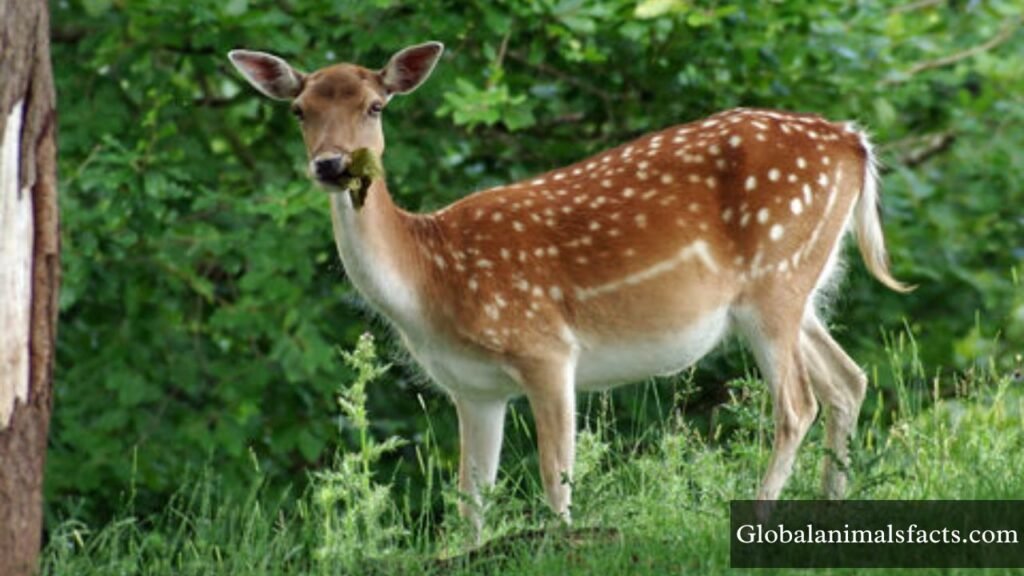
Seasonal shifts also impact a deer’s water intake. In winter, they may sustain themselves partly through snow, extracting moisture from frozen flakes to survive the cold months. This adaptability showcases their resilience; even in harsh conditions, they find ways to meet their hydration needs. Moreover, with increased urban encroachment on their natural habitats, the availability of water sources becomes a critical factor influencing their roaming patterns. Understanding these nuances provides insights into the delicate balance between deer and their ecosystems, reminding us of the importance of preserving natural water sources for wildlife.
You can also read: Explore Top 12 Animals That Eat Squirrels.
Rhinoceros
Scientific Name: Rhinocerotidae
Class: Mammalia
Diet: Herbivore
Rhinoceroses are fascinating creatures not just due to their imposing size but also their unique hydration habits. These magnificent mammals can consume up to 50 liters of water in one day, depending on the environment and climate. Unlike many animals that sip or trickle water, rhinos often indulge in long, deep gulps, relying on their massive bodies to regulate temperature and hydration. This hydration is essential, especially in arid regions where they inhabit, influencing their foraging behaviors and overall health.
Interestingly, rhinos are not just heavy drinkers; they also engage in a series of unique behaviors surrounding water sources. They often wallow in mud, which helps them cool down and acts as a natural sunscreen, protecting their sensitive skin from the sun’s harsh rays.
Horses
Scientific Name: Equus ferus caballus
Class: Mammalia
Diet: Herbivore
Horses are remarkable creatures with unique hydration needs that can be surprising to many. An adult horse can drink between 5 to 10 gallons of water daily, a necessity dictated by their size, activity level, and environmental conditions. What’s fascinating is how a horse’s instinctual behavior kicks in during the warmer months; they tend to drink more water than their human caretakers might expect, as their bodies work diligently to regulate temperature during rigorous activities, like galloping or jumping.
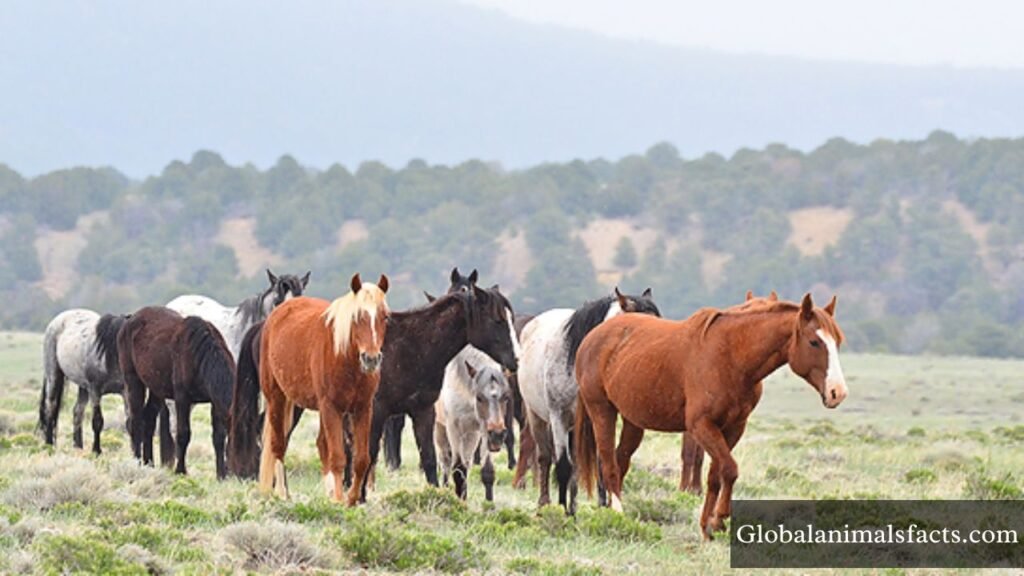
Moreover, horses have an impressive ability to sense the quality of water. While they can adapt to varying temperatures and even tolerate a bit of salt, they preferentially seek clean, fresh sources. This selective behavior highlights their keen survival instincts. On top of that, horses’ digestive systems thrive on adequate hydration, as water plays a crucial role in breaking down their fibrous diet of hay and grass. Proper hydration not only supports their physical health but also impacts their mood and behavior, making it essential for horse owners to ensure their equine companions have constant access to fresh water — after all, a well-hydrated horse is a happy horse!
Moose
Scientific Name: Alces alces
Class: Mammalia
Diet: Herbivore
Moose, the towering icons of the North American wilderness, have an extraordinary ability to consume immense quantities of water. On a hot summer day, a moose can drink up to 10 gallons of water in one sitting, a necessity driven by both hydration needs and their foraging habits. Their bodies are uniquely adapted to handle such high intake; they possess long, flexible tongues that can efficiently reach aquatic plants — one of their primary food sources in lakes and rivers. This affinity for water not only sustains them but also significantly influences their habitat selection; moose are often found roaming near wetlands, making them key players in these ecosystems.
Interestingly, the hydration strategy of a moose transcends mere survival. The frequent immersion in water helps regulate their body temperature in warmer months, while also providing a reprieve from pesky insects. Moreover, their grazing on nutrient-dense aquatic vegetation, rich in minerals and protein, also complements their hydration efforts. Thus, moose embody a fascinating relationship – both a dependency on water and an intricate ecological role, highlighting how a seemingly simple act of drinking can ripple through the environment.
Cows
Scientific Name: Bos taurus
Class: Mammalia
Diet: Herbivore
Cows are often seen as docile grazers, but their hydration needs are impressive and integral to their well-being. A mature cow can drink anywhere from 30 to 50 liters of water a day, depending on their size, diet, and environmental conditions. This remarkable intake is largely tied to their high-protein diet, particularly when grazing on dry grass or feed, which requires more water for digestion and metabolic processes.
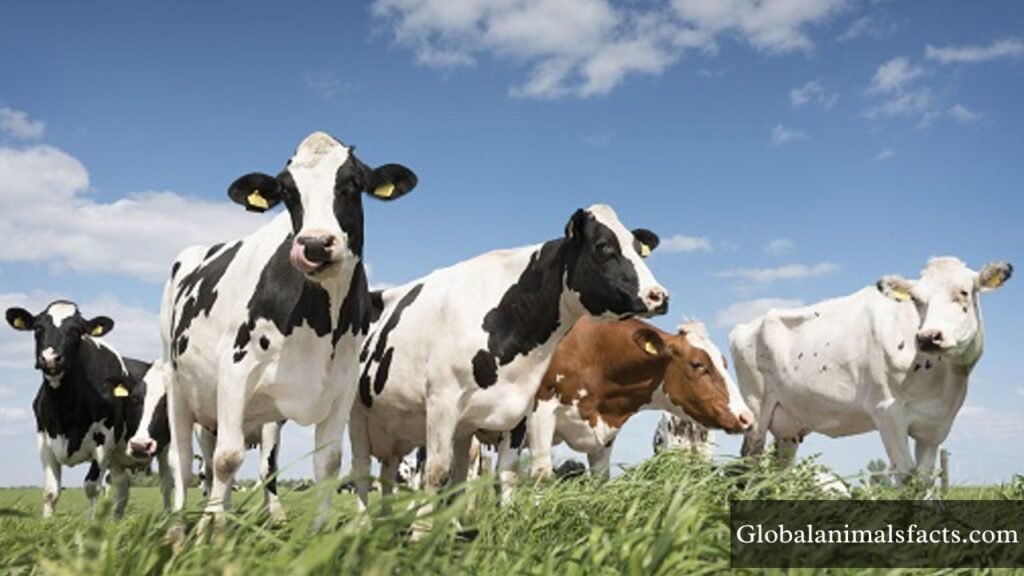
Interestingly, the hydration habits of cows can vary significantly across different climates. In hotter regions, they not only consume more water but also adapt their grazing schedules to cooler parts of the day, showcasing their instinctive strategies to maintain hydration and comfort. Keeping water sources clean and accessible is crucial; not only does it prevent disease, but it also influences their overall productivity, affecting milk production and weight gain in dairy and beef cattle alike.
Readmore: Explore Top 13 Animals That Eat Oranges.
Conclusion
Understanding the drinking habits of water-dependent animals reveals much about their physiology and survival strategies. From the majestic elephants to the industrious camels, these creatures have adapted to their environments in remarkable ways. Their need for hydration not only supports their own well-being but also has a significant impact on the ecosystems they inhabit. By exploring the unique adaptations of these animals, we gain insight into the delicate balance of nature and the importance of conserving their habitats. Let us appreciate these remarkable species and consider how we can protect their environments for future generations.
FAQs
What animal drinks the most amount of water?
The animal that drinks the most water is typically the elephant. An adult elephant can consume up to 50 gallons of water a day, especially in hot climates. Their massive bodies and high activity levels demand significant hydration.
Do camels drink a lot of water?
Camels are fascinating creatures, often referred to as the “ships of the desert.” They can drink a surprising amount of water at once, sometimes up to 40 gallons in one go. However, they don’t need to drink water as frequently as many other animals. In fact, they can go several days or even weeks without drinking, thanks to their unique adaptations.