
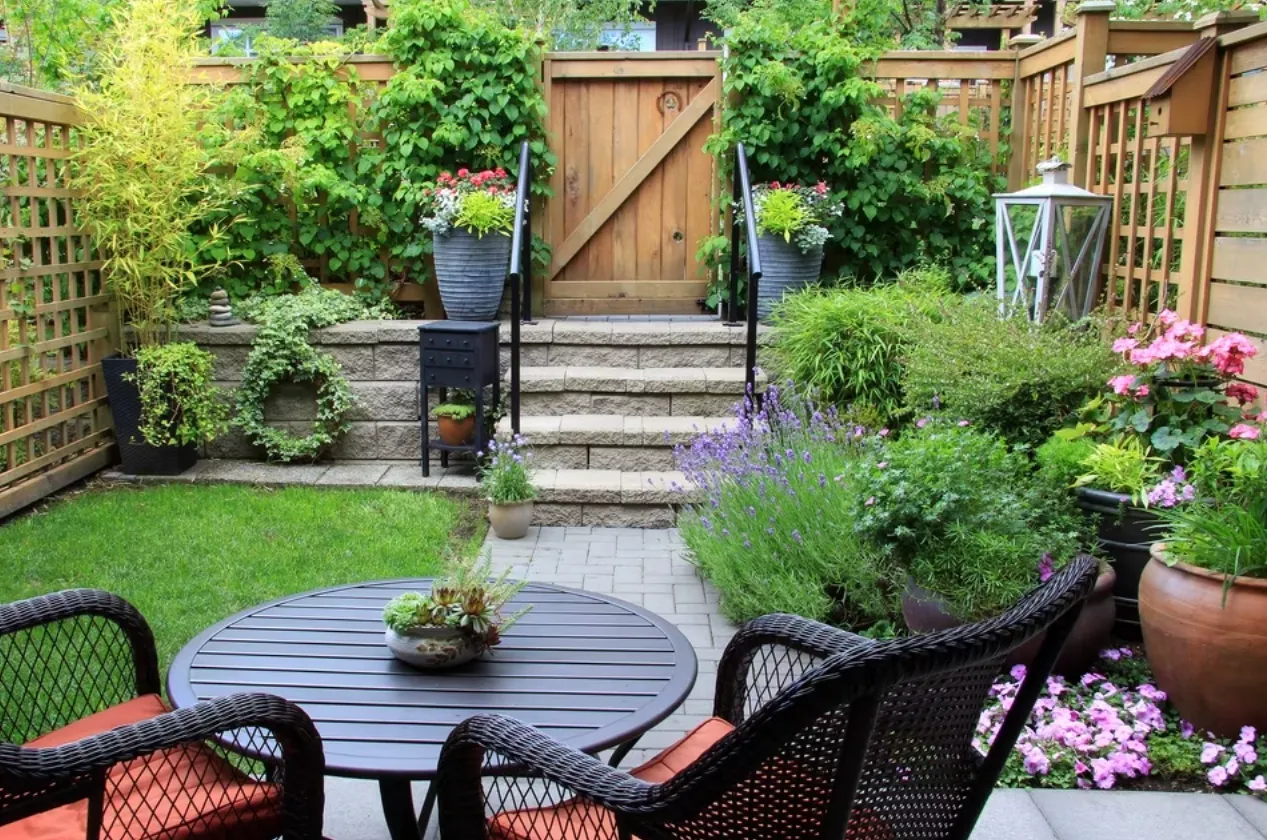
How to Build a Low-Maintenance Garden
Creating a beautiful outdoor space doesn’t have to mean spending every weekend watering, weeding, and pruning. A low-maintenance garden is designed to stay healthy and attractive with minimal effort while still providing color, texture, and seasonal interest. Whether you have a small backyard, a large landscape, or a compact patio, choosing the right plants and design strategies can significantly reduce the time and money spent on garden upkeep.
Many homeowners are shifting toward low-maintenance landscaping because it saves water, lowers maintenance costs, and supports local wildlife. By selecting hardy plants, improving soil quality, and using smart gardening techniques, you can enjoy a thriving garden without constant work.
In this guide, you’ll learn practical tips for designing and maintaining a beautiful, low-maintenance garden that looks great throughout the year.
Plan Your Garden Before You Plant
A successful low-maintenance garden begins with thoughtful planning. Taking time to design your landscape helps prevent unnecessary work later.
Consider the following factors:
- Sunlight: Observe which areas receive full sun, partial shade, or full shade.
- Soil Type: Test whether your soil is sandy, clay-based, or loamy.
- Drainage: Identify spots where water collects after rain.
- Climate: Choose plants suited to your local weather conditions.
- Available Space: Avoid overcrowding by allowing plants enough room to mature.
Planning properly reduces future transplanting, pruning, and plant replacement.
Choose Native and Drought-Tolerant Plants
One of the easiest ways to reduce maintenance is by selecting native plants. These species naturally adapt to local climates, making them more resistant to pests, diseases, and weather extremes.
Benefits include:
- Require less watering
- Need fewer fertilizers
- Resist local pests naturally
- Support birds, bees, and butterflies
- Survive seasonal weather changes
Drought-tolerant plants are also excellent choices, especially in regions with limited rainfall.
Popular low-maintenance plants include:
- Lavender
- Coneflower
- Black-eyed Susan
- Daylilies
- Ornamental grasses
- Sedum
- Russian Sage
- Hostas (for shade)
- Yarrow
- Juniper
These plants remain attractive while requiring very little care.
Improve Soil Before Planting
Healthy soil creates healthier plants that need less maintenance.
Improve soil by adding:
- Compost
- Organic matter
- Well-rotted manure
- Leaf mold
Healthy soil offers several advantages:
- Better drainage
- Improved moisture retention
- Stronger root development
- Fewer nutrient deficiencies
- Reduced plant stress
A strong foundation allows plants to establish quickly and resist diseases naturally.
Use Mulch Generously
Mulch is one of the most valuable tools in a low-maintenance garden.
Benefits of mulching include:
- Reduces weeds
- Keeps soil moist
- Regulates soil temperature
- Prevents erosion
- Improves soil as it decomposes
- Creates a neat appearance
Popular mulch options include:
- Bark chips
- Wood mulch
- Pine straw
- Gravel
- Decorative stone
- Shredded leaves
Apply a 2–3 inch layer around plants while keeping mulch slightly away from stems to prevent rot.
Install Efficient Irrigation
Hand watering consumes time and often wastes water.
Instead, install efficient watering systems such as:
- Drip irrigation
- Soaker hoses
- Smart irrigation timers
- Rain barrels
These systems deliver water directly to plant roots while minimizing evaporation.
Watering deeply but less frequently encourages stronger root systems and healthier plants.
Reduce Lawn Areas
Lawns often require the most maintenance in a landscape.
They demand:
- Weekly mowing
- Frequent watering
- Fertilizing
- Weed control
- Aeration
- Pest management
Replace portions of your lawn with:
- Ground covers
- Gravel gardens
- Decorative stone
- Native plant beds
- Mulched pathways
- Wildflower meadows
Reducing lawn size can dramatically decrease maintenance throughout the year.
Select Slow-Growing Shrubs
Fast-growing shrubs often require constant trimming.
Instead, choose naturally compact varieties such as:
- Boxwood
- Dwarf Hydrangea
- Juniper
- Dwarf Holly
- Inkberry
- Spirea
- Nandina
Slow-growing shrubs maintain their shape with only occasional pruning.
Group Plants by Water Needs
Grouping plants with similar watering requirements simplifies irrigation.
For example:
Dry Zone
- Lavender
- Sedum
- Russian Sage
- Yarrow
Moderate Water Zone
- Coneflower
- Daylilies
- Black-eyed Susan
Moist Area
- Ferns
- Hostas
- Astilbe
This method prevents overwatering while reducing maintenance.
Add Ground Covers
Ground covers naturally suppress weeds and reduce exposed soil.
Excellent choices include:
- Creeping Thyme
- Creeping Jenny
- Ajuga
- Sweet Woodruff
- Sedum
- Irish Moss
Ground covers also reduce erosion while creating a finished landscape appearance.
Choose Perennials Instead of Annuals
Annual flowers must be replanted every year.
Perennials return season after season, saving both money and effort.
Popular perennials include:
- Peonies
- Coneflowers
- Hostas
- Coreopsis
- Salvia
- Shasta Daisy
- Daylilies
Mix early-, mid-, and late-season bloomers to maintain color throughout the growing season.
Simplify Garden Design
Complex landscapes usually require more upkeep.
Keep the design simple by:
- Using repeating plant varieties
- Limiting the number of species
- Creating wide planting beds
- Installing permanent edging
- Keeping pathways accessible
Simple layouts make watering, pruning, and cleaning much easier.
Use Hardscaping
Hardscape features reduce plant maintenance while adding visual appeal.
Examples include:
- Stone patios
- Brick walkways
- Gravel paths
- Decorative rocks
- Raised beds
- Retaining walls
- Garden benches
These features create structure while reducing planting areas that require care.
Control Weeds Naturally
Preventing weeds is easier than removing them.
Effective methods include:
- Applying mulch
- Planting densely
- Using landscape fabric under gravel
- Pulling weeds while small
- Avoiding bare soil
Consistent prevention greatly reduces long-term maintenance.
Minimize Pruning
Choose plants that naturally maintain their shape.
Avoid hedges that require frequent trimming.
Instead, plant shrubs with mature sizes appropriate for the available space.
Only remove:
- Dead branches
- Diseased growth
- Broken stems
Minimal pruning keeps plants healthy while saving time.
Attract Beneficial Wildlife
Birds and pollinators help maintain a healthier garden ecosystem.
Add:
- Native flowering plants
- Bird baths
- Pollinator-friendly flowers
- Small shrubs for shelter
Helpful insects such as ladybugs naturally reduce harmful pests, lowering the need for chemical treatments.
Seasonal Maintenance Tips
Even low-maintenance gardens benefit from occasional care.
Spring
- Refresh mulch
- Remove winter debris
- Divide overcrowded perennials
- Inspect irrigation systems
Summer
- Water deeply during dry periods
- Remove faded blooms if needed
- Watch for pests
Autumn
- Cut back dead foliage
- Add compost
- Plant spring-flowering bulbs
- Clean garden beds
Winter
- Protect sensitive plants
- Clean gardening tools
- Plan improvements for next season
Following a simple seasonal routine keeps your garden healthy without becoming overwhelming.
Common Mistakes to Avoid
Many homeowners accidentally create high-maintenance landscapes.
Avoid these common mistakes:
- Planting invasive species
- Choosing plants unsuited to your climate
- Overwatering
- Ignoring soil preparation
- Planting too closely together
- Using too many annual flowers
- Skipping mulch
- Creating oversized lawns
Making smart choices from the beginning saves years of unnecessary work.
Benefits of a Low-Maintenance Garden
A thoughtfully designed low-maintenance garden offers many long-term advantages.
Key benefits include:
- Saves time
- Reduces water usage
- Lowers gardening costs
- Requires fewer chemicals
- Supports pollinators and wildlife
- Improves curb appeal
- Conserves natural resources
- Creates a relaxing outdoor space
- Increases property value
- Provides year-round beauty with minimal effort
Conclusion
Building a low-maintenance garden is about working smarter rather than harder. By carefully planning your layout, choosing native and drought-tolerant plants, improving soil health, applying mulch, reducing lawn space, and installing efficient irrigation, you can create an attractive landscape that requires far less ongoing care. Simple design choices, combined with hardy perennials and thoughtful plant placement, ensure your garden remains healthy and visually appealing throughout the seasons.
With a little planning at the beginning, you’ll enjoy a beautiful outdoor space that offers lasting beauty, conserves resources, and gives you more time to relax instead of constantly maintaining it. A well-designed low-maintenance garden proves that stunning landscapes don’t have to come with endless work.
Also Read About: The Benefits of Installing Solar Panels