
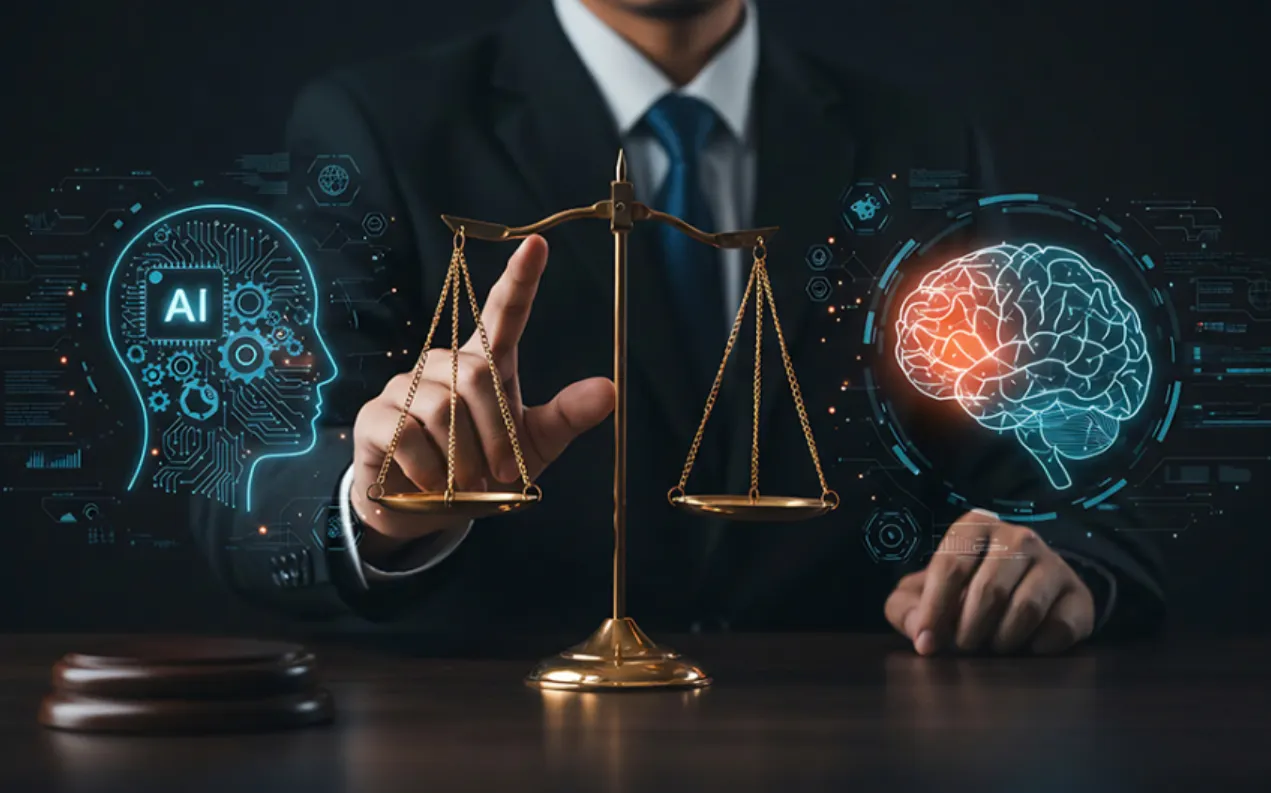
Artificial Intelligence and Emerging Legal Challenges
Artificial intelligence (AI) has quickly become one of the most transformative technologies of the 21st century. From virtual assistants and self-driving vehicles to medical diagnosis and financial forecasting, AI is changing how people live and work. Businesses of every size are adopting AI-powered tools to improve efficiency, reduce costs, and deliver better customer experiences. However, the rapid development of AI has also introduced a wide range of legal challenges that lawmakers, businesses, and individuals must address.
As AI systems become more advanced, existing laws often struggle to keep pace with technological innovation. Questions about privacy, intellectual property, liability, discrimination, and accountability have become increasingly important. Governments around the world are working to create legal frameworks that encourage innovation while protecting public interests.
This article explores the relationship between artificial intelligence and emerging legal challenges, highlighting the key legal issues organizations and individuals should understand as AI continues to reshape society.
What Is Artificial Intelligence?
Artificial intelligence refers to computer systems that can perform tasks traditionally requiring human intelligence. These tasks include learning from data, recognizing patterns, understanding language, making decisions, and solving complex problems.
AI technologies include:
- Machine learning
- Deep learning
- Natural language processing (NLP)
- Computer vision
- Robotics
- Generative AI
Today, AI is widely used across industries such as healthcare, education, finance, manufacturing, transportation, retail, marketing, and legal services.
While these technologies create significant opportunities, they also raise complex legal and ethical concerns.
Why AI Creates New Legal Challenges
Unlike traditional software, AI systems often learn from massive datasets and continuously improve over time. Their decision-making processes may become difficult to understand, even for their developers.
This creates legal uncertainty because many existing laws were designed before AI technologies became widespread.
Major reasons AI presents legal challenges include:
- Automated decision-making
- Large-scale data collection
- Cross-border data sharing
- Rapid technological advancement
- Lack of transparency
- Difficulty assigning responsibility
- Potential bias in algorithms
These issues require updated legal standards that balance innovation with consumer protection.
Data Privacy and Protection
One of the most significant legal concerns surrounding AI involves data privacy.
AI systems depend on enormous amounts of data to function effectively. This data may include:
- Personal information
- Medical records
- Financial details
- Shopping behavior
- Location history
- Online activity
Organizations collecting this information must comply with privacy laws designed to protect individuals.
Key privacy concerns include:
- Unauthorized data collection
- Insufficient user consent
- Data breaches
- Excessive surveillance
- Cross-border data transfers
Businesses must ensure their AI systems follow applicable privacy regulations while maintaining transparency about how personal information is collected and used.
Intellectual Property Challenges
Artificial intelligence is also changing the landscape of intellectual property law.
Generative AI tools can create:
- Articles
- Images
- Music
- Videos
- Software code
- Marketing materials
This raises difficult legal questions such as:
- Who owns AI-generated content?
- Can AI-created work receive copyright protection?
- Does training AI on copyrighted material violate intellectual property rights?
- Who is responsible if AI copies existing content?
Many countries are still determining how traditional copyright and patent laws should apply to AI-generated works.
Businesses using AI-generated content should understand applicable intellectual property laws before commercial use.
AI Bias and Discrimination
AI systems are only as reliable as the data used to train them.
If training data contains historical bias, AI may unintentionally produce discriminatory outcomes.
Examples include:
- Hiring software favoring certain applicants
- Loan approval systems showing unfair bias
- Facial recognition inaccuracies
- Insurance pricing discrimination
- Unequal healthcare recommendations
These issues can create legal liability under anti-discrimination laws.
Organizations deploying AI should regularly audit their systems to identify and reduce algorithmic bias.
Transparent testing and human oversight remain essential for fair AI decision-making.
Liability for AI Decisions
Determining legal responsibility for AI-generated decisions is one of today’s biggest legal challenges.
For example:
- A self-driving vehicle causes an accident.
- A medical AI recommends incorrect treatment.
- Financial software makes harmful investment decisions.
- AI security software fails to detect cyber threats.
Who is legally responsible?
Possible parties include:
- Software developers
- Manufacturers
- Business owners
- Service providers
- End users
Current legal systems often struggle to assign liability because AI decisions may involve multiple stakeholders.
Future legislation may establish clearer rules regarding accountability and risk allocation.
Transparency and Explainability
Many AI systems operate as “black boxes,” meaning users cannot easily understand how decisions are made.
This creates legal concerns in areas involving:
- Employment
- Healthcare
- Banking
- Criminal justice
- Insurance
Individuals affected by automated decisions may have the legal right to receive explanations regarding those decisions.
Explainable AI is becoming an important legal and regulatory goal.
Businesses should prioritize AI systems that provide understandable reasoning rather than completely opaque decision-making.
AI in Employment Law
Artificial intelligence is increasingly used during recruitment and workforce management.
Common AI applications include:
- Resume screening
- Candidate ranking
- Employee monitoring
- Performance evaluation
- Productivity analysis
While these tools improve efficiency, employers must ensure they comply with labor laws and anti-discrimination regulations.
Potential legal issues include:
- Hiring bias
- Employee privacy violations
- Inaccurate performance assessments
- Excessive workplace surveillance
Human review remains important when making employment decisions influenced by AI.
Cybersecurity and AI
Artificial intelligence strengthens cybersecurity by detecting threats faster than traditional systems.
However, cybercriminals are also using AI to develop more sophisticated attacks.
Examples include:
- AI-generated phishing emails
- Deepfake scams
- Automated hacking tools
- Malware that adapts to defenses
Organizations using AI for cybersecurity must also ensure their systems comply with applicable cybersecurity regulations and reporting requirements. To stay ahead of these evolving threats and meet compliance standards, advanced security measures like DarkInvader external attack surface management help businesses continuously discover, monitor, and protect exposed digital assets before malicious actors can exploit them.
Strong governance helps reduce both legal and operational risks.
AI and Consumer Protection
Consumers increasingly interact with AI through:
- Chatbots
- Recommendation engines
- Voice assistants
- Automated customer service
- Personalized advertising
Businesses must avoid misleading consumers about AI capabilities.
Legal concerns include:
- False advertising
- Hidden automated decision-making
- Manipulative recommendations
- Lack of transparency
- Unfair pricing algorithms
Consumer protection laws continue evolving to address these new AI-powered business practices.
Government Regulation of AI
Governments worldwide are developing regulations to manage AI responsibly.
Common regulatory goals include:
- Protecting personal privacy
- Preventing discrimination
- Encouraging transparency
- Promoting cybersecurity
- Ensuring human oversight
- Supporting innovation
- Improving accountability
Some governments are creating comprehensive AI legislation, while others are updating existing laws to include AI-specific provisions.
Businesses operating internationally should monitor regulatory developments across different jurisdictions.
Best Practices for AI Compliance
Organizations adopting AI can reduce legal risks by implementing responsible governance.
Recommended best practices include:
- Conduct regular AI risk assessments.
- Protect personal data with strong security measures.
- Maintain clear documentation of AI systems.
- Test algorithms for bias and fairness.
- Keep humans involved in critical decisions.
- Follow applicable privacy and consumer protection laws.
- Train employees on responsible AI use.
- Monitor legal developments continuously.
- Create internal AI governance policies.
- Consult legal professionals when deploying high-risk AI applications.
Proactive compliance helps organizations build trust while reducing potential legal disputes.
The Future of AI Law
Artificial intelligence will continue evolving rapidly, and legal systems must adapt accordingly.
Future legal developments may focus on:
- International AI standards
- AI liability frameworks
- Digital rights protection
- Ethical AI requirements
- AI transparency obligations
- Autonomous system regulation
- Cross-border AI governance
Governments, technology companies, legal experts, and academic institutions will likely collaborate to develop balanced legal frameworks that encourage innovation while protecting society.
Businesses that prioritize ethical AI development today will be better positioned to comply with future legal requirements.
Conclusion
Artificial intelligence offers remarkable opportunities to improve productivity, innovation, and decision-making across nearly every industry. At the same time, it introduces significant legal challenges involving privacy, intellectual property, discrimination, liability, transparency, cybersecurity, and consumer protection. Because AI technology evolves faster than many legal systems, governments and organizations must continuously adapt their policies and compliance strategies.
Responsible AI governance is no longer optional—it is becoming a fundamental business requirement. Organizations that invest in transparency, fairness, data protection, and legal compliance can reduce risk while building public trust. As artificial intelligence continues transforming the global economy, understanding emerging legal challenges will be essential for businesses, policymakers, and individuals seeking to use AI safely, ethically, and responsibly.
Also Read About: How to Build a Low-Maintenance Garden