Top 17 Animals That Look Like Squirrels (With Pictures)
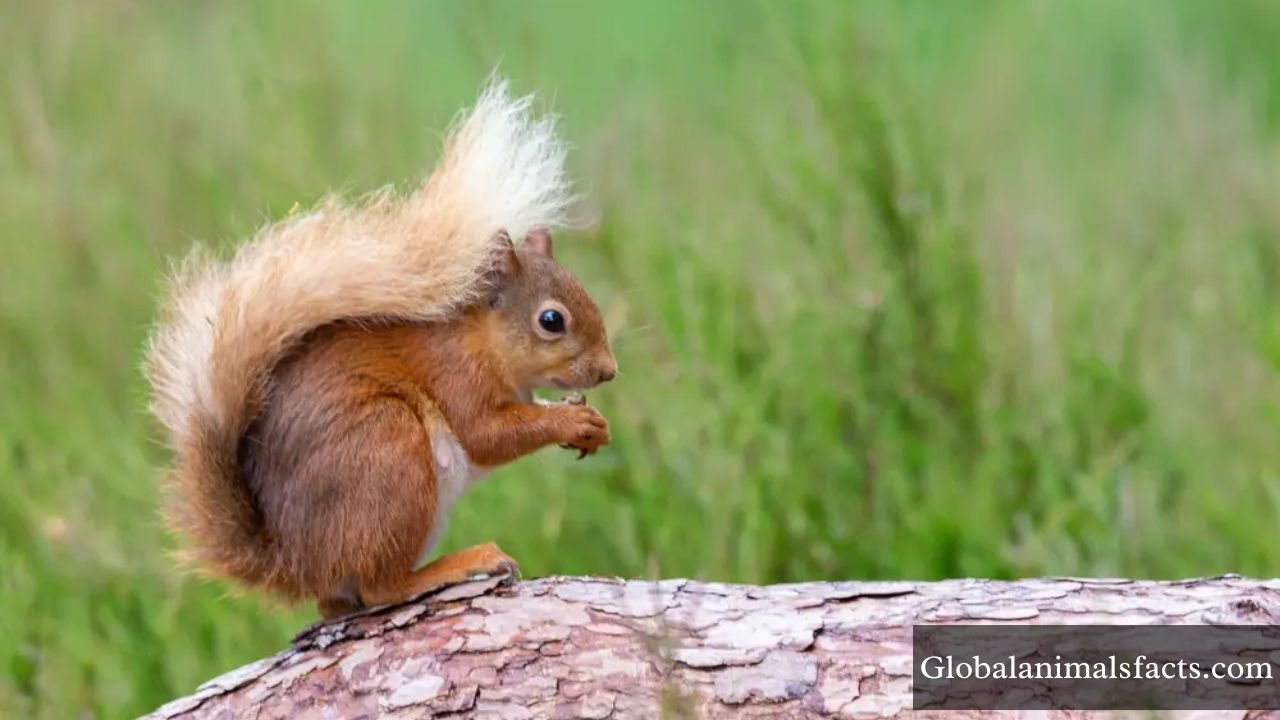
Did you know that there are animals around the world that can easily be mistaken for your backyard squirrel? From agile tree-dwelling creatures to earth-bound relatives, these animals share striking similarities in appearance and behavior. Understanding the diversity of these squirrel-like species not only enhances our appreciation for wildlife but can also help you identify them on your next nature walk. In this article, we’ll explore fascinating Animals That Look Like Squirrels and what makes each of them unique.
List of Animals That Look Like Squirrels
Below is the list of animals that look like squirrels:
- Groundhog
- Nutria
- Sugar Glider
- Anomalure
- Gundi
- Beaver
- Cameroon Scaly-Tail
- Chipmunk
- Chinchilla
- Jerboa
- Dormouse
- Hutia
- Gopher
- Agouti
- Laotian Rock Rat
- Muskrat
- Bushy-Tailed Woodrat
Groundhog
Scientific Name: Marmota monax
Class: Mammalia
Diet: Herbivore
While often mistaken for the furry, acorn-loving squirrel, the groundhog holds its own distinct charm and character. Also known as the woodchuck, this stout rodent boasts a more robust build and a stockier frame, accompanied by a broader face that exudes an aura of curiosity. Groundhogs tend to inch closer to the earth, using their burrowing prowess to create intricate tunnel systems, making them masters of both concealment and excavation. Observing their playful demeanor while foraging can evoke a sense of nostalgia for simpler, outdoor moments.
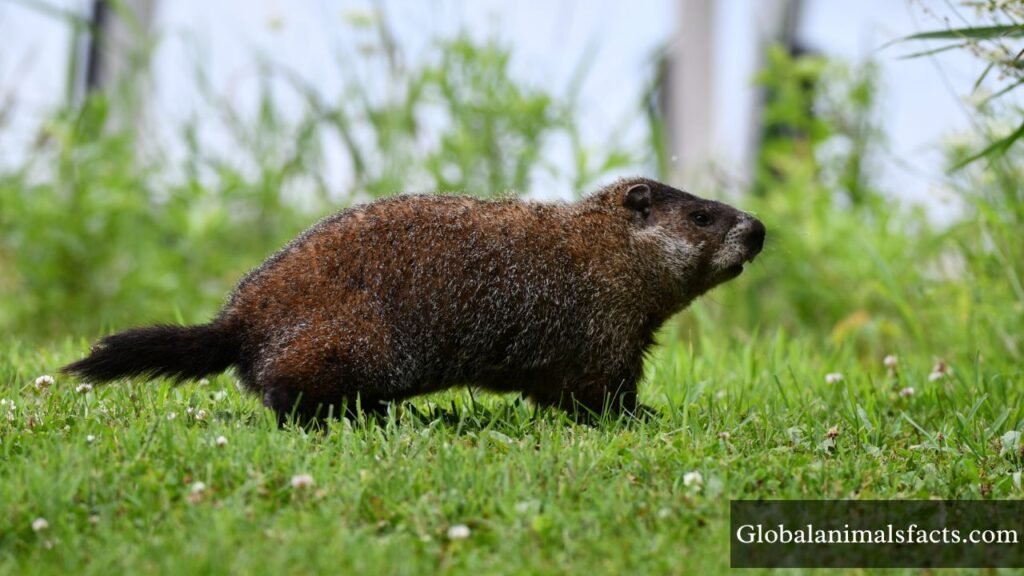
Their hibernation ritual is another fascinating aspect that sets groundhogs apart from their squirrel cousins. As winter approaches, these plump creatures enter a deep slumber, lowering their heart rates and conserving energy until the warmth of spring beckons them back to life. This remarkable seasonal adaptation serves as a testament to their survival instincts, showcasing a contrast to squirrels, who primarily gather and store food. In this way, groundhogs not only act as charming figures in our backyards but also serve as critical players in maintaining the ecological balance, reminding us of the diverse strategies animals employ to thrive in their environments.
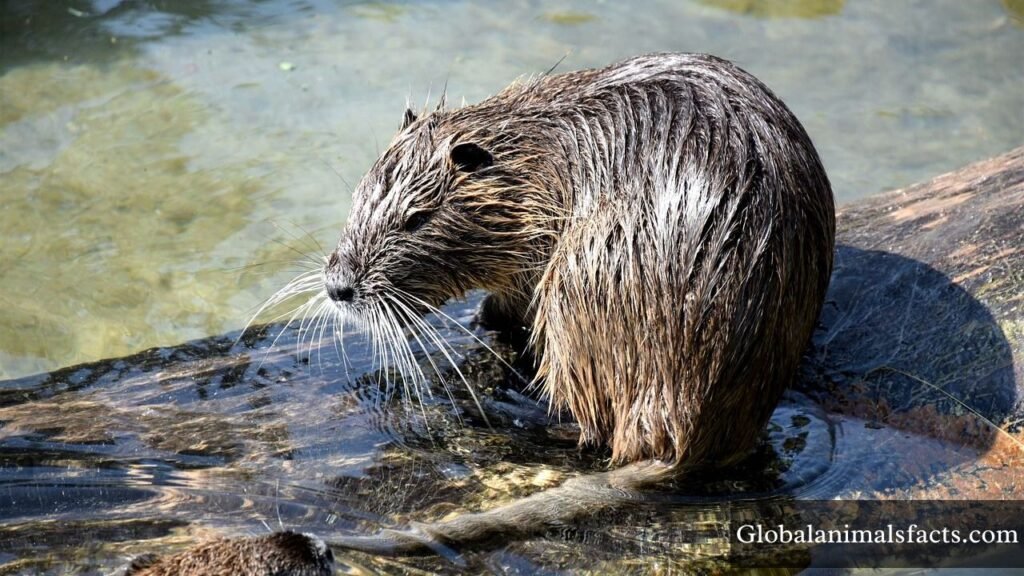
Nutria
Scientific Name: Myocastor coypus
Class: Mammalia
Diet: Herbivore
Nutria, often mistaken for oversized rats or beavers, are fascinating creatures that can resemble squirrels in both appearance and behavior. With their bushy tails and large front teeth, these semi-aquatic rodents present a curious blend of traits that make them stand out in the animal kingdom. Like squirrels, nutrias are incredibly agile, navigating their environment with impressive speed and dexterity, making them delightful to observe in their natural habitat.
What sets nutrias apart from their squirrel-like cousins is their affinity for water. Originating from South America, these mammals thrive in wetlands, using their webbed feet to paddle through rivers and marshes. Their diet, primarily consisting of aquatic vegetation, showcases a unique adaptability that squirrels, primarily terrestrial grazers, do not possess. This adaptability offers a fascinating glimpse into how similar forms can evolve distinct behaviors and habitats, reminding us that nature’s creativity knows no bounds.
Sugar Glider
Scientific Name: Petaurus breviceps
Class: Mammalia
Diet: Omnivore
The sugar glider, a tiny marsupial native to Australia and New Guinea, often draws comparisons to its bushy-tailed cousin, the squirrel. With its large, expressive eyes and delicate frame, this nocturnal creature boasts a unique charm that captivates anyone who encounters it. Unlike squirrels, sugar gliders possess a membrane stretching from their wrists to their ankles, allowing them to glide gracefully between trees in search of fruit, nectar, and insects. This remarkable adaptation not only enhances their foraging capabilities but also adds a whimsical touch to their movements, making them seem like tiny acrobats of the night.
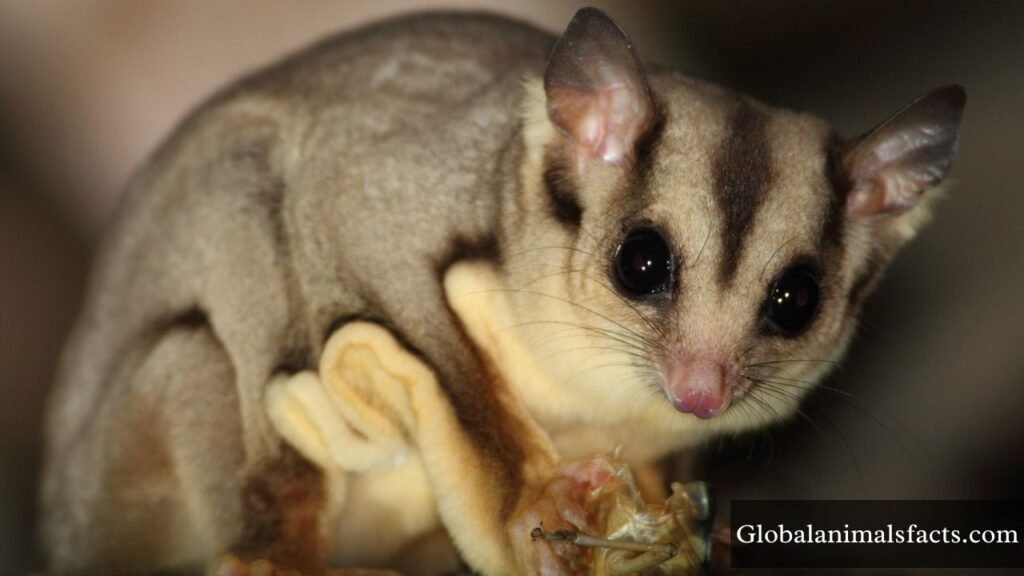
Moreover, the social nature of sugar gliders sets them apart from their more solitary squirrel relatives. They thrive in groups, often communicating through a series of chirps and whistles, creating a lively atmosphere in their habitats. Observing their interactions offers a fascinating glimpse into the complexities of animal behavior and the bonds formed within a colony. The way they curl up together in a cozy ball during rest highlights their need for connection and warmth — a poignant reminder that these creatures, much like us, seek companionship in their daily lives.
Readmore: Explore Top 13 Animals That Look Like Otters.
Anomalure
Scientific Name: Anomalurus
Class: Mammalia
Diet: Herbivore
The anomalure, often dubbed the “scaly-tailed flying squirrel,” presents a fascinating blend of features that blur the lines between the familiar and the exotic. Found primarily in the forests of Central and West Africa, these nocturnal creatures possess a unique adaptation: elongated, rib-like extensions on their tails that resemble a leaf or feather, enabling them to glide gracefully between trees. This adaptation not only aids in mobility but also plays a crucial role in their arboreal lifestyle, helping them evade predators and forage for food.
What sets anomalures apart, besides their gliding skills, is their unusual social structure. Unlike typical squirrels, which are often solitary or live in small family groups, anomalures are more communal, often seen engaging in playful antics with their kind. Their collaborative nature allows for complex social interactions, which can include grooming, play fighting, and vocal communications that echo through the forest at night.
Gundi
Scientific Name: Ctenodactylus gundi
Class: Mammalia
Diet: Herbivore
The gundi, a small rodent native to North Africa, often captures attention with its fluffy appearance and lively demeanor, drawing immediate comparisons to squirrels. With their short limbs and round bodies, these delightful creatures boast a coat that can range from sandy brown to gray. Unlike squirrels, however, Gundis belong to the family Ctenodactylidae, showcasing a unique evolutionary path that sets them apart despite their superficial similarities.
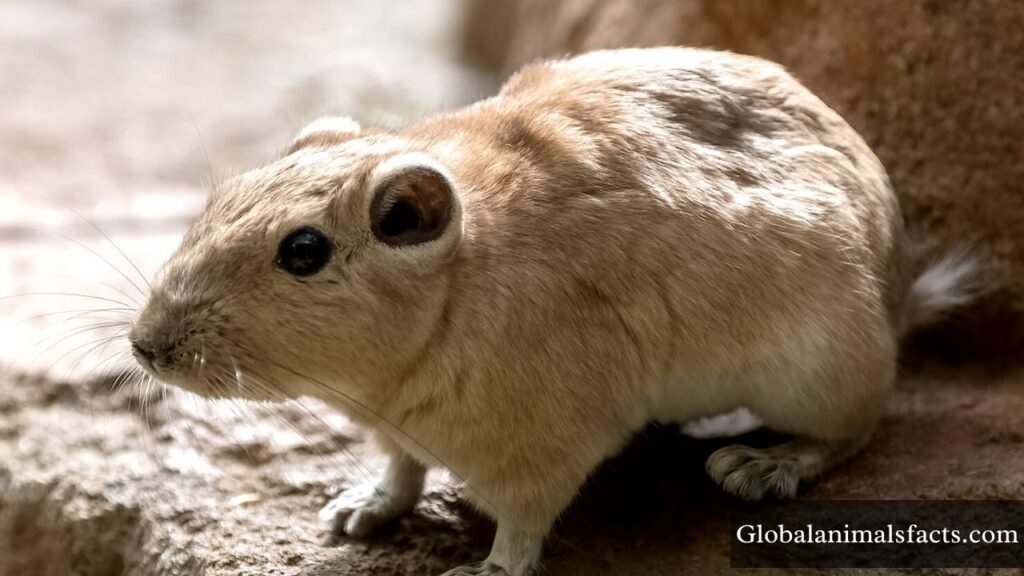
One of the most fascinating aspects of the gundi is its specialized adaptations to rocky environments. Their strong limbs and flexible feet allow them to nimbly navigate steep cliffs and rocky outcrops, where they often dwell in colonies. This incredible agility contrasts sharply with the typical tree-dwelling habits of squirrels. Gundis are expert climbers but prefer not to leap, opting instead for a cautious, deliberate exploration of their rugged terrain, which adds an intriguing layer to their behavior and evolution.
Not just a visual mimicry, the gundi’s diet also resembles that of squirrels; they feast primarily on grasses and herbs. However, their feeding habits reflect a unique adaptation to their arid habitats, showcasing their resilience.
Beaver
Scientific Name: Castor canadensis / Castor fiber
Class: Mammalia
Diet: Herbivore
Beavers, often overshadowed by their more agile squirrel cousins, are fascinating creatures that share several striking features, making them easy to mistake at first glance. With their rounded bodies, bushy tails, and large front teeth, beavers possess an endearing charm that hints at their playful, social nature. Their enigmatic appearance is not just for show; it’s an evolutionary adaptation that has allowed them to become engineering marvels of the animal kingdom, constructing intricate dams and lodges that transform entire ecosystems.
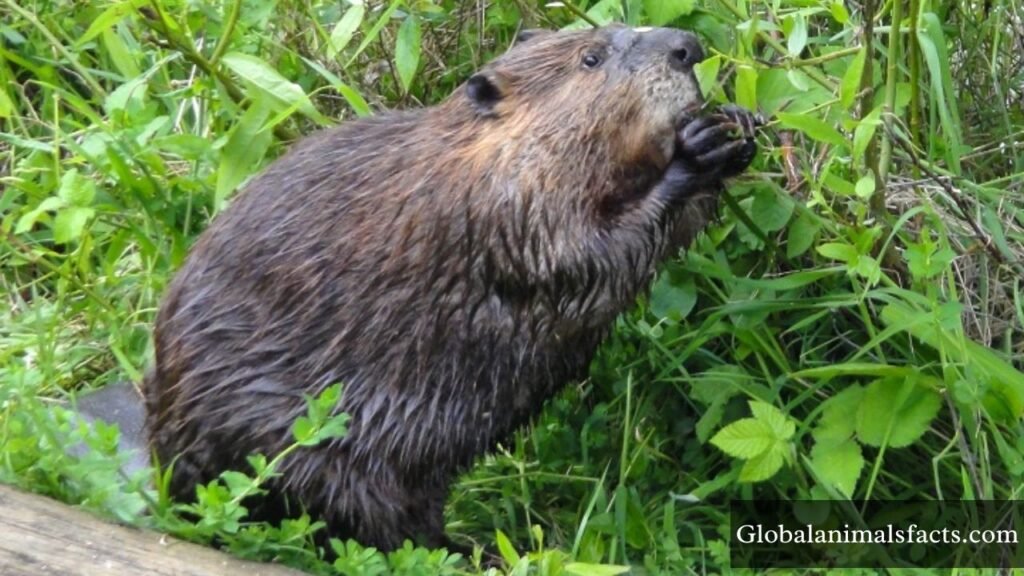
Furthermore, the beaver’s lifestyle adds another layer to their squirrel-like persona. Both animals exhibit behaviors like gnawing on wood, albeit for different reasons — beavers build homes, while squirrels cache food. Observing the two species side by side in their natural habitats can reveal subtle similarities in how they interact with their environment, showcasing the myriad ways life has tailored survival strategies. While squirrels dart through treetops, beavers glide gracefully through the water, reminding us of the incredible diversity in nature’s designs and how even the most distinct animals can share traits that connect them in surprising ways.
You can also read: Explore Top 20 Animals That Have Spots.
Cameroon Scaly-Tail
Scientific Name: Idiurus zenkeri
Class: Mammalia
Diet: Omnivore
The Cameroon Scaly-Tail presents a fascinating twist in the rodent family, resembling a squirrel yet harboring unique characteristics that set it apart. Native to Africa’s dense rainforests, this small mammal sports a striking appearance with overlapping, scale-like fur that gives it a distinct texture and an almost prehistoric look. Its tail, longer than its body, is not only an adaptation for balance as it navigates the arboreal landscape but also serves as a canvas for displays of vibrant coloration.
One of the most intriguing aspects of the Cameroon Scaly-Tail is its diet and behavior, which differ significantly from typical squirrels. Unlike their seed and nut-crunching counterparts, these creatures are primarily insectivorous, showcasing an adaptability that highlights the diversity of rodent feeding habits. Their penchant for climbing and gliding through the canopy reveals a level of agility that rivals that of flying squirrels, making them masters of their arboreal domain. This unique blend of physical traits and behaviors underscores the beauty of evolution, as it crafts an animal that, while reminiscent of squirrels, occupies a distinct niche in its ecosystem.
Chipmunk
Scientific Name: Tamias
Class: Mammalia
Diet: Omnivore
Chipmunks often steal the spotlight from their squirrel relatives, but they bring a distinct charm all their own. With their petite size and striped fur patterns, these little creatures not only resemble squirrels but also carry an air of playful mischief. Their quick movements and cheeky behavior, particularly when they’re foraging for food, create an endearing spectacle that captivates anyone fortunate enough to observe them.
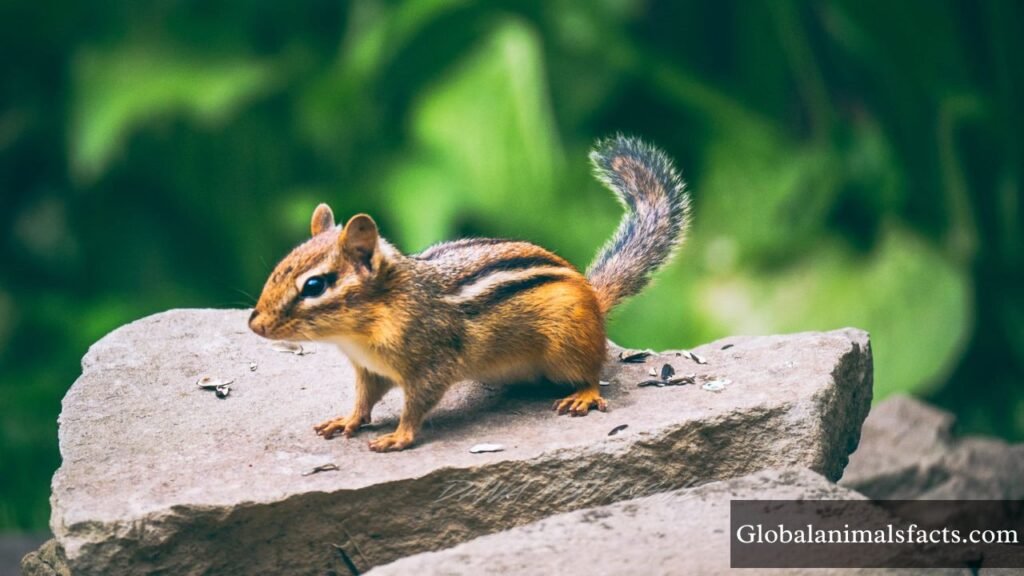
Beyond their physical similarities, chipmunks have fascinating social behaviors that set them apart. They communicate through a series of chirps and trills, employing a complex repertoire to relay messages about food or potential threats. Their remarkable ability to store food in cheek pouches showcases a level of resourcefulness that is both admirable and essential for survival during harsher seasons. This blend of cuteness and practicality not only makes chipmunks a joy to watch but also highlights the unique adaptations that each species has evolved within the vibrant tapestry of the natural world.
Chinchilla
Scientific Name: Chinchilla lanigera
Class: Mammalia
Diet: Herbivore
Chinchillas may not be the first animals that come to mind when we think of squirrels, but their resemblance is striking. With their fluffy bodies, large eyes, and twitching noses, chinchillas share a certain whimsical charm that draws parallels with these bushy-tailed critters. Native to the Andes mountains, chinchillas are well-adapted to their rocky habitats, much like how squirrels have evolved to thrive in various environments, be it urban parks or dense woodlands. Their unique fur, which is the softest of any land mammal, not only serves as a protective barrier against harsh weather but also offers a delightful tactile experience that’s hard to resist.
Beyond their similarities in appearance, chinchillas possess an engaging personality that rivals that of any squirrel. They are naturally curious and social creatures, often engaging in playful antics that can entertain for hours. Much like squirrels, they exhibit a wide range of vocalizations from chirps to barks, showcasing their communicative nature. However, it’s their grooming habits — rolling in dust to keep their plush coats clean — that set them apart, creating a fascinating ritual that draws comparisons to squirrels’ meticulous nest-building behaviors. Observing chinchillas in their playful, social interactions reveals an undeniable connection to the spirited energy we often associate with squirrels, making them a captivating species deserving of recognition.
Also read: Explore Top 22 Mischievous Animals.
Jerboa
Class: Mammalia
Diet: Omnivore
The jerboa, a small rodent found in the deserts of Asia and northern Africa, boasts an astonishing resemblance to a squirrel, yet it embodies a unique evolutionary journey. With its long hind legs, the jerboa has adapted to its arid surroundings by developing an impressive ability to leap great distances — up to 10 feet in a single bound. This locomotive style not only enhances its ability to escape predators but also allows it to navigate the shifting sands of its habitat with grace and agility.
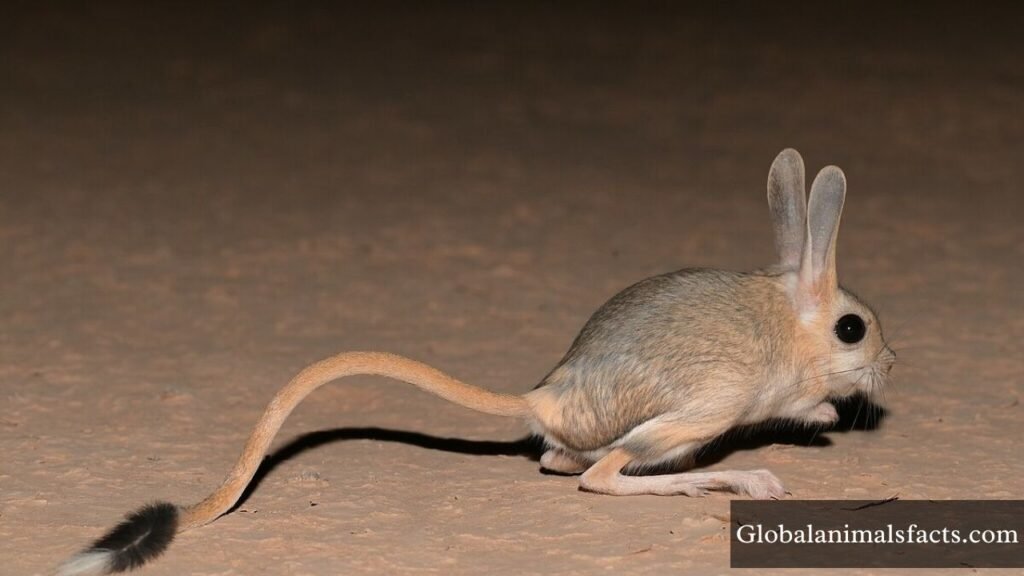
Though both the jerboa and the squirrel exhibit bushy tails and small, rounded ears, the jerboa’s nocturnal lifestyle sets it apart. Active during the cooler night hours, it uses its keen sense of hearing to locate food and evade dangers, indulging in a diet primarily composed of seeds and plant material. This tailored diet and behavior highlight the jerboa’s remarkable adaptations, allowing it to thrive in an environment where few can survive.
Dormouse
Scientific Name: Gliridae
Class: Mammalia
Diet: Omnivore
The dormouse, often overshadowed by its more flamboyant rodent relatives, offers a delightful slice of charm that parallels the lively squirrel. These nocturnal creatures, primarily found in Europe, possess large, expressive eyes and fluffy tails that resemble the playful aesthetics of squirrels. Yet, dormice are adept at blending into their surroundings, utilizing their furry coats to navigate the lush, dense canopies they call home. Unlike the ever-busy squirrels, dormice bring an air of gentle tranquility to their habitats, frequently curling up in nests and hibernating for months at a time.
One of the dormouse’s most fascinating traits is its impressive adaptability. While squirrels are often seen leaping between branches in acrobatic displays, dormice are skilled climbers with a strategy all their own: they employ their soft pads to stealthily scale trees in search of food. This unique behavior emphasizes not only their resemblance but also their divergent survival strategies within the realm of small mammals.
Hutia
Scientific Name: Capromyinae
Class: Mammalia
Diet: Herbivore
The hutia, a unique rodent native to the Caribbean, often gets mistaken for an oversized squirrel due to its similar size and bushy tail. These intriguing creatures, primarily found on the islands of Cuba and the Bahamas, boast a rich brown fur that serves as excellent camouflage among the dense foliage of their tropical habitat. Unlike their agile squirrel cousins, hutias are more terrestrial and tend to prefer a slower-paced lifestyle, often foraging on the ground for fruits, leaves, and roots.
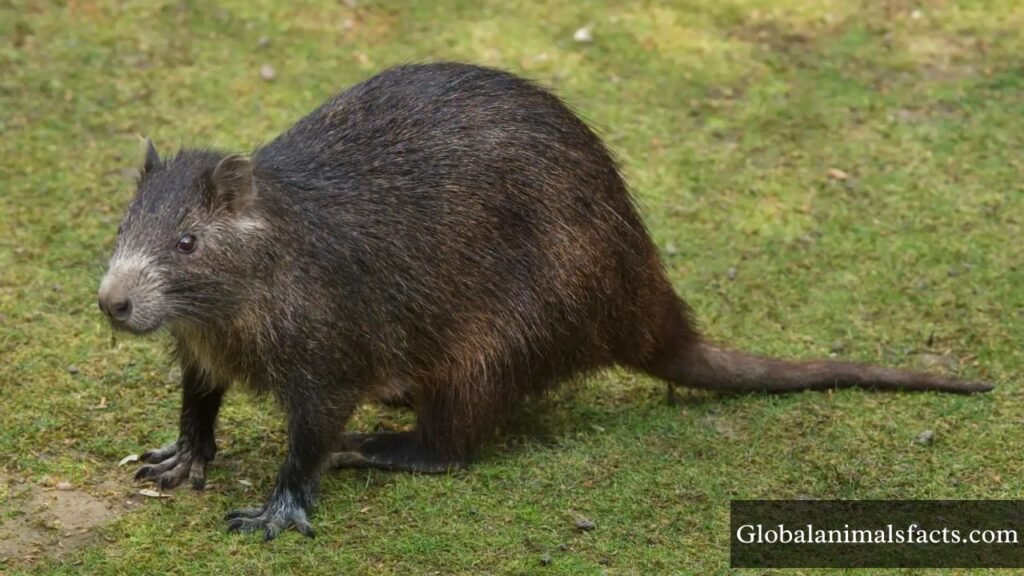
What truly sets the hutia apart is its fascinating social behavior; while some species are solitary, others thrive in family groups. Their ability to communicate using a range of vocalizations adds an element of richness to their interactions, showcasing the complexity often overlooked in these seemingly simple rodents. Moreover, hutias play a vital ecological role, acting as seed dispersers in their ecosystem and helping to maintain the balance of plant life.
Readmore: Explore Top 18 Animals That Can See in The Dark.
Gopher
Scientific Name: Geomyidae
Class: Mammalia
Diet: Herbivore
The gopher, with its compact body and bushy tail, often gets mistaken for a squat squirrel. However, these charming rodents bring a unique charm of their own. Gophers are primarily burrowing animals, exhibiting behaviors that differ significantly from their tree-climbing cousins. Their powerful claws and front teeth are perfectly adapted for digging elaborate tunnel systems, giving them a distinct lifestyle that revolves around underground foraging.
One fascinating aspect of gophers is their social structure. Unlike many squirrel species that thrive in communal settings, gophers are generally solitary creatures, fiercely defending their territory from intruders. This interesting behavior often leads to the formation of elaborate networks of tunnels that serve not only as homes but also as stages for their complex interactions with the environment.
Agouti
Scientific Name: Dasyprocta
Class: Mammalia
Diet: Herbivore
The agouti, often mistaken for a rodent, shares a striking resemblance to the familiar squirrel yet stands as a unique creature in its own right. Found primarily in Central and South America, these small mammals boast sleek bodies and long legs, reminiscent of agile squirrels darting through treetops. What sets the agouti apart, however, is its remarkable adaptability; it thrives in a variety of habitats, from dense rainforests to scrublands, showcasing nature’s incredible diversity.
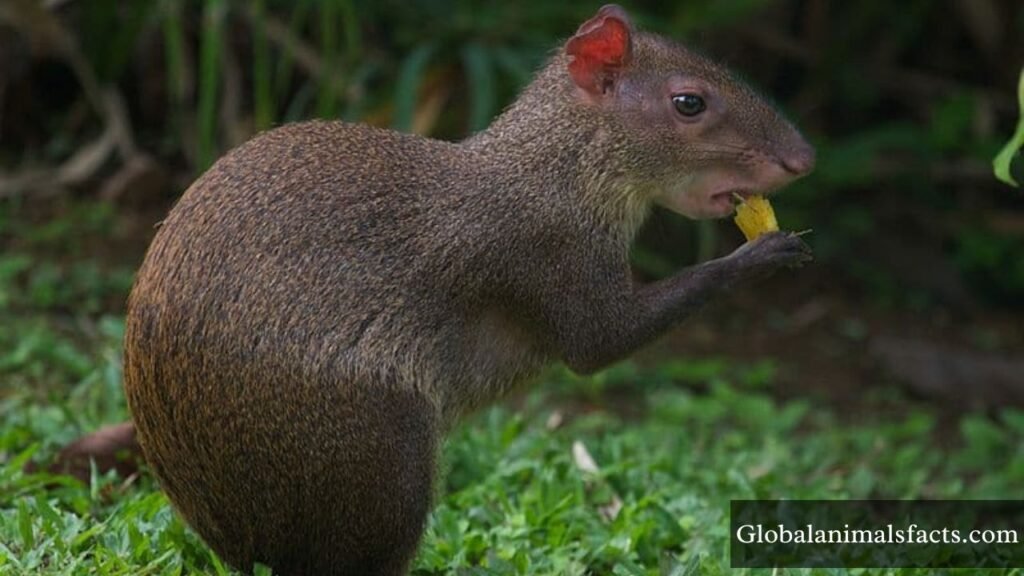
Beyond their appearance, agoutis play a crucial ecological role, acting as seed dispersers for many tropical trees. As they forage for fruits and seeds on the forest floor, they inadvertently contribute to forest regeneration, which underscores the interconnectedness of ecosystems.
You can also read: Explore Top 22 Most Curious Animals.
Laotian Rock Rat
Scientific Name: Laonastes aenigmamus
Class: Mammalia
Diet: Herbivore
The Laotian rock rat, often overshadowed by its more familiar rodent relatives, is a fascinating creature that challenges our perceptions of what it means to resemble a squirrel. This rare mammal, native to the limestone mountains of Laos, possesses a striking blend of features that evoke both curiosity and admiration. With its long, bushy tail and nimble limbs, the Laotian rock rat exhibits a squirrel-like agility, darting deftly among the rocky crevices of its mountainous habitat.
What sets the Laotian rock rat apart, however, is its unique evolutionary history. Initially believed to be extinct for over 11 million years, its rediscovery in 2005 shocked scientists and ignited interest in its survival strategies. Unlike the typical acorn-gathering squirrel, this rat thrives on a diet of leaves and fruit found in its limestone environment, showcasing a fascinating adaptation to its niche.
Muskrat
Scientific Name: Ondatra zibethicus
Class: Mammalia
Diet: Mostly herbivore
The muskrat, often overshadowed by its more charismatic cousins, presents an intriguing case of nature’s mimicry. With its stocky body, long tail, and beady eyes, at first glance, one might hastily compare it to a squirrel. However, upon closer inspection, muskrats offer a unique charm of their own, blending the playful essence of rodents with the aquatic agility of beavers. Their fur, dense and sleek, is adapted for a life spent diving beneath the water’s surface, a stark contrast to the bushy tails of tree-dwelling squirrels.
What makes muskrats particularly fascinating is their social behavior. Unlike the often solitary squirrel, muskrats tend to live in small family groups, building complex lodge structures along riverbanks and marshes. This construction savviness not only showcases their engineering prowess but also highlights their adaptability to various environments. As they delve into lakes and wetlands, muskrats play a vital role in their ecosystems, maintaining water quality and providing food for a variety of predators, further emphasizing the intertwined web of life that sustains habitats. Their dual existence, both terrestrial and aquatic, invites a deeper appreciation for the diversity of survival strategies present in the animal kingdom.
Bushy-Tailed Woodrat
Scientific Name: Neotoma cinerea
Class: Mammalia
Diet: Herbivore
The Bushy-Tailed Woodrat, often overshadowed by its more famous cousins, boasts a stunning resemblance to the common squirrel. With its bushy tail and large, inquisitive eyes, this creature embodies a captivating blend of charm and utility. Unlike the agile tree-dweller, the woodrat prefers a more terrestrial lifestyle, weaving intricate nests from twigs, leaves, and even human detritus. This behavior offers a fascinating glimpse into how adaptability plays a crucial role in wildlife, demonstrating how the woodrat harnesses its environment to thrive.
What sets the Bushy-Tailed Woodrat apart isn’t just its appearance; it’s also its resourcefulness. These rodents exhibit an intriguing behavior known as “caching,” where they collect and hide food for later use, reminding us of the squirrels they resemble. This instinctual trait serves as a survival strategy, allowing them to weather harsher conditions and showcase an important ecological role as seed dispersers in their habitats.
Readmore: Explore Top 12 Animals That Eat Squirrels.
Final Thoughts
Animals that look like squirrels remind us that nature is full of surprises and astonishing forms. Species like the adorable sugar glider or the endearing dormouse not only amuse us with their likeness but also play crucial roles in their ecosystems. Their similarities to squirrels bring to light the intricate relationships that exist among different animals and how they adapt to their surroundings. By exploring these connections, we gain a deeper understanding of the interplay between different species. Let’s celebrate the myriad forms of life around us and advocate for the conservation of their habitats!
FAQs
What animals that look like squirrels but aren’t?
There are several animals that resemble squirrels but aren’t part of the rodent family. One example is the flying phalanger, also known as the sugar glider. These small, gliding marsupials have a similar size and shape to squirrels, with large eyes and a playful demeanor, but they’re native to Australia and New Guinea. Another example is the Eastern chipmunk. While technically a rodent, it looks different from typical squirrels due to its striped back and smaller size. Chipmunks are often mistaken for baby squirrels, especially when seen darting around on the ground, but they have distinct behaviors and habitats.
What animal looks like a squirrel but bigger?
The animal that looks like a bigger version of a squirrel is likely a marmot. These large, ground-dwelling rodents have a similar body shape but can weigh up to 30 pounds and measure about two feet long. They often have bushy tails and thick fur, making them resemble oversized squirrels.
What animal is closely related to squirrels?
One of the most notable relatives is the chipmunk. Chipmunks share many traits with squirrels, such as size and body structure, but are smaller and often have distinctive stripes on their backs.