Top 15 Hard Working Animals in The World (With Images)
In a fast-paced world dominated by technology, it’s easy to forget the vital contributions of our animal companions. The hard working animals in the world often go unnoticed, yet they are pivotal to agriculture, transportation, and even our emotional well-being. This article delves into the incredible stories and abilities of these tireless workers, providing insight into how their efforts impact our lives. By the end, you’ll understand why these animals deserve our respect and recognition.
List of Hard Working Animals in The World
Below is the list of most hard working animals:
| Number of Animals | Animals That are Hard Working |
| 1 | Honey Bees |
| 2 | Ants |
| 3 | Beavers |
| 4 | African Elephant |
| 5 | Bowerbirds |
| 6 | Ox |
| 7 | Earthworms |
| 8 | Termite |
| 9 | Dog |
| 10 | Female Lions |
| 11 | Emperor Penguins |
| 12 | Horse |
| 13 | Camel |
| 14 | African Wild Dogs |
| 15 | Cleaner Wrasse |
Honey Bees
Scientific Name: Apis mellifera
Class: Insecta
Diet: Nectar and pollen
Honey bees are marvels of organization and teamwork, embodying industriousness in their intricate colonies. Each bee plays a specific role, from foragers who venture out into the world, collecting nectar and pollen, to the nurse bees that care for the queen’s brood. Remarkably, a single forager can visit up to 1,500 flowers in one day, showcasing not only their tireless effort but also their crucial role in pollination. This natural service is vital, as it boosts biodiversity and supports agricultural systems that sustain human life.
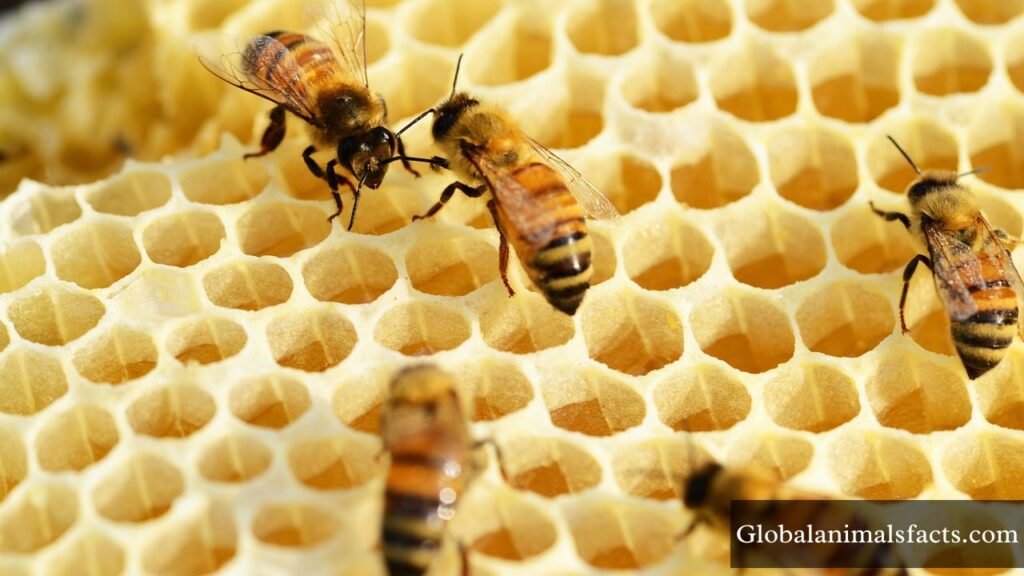
Beyond their laborious search for food, honey bees communicate through a fascinating “waggle dance,” a unique method of sharing information about the best foraging spots. This dance illustrates a level of social complexity and intelligence that often goes unnoticed. Moreover, their contributions extend beyond honey production; by fostering healthy ecosystems, they enable the flourishing of fruits, vegetables, and nuts. The decline of bee populations serves as a stark reminder of the delicate balance of our environment, urging us to appreciate and protect these invaluable creatures for their indispensable work.
Ants
Scientific Name: Formicidae
Class: Insecta
Diet: Omnivorous
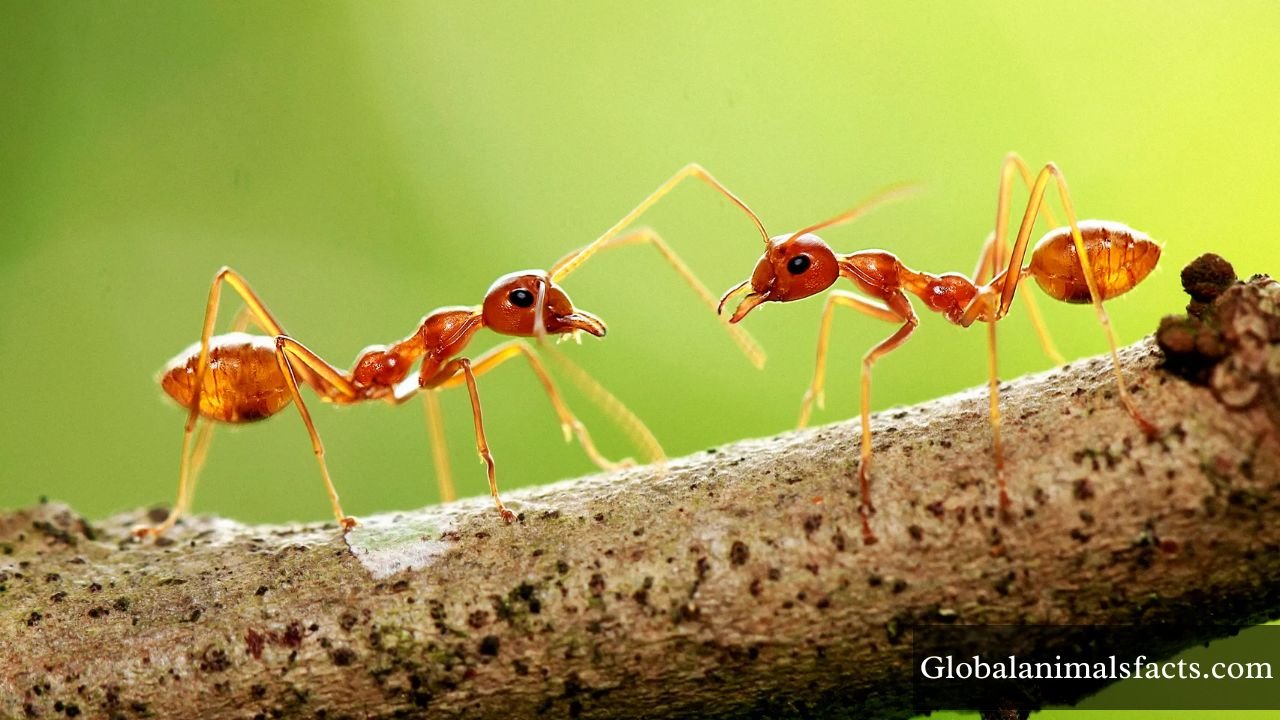
Ants epitomize teamwork and industriousness in the animal kingdom. A single ant may seem insignificant, but when united, a colony becomes a powerhouse of labor, capable of constructing elaborate underground cities and transporting food far exceeding their own body weight. Their ability to divide tasks among specialized workers — such as foragers, nurses, and soldiers — exhibits a fascinating social structure that parallels human civilization in complexities and efficiencies.
Beyond their remarkable work ethic, ants play critical roles in ecosystems. They aerate the soil through their tunneling, promoting plant growth, and they aid in seed dispersal, contributing to biodiversity. Moreover, some species engage in symbiotic relationships with fungi or aphids, showcasing an intricate web of life where cooperation drives survival.
Beavers
Scientific Name: Castor canadensis
Class: Mammalia
Diet: Herbivore
Beavers are nature’s consummate engineers, transforming entire landscapes with their relentless work ethic. These industrious creatures are often celebrated for their dam-building abilities, which not only create serene ponds but also enhance biodiversity by providing critical habitats for numerous species. A single beaver can fell trees and assemble logs with remarkable precision, showcasing an innate understanding of construction that rivals human innovation. This complex behavior isn’t just instinctual; it’s a learned skill passed down through generations, demonstrating a unique form of cultural transmission among these semi-aquatic animals.
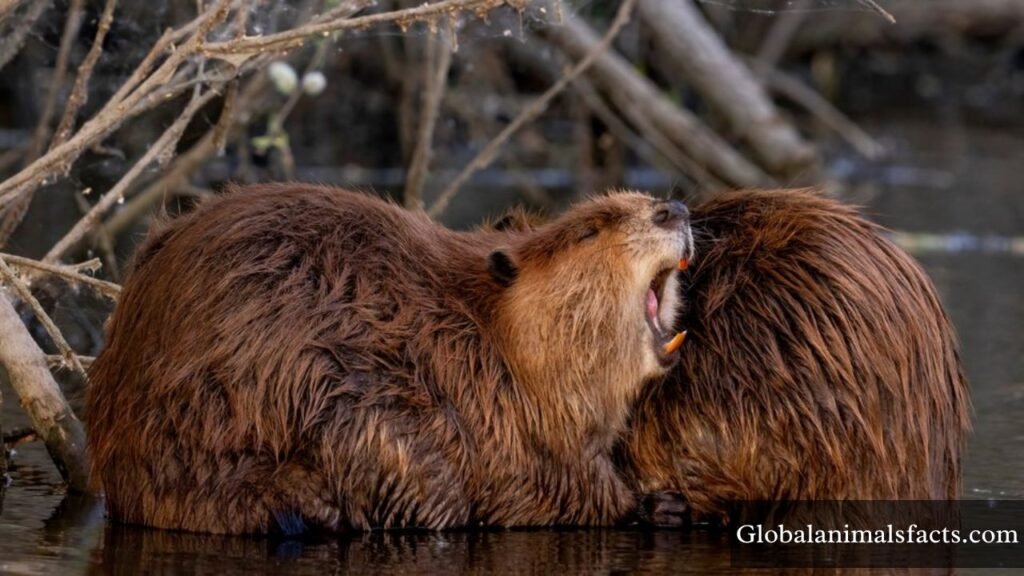
Interestingly, the impact of beavers extends well beyond their immediate environment. By regulating water flow and replenishing underground aquifers, they play a significant role in combating climate change. Their activities can mitigate flooding and promote healthier ecosystems, making them unsung heroes in the fight for environmental sustainability. As they shape their surroundings, beavers embody the profound interconnectedness of all life, reminding us that even the smallest creatures can have monumental effects on the planet’s health.
Readmore: Explore Top 16 Animals With Pouches.
African Elephant
Scientific Name: Loxodonta africana
Class: Mammalia
Diet: Herbivore
The African elephant, often revered for its sheer size and intelligence, plays an essential role in maintaining the ecosystem of its habitat. As natural engineers, these gentle giants uproot trees and create clearings, which promote a diverse range of plant life and provide new homes for various species. This behavior, often overlooked, illustrates their impact beyond mere foraging; they actively shape their environment, fostering biodiversity in ways that extend far beyond their immediate needs.
Moreover, their complex social structures showcase their astounding emotional depth and cooperation. Herds led by matriarchs demonstrate profound knowledge of their surroundings, guiding younger elephants to water sources and safe foraging grounds. This nurturing behavior not only strengthens familial bonds but also ensures the survival of the group, highlighting the critical role these animals play in their social ecosystems. Ultimately, the African elephant exemplifies hard work through both physical labor and community-oriented efforts in navigating the challenges of the wild.
Bowerbirds
Scientific Name: Ptilonorhynchidae
Class: Aves
Diet: Omnivorous
Bowerbirds, often hailed as nature’s architects, exhibit an extraordinary blend of creativity and industriousness. Found primarily in Australia and New Guinea, these birds create elaborate structures known as bowers to attract mates. What’s fascinating is that it’s not just about the construction; the bower serves as a canvas for their artistic expression. Males meticulously arrange various objects — colorful flowers, shiny beetle shells, and even bits of plastic — carefully selected to appeal to female mates. Each bower is unique, reflecting the individual bird’s personality and preferences.
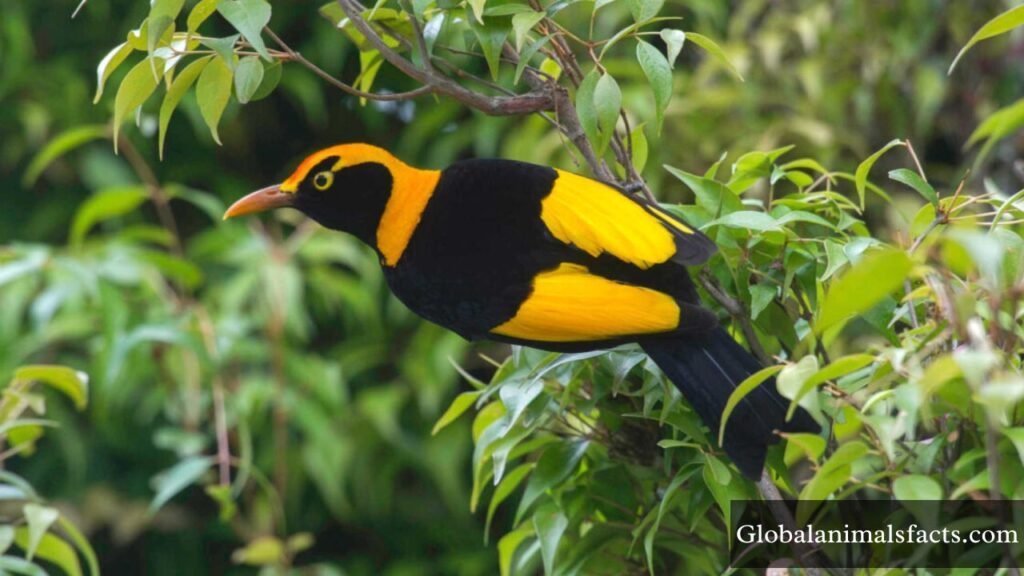
But the impressive dedication of bowerbirds goes beyond mere aesthetics. Their choice of materials and layout can significantly impact their mating success, leading to a fierce competition among males. This urge to innovate has resulted in some of the most intricate displays in the avian world, blurring the line between instinct and artistry. Moreover, recent studies suggest that bowerbirds can learn from each other, adapting their building techniques over generations, which places them among the few non-human creatures to demonstrate cultural transmission. In the enigmatic world of bowerbirds, hard work and creativity converge, creating a narrative that celebrates the intricate interplay between instinct and innovation.
You can also read: Explore Top 12 Animals With Big Feet.
Ox
Scientific Name: Bos taurus
Class: Mammalia
Diet: Herbivore
Oxen are more than just beasts of burden; they embody resilience and unwavering dedication to human endeavors. These impressive animals have been pivotal in agriculture for thousands of years, not only facilitating plowing and transportation but also nurturing a deeper connection between humans and the land. Their strength and stamina come from their unique physiology, allowing them to work long hours in the fields, often in challenging conditions.
Beyond their physical capabilities, oxen offer fascinating insights into the principles of teamwork and cooperation. Typically paired in yokes, they learn to communicate and adjust their efforts to one another, showcasing a remarkable ability to harmonize their movements.
Earthworms
Scientific Name: Lumbricus terrestris
Class: Clitellata
Diet: Detritivore
Earthworms, often overlooked in the grand tapestry of nature, are champions of soil health and ecosystem balance. By tunneling through the earth, they aerate the soil, allowing air and water to penetrate deeper, which in turn promotes robust plant growth. Their digestive process is remarkable: as they consume organic matter like dead leaves and decomposing plants, they break it down into nutrient-rich castings that enrich the soil. This natural recycling is vital, supporting not just plants but entire food webs.
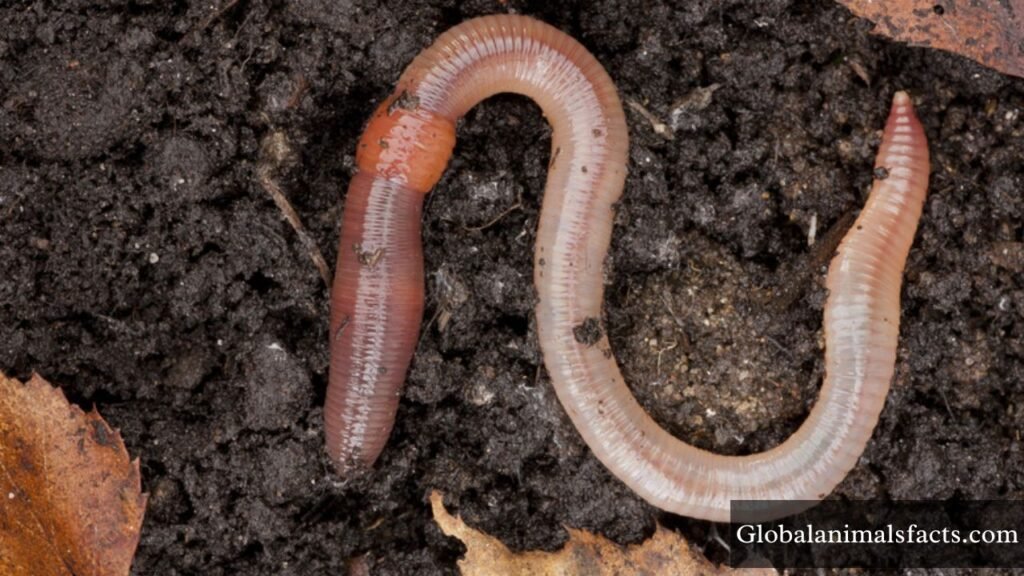
Interestingly, earthworms communicate through chemical signals, facilitating a social structure that enhances their survival and enables them to thrive in diverse environments. Their presence is an indicator of a healthy ecosystem; a high population of these wriggly workers often reflects rich organic life and low pollution levels. By digging deeper into the world of earthworms, we can appreciate their intricate role not only in agriculture but also in combating climate change, as they help sequester carbon in the soil. Their humble, tireless labor reminds us that the most effective agents of change can often be the smallest ones.
Also read: Explore Top 14 Animals With Big Ears.
Termite
Scientific Name: Isoptera
Class: Insecta
Diet: Herbivore/Detritivore
Termites, often overlooked and dismissed as mere pests, are remarkable architects and engineers of the natural world. These tiny creatures play a vital role in their ecosystems by breaking down cellulose from wood and plant material, recycling nutrients back into the soil. Their intricate tunneling systems and mounds not only aerate the earth but also create habitats for various other species, fostering biodiversity.
The social structure of a termite colony is equally fascinating. With a division of labor that rivals modern workplaces, different castes, including workers, soldiers, and reproductive members, contribute to the colony’s success. The collective intelligence of termites is further highlighted by their ability to communicate through pheromones, enabling them to coordinate complex tasks, from building and repairing their nests to foraging for food. This cooperative behavior exemplifies how hard work, even on a microscopic scale, can have monumental outcomes for entire ecosystems, reminding us of the invisible yet vital contributions of these industrious insects.
Dog
Scientific Name: Canis lupus familiaris
Class: Mammalia
Diet: Omnivorous
Dogs have an impressive history as hard-working companions, functioning in roles that extend far beyond the household pet. From herding livestock to serving as search-and-rescue partners, these animals embody a unique blend of intelligence and loyalty. The bond formed through shared labor not only strengthens their relationship with humans but also highlights their adaptability across various environments.
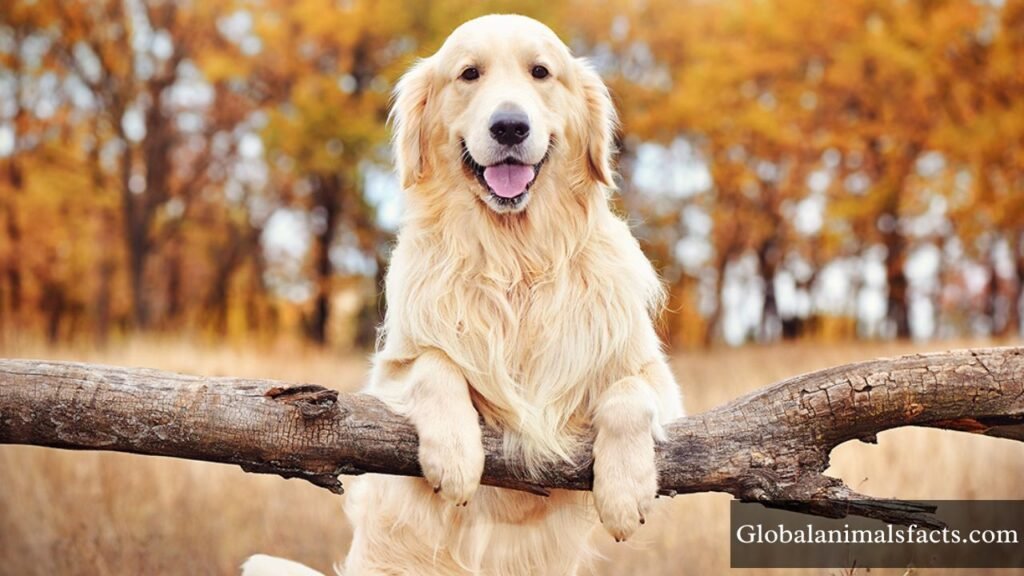
Consider the extraordinary skill set of service dogs, trained to assist individuals with disabilities. They don’t just fetch items or provide emotional support; they enhance independence and promote social interaction. The training process is rigorous, demanding mental acuity and patience, which showcases a dog’s innate desire to please and help. This dedication to service transcends the norm, creating a profound understanding between humans and their four-legged partners.
Moreover, working dogs in fields like security and detection utilize their unparalleled sense of smell to keep us safe. Their olfactory abilities surpass those of humans by as much as 100,000 times. As vital players in public safety, these canines engage in high-stakes situations, reminding us that hard work often comes with immense responsibility. Each wag of their tail reflects a commitment to duty, making every day a testament to their hardworking nature.
Readmore: Explore Top 23 Animals That Gallop.
Female Lions
Scientific Name: Panthera leo
Class: Mammalia
Diet: Carnivore
In the heart of the African savanna, female lions embody the essence of teamwork and resilience. Unlike their male counterparts, who often bask in the sun, lionesses are the primary hunters of the pride, showcasing remarkable prowess and strategy. Their hunting techniques are a masterclass in cooperation — often forming intricate formations to outsmart their prey. Each lioness plays a crucial role, from the stealthy stalkers to the swift chasers, ensuring that the pride thrives.
But their responsibilities extend beyond hunting. Lionesses are also the backbone of social structure, nurturing the young and maintaining cohesion within the group. They display a level of maternal care that highlights their emotional intelligence, often protecting not just their own cubs but also the young of fellow pride members. This multifaceted role transforms lionesses into the unsung architects of their ecosystem, illustrating that hard work and dedication manifest in diverse and impactful ways. Through their fierce loyalty and unwavering commitment, female lions remind us that strength often lies in unity and shared purpose.
Emperor Penguins
Scientific Name: Aptenodytes forsteri
Class: Aves
Diet: Carnivore
Emperor penguins epitomize resilience and teamwork in the harshest conditions on Earth. As the only penguin species that breeds during the brutal Antarctic winter, they demonstrate a remarkable commitment to their young. Males endure the biting cold for weeks, balancing a single egg on their feet to keep it warm, while females brave the icy landscape to forage for food. This shared burden not only signifies the depth of their parental care but also highlights an extraordinary adaptation to survive in extreme temperatures that can plummet below -60 degrees Celsius.
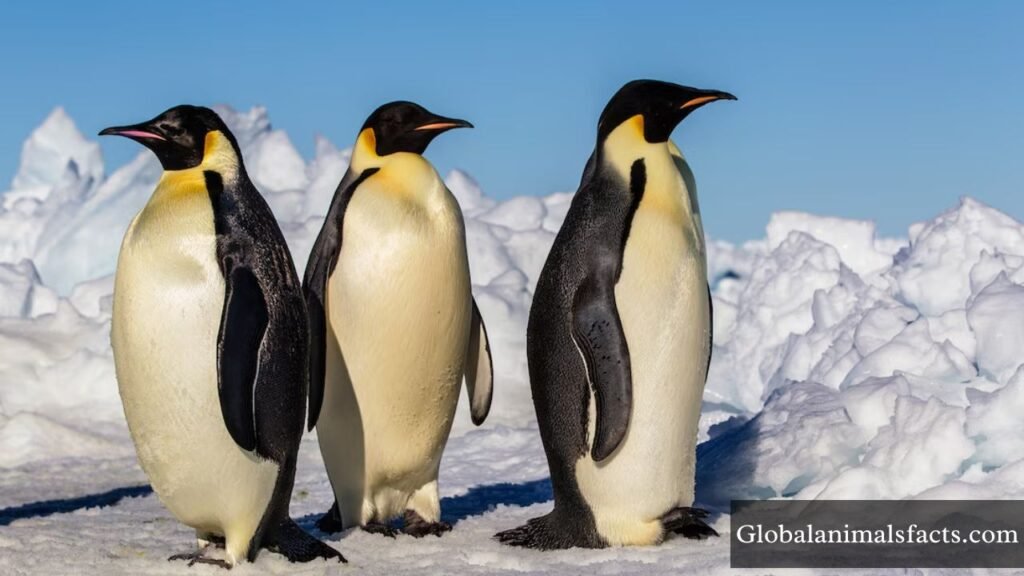
Their cooperative breeding strategies extend beyond just survival; they form tight-knit colonies that create shared warmth in the frigid environment. By huddling closely, emperor penguins conserve energy and shield one another from the relentless winds. This communal effort fosters a profound sense of community, showcasing the intricate social behaviors that constitute their everyday life. Such an admirable display of unity and hard work serves as a powerful reminder of nature’s interconnectedness, underscoring how survival often hinges on collaboration rather than individual strength alone.
You can also read: Explore Top 15 Animals That Walk Slowly.
Horse
Scientific Name: Equus ferus caballus
Class: Mammalia
Diet: Herbivore
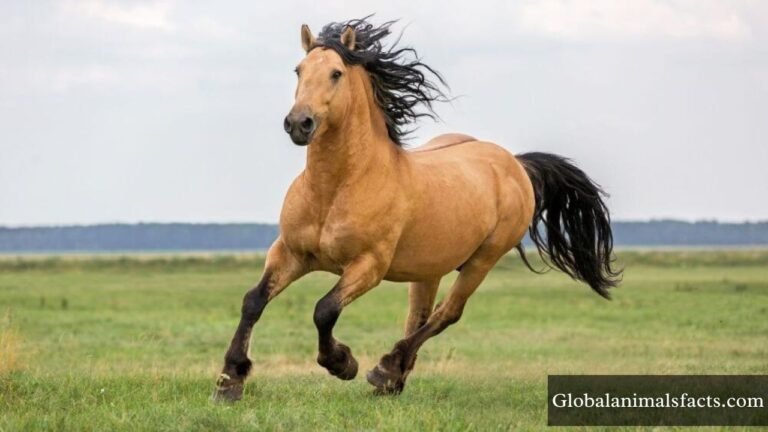
Horses are remarkable companions in the world of hard work, embodying strength and grace. These majestic animals have long been humanity’s allies, transforming labor-intensive tasks into feats of efficiency. From plowing fields to transporting goods, a horse’s power not only drives the economy but also fosters a deep bond with its handler.
What’s often overlooked is the emotional intelligence these creatures exhibit. Horses respond to human cues and emotions, their sensitivity allowing for a symbiotic relationship that enhances productivity. This connection is not just about physical labor; it’s a partnership built on trust and understanding.
Camel
Scientific Name for 1-hump: Camelus dromedarius
Scientific Name for 2-hump: Camelus bactrianus
Class: Mammalia
Diet: Herbivore
Camels, often called the “ships of the desert,” are remarkable creatures that have adapted to some of the harshest environments on Earth. Beyond their iconic humps, which store not water but fat as an energy reserve, these animals are incredibly efficient in regulating their body temperature, allowing them to thrive in extreme heat. A camel can lose up to 25% of its body weight through sweat without adverse effects, showcasing an extraordinary evolutionary prowess that few other animals possess.
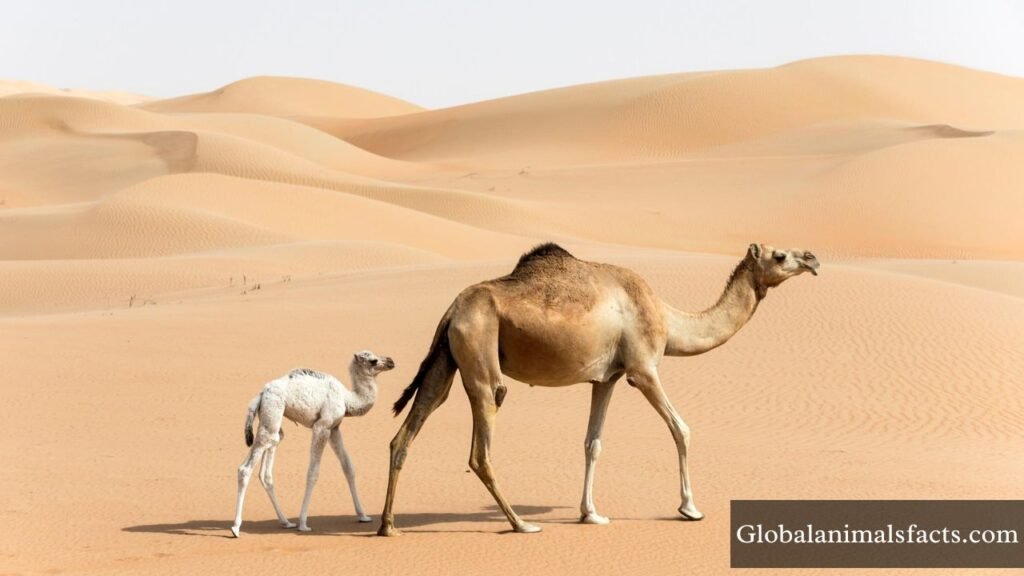
Beyond their physical adaptations, camels exhibit a strong work ethic and resilience. Traditionally, they have been invaluable to communities in arid regions, serving as transporters of goods across vast stretches of unforgiving landscapes. Their ability to carry heavy loads over long distances without needing frequent rest is impressive, but it is their social nature that truly captivates. Camels form strong bonds with their handlers, often demonstrating loyalty and intelligence that make them exceptional companions in the harshest of conditions.
Also read: Explore Top 22 Sneaky Animals in The World.
African Wild Dogs
Scientific Name: Lycaon pictus
Class: Mammalia
Diet: Carnivore
African wild dogs, also known as painted wolves, are among the most efficient hunters in the animal kingdom. Their remarkable cooperative hunting techniques allow them to take down prey considerably larger than themselves, showcasing not only strength but also strategic intelligence. Unlike many solitary hunters, these dogs rely on a sophisticated social structure that enables them to coordinate attacks with remarkable precision. Pack members communicate through a series of vocalizations and body language, ensuring everyone is in sync during a chase.
What truly sets African wild dogs apart is their exceptional endurance. While other predators may rely on speed for short bursts, wild dogs can maintain a steady pursuit over vast distances, often exhausting their prey before for the final strike. Their strong pack bonds also contribute to their success; they engage in mutual grooming and nurturing behaviors, strengthening their social ties, which translates to a high level of trust and collaboration during hunts. This tight-knit structure not only aids in their survival but also highlights a profound aspect of social intelligence in the animal kingdom — a lesson in teamwork that resonates beyond the savanna.
Cleaner Wrasse
Scientific Name: Labroides dimidiatus
Class: Actinopterygii
Diet: Carnivore
The cleaner wrasse stands out in the marine world not just for its vibrant colors but for its extraordinary role within its ecosystem. These small, nimble fish are the unsung heroes of reef health, engaging in a symbiotic relationship with larger fish species. As they nibble away parasites, dead skin, and bacteria from the bodies of their clients, cleaner wrasses provide a vital service that keeps the reef’s inhabitants thriving. This unique partnership illustrates a remarkable ecosystem balance — while the wrasse benefits from a steady food source, the larger fish enjoy improved health and vitality.
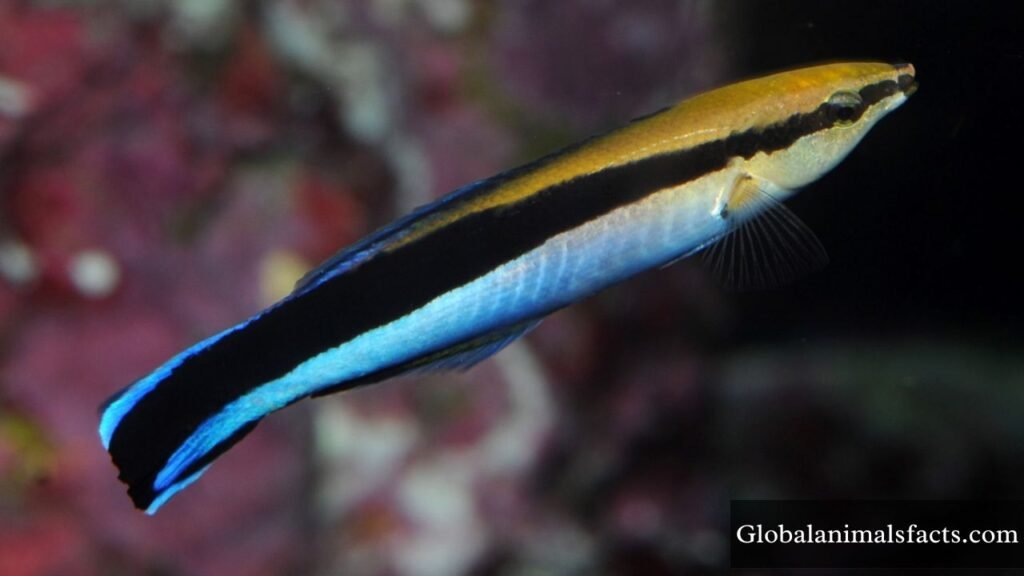
What’s particularly fascinating is the cleaner wrasse’s sophisticated communication skills. They perform intricate dances and displays, signaling their services to potential clients. This behavior not only showcases their intelligence but also emphasizes their importance in maintaining a social network within coral reefs. As environmental changes threaten marine life, cleaner wrasses serve as a reminder of the interconnectedness of ecosystems; their decline could reverberate throughout the reef, affecting countless species. By understanding and appreciating these industrious little fish, we can gain insights into the delicate balance of marine health and the imperative of preserving such intricate relationships.
Readmore: Explore Top 28 Energetic Animals in The World.
Final Words
The contributions of hard-working animals are invaluable, as they provide essential services that support our livelihoods and communities. Their unwavering loyalty and strength allow us to accomplish tasks that might otherwise be impossible. As we honor the commitment of animals like horses, dogs, and even elephants, we must also consider the responsibilities we have towards their welfare. By taking action to protect their rights and enhance their living conditions, we can ensure a future where both humans and animals thrive together. Join us in celebrating these incredible beings and advocating for their deserved recognition and care.
FAQs
What are the animals that are hard working?
Several animals are known for their incredible work ethic. Bees, for instance, tirelessly gather nectar and pollen, playing a crucial role in pollination. Their teamwork in the hive is remarkable; they communicate and efficiently divide tasks to ensure the colony thrives. Another example is the ant. These tiny insects are known for their strength and determination, often carrying loads many times their own weight. Ants work harmoniously in colonies, showcasing remarkable organization and problem-solving skills. Their relentless nature makes them some of the hardest workers in the animal kingdom.
What is the most hard working animal in the world?
Identifying the most hardworking animal depends on the criteria you choose, but many would argue that the ant deserves this title. Ants are incredibly diligent, working tirelessly to build their colonies, gather food, and care for their young. They can lift objects many times their own weight and often collaborate in large numbers to accomplish tasks, showcasing remarkable teamwork and efficiency.