Why Do Large Dogs Need More Support as They Age?
A large dog can spend years making its size look effortless. It climbs into the car, charges across the yard, follows the family upstairs, and gets up from the floor without hesitation. As the dog gets older, those ordinary movements can gradually require much more effort.
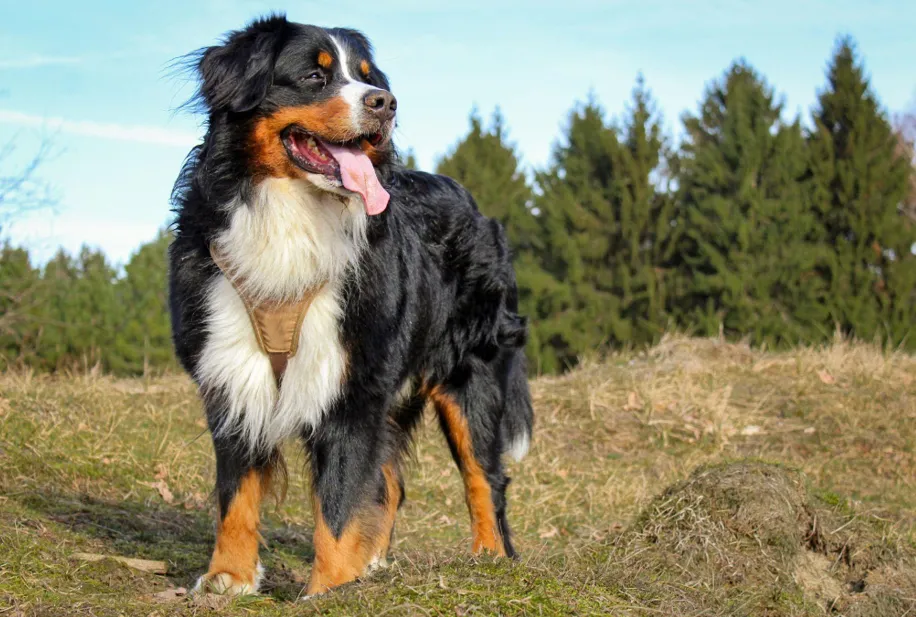
Large breeds also tend to reach their senior years earlier than smaller dogs, and mobility problems are common as they age. Supporting them does not necessarily mean dramatically restricting activity. Often, it means recognizing changes early and adapting exercise, the home, and everyday routines so movement remains as comfortable and manageable as possible.
Large Dogs Reach Their Senior Years Earlier
Age affects every dog differently, but body size matters. Large and giant breeds generally enter their senior stage earlier than small breeds. A dog that still seems relatively young compared with a smaller companion may already be experiencing age-related changes in stamina, muscle condition, or mobility.
This makes observation particularly important. Difficulty standing after a nap, slower walks, hesitation before climbing stairs, or reluctance to jump into the car can be early indications that movement is becoming harder.
When a large dog develops more significant mobility limitations, additional physical assistance may become part of everyday life. Walkin Pets offers large-dog wheelchairs designed to support bigger dogs that need help remaining mobile, giving owners another way to adapt activity when independent movement becomes difficult.
More Body Weight Changes the Mobility Challenge
Helping a small dog onto a sofa or carrying it outside can sometimes be relatively straightforward. Providing the same assistance to a 70-, 90-, or 120-pound dog is an entirely different practical challenge.
That difference becomes noticeable when an older dog struggles to stand, climb into a vehicle, or navigate stairs. Owners may want to help but find that repeatedly lifting a large animal is difficult and potentially unsafe for both dog and person.
The solution is often to reduce how frequently lifting is necessary. Ramps, supportive harnesses, accessible sleeping areas, and better positioning of food and water can make the dog’s environment easier to navigate without requiring constant physical assistance.
Slippery Floors Become a Bigger Problem
Hardwood and tile may have been completely manageable when a dog was younger. As strength and stability decline, those same surfaces can become intimidating.
Large dogs need dependable footing when rising and changing direction. If their paws begin slipping outward, standing up can require considerably more effort.
Strategically placed rugs and runners can create traction along frequently traveled routes without requiring an entire home to be carpeted. Concentrate first on areas around the dog’s bed, food and water, doorways, and routes leading outside.
Keeping nails appropriately trimmed and checking the fur around the paws can also form part of a broader approach to maintaining stable footing.
Exercise Should Change Rather Than Disappear
An older dog sleeping more does not necessarily mean exercise has stopped being valuable. Appropriate movement helps maintain muscles and supports mobility, while walks continue to provide mental stimulation and opportunities to explore.
What may need to change is intensity.
A long weekend hike might become several shorter walks. Fast running may give way to slower exploration. Routes can be chosen for flatter terrain and forgiving surfaces rather than steep hills or difficult ground.
The appropriate activity level depends on the individual dog, particularly when joint, orthopedic, neurological, or other medical conditions are involved. A veterinarian can help determine what type and amount of exercise are appropriate when mobility begins to change.
Everyday Transitions Deserve More Attention
Some of the hardest moments for an aging large dog occur between activities rather than during them.
Getting up from a bed, stepping outside, entering a car, turning on a slippery floor, or moving from standing to lying down can expose weakness that is less noticeable during straightforward walking.
Watch these transitions closely. If the dog pauses before a familiar step or needs several attempts to stand, that information can reveal changing mobility earlier than waiting for an obvious limp.
Small environmental changes can then target the actual problem. A ramp may make vehicle access easier, a supportive bed can provide a more comfortable resting surface, and rearranging furniture can create wider, clearer routes through the home.
Weight Management Becomes Even More Important
Maintaining an appropriate body condition matters throughout a dog’s life, but it becomes particularly significant when mobility is already declining.
Extra body weight adds another challenge for a large dog that is struggling with movement. At the same time, simply reducing activity without adjusting other parts of the routine can make weight management harder.
Owners should discuss appropriate weight, diet, and exercise with their veterinarian rather than making major changes independently. The objective is to provide adequate nutrition while keeping the dog at a body condition that supports comfortable movement.
Monitoring muscle condition matters as well. Aging dogs can lose muscle, and that loss can further affect stability and strength.
Don’t Assume Every Change Is Simply Old Age
Slowing down is common in senior dogs, but age itself should not become an explanation for every new problem.
Limping, persistent stiffness, difficulty standing, dragging paws, sudden weakness, significant changes in gait, or an abrupt reduction in activity deserve veterinary attention. Some problems can be managed more effectively when identified early.
It can help to record occasional videos of the dog walking, standing up, or using stairs. Gradual changes are difficult to recognize when you see an animal every day, while videos taken weeks or months apart can make differences much easier to notice.
Support Can Preserve Independence
Providing more assistance does not necessarily mean encouraging a large senior dog to do less.
The right support can accomplish the opposite. Better traction can make walking around the house easier. A ramp can restore access to the car or yard. Appropriate exercise can maintain activity, while mobility equipment may allow some dogs with substantial limitations to continue exploring outdoors.
The goal changes from expecting the dog to move exactly as it did when younger to making the movement it can still enjoy easier and safer.
Large dogs may require more practical assistance as they age simply because their size makes mobility challenges harder to work around. Recognizing those changes early gives owners more opportunities to adapt to the environment and routine, helping an older dog remain involved in family life even when getting around requires a little more support.