
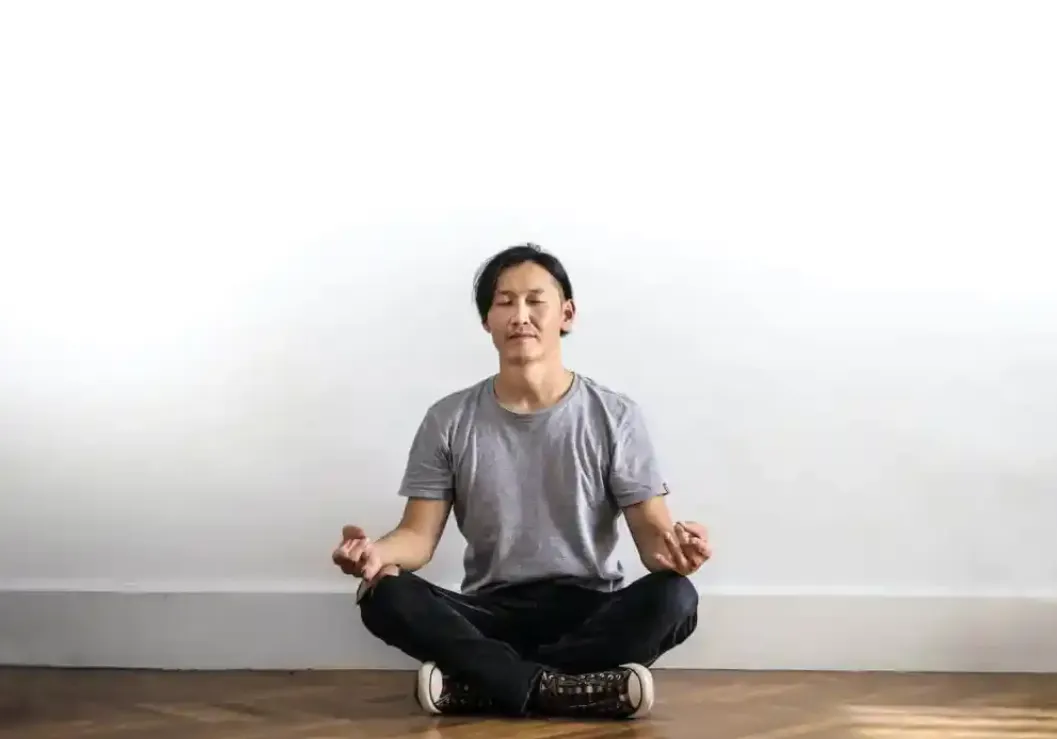
The Benefits of Meditation for Stress Relief
Stress has become a common part of modern life. Whether it comes from work deadlines, family responsibilities, financial concerns, or the constant flow of digital information, stress can affect both physical and mental well-being. While some stress is a natural response to challenges, chronic stress can lead to fatigue, anxiety, poor sleep, and various health issues. Fortunately, meditation offers a simple, natural, and effective way to manage stress and improve overall quality of life.
Meditation has been practiced for thousands of years across different cultures and traditions. Today, scientific research continues to support its positive effects on mental health, emotional balance, and physical wellness. By dedicating just a few minutes each day to meditation, individuals can develop a calmer mind, reduce stress levels, and improve emotional resilience.
This article explores the many benefits of meditation for stress relief, different meditation techniques, and practical tips for making meditation a part of your daily routine.
Understanding Stress and Its Effects
Stress is the body’s natural reaction to situations that require attention or action. When faced with a challenge, the brain releases hormones such as cortisol and adrenaline, preparing the body for a “fight or flight” response.
While this response can be helpful during emergencies, prolonged stress can negatively affect nearly every system in the body. Common symptoms of chronic stress include:
- Frequent headaches
- Muscle tension
- Difficulty sleeping
- Anxiety and irritability
- Trouble concentrating
- High blood pressure
- Digestive issues
- Weakened immune system
Managing stress effectively is essential for maintaining both physical and emotional health, and meditation has become one of the most recommended stress-management techniques.
What Is Meditation?
Meditation is a practice that involves focusing the mind and developing awareness through breathing, mindfulness, visualization, or repetition of words or sounds. Rather than stopping thoughts completely, meditation teaches people to observe their thoughts without judgment and gently return their attention to the present moment.
Regular meditation helps calm the nervous system and encourages a more balanced emotional state.
How Meditation Helps Reduce Stress
Meditation influences both the brain and body in several positive ways.
Lowers Cortisol Levels
Cortisol is commonly known as the stress hormone. High cortisol levels over long periods can contribute to anxiety, weight gain, and weakened immunity.
Research has shown that consistent meditation practice can reduce cortisol production, helping the body recover from stress more efficiently.
Activates the Relaxation Response
Meditation activates the parasympathetic nervous system, often referred to as the “rest and digest” system. This slows the heart rate, relaxes muscles, and reduces blood pressure, creating a deep sense of calm.
Improves Emotional Regulation
Meditation strengthens areas of the brain responsible for emotional control. As a result, people become less reactive to stressful situations and more capable of responding thoughtfully instead of impulsively.
Enhances Mental Clarity
Stress often causes racing thoughts and difficulty concentrating. Meditation improves focus by training the mind to remain present, making it easier to solve problems and make better decisions.
Key Benefits of Meditation for Stress Relief
Reduces Anxiety
Meditation helps reduce excessive worrying by encouraging awareness of thoughts without becoming overwhelmed by them. Many people experience lower anxiety levels after establishing a regular meditation routine.
Improves Sleep Quality
Stress frequently interferes with healthy sleep. Meditation calms the mind before bedtime, making it easier to fall asleep and stay asleep throughout the night.
Better sleep also improves mood, energy, and overall resilience to daily stress.
Promotes Emotional Balance
People who meditate regularly often report feeling happier, calmer, and more emotionally stable. Meditation encourages acceptance and reduces emotional reactivity.
Supports Better Physical Health
Reducing stress benefits physical health in many ways, including:
- Lower blood pressure
- Improved heart health
- Reduced muscle tension
- Stronger immune function
- Better digestion
These improvements contribute to overall wellness and long-term health.
Increases Self-Awareness
Meditation encourages individuals to understand their thoughts, emotions, and behavioral patterns more clearly. Increased self-awareness helps identify stress triggers and develop healthier coping strategies.
Boosts Resilience
Life will always present challenges, but meditation helps build emotional resilience. Regular practitioners often recover more quickly from setbacks and maintain a more positive outlook.
Different Types of Meditation
There is no single “correct” way to meditate. Different techniques suit different personalities and lifestyles.
Mindfulness Meditation
Mindfulness meditation involves paying attention to the present moment without judgment. Practitioners observe their breathing, thoughts, and physical sensations while allowing distractions to pass naturally.
This is one of the most widely studied forms of meditation for stress relief.
Breathing Meditation
Focused breathing involves paying attention to slow, deep breaths. Controlled breathing naturally relaxes the nervous system and reduces feelings of anxiety.
Guided Meditation
Guided meditation uses an instructor or recorded audio to lead participants through calming visualizations or relaxation exercises. It is ideal for beginners.
Loving-Kindness Meditation
Also known as Metta meditation, this practice focuses on developing compassion toward oneself and others. It can reduce anger, resentment, and emotional stress.
Body Scan Meditation
This technique involves slowly focusing attention on different parts of the body while releasing physical tension. It is particularly effective for stress-related muscle tightness.
Tips for Starting a Meditation Practice
Beginning meditation does not require special equipment or extensive training.
Here are a few simple steps:
Start Small
Begin with just five to ten minutes per day. Consistency is more important than duration.
Find a Quiet Space
Choose a peaceful environment where interruptions are minimal.
Focus on Your Breath
Pay attention to each inhale and exhale. When your mind wanders, gently return your attention to your breathing.
Be Patient
It is completely normal for thoughts to arise during meditation. The goal is not to eliminate thinking but to become aware of it without judgment.
Practice Daily
Daily practice helps create lasting improvements in stress management and emotional well-being.
Combining Meditation with Healthy Habits
Meditation works even better when combined with other healthy lifestyle choices.
Helpful habits include:
- Regular physical exercise
- Balanced nutrition
- Adequate hydration
- Quality sleep
- Spending time outdoors
- Limiting excessive screen time
- Maintaining supportive relationships
Together, these habits create a strong foundation for long-term stress management.
Common Misconceptions About Meditation
Several myths prevent people from trying meditation.
Myth: Meditation requires clearing your mind completely.
Reality: Thoughts naturally occur during meditation. The practice is about observing them without attachment.
Myth: Meditation takes hours every day.
Reality: Even ten minutes of daily meditation can provide meaningful benefits.
Myth: Meditation is only for spiritual people.
Reality: Meditation is widely practiced for health, stress reduction, and mental wellness regardless of religious or spiritual beliefs.
The Long-Term Impact of Meditation
The benefits of meditation often grow over time. Regular practice helps develop healthier thought patterns, greater emotional stability, improved concentration, and stronger resilience during difficult situations.
Many people also experience increased gratitude, improved relationships, greater self-confidence, and a stronger sense of inner peace.
Rather than simply reducing stress temporarily, meditation helps transform how people respond to life’s challenges.
Conclusion
Meditation is one of the most effective and accessible methods for relieving stress naturally. By calming the mind, lowering stress hormones, improving emotional regulation, and supporting overall physical health, meditation offers lasting benefits that extend far beyond relaxation. Whether practiced through mindfulness, focused breathing, guided sessions, or loving-kindness exercises, meditation provides valuable tools for navigating today’s fast-paced world.
Starting with just a few minutes each day can lead to noticeable improvements in mood, sleep quality, focus, and resilience. Over time, meditation becomes more than a stress-management technique—it becomes a lifelong habit that promotes balance, well-being, and a healthier, more peaceful life.
Also Read About: Signs Your Body May Need More Rest