Top 13 Smartest birds in The World (With Pictures)
Have you ever marveled at the clever antics of a parrot or a magpie and wondered just how smart they really are? The smartest birds in the world exhibit astonishing problem-solving skills, social behavior, and even tool use that rival that of primates. Understanding their intelligence not only enriches our appreciation for these creatures but also sheds light on evolutionary adaptations. Join us as we explore the avian intellect and reveal what makes these birds some of the most remarkable thinkers in nature.
List of Smartest birds in The World
Below is the list of most smartest birds in the world:
| Number of Animals | Names of Smart Birds |
| 1 | Ravens |
| 2 | African Grey Parrot |
| 3 | Jackdaw |
| 4 | Crows |
| 5 | Jays |
| 6 | Clark’s Nutcracker |
| 7 | Pigeon |
| 8 | Cockatoo |
| 9 | Choughs |
| 10 | Woodpecker Finch |
| 11 | Treepies |
| 12 | Kea |
| 13 | Eurasian Magpie |
Ravens
Scientific Name: Corvus corax
Ravens, often cloaked in mystery and folklore, are emerging as some of the most intelligent avian species on the planet. Their cognitive abilities have been likened to those of great apes, enabling them to solve complex problems and utilize tools. These sharp-minded creatures can craft and manipulate objects to obtain food, showcasing an extraordinary understanding of their environment. In some experiments, ravens have demonstrated the ability to plan for future needs, a skill once thought to be exclusive to humans and certain mammals.
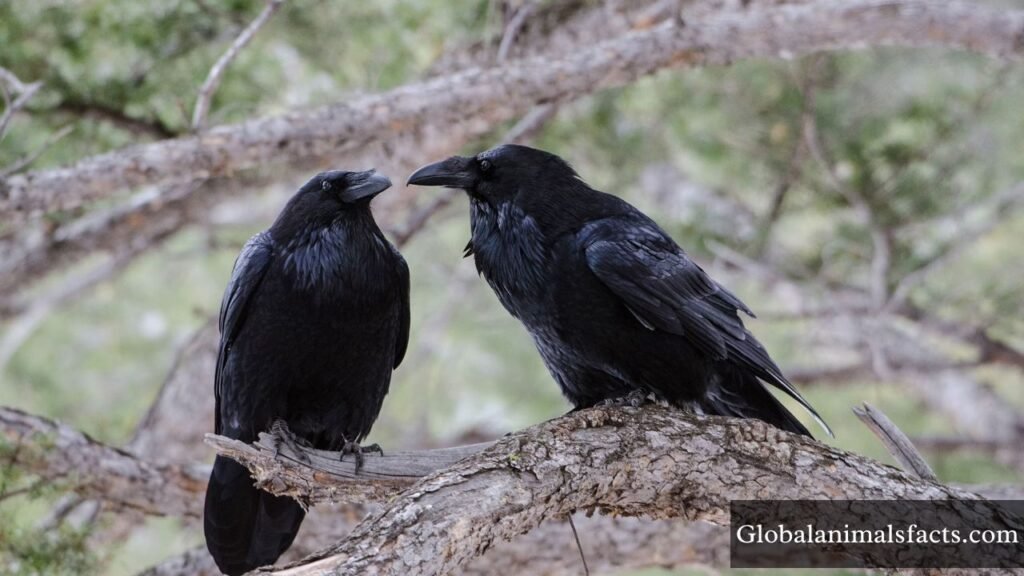
Social dynamics play a significant role in their intelligence. Ravens exhibit a remarkable capacity for communication and social learning, often engaging in what can only be described as playful, strategic interactions with one another. They engage in collaborative problem-solving, hinting at a profound social intelligence that thrives in their intricate social systems. Observing them in the wild, one might witness their dramatic aerial displays and intricate vocalizations that serve not only as communication but as a way to build relationships and establish hierarchies within their communities.
African Grey Parrot
Scientific Name: Psittacus erithacus
The African Grey Parrot stands out not only for its striking plumage but also for its extraordinary cognitive abilities. Research has shown that these birds possess a remarkable understanding of human language and can communicate with a comprehension level comparable to that of a young child. Their vocal mimicry isn’t just a party trick; it reflects their keen observation skills and profound social awareness, allowing them to replicate sounds and phrases that resonate with their experiences.
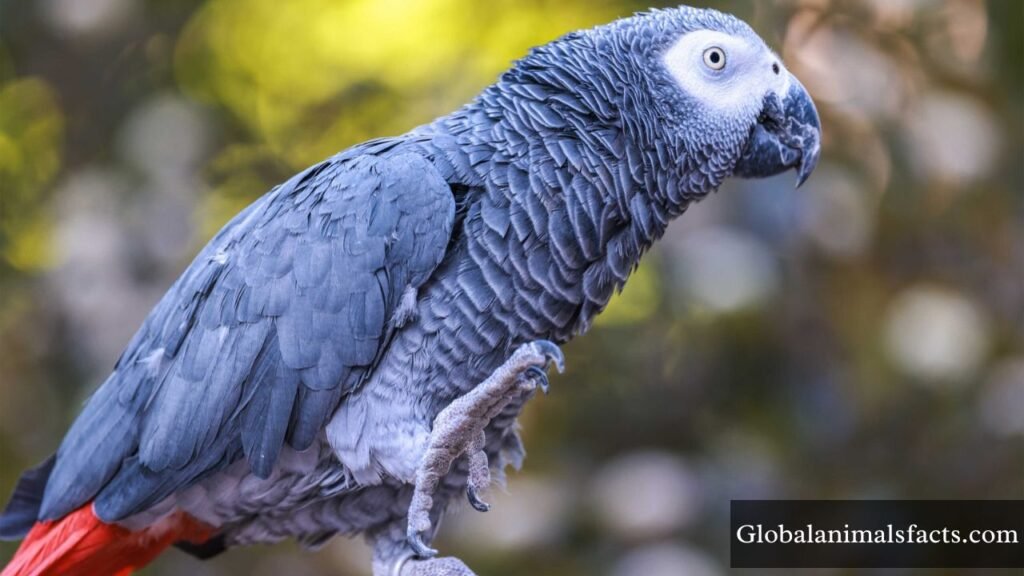
Interestingly, African Greys exhibit a type of problem-solving known as “insight,” where they can use tools — like sticks — to extract food from hard-to-reach places. This behavior highlights their ability to strategize and adapt, essential traits in the wild. Moreover, their intelligence fosters deep social bonds not only with their human companions but also within their flock, showcasing emotional intelligence that further enriches their interactions. Thus, every squawk or playful mimic is not merely entertainment; it’s a testament to a deeply complex mind that thrives on social engagement and mental stimulation.
Jackdaw
Scientific Name: Coloeus monedula
The jackdaw, a small black bird with striking blue-grey eyes, is often overlooked in discussions about avian intelligence. However, these social creatures exhibit remarkable problem-solving skills and an understanding of cause-and-effect that rivals those of primates. Observations have revealed their ability to use tools in the wild, not just for foraging but also to manipulate their environment, showcasing a level of ingenuity that can astonish even seasoned ornithologists.
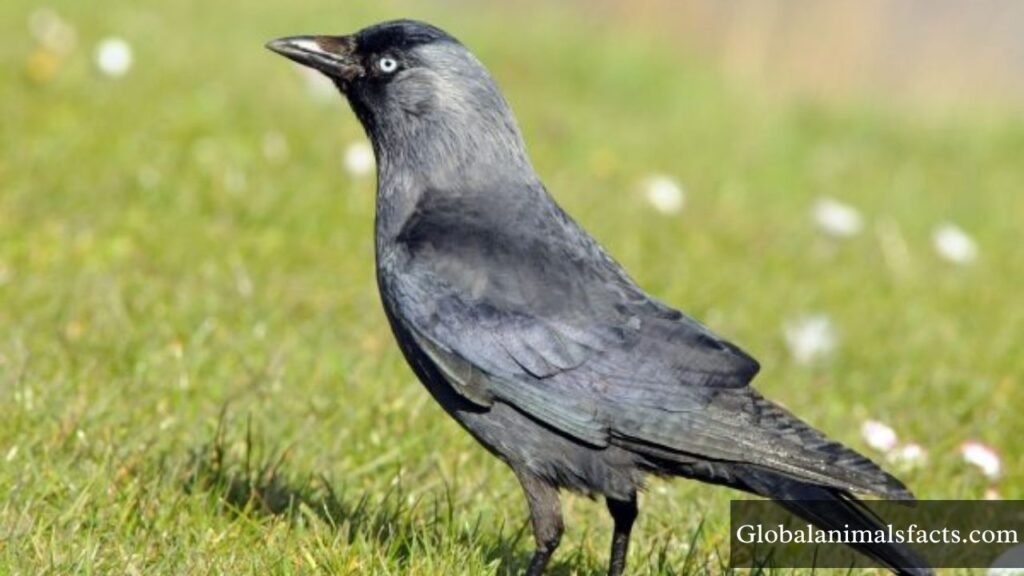
What truly sets the jackdaw apart is its highly developed social structure. They thrive in groups, fostering complex relationships and communication strategies that allow them to relay crucial information about food sources or potential threats. Their playful antics often mask profound cognitive abilities; for instance, studies have shown that jackdaws can remember human faces, enabling them to discern between friendly and hostile individuals, which adds a fascinating layer to their interactions with humans. This blend of intelligence and social savvy positions the jackdaw as one of nature’s unsung cerebral champions, deserving of more attention and admiration.
Crows
Scientific Name: Corvus brachyrhynchos
Crows are not just your average backyard birds; they are the Einsteins of the avian world. Known for their remarkable problem-solving skills, crows often demonstrate an understanding of cause and effect that rivals that of some primates. For instance, studies show that crows can use tools to extract insects from hard-to-reach places, showcasing an impressive ability to think ahead and strategize. Their intelligence is further illuminated by their capacity for social learning, where younger crows observe and adapt the foraging techniques of their elders, effectively passing down knowledge within their communities.
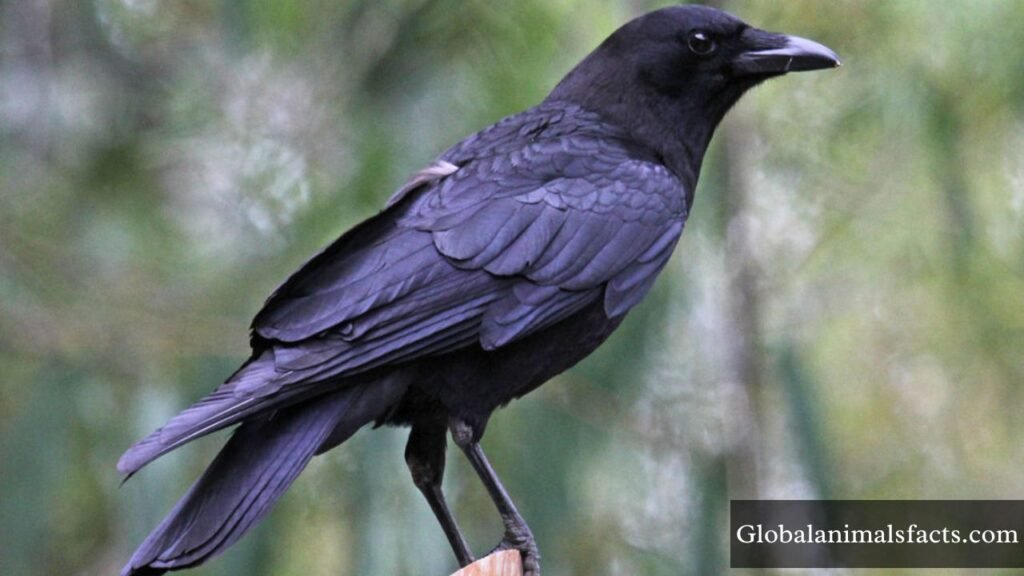
Moreover, crows possess a sophisticated communication system, featuring a variety of vocalizations and even facial recognition skills. They can distinguish between human faces, responding defensively to those they’ve deemed threats, while showing curiosity or tolerance toward benign individuals. This level of awareness extends beyond mere interaction; it allows crows to navigate complex urban environments, thriving in the hustle and bustle of human activity.
Jays
Scientific Name: Garrulus glandarius
Jays, particularly the blue jay and the Eurasian jay, are not just visually striking; they showcase remarkable cognitive abilities that set them apart in the avian world. These clever birds have an incredible knack for problem-solving and memory, often hiding food in various locations while utilizing an expansive mental map to retrieve their stash months later. This impressive spatial awareness highlights their adaptability, allowing them to thrive in diverse environments.
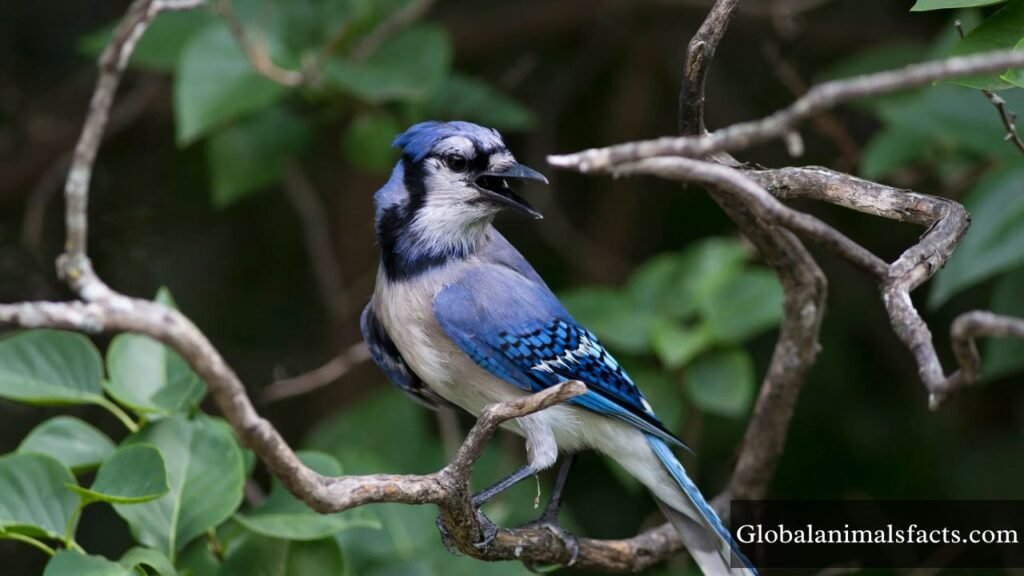
Moreover, jays are skilled communicators. Their vocalizations and body language reflect a complex social structure, with specific calls used to convey warnings or communicate with fellow jays. Interestingly, their intelligence is also intertwined with their reputation as cunning thieves; they often pilfer from other birds’ caches, showcasing a keen understanding of their neighbors’ behaviors. Engaging with jays provides a window into the sophisticated social dynamics and survival strategies of these remarkable birds, making each encounter an opportunity to appreciate their multifaceted intelligence.
Clark’s Nutcracker
Scientific Name: Nucifraga columbiana
Clark’s Nutcracker is a true marvel of avian intelligence, showcasing an extraordinary relationship with its environment. This bird, often overlooked due to its understated appearance, has adapted remarkable strategies for survival, most notably its incredible ability to cache thousands of pine seeds each autumn. What sets its caching behavior apart is not merely the volume but the precision; Clark’s Nutcracker possesses an impressive spatial memory, allowing it to relocate its hidden treasures months later. Researchers have likened this ability to the cognitive skills exhibited by primates, indicating a complex mental mapping capability that challenges our understanding of bird intelligence.
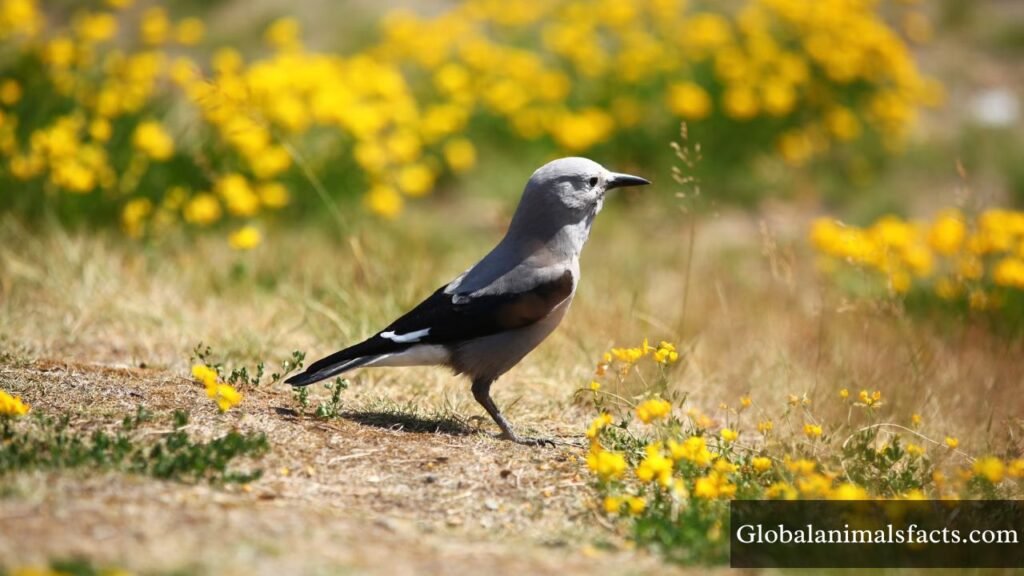
Furthermore, the Clark’s Nutcracker plays a critical role in its ecosystem, acting as a pioneer in forest regeneration. By storing and, sometimes, forgetting these seeds, it inadvertently facilitates the growth of new trees, demonstrating how the bird’s foraging behavior contributes to biodiversity. This symbiotic relationship between the nutcracker and its habitat highlights the intricate web of life, reminding us that each species, no matter how small, plays a vital role in maintaining ecological balance. Clark’s Nutcracker is a true marvel of avian intelligence, showcasing an extraordinary relationship with its environment. This bird, often overlooked due to its understated appearance, has adapted remarkable strategies for survival, most notably its incredible ability to cache thousands of pine seeds each autumn. What sets its caching behavior apart is not merely the volume but the precision; Clark’s Nutcracker possesses an impressive spatial memory, allowing it to relocate its hidden treasures months later. Researchers have likened this ability to the cognitive skills exhibited by primates, indicating a complex mental mapping capability that challenges our understanding of bird intelligence.
Pigeon
Scientific Name: Columba livia
Pigeons, often dismissed as mere city dwellers, are surprisingly sophisticated creatures with remarkable cognitive abilities. Research has shown that these birds can recognize themselves in a mirror — a sign of self-awareness that many animals, including primates, struggle to achieve. Their impressive memory skills enable them to remember thousands of images and even differentiate between human faces, showcasing a level of intelligence that often goes unnoticed.
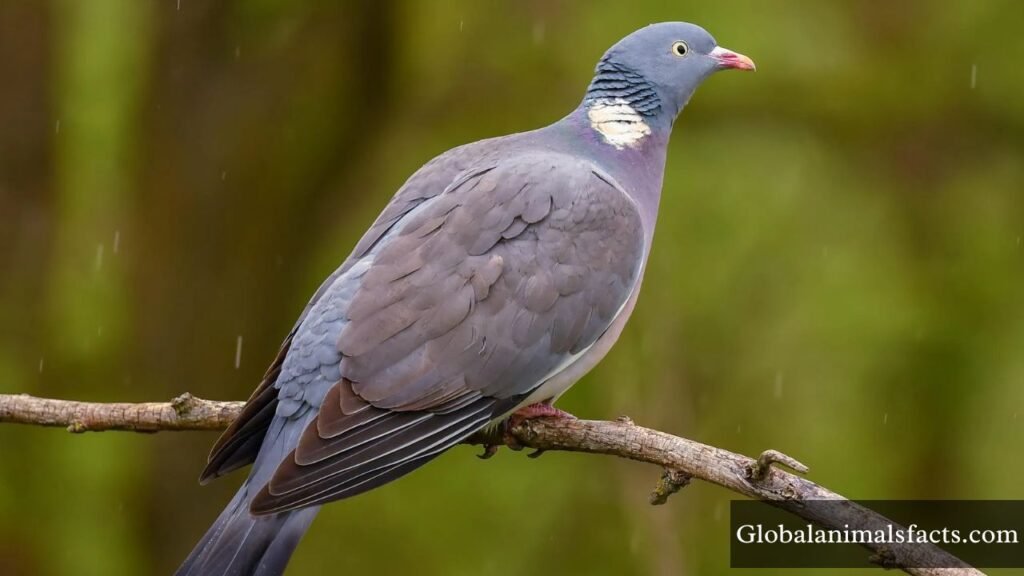
Moreover, their cognitive abilities extend beyond navigation. Pigeons have demonstrated the capacity to learn complex tasks and even understand abstract concepts, such as time and categorization. Studies reveal that they can discern between different artworks and even differentiate among human faces. This intellectual prowess positions them as not just survivors of urban environments, but as sophisticated creatures with a rich understanding of their world.
Cockatoo
Scientific Name: Cacatuidae
Cockatoos are remarkable not just for their striking appearance but for their intelligence and social complexity. These birds showcase advanced problem-solving skills, often engaging in intricate puzzles that reveal their ability to understand cause and effect. For instance, studies have shown that cockatoos can use tools, a skill once thought to be exclusive to primates. They’ve been observed crafting sticks to fish for insects, demonstrating not just creativity but also an understanding of their environment.
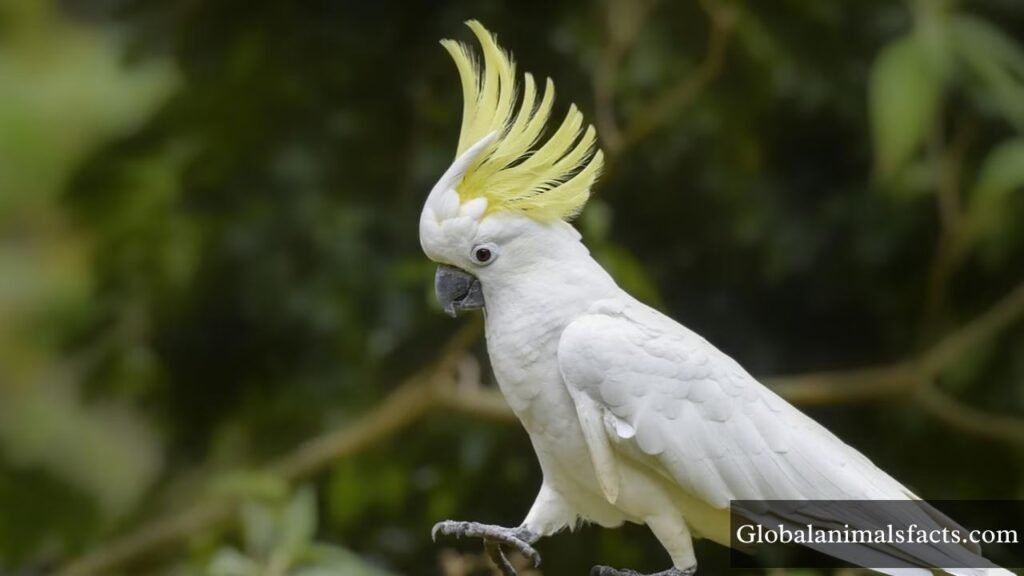
Their social structures add another layer to their intelligence. In the wild, cockatoos live in tight-knit flocks, relying on intricate communication to maintain these bonds — a skill evident in their ability to mimic human speech and sounds. This adaptability isn’t merely for socializing; it’s a survival tactic that allows them to navigate complex ecosystems. Furthermore, research has suggested that cockatoos possess emotional intelligence, forming strong attachments to their companions and showing signs of grief when a mate is lost.
Choughs
Scientific Name: Pyrrhocorax
Choughs, with their striking glossy black plumage and vibrant red bills, are not just visually captivating; they are also a testament to avian intelligence. Found predominantly in mountainous regions across Europe and Asia, these social birds exhibit remarkable problem-solving capabilities. Their ability to use simple tools, such as pebbles to extract insects from crevices, highlights a cognitive sophistication that rivals that of many mammals. Observations show that they often work collaboratively, foraging in groups and communicating through a series of melodious calls that convey information about food sources and potential threats.
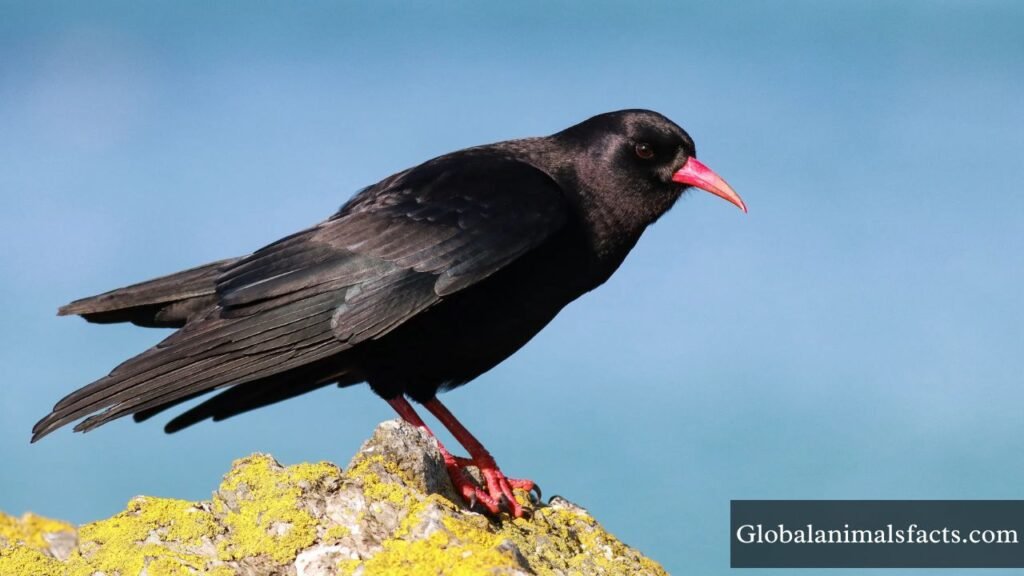
What sets choughs apart is their playful behavior, which seems to extend beyond mere survival instincts. They engage in aerial acrobatics, seemingly for the sheer joy of it, and have been known to play games with each other, such as throwing objects and chasing one another mid-flight. This interaction not only strengthens their social bonds but also serves as a form of mental stimulation essential for their overall well-being.
Woodpecker Finch
Scientific Name: Camarhynchus pallidus
The woodpecker finch, endemic to the Galápagos Islands, showcases extraordinary adaptive intelligence that turns conventional notions of avian behavior on their head. Unlike most finches, this remarkable bird has developed a unique method for foraging, using tools to extract insects from tree bark. Observing them in action is nothing short of fascinating; they frequently select twigs or cactus spines, demonstrating not just creativity but an understanding of cause and effect that’s rare in the avian world.
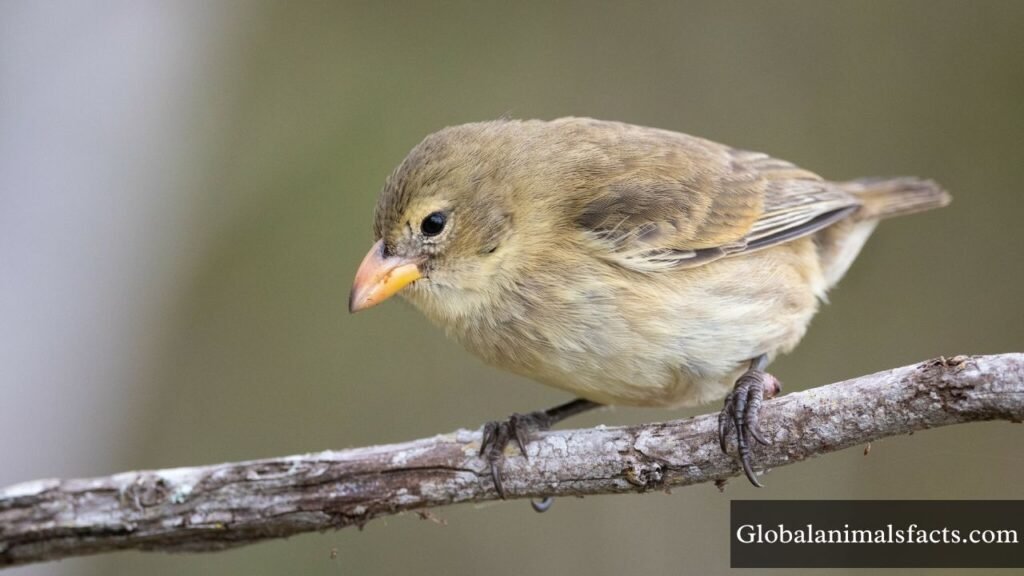
What sets the woodpecker finch apart from its feathered counterparts is its ability to learn from its environment and modify its behavior based on the challenges it faces. This learning process, often driven by trial and error, suggests a level of cognitive flexibility that rivals some primates. Moreover, their tool use isn’t merely instinctual; it’s a trait passed down through generations, highlighting the dynamic interplay between culture and evolution in the wild.
Treepies
Scientific Name: Dendrocitta vagabunda
Treepies, often overshadowed by their more famous avian relatives, are a testament to the intelligence found in the avian world. These striking birds, adorned with vibrant plumage, exhibit remarkable problem-solving abilities that often go unnoticed. One standout characteristic of treepies is their knack for tool use; they can manipulate objects in their environment to access food, showcasing cognitive traits more commonly associated with primates.
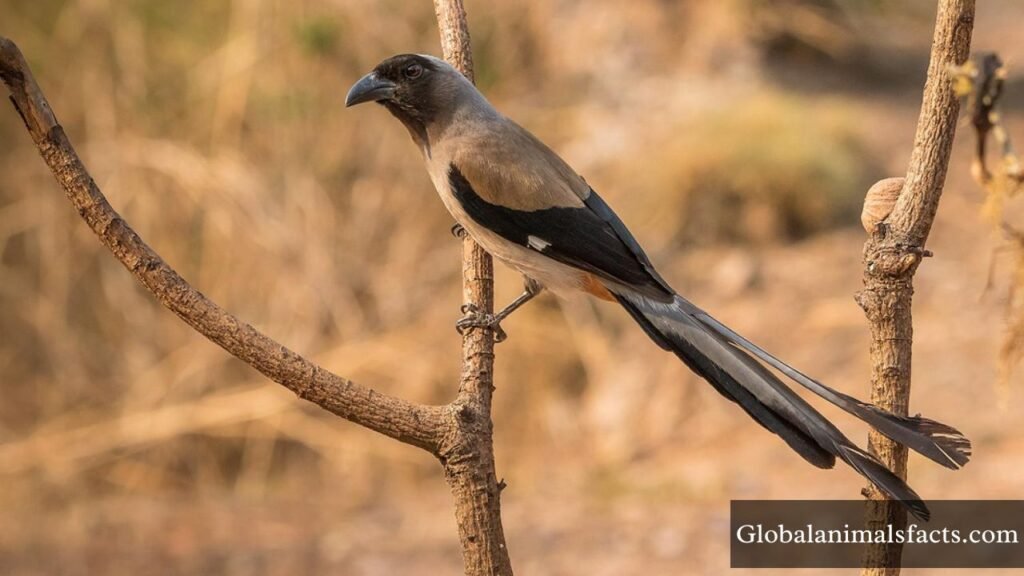
Their social dynamics further enhance their intelligence. Treepies form intricate relationships within their groups, employing vocalizations that are complex and context-dependent. This social awareness allows them to communicate effectively and coordinate foraging activities. Interestingly, their ability to mimic sounds adds another layer to their intelligence, as they can imitate various calls and even human noises, captivating all who cross their path. When observing treepies in the wild, it’s easy to be entranced by their playful antics and keen problem-solving skills, revealing them as not just curious creatures, but as some of the most compelling examples of avian intelligence in nature.
Kea
Scientific Name: Nestor notabilis
The Kea, a parrot native to New Zealand, is not only visually striking with its vibrant green plumage, but it also possesses an intellect that challenges our understanding of avian intelligence. Known for their playful demeanor, these birds exhibit problem-solving skills that rival those of some primates. Researchers have observed Keas using tools, such as manipulating sticks to extract insects or opening complex locks to access food, showcasing a level of cognitive dexterity that paints them as natural engineers in their mountainous habitats.
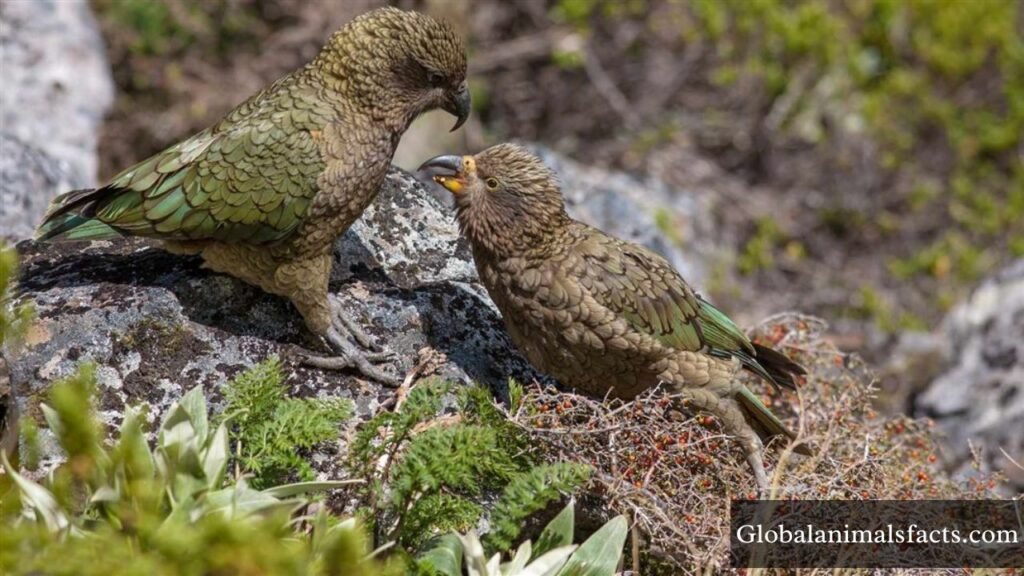
What sets the Kea apart from other intelligent birds is their social learning abilities. They thrive in flocks, sharing knowledge about food sources and problem-solving techniques among themselves. This communal approach not only enhances their survival skills but also reflects a cultural transmission of knowledge that is both fascinating and rare in the bird world. As conservation efforts become critical in protecting their dwindling populations, understanding the Kea’s intelligence could pave the way for innovative strategies that leverage their natural behaviors to encourage coexistence with human populations. Engaging with these remarkable birds offers us a deeper appreciation for the complex lives they lead and their unique role in the ecosystem.
Eurasian Magpie
Scientific Name: Pica pica
The Eurasian Magpie, often simply known as the magpie, stands out not only for its striking black and white plumage but also for its remarkable intelligence. Renowned for their cognitive abilities, these birds have displayed problem-solving skills that rival those of some primates. For instance, they have been observed using tools to access food, showcasing an understanding of cause and effect that is surprisingly advanced for avian species. This capacity for innovation is a stark reminder that intelligence isn’t solely the domain of mammals.
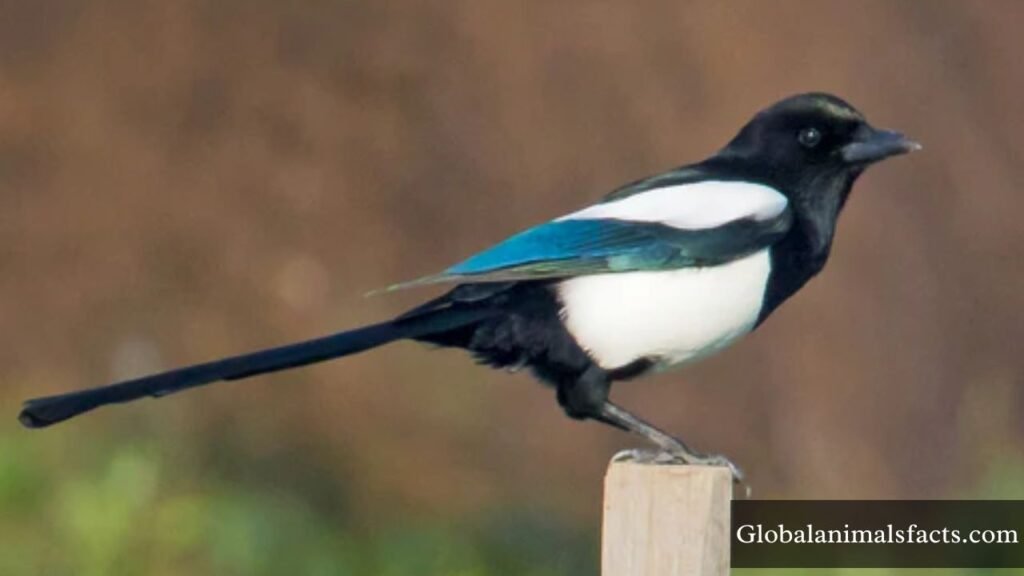
Moreover, magpies engage in complex social interactions, forming bonds with their mates and displaying a level of empathy that is rarely seen in the bird world. They perform intricate courtship rituals and have been documented grieving over lost companions, revealing a depth of emotional intelligence that adds layers to their character. This social complexity also allows them to communicate effectively within their flocks, using a variety of vocalizations and even body language to convey information. Watching a group of magpies interact can be a mesmerizing experience, as they demonstrate a rich tapestry of communal behavior that transcends mere survival instincts.
Readmore: Explore Top 15 Hard Working Animals in The World.
Final Words
The astonishing intelligence displayed by some of the world’s smartest birds prompts a reevaluation of our understanding of animal cognition. As we learn more about the innovative ways they navigate their environments and communicate with one another, it becomes clear that these feathered beings possess a remarkable level of awareness and adaptability. Their skills not only enrich ecosystems but also illustrate the intricate relationships that exist in nature. Recognizing the intelligence of these avian wonders challenges us to foster a deeper appreciation for wildlife. As stewards of the planet, we must commit to safeguarding these intelligent creatures and their habitats for future generations.
FAQs
What are the smartest birds?
Some of the smartest birds are crows, ravens, and parrots. Crows and ravens, part of the corvid family, showcase exceptional problem-solving skills and tool use. They can figure out complex tasks, like using sticks to extract insects from hard-to-reach places. Their ability to remember human faces also highlights their advanced cognitive skills. Parrots, especially African greys, are not just great mimics but also demonstrate impressive understanding and communication. They can learn to associate words with objects and concepts, showcasing their intelligence.
What is the smartest bird in the world?
The smartest bird in the world is often considered to be the common raven. These birds exhibit remarkable problem-solving abilities and can use tools to obtain food. Studies show that they can plan for the future and even understand concepts like trade and reciprocity — traits once thought to be exclusive to humans.
How smart are jackdaws?
Jackdaws are remarkably intelligent birds, known for their problem-solving skills and complex social behaviors. They belong to the corvid family, which includes crows and ravens, and have been observed using tools and demonstrating advanced cognitive functions. Studies show that jackdaws can recognize themselves in mirrors, indicating a level of self-awareness not commonly found in birds. In addition to their intelligence, jackdaws are highly social creatures. They communicate through a variety of calls and have strong social bonds with their peers. These traits, combined with their adaptability, make them one of the smartest avian species.
What bird has the highest IQ?
The New Caledonian crow is often regarded as the bird with the highest IQ. These clever avians have demonstrated impressive problem-solving skills and tool-making abilities, rivaling some primates. They can create tools from twigs and leaves to extract insects from crevices, showcasing their cognitive prowess. Studies have shown that these crows can manipulate their environment in innovative ways, solving complex puzzles that require planning and foresight. Their intelligence is not just about tool use; they also exhibit social learning, passing on knowledge to other crows. This makes them not only smart but also adaptable in their natural habitats.