Top 15 Animals That Walk Slowly (With Pictures)
In this article, we’ll delve into the fascinating world of animals that walk slowly, exploring the unique adaptations and lifestyles that make these creatures so intriguing. Understanding these slow movers not only illuminates the diversity of animal behavior but also reminds us of the importance of taking life at a different pace. By the end, you’ll gain insights into how evolution has shaped these remarkable beings.
List of Animals That Walk Slowly
Here is the list of animals that walk slowly:
- Garden Snail
- Starfish
- Three-Toed Sloth
- Slow Loris
- Gila Monster
- Galapagos Penguin
- Banana Slug
- Chitons
- Seahorse
- Giant Tortoise
- Koala
- Greenland Shark
- Sea Anemone
- Manatee
- Limpet
Garden Snail
Scientific Name: Cornu aspersum
Class: Gastropoda
Diet: Herbivore
The garden snail, with its glistening shell and delicate body, presents a fascinating study in nature’s design. Despite their unhurried pace — averaging just 0.03 miles per hour — these creatures embody a unique resilience, thriving in diverse environments. Their slow speed is not merely a physical trait but a testament to their survival strategy, allowing them to conserve energy and avoid predation while they munch on tender leaves and decaying plant matter.
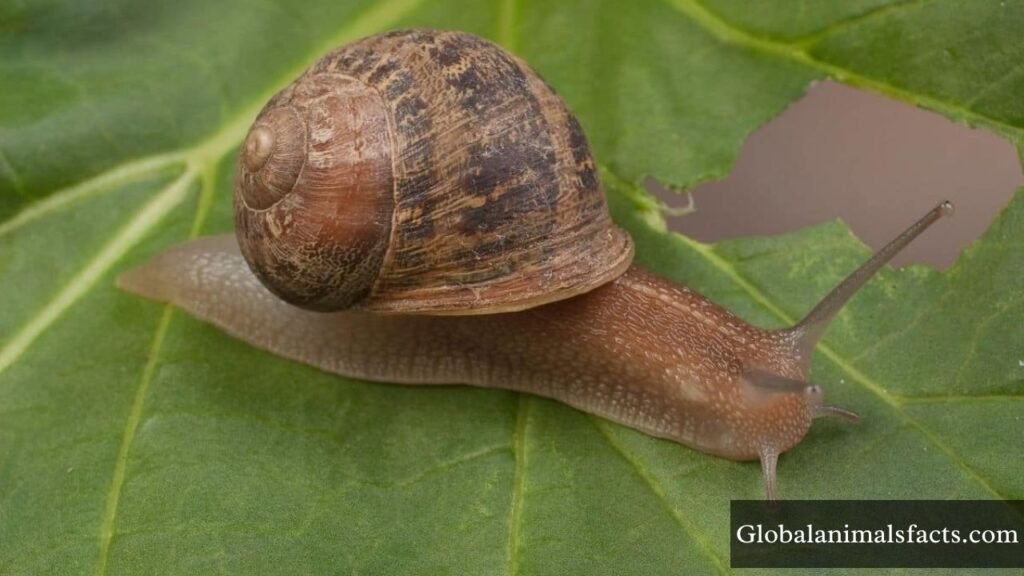
Moreover, their remarkable ability to produce slime plays a crucial role in their movement and habitat. This mucus not only helps them glide smoothly over rough terrain but also protects their soft bodies from desiccation and injury. Fascinatingly, the slime trail serves as both a pheromone trail for communication with other snails and a potential source of sustenance. In a world often dominated by speed and competition, the garden snail reminds us that there is value in taking life slow, revealing beauty and purpose in each deliberate movement.
Starfish
Class: Asteroidea
Diet: Carnivore
Starfish, with their remarkable ability to glide across the ocean floor, challenge our typical notions of movement. Often mistaken for sluggish creatures, these marine wonders employ a unique hydraulic system to navigate the underwater world. Their decentralized anatomy allows them to function without a central brain, relying instead on a complex network of neurons that coordinates their slow but deliberate movements. Each step, taken at a leisurely pace, reveals a world of vibrant seagrass and hidden crevices, showcasing the beauty of their environment in a way that swifter marine animals cannot.
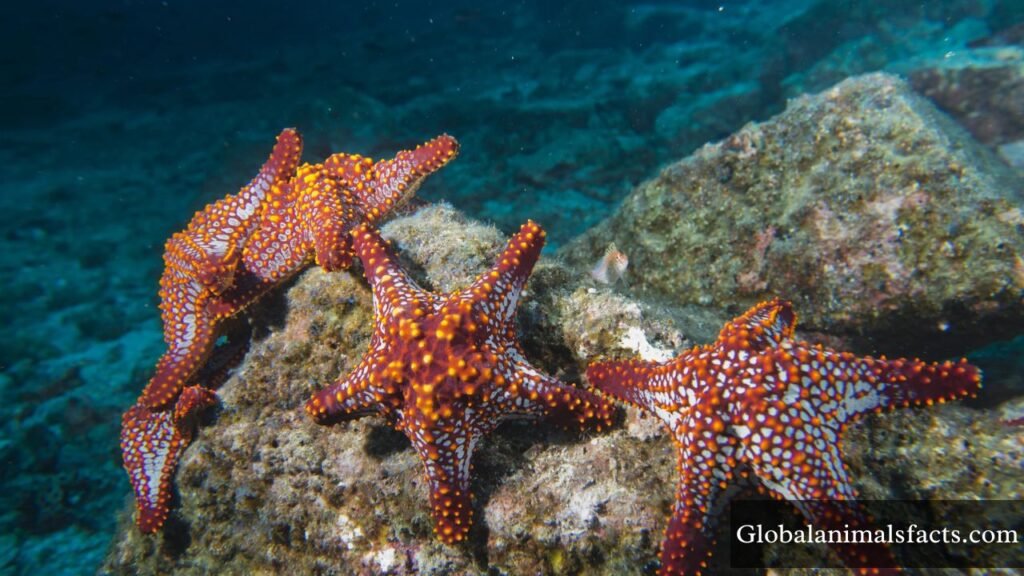
While their pace may be unhurried, starfish play a critical role in maintaining the health of their ecosystems. As effective predators, they help control populations of certain mollusks and other marine organisms, preventing the overgrowth that could lead to ecological imbalance. Observing a starfish carefully preying on a clam, for instance, offers a glimpse into the delicate interactions that shape underwater communities. Their slow movements allow them to be both stealthy hunters and patient scavengers, embodying a harmonious approach to life that inspires admiration for the complexity and interconnectedness of sea life.
Three-Toed Sloth
Scientific Name: Bradypus variegatus
Class: Mammalia
Diet: Herbivore
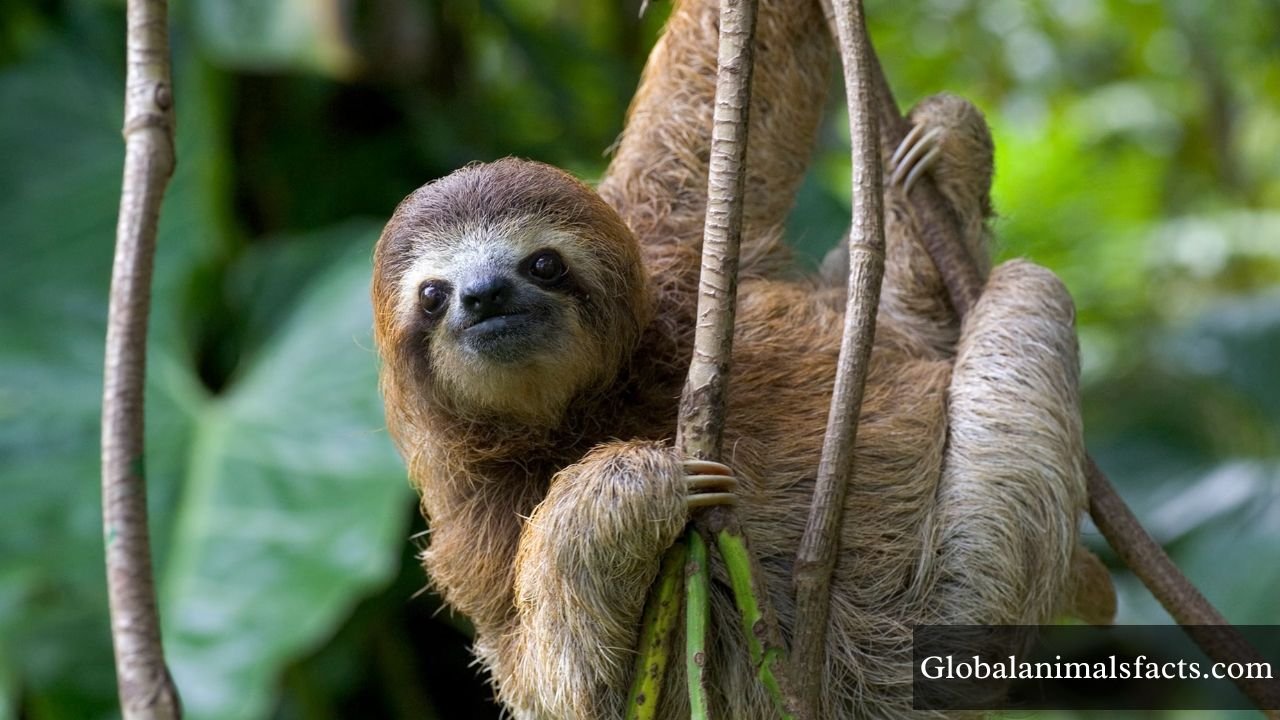
The three-toed sloth embodies a unique blend of charm and evolutionary prowess, thriving in the lush canopy of Central and South America. Its deliberate, unhurried movements serve a much larger purpose than mere leisure. By moving slowly, sloths effectively evade detection from predators, blending into their surroundings with remarkable camouflage. Their fur even hosts algae, providing extra cover while creating a lush green ecosystem that sustains insects and other small creatures.
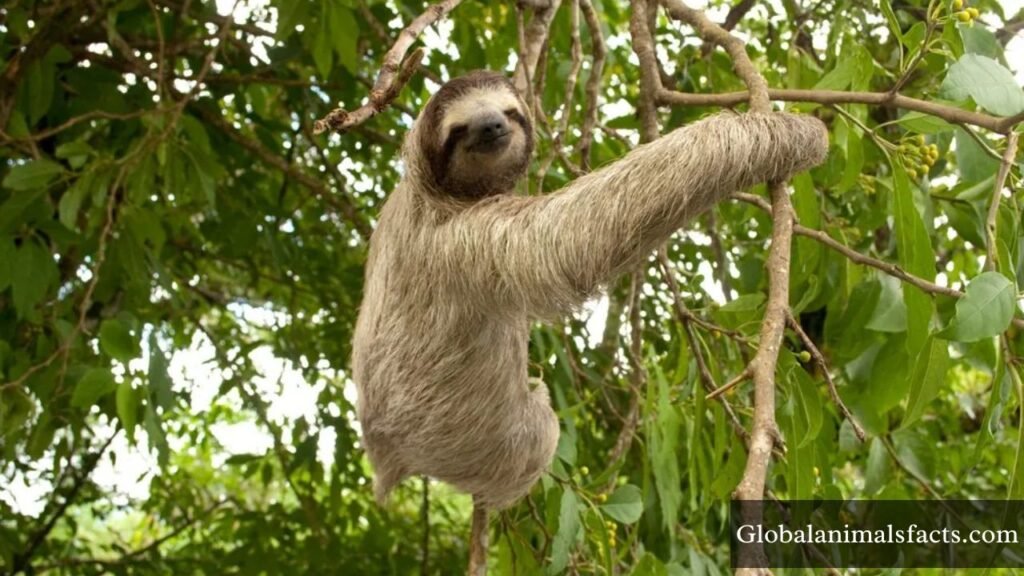
Moreover, their diet of leaves, which are low in energy, further complements their leisurely lifestyle. With a slow metabolism, sloths take their time to digest their food, sometimes hanging out in the same tree for weeks. This slow-paced existence has transformed into an intriguing survival strategy, demonstrating how evolution often favors the path of least resistance in a world bustling with rapid movements and predatory threats.
Readmore: Explore Top 14 Animals With The Strongest Bite.
Slow Loris
Scientific Name: Nycticebus coucang
Class: Mammalia
Diet: Omnivore
The slow loris, a small primate native to Southeast Asia, offers a fascinating glimpse into the world of evolution and adaptation. Despite its deliberate pace, the slow loris captivates with unique traits; its large, round eyes are expertly designed for nocturnal exploration, allowing it to navigate the dark underbrush with ease. This creature embodies a blend of vulnerability and resilience, employing a slow, stealthy approach to evade predators, making it an expert in the art of camouflage.
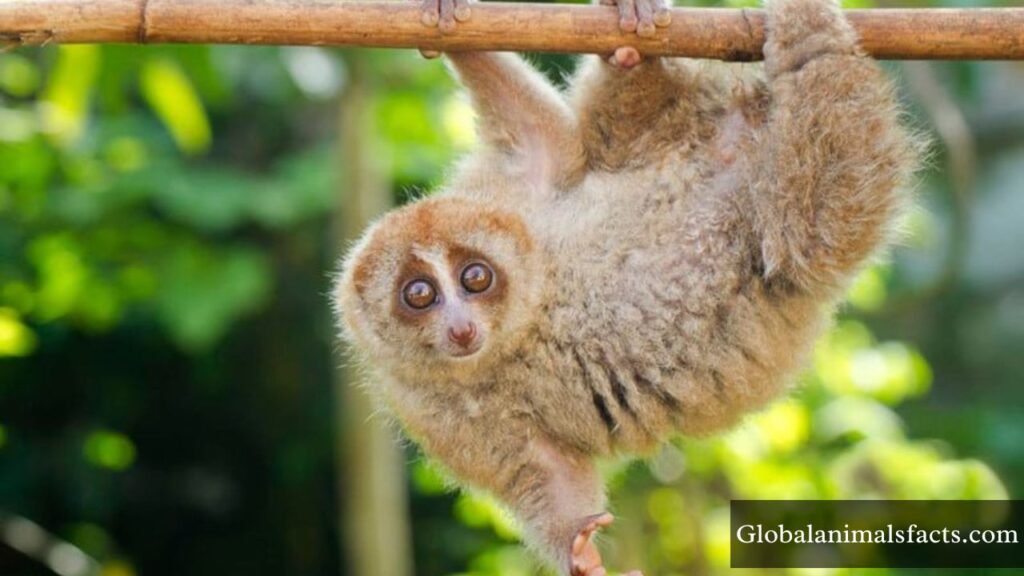
What truly sets the slow loris apart is its exotic defense mechanism: the animal secretes toxins from its elbows, which it then transfers to its mouth before licking its fur. When threatened, this slow-moving primate can deliver a toxic bite, surprising potential aggressors with an unexpected potency. Add to this its strong social bonds, as slow lorises often engage in affectionate grooming rituals, showcasing a depth of social interaction that belies their seemingly solitary nature. This unique interplay of traits not only makes the slow loris a captivating study of adaptability but also emphasizes the need for conservation efforts to protect these gentle creatures from habitat loss and illegal trafficking.
Gila Monster
Scientific Name: Heloderma suspectum
Class: Reptilia
Diet: Carnivore
The Gila monster, a fascinating inhabitant of the arid Southwest, embodies a unique blend of lethargy and lethality. With its strikingly vibrant, beaded scales shimmering in shades of orange and black, this slow-moving reptile is often overshadowed by its more agile counterparts in the animal kingdom. Despite its low-speed promenade, the Gila monster is anything but defenseless; its venomous bite is a formidable deterrent against predators, highlighting how beauty and danger can coexist in the animal world.
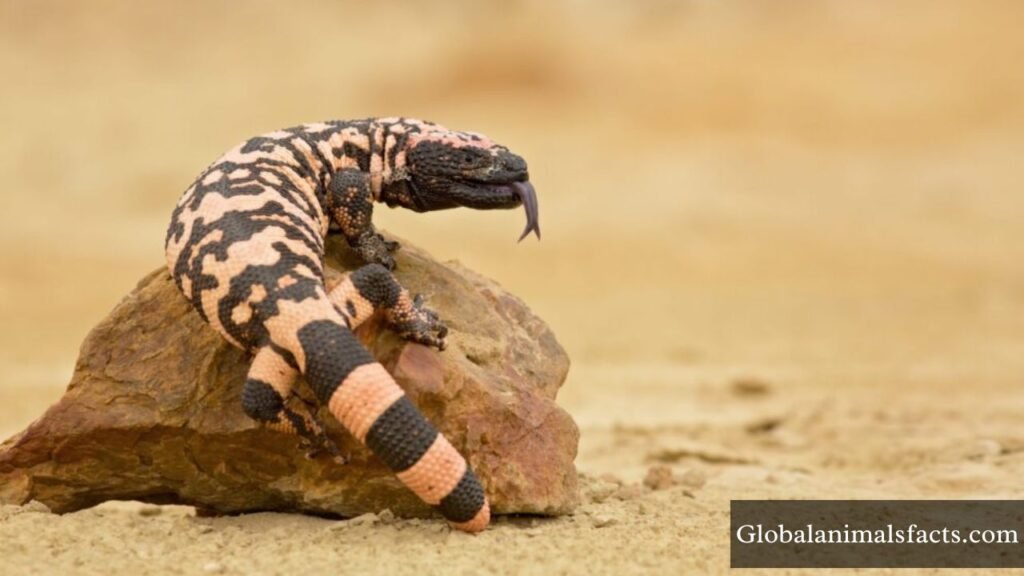
What truly sets the Gila monster apart, however, is its remarkable lifestyle adaptations. Unlike many of its fellow reptiles, whose energy is devoted to swift captures, this creature thrives on a diet predominantly consisting of eggs and small mammals, allowing it to conserve energy amid the desert’s harsh conditions. Its slow movements are not merely a characteristic but a strategic advantage — reducing the need for regular hydration by remaining hidden and camouflaged, prompting us to appreciate a different kind of survival skill often overlooked in the fast-paced animal narratives we usually encounter.
You can also read: Explore Top 11 Animals Without Eyes.
Galapagos Penguin
Scientific Name: Spheniscus mendiculus
Class: Aves
Diet: Carnivore
The Galapagos penguin, one of the smallest and most unique species of its kind, embodies a charming slowness that belies its adaptability and resilience. Found exclusively in the volcanic archipelago, these little wanderers waddle along the rocky shores with a deliberate pace that captures the hearts of visitors. While they may not be the swiftest of creatures, their slow movements serve a critical role in conserving energy, especially in the face of fluctuating ocean temperatures that can impact their hunting success.
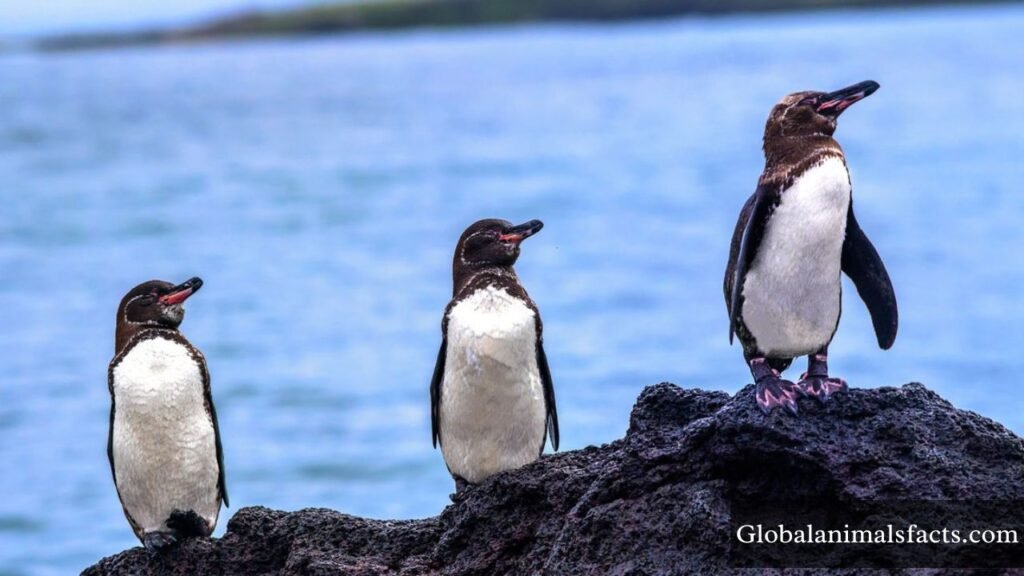
What’s fascinating is their elegant method of maneuvering in water. Though they stroll slowly on land, they transform into agile swimmers, darting through the waves in search of fish and crustaceans. This duality highlights an essential aspect of their survival strategy: the balance between conserving energy on the rocky terrain while exploiting their aquatic prowess for nourishment. By embracing a slow and steady approach on land, Galapagos penguins demonstrate an extraordinary ability to thrive in their rugged environment, making them a perfect symbol of nature’s ingenuity.
Banana Slug
Scientific Name: Ariolimax columbianus
Class: Gastropoda
Diet: Detritivore/Herbivore
The banana slug, with its vibrant yellow hue and unusual texture, embodies the essence of slow and steady. Gliding through the damp underbrush of western forests, this gastropod moves at a leisurely pace of about 0.007 miles per hour. While its speed may seem unimpressive, the banana slug thrives in its slow lane — allowing it to savor the rich, decaying matter it consumes. This deliberate foraging is crucial for the ecosystem, helping to decompose organic materials and recycle nutrients back into the soil.
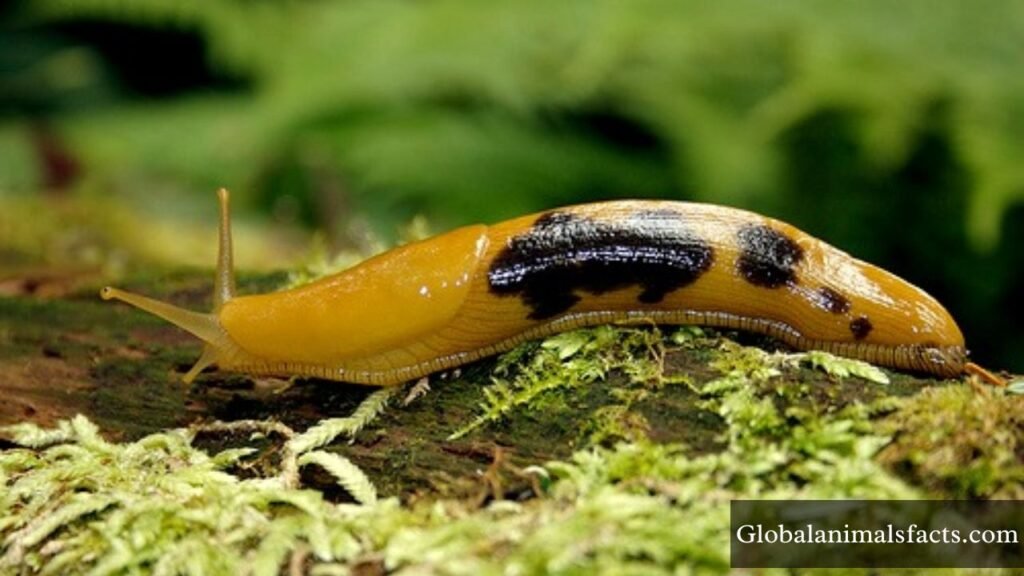
Interestingly, the banana slug possesses an impressive defense mechanism: when threatened, it produces a viscous slime that not only deters predators but also serves as a temporary barrier, allowing it to escape.
Also read: Explore Top 25 Animals With Lowest IQ.
Chitons
Class: Polyplacophora
Diet: Herbivore
Chitons, often overlooked in the marine world, embody a unique blend of resilience and adaptability. These ancient mollusks, with their distinctive shell composed of eight overlapping plates, glide slowly over rocky surfaces, exhibiting a leisurely pace that belies their survival prowess. This deliberate movement isn’t just a quirk; it aids in their attachment to the substrate, protecting them from the relentless forces of waves and predators.
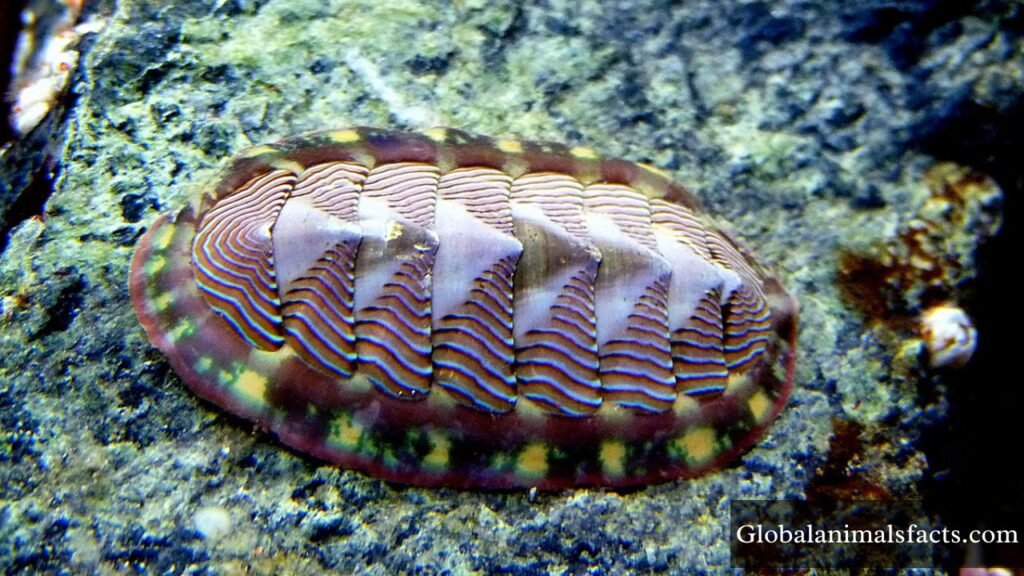
What’s particularly fascinating about chitons is their ability to respond to environmental stimuli. If disturbed, they can utilize a fascinating mechanism to roll into a ball — much like an armadillo — using their protective plates to shield their more vulnerable body. They also boast radulas, specialized feeding structures that allow them to scrape algae and biofilms off rocks, highlighting a fascinating relationship with their environment. This slow and steady lifestyle is not merely a survival tactic; it is a testament to an evolutionary journey that has spanned millions of years, making chitons remarkable witnesses to the ever-changing seas.
Seahorse
Scientific Name: Hippocampus
Class: Actinopterygii
Diet: Carnivore
Seahorses are the epitome of grace in the animal kingdom, gliding through their aquatic habitats with a slow and serene elegance. Unlike most fish, seahorses use their dorsal fin to propel themselves, moving at a leisurely pace of around five feet per hour. This unhurried approach is not merely a quirk; it serves a purpose. Their slow movement allows them to blend seamlessly into coral reefs and seagrass beds, providing both camouflage and a strategic advantage against predators.
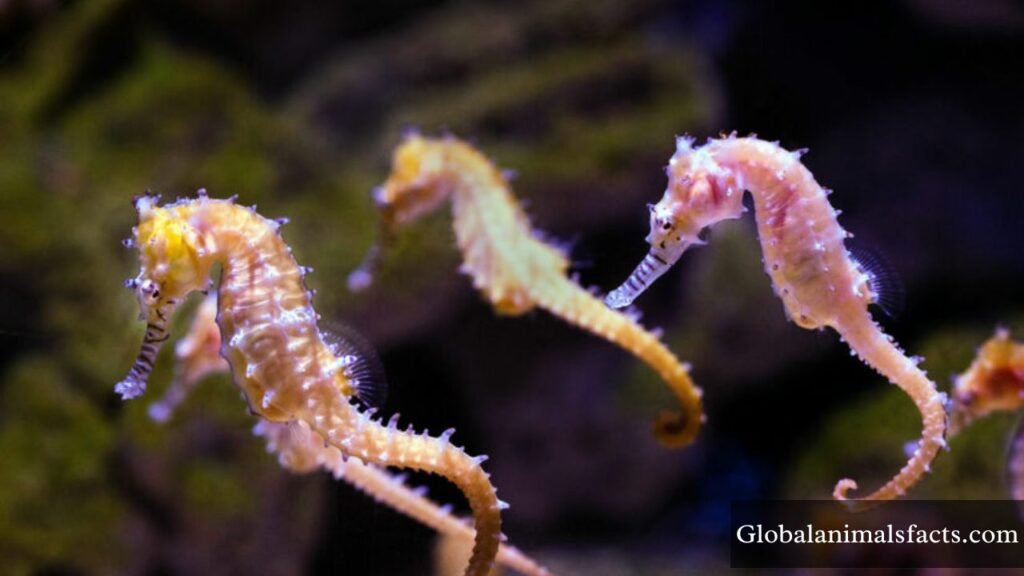
Moreover, the unique structure of their tails — prehensile and capable of gripping objects — enables them to anchor themselves to flora while they feed on tiny shrimp and plankton. This deliberate feeding strategy highlights their adaptation to a life spent in the nooks and crannies of underwater landscapes. Their monogamous mating rituals, where a pair can swim together in a synchronized dance, add an enchanting layer to their slow-paced existence. The seahorse’s approach to life is a reminder that sometimes in the rush of the underwater world, a slow and steady pace can lead to the most beautiful experiences.
Readmore: Explore Top 18 Animals That Can See in The Dark.
Giant Tortoise
Scientific Name: Chelonoidis nigra
Class: Reptilia
Diet: Herbivore
The giant tortoise, symbolizing longevity and resilience, captivates with its slow, deliberate movements. These remarkable creatures can weigh over 500 pounds and live for more than a century, making them some of the longest-living vertebrates on the planet. Their slow pace is a survival strategy; by moving gradually, they conserve energy and navigate their often arid environments with thoughtful purpose.
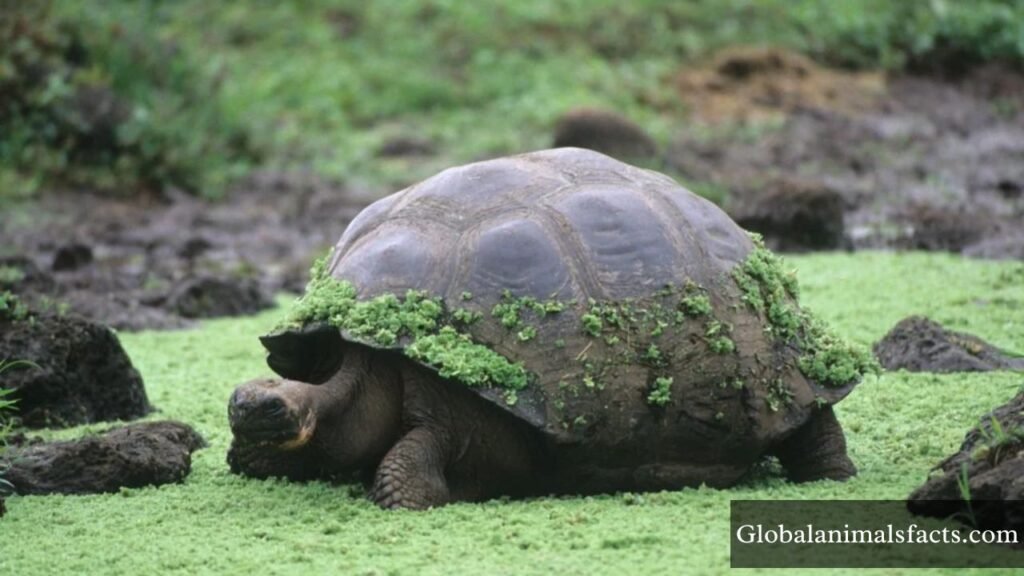
In a world that’s constantly racing, the giant tortoise presents an intriguing perspective on resilience. Their thick, armored shells not only offer protection but also symbolize the value of endurance. As they meander through their sun-soaked habitats, they inadvertently play a crucial role in their ecosystem by dispersing seeds and maintaining the balance of flora.
Koala
Scientific Name: Phascolarctos cinereus
Class: Mammalia
Diet: Herbivore
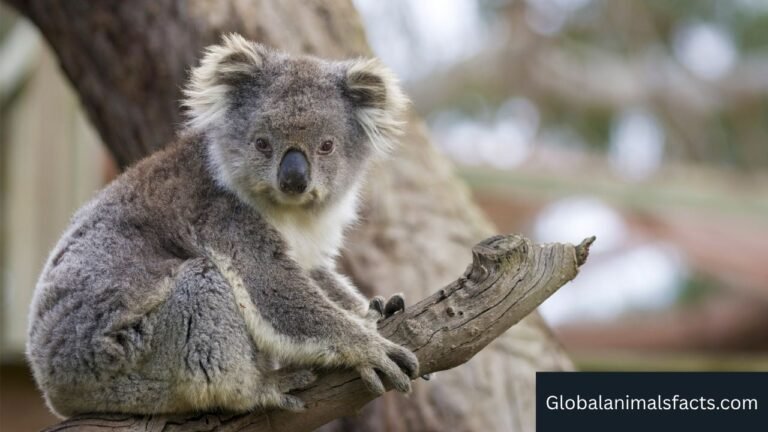
The koala’s deliberate, unhurried gait is a reflection of its unique lifestyle and dietary choices. Native to the eucalyptus forests of Australia, these marsupials have evolved to thrive on a diet made up predominantly of eucalyptus leaves, which are not only low in nutrition but also packed with toxins. Consequently, koalas conserve energy by moving slowly and sleeping up to 18 hours a day — making their leisurely strolls a calculated part of their survival strategy rather than mere laziness.
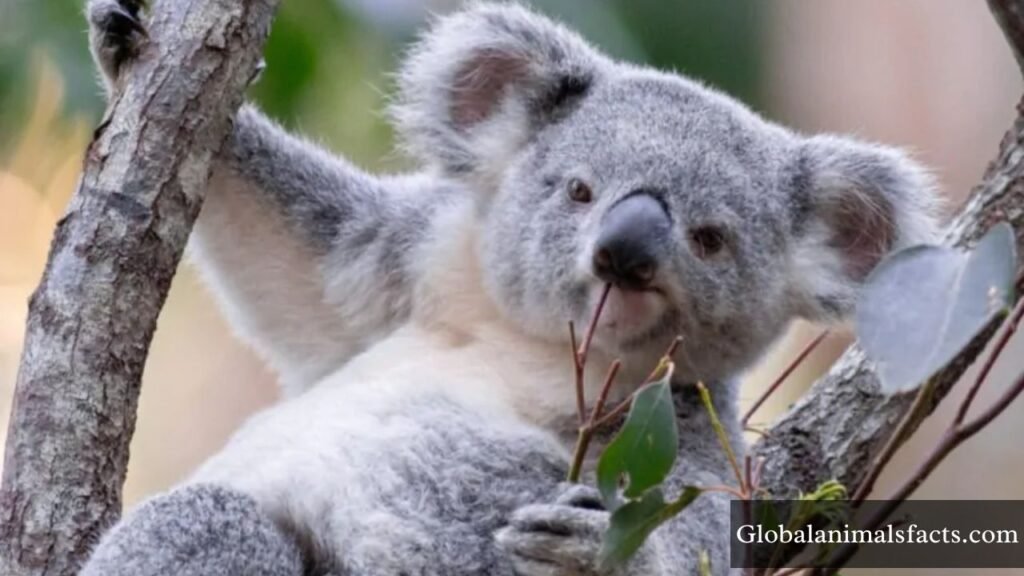
What’s fascinating is the koala’s specialized thumb and strong limbs that allow it to navigate the complex forest canopy with ease, despite its unhurried pace on the ground. Their slow movements often render them vulnerable to predators, yet their adorable, fuzzy exterior and undeniable charm make them a beloved symbol of Australian wildlife.
You can also read: Explore Top 13 Animals That Swallow Their Food.
Greenland Shark
Scientific Name: Somniosus microcephalus
Class: Chondrichthyes
Diet: Carnivore
The Greenland shark, an enigmatic denizen of the Arctic waters, embodies the essence of slow living in the animal kingdom. These remarkable creatures, some of which can live for over 400 years, glide through the depths at a leisurely pace, often moving just a couple of centimeters per second. Their slow movement is not merely a lifestyle choice; it’s a strategy for survival in one of the planet’s most unforgiving environments. As apex predators, they rely on stealth rather than speed, patiently stalking prey like seals and fish, embodying a profound lesson in the value of patience.
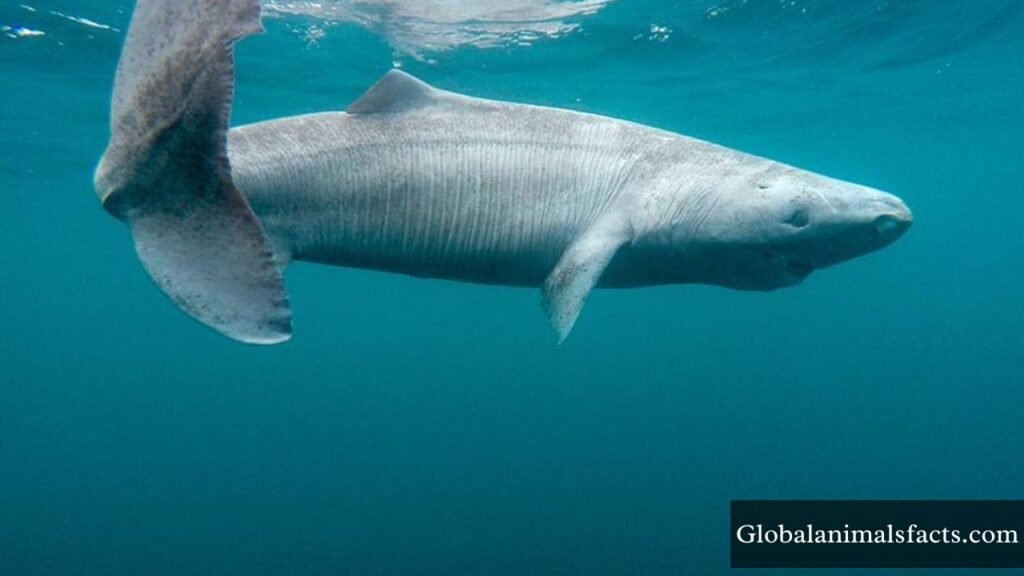
Interestingly, the Greenland shark’s unique adaptations extend beyond their pace. Their thick, fleshy bodies are infused with urea, allowing them to thrive in the cold waters while providing buoyancy without expending excess energy. This biological quirk is a reminder that evolution often favors efficiency over haste.
Sea Anemone
Class: Anthozoa
Diet: Carnivore
The sea anemone, often mistaken for a plant due to its vibrant colors and stationary nature, is a fascinating creature that epitomizes the beauty of slow existence in the animal kingdom. While it doesn’t walk in the conventional sense, its method of movement is uniquely slow and deliberate, allowing it to anchor itself to coral reefs and rocky surfaces. This seemingly sedentary lifestyle masks a dynamic world beneath the surface, where sea anemones capture their prey. Using their tentacles laden with stinging cells, they ensnare fish and crustaceans that wander too close, showcasing an arresting balance between patience and predation.
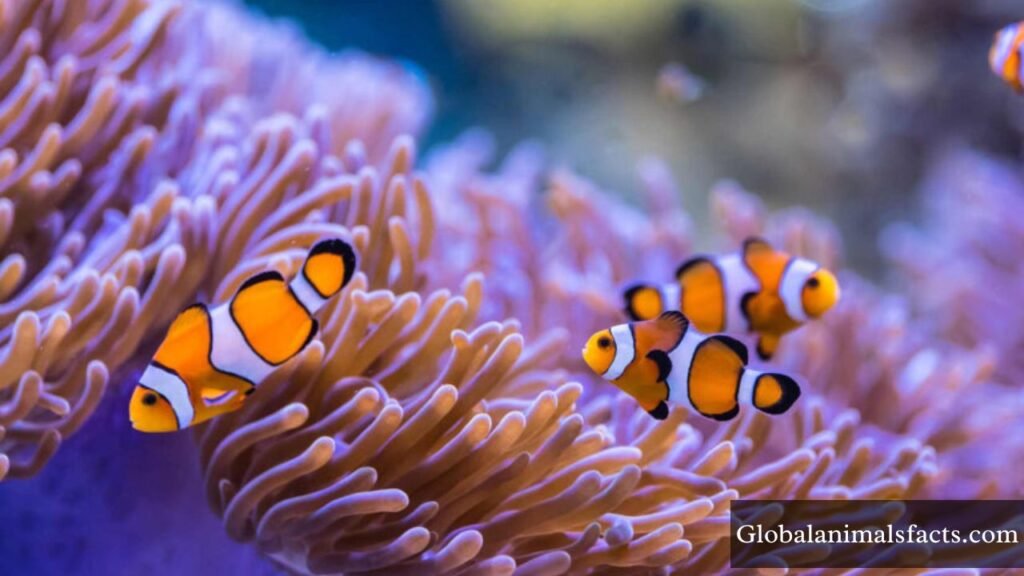
Intriguingly, sea anemones exhibit a form of symbiosis with clownfish, fostering a relationship that transcends mere survival. In this carefully choreographed dance of cooperation, the clownfish gains protection from predators while the anemone benefits from the nutrients provided by the clownfish’s waste. This partnership not only highlights the interconnectedness of marine life but also offers a poignant reminder of the beauty that can emerge from a slow-paced existence.
Also read: Explore Top 22 Sneaky Animals in The World.
Manatee
Scientific Name: Trichechus
Class: Mammalia
Diet: Herbivore
The manatee, often dubbed the “gentle giant of the seas,” embodies a unique blend of grace and tranquility. Gliding through warm coastal waters, these massive herbivores move at a leisurely pace, showcasing an unhurried lifestyle that belies the fast-paced world around them. Their slow-motion elegance not only captivates observers but also serves a vital ecological purpose: by munching on aquatic plants, manatees help maintain healthy waterways, preventing overgrowth that could harm the ecosystem.
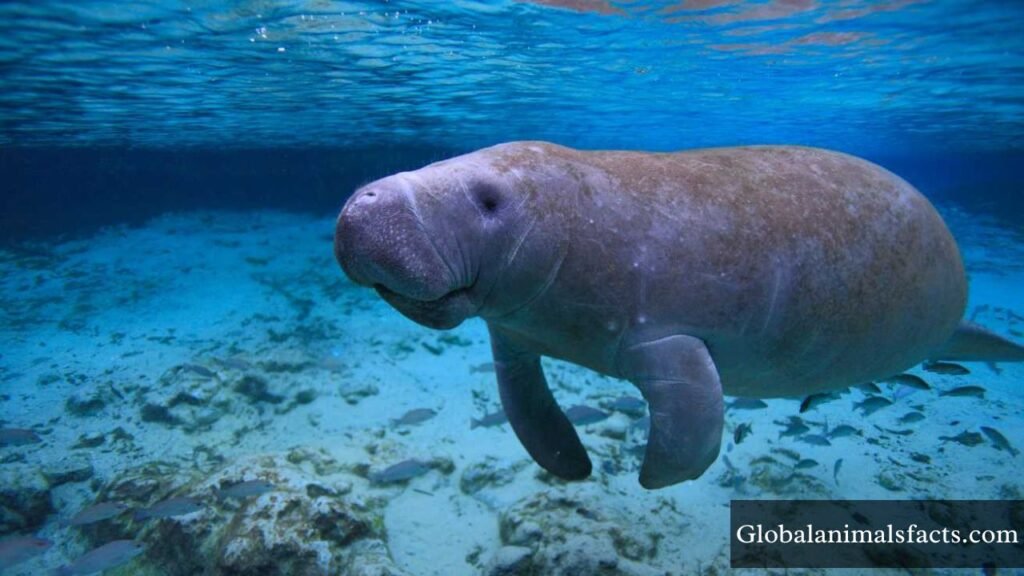
One of the most intriguing aspects of manatees is their social behavior. Despite their solitary tendencies, they can form intimate bonds with each other, often seen engaging in playful encounters that challenge our conventional views of animal interactions. Their distinctive, paddle-like flippers, adapted for a life more aquatic than terrestrial, allow them to navigate their underwater world with surprising agility, despite their slow speed.
Limpet
Scientific Name: Patella vulgata
Class: Gastropoda
Diet: Herbivore
The limpet, a marine gastropod, offers a unique lens into the world of slow movement, embodying a quieter rhythm of life beneath the waves. Anchored tightly to rocky surfaces, limpets employ a fascinating method of locomotion that defies our notions of speed. Using a powerful, muscular foot, they navigate their environment with an unhurried grace, often moving no more than a few centimeters per hour. This lethargic pace allows them not only to conserve energy but also to minimize the risk of being swept away by turbulent ocean currents.
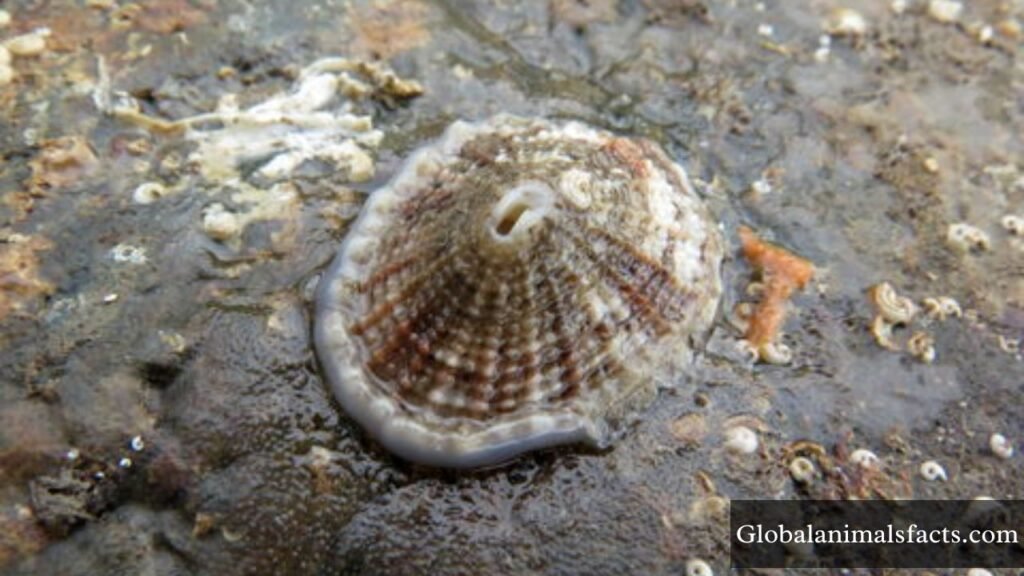
Interestingly, the limpets’ slow wanderings contribute to their remarkable adaptability. Their shell structure, shaped like a tiny conical fortress, protects them from predators while allowing them to cling tenaciously to their homes. By staying put and gradually grazing on algae, they play a critical role in maintaining the health of their immediate ecosystem.
Readmore: Explore Top 28 Energetic Animals in The World.
Final Thoughts
Animals that walk slowly are fascinating creatures that remind us of the diverse adaptations observed in the animal kingdom. From the humble sloth to the gentle giant of the tortoise, each of these slow movers has evolved unique traits that serve vital roles in their ecosystems. Their deliberate pace allows them to conserve energy, avoid predation, and, in some cases, enhance their foraging techniques. Observing these animals can offer valuable insights into the importance of patience and resilience in nature. Let us celebrate these creatures and advocate for their conservation, ensuring that their slow, yet impactful, presence endures for generations to come.
FAQs
What is the slowest animal in the world?
The title of the slowest animal in the world often goes to the three-toed sloth. This creature moves at a leisurely pace of about 0.03 miles per hour. Its slow movements are a survival strategy, allowing it to conserve energy and avoid detection by predators.
What is the slowest and laziest animal?
The sloth is often hailed as the slowest and laziest animal. These creatures inhabit the treetops of Central and South America and are known for their leisurely lifestyle. They move at a pace, averaging about 0.03 miles per hour. Their slow movement is an adaptation to conserve energy since their diet primarily consists of leaves, which are low in nutrients. In addition to their sluggishness, sloths sleep for about 15-20 hours a day. This extended rest period also aids in their energy conservation, making them the epitome of a laid-back lifestyle. While they may seem unhurried and apathetic, sloths are well-adapted to their environment; their slow movements help them avoid detection by predators.