Top 16 Dirtiest Animals in The World (With Images)
While we often associate dirtiness with disease and filth, many of these creatures play crucial roles in our ecosystems and challenge our perceptions of cleanliness. In this article, we’ll explore the dirtiest animals in the world, uncovering their unique adaptations and the surprising lessons we can learn from them. Prepare to be astonished by the complexity of nature and the resilience of these often-misunderstood beings.
List of Dirtiest Animals in The World
Below is the list of most dirtiest animals in the world:
- Pigs
- Pigeons
- Cockroaches
- Crows
- Vultures
- Rats
- Flies
- American Bison
- Raccoons
- Hyenas
- Dung Beetles
- Frogs
- Sloths
- Hippos
- Cape Buffalo
- Wild Boars
Pigs
Scientific Name: Sus scrofa domesticus
Class: Mammalia
Diet: Omnivore
Pigs often get a bad reputation for their mud-loving antics, but this perception overlooks their remarkable intelligence and social dynamics. While their love for wallowing in the dirt might suggest a lack of hygiene, this behavior actually serves crucial purposes — it helps regulate their body temperature and protects their skin from sunburn and parasites. In fact, pigs are far more fastidious than many believe; they’ll designate specific areas for eating, sleeping, and relieving themselves, demonstrating a natural sense of cleanliness within their environment.
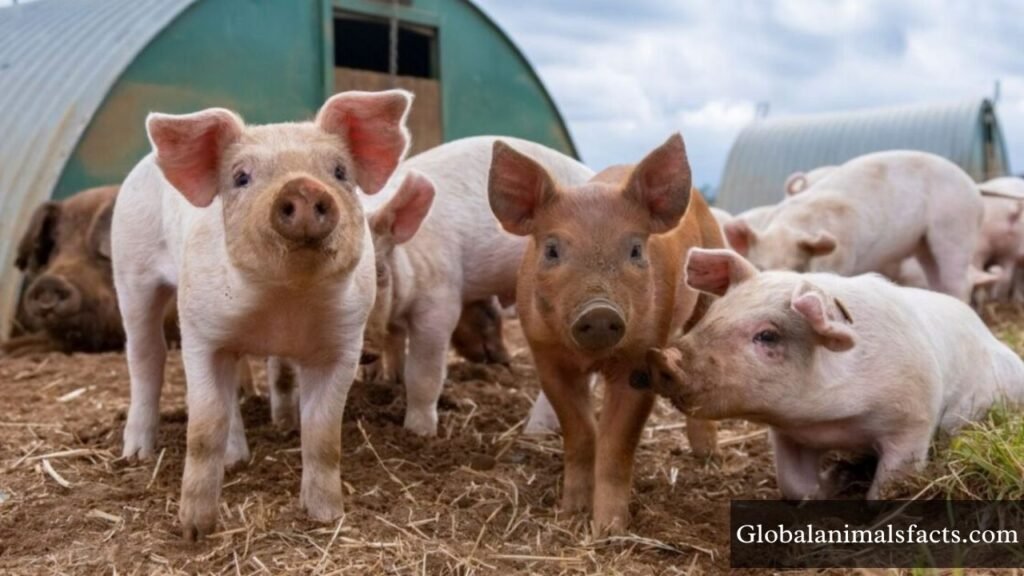
Pigs exhibit complex social structures and emotional connections, forming tight bonds within their herd. They engage in play, express affection, and even display distinct personalities. When given the opportunity, pigs often choose cleaner spaces over filthy ones, debunking the myth that they are inherently dirty animals.
Pigeons
Scientific Name: Columba livia
Class: Aves
Diet: Omnivore
Pigeons, often dismissed as urban nuisances, are surprisingly fascinating when you dig deeper. Their adaptability is unmatched; these avian scavengers thrive in bustling cities, feasting on scraps while acting as a living testament to resilience. But it’s not just their survival skills that captivate — it’s their intricate social behaviors. These birds form complex hierarchies, engage in affectionate bonding, and even display remarkable problem-solving abilities, showcasing a level of intelligence that often goes unnoticed amid their dirty reputations.
Their droppings, while notorious for staining statues and sidewalks, play an essential ecological role, acting as a natural fertilizer. This duality challenges the notion of “dirty” by highlighting how these animals contribute to urban ecosystems.
Cockroaches
Scientific Name: Periplaneta americana
Class: Insecta
Diet: Omnivore
Cockroaches often reign supreme in discussions about the dirtiest animals, but there’s more to their story than simply being grungy pests. These resilient creatures can thrive in environments filled with bacteria, thanks to their unique digestive systems. Remarkably, their gut microbiota can break down complex organic matter, enabling them to detoxify even the most contaminated surroundings. While this ability is impressive, it also means they can transport pathogens on their bodies, making them more than just a nuisance in homes and restaurants.
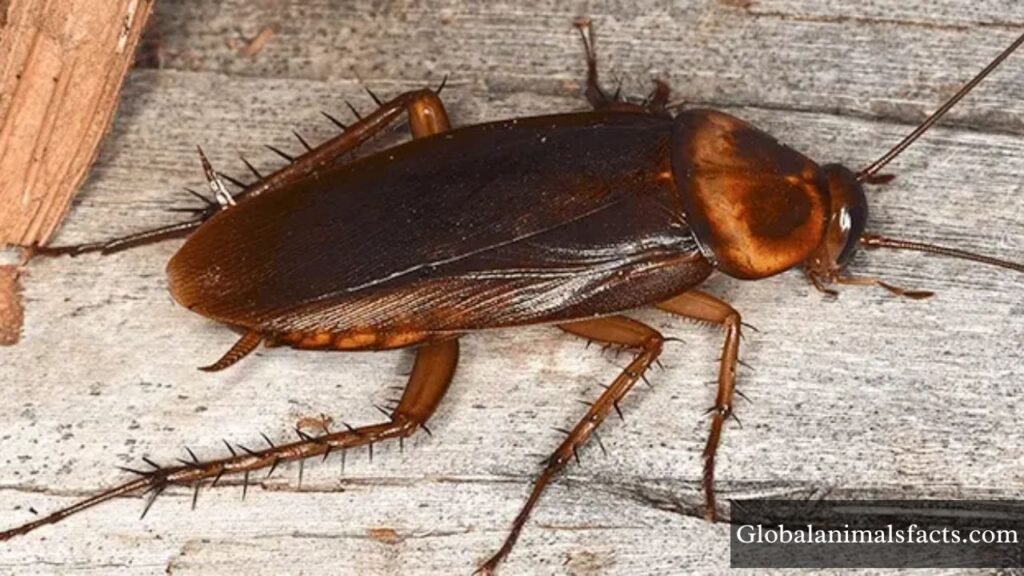
However, cockroaches’ adaptability and resilience serve a broader ecological purpose. Their decomposing habits contribute to nutrient cycling, enriching the soil and promoting healthy ecosystems. This duality prompts us to reconsider our perceptions: while they may be symbols of filth, these creatures play an indispensable role in maintaining balance in nature.
Crows
Scientific Name: Corvus brachyrhynchos
Class: Aves
Diet: Omnivore
Crows, often hailed as the cleverest birds in the avian world, are also some of the messiest. Their scavenging habits lead them to rummage through urban refuse, whether it’s tearing open garbage bags or raiding picnic baskets. This foraging behavior is not just a means of survival; it showcases their impressive problem-solving skills. A crow can even remember faces and associate humans with food sources, making them both fascinating and a little unsettling to encounter in city parks.
Yet, their ‘dirty’ reputation extends beyond mere scavenging. Crows are notorious for communal roosting habits, leading to an accumulation of droppings in their chosen gathering spots. This excretion can have ecological consequences, affecting the vegetation and soil quality in those areas. However, this so-called filth serves a dual purpose; the droppings can enrich the soil, promoting new growth.
Vultures
Class: Aves
Diet: Carnivore / Scavenger
Vultures often evoke thoughts of decay, yet they play an essential role in our ecosystems, acting as nature’s cleanup crew. Despite their reputation, these birds boast a remarkable set of adaptations that make them essential in preventing the spread of disease. Their highly acidic stomachs can neutralize harmful pathogens, allowing them to consume rotting carcasses without falling victim to the very bacteria that could devastate other animals. This unique digestive ability positions them as unsung heroes in maintaining ecological balance.
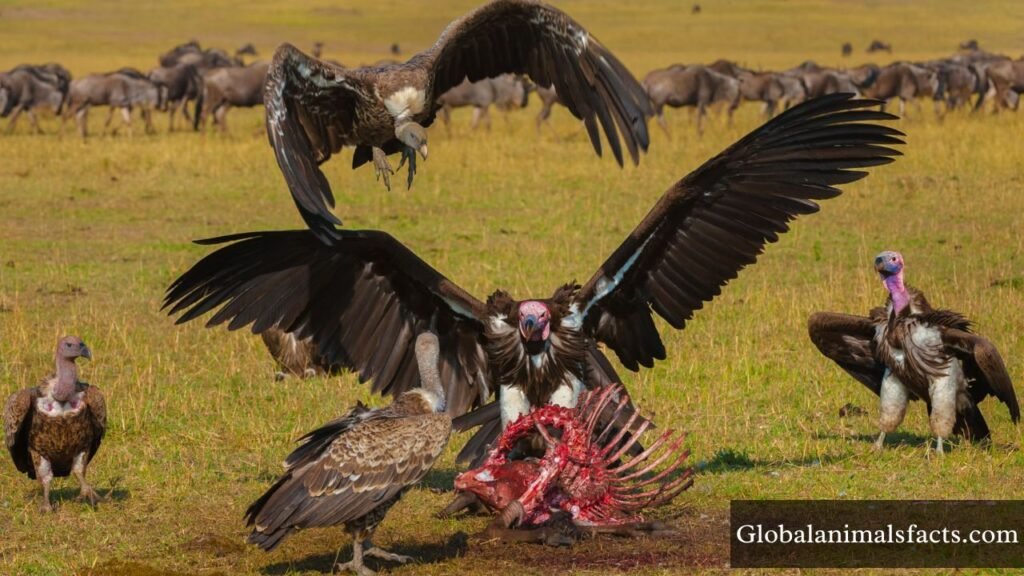
Vultures are equipped with bare heads and necks that help them stay clean as they feast on their often-messy meals. Feathers can catch bacteria and parasites, but by having minimal plumage in these areas, vultures reduce the risk of infection and can easily clean themselves after feeding. This fascinating adaptation highlights the interplay between what we deem “dirty” and the nuanced roles these creatures play in the environment.
Rats
Scientific Name: Rattus norvegicus
Class: Mammalia
Diet: Omnivore
Rats often evoke images of filth and disease, yet they possess an incredible adaptability that makes them both fascinating and resilient. These creatures thrive in urban environments, exploiting our waste and leftover scraps with impressive ingenuity. What many don’t realize is that their seemingly dirty lifestyle has granted them a remarkable immune system, allowing them to resist pathogens that would incapacitate other animals. In essence, their filth may just be a ticket to survival in the urban jungle.
Interestingly, rats are also social animals, forming intricate communities and hierarchies. Their behaviors reflect a surprising degree of intelligence; they communicate through a complex system of vocalizations and even use scent markings to establish territory. This social structure can lead to unexpected alliances and collective problem-solving, demonstrating that beneath their grimy exterior lies a rich tapestry of life. Understanding this social dynamic challenges our preconceived notions and highlights the deeper ecological roles these misunderstood animals play in urban ecosystems.
Flies
Scientific Name: Musca domestica
Class: Insecta
Diet: Omnivore
Flies are often overlooked as mere nuisances buzzing around our food, but their role in the ecosystem is surprisingly complex. Beyond their irritating presence, these creatures serve as pivotal scavengers, helping to break down decaying organic matter. This natural process not only recycles nutrients back into the soil but also supports a rich food web, benefiting countless other species. Their rapid reproduction — laying hundreds of eggs at a time — ensures that they thrive in even the most challenging environments, from bustling kitchens to remote forests.
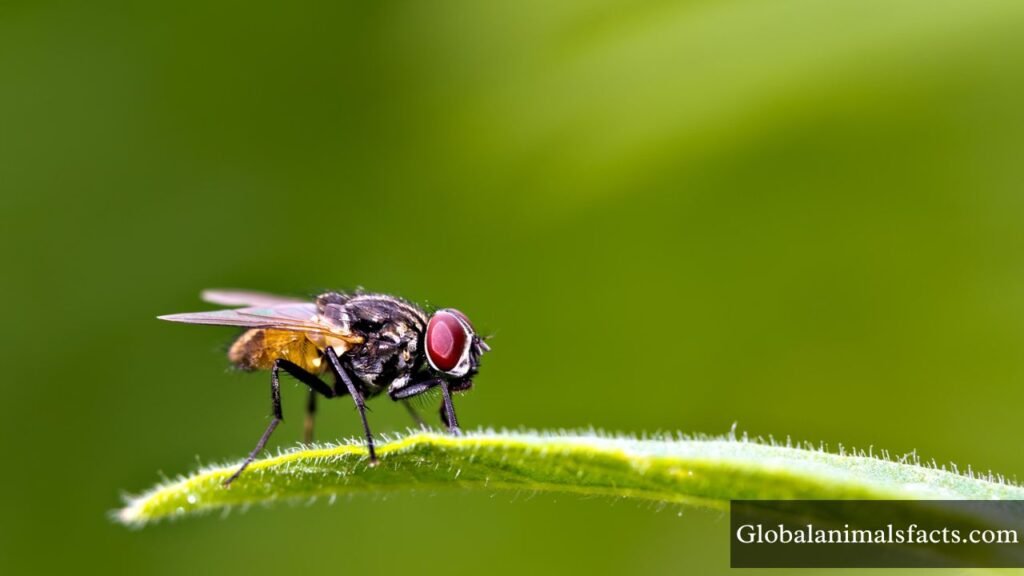
Interestingly, their attraction to filth may actually be a double-edged sword. While they can spread disease by transporting pathogens from one surface to another, they also assist in the natural cleansing of our surroundings. As they feast on decaying materials, they inadvertently sap harmful organisms, contributing to a balance that is crucial for the health of various ecosystems. So, while their presence in our kitchens might spark irritation, these tiny titans highlight the interconnectedness of life and the vital roles that even the “dirtiest” animals play in our world.
American Bison
Scientific Name: Bison bison
Class: Mammalia
Diet: Herbivore
The American bison, often romanticized as a symbol of the wild American west, carries a reputation that diverges sharply from its majestic image. Known for their massive bulk and shaggy fur, these fascinating animals can be surprisingly filthy. Bison spend a considerable part of their day rolling in mud and dust, an instinctual behavior known as wallowing. This muddy ritual serves multiple purposes: it helps regulate their body temperature, protects their skin from the harsh sun, and, perhaps most importantly, acts as a natural insect repellent.
Raccoons
Scientific Name: Procyon lotor
Class: Mammalia
Diet: Omnivore
Raccoons, often dubbed as nature’s mischievous bandits, have an uncanny ability to thrive in urban environments, turning their scavenging reputation into an art form. With dexterous paws akin to human hands, these creatures can open containers, unlock gates, and rummage through trash cans, showcasing a level of intelligence that both intrigues and appalls. Their natural curiosity leads them to explore, giving them a reputation for being dirty, but it is this very tenacity that makes them surprisingly adaptable survivors in a rapidly changing world.
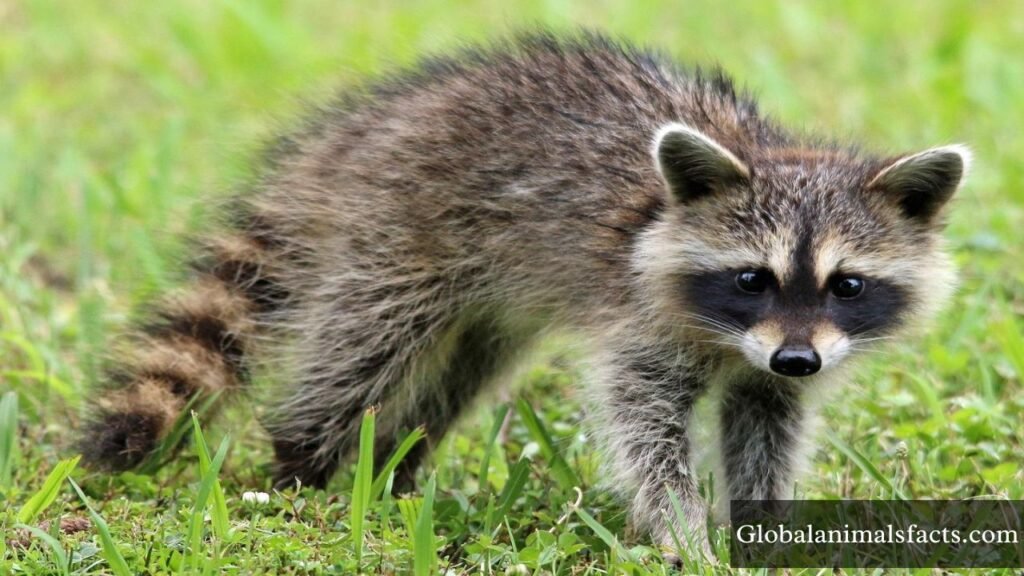
While they may be misunderstood as mere pests, raccoons play a vital role in their ecosystems by controlling insect populations and dispersing seeds. Their boldness often puts them at odds with humans, yet it’s important to recognize their contribution to urban biodiversity. It’s fascinating to observe how these seemingly “dirty” animals navigate the complexities of city life, turning hazards into opportunities.
Hyenas
Scientific Name: Crocuta crocuta
Class: Mammalia
Diet: Carnivore / Scavenger
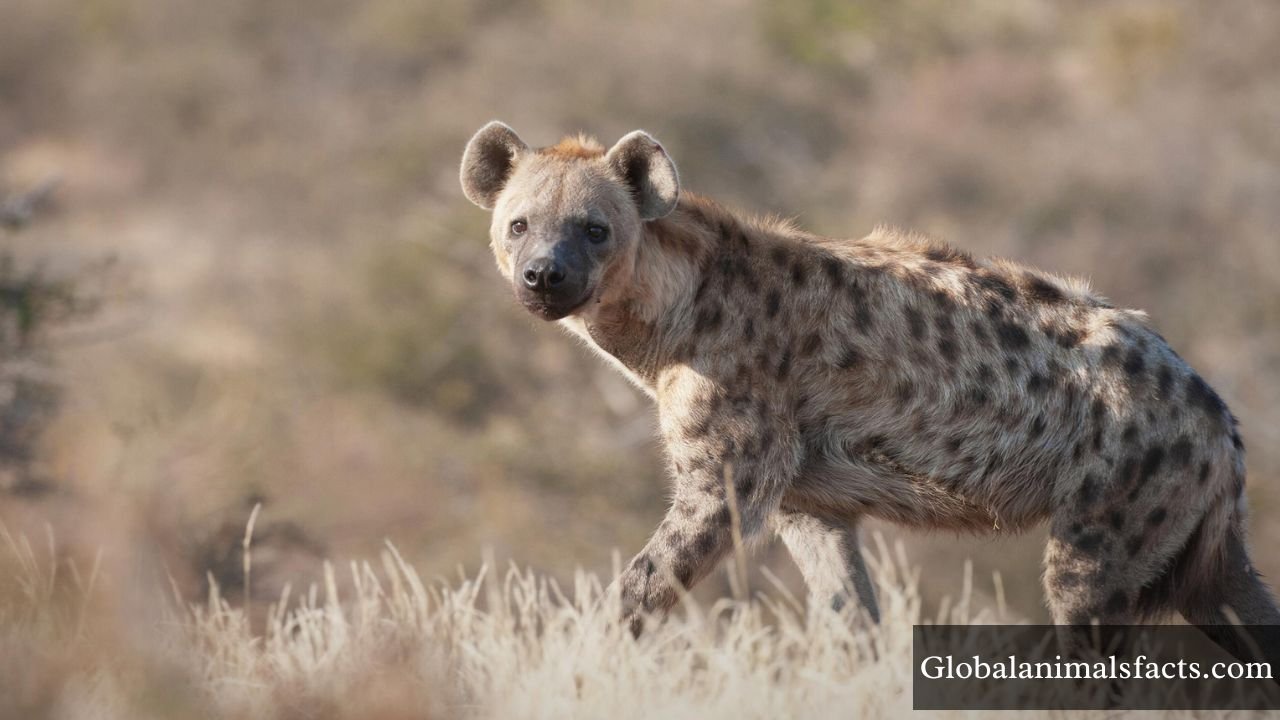
Hyenas often evoke a sense of revulsion due to their scavenging habits, but these misunderstood creatures are far more complex than their reputation suggests. Notably, their social structures resemble those of primates, characterized by intricate hierarchies and strong familial bonds. This communal approach to life allows hyenas to efficiently scavenge and hunt, showcasing not just the savagery often attributed to them but also their remarkable intelligence and adaptability.
Moreover, the image of hyenas as filthy scavengers belies their surprisingly sophisticated hygiene practices. They meticulously groom themselves and their pack members, establishing social ties while maintaining their health. While they thrive on carrion, their digestive systems are uniquely adept at processing diseases that would incapacitate other carnivores, demonstrating a beneficial relationship with the environment. In fact, these “dirtiest” animals play a crucial ecological role, limiting the spread of disease and recycling nutrients back into the ecosystem.
Dung Beetles
Class: Insecta
Diet: Coprophagous
Dung beetles, often seen as the unsung heroes of the ecosystem, transform what many consider repulsive into a crucial natural resource. These industrious insects play a vital role in nutrient cycling, breaking down animal waste and returning essential nutrients to the soil. Their unique behaviors, such as rolling and burying dung, not only alleviate the foul odors associated with waste but also prevent the spread of parasites, making them ecological champions.
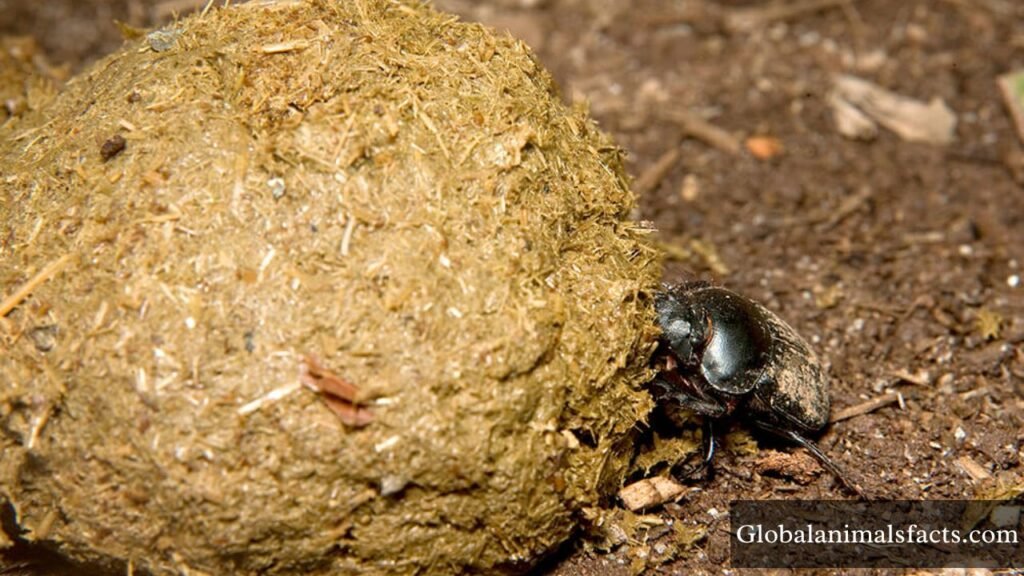
Interestingly, dung beetles exhibit remarkable navigational skills. Some species can even orient themselves using the Milky Way, a unique adaptation that sets them apart in the animal kingdom. Moreover, studies reveal a fascinating social structure among these beetles; they can communicate with pheromones to locate dung and often work collaboratively, reinforcing a sense of community in a realm often perceived as solitary. Their ability to thrive in a seemingly unclean habitat showcases nature’s brilliance, revealing that even the dirtiest animals can contribute significantly to environmental health and biodiversity.
Frogs
Class: Amphibia
Diet: Carnivore
Frogs may not immediately spring to mind when considering “dirty” animals, yet their unique lifestyles and habitats often lead them to inhabit environments teeming with bacteria and parasites. Amphibians thrive in wet, sometimes murky environments where they are constantly on the move, jumping between terrain that often includes decomposing organic matter. This proximity to decay can foster a range of microscopic organisms that hitch rides on their slimy skin, essentially turning these creatures into unwitting hosts for environmental pathogens.
Interestingly, some frogs possess a remarkable ability to tolerate these dirty conditions thanks to their permeable skin, which allows them to absorb not only water but also certain toxins and bacteria. This adaptability plays a crucial role in their survival, yet it poses significant risks, as it makes them susceptible to pollutants and diseases like chytridiomycosis — a fungal infection devastating frog populations worldwide.
Sloths
Scientific Name: Bradypus variegatus
Class: Mammalia
Diet: Herbivore
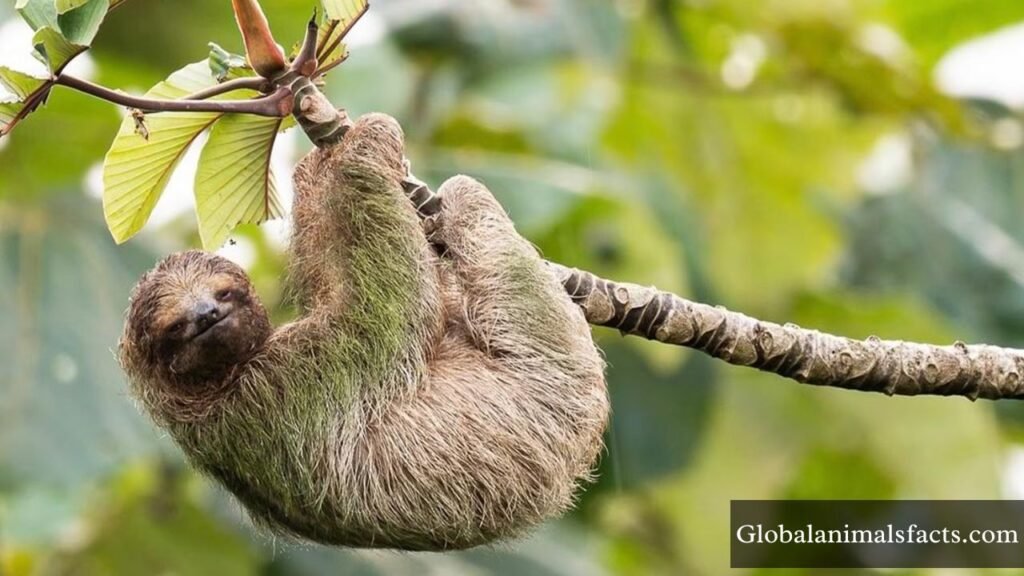
Sloths, often celebrated for their relaxed demeanor and slow-motion lifestyles, have garnered a surprising reputation as some of the dirtiest animals in the wild. Their fur is home to a variety of microorganisms, including algae, which can give them a green tint and serve as a form of camouflage. This unique symbiosis not only provides a protective color but also aids in attracting insects that sloths devour. In the tangled canopies of Central and South American forests, sloths embody a striking example of how beauty and filth can intermingle in nature.
Hippos
Scientific Name: Hippopotamus amphibius
Class: Mammalia
Diet: Herbivore
Hippos, often romanticized as adorable river dwellers, harbor a surprising truth beneath their rotund exteriors — they are among the dirtiest animals on the planet. While most people envision hippos lounging languidly in water, the reality is far grimmer. These massive creatures spend much of their day submerged, yet this does little to keep them clean. In fact, they secrete a thick, oily substance often referred to as “blood sweat,” which is a mix of sweat and oil. This goo not only acts as a natural sunscreen but also harbors bacteria, giving rise to a foul odor that rivals that of any landfill.
Despite their somewhat unsightly nature, hippo waste plays a surprisingly crucial role in their ecosystem. Their dung, rich in nutrients, fertilizes the waters they inhabit, supporting a vibrant community of aquatic life. This unique contribution highlights the complex interconnectedness of nature, showcasing how even the dirtiest of animals can foster startling ecological benefits.
Cape Buffalo
Scientific Name: Syncerus caffer
Class: Mammalia
Diet: Herbivore
The Cape buffalo, often viewed as a symbol of untamed wilderness, carries a reputation that’s as robust as its physique. Known for their remarkable resilience, these animals are not only fierce but also unapologetically dirty, often wallowing in muddy waterholes. This behavior is more than mere indulgence; it serves a crucial function in regulating their body temperature and protecting their skin from biting insects and sunburn. The muck shields their sensitive skin, acting as a natural sunscreen and repellent.
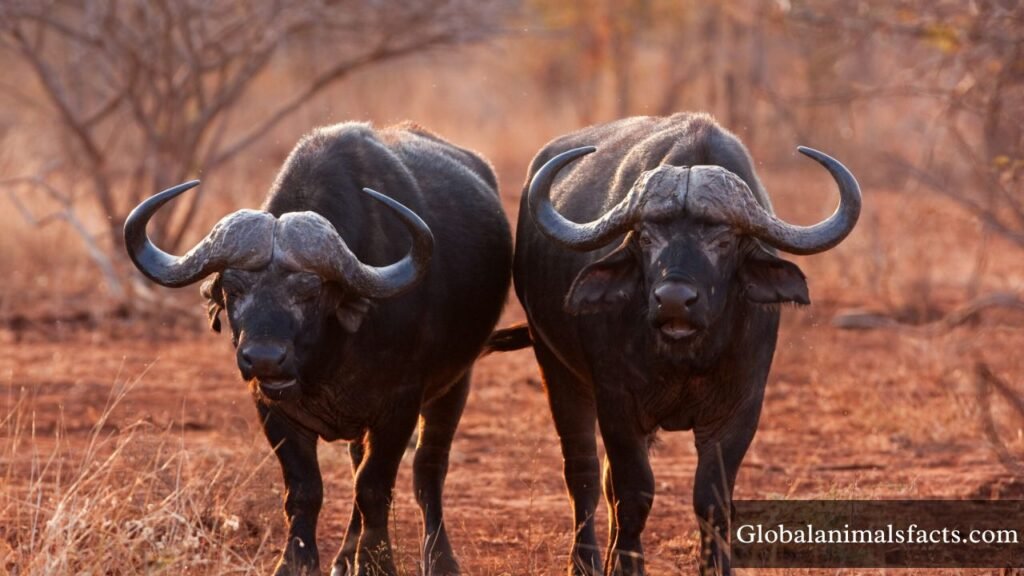
Interestingly, the Cape buffalo’s dirt-covered hide also creates a unique ecosystem. The mud is a breeding ground for various microorganisms that coexist with the buffalo, forming a symbiotic relationship. Some studies suggest that certain bacteria help ward off harmful pathogens, showcasing nature’s intricate network of interactions.
Wild Boars
Scientific Name: Sus scrofa
Class: Mammalia
Diet: Omnivore
Wild boars are often mischaracterized as simply dirty creatures, but this reputation oversimplifies their complex behavior. These cunning animals thrive in diverse environments, exhibiting a remarkable adaptability that speaks to their intelligence. While they may roll in mud to cool off and ward off parasites, this seemingly filthy behavior serves a dual purpose, acting as a natural sunscreen against the harsh sun.
Beyond their wallowing habits, wild boars play a crucial ecological role. As foragers, they disturb the soil while searching for food, promoting seed germination and enriching the earth. This chaotic digging not only benefits plant life but also creates habitats for other species.
Readmore: Explore Top 30 Shy Animals in The World.
Final Thoughts
While the dirtiest animals may initially elicit a sense of disgust, they play crucial roles in maintaining ecological balance. From scavengers like vultures to creatures like the common housefly, these animals contribute to the decomposition process and help manage waste in their environments. Their unique adaptations and behaviors have evolved to thrive in less-than-sterile conditions. Understanding the importance of these animals can shift our perspective from viewing them as mere pests to recognizing their invaluable contributions to nature. Therefore, let’s embrace the complexity of the animal kingdom and appreciate even the dirtiest among us for the roles they play in our ecosystem.
FAQs
What is the dirtiest animal in the world?
The title of the dirtiest animal often goes to the pig. Pigs are infamous for their love of rolling in mud and filth, which helps them cool down and protect their skin from sunburn and parasites.
Are pigs the dirtiest animals?
Pigs often get a bad reputation for being dirty, but this isn’t entirely accurate. While they do roll in mud, this behavior is essential for their health. The mud helps cool them down and protects their skin from the sun and pests. In fact, pigs are quite clean animals when given the opportunity; they prefer to designate specific areas for eating, sleeping, and relieving themselves.
What is the most gross animal?
The blobfish often tops lists of the “grossest” animals, and it’s easy to see why. Its jelly-like, saggy body looks more like a discarded pile of goo than a creature from the ocean. Found deep in the waters off Australia and New Zealand, its appearance is largely due to the extreme pressure in its natural habitat. When brought to the surface, it can’t handle the change and takes on that unappealing, blobby shape. Despite its looks, the blobfish plays a crucial role in its ecosystem, feeding on crustaceans and maintaining balance in its underwater world.