Top 13 Animals That Eat Oranges (Images Included)
Did you know that some animals have a surprising affinity for citrus fruits, particularly oranges? While we often associate these juicy snacks with humans, a variety of animals savor the zesty flavor and nutrition that oranges provide. Understanding which creatures indulge in this refreshing treat not only showcases the diverse diets of the animal kingdom but also highlights the interconnectedness of ecosystems. In this article, we’ll explore the fascinating world of animals that eat oranges and uncover why this unique food choice matters to their survival and our environment.
List of Animals That Eat Oranges
Here is the list of animals that like to eat oranges:
| Number of Animals | Names of Animals That Eat Oranges |
| 1 | Raccoons |
| 2 | Deer |
| 3 | Red-bellied Woodpeckers |
| 4 | Bears |
| 5 | Tamarins |
| 6 | Fruit Bats |
| 7 | Northern Mockingbirds |
| 8 | Squirrels |
| 9 | Pigs |
| 10 | Parrots |
| 11 | Orangutans |
| 12 | Black Rats |
| 13 | Squirrel Monkeys |
Raccoons
Scientific Name: Procyon lotor
Class: Mammalia
Diet: Omnivore
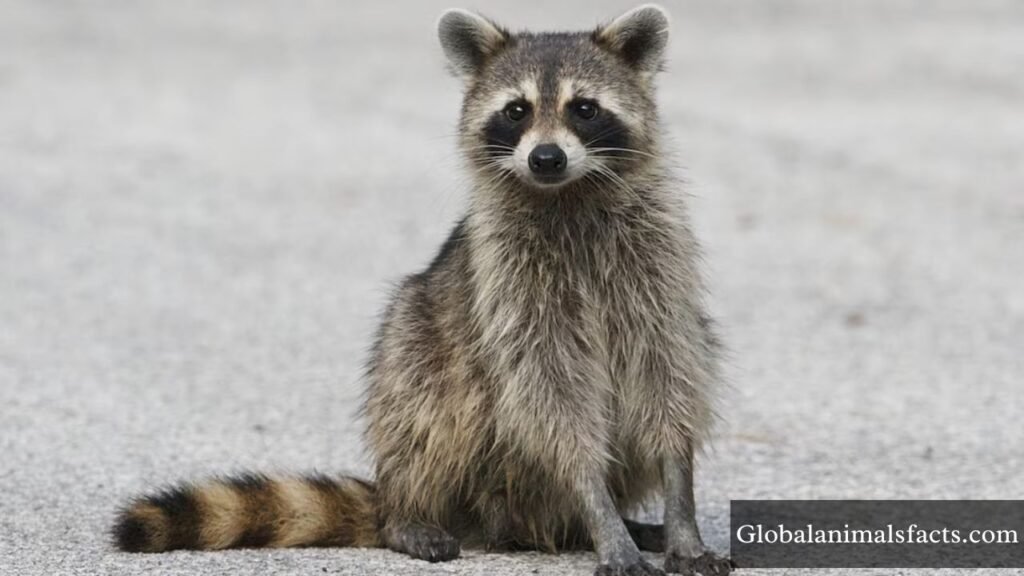
Raccoons are often viewed as mischievous bandits of the night, but their dietary choices are surprisingly diverse and intriguing. While they are primarily omnivorous, their curiosity leads them to forage for a variety of foods, including fruits like oranges. In the wild, these clever critters can be spotted pawing through trash cans and gardens, eagerly searching for anything that piques their interest. Oranges, with their juicy segments and vibrant aroma, make for an appealing treat, especially during warmer months. Interestingly, the citrus scent of oranges is particularly enticing to raccoons, activating their keen sense of smell. This olfactory enthusiasm not only satisfies their hunger but also provides essential hydration during drier periods.
Deer
Scientific Name: Cervidae
Class: Mammalia
Diet: Herbivore
Deer are often perceived as gentle grazers, but their diets are surprisingly diverse. While typically associated with grass and leaves, many deer, particularly in the wild and during certain seasons, delight in the sweet, tangy flavor of oranges. These citrus fruits provide essential vitamins and hydration, making them an attractive snack, especially in warmer months when forage may be scarce. There’s something fascinating about how these herbivores adapt their diets based on resource availability, showcasing their resilience in varying environments.
Red-bellied Woodpeckers
Scientific Name: Melanerpes carolinus
Class: Aves
Diet: Omnivore
Red-bellied woodpeckers, often misidentified due to their similar appearance to other woodpecker species, showcase an unexpected culinary delight — savoring oranges. These vibrant birds, with their striking red napes and patterned backs, are typically known for their bark-pecking and insect-seeking behavior. However, when it comes to fruit, their curious nature shines through. Their sleek, pointed tongues adeptly extract juicy morsels from orange segments, highlighting a fascinating adaptability in their diet.
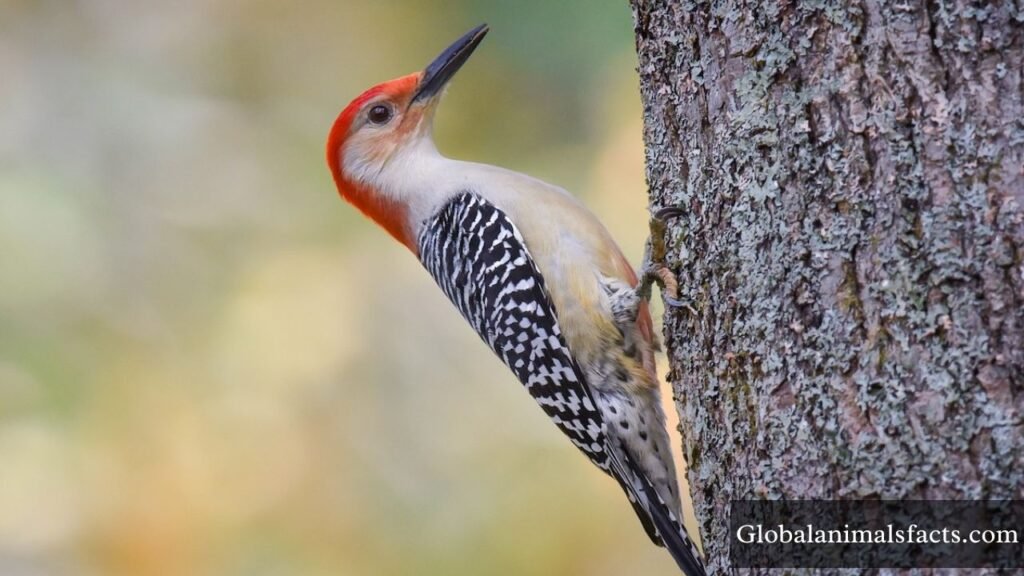
What sets red-bellied woodpeckers apart is their distinct interaction with their environment. By feeding on oranges, they inadvertently contribute to seed dispersal, aiding in the growth of diverse plant species. Their choice of a citrus snack reflects a broader ecological role — one that emphasizes the interconnectedness of species within ecosystems.
Readmore: Explore Top 14 Animals That Eat Cactus.
Bears
Scientific Name: Ursidae
Class: Mammalia
Diet: Mostly Omnivore
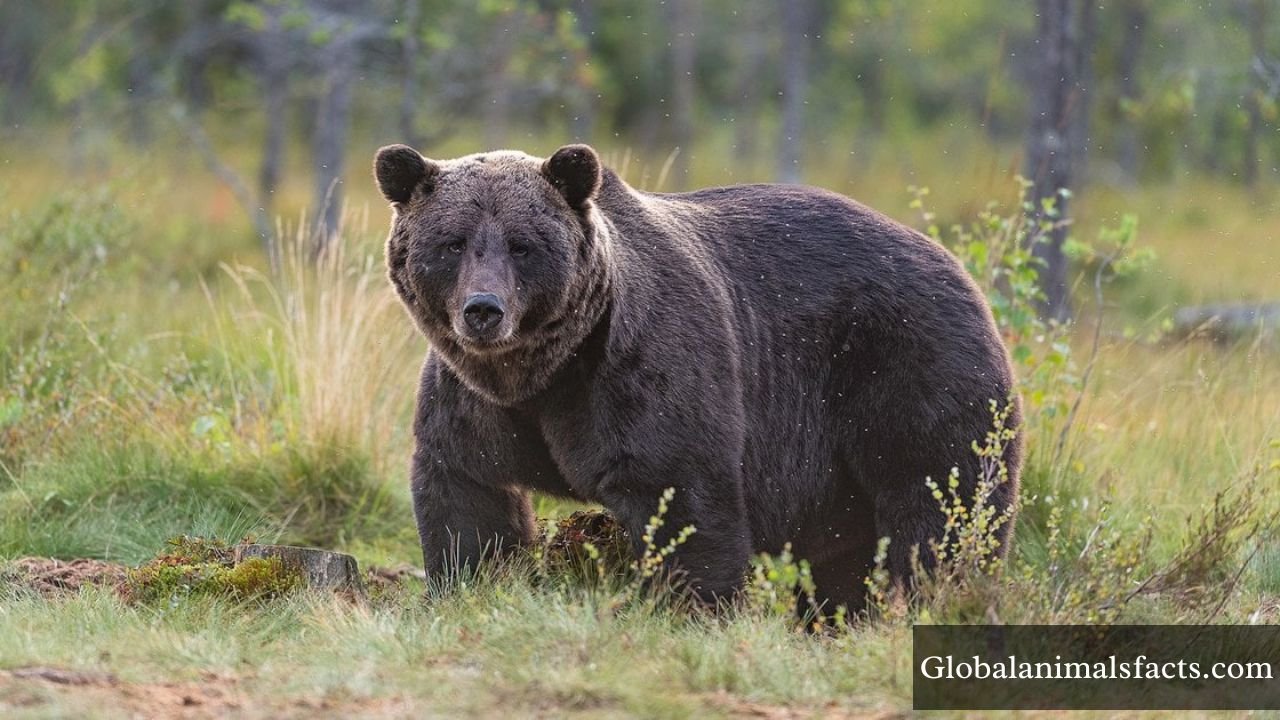
Bears are often depicted as formidable predators, yet these massive mammals also enjoy the sweeter side of life — particularly when it comes to fruit. Among their varied diet, oranges stand out as a rare treat. In the wild, bears have an impressive sense of smell, allowing them to detect ripe oranges from great distances. This easy access to vitamin-rich fruit offers them an additional energy source as they prepare for the rigorous demands of winter hibernation.
What makes bears’ orange-eating habits fascinating is their adaptability. While they typically forage for berries, nuts, and fish, the consumption of citrus fruits reveals their opportunistic nature. In regions where orange orchards flourish, bears have been known to break into farms, showcasing their intelligence as they navigate barriers to feast on these juicy treasures.
Tamarins
Scientific Name: Saguinus
Class: Mammalia
Diet: Omnivore
Tamarins, those delightful little primates, have a surprising knack for embracing the tangy sweetness of oranges. These creatures, predominantly found in the lush rainforests of Central and South America, exhibit fascinating foraging behaviors that extend to citrus fruits. Their keen sense of smell helps them locate ripe oranges in the dense foliage, showcasing their adaptability in a changing habitat. Unlike many other fruit-eating animals, tamarins utilize their size to nimbly navigate through the trees, often using their agile limbs to snatch fruits from the branches effortlessly.
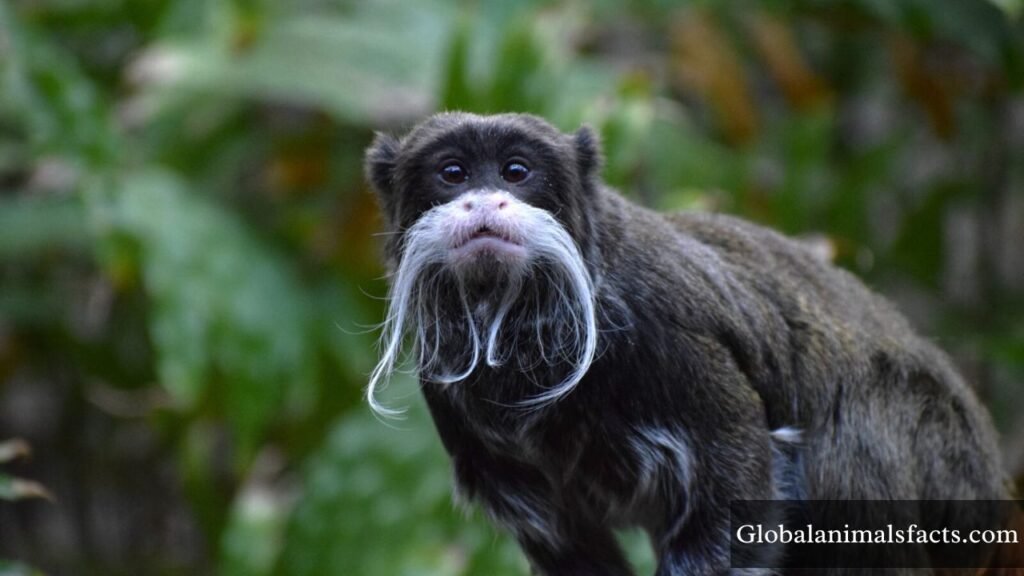
Beyond mere sustenance, tamarins’ consumption of oranges highlights their role in forest ecosystems. By eating and dispersing the seeds of citrus, they contribute to the growth of new plants, creating a healthy cycle of regeneration. This interaction underlines the intricate balance of nature, where even the smallest creatures can have a significant impact on their environment.
You can also read: Explore Top 14 Animals That Eat Rabbits.
Fruit Bats
Scientific Name: Pteropodidae
Class: Mammalia
Diet: Frugivore
Fruit bats, often regarded as nature’s pollinators, have a surprising penchant for oranges that goes beyond mere snacking. These nocturnal mammals are equipped with keen eyesight and a delightful sense of smell, which they utilize to locate ripe, juicy fruits in the dark. As they feed on oranges, they don’t just indulge their taste buds; they also play a crucial role in the ecosystem by dispersing seeds. This process ensures that new plants can grow far from the parent tree, contributing to genetic diversity and overall forest health.
But what’s even more fascinating is how these bats contribute to the agricultural landscape. Farmers often appreciate their presence, as fruit bats can help control pest populations by consuming insects attracted to their orchards. By attracting these bats to their groves, farmers can foster a natural balance, reducing the need for chemical pesticides.
Northern Mockingbirds
Scientific Name: Mimus polyglottos
Class: Aves
Diet: Omnivore
Northern mockingbirds are more than just melodic songsters; they are surprisingly adventurous eaters, incorporating oranges into their diet with enthusiasm. These resourceful birds have developed a penchant for citrus fruits, and their attraction to ripe oranges can be witnessed in backyards and gardens. Their keen intelligence allows them to mimic sounds and calls from their environment, but this adaptability extends to their culinary choices as well.
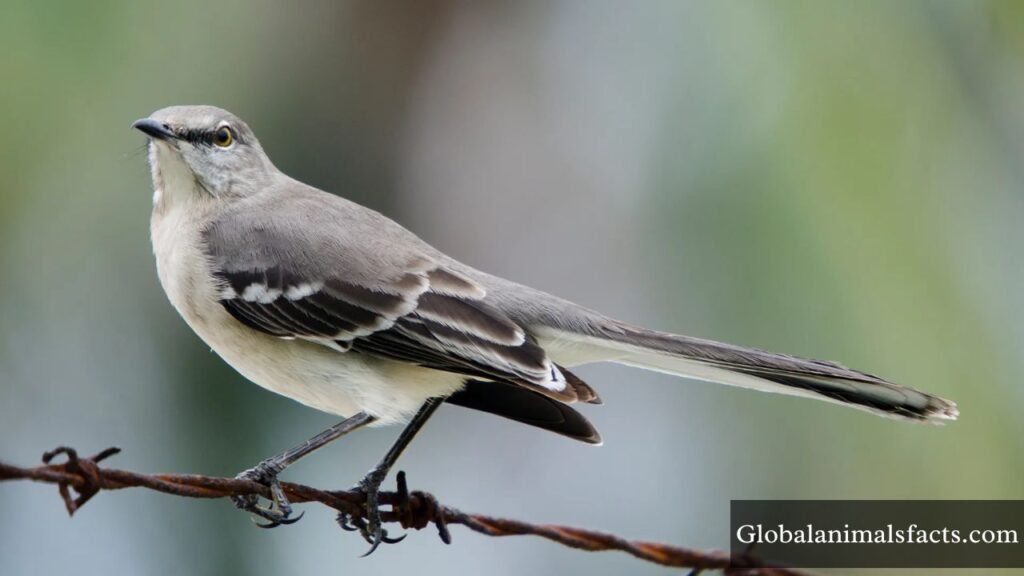
Observing mockingbirds feast on oranges offers a glimpse into their behavior and the ecosystem they inhabit. As these agile foragers peck at the fruit, they not only satisfy their hunger but also help in seed dispersal, contributing to local biodiversity. This relationship underscores the balance of nature — where even the simplest act of dining can have wider implications for the environment.
Also read: Explore Top 12 Animals That Eat Squirrels.
Squirrels
Scientific Name: Sciuridae
Class: Mammalia
Diet: Omnivore
Squirrels, with their agile bodies and inquisitive nature, have an unexpected fondness for oranges. While typically thought of as nut enthusiasts, these clever critters are adept at diversifying their diets based on what’s available. In urban settings, where humans cultivate fruit trees, squirrels seize the opportunity to nibble on ripe oranges, demonstrating their adaptability. This foraging behavior not only reveals their resourcefulness but also underscores the importance of seasonal cycles in their feeding habits.
Interestingly, the high vitamin C content in oranges can provide squirrels with a nutritional boost, especially during the winter months when food sources become scarce. Observing a squirrel crack open an orange is a delightful experience, as they deftly manipulate the fruit, showcasing their dexterity. Moreover, this affinity for citrus doesn’t merely satisfy hunger; it may also be a strategic choice to quell thirst, highlighting the intricate relationship between food and hydration in these vibrant mammals.
Pigs
Scientific Name: Sus scrofa domesticus
Class: Mammalia
Diet: Omnivore
Pigs are surprisingly versatile eaters, and their affinity for oranges showcases their adventurous palate. While they are often associated with scavenging and rooting for food, these intelligent animals exhibit a distinct enthusiasm for citrus fruits. The vibrant color and tangy flavor of oranges not only attract pigs but also provide them with a burst of essential nutrients like vitamin C and fiber. This enhances their overall health and well-being, making oranges a delightful treat in their diets.
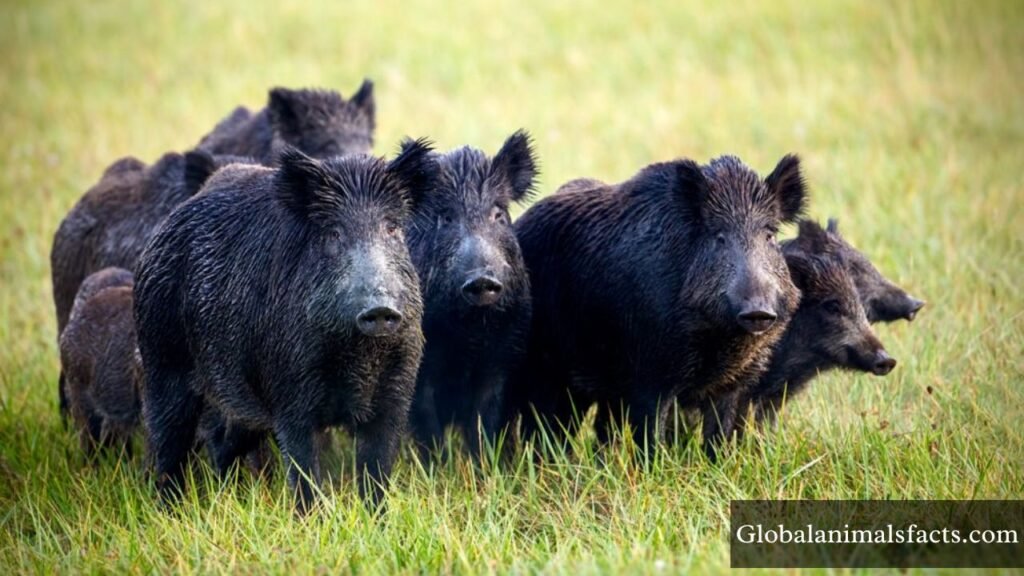
Interestingly, pigs’ unique digestive systems allow them to metabolize the sugars in oranges efficiently. This means that, rather than causing health issues commonly associated with excessive sugar in other animals, oranges can actually serve as a refreshing, hydrating snack. In many farms, oranges that are deemed unsellable due to blemishes or size irregularities find a second life as pig fodder, reducing waste and promoting sustainability.
Readmore: Explore Top 12 Animals That Eat Ants.
Parrots
Scientific Name: Psittaciformes
Class: Aves
Diet: Herbivore/Omnivore
Parrots are not just vibrant in color, but also in their dietary choices. Among their favorites are fruits, and oranges hold a special allure for these intelligent birds. Rich in vitamin C, the zesty citrus fruit boosts their immune system and keeps their plumage vibrant. Watching a parrot deftly peel away the bright skin of an orange is a marvel; their dexterity reveals an evolved skill set designed for food foraging.
The interaction does not end with mere consumption; parrots often use oranges as a form of play. The juicy, splatting pulp and tangy scent provide sensory stimulation, making it a delightful enrichment activity. In the wild, their natural curiosity leads them to explore and experiment with various foods, and offering oranges can replicate that fun, immersive experience. This fruit serves not only as nutrition but also as an avenue for mental engagement, highlighting the complex relationship parrots have with their environment and the foods they encounter.
Orangutans
Class: Mammalia
Diet: Mostly Frugivore
Orangutans are remarkable not just for their intelligence and agility, but also for their eclectic diet, which includes a surprising penchant for oranges. In the wild, these great apes primarily consume fruits, and the citrusy tang of an orange is an appealing treat that can enrich their diet. The soft, juicy flesh offers hydration and essential nutrients, making it a valuable food source when other fruits may be less abundant. Observing orangutans peel and consume oranges is not just a testament to their adaptability but also a glimpse into their problem-solving abilities — often, they’ll devise techniques to extract the sweet pulp with impressive dexterity.
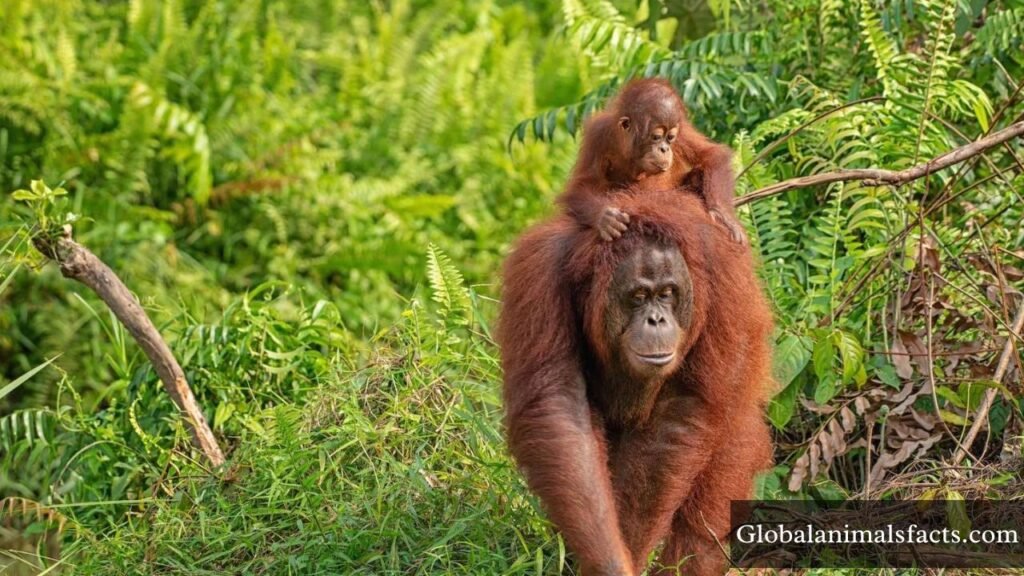
Moreover, the fruit’s bright color and fragrance can attract these curious creatures, sparking moments of playful interaction as they explore the texture and taste in their hands. In conservation efforts, providing oranges in sanctuaries serves as both enrichment and a reminder of their natural foraging instincts. This interaction fosters a bond between caregivers and orangutans, enhancing the apes’ well-being as they engage with their environment.
You can also read: Explore Top 20 Animals That Eat Monkeys.
Black Rats
Scientific Name: Rattus rattus
Class: Mammalia
Diet: Omnivore
While black rats are often depicted as undesirable pests, their diet reveals fascinating aspects of their adaptability. These resourceful creatures are known to munch on a variety of fruits, including oranges, showcasing their ability to thrive in diverse environments. In urban settings, where food sources can be unpredictable, the sweet, tangy flesh of an orange serves as an energetic treat that sustains them, particularly during resource-scarce seasons.
When these rats nibble on the fruit, they not only enjoy the sugars and zesty flavors but also inadvertently aid in seed dispersal. As they traverse their territories, a few seeds may escape in their droppings, contributing to the growth of new orange trees. This relationship, albeit unintentional, highlights the interconnectedness of species in urban ecosystems — where an often-maligned creature inadvertently becomes a participant in the propagation of citrus trees.
Squirrel Monkeys
Scientific Name: Saimiri
Class: Mammalia
Diet: Omnivore
Squirrel monkeys are not just charming with their playful antics; they also have a taste for citrus — particularly oranges. Found primarily in the tropical forests of Central and South America, these small primates have adapted to a diverse diet that includes fruits, insects, and even small vertebrates. What sets them apart in their fruit-loving ways is their preference for the juicy sweetness of oranges, which provides essential hydration and energy in their lush habitats. Watching them peel and consume orange slices is a fascinating sight, revealing their dexterous hands and keen intelligence as they navigate the fruit’s tough skin.
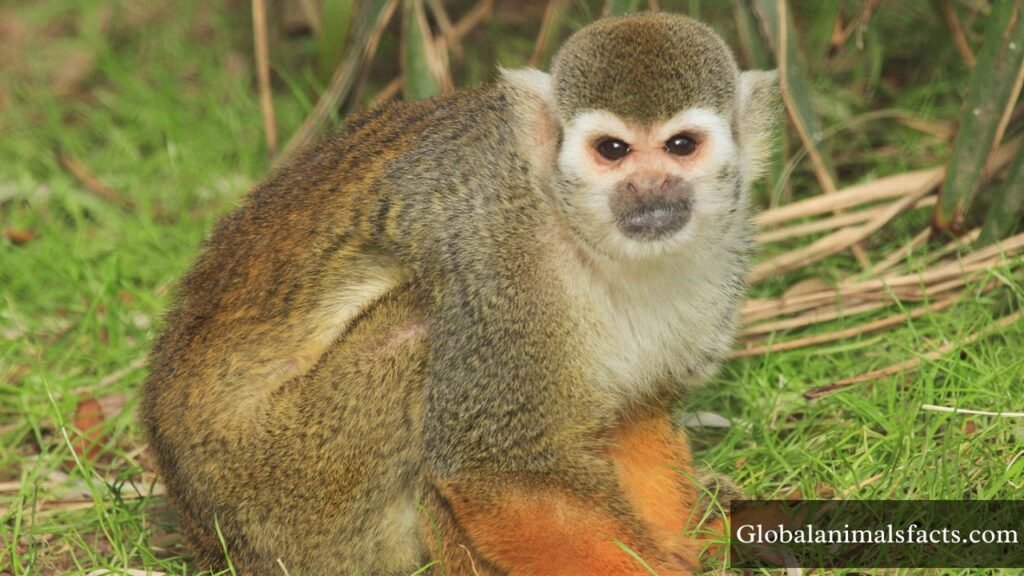
Beyond mere sustenance, the relationship between squirrel monkeys and oranges offers a glimpse into a broader ecological balance. In ingesting and dispersing the seeds of the fruit, these monkeys play a vital role in forest regeneration. As they munch on the vibrant orange pulp, they inadvertently contribute to the growth of new trees, completing the circle of life in their ecosystem.
Readmore: Explore Top 15 Animals that Eat Coconuts.
Conclusion
Ultimately, the array of animals that enjoy oranges exemplifies the interconnectedness of nature and the role that each species plays within the ecosystem. Whether it’s a curious raccoon or a foraging squirrel, these fruit-eating animals remind us of the bounty that nature provides. Understanding their behavior and dietary preferences enriches our knowledge of wildlife and encourages a deeper appreciation for the fruits of the earth. By supporting sustainable agricultural practices, we can help ensure that both animals and humans continue to benefit from the delicious and nutritious offerings of citrus. Let’s work together to protect our environment and foster a habitat where all creatures can thrive.
FAQs
Which animal likes oranges?
Many animals enjoy oranges, but one of the most notable is the monkey. In the wild, monkeys often indulge in a variety of fruits, and oranges are a sweet choice they love. Their nimble hands make it easy for them to peel and enjoy the juicy flesh. Birds, particularly parrots, also have a fondness for oranges. They relish the vibrant color and tangy flavor, and it’s packed with vitamin C, which is crucial for their health.
Can squirrels eat oranges?
Yes, squirrels can eat oranges! They are known to munch on various fruits, and oranges are no exception. The sweet and juicy flesh of the fruit can be quite appealing to them. In fact, squirrels can be quite resourceful and will take advantage of whatever food source is available.
Do cows eat oranges?
Yes, cows can eat oranges, but it should be done in moderation. Oranges contain high levels of sugar and acidity, which can upset a cow’s digestive system if consumed in large quantities. In smaller amounts, they can be a treat or a source of vitamin C.
Do bears eat oranges?
Yes, bears can eat oranges, though it’s not a major part of their diet. They are omnivores and will consume a variety of fruits when available. Citrus fruits like oranges might attract them, especially if they’re ripe and sweet.
What birds will eat oranges?
Many birds enjoy snacking on oranges, particularly those that are attracted to bright colors and sweet flavors. Common visitors include mockingbirds, orioles, and tanagers. These birds are drawn to the juicy fruit, especially during migration when they need high-energy foods.
Does a rabbit eat oranges?
Yes, rabbits can eat oranges, but only in moderation. Oranges are high in sugar and acidity, which can upset a rabbit’s digestive system if consumed in large quantities. A small piece as an occasional treat is fine, but it’s essential to balance it with their primary diet of hay, fresh vegetables, and a limited amount of pellets.