Explore Top 30 Shy Animals in The World (With Images)
Shy animals in the world, like the rare Kakapo and the secretive Aye aye, embody a delicate balance between nature’s beauty and its mysteries. Understanding these timid beings not only enriches our knowledge of biodiversity but also highlights the importance of conservation efforts. In this article, we’ll explore their unique behaviors, habitats, and the challenges they face, inviting you to appreciate the quieter side of wildlife.
List of Most Shy Animals in The World
Below is the list of animals that are shy:
| Number of Animals | Names of Shy Animals |
| 1 | Deer |
| 2 | Slow Loris |
| 3 | Cheetah |
| 4 | Sloth |
| 5 | Fossa |
| 6 | Platypus |
| 7 | Saola |
| 8 | Snow Leopard |
| 9 | Koala |
| 10 | Red Squirrel |
| 11 | Kiwi |
| 12 | Quokka |
| 13 | Okapi |
| 14 | Tarsier |
| 15 | Dik-Dik |
| 16 | Hedgehog |
| 17 | Kakapo |
| 18 | Red Panda |
| 19 | Giant Anteater |
| 20 | Pangolins |
| 21 | Aye-aye |
| 22 | Maned Wolf |
| 23 | Binturong |
| 24 | Meerkat |
| 25 | Fennec Fox |
| 26 | Aardvarks |
| 27 | Giant Panda |
| 28 | Axolotl |
| 29 | Kangaroo |
| 30 | Spoon-billed Sandpiper |
Deer
Scientific Name: Cervidae
Class: Mammalia
Diet: Herbivore
Deer embody a blend of grace and caution, often seen as symbols of gentleness in the wild. These creatures possess an acute awareness of their surroundings, utilizing their sharp senses to detect even the slightest disturbances. Their large ears not only enhance their hearing but also reveal a remarkable adaptability, allowing them to thrive in diverse habitats — forests, grasslands, and even urban areas. This keen sensitivity allows them to remain elusive, making encounters with humans a rare and special experience.
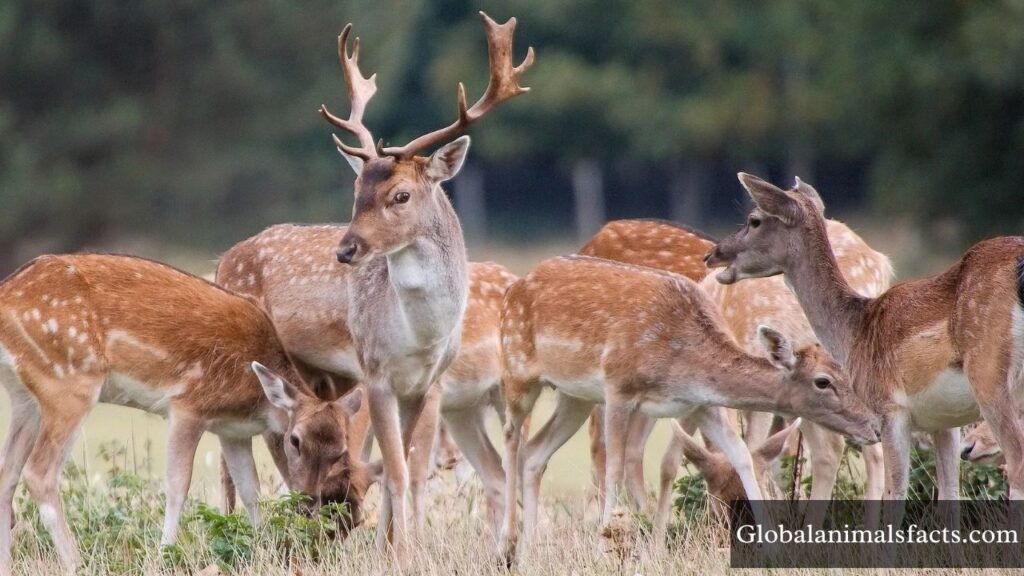
Beyond their physical adaptations, deer also exhibit intricate social behaviors, from the protective instincts of mothers teaching their fawns to the harmonious interactions within herds. Interestingly, their shyness fosters a unique survival strategy; by staying hidden and remaining vigilant, they can evade predators and minimize danger.
Slow Loris
Scientific Name: Nycticebus
Class: Mammalia
Diet: Omnivore
The slow loris, with its large, expressive eyes and endearing demeanor, epitomizes the allure of shy animals. Native to the rainforests of Southeast Asia, this nocturnal primate captivates observers not only with its slow, deliberate movements but also with its unique method of self-defense. Unlike many creatures that resort to alarm or escape tactics, the slow loris secretes a toxin from its elbow, which it licks and transfers to its bite, infusing a gentle charm with an unexpected edge.
Yet, there’s a profound beauty in their shyness. Their reticence serves as a survival mechanism, allowing them to blend into their surroundings and remain unseen by potential predators. This timid nature is coupled with captivating social behaviors; they communicate through soft vocalizations and gentle touches, reinforcing bonds in their small family groups. Observing these interactions paints a richer picture of their lives, revealing an intricate social web that belies their quiet appearances, highlighting how shyness can be a subtle yet powerful force in the animal kingdom.
Cheetah
Scientific Name: Acinonyx jubatus
Class: Mammalia
Diet: Carnivore
Cheetahs, often celebrated for their incredible speed, possess a quieter side that tends to go unnoticed. Unlike their more boisterous feline cousins, these sleek hunters exhibit a shy demeanor, particularly when it comes to social interaction. In the wild, they are often solitary, preferring to rely on stealth and discretion rather than the brash displays typical of larger predators like lions. This shyness plays a crucial role in their hunting strategy; by staying out of sight, they can stalk their prey effectively, making every sprint count.
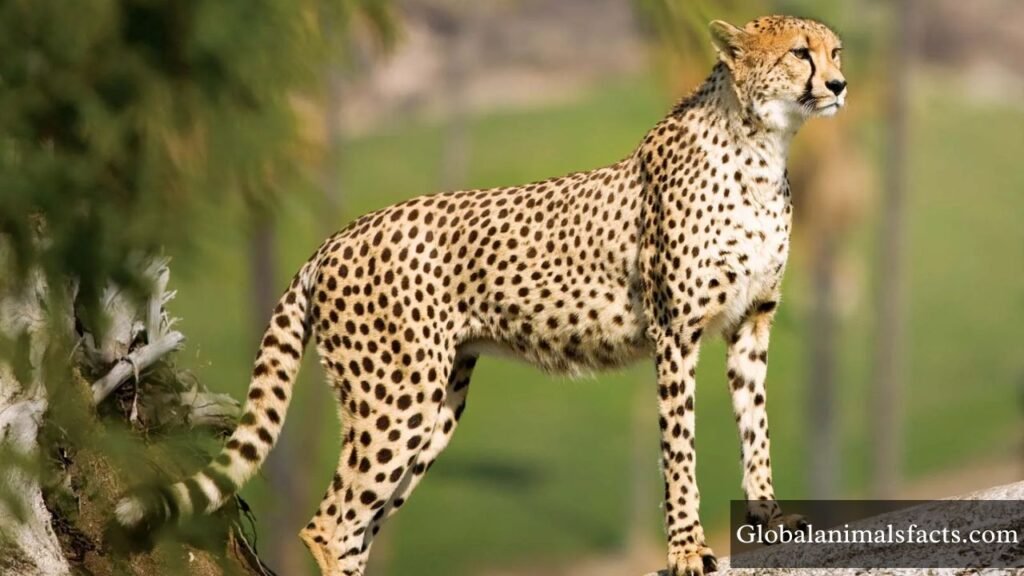
Remarkably, cheetahs communicate through a series of soft chirps and purring sounds instead of the roars that signal dominance among many big cats. This subtlety not only underscores their gentle nature but also reveals their need for a peaceful environment to thrive. Their shyness extends to their social interactions, too; young cubs often stay close to their mothers for extended periods, reflecting a deep bond that is essential for their survival. This unique blend of speed and shyness paints a portrait of an animal that embodies the balance between grace and caution, making the cheetah a fascinating subject for wildlife enthusiasts and conservationists alike.
Readmore: Explore Top 10 Animals Without Tails.
Sloth
Scientific Name: Folivora
Class: Mammalia
Diet: Herbivore
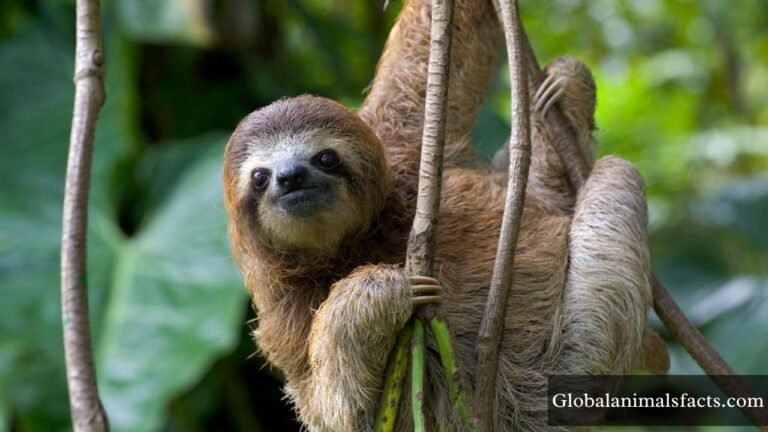
Sloths, often regarded as the embodiment of leisure, possess a fascinating shyness that goes beyond their languid movements. These slow-moving mammals, native to the jungles of Central and South America, have a unique way of navigating their environment that mirrors their tranquil demeanor. Unlike many animals that display vibrant colors or bold behaviors to attract attention, sloths employ a more subtle approach, blending seamlessly into the canopy with their moss-covered fur and slow, deliberate motions. This camouflage is an evolutionary strategy that not only protects them from predators but also reflects their preference for solitude.
Interestingly, sloths engage in social behavior — albeit quietly. While they primarily thrive in solitude, they communicate with each other through a series of soft vocalizations and scents, revealing a deeper layer of social complexity. This timid nature allows sloths to maintain a low profile, as their sluggish habits and gentle dispositions keep them hidden from the more aggressive inhabitants of their environment.
Fossa
Scientific Name: Cryptoprocta ferox
Class: Mammalia
Diet: Carnivore
The fossa, a remarkable mammal endemic to Madagascar, embodies a blend of feline grace and weasel-like agility, yet remains shrouded in mystery. With its slender body, large expressive eyes, and retractable claws, the fossa is a master of its arboreal domain, often stalking lemurs among the treetops. This elusive predator displays a strikingly shy demeanor, making encounters rare even in its native habitat, where it is both revered and feared.
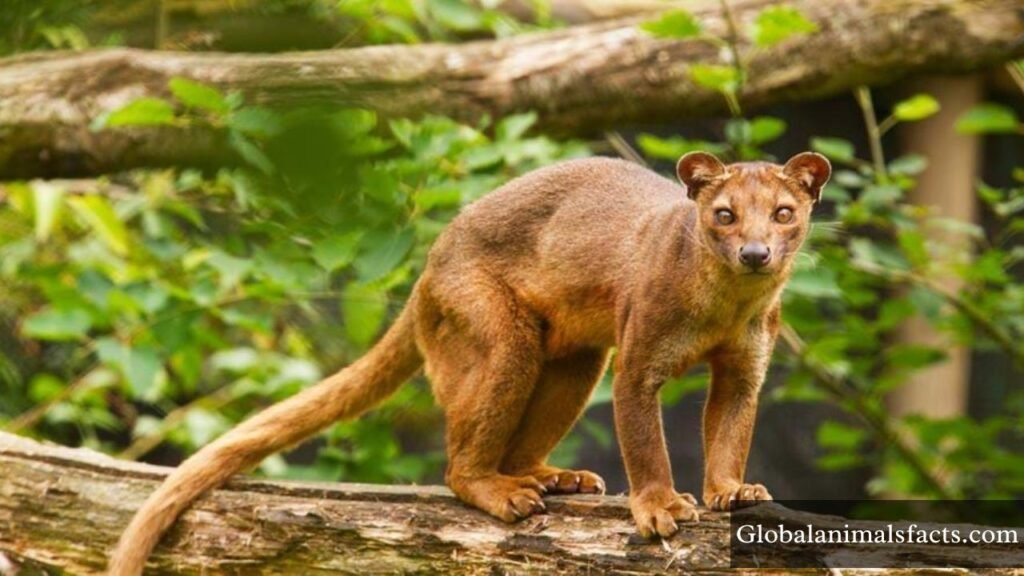
What makes the fossa particularly intriguing is its semi-arboreal lifestyle — an adaptation that allows it to navigate the dense rainforests with impressive agility. Its long, flexible body and retractable claws enable it to glide between tree branches, evoking a almost feline grace that can be mesmerizing to observe. In a world where many animals struggle to survive, the fossa’s reticent demeanor reflects an evolutionary strategy to avoid both predators and human encounters, making it a symbol of Madagascar’s enchanting yet endangered wildlife. Conservation efforts are increasingly crucial as habitat loss threatens their secretive existence, reminding us of the need to protect these understated guardians of the forest.
Platypus
Scientific Name: Ornithorhynchus anatinus
Class: Mammalia
Diet: Carnivore
The platypus, with its unique blend of mammalian and aquatic traits, offers a fascinating glimpse into nature’s creativity. Found primarily in the rivers and lakes of eastern Australia, this shy creature is a master of disguise, often evading human observation while foraging for food. Its leathery bill, lined with sensitive electroreceptors, allows it to hunt in murky waters with remarkable precision. This adaptation not only highlights the platypus’s prowess as a predator but also underscores its vulnerability, as it confidently slips between the realms of land and water, often unseen.
What makes the platypus particularly intriguing is its elusive nature, which extends beyond habitat. Despite being a mammal, it lays eggs, a rare trait that places it among the few monotremes in the world. This unconventional reproductive method has fueled curiosity and speculation about evolutionary processes, prompting further investigation into the genetic makeup of this enigmatic animal. As researchers delve deeper into its biology, the platypus serves as a living reminder of the delicate balance between adaptation and survival, inviting us to respect and protect the shy yet extraordinary creatures that inhabit our planet.
Also read: Explore Top 12 Animals That are Humble.
Saola
Scientific Name: Pseudoryx nghetinhensis
Class: Mammalia
Diet: Herbivore
The Saola, often dubbed the “Asian unicorn,” is one of the most elusive mammals on the planet, discovered only in 1992 in the Annamite Range of Vietnam and Laos. With its striking features — long, straight horns and a sleek, tawny coat — it’s as if nature crafted this enigmatic creature to blend seamlessly into its lush, mountainous habitat. Unlike more recognizable mammals, the Saola prefers the shadows, rarely surfacing to engage with the outside world, which only adds to its mystique and charm.
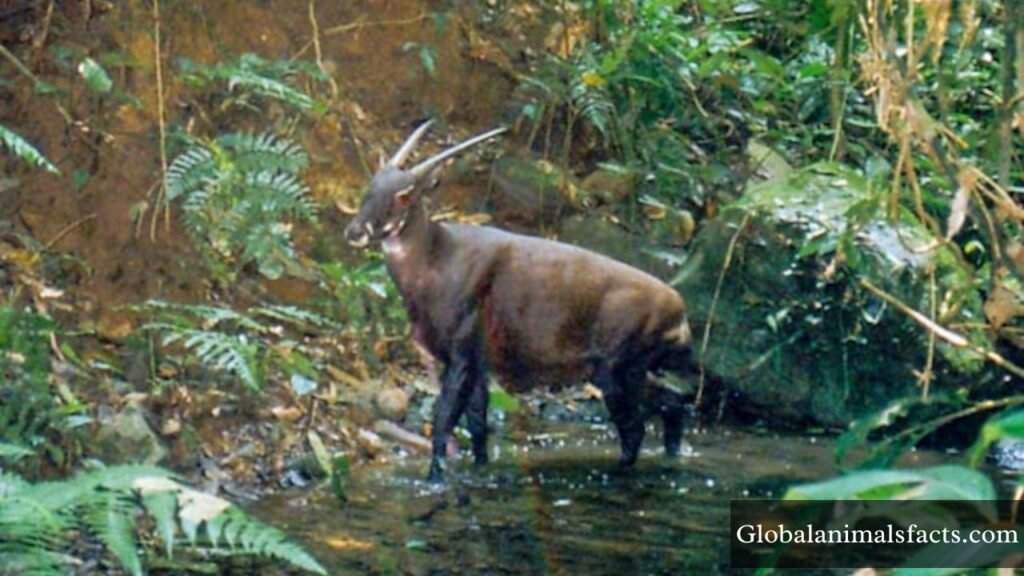
Recent studies have shed light on the Saola’s critical role in its ecosystem. As a herbivore, it helps maintain the balance of its forest environment, while its secretive nature evokes fascination among conservationists. With an estimated population of fewer than 750 individuals remaining, the Saola is not just an icon of rarity but a symbol of the urgent need for habitat preservation in Southeast Asia. Efforts to protect this shy animal illuminate the interconnectedness of all species, reminding us that every creature, no matter how elusive, plays a vital role in the tapestry of life.
Snow Leopard
Scientific Name: Panthera uncia
Class: Mammalia
Diet: Carnivore
The snow leopard, often called the “ghost of the mountain,” embodies a unique blend of beauty and elusiveness. Its thick, smoky-gray fur, adorned with black rosettes, enables it to blend seamlessly into the rocky terrains of Central and South Asia. While many animals flaunt their presence with bold behaviors, the snow leopard thrives in its quiet solitude, thriving at altitudes where few dare to venture.
These majestic felines possess a keen sense of empathy, often remaining in close-knit family units. Mothers are fiercely protective of their young, teaching them the art of stealth from an early age. This nurturing bond offers a glimpse into their social structures, where communication is primarily through body language and subtle vocalizations rather than boisterous calls. The snow leopard’s shyness translates to an extraordinary hunting technique that emphasizes patience over brute force, as they rely on their keen eyesight and powerful legs to pounce stealthily from high perches.
Koala
Scientific Name: Phascolarctos cinereus
Class: Mammalia
Diet: Herbivore
Koalas are often seen as the quintessential Australian icon, yet their shy nature reveals a more delicate side. These marsupials spend most of their lives perched high in eucalyptus trees, relying on their arboreal habitat for both safety and sustenance. Their diet is specialized; koalas feast almost exclusively on eucalyptus leaves, which not only limits their food options but also plays into their reclusive behavior. This selectiveness means that they must remain quiet and avoid attracting attention from predators, allowing them to thrive in the canopy while avoiding ground-level dangers.
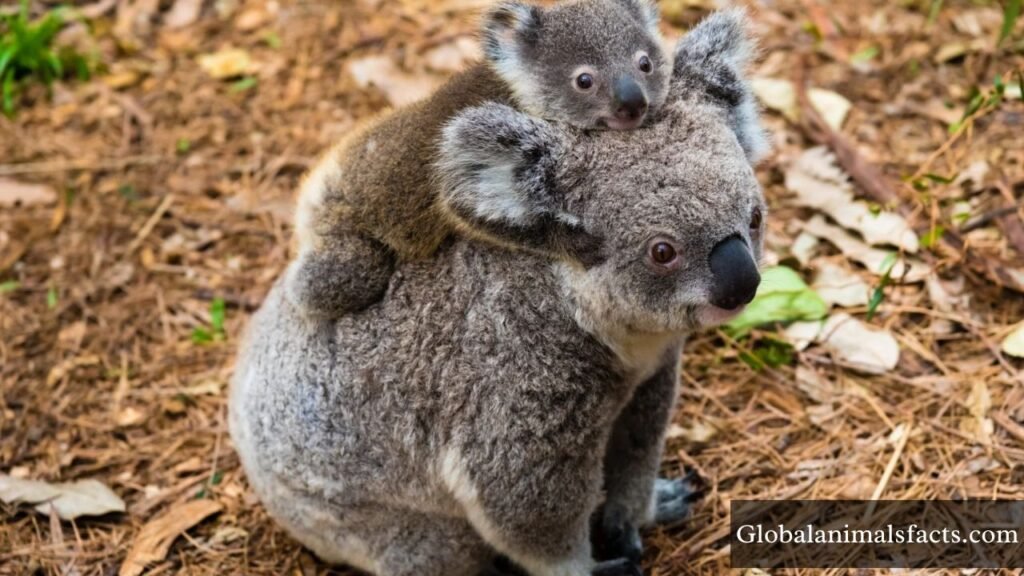
Koalas communicate through a series of low-frequency grunts and bellows that can travel long distances, particularly during mating season. This vocalization contrasts sharply with their otherwise reserved demeanor and highlights the complexity of their social structures, as these shy yet expressive creatures navigate relationships through sound rather than sight. Furthermore, the protective instincts of mother koalas can be seen as another layer of shyness; mothers carry their young in pouches, keeping them safe and tucked away until they grow bolder and ready to explore their treetop world.
You can also read: Explore Top 20 Animals That Have Spots.
Red Squirrel
Scientific Name: Sciurus vulgaris
Class: Mammalia
Diet: Omnivore
Red squirrels, often mistaken for their more boisterous cousins, the grey squirrels, embody an intriguing blend of shyness and vibrancy. In the vibrant canopies of coniferous forests, these small creatures exhibit a unique form of social behavior; they are solitary foragers, relying on their keen senses to navigate their territory. Their elegant, bushy tails not only aid in balance as they dart between branches but also serve as a communication tool, signaling alertness or distress to potential threats.
What’s particularly mesmerizing about red squirrels is their intricate relationship with their ecosystem. They play a vital role in seed dispersal, often hiding away nuts and seeds, which inadvertently leads to the growth of new trees. This quiet yet impactful behavior reveals a layer of ecological responsibility that underscores their shyness; they may not be the loudest inhabitants of the forest, but their contributions are profound.
Kiwi
Scientific Name: Apteryx
Class: Aves
Diet: Omnivore
The kiwi, New Zealand’s iconic flightless bird, embodies the essence of shyness in the animal kingdom. With its long beak and small, round body, this nocturnal creature is a master of disguise, blending seamlessly into its earthy surroundings. Unlike many other birds, kiwis possess a unique set of traits that prioritize solitude and secrecy; their sensitive nostrils allow them to forage in the dark for insects and worms, ensuring they stay tucked away from the prying eyes of potential predators.
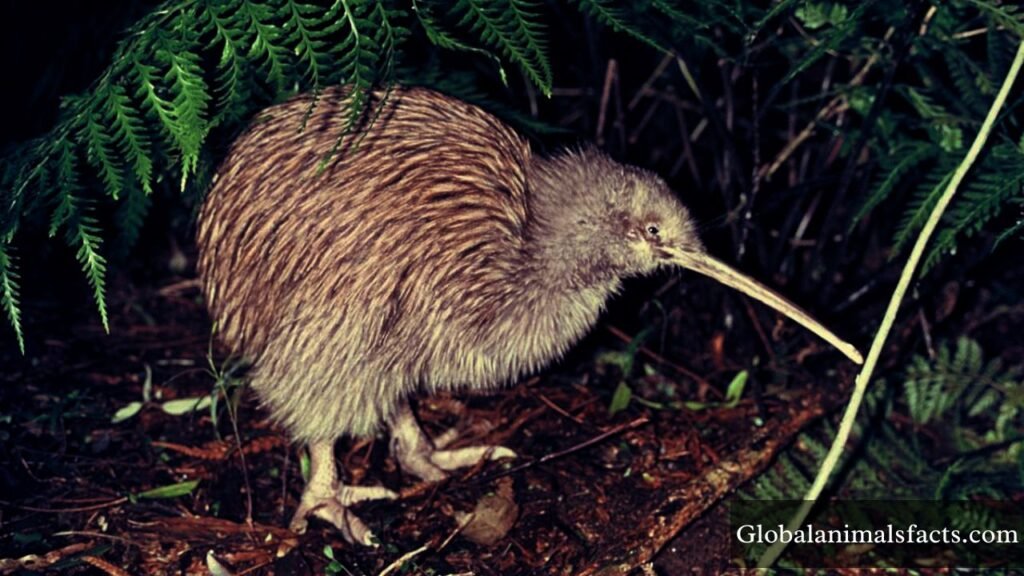
Kiwi behavior extends beyond mere survival; their shyness plays a crucial role in their unique reproductive rituals. These solitary birds form gentle partnerships, often coming together only during the breeding season. Their commitment to their young is profound — female kiwis lay large eggs, and the males take on the responsibility of incubation. This rare inversion of parental roles demonstrates not only their shyness but also an unexpected depth to their ecological interactions, emphasizing the intricate balance of life that thrives beneath the surface of New Zealand’s forests.
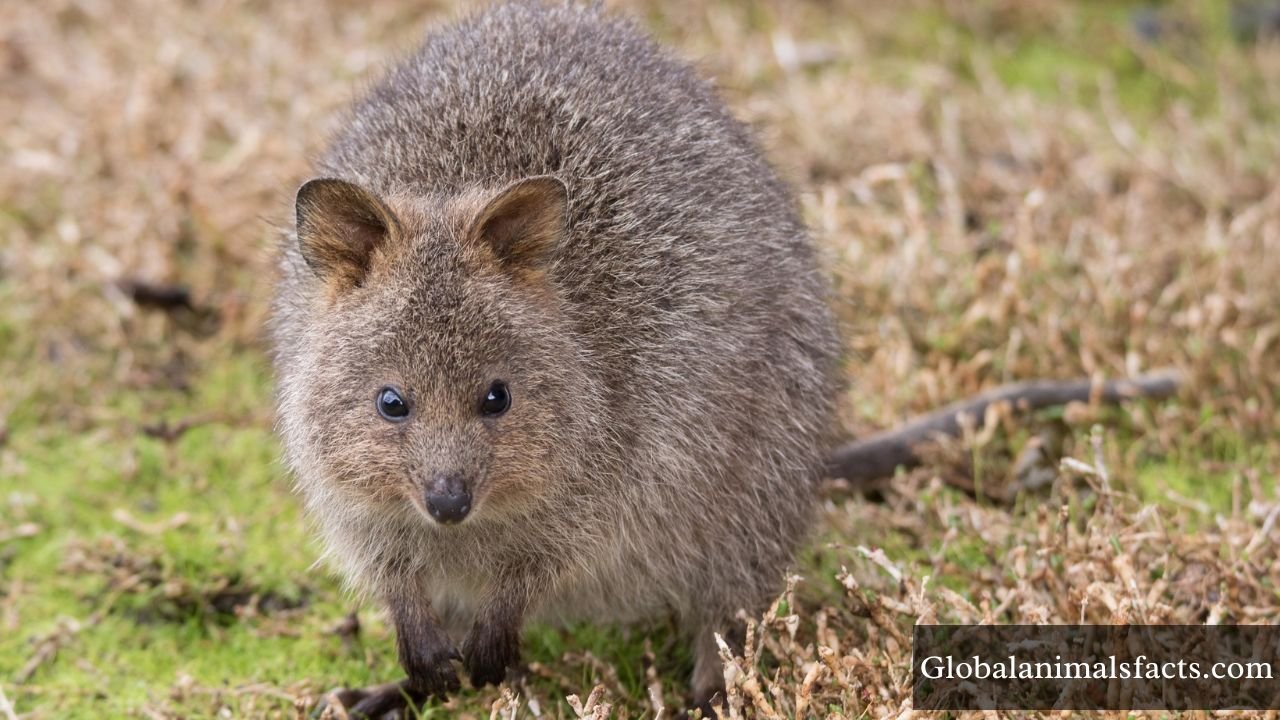
Quokka
Scientific Name: Setonix brachyurus
Class: Mammalia
Diet: Herbivore
The quokka, often dubbed “the world’s happiest animal,” captivates with its irresistible smile and curious nature. This small marsupial hails from Australia, particularly the pristine landscapes of Rottnest Island. Despite their cheerful demeanor, quokkas exhibit a shy side, preferring the cover of lush vegetation to the open expanse.
What sets quokkas apart is their unique social structure. While they often appear solitary, they thrive in small groups, relying on subtle communication cues to connect with one another. Their gentle nature fosters a sense of community, where they engage in behaviors such as grooming and play — an endearing sight for those lucky enough to witness it.
Also read: Explore Top 16 Dirtiest Animals in The World.
Okapi
Scientific Name: Okapia johnstoni
Class: Mammalia
Diet: Herbivore
The okapi is a striking yet elusive creature native to the dense rainforests of the Congo. With its velvety dark brown body and distinct zebra-like stripes on its legs, the okapi presents a fascinating blend of characteristics that often confounds observers. Unlike its more famous relative, the giraffe, the okapi is remarkably shy and solitary, rarely venturing into open spaces, which makes spotting one in the wild a rare delight. This elusive nature adds an air of mystique to the species, further piquing our curiosity about its behavior and habitat.
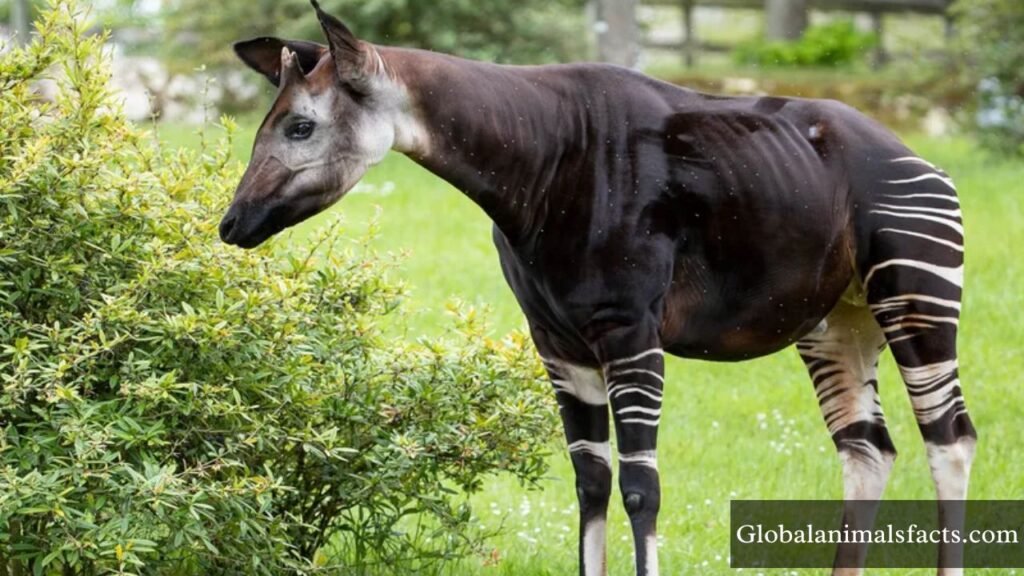
In addition to its striking appearance, the okapi possesses an incredible set of adaptations that help it thrive in its thick, forested environment. Its long, prehensile tongue is not just a tool for grasping foliage but also serves a dual purpose; it allows the okapi to clean its own eyes and ears of debris, showcasing an elegance in its natural design. Their keen sense of hearing compensates for their lack of vocal communication, relying on subtle body language to connect with each other. This shy demeanor and reliance on stealth highlight the delicate balance of life in the rainforest, emphasizing the need for conservation efforts to protect their habitat from deforestation and poaching.
Tarsier
Scientific Name: Tarsiidae
Class: Mammalia
Diet: Carnivore
Tarsiers, those enigmatic primates of Southeast Asia, captivate not only with their oversized eyes but also with their elusive behavior. These nocturnal creatures rely heavily on their acute sense of hearing and night vision to navigate their forest habitats. Unlike many primates, tarsiers exhibit a unique shyness, often retreating into the shadows when sensing human presence, showcasing an intricate balance between survival instincts and adaptability.
What sets tarsiers apart is their remarkable ability to jump up to 25 times their body length, making them agile acrobats of the treetops. This incredible agility aids in both hunting insects and evading potential predators, highlighting a fascinating evolutionary niche. Their large eyes, which can’t rotate in their sockets, allow them to look directly behind them — an ingenious adaptation for spotting threats without needing to turn their head.
Dik-Dik
Scientific Name: Madoqua
Class: Mammalia
Diet: Herbivore
The dik-dik, a petite antelope native to the dry savannas of East Africa, weighs no more than 14 pounds, embodying both fragility and resilience. Renowned for their striking large eyes and elongated snouts, these small creatures possess an endearing charm that belies their shy nature. Typically found in pairs or small family groups, dik-diks are masters of stealth, relying on their acute senses to evade predators. Their ability to remain motionless in dense bush and their swiftly alert reactions when danger approaches highlight a fascinating adaptation to their environment.
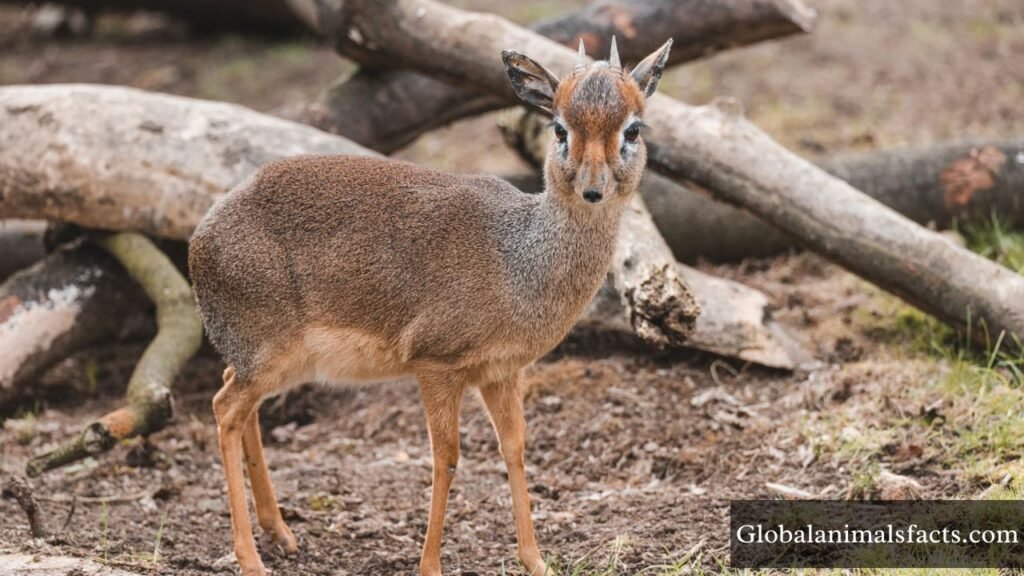
What truly sets dik-diks apart is their unique social communication. They engage in a variety of whistling sounds, which serve not only to alert each other but also to strengthen bonds within their groups. These vocalizations are most prominent during dawn or dusk, making them elusive yet fascinating subjects for wildlife enthusiasts. Interestingly, dik-diks also have a special relationship with their habitat; they use the shaded cover of trees and bushes to rest during the heat of the day, showcasing their innate understanding of survival in a challenging ecosystem.
Hedgehog
Class: Mammalia
Diet: Omnivore
Hedgehogs are the quiet nocturnal wonders of nature, often seen as timid creatures curled up in a spiky ball. Yet, underneath those quills lies a fascinating world of adaptability and resilience. While their prickly armor serves as a defense mechanism, it’s their unique foraging behavior that captures attention. Hedgehogs are excellent hunters, using their keen sense of smell to locate insects and small invertebrates, proving that being shy doesn’t equate to being inactive.
What’s even more intriguing is their social behavior — hedgehogs can actually form short-term bonds with each other during mating season. This brief connection contrasts starkly with their solitary nature, revealing a complexity within their shyness. As they navigate the underbrush, their cautious movements reflect an instinctual wisdom born from eons of survival.
Readmore: Explore Top 11 Animals Without Eyes.
Kakapo
Scientific Name: Strigops habroptilus
Class: Aves
Diet: Herbivore
The kakapo, an extraordinary parrot native to New Zealand, challenges our perceptions of avian behavior with its unique blend of charm and shyness. Unlike most parrots known for their vibrant social interactions, the kakapo is nocturnal and tends to avoid the spotlight, making it one of the world’s rarest and most elusive birds. They communicate through a series of booming calls, a remarkable trait that reveals their rich social lives, despite their solitary tendencies. This odd combination of reclusiveness and vocal expression creates a juxtaposition that captures the imagination of bird enthusiasts and conservationists alike.
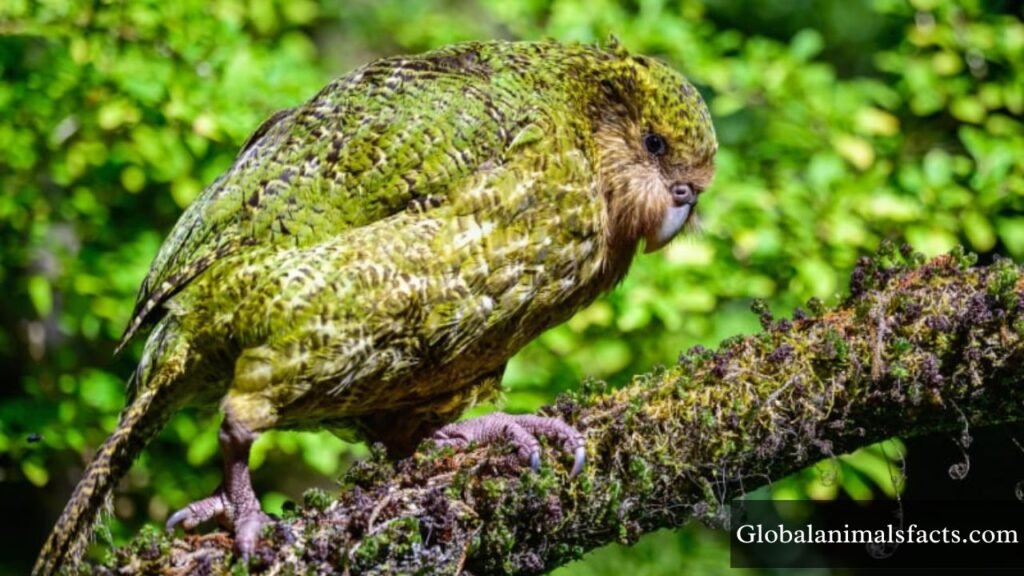
Conservation efforts have unveiled fascinating aspects of the kakapo’s lifestyle, especially regarding its breeding habits. Their polygamous mating system, where dominant males establish booming grounds, brings the shy males into a ritualistic dance of calls and displays, showcasing a different side to their personality. The vulnerability of these affectionate creatures reminds us of the delicate balance of ecosystems and the importance of dedicated conservation programs that foster their resurgence.
Red Panda
Scientific Name: Ailurus fulgens
Class: Mammalia
Diet: Omnivore
Red pandas, often dubbed “fire foxes” for their vibrant fur and bushy tails, are masters of camouflage in the bamboo forests and mountainous regions of Asia. Unlike their larger relatives, the giant panda, red pandas are elusive creatures that thrive in solitude, showcasing an intriguing blend of charm and shyness. Their distinct behaviors — such as rolling onto their backs when they feel threatened — reflect not just a strategic retreat but a testament to their gentle nature.
Red pandas have a highly developed sense of smell, relying on scents to communicate and mark their territory. This captivating aspect of their behavior invites us to ponder the complexity of their social interactions, which are often understated given their solitary lifestyle. While they may appear docile, their agile climbing skills and dexterous paws enable them to navigate the treetops with remarkable grace, effortlessly escaping potential threats in their quiet environment. This unique combination of shyness and agility makes the red panda a fascinating study in the balance of vulnerability and resilience in the animal kingdom.
Giant Anteater
Scientific Name: Myrmecophaga tridactyla
Class: Mammalia
Diet: Insectivore
The giant anteater, with its elongated snout and distinctive claws, is often seen as a shy creature of the wild. This elusive animal thrives in the dense grasslands and forests of Central and South America, where its primary diet of ants and termites can be found. However, beneath its gentle demeanor lies a fascinating adaptability; the giant anteater possesses an extraordinary sense of smell, detecting prey from up to 40 yards away. This unique trait not only aids in foraging but also underscores its evolutionary niche in a world where being inconspicuous can mean survival.
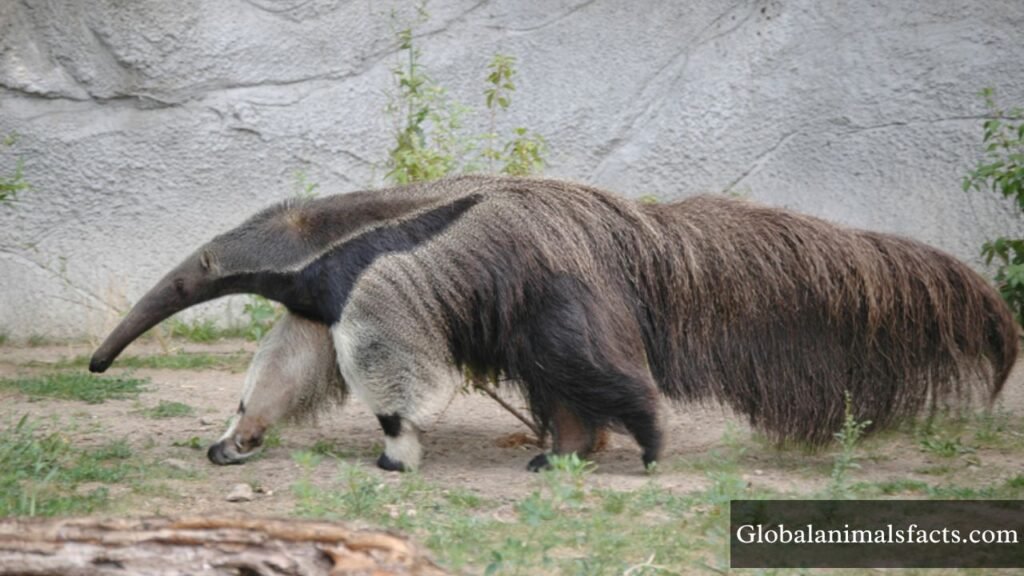
Despite their somewhat solitary nature, giant anteaters express surprising social behaviors during mating seasons. Males can be quite playful, showcasing a surprising agility that defies their bulky appearance as they engage in elaborate courtship rituals. These moments reveal a complexity often overlooked in their shy reputation.
You can also read: Explore Top 25 Arboreal Animals in The World.
Pangolins
Scientific Name: Pholidota
Class: Mammalia
Diet: Insectivore
Pangolins are nature’s quiet guardians, cloaked in a unique armor of keratin scales that set them apart in the animal kingdom. These shy creatures are primarily nocturnal, making them elusive to the human eye, which adds to their enigmatic charm. Each pangolin is a master of camouflage, curling into a tight ball at the sign of danger, relying on their tough exterior to fend off predators.
Intriguingly, pangolins have a unique way of foraging. Equipped with long, sticky tongues that can reach up to 16 inches, they play a crucial role in regulating insect populations by feasting on ants and termites, thereby maintaining ecological balance. Their solitary nature means they evade human interaction, heeding their instincts to remain hidden even in fragmented habitats.
Aye-aye
Scientific Name: Daubentonia madagascariensis
Class: Mammalia
Diet: Omnivore
The aye-aye, a nocturnal lemur native to Madagascar, thrives in the shadowy canopies of rainforests. With its oversized eyes and elongated third finger, this unique creature captures imaginations as much as it elicits curiosity. Most notably, the aye-aye employs a fascinating method known as percussive foraging — tapping on tree trunks to locate hidden grubs before extracting them with its specialized finger. This keen sense of hearing, combined with its gentleness, underscores the intricate relationship it has with its forest home.
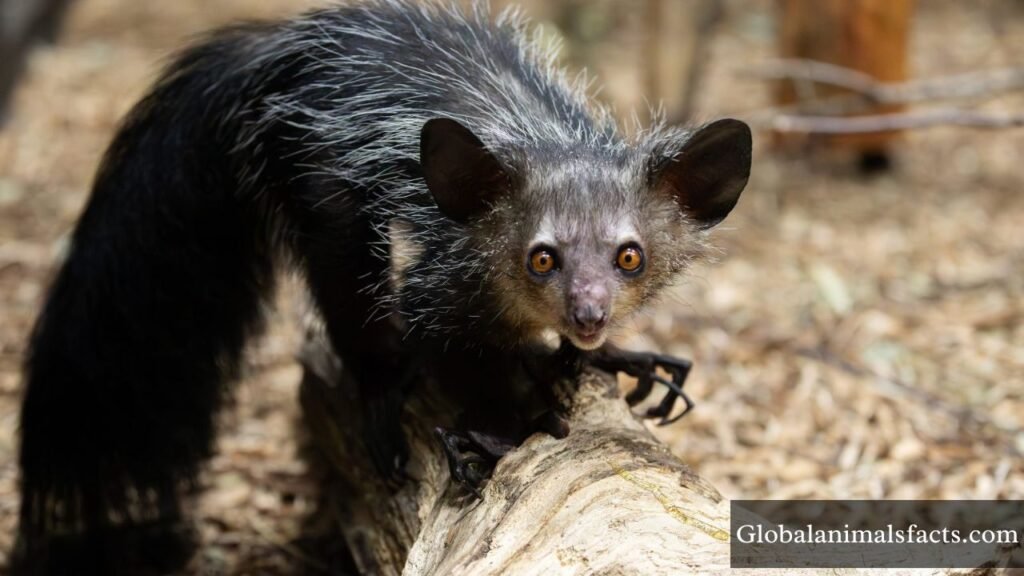
What makes the aye-aye even more captivating is its social structure. Typically solitary, these primates are known to communicate through a series of distinctive sounds, enhancing their ability to navigate the darkened forests without revealing their location to potential threats. By employing such stealthy tactics, they exemplify the delicate balance between survival and vulnerability in the wild. As conservation efforts ramp up to protect Madagascar’s unique biodiversity, understanding the life of the aye-aye becomes critical — not just for its survival but for the planet’s ecological health.
Maned Wolf
Scientific Name: Chrysocyon brachyurus
Class: Mammalia
Diet: Omnivore
The Maned Wolf, often mistaken for a fox due to its long legs and unique appearance, is a fascinating enigma of the animal kingdom. Found primarily in the grasslands and savannas of South America, this remarkable creature has adapted to a variety of environments, showcasing its resilience and versatility. Unlike its more social cousins in the Canid family, the Maned Wolf tends to be quite solitary, this shyness accentuated by its elusive nature and preference for dusk and dawn for activity. This twilight lifestyle not only helps it avoid human encounters but also makes it a master of the art of camouflage amidst the tall grasses.
What’s particularly intriguing about the Maned Wolf is its diet, which deviates from typical carnivorous norms; it has a penchant for fruit, particularly the nutrient-rich lobeira fruit. This dietary flexibility speaks to the animal’s adaptability and the importance of biodiversity in its ecosystem. Its signature howl, described as a melodious, haunting sound, serves as a means of communication over vast distances, capturing the ethereal spirit of the wild. In a world where habitat loss poses severe threats to wildlife, the Maned Wolf stands as a reminder of the delicate balance between nature’s wonders and the urgent need for conservation efforts to protect these shy yet captivating inhabitants of the wild.
Also read: Explore Top 22 Most Curious Animals.
Binturong
Scientific Name: Arctictis binturong
Class: Mammalia
Diet: Omnivore
The binturong, often referred to as the bearcat, is a fascinating creature that defies typical classifications. Despite its name, it is neither a bear nor a cat; rather, this unique mammal belongs to the civet family. With its shaggy black fur, prehensile tail, and adorable face, it might be easy to overlook how elusive these animals are in the wild. Binturongs are primarily nocturnal, making them masters of the night as they navigate Southeastern Asian forests with grace and stealth.
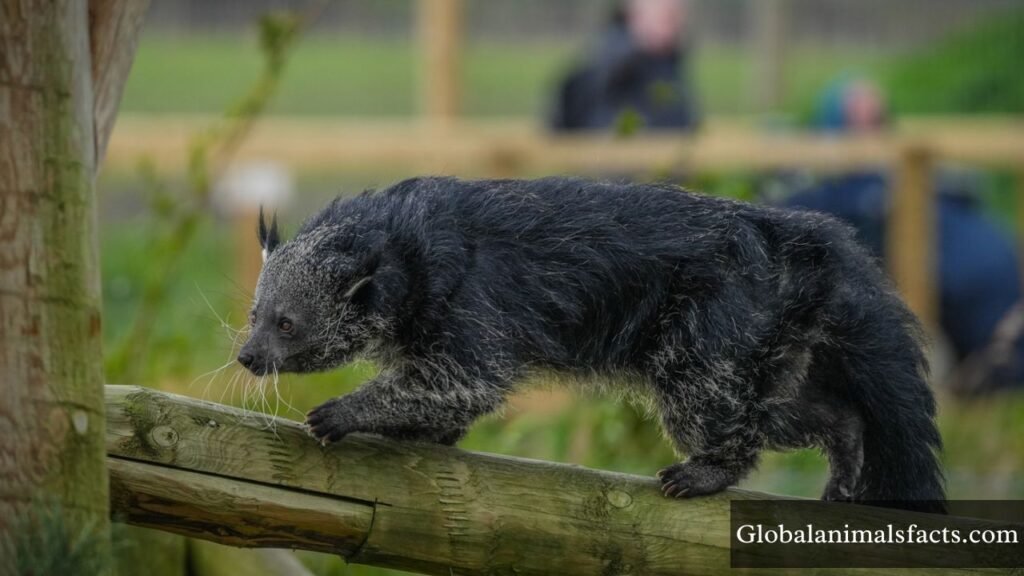
Their unique scent, produced by their skin glands, serves not only as a means of marking territory but also as a form of communication among individuals. Social and yet remarkably shy, binturongs utilize their keen sense of smell to interact with their environment, showcasing a side of a creature often overlooked.
Meerkat
Scientific Name: Suricata suricatta
Class: Mammalia
Diet: Omnivore
Meerkats, often portrayed as the quintessential desert family, embody an intriguing blend of shyness and social complexity. These small mammals inhabit the arid landscapes of Southern Africa, where their close-knit communities navigate both the dangers of predators and the challenges of their environment. Interestingly, while they exhibit shy tendencies, particularly when encountering unfamiliar beings, their bravery shines through in protective behaviors. Tasked primarily with keeping watch for predators, sentinel meerkats display a fascinating dichotomy — simultaneously cautious and vigilant.
Within their social structure, meerkats express a range of emotions that signal their adaptability. They communicate through various vocalizations and body language, which can range from inquisitive chirps to aggressive posturing when defending their territory. This intricate social network challenges the traditional notion of shyness — merely being reserved doesn’t paint the full picture of their intricate interactions. Observing meerkats in their natural habitat, one can witness a compelling blend of vulnerability and unity, showcasing how even the shyest of creatures can exhibit profound leadership and teamwork when it comes to their survival.
Fennec Fox
Scientific Name: Vulpes zerda
Class: Mammalia
Diet: Omnivore
These nocturnal animals inhabit the harsh sands of the Sahara Desert, where their keen senses are fine-tuned to the encroaching night. Their large ears are not just for show; they act as effective heat regulators, dissipating body heat in the sweltering daytime temperatures while enhancing their hearing abilities, allowing them to detect prey even beneath the surface of the desert sand.
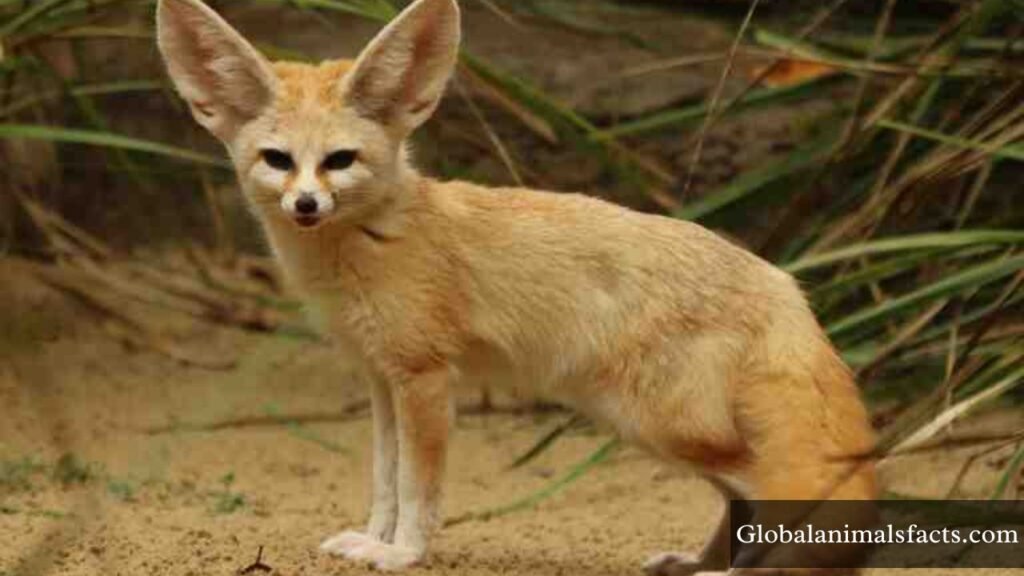
While often seen as elusive due to their shy demeanor, fennec foxes exhibit fascinating social behaviors within their family units. They communicate through a range of sounds, from purring to high-pitched barks, especially during the night when the desert comes alive with sounds. Their playful interactions and cooperative hunting strategies reflect a level of social intelligence that challenges the common perception of solitary desert dwellers. Observing these charming creatures reveals that beneath their timid exterior lies a complex social structure and a vibrant adaptability that speaks to the wonders of evolutionary resilience.
Readmore: Explore Top 15 Hard Working Animals in The World.
Aardvarks
Scientific Name: Orycteropus afer
Class: Mammalia
Diet: Insectivore
Aardvarks, those elusive nocturnal creatures, are the embodiment of shyness in the animal kingdom. Their name, derived from Afrikaans meaning “earth pig,” reflects their fascinating burrowing lifestyle. When the sun sets, these solitary foragers emerge from their underground dens, equipped with long snouts and powerful claws designed for digging. However, despite their impressive adaptations, aardvarks are masters of avoidance. Their natural instinct is to remain unseen, often retreating into complex tunnel systems at the first hint of danger.
One of the most intriguing aspects of aardvark behavior is their diet, primarily consisting of ants and termites. While these insects may seem inconspicuous, aardvarks use their keen sense of smell to locate hidden colonies, showcasing a unique adaptation that requires both patience and precision. This meticulous foraging is an intimate dance with their environment, emphasizing how deeply connected they are to the ecosystems they inhabit. In a world often dominated by more flamboyant creatures, the understated aardvark reminds us of the beauty found in shyness and the quiet strengths that accompany it.
Giant Panda
Scientific Name: Ailuropoda melanoleuca
Class: Mammalia
Diet: Herbivore
Giant pandas, often seen as the epitome of cuteness, are surprisingly shy creatures that prefer the solace of their bamboo-filled habitats. These solitary giants may be adored for their plump physiques and playful antics, but their natural behavior exhibits a cautiousness that belies their gentle appearance. In the wild, they retreat to dense forests, using their excellent climbing skills to escape potential threats, preferring the safety of tall trees over confrontations with more aggressive competitors.
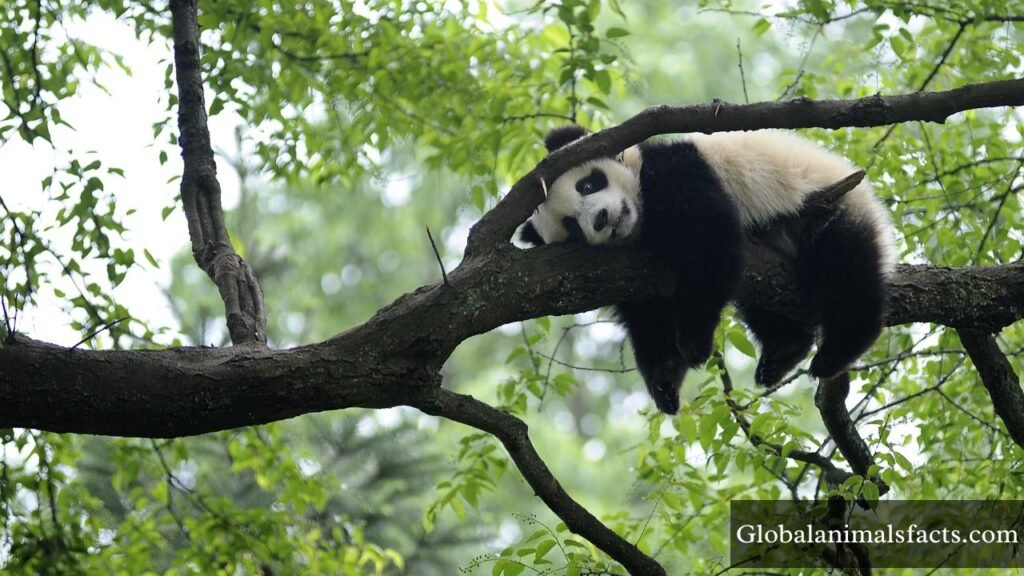
What makes the giant panda particularly fascinating is their unique communication style. Instead of loud roars or aggressive displays, pandas utilize a range of vocalizations and scents to convey messages, maintaining a low profile while still communicating effectively with one another. This shy nature is often misunderstood, as their playful demeanor captures the spotlight, leaving their complex social interactions largely overlooked.
You can also read: Top 15 Happiest Animals in The World.
Axolotl
Scientific Name: Ambystoma mexicanum
Class: Amphibia
Diet: Carnivore
The axolotl, a captivating amphibian native to the lakes of Mexico, has evolved in striking ways that challenge our understanding of development and regeneration. Known for their extraordinary ability to regenerate limbs, spinal cords, and even parts of their heart and brain, these creatures embody resilience. However, this remarkable feature is often overshadowed by their shy demeanor in the wild, where they prefer the protection of murky waters and dense vegetation to escape potential predators.
What makes the axolotl’s shyness particularly fascinating is the way it reflects their unique habitat. Unlike many aquatic animals that thrive in open waters, axolotls are known to be reclusive, adapting their lifestyle to survive in the pollution-ridden, shallow lakes of Xochimilco. Their natural timidity is not just a behavioral trait; it’s a survival strategy that serves as a reminder of their fragile existence in a rapidly changing environment.
Kangaroo
Scientific Name: Macropus
Class: Mammalia
Diet: Herbivore
Kangaroos, while often perceived as emblematic of Australian wildlife, exhibit a surprising shyness that belies their iconic status. In the wild, these marsupials navigate their environment in a manner that underscores their cautious nature. Instead of bounding into open spaces with abandon, a kangaroo will typically pause, raising its head to scan for any signs of danger before making a move. This vigilant behavior highlights a deep-rooted instinct for survival, as they rely on their capability to evade predators like dingoes and eagles.
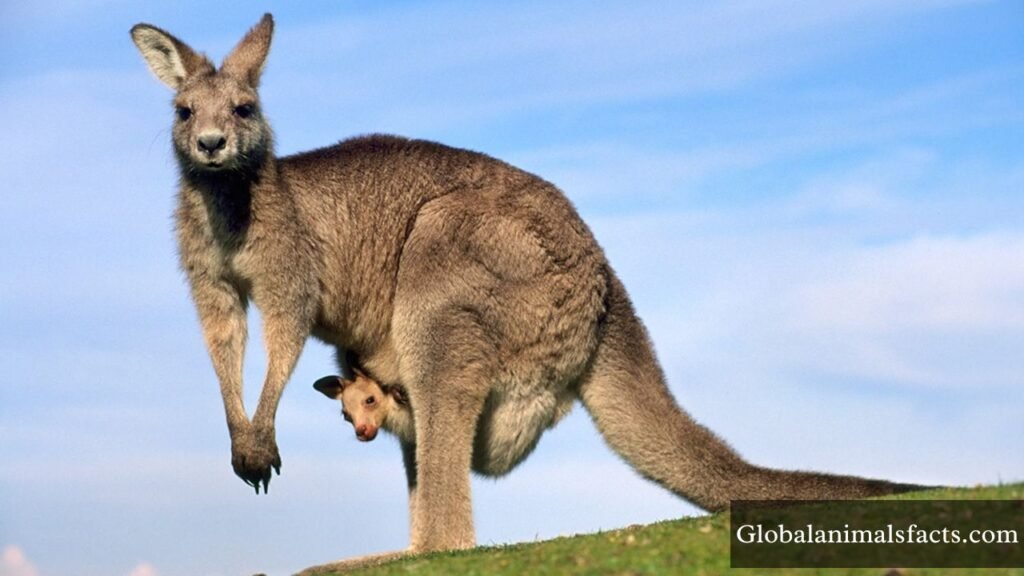
Interestingly, kangaroos communicate their shyness through subtle body language. When feeling threatened, they may exhibit a behavior known as “freezing,” where they become motionless, blending into their surroundings. This adaptation may surprise those who view kangaroos as exuberant jumpers, revealing a more nuanced perspective on their character. Within social groups, younger kangaroos often observe from the sidelines, absorbing cues from their elders. This blend of caution and communal learning enriches their social structure, allowing them to thrive while maintaining a graceful, almost secretive presence in the vast Australian landscape.
Spoon-billed Sandpiper
Scientific Name: Calidris pygmaea
Class: Aves
Diet: Omnivore
The Spoon-billed Sandpiper, with its distinctively shaped bill, is a master of disguise in both behavior and habitat. This small wader prefers to remain hidden, opting for the cover of dense vegetation along estuaries and tidal flats. Its natural shyness not only makes it an elusive sight but also aids in its survival against predators. When foraging, its methodical pecking at the mudflats mimics the very ecosystem it inhabits, allowing it to blend into its surroundings and go unnoticed.
However, their shyness belies a fierce determination; these birds undertake an extraordinary migration. Traveling thousands of miles from breeding grounds in northeastern Russia to wintering sites in Southeast Asia, they confront numerous challenges along the way. As populations dwindle due to habitat loss and climate change, the Spoon-billed Sandpiper’s quiet nature serves as a poignant reminder of the fragility of wildlife. Protecting this elusive species requires not just conservation efforts but a deeper appreciation of the delicate balance between nature and progress, urging us to observe and cherish the quiet persistence of shy creatures that quietly enrich our world.
Readmore: Explore Top 28 Energetic Animals in The World.
Conclusion
The study of shy animals reveals not just their unique traits but also highlights the importance of quiet observation in understanding wildlife. Their timid nature teaches us about the complexities of animal behavior and the significance of environmental factors in shaping their lives. By fostering a deeper appreciation for these often-overlooked species, we can advocate for their protection and the preservation of their habitats. It’s crucial that we work together to create a world where these gentle creatures can thrive without fear. Let’s take action today to safeguard our planet’s shy inhabitants for future generations.
FAQs
What is the most shy animal in the world?
The okapi is often considered one of the shyest animals in the world. Native to the dense rainforests of the Democratic Republic of Congo, these elusive creatures are masters of camouflage. With their dark bodies and striking zebra-like stripes on their legs, they blend seamlessly into their habitat, making them difficult to spot. Okapis are solitary animals that tend to avoid human contact. They are most active during dawn and dusk, preferring to remain hidden during the day.
What animal is shy and quiet?
One animal known for being shy and quiet is the snow leopard. These majestic big cats are elusive and prefer to stay hidden in their mountainous habitats. They tend to avoid human interaction, making them difficult to spot in the wild.
What animal is shy but strong?
The red panda is a great example of an animal that’s both shy and strong. These adorable creatures are known for their elusive nature, often retreating into the trees when approached. They prefer solitude and are great at staying hidden, which adds to their shy demeanor. Despite their small size, red pandas are surprisingly strong and agile. Their powerful limbs and sharp claws allow them to climb effortlessly and navigate through their mountainous forest habitats.
Which animal is very silent?
The sloth is one of the quietest animals in the animal kingdom. They spend most of their time hanging in trees, moving slowly through the canopy, and rarely make noise. Their gentle nature and slow way of life help them blend into their surroundings, making them less noticeable to predators.