
Understanding Hormonal Changes in Men as They Age: What to Know
Hormonal changes are a natural part of aging, and testosterone is one of the hormones that can gradually change as men get older. These shifts may influence energy, muscle mass, sexual health, mood, bone health, and other aspects of well-being. However, aging does not automatically mean that bothersome symptoms are caused by low testosterone, making proper evaluation important.
How Hormones Change as Men Age
Testosterone plays an important role in male health. It contributes to sex drive, sperm production, muscle development, bone health, red blood cell production, and other biological functions. Testosterone production is regulated through communication between the brain, pituitary gland, and testes, creating a feedback system that helps maintain appropriate hormone levels.
Testosterone levels generally decline as men age, but the change is gradual and varies considerably between individuals. The Endocrine Society notes that low testosterone should not simply be assumed to be a normal consequence of getting older. A true diagnosis of hypogonadism requires compatible symptoms along with consistently low, accurately measured testosterone levels.
This distinction matters because many symptoms associated with low testosterone are also common for other reasons. Poor sleep, obesity, certain medications, chronic health conditions, stress, and other factors can contribute to changes in energy, mood, sexual function, or physical performance. Identifying the underlying cause is therefore an important part of responsible men’s health care.
Why Testosterone Levels Can Vary
Testosterone does not remain at exactly the same level throughout the day. Levels are generally higher in the morning and lower later in the day, while illness and other circumstances can temporarily affect measurements. This natural variation is one reason a single blood test may not provide enough information to determine whether testosterone deficiency is present.
Age is only one factor that can influence testosterone. Body weight, overall health, medications, sleep, and conditions affecting the testes, pituitary gland, or other parts of the hormone-regulating system can also play a role. A comprehensive assessment can help distinguish normal age-related changes from a medical condition requiring treatment.
Signs That May Be Associated With Low Testosterone
Hormonal changes can affect different areas of men’s health, but symptoms vary from person to person. Some men with low testosterone experience noticeable changes in sexual function, while others may notice changes in energy, muscle mass, mood, or other aspects of physical well-being.
Common symptoms associated with testosterone deficiency can include reduced sex drive, erectile difficulties, reduced energy, decreased muscle mass, infertility, depressed mood, difficulty concentrating, and reduced body hair. More pronounced testosterone deficiency may also be associated with hot flashes, breast tenderness, or smaller testicles.
Importantly, having one or more of these symptoms does not automatically mean testosterone is low. Symptoms such as fatigue and low mood are particularly nonspecific and can have many potential causes. Current Endocrine Society guidance emphasizes that symptoms alone are not enough to diagnose hypogonadism.
Changes in Sexual Health
Sexual health is one area where testosterone deficiency may become noticeable. Low testosterone can contribute to reduced sexual desire and may be associated with erectile difficulties or fewer spontaneous erections. However, sexual function depends on many factors, including cardiovascular health, medications, psychological well-being, relationship factors, sleep, and other medical conditions.
Research involving older men with confirmed low testosterone and symptoms has found that testosterone treatment can improve some aspects of sexual function. These findings do not mean that testosterone treatment is appropriate for every man experiencing changes in sexual health. Proper diagnosis remains essential before considering therapy.
Hormonal Changes and Physical Health
Testosterone is involved in maintaining muscle and bone, so hormonal changes can occur alongside changes in physical composition as men age. Some men experience reductions in muscle mass and strength, while body fat may increase. Bone health can also become increasingly important later in life.
However, these changes are influenced by more than testosterone. Physical activity, nutrition, sleep, chronic disease, medications, and other hormones can all affect body composition and physical function. Regular resistance exercise, adequate nutrition, and other healthy habits remain important components of maintaining physical health as men grow older.
Muscle and Bone Health
Testosterone contributes to the maintenance of muscle and bone tissue. In clinical trials involving older men with consistently low testosterone and related symptoms, testosterone treatment increased bone density and corrected anemia in some participants. The effects on physical function and vitality, however, were more limited or mixed.
These findings illustrate why hormone treatment should not be viewed as a general anti-aging solution. Treatment decisions depend on the presence of diagnosed hormone deficiency, symptoms, overall health, and an individual’s potential benefits and risks.
Maintaining muscle and bone health does not depend solely on testosterone. Weight-bearing activity, resistance training, balanced nutrition, adequate protein, and appropriate intake of nutrients such as calcium and vitamin D can all contribute to healthy aging.
The Connection Between Hormones, Mood, and Energy
Changes in mood and energy are among the concerns that may lead men to wonder whether their hormones have changed. Testosterone can influence several biological processes associated with physical and psychological well-being, but fatigue and mood changes are not specific indicators of testosterone deficiency.
For example, persistent tiredness may be related to inadequate sleep, sleep disorders, stress, depression, nutritional problems, medication effects, or other medical conditions. Similarly, irritability or low mood may have psychological, social, physical, or hormonal contributors.
This is why a healthcare professional may consider the complete health picture instead of focusing on testosterone alone. The Endocrine Society specifically recommends evaluating potentially reversible contributors before diagnosing and treating testosterone deficiency.
Sleep and Hormonal Health
Sleep is another important consideration when evaluating changes in energy and well-being. Poor sleep can affect how a person feels and performs during the day, and some health conditions associated with aging can also influence both sleep and hormone levels.
Certain conditions may also affect whether testosterone treatment is appropriate. For example, the Endocrine Society’s clinical guidance identifies untreated severe obstructive sleep apnea among conditions in which testosterone therapy should generally not be started.
Addressing sleep quality, physical activity, nutrition, stress, and other lifestyle factors can therefore be an important part of evaluating symptoms before assuming that hormone treatment is necessary.
When Men Should Consider Hormone Evaluation
Not every man needs hormone testing simply because he is getting older. Current guidance recommends against routine population-wide screening of asymptomatic men for hypogonadism. Instead, evaluation is generally considered when a man has symptoms or signs that could be related to testosterone deficiency.
A healthcare professional may begin by reviewing symptoms, medical history, medications, lifestyle factors, and relevant health conditions. If testosterone deficiency is suspected, blood testing can help determine whether testosterone levels are consistently low.
The timing and repetition of testing are important. The Endocrine Society recommends confirming suspected hypogonadism with repeat morning fasting testosterone measurements, while the American Urological Association recommends two total testosterone measurements taken on separate occasions in the early morning.
Understanding Treatment Options
If testing confirms low testosterone alongside compatible symptoms, a healthcare professional can investigate the potential cause. Some cases may be related to problems involving the testes, while others may involve the pituitary gland or hypothalamus. Additional laboratory tests may therefore be appropriate depending on the individual situation.
For men who are appropriately diagnosed with hypogonadism, testosterone therapy may be considered. However, it is not recommended simply as a way to reverse normal aging or improve appearance, athletic performance, or general vitality in men without diagnosed testosterone deficiency.
Men researching hormone therapy for men in Sandy should discuss their symptoms, test results, health history, treatment goals, and potential risks with a qualified healthcare professional. A personalized evaluation can help determine whether hormone therapy is appropriate or whether another explanation for the symptoms should be addressed first.
Testosterone treatment also requires ongoing monitoring. Depending on the individual, clinicians may monitor testosterone levels, blood counts, prostate-related factors, symptoms, and potential adverse effects. Current guidance emphasizes weighing the potential benefits against the risks rather than treating testosterone levels in isolation.
Supporting Healthy Hormone Function With Lifestyle Habits
While lifestyle habits cannot prevent every age-related hormonal change, they can support overall health and may address factors that contribute to symptoms sometimes attributed to low testosterone.
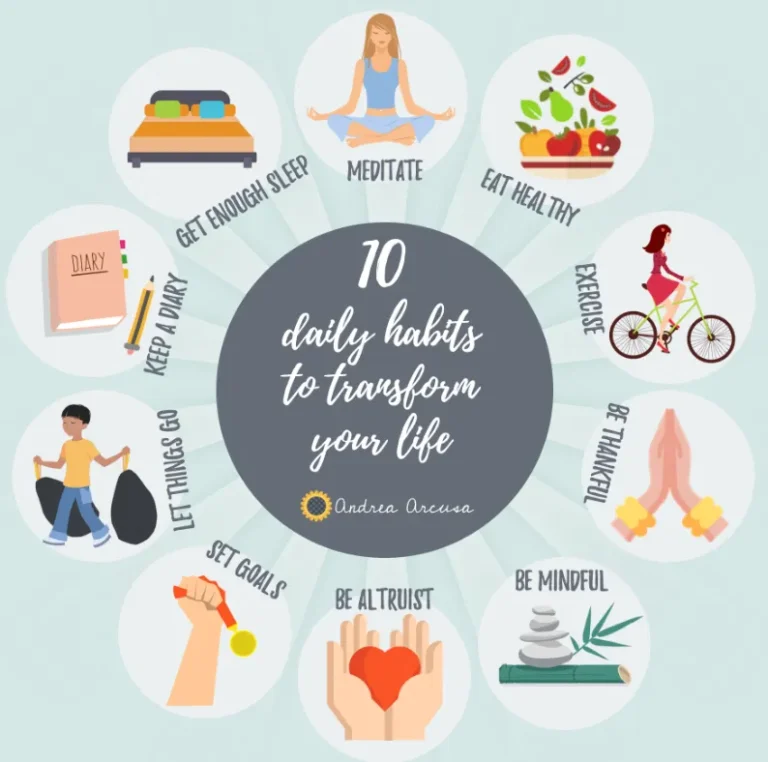
Regular physical activity is particularly valuable as men age. Resistance exercise can help maintain muscle strength, while aerobic activity supports cardiovascular fitness and overall physical function. Maintaining a healthy body weight may also be relevant because obesity can be associated with low testosterone and may contribute to symptoms that overlap with hypogonadism.
Nutrition also matters. A balanced eating pattern that provides sufficient protein, fiber, healthy fats, vitamins, and minerals can support physical health. Adequate sleep and effective stress management are likewise important for energy, mood, and recovery.
Taking a Personalized Approach to Aging
Healthy aging is not about maintaining the hormone levels of a much younger person at all costs. Instead, the goal is to understand what is normal for an individual, identify genuine medical problems when they occur, and address symptoms that meaningfully affect quality of life.
Men who notice persistent changes in sexual function, energy, mood, muscle strength, or other aspects of well-being should consider discussing them with a healthcare professional. Keeping track of when symptoms began, how frequently they occur, and whether medications, sleep, stress, or lifestyle changes affect them can make that conversation more useful.
Hormonal health is only one part of healthy aging. Combining appropriate medical evaluation with physical activity, nutritious eating, quality sleep, preventive care, and attention to mental well-being can provide a more complete approach to maintaining health throughout later life.
Conclusion
Hormonal changes are a natural part of aging, but significant symptoms should not automatically be dismissed as a normal consequence of getting older. Testosterone can influence sexual health, muscle, bones, energy, and other functions, yet many of these areas are also affected by lifestyle and medical conditions. Proper testing and professional evaluation can help determine whether low testosterone is present and whether treatment may be appropriate.