Disposal Planning for Whole-Home Decluttering Projects
A whole-home decluttering project can feel simple at the beginning. Homeowners may plan to clear a few closets, organize the garage, clean out a spare room, or finally deal with items that have been stored for years. Once the work begins, however, the amount of material can grow quickly. Boxes, old furniture, broken household goods, outdated décor, worn rugs, small appliances, toys, tools, clothing, books, and storage bins can take over hallways, driveways, and living spaces before there is a clear plan for where everything should go.
Disposal planning helps homeowners avoid turning one cluttered house into several cluttered staging piles. Instead of making decisions room by room without a system, it allows the project to move in an organized way. A good plan separates what should be kept, donated, recycled, discarded, or handled separately so the home becomes more usable as the project moves forward.
Start With the Whole House, Not One Room
Many decluttering projects begin with one room but quickly spread into the rest of the home. A closet cleanout may reveal boxes that belong in the basement. A garage cleanup may uncover old furniture from several rooms. A spare bedroom may be packed with items moved from other spaces over the years.
Before starting, homeowners should walk through the entire house and make a rough list of the areas that need attention. This may include bedrooms, closets, bathrooms, attic spaces, basements, laundry rooms, garages, sheds, patios, and storage areas.
This early walkthrough helps set realistic expectations. A whole-home project usually requires more than a few trash bags and one afternoon. Seeing the full scope makes it easier to plan disposal, donation, sorting space, and the order of work.
Choose Sorting Categories Early
Decluttering becomes harder when every item requires a fresh decision. Homeowners can reduce decision fatigue by choosing sorting categories before they begin.
Common categories include:
- Keep in this room
- Move elsewhere in the home
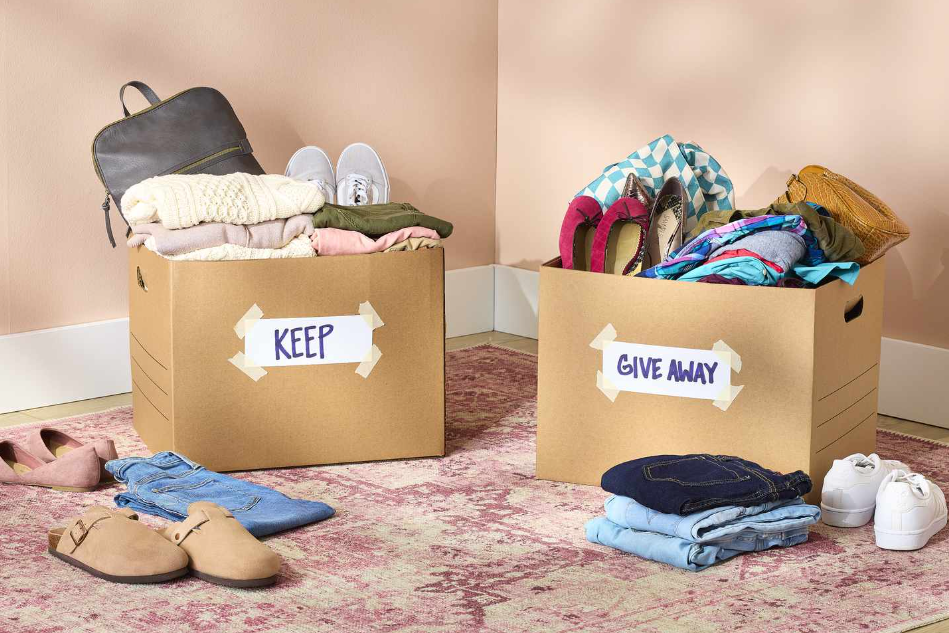
- Donate or give away
- Recycle
- Discard
- Needs special handling
These categories help prevent random piles from forming. Items that belong elsewhere should not be mixed with trash. Donation items should not be buried under broken furniture or dirty household debris. Items needing special handling should be separated before they accidentally end up in a general disposal pile.
The goal is not to make the process perfect. The goal is to give every item a direction so the project keeps moving.
Plan a Main Disposal Area
Whole-home decluttering creates a lot of material that needs to leave the house. If there is no planned disposal area, bags and bulky items may start collecting in kitchens, hallways, garages, porches, or near doors.
A main disposal area gives homeowners one clear place for unwanted items. Depending on the property, this may be part of the driveway, garage, carport, or another accessible outdoor location. The area should be close enough to make loading practical but not placed where it blocks daily access.
For larger projects, homeowners often use Temporary Dumpster when normal household trash service is not enough for the volume of discarded material. Planning this ahead of time helps prevent unwanted items from sitting around the house after they have already been sorted.
Work in a Logical Order
The order of rooms matters. Some homeowners start with the most frustrating area, while others begin with a simple space to build momentum. Either approach can work, but the disposal plan should support the order.
A good strategy is to begin with spaces that will create room for sorting. Garages, basements, spare rooms, or large closets often work well because clearing them may provide staging space for the rest of the project.
Another approach is to move from the least emotional areas to the most emotional ones. Cleaning out a laundry room or bathroom cabinet may be easier than sorting family keepsakes, old photos, or inherited belongings. Starting with easier decisions can help homeowners gain confidence before handling more difficult categories.
Keep Donation Items Separate
Donation items should be kept clean, dry, and separate from trash. Once clothing, household goods, small furniture, or décor are mixed with broken items or dusty debris, they may no longer be suitable to donate.
Homeowners should create a dedicated donation area and use bags, boxes, or bins that are clearly marked. It also helps to choose a donation deadline. Without a deadline, donation piles can remain in the garage or spare room for weeks after the decluttering project is otherwise finished.
If items are being offered to friends, family, or neighbors, those decisions should also have a time limit. Otherwise, the home may stay cluttered while waiting for people to pick things up.
Think About Bulky Items First
Bulky items can slow down the entire project if they are left until the end. Old couches, mattresses, desks, dressers, bookshelves, patio furniture, exercise equipment, entertainment centers, and cabinets take up space quickly.
Homeowners should identify bulky items during the first walkthrough. This helps them decide whether items need to be disassembled, carried by more than one person, moved through a certain door, or staged for disposal separately.
Removing bulky items early can make the rest of the home easier to organize. It opens walking paths, creates sorting space, and makes the project feel more manageable.
Protect Walkways and Living Areas
Decluttering can create temporary chaos, but it should not make the home unsafe. Hallways, stairways, doorways, kitchens, bathrooms, and main living areas should stay passable as much as possible.
Bags and boxes should not be stacked where people need to walk. Heavy items should not be left on stairs. Loose objects should not be scattered near entryways, especially if children, older adults, or pets are in the home.
A good disposal plan keeps material moving out instead of simply shifting clutter from one room to another. Clear paths also make it easier to carry items safely and avoid damage to walls, floors, and door frames.
Set Rules for Sentimental Items
Sentimental belongings can slow whole-home decluttering more than any other category. Photos, keepsakes, inherited items, children’s artwork, holiday decorations, letters, collections, and family furniture may all require more thought.
Homeowners should not try to make every sentimental decision in the middle of active cleanup. A better approach is to create a small “review later” area for items that truly need more time. That area should be limited, not unlimited.
Setting boundaries matters. If every uncertain item goes into the review pile, the project may not reduce clutter. The goal is to save decision-making time for items that genuinely deserve it.
Separate Items That Need Special Handling
Some household materials should not be placed with ordinary debris. Paint, chemicals, batteries, electronics, propane tanks, tires, certain appliances, medical sharps, and similar items may require special disposal options depending on local rules.
Homeowners should identify these items early and keep them separate. Many communities have specific drop-off programs or collection days for certain materials.
This prevents delays later and keeps the general disposal area cleaner and safer. It also reduces the risk of creating problems by mixing restricted items with ordinary household debris.
Avoid Overloading Each Work Session
A whole-home decluttering project can be physically and mentally tiring. Homeowners often start strong, pull out too much at once, and then feel overwhelmed by piles that are larger than expected.
It is better to work in controlled sections. One closet, one wall of the garage, one storage shelf, or one room section can be completed before opening the next area. This keeps progress visible and reduces the chance that the home becomes harder to live in during the project.
Each work session should end with items moved to their next destination. Bags should go to the disposal area, donation items should go to their staging area, and keep items should return to an organized location.
Plan the Final Sweep
After the major sorting is complete, the final sweep is what makes the home feel finished. Homeowners should walk through each room and check closets, cabinets, drawers, shelves, corners, utility areas, and storage spaces for anything missed.
The final sweep is also a good time to remove empty boxes, broken bins, packing material, labels, old hangers, loose cords, and small items that were overlooked during the main project.
This last step prevents the home from slowly filling back up with leftover clutter. It also gives homeowners a clear sense of completion.
Disposal planning is one of the most important parts of a whole-home decluttering project. Without a plan, unwanted items can pile up faster than they leave, making the home feel more chaotic before it gets better.
By reviewing the full house, choosing sorting categories, creating a main disposal area, separating donations, planning for bulky items, and keeping special-handling materials aside, homeowners can make the process more manageable. A thoughtful disposal plan helps turn decluttering from a frustrating cleanup into a steady, organized path toward a more usable home.