Top 28 Energetic Animals in The World (With Images)
Energetic animals in the world captivate our imagination with their incredible speed and agility. Understanding these remarkable creatures not only highlights the diverse capabilities of wildlife but also offers insights into their ecosystems and survival strategies. In this article, we’ll explore the most energetic animals on the planet and uncover what makes them so extraordinary.
List of Most Energetic Animals in The World
Below is the list of energetic animals:
| Number of Animals | Names of Animals that are Energetic |
| 1 | Kangaroos |
| 2 | Mustang Horse |
| 3 | Squirrel |
| 4 | Jack Russell Terrier |
| 5 | Cheetahs |
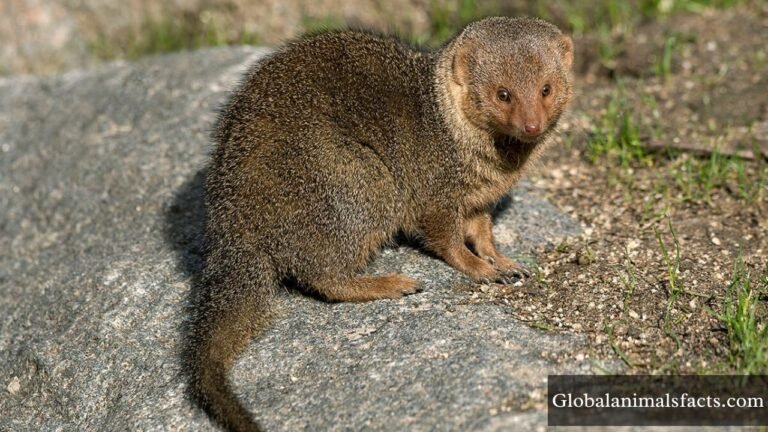
| 6 | Meerkat |
| 7 | Pronghorn |
| 8 | Ants |
| 9 | Red Fox |
| 10 | Capuchin Monkey |
| 11 | Wolf |
| 12 | Arctic Tern |
| 13 | Adélie Penguin |
| 14 | Tasmanian Devil |
| 15 | Baby Goats |
| 16 | African Wild Dogs |
| 17 | Swallow |
| 18 | Hummingbirds |
| 19 | Chimpanzee |
| 20 | Dolphins |
| 21 | Siberian Husky |
| 22 | Shrews |
| 23 | Dragonfly |
| 24 | Arabian Horse |
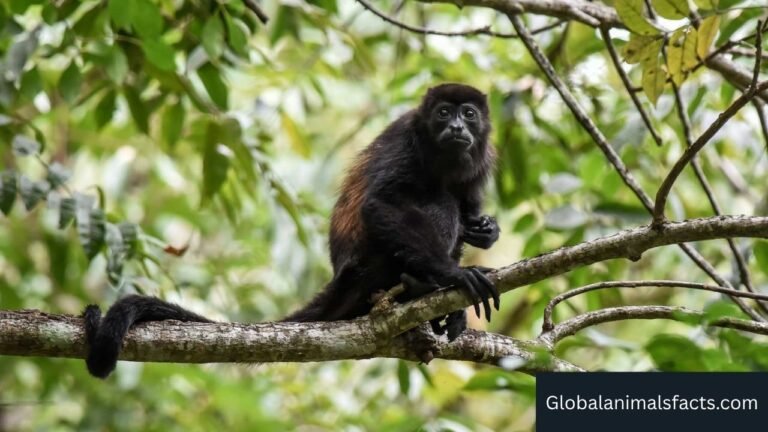
| 25 | Squirrel Monkeys |
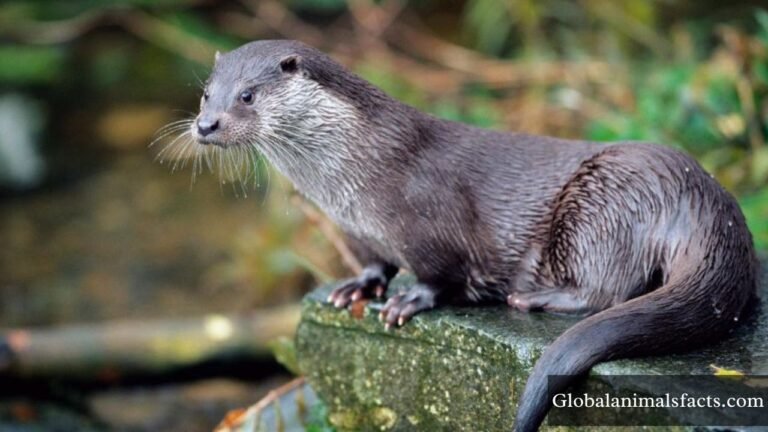
| 26 | Sea Otters |
| 27 | Honeybees |
| 28 | Border Collies |
Kangaroos
Scientific Name: Macropus
Class: Mammalia
Diet: Herbivore
Kangaroos are not just symbols of Australia; they exemplify the sheer dynamism of the animal kingdom. Their unique mode of locomotion — a series of powerful leaps — allows them to cover vast distances with incredible efficiency. With each bound, they can reach speeds up to 35 miles per hour, making them agile and seemingly weightless. This remarkable ability isn’t just for show; it’s a masterclass in energy conservation, allowing them to travel between foraging areas while expending minimal energy.
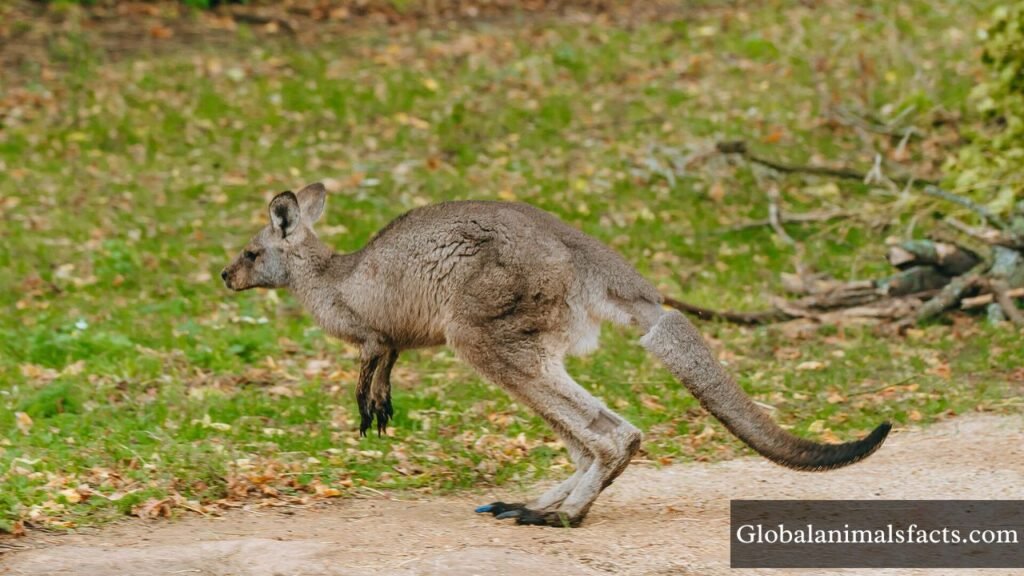
What’s particularly fascinating is the kangaroo’s social structure. They often move in groups called mobs, providing them with security and social interaction. These mobs are not just a safety net; they exhibit fascinating behaviors that hint at complex social dynamics. For instance, when threatened, a mob may use coordinated movements to confuse predators, showcasing an instinctual intelligence that goes beyond mere survival tactics.
The kangaroo’s reproductive strategy adds another layer of intrigue. Their unique ability to pause the development of their embryos as a response to environmental conditions — known as embryonic diapause — ensures that they can effectively time their offspring’s arrival to coincide with resource availability. This adaptability not only showcases their evolutionary resilience but also deepens our appreciation for the intricate relationships between nature, survival, and thriving in the wild.
Mustang Horse
Class: Mammalia
Diet: Herbivore
The Mustang horse symbolizes the raw spirit of the American West, embodying freedom and resilience. These magnificent creatures, often found roaming the expansive landscapes of the West, have adapted to harsh climates and rugged terrains. Their stamina and agility not only highlight their evolutionary prowess but also speak to a deeper connection with the land — a bond forged through generations of survival.
What sets Mustangs apart is their unique blend of wildness and intelligence. Unlike their domesticated counterparts, Mustangs exhibit remarkable problem-solving skills, often navigating complex terrains with ease. Observing them in their natural habitat can evoke a sense of awe, as they move in herds, showcasing intricate social dynamics and communication methods that reflect their deep understanding of leadership and trust.
Squirrel
Scientific Name: Sciuridae
Class: Mammalia
Diet: Omnivore
Squirrels, with their acrobatic leaps and frenetic energy, embody an infectious spirit of playfulness. These nimble creatures are not merely foragers; they are master architects of their surroundings. Often overlooked, their innovative nesting techniques and resourceful behavior can teach us about adaptability and resilience in the face of changing environments. The way squirrels deftly navigate complex tree branches while simultaneously scanning for predators showcases a remarkable blend of agility and vigilance.
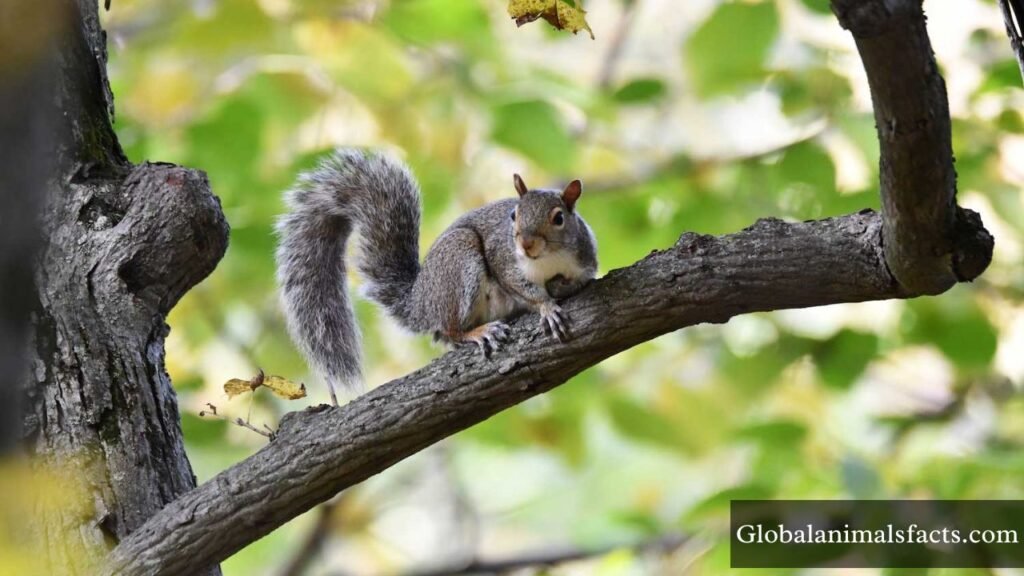
Moreover, the social dynamics within squirrel communities reveal a fascinating glimpse into their lives. They engage in intricate vocalizations and tail signals, creating a rich tapestry of communication that reflects their keen social awareness. Studies have shown that squirrels display varying levels of empathy and cooperation, particularly when it comes to sharing food sources.
Their strategic planning skills are impressive; they bury food to save for winter, using a system that balances immediate needs with future shortages. This foresight reflects a remarkable ability to react to environmental changes, showcasing how even small creatures navigate the complexities of survival.
Readmore: Explore Top 10 Animals Without Tails.
Jack Russell Terrier
Class: Mammalia
Diet: Omnivore
The Jack Russell Terrier is not just a breed; it’s a living testament to unyielding energy packed into a compact frame. Originating from England, these little dynamo dogs were bred for hunting foxes, and their relentless spirit reflects this heritage. Their natural agility makes them exceptional athletes, thriving in activities like agility courses or frisbee, where their speed and intelligence truly shine. It’s not uncommon to see them outpace larger breed dogs, captivating anyone watching with their sheer enthusiasm.
What sets Jack Russells apart is their insatiable curiosity and zest for life. They require mental stimulation as much as physical exercise, making enrichment activities vital for their happiness. Puzzle toys, training games, or even a simple hide-and-seek around the house can keep their sharp minds engaged. Owners often describe their Jack Russells as ‘clowns’ because of their playful antics, showcasing a blend of mischief and charm that makes them irresistibly endearing. By understanding and fostering their energetic nature, you embark on a rewarding journey filled with adventure and unexpected moments of joy.
Cheetahs
Scientific Name: Acinonyx jubatus
Class: Mammalia
Diet: Carnivore
Cheetahs, often celebrated as the fastest land animals, showcase a unique blend of grace and power that captivates wildlife enthusiasts. Their sleek, aerodynamic bodies are not merely for show; every aspect of their physicality contributes to their unparalleled speed, reaching up to 60 miles per hour in short bursts. More than just speedsters, these remarkable creatures embody a complex interplay of agility and strategy. Unlike many predators, cheetahs employ a unique hunting approach that emphasizes precision over brute strength, demonstrating an extraordinary ability to accelerate quickly and maneuver deftly to outpace their prey.
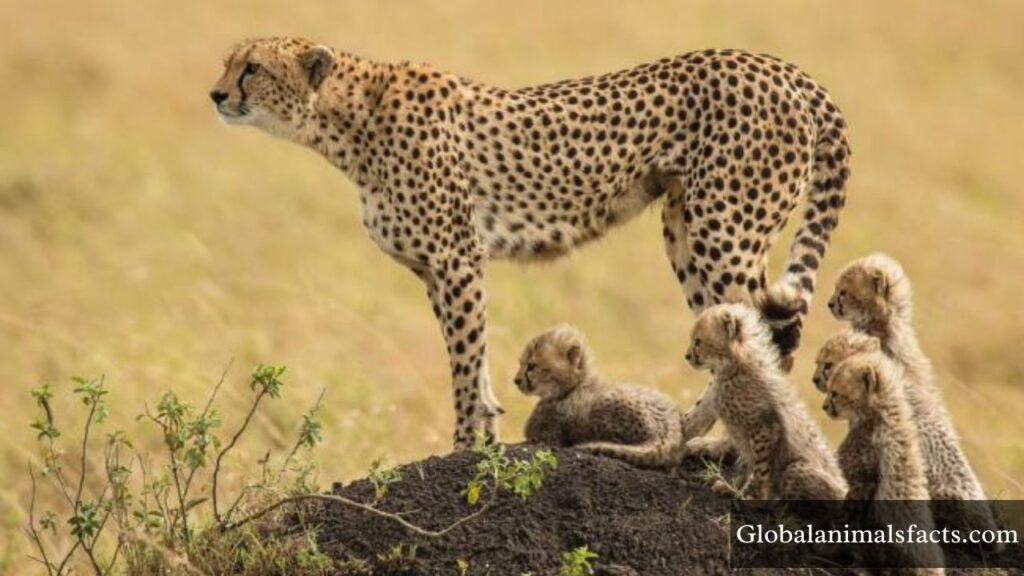
Moreover, their specialized vocalizations and social structures add further layers to their energetic personas. Cheetahs communicate through a series of chirps, purrs, and hisses, creating a rich tapestry of sound that conveys emotions and intentions within their family groups. Socially, they often exist in matriarchal units, with mothers raising their cubs alone, showcasing their protective instincts while nurturing the next generation. The dynamic interplay of speed, communication, and social behavior makes cheetahs not only a marvel of the animal kingdom but also a poignant reminder of nature’s intricate balance and the challenges these beautiful creatures face in a rapidly changing world.
Also read: Explore Top 14 Animals With Big Ears.
Meerkat
Scientific Name: Suricata suricatta
Class: Mammalia
Diet: Omnivore
Meerkats, with their infectious energy and charming antics, offer a fascinating glimpse into the complexities of social behavior in the animal kingdom. Living in tight-knit family groups called mobs, these tiny sentinels display incredible teamwork and communication skills. Constantly on the lookout for predators, they employ a sophisticated system of vocalizations, allowing them to alert one another while foraging in the harsh deserts of Southern Africa. Their upright posture, often seen while standing sentinel, isn’t just for vigilance; it embodies their unyielding spirit and cooperation.
Beyond their watchful nature lies a remarkable social structure that prioritizes kinship and mutual care. Unlike many species where competition reigns, meerkats exemplify a culture of altruism, helping to raise each other’s young and sharing food. This behavioral phenomenon offers parallels to human communities, highlighting how collaboration can enhance survival.
Pronghorn
Scientific Name: Antilocapra americana
Class: Mammalia
Diet: Herbivore
Pronghorns, often mistaken for antelope, are among North America’s fastest land mammals, capable of reaching speeds up to 55 miles per hour. Their unique adaptations allow them to outrun predators with remarkable agility. What’s fascinating is not just their speed, but their endurance; pronghorns can sustain high speeds longer than most mammals, making them not just sprinters, but long-distance champions of the plains. This remarkable ability stems from their large lungs and hearts, tailored for optimal oxygen circulation and stamina.
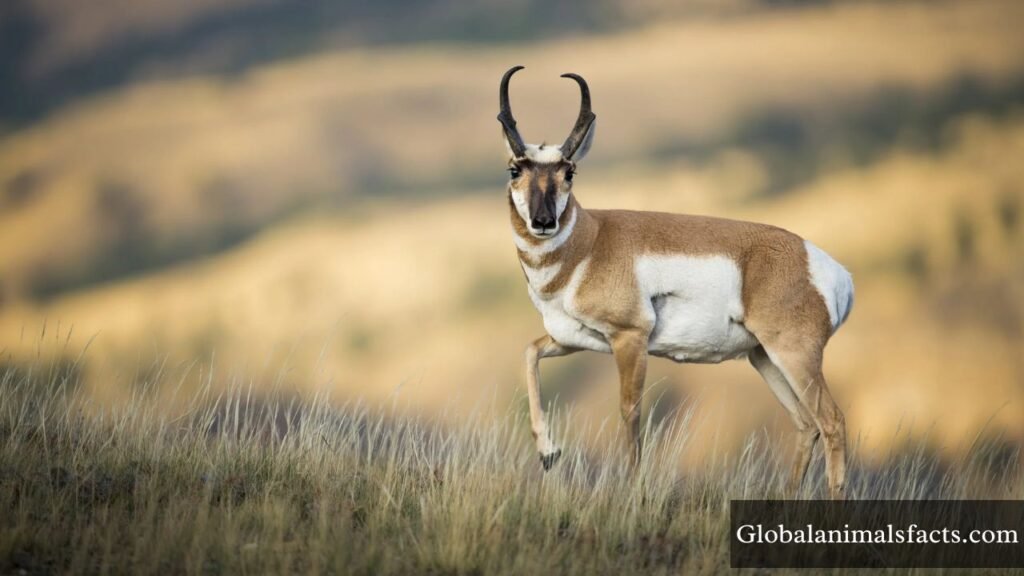
Beyond their physical prowess, pronghorns serve as a crucial component of their ecosystem. They graze on various plants, influencing plant community dynamics and helping maintain the health of grasslands. Their presence indicates a balanced habitat, as they thrive in open spaces with minimal obstruction. This adaptability stems from an evolutionary history that has seen them survive through harsh climates and shifting landscapes, showcasing resilience in a rapidly changing world.
You can also read: Explore Top 14 Animals With Prehensile Tails.
Ants
Scientific Name: Formicidae
Class: Insecta
Diet: Omnivore
Ants are remarkable architects of the natural world, demonstrating an unparalleled level of organization and teamwork. Each colony operates almost like a single organism, with distinct roles ranging from workers to soldiers and even the queen. This intricate societal structure not only boosts survival but also showcases a fascinating form of communication through pheromones, allowing them to convey messages about food sources and threats in a matter of seconds.
What’s particularly intriguing is their unrivaled strength; ants can lift objects many times their own weight, which raises questions about the ergonomic possibilities of their small frames. Their relentless work ethic serves as a profound reminder of the power of collective effort — one ant may seem insignificant, but together, they can build complex underground networks and transport food over great distances.
Red Fox
Scientific Name: Vulpes vulpes
Class: Mammalia
Diet: Omnivore
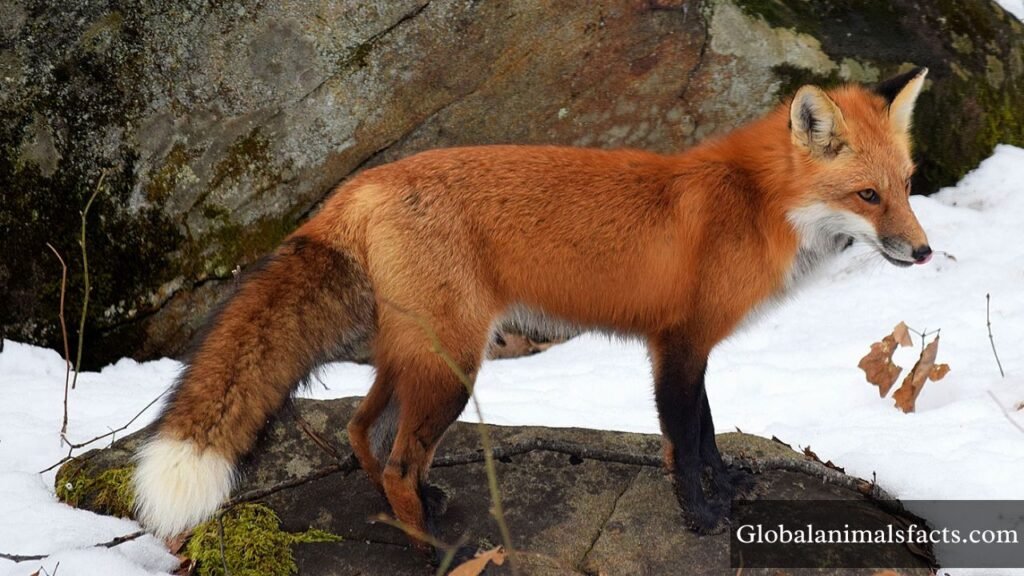
The red fox, with its striking orange-red fur and bushy tail, embodies a spirit of agility and cunning that captures the imagination. Known for their adaptability, these clever creatures can thrive in a variety of environments, from bustling urban areas to remote woodlands. What often goes unnoticed is their exceptional communication skills; red foxes use a diverse range of vocalizations and body language to express themselves, from sharp barks to soft whines. This versatility not only aids in foraging and avoiding predators but also strengthens their social bonds, reminding us of the complex lives they lead. Their hunting techniques are nothing short of fascinating; they employ a unique pouncing method to catch prey — an impressive display of athleticism and precision.
Capuchin Monkey
Scientific Name: Cebinae
Class: Mammalia
Diet: Omnivore
Capuchin monkeys are fascinating creatures that embody intelligence and curiosity, making them one of the most captivating primates. These highly social animals exhibit remarkable problem-solving skills and adaptability, often using tools to access food and navigate their environment. For instance, they have been observed using rocks to crack open nuts, showcasing their ability to manipulate elements in their surroundings with surprising dexterity. This ingenuity doesn’t just end with foraging; capuchins are social architects, forming complex relationships and exhibiting behaviors that suggest a deep emotional intelligence.
Living in tight-knit groups, capuchins communicate through a rich tapestry of vocalizations, gestures, and facial expressions. Their social dynamics are similar to human communities, filled with playfulness and a touch of mischief that keeps their interactions lively. One fascinating aspect of their social behavior is their propensity for cooperative care — where individuals within the group will assist in nurturing each other’s offspring, fostering a strong communal bond. This not only nurtures a sense of unity but also enhances the likelihood of survival in their natural habitats, which can often be challenging.
Also read: Explore Top 22 Mischievous Animals.
Wolf
Scientific Name: Canis lupus
Class: Mammalia
Diet: Carnivore
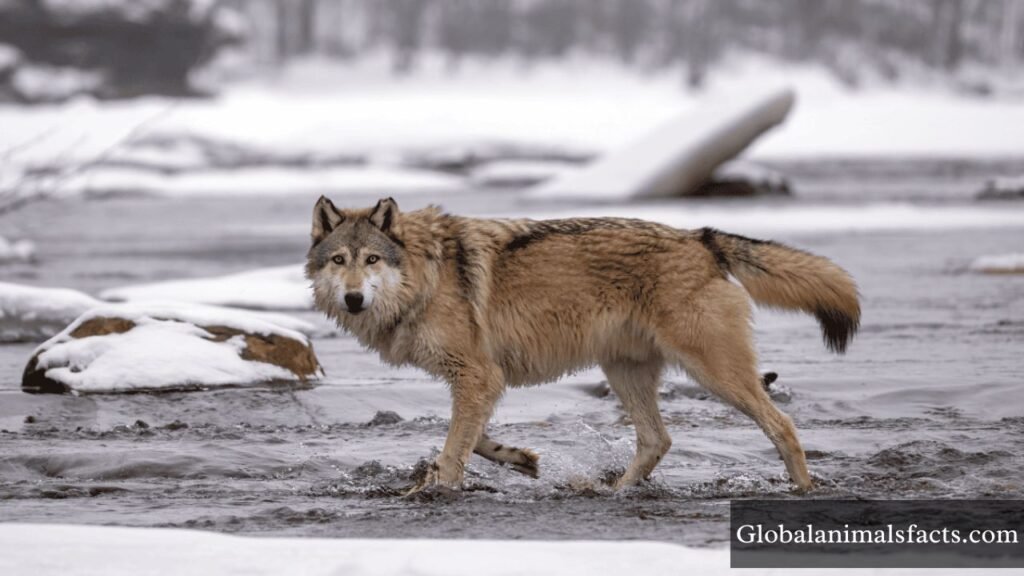
Wolves, often celebrated for their majestic presence, are more than just symbols of the untamed wilderness; they embody a complex social structure that parallels human communities. Living in packs, wolves exhibit cooperation that fuels their survival — each member plays a distinct role, contributing to hunting strategies and nurturing the young. This collective effort not only showcases their intelligence but emphasizes the importance of social bonds, illustrating how interdependence can lead to success in the wild.
Arctic Tern
Scientific Name: Sterna paradisaea
Class: Aves
Diet: Carnivore
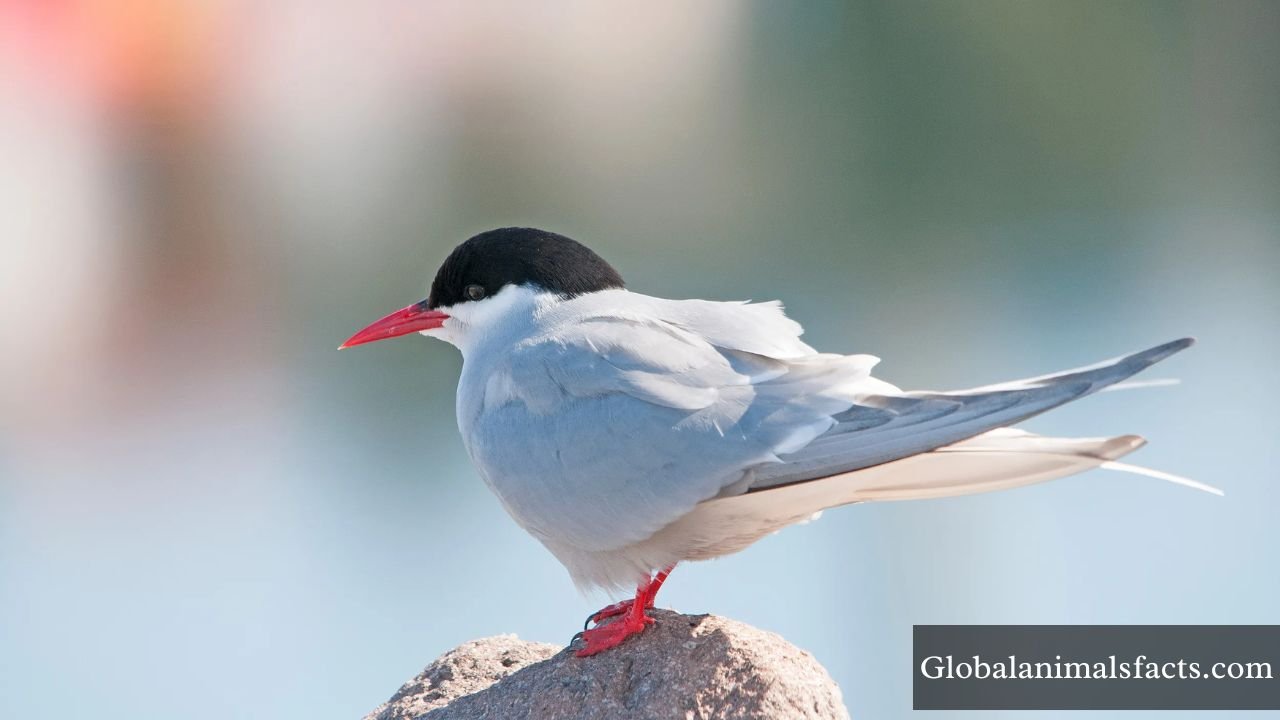
The Arctic tern is nothing short of a marvel in the animal kingdom, renowned for undertaking the longest migration of any bird. Each year, these remarkable flyers traverse up to 70,000 kilometers from their breeding grounds in the Arctic to wintering sites in Antarctica. This epic journey, which can span several continents and oceans, highlights not only their extraordinary endurance but also the intricate navigation skills they possess.
What makes the Arctic tern particularly fascinating is its unique life cycle. After years of this harrowing journey, they return to their breeding sites, not just to reproduce but to live in a realm that hosts long days of sunlight in the summer, vital for feeding their young. This life strategy, characterized by its extreme seasonal shifts, equips the tern with abundant resources while avoiding competition.
Readmore: Explore Top 16 Flexible Animals in The World.
Adélie Penguin
Scientific Name: Pygoscelis adeliae
Class: Aves
Diet: Carnivore
Adélie penguins, with their striking tuxedo-like appearance and lively demeanor, are emblematic of the vibrant life in the harsh Antarctic environment. These energetic creatures are not just experts at waddling; they are remarkable athletes in the water, capable of diving up to 600 feet in search of krill and small fish. Their agility allows them to maneuver with surprising grace, darting through the icy depths at speeds of up to 8 miles per hour.
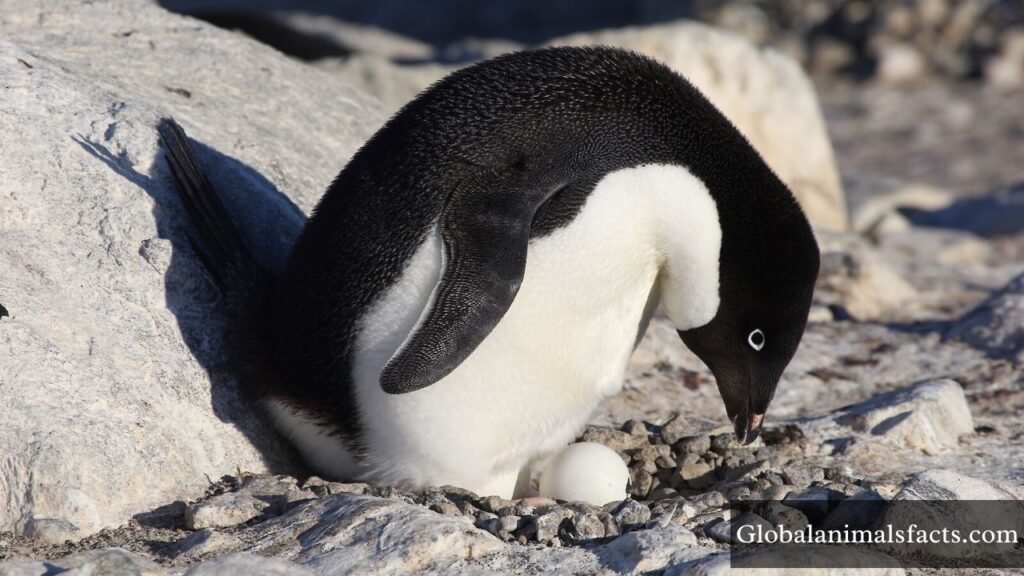
A lesser-known fact about Adélie penguins is their remarkable social intelligence. They form intricate social bonds and are known for their playful interactions, often engaging in what seems like sledding on ice or playful chasing among groups. Observing these social gatherings reveals not just their exuberance but also their communication skills, as they utilize a variety of vocalizations and body language to convey messages to each other. This social structure plays a crucial role in their survival, fostering cooperation during breeding and feeding seasons amid the unforgiving landscape of their habitat.
Moreover, the Adélie penguin stands as a bellwether for climate change. As ice-dependent species, their population dynamics provide valuable insights into the health of the Antarctic ecosystem. Studies indicate shifting ice patterns and food availability can significantly impact their breeding success and migration patterns.
Tasmanian Devil
Scientific Name: Sarcophilus harrisii
Class: Mammalia
Diet: Carnivore/Scavenger
The Tasmanian Devil, with its robust build and fierce demeanor, embodies a unique blend of resilience and tenacity. Despite its name evoking images of chaos, this nocturnal marsupial plays a vital role in Australia’s ecosystem as a scavenger. With its powerful jaws and bone-crushing bites, it’s not just a formidable hunter but an essential recycler of nutrients, consuming carrion that helps maintain environmental health.
Beyond their ravenous appetite, these creatures exhibit intriguing social behaviors. Known for their vocalizations, Tasmanian Devils communicate through a series of growls, sneezes, and screams, creating a rich tapestry of sound that echoes through the dark Tasmanian forests. Observing their interactions reveals a complex social hierarchy, where dominance is established not through size alone but through vocal and physical displays. This intricate social life showcases their intelligence and adaptability in a competitive landscape, shedding light on the depth of animal behavior often overlooked in less charismatic species.
Baby Goats
Scientific Name: Capra aegagrus hircus
Class: Mammalia
Diet: Herbivore
Baby goats, or kids, are a whirlwind of energy and curiosity, embodying the pure essence of playfulness. With their nimble legs and boundless enthusiasm, they leap and bound through fields, often climbing on anything that resembles a sturdy surface — chairs, rocks, and even their owners’ backs! This spirited behavior isn’t just for fun; it’s an essential part of their development, allowing them to build strength and agility while learning social cues from their peers.
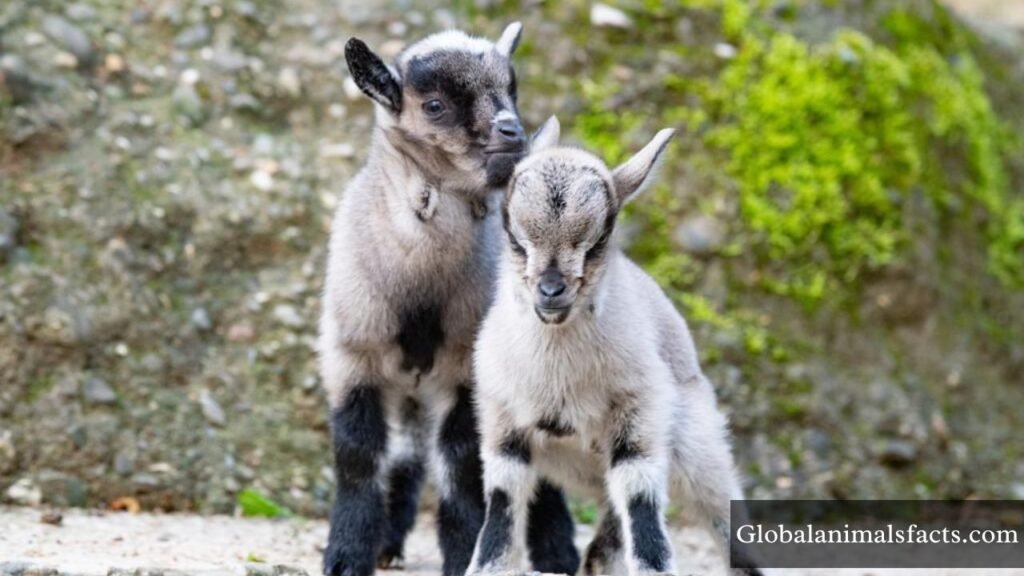
What’s truly fascinating about these lively creatures is their knack for forming bonds within their groups. Playtime often resembles a social gathering where each kid showcases its unique personality — some are bold and adventurous, while others are a bit more timid. This dynamic not only fosters a sense of community but also hones their survival skills as they learn to navigate their environment together.
You can also read: Explore Top 22 Sneaky Animals in The World.
African Wild Dogs
Scientific Name: Lycaon pictus
Class: Mammalia
Diet: Carnivore
African wild dogs, often overshadowed by their more famous cousins, are a testament to the efficiency of nature’s design. With a unique social structure and a remarkable hunting strategy, these canines boast a success rate of nearly 80% — one of the highest among predators. Their cooperative behavior is fascinating; they communicate through a series of vocalizations and physical gestures, orchestrating an elaborate teamwork that showcases their intelligence and adaptability.
The vibrancy of their patterned coats isn’t just striking; it plays a vital role in their survival. Each dog’s unique markings help with identification within their packs, fostering strong social bonds essential for their cooperative hunts. Unlike many solitary hunters, these wild dogs exhibit a tender side, often engaging in playful antics or caring for injured members. This nurturing behavior underscores their intricate social dynamics and the complex emotional lives that these energetic animals lead in the African wilderness. Their plight, however, highlights the pressing need for conservation efforts, as habitat loss and human conflict threaten their very existence.
Swallow
Scientific Name: Hirundinidae
Class: Aves
Diet: Insectivore
Swallows epitomize agility and grace, darting through the skies with breathtaking speed. Their acrobatic flight is not just a spectacle; it’s a survival strategy. They catch insects mid-air, turning the skies into their personal hunting grounds, making them vital for natural pest control. Watching them can evoke a sense of liberation, as they embody the freedom of flight that many yearn for.
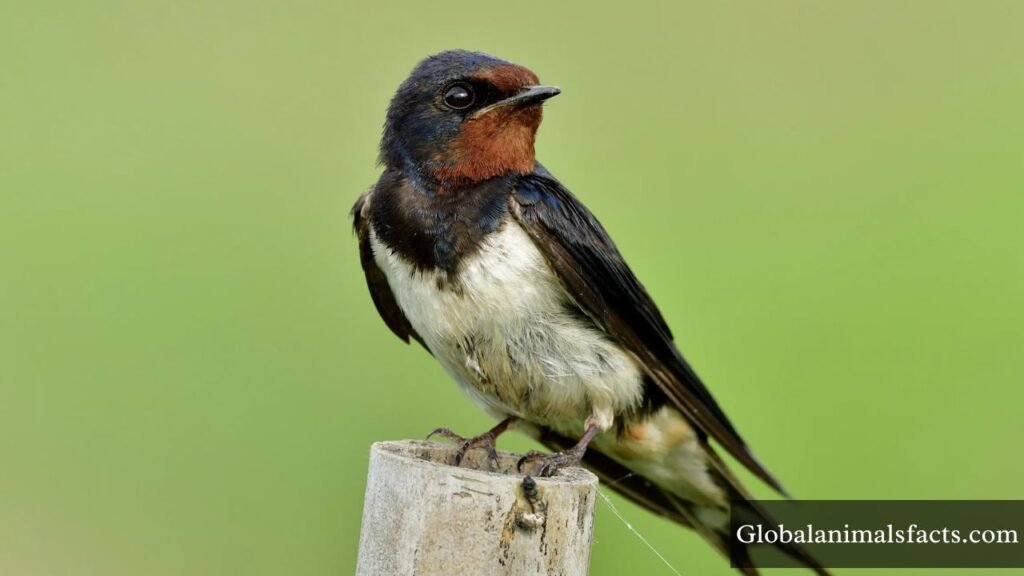
Beyond their stunning aerial displays, swallows are highly social creatures. They often nest in colonies, showcasing a communal spirit that’s rare in the avian world. Their intricate mud nests, expertly crafted from their surroundings, symbolize resilience and adaptability. And during migration, these tiny birds embark on epic journeys, navigating thousands of miles with remarkable precision, reminding us of the power of instinct and determination in pursuing a greater purpose.
Also read: Explore Top 20 Animals That Hibernate.
Hummingbirds
Scientific Name: Trochilidae
Class: Aves
Diet: Nectarivore/Insectivore
Hummingbirds are nature’s marvels, with their iridescent feathers and unique ability to hover in mid-air, creating a mesmerizing spectacle. These energetic creatures possess a metabolism that allows them to beat their wings up to 80 times per second, generating the swift motion that sets them apart in the avian world. This rapid wingbeat requires an astonishing amount of energy, prompting these tiny birds to consume up to double their body weight in nectar daily, a ballet of flight that showcases not only their dexterity but their necessity to constantly refuel.
Beyond their vibrant appearance, hummingbirds play a critical role in pollination, acting as tiny stewards of the ecosystems in which they thrive. As they flit from flower to flower, their heads inadvertently brush against pollen, transferring it with grace and precision. This interaction not only fuels their feeding habits but also contributes to the health and diversity of plant life.
Chimpanzee
Scientific Name: Pan troglodytes
Class: Mammalia
Diet: Omnivore
Chimpanzees are not just our closest living relatives; they epitomize the essence of vivacity in the animal kingdom. These intelligent primates display a remarkable range of emotions and social interactions, fostering a vibrant community life. Their energetic antics, whether swinging through trees or engaging in playful wrestling, showcase their physical agility and mental sharpness. Watching a troop of chimpanzees interact can feel like glimpsing humanity in its purest form, as they form bonds through grooming, play, and even rivalry.
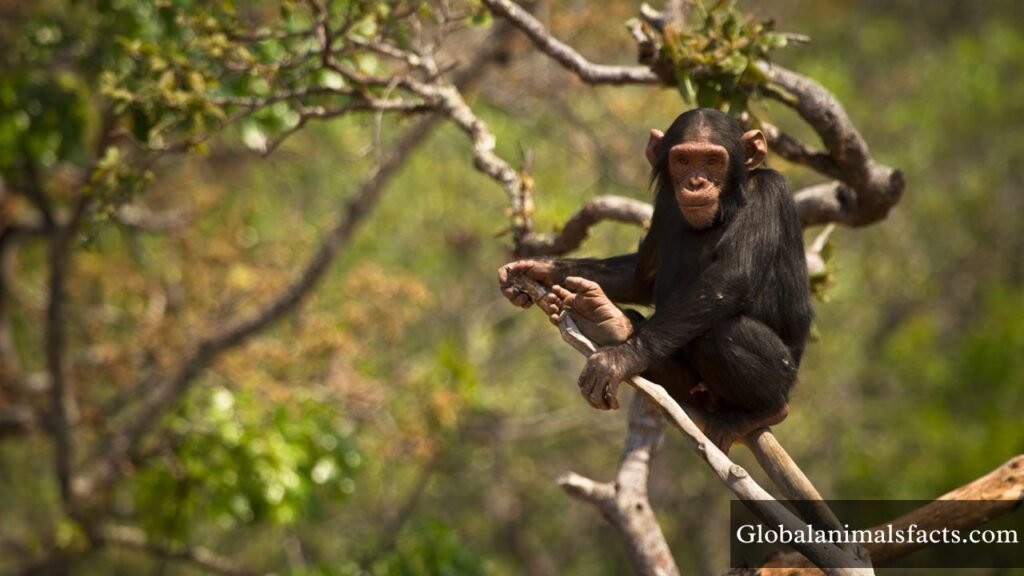
What’s particularly fascinating is the complexity of their communication. Chimpanzees use a series of vocalizations, facial expressions, and body language to convey emotions and intentions. This rich tapestry of communication underscores their social intelligence and offers insights into the evolution of human communication. Moreover, studies have shown that their energy levels are not solely fueled by physical needs; they thrive on social stimuli, which enhances their mood and appetite for exploration.
Readmore: Explore Top 18 Independent Animals in The World.
Dolphins
Scientific Name: Delphinidae
Class: Mammalia
Diet: Carnivore
Dolphins are not just agile swimmers; they are also complex social beings with a rich emotional life. In the vast expanse of the ocean, these mammals demonstrate remarkable intelligence through intricate communication, utilizing a series of clicks, whistles, and body language that suggest a deep understanding of their environment and fellow pod members. Recent studies have revealed that dolphins possess unique “names,” with individuals developing distinct whistles that function like identifiers, akin to human names, fostering strong social bonds and cooperative behaviors among their groups.
Moreover, dolphins exhibit a zest for life that goes beyond mere survival — they engage in playful activities like riding the waves, surfing alongside boats, and even playing games with other species. Such playful behaviors aren’t just for fun; they are crucial for their emotional well-being and cognitive development. These vibrant creatures often demonstrate altruism, helping injured or distressed members of their pod, showcasing an empathy that challenges our traditional views of animal intelligence and emotional capacity.
Siberian Husky
Class: Mammalia
Diet: Omnivore
The Siberian Husky, renowned for its striking blue eyes and thick double coat, is not just a beautiful breed but a powerhouse of vitality. Bred by the Chukchi people of Siberia, these dogs were designed for endurance, capable of pulling sleds over long distances in harsh conditions. Their boundless energy makes them ideal companions for active individuals or families who can provide ample exercise and stimulation. Without sufficient activity, however, these intelligent and social animals can become bored and restless, leading to mischievous behavior that often leaves owners both amused and exasperated.
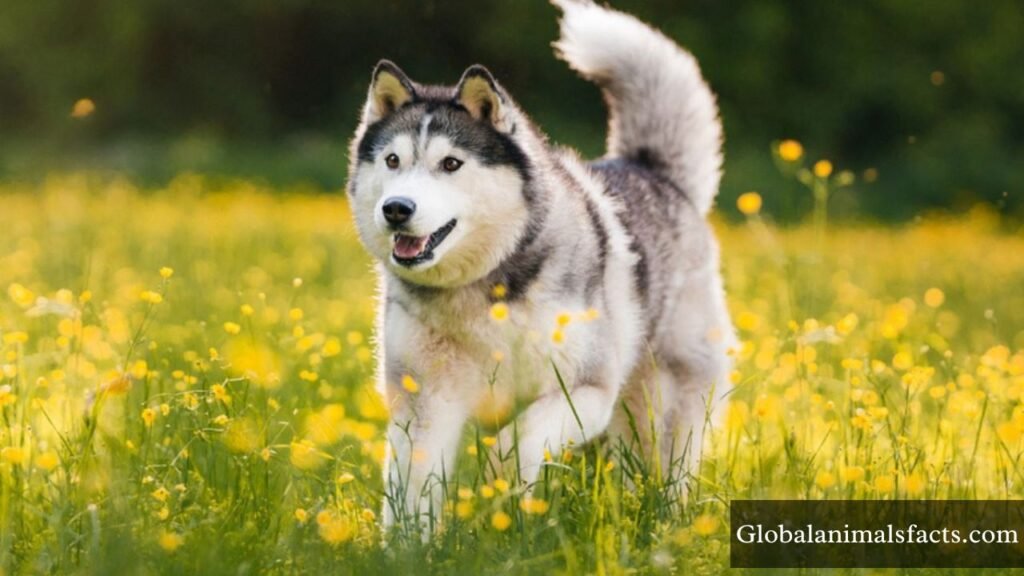
One fascinating aspect of the Siberian Husky is its innate drive to run in packs, showcasing an instinctual impulse to bond and socialize. This breed thrives on companionship, not just with humans but with fellow dogs as well. Their playful and friendly demeanor is infectious, often turning ordinary outings into joyful adventures filled with spontaneous bursts of energy. Moreover, their vocalizations, ranging from playful howls to spirited yips, add a unique charm that can enliven any home. Embracing a Husky’s energetic spirit also encourages owners to explore new activities — whether it’s hiking, biking, or even dog-sledding, these dogs will transform your lifestyle into an active pursuit of fun.
You can also read: Explore Top 13 Smartest birds in The World.
Shrews
Class: Mammalia
Diet: Insectivore
Shrews, often overlooked in the animal kingdom, are bustling bundles of energy that challenge our perceptions of small mammals. These diminutive creatures, belonging to the family Soricidae, possess an astonishingly high metabolism, requiring them to consume almost their own body weight in food daily. This remarkable appetite drives them to be voracious foragers, scouring their habitats for insects, worms, and even small vertebrates.
What truly sets shrews apart is their unique hunting strategy and sensory adaptations. Equipped with an acute sense of smell and the ability to detect vibrations, these tiny predators navigate their environments with remarkable precision. Some species even possess venomous saliva, allowing them to immobilize prey much larger than themselves — a fact that challenges the traditional views of predator-prey dynamics.
Dragonfly
Scientific Name: Anisoptera
Class: Insecta
Diet: Carnivore
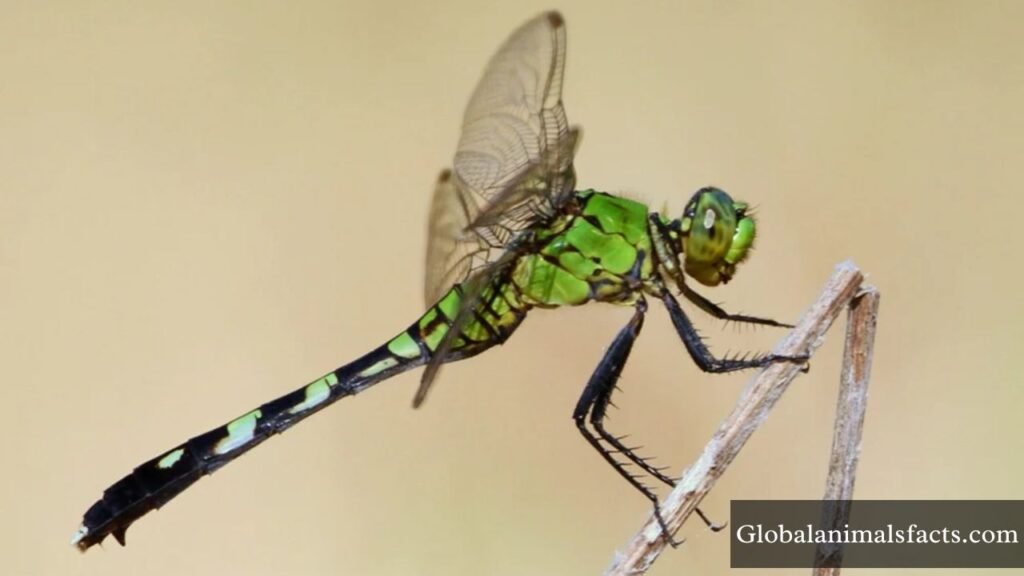
The dragonfly is not just a breathtaking insect but a skilled aerial acrobat. With large, multifaceted eyes and two pairs of intricate wings that can move independently, they can dart and hover with remarkable agility. Observing a dragonfly in flight can feel like witnessing a tiny miracle; they can fly backward, upward, and even take sharp turns with effortless grace. This mastery of flight not only defines their predatory prowess but also highlights their adaptability in various ecosystems.
Arabian Horse
Class: Mammalia
Diet: Herbivore
The Arabian horse is not just a breed; it embodies a rich history of endurance and elegance that dates back thousands of years. Renowned for their spirited temperament, these majestic creatures exemplify the perfect combination of grace and stamina. Their capacity to travel long distances through harsh terrains speaks to their remarkable adaptability and resilience. Indeed, Arabians were bred by nomadic tribes, designed for survival in the unforgiving deserts, making them the ultimate symbol of dynamic energy.
What sets Arabian horses apart is not merely their physical attributes, but the profound bond they form with their handlers. These intelligent animals are known for their loyalty and a deep instinct for understanding human emotions, allowing for strong partnerships that transcend mere rider and mount. Their striking, arched necks and expressive eyes hint at a vibrant personality and boundless spirit, providing riders with not just a means of transportation, but a living embodiment of companionship and trust.
Also read: Explore Top 30 Shy Animals in The World.
Squirrel Monkeys
Class: Mammalia
Diet: Omnivore
Squirrel monkeys are a captivating blend of agility and intelligence, making them one of the most dynamic creatures in the primate world. Their size — typically weighing no more than a couple of pounds — belies their energy, as they leap through the treetops of Central and South America with remarkable grace. With their expressive faces and vibrant yellow-orange limbs, these little primates not only catch the eye but also showcase a complex social structure that adds depth to their lively personalities. Research has revealed that these animals possess a unique form of communication, using a combination of vocalizations, facial expressions, and body language to establish bonds and coordinate activities within their groups.
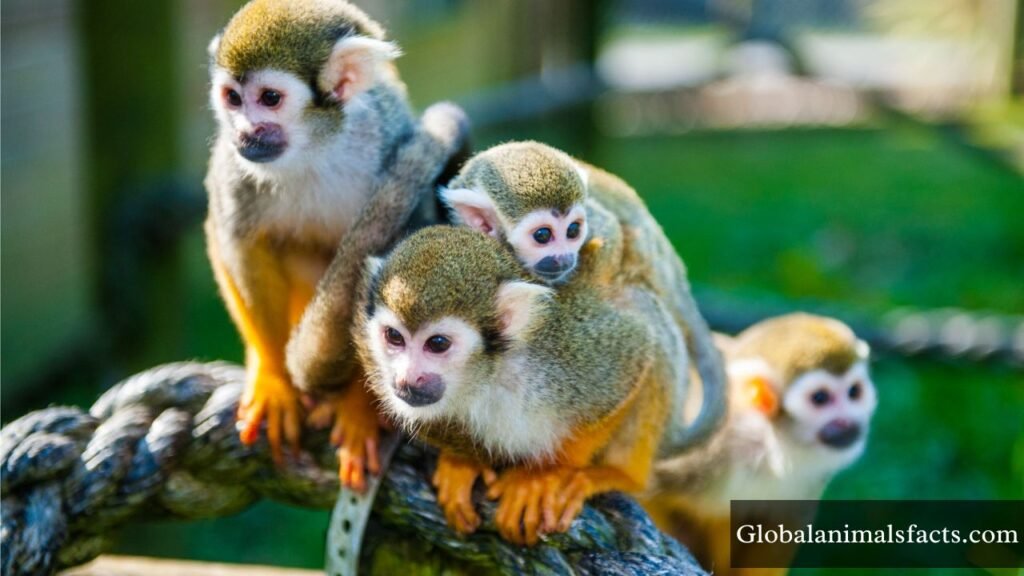
Moreover, the lifestyle of squirrel monkeys offers a window into the delicate balance of their rainforest habitat. They primarily feed on fruits, insects, and small vertebrates, playing a crucial role in seed dispersal and maintaining the ecosystem’s health. As social animals, they tend to forage in groups, utilizing their collective strategies to locate food, which underscores the importance of cooperation in their survival.
Sea Otters
Scientific Name: Enhydra lutris
Class: Mammalia
Diet: Carnivore
Sea otters, often regarded as the playful clowns of the marine world, offer a fascinating glimpse into the interconnectedness of ocean ecosystems. As they float on their backs, holding hands to maintain their group cohesion, these spirited creatures display a unique social structure that underscores the importance of community in nature. Their fur, the densest in the animal kingdom, not only keeps them insulated in chilly waters but also serves as a stunning reminder of the balance between beauty and survival.
Beyond their adorable antics, sea otters play a vital role as ecosystem engineers. By preying on sea urchins, they help maintain kelp forest health, preventing these colonies from being overgrazed. This cascading effect enhances biodiversity, supporting various marine life, from fish to mollusks. Observing these energetic animals reveals how even the smallest of players can hold the key to vast ecological harmony — a reminder of the importance of all creatures, no matter their size, in nurturing the planet’s health.
You can also read: Explore Top 15 Hard Working Animals in The World.
Honeybees
Scientific Name: Apis mellifera
Class: Insecta
Diet: Herbivore
Honeybees are often celebrated for their industrious nature, yet their role extends far beyond mere pollination. These tiny architects of the natural world work harmoniously within their colonies, demonstrating a level of social organization that rivals even the most structured human societies. Each bee has a specific role — whether foraging for nectar, defending the hive, or nurturing the larvae — creating a seamless web of cooperation that underscores the importance of teamwork in nature.
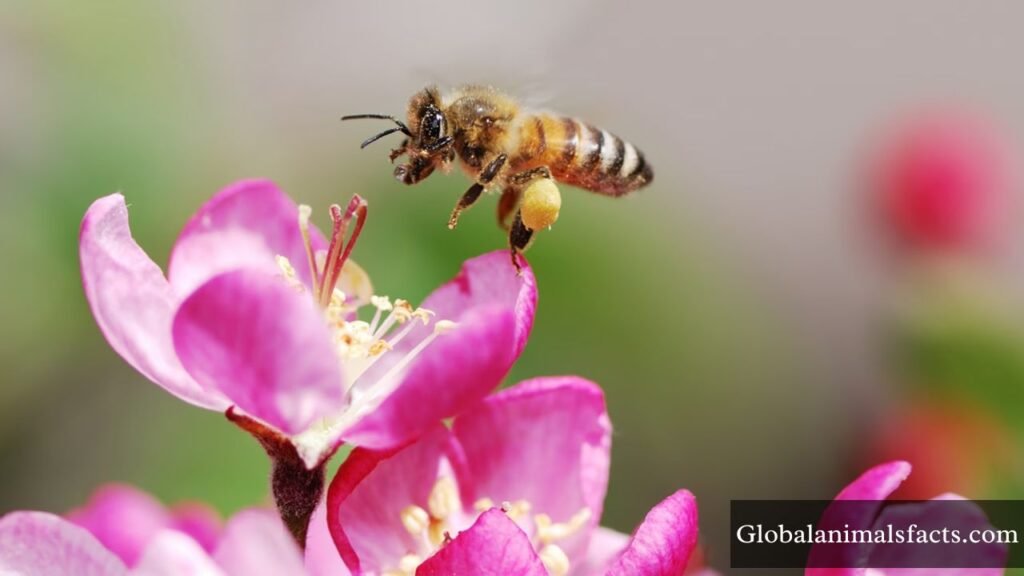
Moreover, honeybees exhibit remarkable communication skills through their unique dance language. When a forager discovers a rich source of nectar, she returns to the hive and performs a waggle dance, conveying not only the direction of the food source but also its distance. This intricate form of communication highlights their intelligence and adaptability, allowing colonies to thrive even in changing environments.
Border Collies
Class: Mammalia
Diet: Omnivore
Border Collies are often hailed as the quintessential working dog, but their energetic spirit extends far beyond herding sheep. These agile canines thrive on mental and physical stimulation, making them the ultimate companions for those who lead active lifestyles. With a staggering IQ that places them among the smartest breeds, Border Collies can learn complex commands and tricks with remarkable speed, transforming everyday walks into exhilarating training sessions.
Their boundless energy makes them ideal for a variety of canine sports, from agility courses to flyball and disc dog competitions. But the magic of a Border Collie lies not just in their athletic prowess; it’s in their unyielding connection with their humans. Engaging in activities like hiking, running, or even participating in dog-friendly community events cultivates a bond that’s both rewarding and invigorating.
Readmore: Explore Top 23 Animals That Gallop.
Conclusion
Energetic animals not only captivate us with their vitality but also play crucial roles in maintaining ecological balance. From the acrobatics of playful dolphins to the relentless energy of cheetahs racing across the savannah, these creatures demonstrate the remarkable adaptations that allow them to thrive in their environments. Understanding their behaviors and habitats enriches our appreciation for biodiversity and emphasizes the importance of conservation. By protecting these energetic species, we ensure that future generations can enjoy the beauty and wonder they bring to our planet. Let’s commit to safeguarding wildlife and supporting initiatives that promote a healthy, vibrant ecosystem.
FAQs
What is the most energetic animal in the world?
The most energetic animal in the world is often considered to be the hummingbird. These incredible creatures can flap their wings up to 80 times per second, allowing them to hover and even fly backward. Their unique metabolism requires them to consume large amounts of nectar, and they often visit hundreds of flowers each day to meet their energy needs.
What animal is energetic and happy?
One animal that embodies energy and happiness is the Labrador Retriever. These dogs are known for their playful, friendly nature and boundless enthusiasm. They thrive on activity, whether it’s playing fetch, running around in the park, or swimming in a lake. Their wagging tails and joyful demeanor make them natural companions and bring happiness to those around them.
What animal is most energetic and playful?
Dolphins are often considered the most energetic and playful animals. They’re known for their acrobatic leaps, swift swimming, and playful interactions with one another. These intelligent creatures exhibit behaviors like surfing on waves and playing with objects, showcasing their playful nature. Their social structures also contribute to their energetic demeanor. Dolphins engage in games with each other, frequently seen leaping and diving in pods. This combination of intelligence and playfulness truly sets them apart in the animal kingdom.
What is the most energetic pet?
Border Collies are often considered the most energetic pets. They were bred for herding sheep, which requires a high level of stamina and agility. This means they thrive on physical activity and mental challenges. Without enough exercise, they can become bored and destructive. These dogs need regular, intense workouts — think daily runs, agility training, or even playing fetch for hours. They’re also incredibly intelligent, so they love to learn new tricks or participate in activities that engage their minds.