Top 14 Animals With Prehensile Tails (With Images)
Did you know that some animals can literally grab their surroundings with their tails? Animals with prehensile tails have evolved remarkable adaptations that allow them to navigate their environments with incredible dexterity. This fascinating trait not only showcases the diversity of the animal kingdom but also emphasizes the importance of understanding these unique creatures. In this article, we’ll delve into the world of these remarkable animals, exploring how their tails aid in survival and what this means for their ecosystems.
List of Animals With Prehensile Tails
Below is the list of animals with prehensile tails:
- Spider Monkey
- Prehensile-tailed Rat
- Chameleon
- Brazilian Porcupine
- Seahorse
- Kinkajou
- Binturong
- Southern Tamandua
- Monkey-tailed Skink
- Virginia Opossum
- Eurasian Harvest Mouse
- Tree Pangolin
- Green Iguana
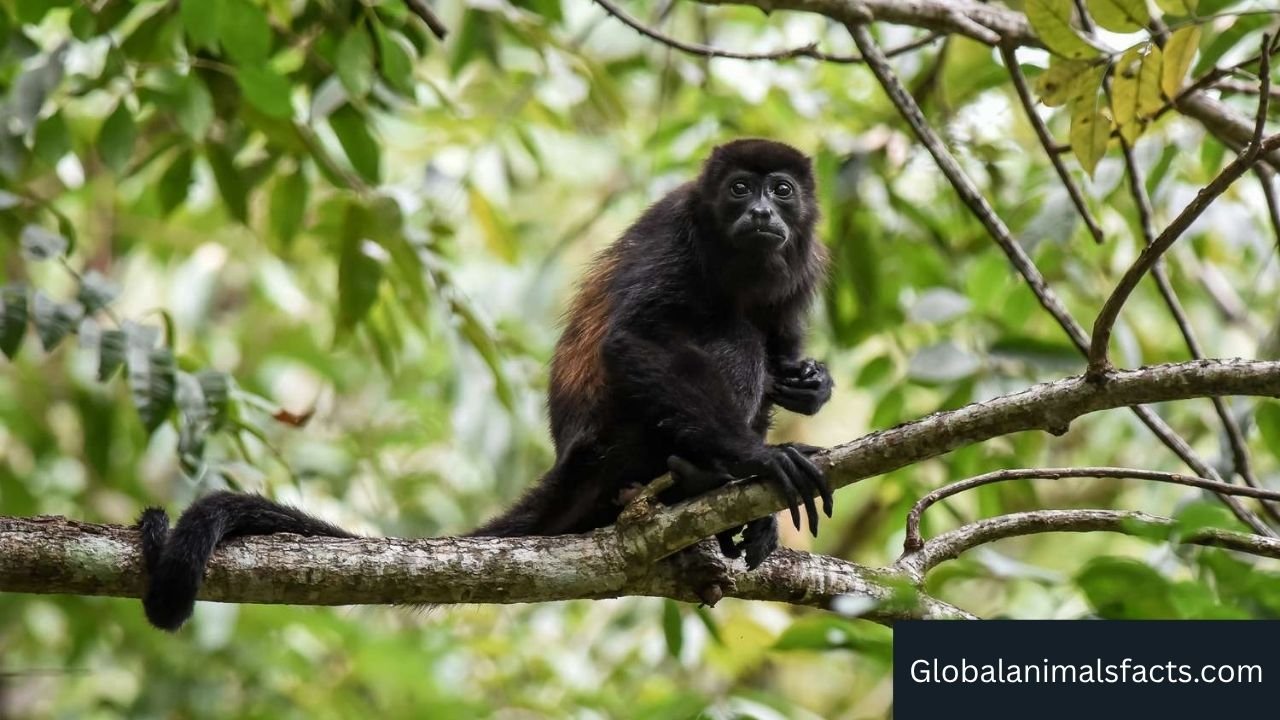
- Howler Monkey
Spider Monkey
Scientific name: Ateles
Class: Mammalia
Diet: Omnivore
Spider monkeys are prime examples of adaptation in the animal kingdom, showcasing remarkable prehensile tails that are crucial for their arboreal lifestyle. This unique feature acts almost like a fifth limb, enabling them to swing effortlessly through the treetops of Central and South American forests. Their tails are not just for balance; they are strong and highly sensitive, allowing these monkeys to grasp branches with incredible precision, making them incredibly agile in navigating their complex habitat.
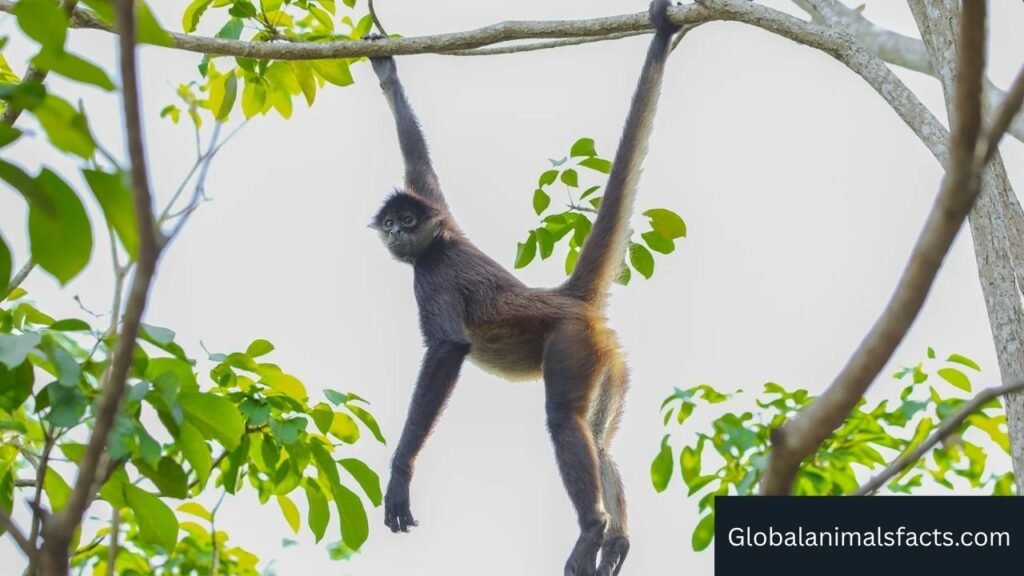
What’s striking about spider monkeys is their social structure; they live in large groups that rely on cooperative behaviors for foraging and protection from predators. Their prehensile tails contribute to this social dynamic, allowing individuals to interact closely while suspended in the canopy. Interestingly, these social bonds extend beyond mere survival — research suggests that these monkeys engage in playful communication, often swinging side by side, using their tails to enhance their acrobatics. Observing these fascinating creatures provides a glimpse into the intricate interplay of physical adaptation and social behavior in shaping the lives of animals in the wild.
Prehensile-tailed Rat
Class: Mammalia
Diet: Omnivore
The prehensile-tailed rat, native to the lush rainforests of New Guinea, epitomizes the marvels of evolutionary adaptation. With a long, flexible tail that acts almost like a fifth limb, this remarkable rodent showcases its incredible agility as it navigates the complex canopies of its arboreal habitat. Unlike many of its terrestrial relatives, the prehensile-tailed rat utilizes its tail for gripping branches and balancing while foraging for fruits and seeds, making it a master of its vertiginous realm.
What sets this creature apart is not just its physical prowess; its tail is also an integral part of its social structure. These rats communicate through a variety of vocalizations and tail movements, adding a layer of complexity to their interactions. Each flick and curl can signal everything from alarm to affection, underscoring the importance of non-verbal communication in their tightly-knit communities. Observing these rats in action offers a glimpse into a world where survival hinges not just on physical ability, but also on the art of social engagement — an often-overlooked aspect of animal behavior that enriches our understanding of the diversity of life on Earth.
Chameleon
Scientific name: Chamaeleonidae
Class: Reptilia
Diet: Carnivore
Chameleons, often celebrated for their vibrant colors and remarkable ability to blend into their surroundings, possess a lesser-known yet fascinating feature: their prehensile tails. These tails, adept at grasping branches and twigs, transform the chameleon’s arboreal existence, allowing for greater stability and maneuverability as they navigate their leafy habitats. Unlike the rigid tails of some reptiles, a chameleon’s tail curls tightly around branches like a fifth limb, providing an extra anchor as the lizard surveys its environment or captures elusive prey.
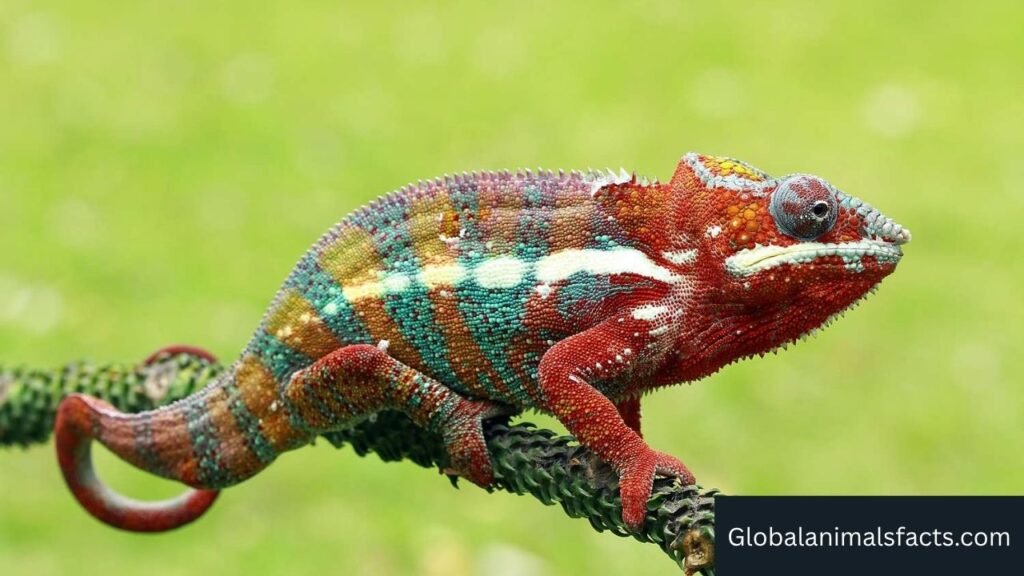
Interestingly, this prehensile adaptation grants chameleons a unique edge in their complex ecosystems. While they are renowned for their hunting skills, often using their long, sticky tongues to snatch insects, their ability to grip tightly onto branches allows them to engage in intricate mating displays or evade predators without sacrificing balance. This combination of agility and camouflage ensures that chameleons remain not only out of sight but also firmly in control of their arboreal domain, showcasing the incredible versatility nature has bestowed upon these remarkable reptiles.
Readmore: Explore Top 15 Animals With Small Eyes.
Brazilian Porcupine
Scientific name: Coendou prehensilis
Class: Mammalia
Diet: Herbivore
The Brazilian porcupine is a remarkable creature, renowned not just for its quilled defense mechanism but also for its prehensile tail, which adds a fascinating dimension to its behavior and adaptability. Unlike many rodents, this tail acts almost like a fifth limb, allowing the porcupine to grasp branches as it navigates its arboreal habitat. This adaptation is particularly advantageous in the dense rainforests of Brazil, where balance and agility are essential for foraging and evading predators.
Moreover, the Brazilian porcupine’s tail is not just functional; it serves a social purpose too. During interactions with other porcupines, these animals use their tails to communicate, signaling their intentions and emotional states. This nuanced form of expression illustrates the complexity of their social behavior, revealing that even solitary creatures rely on intricate forms of communication in the wild.
Seahorse
Class: Actinopterygii
Diet: Carnivore
The seahorse is a fascinating marvel of evolution, showcasing the unique ability of its prehensile tail. Unlike most fish, seahorses possess a tail that acts like a curling appendage, allowing them to anchor themselves to seagrasses or coral in their underwater habitats. This remarkable adaptation is not merely for stability; it offers a strategic advantage against strong currents, enabling these delicate creatures to conserve energy while foraging for food.
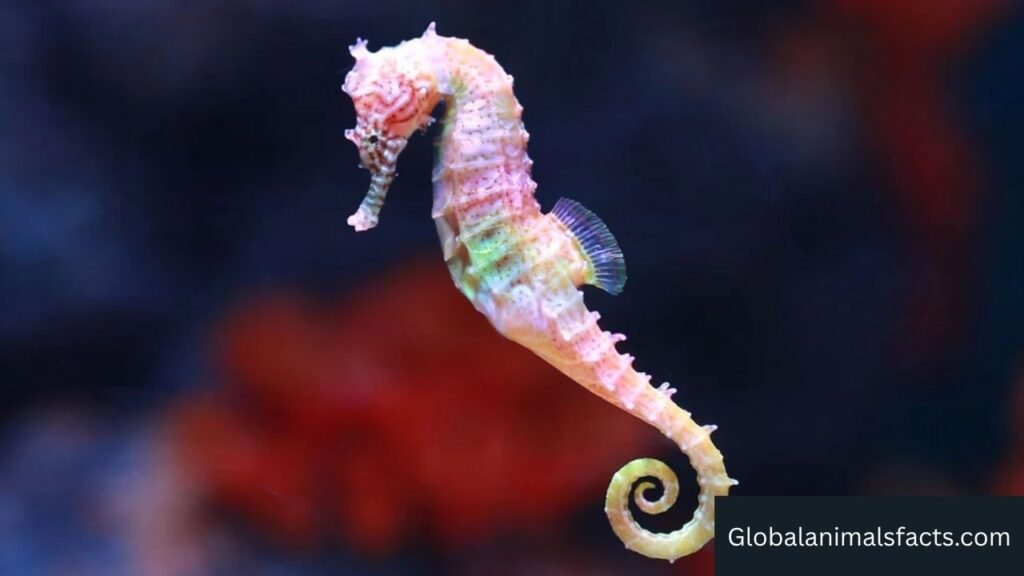
What sets seahorses apart is not just their tail’s functionality but also their intricate mating behaviors. During courtship, a pair of seahorses will engage in a mesmerizing dance, using their tails to entwine and maintain close proximity, reinforcing their bond. This intimate connection extends to their unique reproductive process, where the male carries the fertilized eggs in a specialized pouch. Such intriguing behaviors illuminate the complexity of life in the ocean, showcasing how even the smallest adaptations can have profound impacts on the survival and social dynamics of a species.
Kinkajou
Scientific name: Potos flavus
Class: Mammalia
Diet: Omnivore
The kinkajou, often dubbed the “honey bear,” is a remarkable creature of the rainforest, celebrated not only for its playful nature but also for its incredible prehensile tail. This tail serves as a fifth limb, allowing the kinkajou to expertly navigate the dense foliage of its arboreal habitat. With a remarkable grip, it helps the kinkajou swing from branch to branch in search of fruit and nectar, showcasing an agility that is both mesmerizing and essential for its survival.
Interestingly, kinkajous are nocturnal, which adds an extra layer of wonder to their foraging behavior. As night falls, their large eyes adapt to the dark, enabling them to spot their favorite treats. This nocturnal lifestyle not only aids in avoiding predators but also reduces competition for food sources during daytime hours. By leveraging their prehensile tails, kinkajous exhibit a unique blending of agility and intelligence, revealing the intricate ways in which evolutionary adaptations empower species to thrive in a changing world.
Binturong
Scientific name: Arctictis binturong
Class: Mammalia
Diet: Omnivore
The binturong, also known as the bearcat, is a fascinating creature that showcases the extraordinary adaptability of evolution. Its prehensile tail, which can reach up to 29 inches in length, functions almost like a fifth limb, allowing it to navigate the dense canopies of Southeast Asian rainforests with remarkable agility. This tail not only aids in balance while climbing but also assists in grasping branches, making the binturong a master of its arboreal habitat.
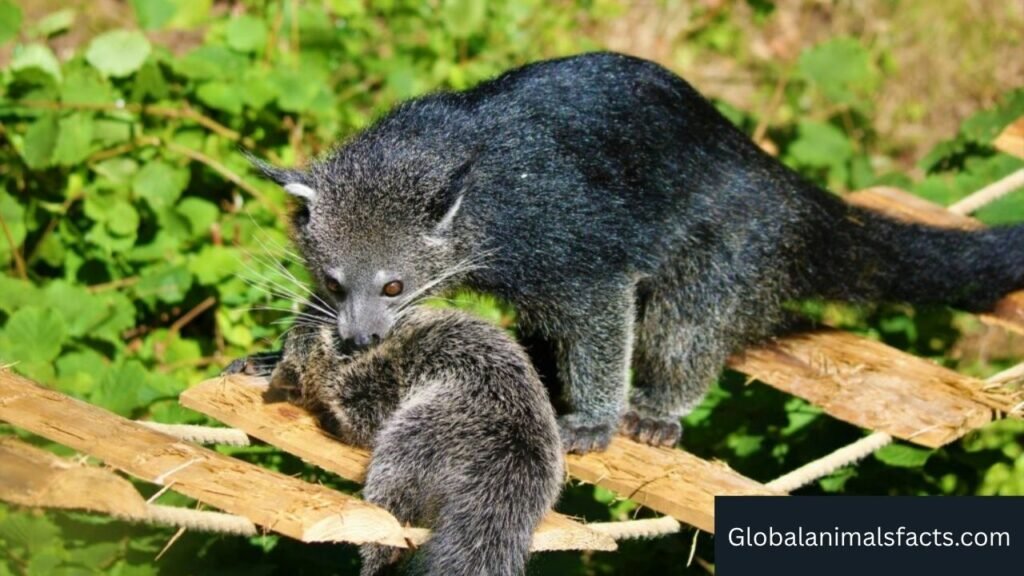
Beyond its unique tail, the binturong captivates with its unusual scent, often compared to buttered popcorn. This fragrance isn’t merely a quirky trait; it plays a crucial role in communication and territory marking among individuals. Moreover, the binturong’s diet is surprisingly diverse — while it primarily feeds on figs, its ability to consume a variety of fruits helps disperse seeds throughout the forest, contributing to the ecosystem’s health. This ecological role, combined with its endearing appearance and playful behavior, makes the binturong a true gem among the world’s wildlife, embodying the intricate balance of nature.
Southern Tamandua
Scientific name: Tamandua tetradactyla
Class: Mammalia
Diet: Insectivore
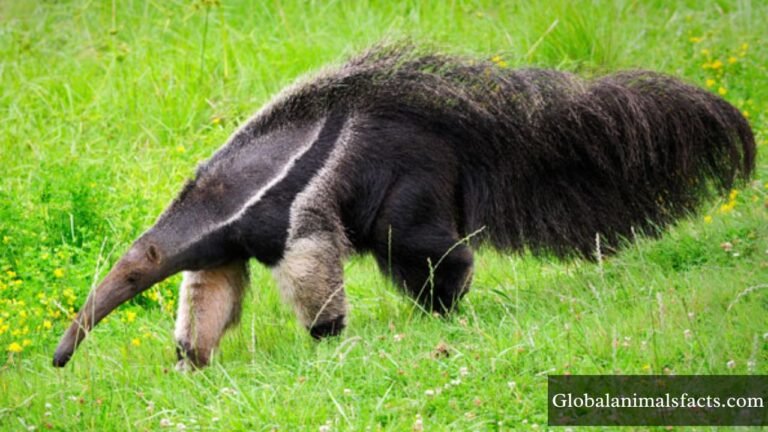
The Southern Tamandua, a remarkable anteater found in the lush forests and grasslands of Central and South America, showcases the incredible versatility of prehensile tails. Unlike many animals that use their tails primarily for balance or communication, the Southern Tamandua employs its tail as a third limb, adeptly grasping branches to navigate its arboreal environment. This adaptation not only aids in foraging for ants and termites but also provides a secure grip for resting high above ground, away from potential predators.
Interestingly, the Southern Tamandua’s tail is not just an extension of its body; it plays a crucial role in its social behavior. While they are mostly solitary animals, when tamanduas do interact, their communication can include tail movements, signaling intentions and emotions in ways that words could never convey. They possess a keen sense of awareness, allowing them to read the nuances of imprecise tail gestures, making their social interactions as intricate as their foraging strategies.
You can als read: Explore Top 25 Animals With Lowest IQ.
Monkey-tailed Skink
Scientific name: Corucia zebrata
Class: Reptilia
Diet: Herbivore
The monkey-tailed skink is an extraordinary creature that showcases the unique adaptations of reptiles to their environments. Hailing from the tropical forests of the Solomon Islands, this skink wields its prehensile tail not just for balance but as an essential tool for navigating the complex arboreal landscape. With a tail that can grasp branches securely, it allows the skink to explore its habitat with remarkable agility, showcasing a behavior reminiscent of primates.
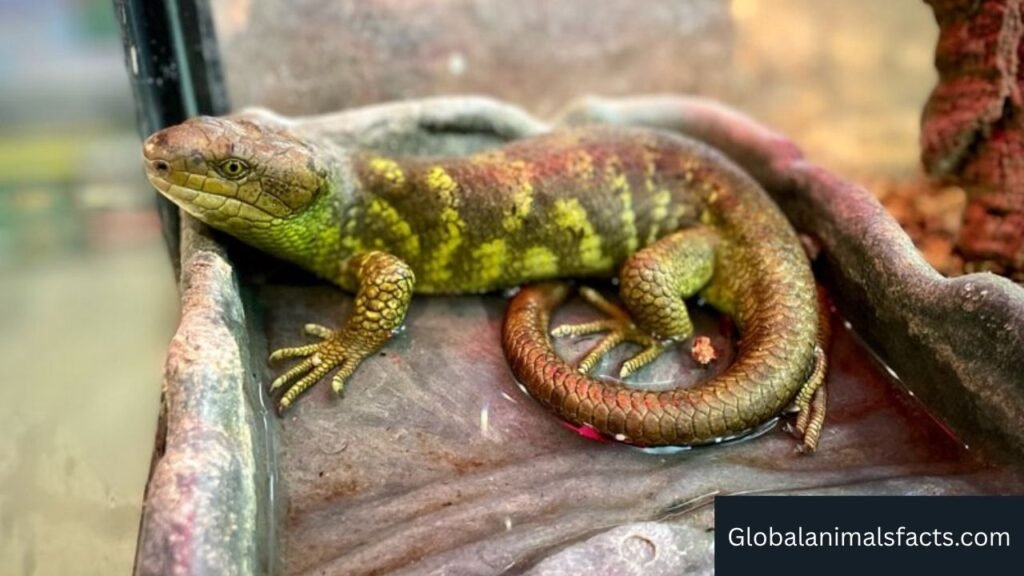
But what truly sets the monkey-tailed skink apart is its dual ability to climb and forage. While its prehensile tail provides stability, it also aids in reaching foliage that other creatures might miss. By leveraging their tail, these skinks can hang delicately upside down to feast on leaves, flowers, and fruits, adapting their diet and behavior to ensure survival in a highly competitive ecosystem. This adaptability reveals not only the ingenuity of evolution but also the intricate interdependencies within tropical forest ecosystems, shedding light on how even the smallest creatures can play a pivotal role in maintaining ecological balance.
Virginia Opossum
Scientific name: Didelphis virginiana
Class: Mammalia
Diet: Omnivore
The Virginia opossum, often mistaken for a mere nocturnal pest, is a marvel of adaptation, particularly due to its prehensile tail. Unlike many other marsupials, the opossum uses its tail as a fifth limb, allowing it to grasp branches as it navigates the trees. This evolutionary advantage not only helps it maintain balance while foraging but also provides an extra grip when evading predators or climbing in pursuit of food.
Beyond its physical prowess, the opossum’s tail serves a vital role in its survival strategy. During colder months, the opossum can hang from a branch, thus conserving energy while resting. This remarkable feature highlights not just the adaptability of the opossum, but also its unique ecological niche, where it thrives in varied environments — from suburban backyards to dense woodlands.
Eurasian Harvest Mouse
Scientific name: Micromys minutus
Class: Mammalia
Diet: Omnivore
The Eurasian Harvest Mouse, a diminutive creature often overlooked, showcases the remarkable adaptability of nature through its prehensile tail. Unlike many rodents, this mouse uses its tail as a fifth limb, enabling it to navigate the swaying grasses of its habitat with astonishing agility. As it forages for seeds and grains, the mouse deftly clings to stalks, expertly balancing itself while reaching for its next meal. This tail has evolved not just for balance, but as a crucial tool for survival, revealing the intricate relationship between habitat and physical evolution.
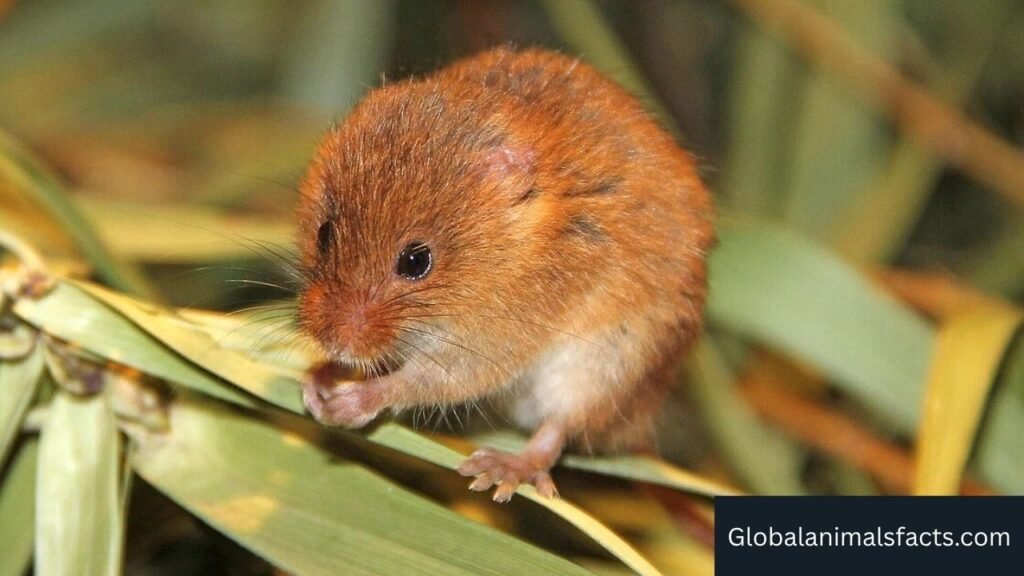
Moreover, the behavior of the Eurasian Harvest Mouse offers profound insights into the concept of environmental synergy. Its preference for dense, tall grasses not only provides shelter and food but also highlights how community ecosystems function. The mouse contributes to seed dispersal, influencing plant diversity and ensuring the health of its environment. Observing this tiny creature can inspire a broader understanding of the interconnectedness of life and the importance of conserving habitats that support such unique adaptations. In a world increasingly impacted by human activity, the harvest mouse serves as a reminder of the delicate dance of evolution and ecology that still unfolds around us.
Also read: Explore Top 14 Animals With The Strongest Bite.
Tree Pangolin
Scientific name: Phataginus tricuspis
Class: Mammalia
Diet: Insectivore
The tree pangolin, a unique member of the pangolin family, showcases the marvels of evolution with its prehensile tail, which serves as a remarkable adaptation for life in the trees. Unlike other pangolins that primarily scuttle on the ground, tree pangolins are agile climbers, using their tails not just for balance but also as an extra limb to grasp branches. This adaptation enhances their ability to forage for ants and termites hidden in tree bark, allowing them to navigate their arboreal environment with astonishing ease.
Beyond their physical characteristics, the behavior of tree pangolins offers a fascinating glimpse into the complexities of their lives. Unlike their ground-dwelling relatives, they exhibit a solitary nature and often curl into a protective ball when threatened. Unfortunately, their distinct traits, coupled with habitat loss and illegal hunting, have placed them on the endangered list. Conserving these remarkable creatures is not merely about preserving a species; it’s about safeguarding the intricate ecosystems they help maintain, reminding us of the delicate balance within our planet’s biodiversity.
Green Iguana
Scientific name: Iguana iguana
Class: Reptilia
Diet: Herbivore
The green iguana, a master of adaptation, employs its prehensile tail as an essential tool for survival in the lush canopies of Central and South America. This impressive appendage serves multiple purposes: it can grasp branches for stability while navigating the treetops and act as a self-defense mechanism when threatened. If a predator dares to attack, a green iguana can whip its tail with astonishing speed, stunning or deterring its foe.
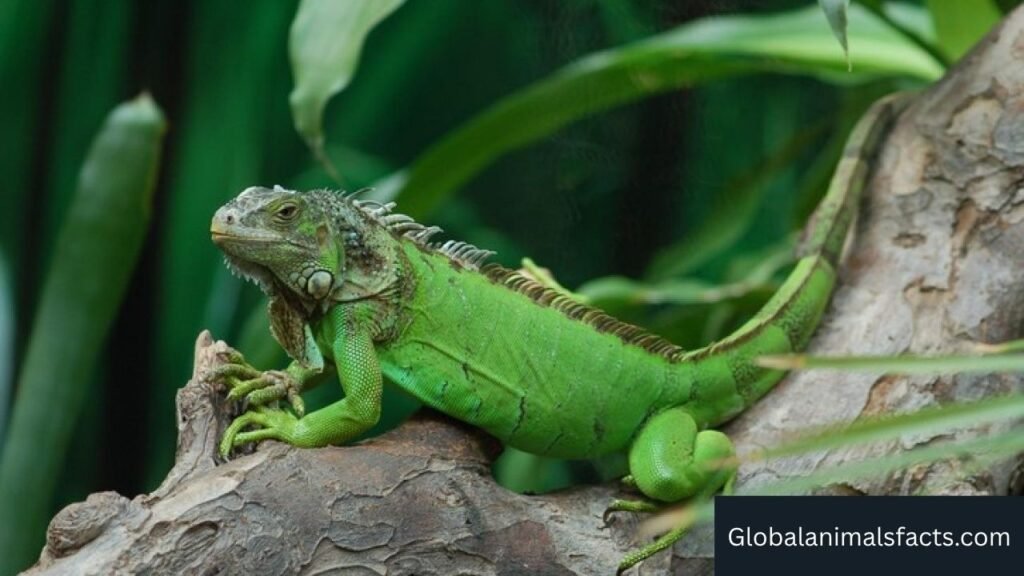
Beyond its defensive utility, the prehensile tail reflects the iguana’s remarkable evolution as an arboreal creature. This tail, which can be nearly as long as its body, is heavily muscled and incredibly flexible, allowing the iguana to reach out and manipulate its surroundings with surprising dexterity.
Howler Monkey
Scientific name: Alouatta
Class: Mammalia
Diet: Herbivore
Among the fascinating inhabitants of tropical rainforests, the howler monkey stands out not only for its iconic vocalizations but also for its remarkable prehensile tail. This highly adaptive appendage acts almost like a fifth limb, allowing these monkeys to navigate the complex canopy with acrobatic ease. As they swing from branch to branch, the tail provides a strong, gripping force that ensures stability, enabling them to forage for fruits and leaves high above the forest floor.
What’s truly compelling is the social aspect of their tail’s functionality. Howler monkeys often engage in playful interactions, using their tails to latch onto each other during play, demonstrating a surprising bond within the troop. This behavior reflects their intelligence and the critical role that social structures play in their survival.
Readmore: Explore Top 15 Animals That Walk Slowly.
Final Thoughts
Animals with prehensile tails showcase the incredible adaptability found in nature, allowing them to thrive in diverse environments. These remarkable adaptations enhance their ability to climb, forage, and navigate their surroundings, highlighting the intricate relationships between form and function in the animal kingdom. From the charismatic opossum to the agile spider monkey, each species demonstrates the unique evolutionary paths that have led to their specialized tail functions. Furthermore, understanding these adaptations can deepen our appreciation for biodiversity and the delicate balance within ecosystems. Let us continue to explore and protect these fascinating creatures and their habitats for future generations.
FAQs
Are cat tails prehensile?
Cat tails are not considered prehensile. While cats are incredibly agile and their tails play a crucial role in balance and coordination, they lack the muscular control and dexterity found in truly prehensile tails like those of some primates or marsupials. A cat’s tail helps them maintain stability while walking on narrow surfaces or making sharp turns, but it’s not used to grasp or hold objects. Cats primarily use their tails for communication. The position and movement of a cat’s tail can convey various emotions, from excitement and aggression to relaxation.
What is the largest animal with a prehensile tail?
The binturong, also known as the bearcat, is the largest animal with a prehensile tail. Native to Southeast Asia, this unique mammal can weigh up to 60 pounds and has a tail that can be as long as its body — about 30 inches. Its tail is highly versatile, allowing it to grasp branches and maintain balance while navigating through the trees.
Which monkey has a prehensile tail?
The monkey that is well-known for its prehensile tail is the spider monkey. These monkeys, found in Central and South America, use their tails like an extra limb to grasp branches while navigating the treetops. Their tails are strong and flexible, allowing for incredible agility in their natural habitat.
Which mouse has a prehensile tail?
The Harvest Mouse is the only known mouse species with a prehensile tail. This unique feature allows it to grasp and hold onto grass and vegetation while climbing or foraging, making it an agile and adept navigator of its habitat. These mice are typically found in fields, grasslands, and wetlands throughout Europe, Africa, and parts of Asia. Their small size and ability to use their tails for support give them an advantage in avoiding predators while they search for seeds and insects.