Top 15 Animals that Eat Coconuts (Images Included)
In tropical ecosystems, several fascinating animals that eat coconuts play vital roles in seed dispersal and plant propagation. Understanding these unique species not only sheds light on their unusual diets but also highlights their importance in maintaining biodiversity. In this article, we’ll explore the most surprising animals that feast on coconuts and the ecological significance they hold.
List of Animals that Eat Coconuts
Below is the list of animals that eat coconuts:
| Number of Animals | Names of Animals that Eat Coconuts |
| 1 | Gorillas |
| 2 | Pigs |
| 3 | Sun Bears |
| 4 | Palm cockatoo |
| 5 | Wild Boars |
| 6 | Common Myna |
| 7 | Aye-aye |
| 8 | Squirrel |
| 9 | Monkeys |
| 10 | Elephants |
| 11 | Rats |
| 12 | Rhinoceros Beetles |
| 13 | Fruit Bats |
| 14 | Humans |
| 15 | Coconut Crabs |
Gorillas
Scientific name: Gorilla gorilla
Class: Mammalia
Diet: Herbivore
Gorillas, often associated with dense jungles and lush vegetation, have a surprisingly diverse diet that occasionally includes coconuts. These intelligent primates possess the dexterity and strength to crack open the tough shell, a skill that highlights their adaptability. In habitats where coconuts are abundant, gorillas have been observed using tools like rocks or sticks to help them access the nutritious flesh and delicious water inside, showcasing their problem-solving abilities and resourcefulness.
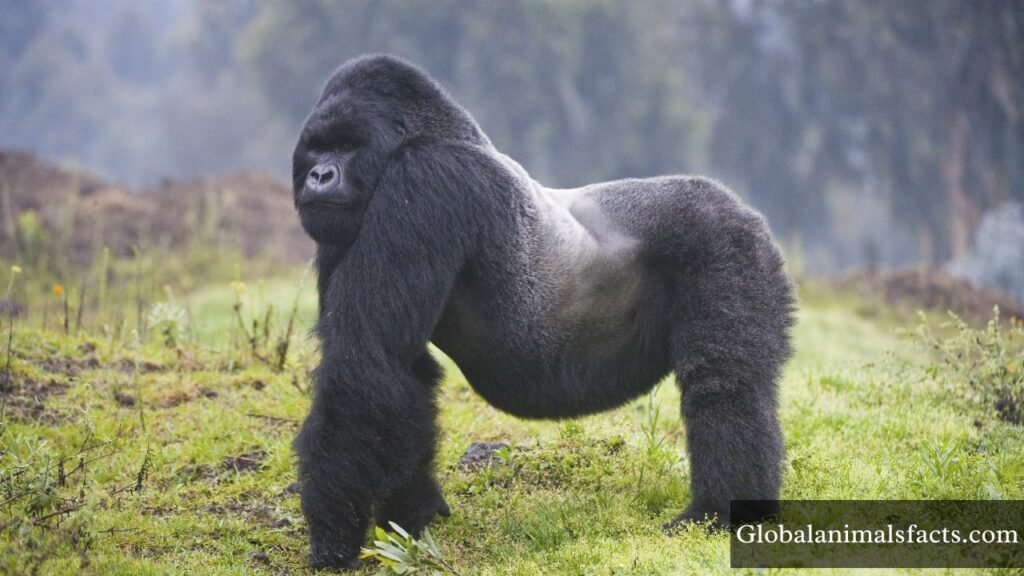
What’s fascinating is how the consumption of coconuts impacts gorilla behavior and social dynamics. When a group gathers around a fallen coconut, it transforms the act of eating into a communal experience. This social foraging, as noted by primatologist Jason Acuna, not only strengthens bonds among individuals but also allows young gorillas to learn foraging techniques from their elders. Furthermore, as gorillas eat coconuts, they inadvertently play a role in the ecosystem by dispersing the seeds, aiding in the growth of new coconut palms and maintaining the balance of their forest habitat. In this way, gorillas are not just consumers of coconuts but active participants in promoting biodiversity in their environment.
Pigs
Scientific name: Sus scrofa domesticus
Class: Mammalia
Diet: Omnivore
Pigs, with their remarkable foraging skills, have recently captured the attention of researchers and nature enthusiasts alike for their unique relationship with coconuts. In some tropical regions, these intelligent animals have developed a taste for the hard-shelled fruit, showcasing their adaptability in diverse environments. Notably, pigs are able to use their formidable snouts to crack open coconuts, revealing the nutritious flesh inside. This behavior not only highlights their problem-solving abilities but also reflects their significant role in the ecosystem, where they can help disperse seeds.
Furthermore, observing pigs interact with coconuts reveals fascinating social dynamics. In groups, they often collaborate, where one pig will crack open the coconut while others watch and wait for their share. This not only strengthens social bonds but also showcases a level of cooperation that is rare among foraging animals.
Sun Bears
Scientific name: Helarctos malayanus
Class: Mammalia
Diet: Omnivore
Sun bears, often dubbed the “honey bear,” are fascinating creatures not just for their adorable appearance but also for their diverse diet, which includes the surprising consumption of coconuts. Native to the tropical forests of Southeast Asia, these bears possess remarkably strong jaws and long claws, empowering them to crack open hard shells and access the nutritious meat inside. In a world where many animals might shy away from such tough obstacles, the sun bear’s resourcefulness shines through as it climbs trees and uses its dexterous paws to extract every morsel.
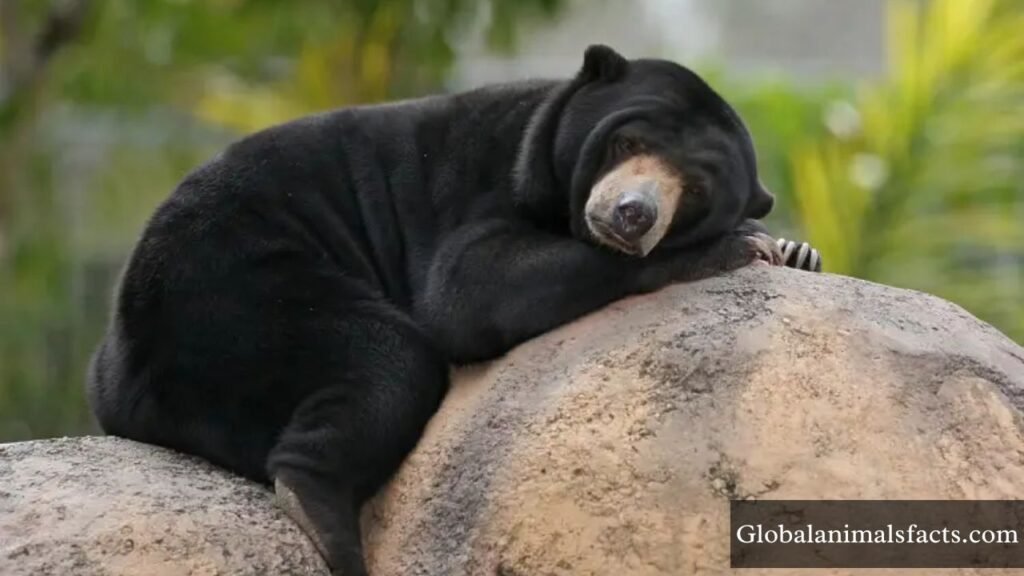
What’s truly captivating is how this behavior showcases their adaptability in the ecosystem. By munching on coconuts, sun bears play a vital role in seed dispersal, aiding in forest regeneration. As they consume and later excrete the seeds, they help perpetuate the life cycle of coconut palms and other plant species.
You can also read: Explore Top 13 Animals That Eat Oranges.
Palm cockatoo
Scientific name: Probosciger aterrimus
Class: Aves
Diet: Herbivore
The palm cockatoo, native to the rainforests of New Guinea and surrounding islands, showcases a fascinating relationship with coconuts. Unlike many birds that nibble at the dried meat of coconuts, these striking black-feathered creatures take their dining experience to another level. Equipped with powerful beaks, they expertly crack open the tough shell to access the water and flesh inside — a testament to their intelligence and adaptability in a tropical environment.
What truly sets the palm cockatoo apart is its unique behavior of drumming on the coconut shells before feasting. This rhythmic tapping is not just a means of breaking open the hard exterior; it’s also a form of communication, possibly signaling to other palm cockatoos in the area. This multi-dimensional interaction highlights their complex social structures and the importance of food in their community dynamics. Through their affinity for coconuts, these birds not only sustain themselves but engage in a rich tapestry of behavior that underscores their role in the ecosystem. In doing so, they contribute to seed dispersal and the overall health of their habitats, making them vital players in their tropical realms.
Wild Boars
Scientific name: Sus scrofa
Class: Mammalia
Diet: Omnivore
Wild boars, often seen as formidable foragers, have a knack for uncovering the hidden treasures of coconut palms. Their powerful snouts are perfectly adapted to rooting through sandy soils, allowing them to unearth fallen coconuts tucked among the underbrush. But it’s not just the hard shell they seek; within lies a nutritional bounty of water and meat that can sustain them during dry spells, especially in tropical habitats where other food sources may dwindle.
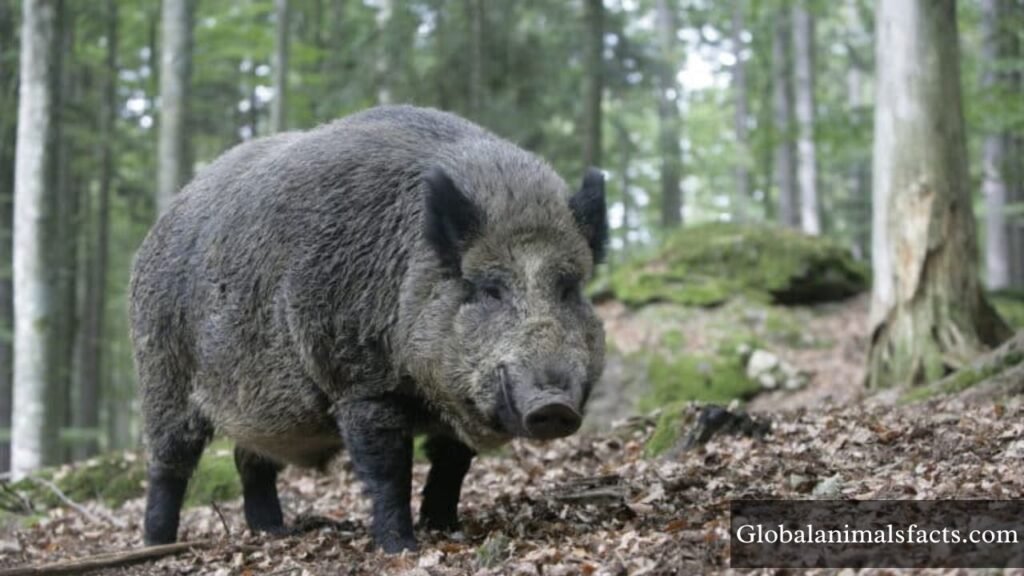
Interestingly, these boars often display impressive problem-solving skills when it comes to accessing coconuts. They can be observed rolling or tossing these heavy fruits to break the outer husk, a behavior that highlights their intelligence and adaptability. Beyond mere sustenance, this behavior reflects a broader ecological balance; as wild boars scavenge for coconuts, they inadvertently aid in seed dispersal, promoting the growth of coconut palms and enhancing biodiversity in their native habitats.
Common Myna
Scientific name: Acridotheres tristis
Class: Aves
Diet: Omnivore
The Common Myna, often recognized for its striking yellow wing patches and distinctive call, showcases a fascinating side when it comes to its diet — coconuts! These resourceful birds have adapted to their tropical habitats by incorporating coconuts into their feeding repertoire. In particular, they often exploit fallen coconuts, pecking through the tough husk to access the soft flesh and water inside. This not only highlights their intelligence but also demonstrates their ability to thrive in an environment where food sources can fluctuate.
What’s particularly intriguing is their social behavior while foraging for coconuts. Common Mynas are often seen in small flocks, working together to open these hard shells. This cooperative feeding behavior can invoke a delightful scene — birds taking turns, using their sharp beaks effectively, all while emitting a flurry of chatter. Moreover, their affinity for coconuts means they play a vital role in seed dispersal, aiding in the growth of palms in their ecosystem.
Aye-aye
Scientific name: Daubentonia madagascariensis
Class: Mammalia
Diet: Omnivore
The aye-aye, a unique nocturnal primate native to Madagascar, showcases an astonishing adaptability when it comes to foraging for food, including the consumption of coconuts. With its elongated middle finger, the aye-aye deftly taps on the hard shell of a coconut, detecting hollow sounds that signify a refreshing treasure within. This extraordinary adaptation is a testament to its evolutionary ingenuity, allowing it to access not just the sweet water but also the nutritious coconut flesh that many other animals cannot reach.
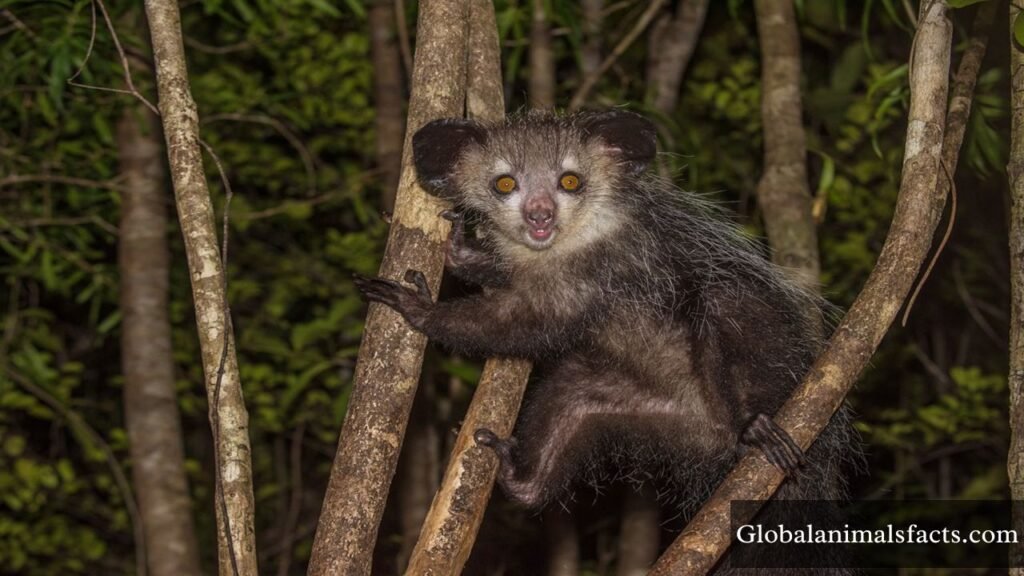
Beyond its culinary prowess, the aye-aye’s coconut-eating habits reveal fascinating insights into its role within the ecosystem. By breaking open coconuts, these primates unwittingly assist in seed dispersal, promoting the growth of coconut palms. This dynamic relationship highlights the intricate web of life in Madagascar’s forests, where each species contributes to the symphony of survival. Observing the aye-aye’s coconut-cracking techniques invites us to appreciate the complexities of animal behavior and the vital roles creatures play in maintaining ecological balance, reminding us that every species, no matter how peculiar, has its purpose.
Squirrel
Scientific name: Sciuridae
Class: Mammalia
Diet: Omnivore
Squirrels have a penchant for foraging, and coconuts offer an intriguing challenge for these nimble creatures. Their dexterous paws and sharp incisors enable them to tackle the tough outer husk, making the seemingly impenetrable coconut an appealing puzzle. Once they chip away at the hard shell, the reward is not just hydration from the refreshing coconut water but also a nutritious feast of creamy meat inside. Such resourcefulness highlights the intelligence of squirrels; they adapt their foraging techniques to tap into rich food sources, demonstrating their evolutionary prowess.
Coconut palms thrive in tropical environments, attracting a variety of wildlife, but squirrels are particularly skilled at navigating these heights. Their agility allows them to scurry up tall trunks, and they’ll often make remarkable leaps from branch to branch. Interestingly, this affinity for coconuts can lead to a domino effect within their ecosystem; as squirrels crack open coconuts and leave remnants, they inadvertently plant seeds that may sprout into new palm trees.
Monkeys
Class: Mammalia
Diet: Omnivore
Monkeys are surprisingly adept at exploiting the hard-shelled treasures that coconuts offer. These intelligent primates use their dexterous hands and sharp teeth to crack open the tough exterior, revealing the sweet, hydrating flesh inside. This skill isn’t just a party trick; it’s a critical survival tactic. In coastal regions, where food sources can be limited, monkeys have adapted to this unique diet, making coconuts a staple part of their menu.
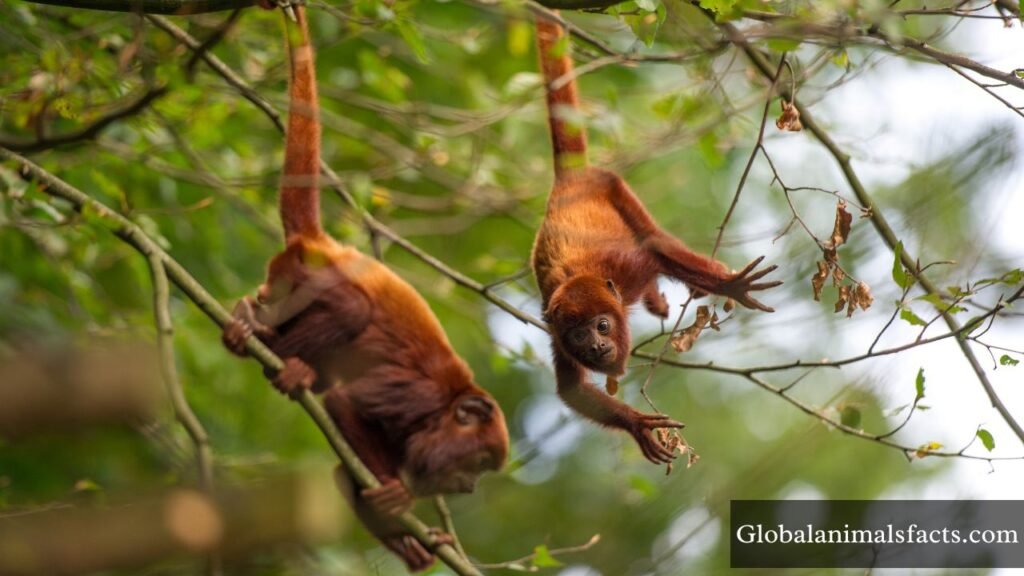
A captivating aspect of this coconut-centric diet is the social dynamics it fosters among monkey groups. Larger, more dominant individuals typically gain access first, but younger or smaller monkeys have learned to collaborate and outsmart their larger counterparts. They might team up to distract or chase away a bigger monkey, allowing for a share of the coveted coconut meat. This behavior reflects traits that go beyond mere survival; it’s about community and learning, with younger monkeys observing and mimicking older ones to refine their skills.
Also read: Explore Top 15 Animals That Drink a Lot of Water.
Elephants
Scientific name: Elephas maximus / Loxodonta africana
Class: Mammalia
Diet: Herbivore
Elephants are surprisingly adept at cracking open coconuts, using their incredible strength and dexterity. Their massive trunks allow them to grip and manipulate these tough fruits with surprising finesse. In the wild, they often wield their weight to crush the coconuts against hard surfaces like rocks or tree trunks, showcasing a combination of intelligence and brute force that has fascinated researchers. This behavior not only helps them consume the fibrous flesh inside but also demonstrates their problem-solving skills — a testament to their complex cognitive abilities.
The consumption of coconuts isn’t just a matter of nutrition for elephants; it also provides them with hydration in drier climates. The water inside the coconut serves as a refreshing thirst quencher, especially during long treks in search of food. Observing elephants in their natural habitat, you might witness them strategically selecting ripe coconuts, a practice that hints at their understanding of seasonal food availability.
Rats
Scientific name: Rattus rattus / Rattus norvegicus
Class: Mammalia
Diet: Omnivore
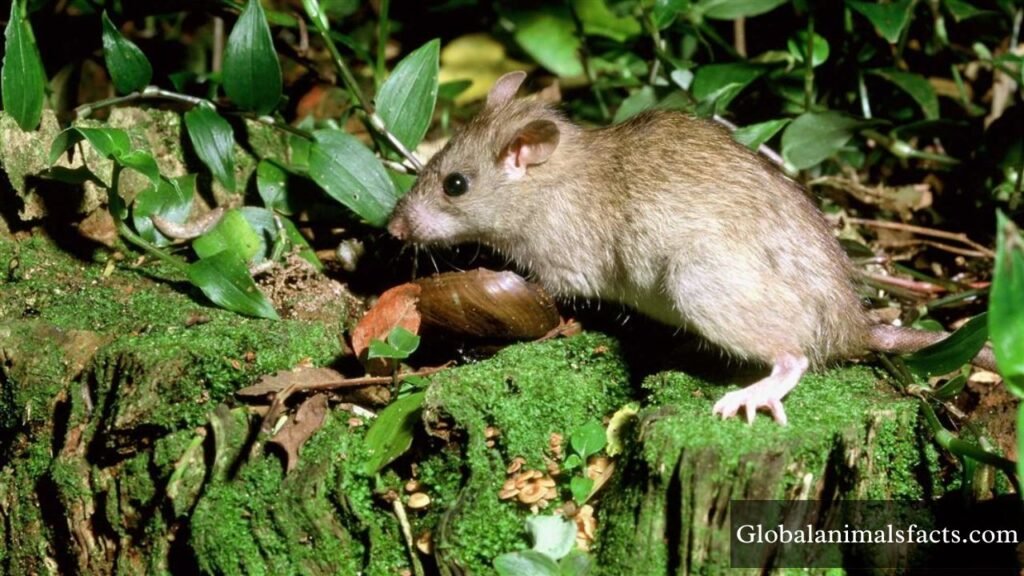
Rats are often overlooked when discussing coconut consumers, yet these resourceful creatures have a knack for exploiting this tropical treat. While typical coconut enthusiasts might include monkeys and squirrels, rats can also be seen scurrying around coconut trees, especially in regions where these fruits are abundant. With their sharp incisors, they can gnaw through the tough outer husk to access the sweet, nutritious flesh inside. This determination not only showcases their adaptability but also highlights their role in local ecosystems, where they help disperse coconut seeds through their foraging behaviors.
Rhinoceros Beetles
Scientific name: Dynastinae
Class: Insecta
Diet: Herbivore
Rhinoceros beetles, often nicknamed the “gentle giants” of the insect world, possess an intriguing affinity for coconuts. Their formidable horns may give them a fearsome appearance, but these creatures are primarily scavengers, seeking out decaying plant matter, including the soft, tender flesh of coconuts. This preference not only underscores their adaptability but also highlights a unique ecological role — they help decompose organic material, returning essential nutrients back to the soil.
What’s fascinating is their strength relative to size; some species can lift objects over 850 times their own weight. This incredible ability allows them to break through tough coconut shells, showcasing a blend of resilience and innovation. In tropical ecosystems, they serve as an essential link in the food chain, providing sustenance for a variety of predators while simultaneously promoting the growth of new plants through their recycling of nutrients. This remarkable relationship with coconuts exemplifies nature’s interconnectedness, revealing how even the smallest creatures can have a profound impact on their environment.
Fruit Bats
Scientific name: Pteropus
Class: Mammalia
Diet: Herbivore
Fruit bats, also known as flying foxes, play an unexpectedly vital role in the ecosystem, particularly when it comes to coconuts. Unlike many other fruit-eating animals, these bats have adapted to crack open tough coconut shells with their robust teeth, making them one of the few creatures capable of accessing the rich, nutritious meat inside.
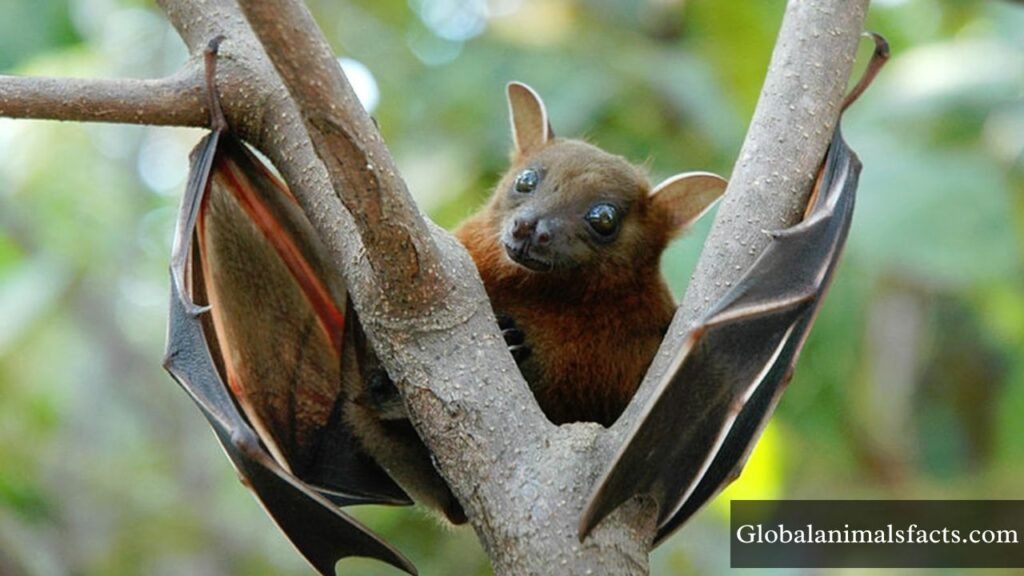
Moreover, fruit bats are essential for coconut palm propagation. As they consume the coconut flesh, they inadvertently become agents of seed dispersal. Once they excrete the remnants, they help germinate new coconut palms in different locations, aiding in the spread of this iconic tropical tree. This process not only enhances biodiversity but also strengthens local ecosystems, showing how even the smallest actions of one species can create a ripple effect through the natural world.
Humans
Scientific name: Homo sapiens
Class: Mammalia
Diet: Omnivore
Coconuts, often lauded for their versatility, are not just a tropical treat; they play a significant role in the diets and cultures of many communities worldwide. Beyond their delicious meat and refreshing water, coconuts are packed with nutrients, offering a rich source of healthy fats, vitamins, and minerals. The medium-chain triglycerides (MCTs) found in coconut oil have gained attention for their potential health benefits, including improved brain function and weight management.
Beyond sustenance, coconuts have become symbols of wellness in modern diets. People are increasingly turning to coconut oil, coconut water, and shredded coconut as health-conscious alternatives in their culinary creations. Coconut water, a natural electrolyte-rich beverage, is particularly popular among athletes, serving not just as a refreshing thirst quencher but also as a means of replenishing lost nutrients. The growing trend of “coconut everything” in wellness circles highlights its use in skin care, thanks to its moisturizing properties, which invite even more exploration into the many ways this humble fruit can elevate our daily lives.
Coconut Crabs
Scientific name: Birgus latro
Class: Malacostraca
Diet: Omnivore
Coconut crabs are among nature’s most fascinating foragers, renowned for their remarkable strength and versatility as scavengers. These remarkable arthropods, the largest terrestrial crabs in the world, can weigh up to 9 pounds and span over three feet from leg to leg. Their reputation for climbing trees to harvest coconuts gives them an unusual edge in the animal kingdom — while most crabs remain tethered to the shore, coconut crabs embrace the heights, using their powerful pincers to crack open hard shells and feast on the nutritious flesh inside.
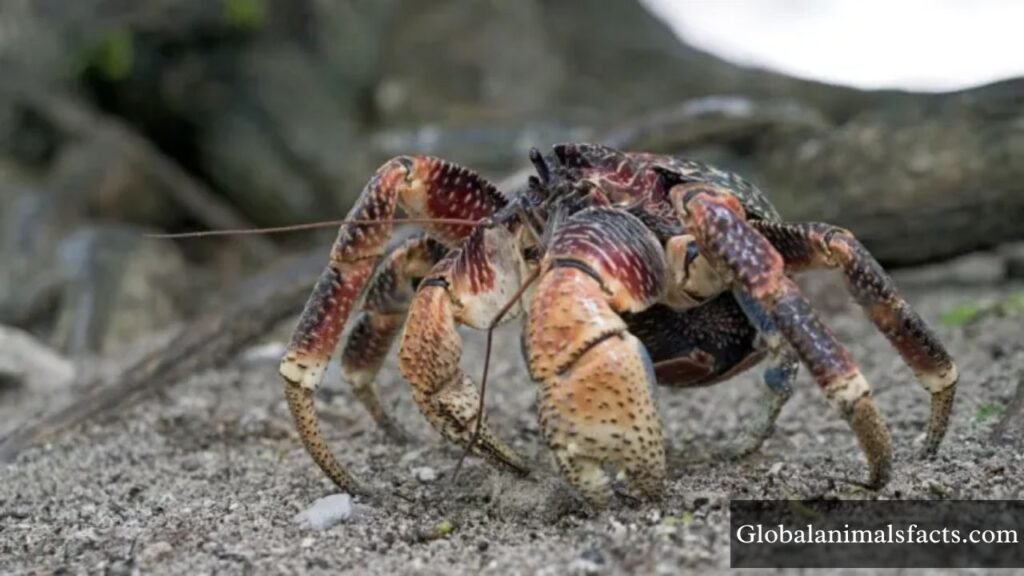
What’s more intriguing is their ingenious survival strategy. Not only do they consume coconuts, their diet is quite varied, incorporating fruits, carrion, and even human scraps. This omnivorous behavior showcases their adaptability, making them resilient in changing environments. Coconut crabs play a vital ecological role by recycling nutrients in their habitats, breaking down organic matter and allowing for new growth. Their unique lifestyle invites us to reconsider our perception of crabs, urging us to appreciate the diverse adaptations that enable survival in the wild.
Readmore: Explore Top 14 Animals That Eat Cactus.
Conclusion
The fascinating array of animals that consume coconuts highlights the interconnectedness of ecosystems and the adaptive behaviors of wildlife. From the crafty coconut crabs to the playful monkeys, these creatures have evolved unique methods to access this nutritious food source. The diverse ways in which they interact with coconut palms not only showcase nature’s ingenuity but also play a crucial role in the dispersal of seeds, supporting the growth of new coconut trees.
Understanding these behaviors invites us to appreciate the delicate balance of our ecosystems and encourages us to protect the habitats where these animals thrive. So, let’s foster awareness and conservation efforts to ensure that these remarkable animals and their coconut-filled environments remain intact for future generations.
FAQs
Do elephants eat coconuts?
Yes, elephants can eat coconuts! While they primarily eat grasses, leaves, and fruits, they’re known for their adaptability. When given the opportunity, elephants will happily munch on coconuts, especially if they’re ripe and accessible. Their strong trunks can help them knock down the fruits, and their massive jaws can crack open the tough shells.
Can pigs eat coconut?
Yes, pigs can eat coconut! In fact, they often enjoy it. Both the flesh and the water inside the coconut are safe for pigs. Coconut is high in fat and can be a tasty treat, but it should be given in moderation to avoid digestive issues.
Do gorillas eat coconuts?
Yes, gorillas can eat coconuts, but it’s not a significant part of their diet. In the wild, they primarily consume leaves, stems, and fruits that are more readily available in their natural habitat. While they have the physical strength to break open coconuts, they generally prefer softer fruits and vegetation.
What animals eat coconuts?
Several animals enjoy feasting on coconuts. One of the most notable is the coconut crab, which has developed a knack for climbing trees to access the fruit. These large crabs can crack open coconuts using their strong claws. Other animals include various birds, like parrots and cockatoos, that will peck through the tough exterior. Rodents, such as rats and squirrels, also take advantage of fallen coconuts, nibbling on the flesh and occasionally the water inside.