Top 13 Animals That Look Like Otters (With Images)
Did you know there are several animals that share striking similarities with otters but live in entirely different habitats? From playful river creatures to sleek marine mammals, these look-alikes can often be mistaken for otters at first glance. Exploring animals that look like otters not only highlights the incredible diversity of nature but also deepens our appreciation for the myriad adaptations these species possess. In this article, we’ll uncover a variety of fascinating creatures that share otters’ charming appearance and discover what makes each unique.
List of Animals That Look Like Otters
Below is the list of animals that look like otters:
- Martens
- Weasels
- Ferrets
- Mongooses
- Badgers
- European Polecat
- Nutria
- Mink
- Stoat
- Wolverines
- Civet
- Tayras
- Fishers
Martens
Scientific Name: Martes
Class: Mammalia
Diet: Omnivore
Martens, often overlooked in the animal kingdom, share an uncanny resemblance to their aquatic counterparts, the otters. These sleek, agile creatures belong to the family Mustelidae, much like otters, making them distant relatives wrapped in a different lifestyle. With their elongated bodies, bushy tails, and playful demeanor, martens embody a similar charm, captivating nature enthusiasts and casual observers alike.
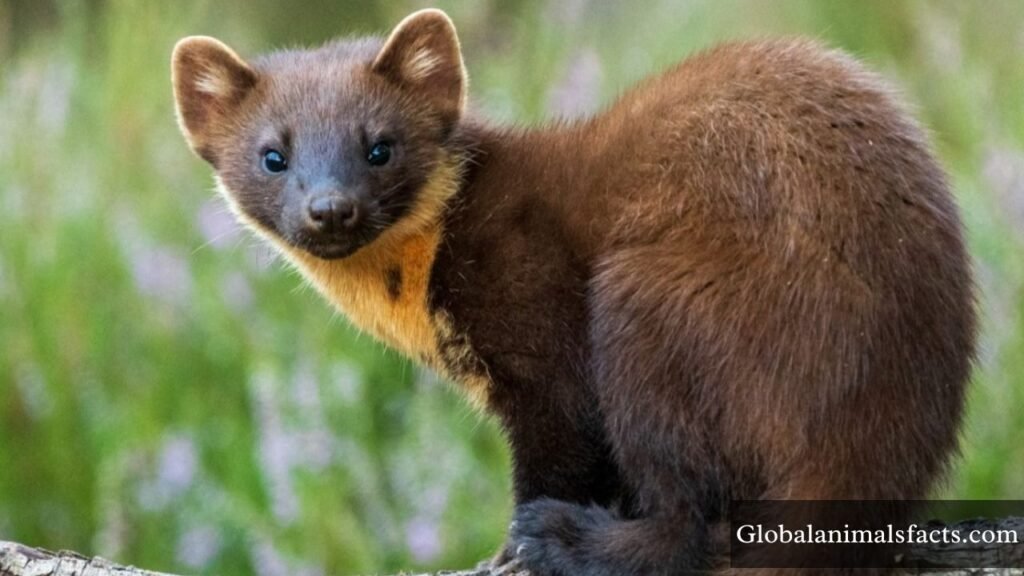
What sets martens apart is their remarkable adaptability. Unlike otters, which thrive in aquatic environments, martens are predominantly terrestrial, inhabiting forests and woodlands across Europe, Asia, and North America. Their fur, a rich shade of chocolate brown, glistens in the sunlight, echoing the shimmering coats of otters. They are agile climbers, often seen bounding through trees, an agility that speaks volumes of their evolutionary adaptations. This ability allows them to escape predators and find food, primarily small mammals and fruits, showcasing their opportunistic feeding habits that also resonate with the cleverness attributed to otters.
Engaging with martens offers us a chance to appreciate the nuance in animal evolution. While otters delight in splashing through streams and rivers, martens navigate the canopies, each embodying a unique survival strategy within the same family. Observing both allows us to reflect on how nature ingeniously crafts diverse adaptations, leading to the same playful spirit manifesting in such different habitats.
Weasels
Scientific Name: Mustela
Class: Mammalia
Diet: Carnivore
Weasels, though often overshadowed by their more playful otter cousins, possess a unique charm that sets them apart. With their elongated bodies, dense fur, and keen hunting instincts, they share an uncanny resemblance to otters, yet embody a certain wild elegance of their own. Their nimble frames allow them to dart through dense vegetation, making them expert hunters of small mammals and birds. Observing a weasel in its natural habitat offers a glimpse into a world of cunning and agility, showcasing the raw beauty of nature’s design.
What’s fascinating about weasels is their remarkable adaptability. They thrive in a variety of environments — from woodlands to grasslands — demonstrating an ability to navigate the challenges of different ecosystems. Unlike otters, which are primarily aquatic, weasels are terrestrial hunters, yet their playful antics mirror that of otters, darting in and out of burrows with a spirit of mischief. This behavior reveals an intriguing aspect of their personality, highlighting how adaptability can manifest in diverse forms, even among species that share similar physical traits.
Ferrets
Scientific Name: Mustela furo
Class: Mammalia
Diet: Carnivore
Ferrets, with their slender bodies and playful demeanor, often evoke comparisons to otters, especially when they embark on their mischievous escapades. Like otters, ferrets are incredibly agile and curious, displaying a natural affinity for exploring their surroundings. Their playful nature is not just for entertainment; it’s an essential part of their social behavior, much like otters’ spirited romps in the water. Watching ferrets tumble over each other in a flurry of fur can easily remind one of otters sliding down riverbanks, reveling in their aquatic antics.
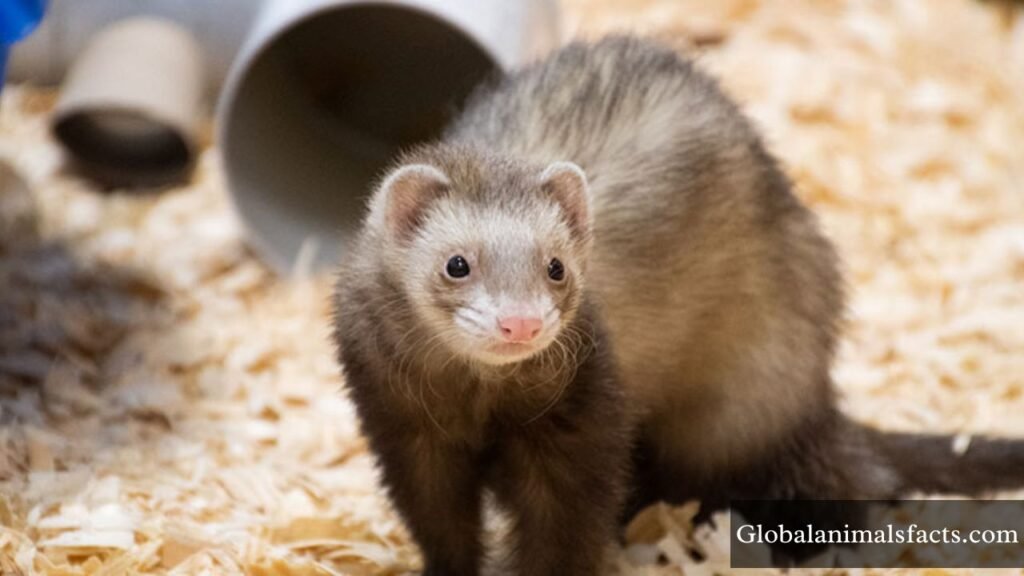
Moreover, both animals have an instinctual urge to burrow and hide, creating an enchanting parallel in their behaviors. Ferrets, equipped with a keen sense of smell and adept climbing skills, love to explore nooks and crannies, reminiscent of otters diving into underwater crevices searching for food. This exploratory zest manifests in ferrets’ playful pouncing and tucking themselves away, crafting little nests that echo the cozy dens otters maintain between their aquatic adventures. Their shared confidence in navigating their environments, whether it’s land for ferrets or water for otters, cements their bond as agile, inquisitive creatures that delight in life’s simple pleasures.
Readmore: Explore Top 17 Animals That Look Like Squirrels.
Mongooses
Scientific Name: Herpestidae
Class: Mammalia
Diet: Omnivore
Mongooses, often overshadowed by their more popular aquatic cousins, the otters, showcase a remarkable blend of agility and charisma that warrants a closer look. At first glance, their elongated bodies and agile limbs might remind one of a playful otter, but these small mammals have their own unique charm. Mongooses are known for their social structures; living in packs allows them to exhibit fascinating cooperative behaviors, particularly when hunting venomous snakes. This teamwork not only highlights their intelligence but also presents a striking contrast to the more solitary lifestyle of many otters.
The mongoose’s striking fur, often a mix of browns and grays, adds to its visual appeal, allowing them to blend seamlessly into their environments, much like otters do while gliding through water or lounging on riverbanks. Observers may notice their alert demeanor, always ready to spring into action — a reflection of their need to be vigilant against predators. The two species, though different in habitat and lifestyle, embody a playful spirit and inquisitive nature that captivates wildlife enthusiasts, proving that the animal kingdom is full of remarkable parallels.
Badgers
Scientific Name: Meles meles
Class: Mammalia
Diet: Omnivore
Badgers, with their stocky bodies and distinctive facial markings, often evoke playful comparisons to otters. Both animals share a certain charm, characterized by their curious nature and social behaviors. While otters are renowned for their aquatic antics, badgers roam the earth with a tenacity that’s both endearing and formidable. Their burrowing lifestyle provides them with an intricate underground world, somewhat analogous to otters’ riverine habitats, where they create dens and family structures.
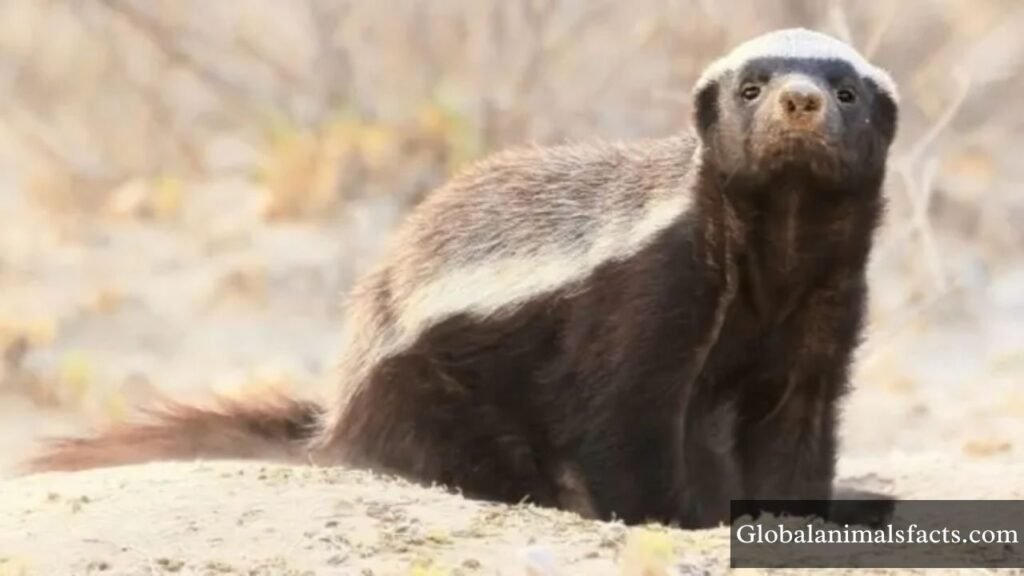
Interestingly, the communal aspect of badger life invites admiration; these creatures tend to live in clans, maintaining complex social hierarchies and sharing responsibilities within their underground cities. This facet can be likened to the social groups of otters, which also exhibit playful interactions and cooperative hunting. Observing these behaviors, one might realize that both animals serve crucial ecological roles — badgers aerate the soil and control pest populations, much like otters maintain the health of aquatic ecosystems.
European Polecat
Scientific Name: Mustela putorius
Class: Mammalia
Diet: Carnivore
The European polecat, often mistaken for a small otter, boasts an enigmatic charm that captivates wildlife enthusiasts. With its sleek, elongated body and striking coat adorned in shades of brown and cream, this carnivorous mammal shares a surprising resemblance to its aquatic counterpart. However, unlike the social otter, the polecat is more elusive, often shying away from human interaction, making it a true mystery of the woodlands and farmlands it inhabits.
Curiously, the European polecat possesses a unique blend of characteristics: it’s an adept climber and skilled hunter, much like the otter, yet it thrives mostly on land. This creature plays a crucial role in controlling populations of pests, thereby maintaining ecological balance. Its fascinating nocturnal behavior adds to its allure, as it prowls through the underbrush under the shroud of darkness, foraging for small mammals and birds. Observing a polecat in its natural habitat can feel like encountering a ghost of the night, an elusive yet vital part of the ecosystem that reminds us of the beauty and diversity of animal life on Earth.
You can also read: Explore Top 9 Animals with Trunks.
Nutria
Scientific Name: Myocastor coypus
Class: Mammalia
Diet: Herbivore
Nutria, or coypu, often catch the eye with their sleek, otter-like appearance, yet they belong to a distinct family of semi-aquatic rodents. With their long, rounded bodies and webbed feet, nutrias glide gracefully through water, reminiscent of playful otters. However, unlike their more agile counterparts, nutria have broad, flat tails and prominent orange front teeth that lend them a unique charm.
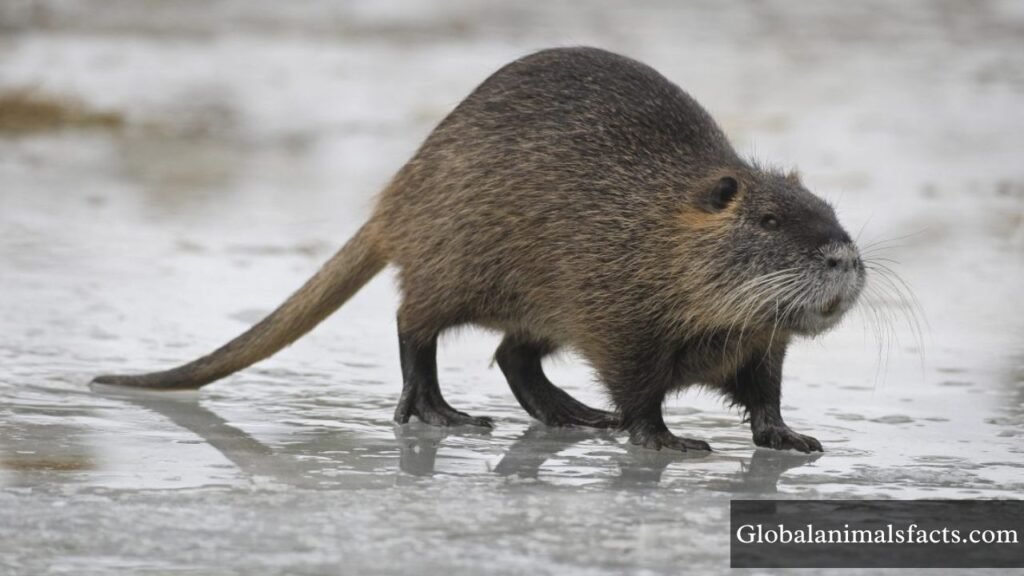
These creatures are more than just lookalikes; they play a significant role in their ecosystems, particularly in wetland habitats. By feeding on aquatic vegetation, nutria help maintain the balance of these ecosystems, though their voracious appetite can also lead to overgrazing and habitat disruption if populations surge unchecked. Observing a group of nutria interacting harmoniously in their environment can evoke the same awe as watching a family of otters at play, offering a reminder of the diverse beauty in nature’s designs.
Mink
Scientific Name: Neovison vison
Class: Mammalia
Diet: Carnivore
Minks, often overshadowed by their larger, more popular aquatic cousins, the otters, bring a unique charm and charisma to the animal kingdom. These sleek, agile mammals share a similar body shape, featuring long, streamlined forms that make them exceptional swimmers. While otters are typically associated with playful antics by the water’s edge, minks exude a more elusive demeanor, often engaging in stealthy hunting strategies to capture fish, small mammals, and birds. Their luxurious fur, predominantly dark brown or black, not only contributes to their sleek appearance but also serves as an adaptation to their semi-aquatic lifestyle, providing insulation during chilly dives.
Beyond physical similarities, minks possess an intriguing behavioral repertoire that differentiates them from otters. They are solitary creatures, preferring the shadows of marshes, rivers, and woodlands. This solitary existence fosters a perceptive and cunning approach to foraging, highlighting their remarkable problem-solving skills. Furthermore, minks communicate through a series of chirps and growls, offering a captivating glimpse into their secretive lives. Observing minks in their natural habitat unveils a different aspect of life near water — one that emphasizes stealth over playfulness, leaving wildlife enthusiasts to appreciate the often-overlooked brilliance of these fascinating creatures.
Stoat
Scientific Name: Mustela erminea
Class: Mammalia
Diet: Carnivore
The stoat, often overshadowed by its more famous aquatic counterpart, shares a surprising resemblance to otters in both appearance and behavior. With its sleek, elongated body and playful demeanor, the stoat presents a captivating blend of agility and charm. While otters typically thrive in watery habitats, stoats grace the woodlands and meadows, showcasing their incredible adaptability. Their rich, chestnut fur transforming to a stunning white coat in winter not only aids in camouflage but also highlights the beautiful nuances of nature’s design.
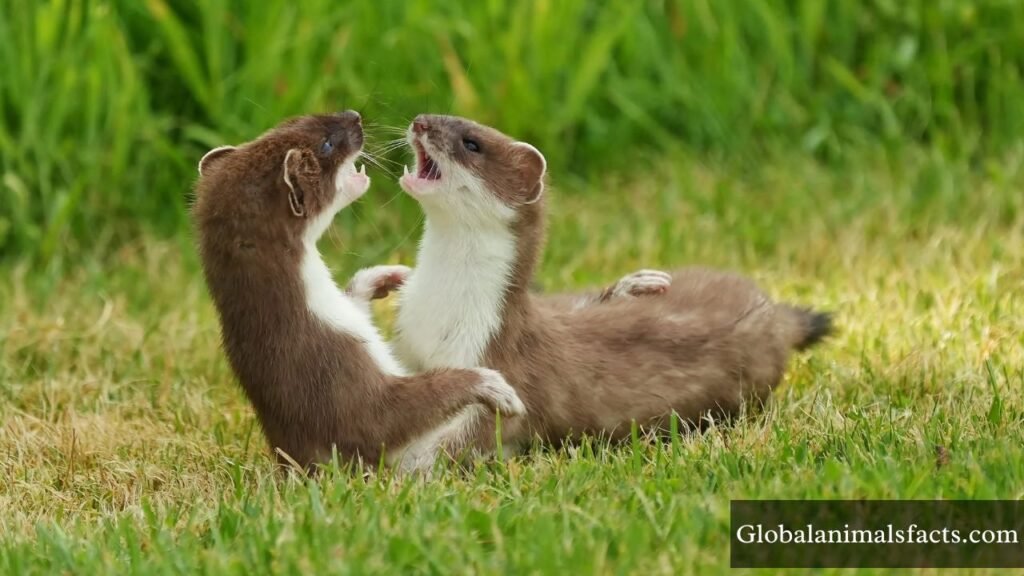
Observing a stoat is like unveiling a small, wild performer, as they dart through underbrush with an undeniable flair. Their playful antics resemble those of otters sliding down riverbanks; both animals revel in the joy of movement. Moreover, both species are skilled hunters, employing clever tactics to catch their prey, which adds an intriguing layer to their shared traits. This connection emphasizes a broader narrative in the animal kingdom about the importance of adaptability and playfulness for survival.
Also read: Explore Top 12 Animals That Eat Squirrels.
Wolverines
Scientific Name: Gulo gulo
Class: Mammalia
Diet: Carnivore
Wolverines, often mistaken for a stocky blend of badger and bear, share an undeniable charm that can draw comparisons to their more agile cousin, the otter. Both creatures boast a playful demeanor and an impressive set of teeth, but wolverines exhibit a rugged ferocity that sets them apart. While otters frolic in the water, showcasing their acrobatic skills, wolverines traverse the harsh, snow-covered landscapes of the north with a tenacity that belies their compact form. This combination of strength and cunning makes them fascinating animals, revealing the adaptability required to thrive in some of the planet’s most brutal climates.
What truly sets wolverines apart from otters, aside from their formidable build, is their scavenging lifestyle. They are known to travel great distances in search of food, often taking on prey significantly larger than themselves — behavior that evokes amazement and respect. Their thick fur, designed to insulate against frigid temperatures, can even mimic the glossy elegance typical of otters, suggesting that nature employs a familial palette of adaptations across species.
Civet
Scientific Name: Civettictis civetta
Class: Mammalia
Diet: Omnivore
The civet, often mistaken for an otter due to its elongated body and playful demeanor, is a fascinating creature that straddles the line between mammal and myth. Found primarily in tropical regions of Asia and Africa, civets have unique features — including a spotted fur coat and a distinctively long tail — that set them apart from their aquatically-inclined relatives. Despite their somewhat otter-like appearance, civets are more closely related to mongooses and are notorious for their role in coffee production, specifically Kopi Luwak, where beans are digested and excreted, adding a unique flavor profile to the brew.
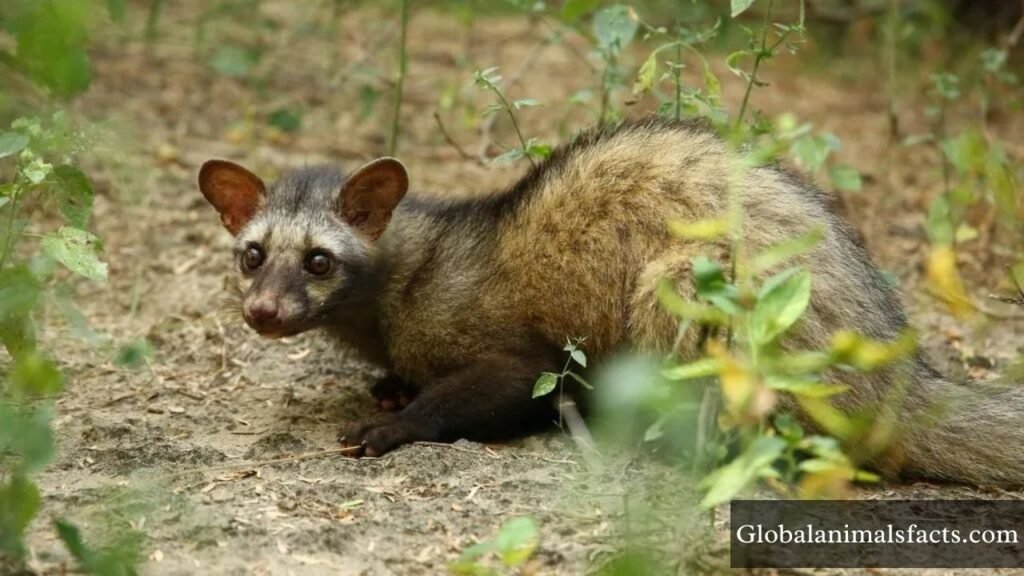
What truly captivates is the civet’s behavior. Like otters, civets are known for their playful antics, often engaging in social bonding and exploration during twilight hours. They possess remarkable agility, enabling them to climb trees with ease, which is an intriguing contrast to the otter’s aquatic agility. While otters rely on water for agility and hunting, civets navigate the forest floors with a stealth that reflects their adaptability.
You can also read: Explore Top 15 Animals With Small Eyes.
Tayras
Scientific Name: Eira barbara
Class: Mammalia
Diet: Omnivore
Tayras, often overshadowed by their more famous relatives, reveal an intriguing blend of resemblance and behavior that stirs curiosity. These agile creatures, part of the weasel family, sport sleek, otter-like bodies adorned with glossy, dark fur that glimmers under sunlight — a visual treat reminiscent of aquatic magicians. Their elongated frames, paired with short legs, grant them remarkable dexterity both on the ground and in climbing trees, where they exhibit playful antics akin to those of curious otters frolicking in water.
Beyond their appearance, tayras possess a unique charm in their social dynamics. Known for their intelligence, they display playful behavior that can evoke images of otters sliding down mudbanks. These mammals engage in complex social structures, often foraging in groups that mirror the playful cooperation seen among otter families.
Fishers
Scientific Name: Pekania pennanti
Class: Mammalia
Diet: Carnivore
Fishers, often mistaken for oversized otters, possess an intriguing blend of characteristics that set them apart while still evoking curiosity. These striking mammals, native to North America, showcase a sleek, elongated body similar to that of otters, but with a more robust build. Their thick fur, which glistens with a glossy sheen, allows them to thrive in colder climates, drawing the eyes of wildlife enthusiasts eager to spot their distinctive silhouette darting through the trees.
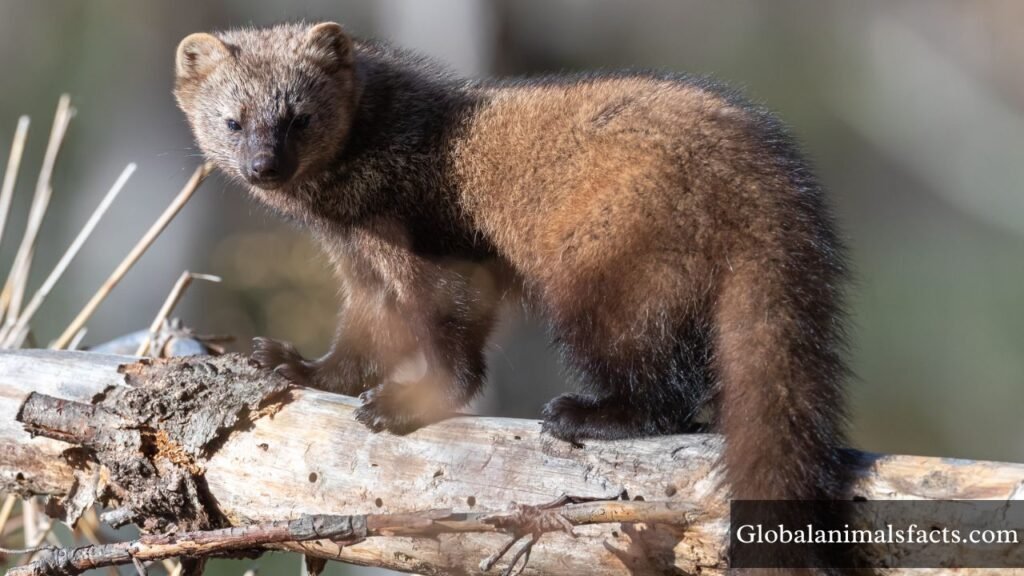
What truly captivates is the fisher’s remarkable agility and hunting prowess. Unlike otters, which primarily hunt in water, fishers are agile climbers, adept at navigating the treetops in search of prey, including porcupines. This unique adaptation not only highlights their versatility but also underscores the diversity within the weasel family, to which both fishers and otters belong.
Readmore: Explore Top 14 Animals That Eat Rabbits.
Final Thoughts
The similarities between these otter-like animals highlight the beauty of evolution and adaptation in nature. Whether it’s the agile movements of a ferret or the aquatic lifestyle of a nutria, these species offer a delightful diversion in our study of wildlife. Their playful nature and striking appearances invite us to appreciate the diversity that exists within animal families. As we marvel at these creatures, it’s imperative we recognize our role in safeguarding their environments for future generations. Let’s embrace the opportunity to educate ourselves and others about these charming animals and their ecological importance.
FAQs
What animals are similar to otters?
Otters are part of the weasel family, so animals like ferrets, minks, and wolverines share some similarities in terms of body structure and playful behavior. They all have elongated bodies, short legs, and thick fur, which help them thrive in various habitats. In addition to their close relatives, some species of seals and sea lions exhibit playful behaviors reminiscent of otters, especially when it comes to social interactions and using tools to access food. While they inhabit different environments, the playful nature and social structures of these animals make them somewhat similar to otters in spirit.
Which animal looks like an otter?
Minks definitely resemble otters, sharing a sleek body shape and playful demeanor. Both animals have long, slender forms and short legs, making them adept swimmers. Their fur is also similar, often glossy and dense, which helps in insulation when they’re in water. However, minks are generally smaller than otters and have a more elongated face. While otters are often seen in family groups, minks tend to be more solitary.