Top 25 Scavenger Animals (With Pictures)
Scavenger animals may not have the glamour of predators, but they are essential for keeping ecosystems healthy. In this article, you’ll discover the diverse range of scavengers, their unique adaptations, and why they are crucial to nature’s cleanup crew.
List of Scavenger Animals
Below is the list of scavenger animals in the world:
| Number of Animals | Names of Scavenger Animals |
| 1 | Hyenas |
| 2 | Ravens |
| 3 | Hawks |
| 4 | Vultures |
| 5 | Jackals |
| 6 | Opossums |
| 7 | Ants |
| 8 | Sharks |
| 9 | Seagulls |
| 10 | Wild Dogs |
| 11 | Lobsters |
| 12 | Foxes |
| 13 | Coyotes |
| 14 | Hagfish |
| 15 | Eagles |
| 16 | Crows |
| 17 | Tasmanian Devils |
| 18 | Crabs |
| 19 | Raccoons |
| 20 | Condors |
| 21 | Millipedes |
| 22 | Marabou Storks |
| 23 | Beetles |
| 24 | Bears |
| 25 | Wolves |
Hyenas
Scientific name: Crocuta crocuta
Class: Mammalia
Hyenas, often cast in the shadow of their more charismatic counterparts like lions and leopards, wield a unique prowess within their ecosystems. These scavengers are not merely opportunistic feeders; they are highly intelligent and social hunters organized into intricate clans. Their complex social structures allow them to collaborate effectively, showcasing remarkable problem-solving skills. This collective behavior amplifies their scavenging efficiency, making them adept not only at consuming leftovers but also at hunting live prey when necessary.
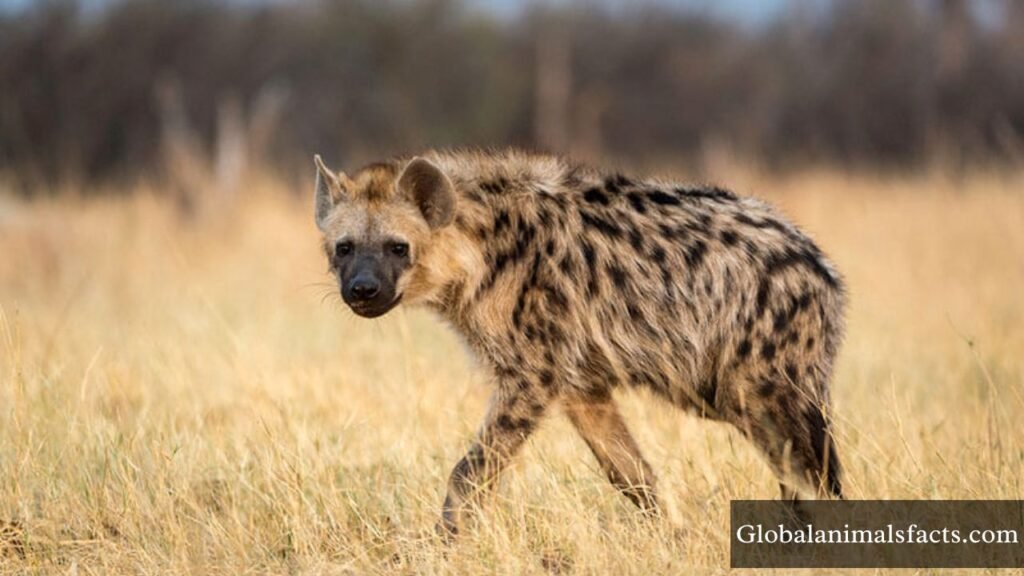
Hyenas are equipped with powerful jaws that boast a bite force strong enough to crush bones, an adaptation that ensures they can extract every nutrient from carcasses. This ensures the eradication of disease and helps maintain the balance of their environments. Furthermore, hyenas possess a surprisingly advanced communication system that includes whoops, giggles, and growls, reflecting their social dynamics and hierarchies. This intricate vocalization not only reinforces clan bonds but also plays a critical role in territorial disputes, showcasing their intelligent social behavior just as much as their scavenging abilities.
Ravens
Scientific name: Corvus corax
Class: Aves
Ravens are often cast in the shadow of myth and superstition, yet their intelligence and adaptability set them apart in the animal kingdom. Known for their striking jet-black feathers and piercing, inquisitive gaze, these scavenger birds excel not only in survival but also in problem-solving, exhibiting behaviors that rival those of primates. Observations have shown ravens using tools to access food, a remarkable feat showcasing their cognitive abilities.
These fascinating creatures are integral to their ecosystems, playing a pivotal role in nutrient cycling as they consume carrion and other refuse. Their social nature also means they engage in group behaviors, collaborating to find resources and communicate with one another through a rich array of vocalizations and gestures. In urban settings, ravens have adapted seamlessly, often seen rummaging through debris in search of a meal. Their presence serves as a reminder of nature’s resilience, highlighting the balance between survival and adaptability in an ever-changing world. As scavengers, they not only thrive but also contribute to the health of their habitats in profound ways.
Hawks
Scientific name: Buteo jamaicensis
Class: Aves
Hawks, often admired for their beauty and hunting prowess, play a surprisingly nuanced role in the ecosystem as scavengers. While many envision these birds of prey soaring through the sky with keen eyes on live quarry, hawks also capitalize on deceased animals, showcasing their adaptability. Their sharp talons and powerful beaks allow them to tear into carrion, making them opportunistic feeders that help maintain ecological balance by breaking down waste in their environment.
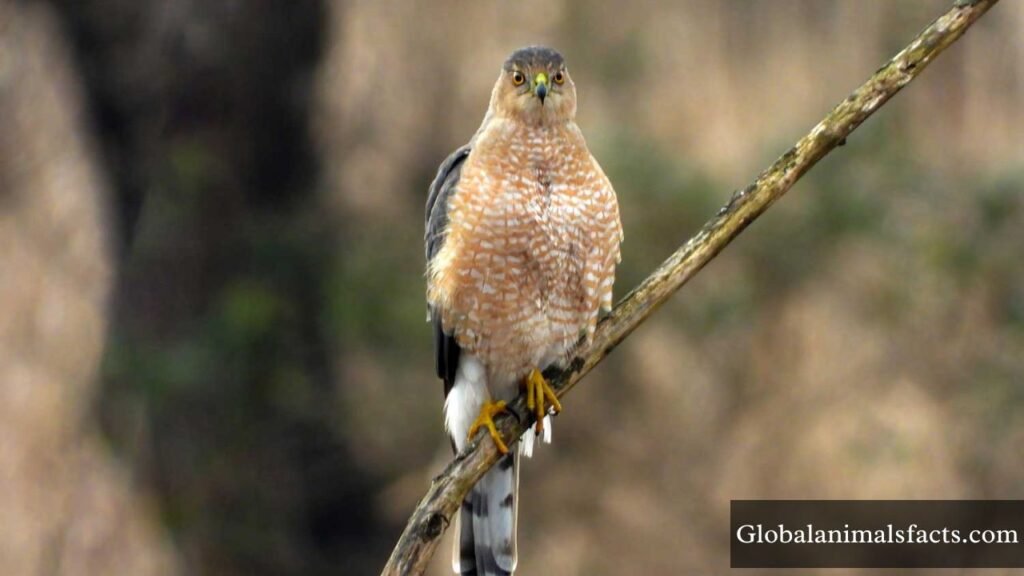
Interestingly, a hawk’s scavenging behavior is influenced by factors such as season and availability of prey. During lean months, when smaller mammals are scarce, these raptors will pivot to scavenging, demonstrating a remarkable survival strategy. Observations reveal that hawks often follow larger predators, such as foxes or coyotes, capitalizing on their kills. This intricate web of interaction emphasizes not only the hawk’s resourcefulness but also the interconnectedness of species within their habitat.
Vultures
Scientific name: Gyps africanus
Class: Aves
Vultures are often misjudged as mere harbingers of death, yet their role in the ecosystem is deeply vital and complex. These scavengers are nature’s unsung heroes, efficiently cleaning up carcasses and preventing the spread of disease. By devouring decaying matter, vultures maintain healthier environments, allowing ecosystems to thrive without the burden of rotting remains. Their unique digestive systems are fortified with highly acidic enzymes, enabling them to consume pathogens and toxins that would otherwise jeopardize other wildlife.
Interestingly, vultures navigate their world using remarkable adaptations. Their keen eyesight allows them to spot potential food sources from great heights, while their low-flight patterns conserve energy as they glide on thermals. The communal behavior of vultures also reflects a fascinating social structure; they rely on one another to locate carcasses, showcasing a form of teamwork rarely seen in the avian world. As they circle a potential feast, they not only mark their territory but also send silent signals to others about available resources, reinforcing their intrinsic connections within the food web.
Jackals
Scientific name: Canis aureus
Class: Mammalia
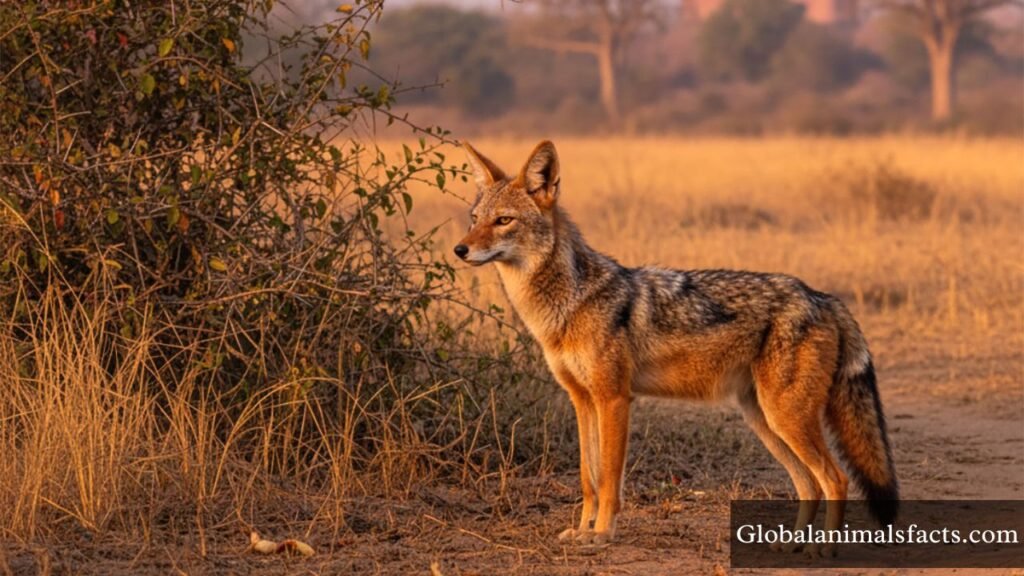
Jackals, often misunderstood as mere scavengers, play a vital role in their ecosystems that extends beyond foraging discarded remains. With their remarkable adaptability, they thrive in diverse environments, from African savannas to arid deserts. Unlike many scavengers, jackals are opportunistic hunters, known to coordinate in small packs to tackle larger prey, showcasing a complex social structure that enhances their survival. This collaborative hunting strategy not only highlights their intelligence but also reinforces the intricate balance of predator and prey dynamics within their habitats. In addition to their hunting prowess, jackals are invaluable in maintaining ecological health. By consuming carrion, they help curb disease spread, acting as nature’s clean-up crew.
Opossums
Scientific name: Didelphis virginiana
Class: Mammalia
Opossums are nature’s unsung heroes, often misunderstood as mere pests. These nocturnal foragers play a crucial role in maintaining ecological balance. Unlike many scavengers, opossums have a remarkably diverse diet — often consuming everything from insects and small rodents to the more unsavory leftovers of other animals. This adaptability not only aids in waste reduction but also helps control pest populations, making them a vital part of the ecosystem.
One striking feature of opossums is their unique ability to consume venomous creatures, including ticks and even some snakes, without suffering harm. This not only makes them resilient survivors but also contributes to the health of their environments by controlling potentially harmful populations. Their habit of “playing dead” when threatened has evolved as a survival strategy that often leaves predators baffled, exemplifying the opossum’s quirky yet effective adaptation methods.
Moreover, opossums are an integral part of urban landscapes, often venturing into backyards where they help clean up scraps and avoid backyard pests like ticks and cockroaches. With their charming appearance and essential scavenging habits, these marsupials are an important reminder of the interconnectedness of wildlife and the ecosystems in which we all reside.
Ants
Scientific name: Formicidae
Class: Insecta
Ants, often overlooked in the grand scheme of wildlife, play a pivotal role as scavenger animals, transforming their surroundings in ways that impact entire ecosystems. Their complex social structures and relentless work ethic allow them to efficiently process organic waste, breaking it down into nutrients that enrich the soil. This natural recycling system not only cleans up decaying matter but also fosters a diverse habitat for fungi and other microorganisms essential for healthy ecosystems.
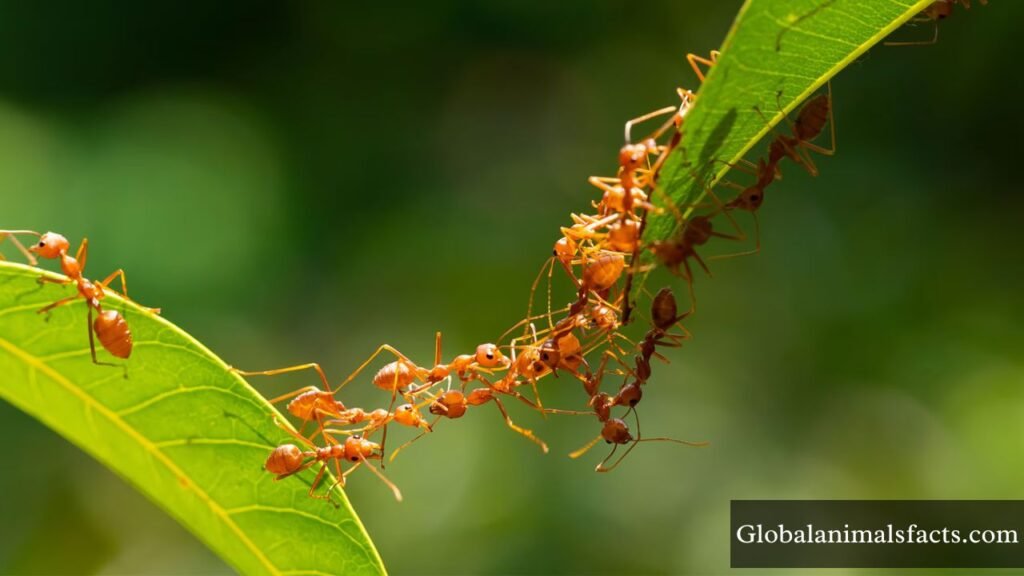
What’s truly fascinating is the diverse scavenging strategies employed by various ant species. Some, like the leafcutter ants, take scavenging to an advanced level by cultivating their own fungus, effectively turning organic debris into a sustainable food source. Others exhibit a more opportunistic approach, foraging for dead insects or plant matter and sharing their finds with the colony, showcasing a remarkable level of cooperation and communication.
Sharks
Scientific name: Carcharodon carcharias
Class: Chondrichthyes
Sharks, often depicted as fearsome predators, play a crucial role in marine ecosystems as scavengers. While their reputation is rooted in their hunting skills, many species exhibit opportunistic behaviors that include scavenging on dead animals. This aspect of their feeding habits not only helps clean the ocean floor but also underscores the adaptability and ecological importance of sharks. For instance, species like the tiger shark are known to consume everything from fish carcasses to marine mammals, ensuring that nutrients are recycled back into the ocean’s ecosystem.
Researchers have observed that sharks exhibit a remarkable sense of smell and can detect odors from miles away, allowing them to locate carrion effectively. This olfactory finesse not only aids in their survival but also influences the health of their environment by keeping certain populations in check. Moreover, the scavenging behavior of sharks exemplifies their role in nutrient dynamics, as they facilitate the breakdown of organic materials, ultimately supporting a range of marine life.
Seagulls
Scientific name: Larinae
Class: Aves
Seagulls, often dismissed as mere beach nuisances, are surprisingly intricate creatures with fascinating survival strategies. Their adaptability to various environments highlights their intelligence and resourcefulness. These avian scavengers have developed a remarkable ability to thrive in urban areas, where discarded food has become a staple in their diet. Watching them elegantly swoop down to snatch leftovers can reveal a keen understanding of opportunity, showcasing not just instinct but learned behavior.
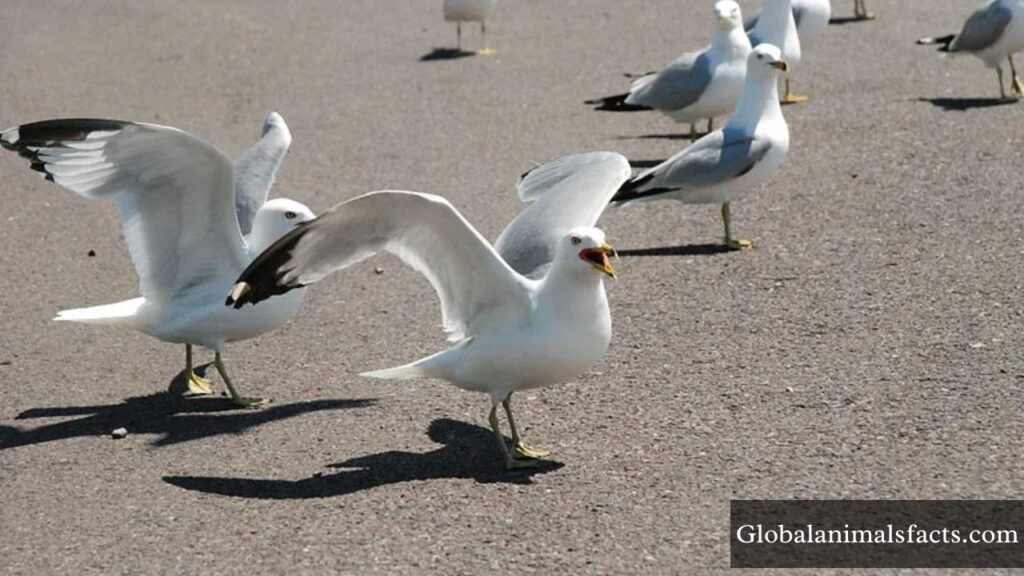
Moreover, seagulls play a crucial role in maintaining ecological balance. By scavenging, they help control waste and clear away organic remnants that could otherwise lead to unsightly litter or disease. Their social structures, often seen in flocks, further exemplify their collaborative nature; they communicate complex signals and even warn one another of potential threats.
Wild Dogs
Scientific name: Lycaon pictus
Class: Mammalia
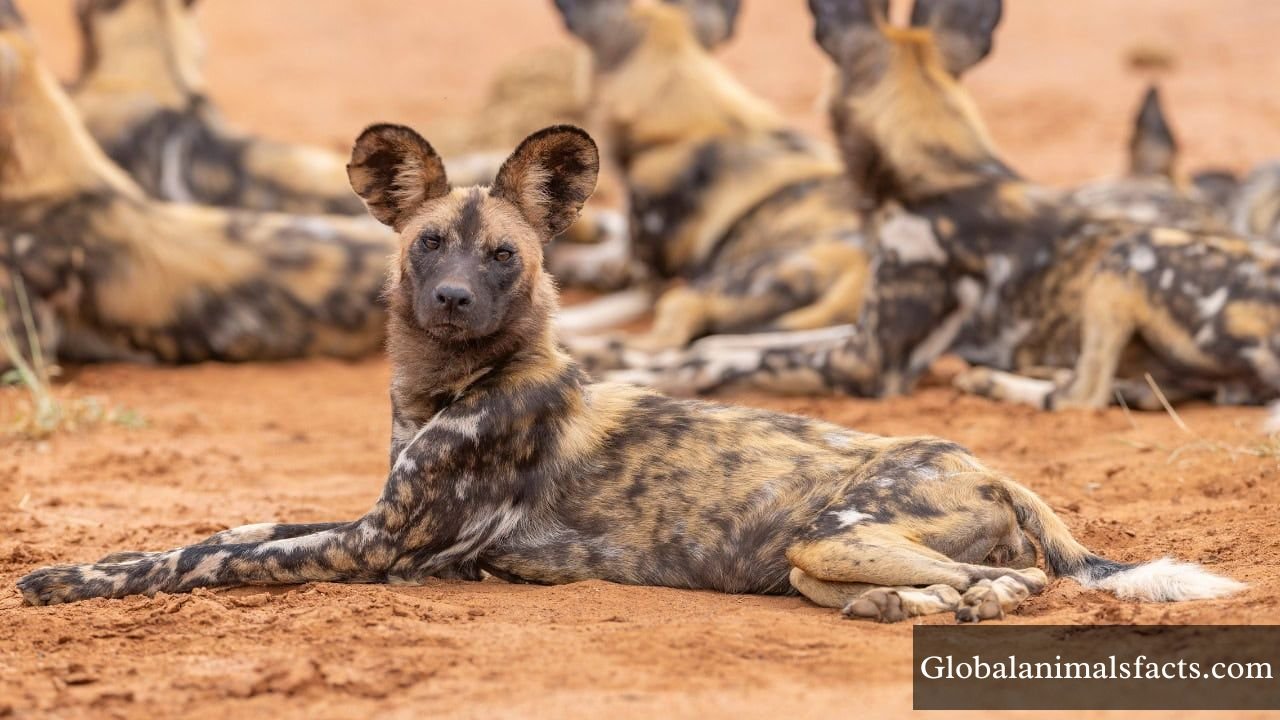
Wild dogs, particularly African wild dogs, are fascinating scavengers that embody the essence of cooperative hunting and foraging. Unlike many solitary scavengers, these highly social animals thrive in packs, allowing them to share discoveries of carcasses and maximize their foraging efficiency. Their unique hunting strategy, which involves staggering bursts of speed and endurance, not only secures fresh kills but often leads them to scavenging opportunities abandoned by larger predators.
What sets wild dogs apart is their intricate social structure, which fosters strong bonds and effective communication. They engage in a robust vocal repertoire — specialized sounds and body language that alert pack members to food sources. This social cohesion amplifies their scavenging success, demonstrating a remarkable blend of vigilance and teamwork that lesser-known scavengers might lack. Their impressive hunting success rate, estimated at 80%, reduces the need to scavenge extensively, allowing them to capitalize on both fresh prey and remnants left by competitors, showcasing a versatile survival strategy that highlights their adaptability in the intricate web of the savanna ecosystem.
Lobsters
Class: Malacostraca
Lobsters, often seen as a delicacy, play an essential role as scavengers in the marine ecosystem. These crustaceans possess an incredible ability to detect odors, which they use to locate decaying matter on the seafloor. While their reputation often focuses on their role in gourmet cuisine, their scavenging habits contribute significantly to the cleanliness of ocean floors, making them unsung heroes in maintaining underwater health.
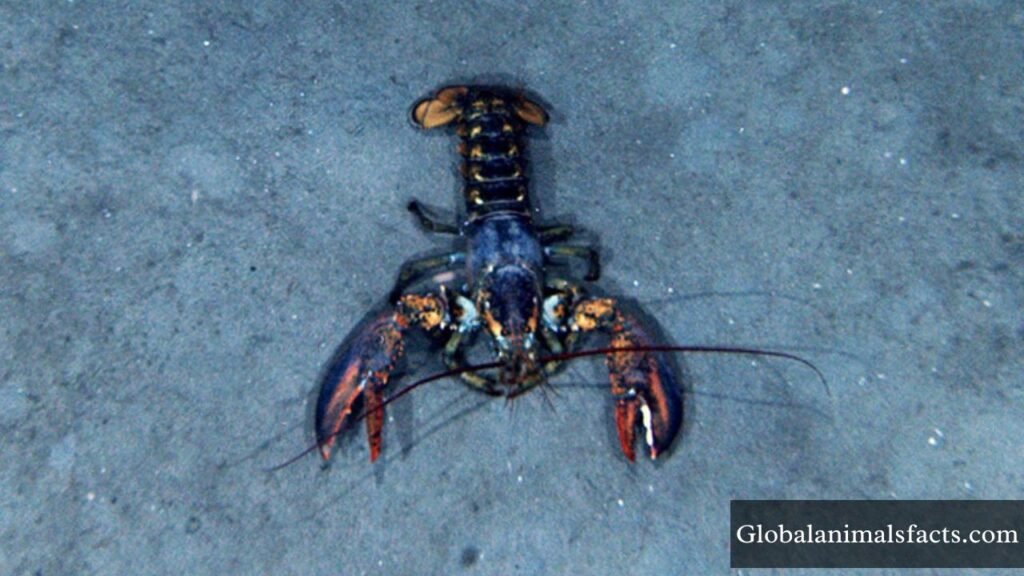
Lobsters exhibit social behaviors that add another layer to their role as scavengers. They sometimes gather in groups around abundant food sources, showcasing a complex interaction that can be both competitive and cooperative. This social dynamic not only helps them efficiently consume available resources but also raises questions about their communication methods and hierarchy. Observing lobsters in these communal settings provides a fascinating glimpse into their lives — and reminds us that even the most seemingly solitary creatures can have vibrant social structures.
Their adaptability is another remarkable aspect of lobsters as scavengers. These creatures can thrive in diverse environments, from rocky crevices to sandy bottoms, where they can find an array of detritus to feed on. This versatility not only allows them to survive in various ecological conditions but also emphasizes the importance of healthy habitats in supporting marine biodiversity.
Foxes
Scientific name: Vulpes vulpes
Class: Mammalia
Foxes, often shrouded in folklore and mystique, play a pivotal role in their ecosystems as scavengers. These resourceful animals possess an innate adaptability, allowing them to thrive in various environments — from urban landscapes to dense forests. Their keen sense of smell not only helps them locate food but also leads them to potential carrion left behind by larger predators. This opportunistic feeding behavior highlights their intelligence; rather than relying on a singular food source, they utilize their surroundings to maximize survival.
In addition to scavenging, foxes are remarkable for their social structures. While they are typically solitary, some species, like the red fox, demonstrate a fascinating dynamic within family groups, sharing resources and nurturing their young together. This social aspect enhances their scavenging abilities, as they can communicate and coordinate when locating food. Furthermore, their nocturnal habits allow them to exploit food sources that may be overlooked by daytime foragers, reflecting a unique niche within the food web.
Coyotes
Scientific name: Canis latrans
Class: Mammalia
Coyotes are often viewed as mere opportunists in the wild, but their scavenging habits reveal a deeper adaptability that speaks to their evolutionary success. Unlike other predators that rely solely on their hunting prowess, coyotes deftly switch between scavenging and hunting based on environmental conditions and available food resources. This flexibility allows them to thrive in diverse ecosystems, from urban areas to remote landscapes. Observing a coyote sniffing around the remnants of a roadkill or rummaging through a discarded trash bag highlights their remarkable resilience and ingenuity.
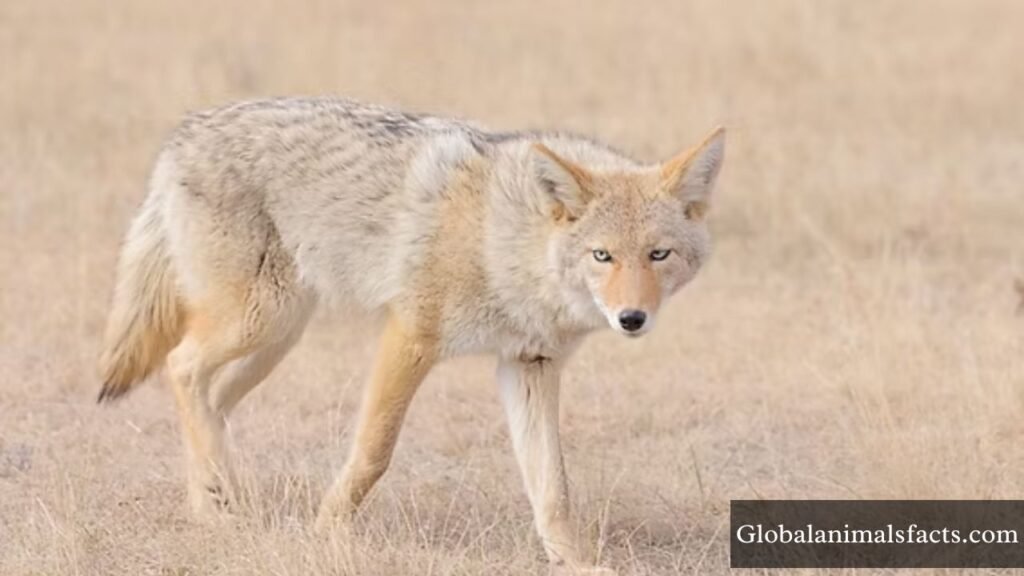
Moreover, coyotes play a crucial role in maintaining ecological balance by cleaning up carcasses and controlling rodent populations. Their scavenging behavior not only prevents the spread of disease but also facilitates nutrient recycling within their habitats.
Hagfish
Scientific name: Myxini
Hagfish, often regarded as nature’s ultimate scavengers, possess a unique adaptability that allows them to thrive in the deep, dark depths of the ocean. Unlike many fish, these slimy creatures lack a jaw; instead, they use a special feeding apparatus to bore into the bodies of deceased marine animals. This remarkable adaptation not only showcases their role in the ecosystem by recycling nutrients but also positions them as crucial players in the underwater food web.
Beyond their scavenging prowess, hagfish are renowned for their stunning defense mechanism: when threatened, they secrete copious amounts of mucus, creating a thick slime that can suffocate predators. This bizarre yet effective strategy underscores their resilience in a world where survival often hinges on adaptability. Moreover, recent studies suggest that hagfish could hold keys to advancements in biomedical research, with their unique properties inspiring innovations in wound healing and tissue regeneration.
Eagles
Class: Aves
Eagles, often revered as symbols of power and freedom, also play a vital role in the scavenger ecosystem. While they are apex predators, their ability to scavenge reflects a remarkable adaptability. In harsh landscapes where food can be scarce, eagles keenly exploit the weaknesses of their environment, often circling high above to spot carrion from great distances. Their sharp eyesight allows them to detect the remains of animals long after other scavengers have moved on.
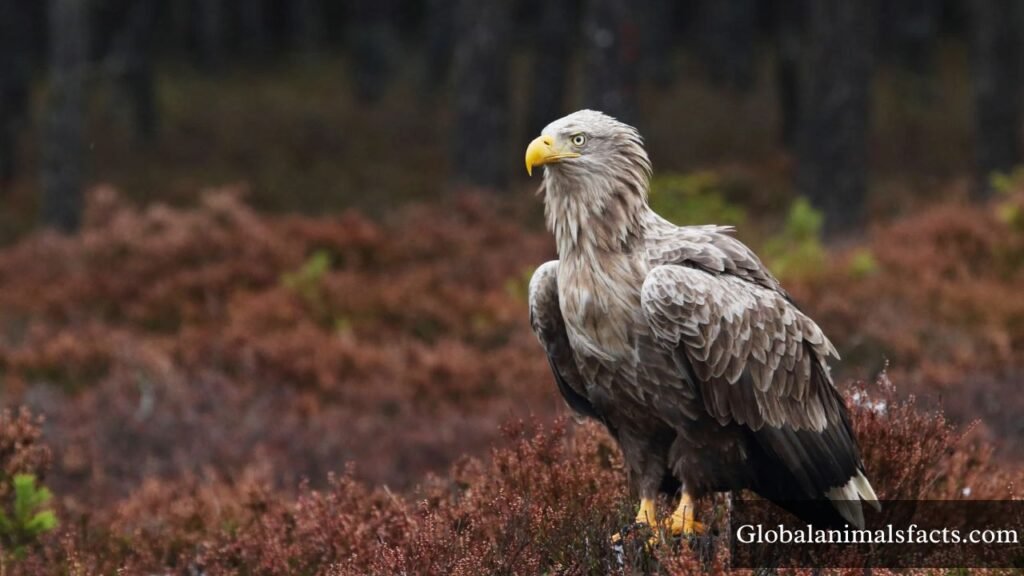
Yet, what makes eagles particularly fascinating as scavengers is their complex social dynamics. Unlike most solitary hunters, some species, like the Golden Eagle, can often be seen sharing their finds with mates or offspring, reinforcing familial bonds. This social scavenging not only ensures their young receive vital nutrients but also contributes to a communal sense of survival in inhospitable environments.
Crows
Class: Aves
Crows are among the most intelligent scavengers in the animal kingdom, showcasing a remarkable range of cognitive abilities that continually astonish researchers. Known for their problem-solving skills, crows can craft tools, recognize faces, and even understand basic cause-and-effect relationships. This intelligence enables them to navigate urban environments with remarkable adaptability, turning discarded human waste into a treasure trove of resources.
Moreover, crows are not merely opportunistic feeders; they have a complex social structure that influences their scavenging behavior. They often work in groups, using coordinated efforts to outsmart larger predators and access food sources. This communal approach reveals a stunning layer of social learning, as younger crows observe and mimic the hunting techniques of their elders. Their ability to communicate specific threats and food locations adds an intriguing dynamic to their scavenging habits, transforming them into not just survivors but also strategic hunters in their own right.
Tasmanian Devils
Scientific name: Sarcophilus harrisii
Class: Mammalia
Tasmanian devils, often overshadowed by their fearsome reputation, play a crucial role in their ecosystem as nature’s clean-up crew. Their scavenging behavior not only helps maintain the balance of the environment but also showcases an extraordinary adaptation to their surroundings. Equipped with powerful jaws and an exceptional sense of smell, these nocturnal marsupials can locate carrion that might otherwise go unnoticed, efficiently cleaning up the landscape and recycling nutrients back into the soil.
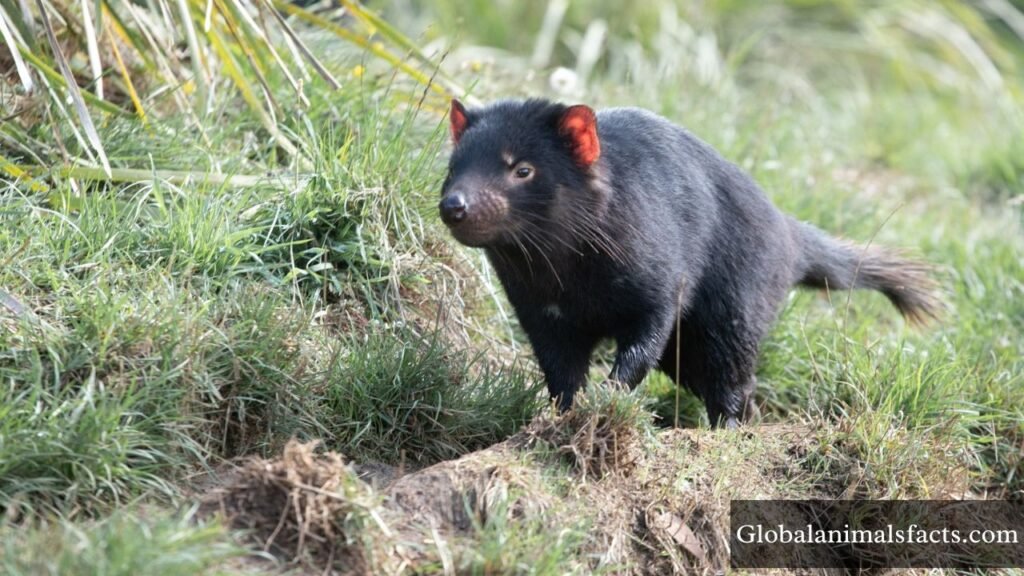
Recent studies have highlighted an unexpected social dimension to their scavenging. Contrary to the solitary image they project, Tasmanian devils often gather at carcasses, engaging in complex social interactions that reinforce their hierarchical structures. This behavior not only aids in survival but also emphasizes the importance of community in the natural world, illustrating how cooperation can drive ecological processes. As we continue to face environmental challenges, protecting these remarkable scavengers is essential — not just for their preservation, but for the broader health of the ecosystems they help sustain.
Crabs
Scientific name: Brachyura
Class: Malacostraca
Crabs, often overlooked in the grand tapestry of marine life, play a crucial role as scavengers in their ecosystems. These ten-legged wonders scuttle along ocean floors and sandy shores, feeding on organic matter and detritus, thus maintaining a delicate balance in their environments. Their specialized claws allow them to sift through sediment, unearthing hidden treasures and transforming the landscape with each dig. In doing so, they not only contribute to nutrient cycling but also ensure the health of habitats like coral reefs and mangroves. Moreover, crabs exhibit fascinating behaviors that enhance their scavenging efficiency. Some species, like the red king crab, have developed a cooperative approach, forming groups that overwhelm larger organic debris.
Raccoons
Scientific name: Procyon lotor
Class: Mammalia
Raccoons are nature’s clever recyclers, adept at turning urban and rural landscapes into their personal buffet. These masked marauders are renowned for their dexterity; their front paws showcase an astonishing level of grip and manipulation, allowing them to unlock trash bins and open containers with remarkable ease. This nimble prowess reflects not just their scavenging skills but also their adaptability, as they forage for food in ever-changing environments.
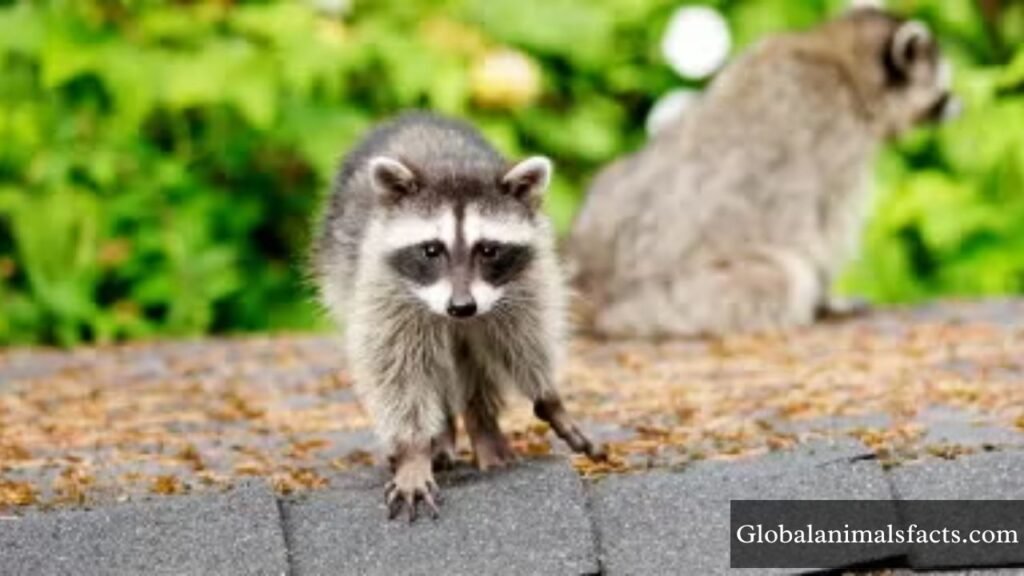
Beyond their notorious reputation for raiding garbage cans, raccoons play a critical role in maintaining ecological balance. By consuming waste and leftover human food, they help reduce the spread of organic waste that could otherwise attract larger pests. Their omnivorous diet includes fruits, nuts, and insects, making them key players in seed dispersal and pest control within their habitats.
Condors
Scientific name: Vultur gryphus
Class: Aves
Condors, with their impressive wingspans reaching up to 10 feet, are not just magnificent flyers but crucial players in their ecosystems. Often seen soaring effortlessly above rugged landscapes, these scavengers perform a vital role by cleaning up carrion that might otherwise host disease. Their keen eyesight allows them to spot decomposing animals from great heights, demonstrating an evolution finely tuned for survival.
Condors are characterized not just by their impressive size but also by their remarkable social behavior. These birds often gather in groups, engaging in complex social interactions that reveal a hierarchy and communication methods rarely seen in other scavengers. Observing them feeding together offers a fascinating glimpse into their cooperative strategies, which enhance their survival in the wild. Furthermore, conservation efforts have highlighted the fragile balance between these majestic birds and their environment, showcasing the challenges they face, from habitat loss to lead poisoning.
Millipedes
Scientific name: Diplopoda
Millipedes, often overlooked in the realm of scavenger animals, play a crucial role in maintaining the health of ecosystems. Unlike their more famous cousins, the centipedes, millipedes have a docile nature and a remarkable ability to consume decaying organic matter, from dead leaves to decomposing plant material. This not only recycles nutrients back into the soil but also supports the growth of new vegetation, creating a thriving habitat for diverse species.
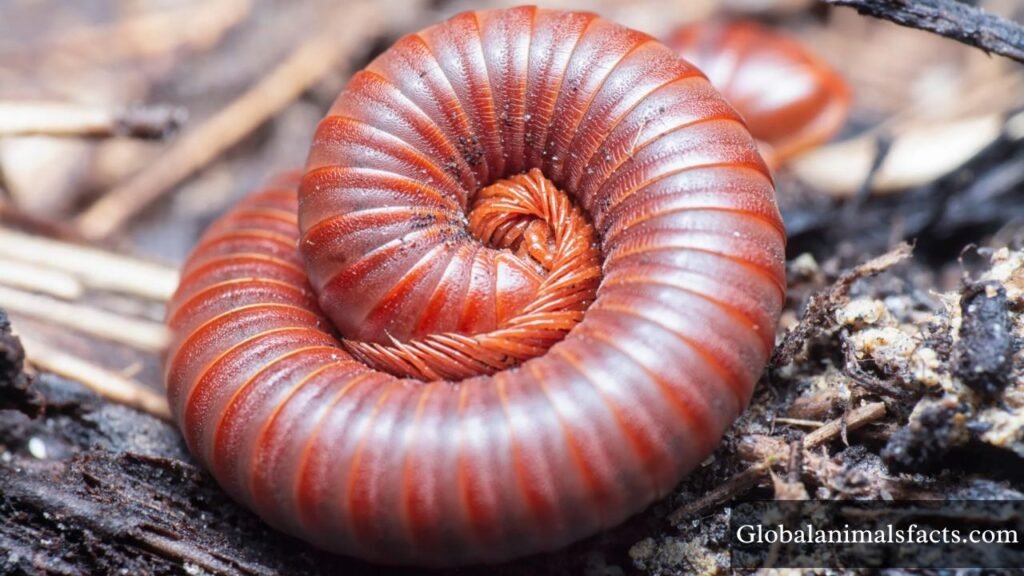
What’s fascinating about millipedes is their unique defense mechanism. When threatened, they can produce toxic chemicals that deter predators, which gives them an impressive advantage despite their slow pace. Their segmented bodies, adorned with countless legs, allow them to navigate complex environments, burrowing into the ground to aerate the soil. This dual role as both recyclers and soil enhancers underscores their importance, inviting us to appreciate the often-invisible threads that connect all life forms within ecosystems.
Marabou Storks
Scientific name: Leptoptilos crumenifer
Class: Aves
Marabou storks, often misunderstood as mere scavengers, play a surprisingly intricate role in their ecosystems. These large birds, with their striking silhouettes and distinct, bald heads, are master recyclers of nature. By feeding on carrion, they not only dispose of waste but also help control the spread of diseases that could arise from decaying carcasses. This unique ability to thrive in environments dotted with animal remains reveals a resilience that is often overlooked; in many ways, marabou storks act as nature’s janitors, embodying adaptation and survival.
Their social behaviors add another layer of fascination. Roosting in large communal groups, marabou storks engage in intricate social hierarchies, often seen sharing scraps and communicating through a variety of vocalizations. Observing these travelers of the skies, one might also note how they have adapted to urban environments, scavenging in landfills and city streets. The marabou stork not only exemplifies the beauty of avian resilience but also invites us to appreciate the essential role scavengers play in maintaining the balance within ecosystems.
Beetles
Scientific name: Coleoptera
Class: Insecta
Beetles, often overlooked in the grand tapestry of nature, are remarkable scavengers that play a vital role in our ecosystems. With over 350,000 species, these hard-shelled creatures have developed an impressive array of adaptations that aid in their scavenging prowess. For instance, the rove beetle, with its elongated body and swift movements, excels at locating decaying organic matter, breaking it down efficiently and recycling nutrients back into the soil. This not only helps maintain ecological balance but also supports plant growth, making them essential players in the circle of life.
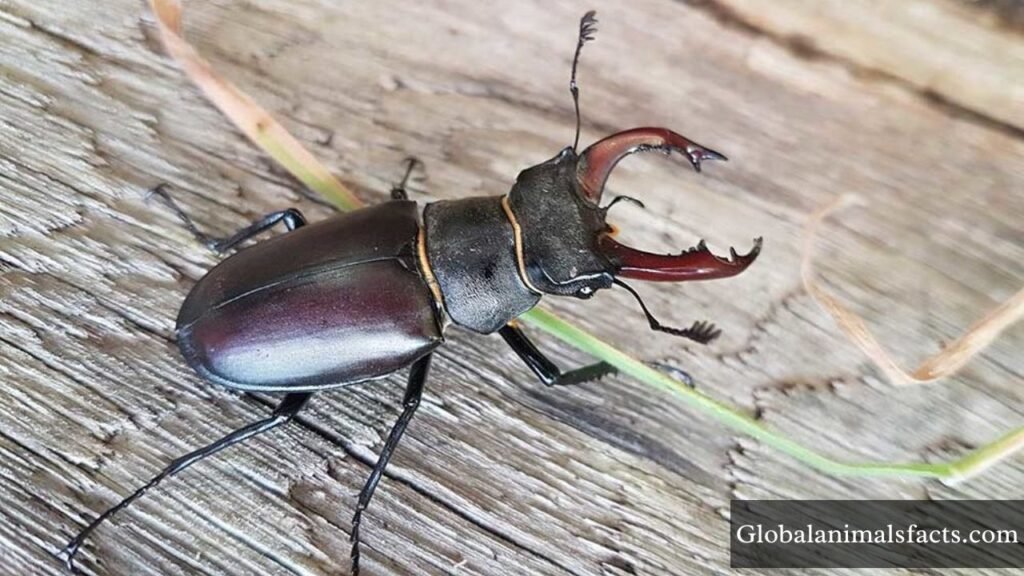
Beyond decomposition, beetles demonstrate a fascinating level of social behavior. Certain species, like the dung beetle, exhibit intricate teamwork when rolling and burying animal waste, which provides not just sustenance but also a breeding ground for their young. This method also prevents the spread of disease and encourages soil aeration, proving that these unsung heroes are as much environmental engineers as they are scavengers. By appreciating the profound impact of beetles, we can gain a deeper understanding of the interconnectedness of all living organisms and the unseen work that sustains our natural world.
Bears
Scientific name: Ursidae
Class: Mammalia
Bears, often revered as iconic symbols of the wilderness, are also incredibly versatile scavengers, demonstrating remarkable adaptability in their foraging habits. Beyond their reputation as apex predators, species like the American black bear and the grizzly bear can shift their feeding strategies based on environmental availability, scavenging on carrion left behind by other animals or the remnants of human activities. This behavior is not just opportunistic; it’s a vital survival tactic that allows them to conserve energy during leaner seasons, showcasing an intelligent resourcefulness that often goes overlooked.
Interestingly, a bear’s keen sense of smell can detect decaying flesh from miles away, guiding them to carcasses that many other creatures might miss. This olfactory prowess not only positions bears as important players in their ecosystems, helping to recycle nutrients back into the soil, but also emphasizes their role as nature’s cleanup crew. By consuming dead and decomposing animals, they prevent the spread of disease and contribute to a balanced ecosystem.
Wolves
Scientific name: Canis lupus
Class: Mammalia
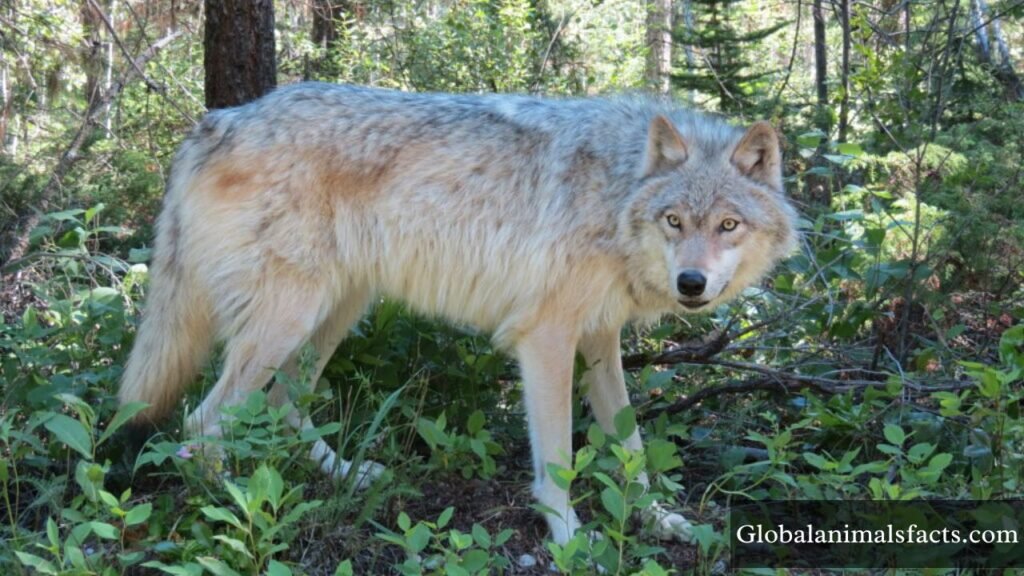
Wolves, often romanticized as the epitome of the wild, possess a lesser-known role as crucial scavenger animals within their ecosystems. Beyond their prowess as apex predators, wolves exhibit remarkable adaptability in their feeding habits, allowing them to thrive even during scarce times. When food sources dwindle, these cunning canines will readily scavenge carrion left by larger predators, demonstrating a resourcefulness that underlines their survival instincts. This behavior not only sustains their packs but also plays a pivotal role in nutrient cycling within their habitats. Interestingly, the wolf’s scavenging also underscores its complex social structure. Wolves will often hunt cooperatively but will share their scavenged finds, fostering intricate bonds among pack members.
Readmore: Top 30 Shy Animals in The World.
Final Thoughts
Scavenger animals play a crucial role in maintaining the balance of ecosystems by consuming dead and decaying matter. They not only help prevent the spread of disease by removing carcasses, but they also recycle nutrients back into the environment, fostering new growth. Species such as vultures, hyenas, and even certain insects exemplify the diversity and importance of scavengers in nature. As we continue to study these fascinating creatures, we are reminded of the interconnectedness of life and the vital functions that each organism performs. Let’s take a moment to appreciate these often-overlooked animals and support conservation efforts that protect their habitats.
FAQs
What are scavenger animals?
Scavenger animals are creatures that primarily feed on dead or decaying organic matter. They play a crucial role in ecosystems by helping to break down and recycle nutrients back into the environment. Common examples include vultures, hyenas, and certain species of crabs and insects. These animals are often equipped with strong digestive systems that allow them to consume carrion without falling ill. In addition to cleaning up the landscape, scavengers help control the spread of disease by consuming carcasses that could harbor pathogens. Their presence is essential for maintaining ecological balance, ensuring that energy and nutrients are efficiently recycled within ecosystems.
What are the top 5 scavenger animals in the world?
Here are five of the top scavengers around the globe: Vultures, Hyenas, Jackals, Cormorants and Ravens.