Top 22 Most Curious Animals (With Images)
Did you know that octopuses have been known to use coconut shells as tools? The animal kingdom is full of surprises, and when it comes to intelligence and curiosity, some species stand out more than others. In this article on the Most Curious Animals, we will explore how these fascinating creatures challenge our understanding of animal behavior and cognition. As you dive in, expect to uncover remarkable tales that will not only entertain but also inspire a greater appreciation for the wonders of nature.
List of Most Curious Animals
Below is the list of most curious animals in the world:
- Octopus
- Cats
- Puppies
- Elephant
- African Grey Parrot
- Monkeys
- Meerkats
- Toothfish
- Foxes
- Bushbabies
- Gorilla
- Raccoon
- Penguins
- Dolphins
- Squirrel
- Otters
- Giraffes
- Axolotl
- Crows
- Platypus
- Hamster
- Spider
Octopus
Scientific Name: Octopus vulgaris
Class: Cephalopoda
Diet: Carnivore
disguise, capable of changing both its color and texture to blend seamlessly with its surroundings. This remarkable ability goes beyond mere camouflage; it’s a form of communication and defense. Researchers have found that octopuses can express emotions through their skin, shifting hues to signal everything from excitement to fear, turning them into the ocean’s ultimate social creatures.
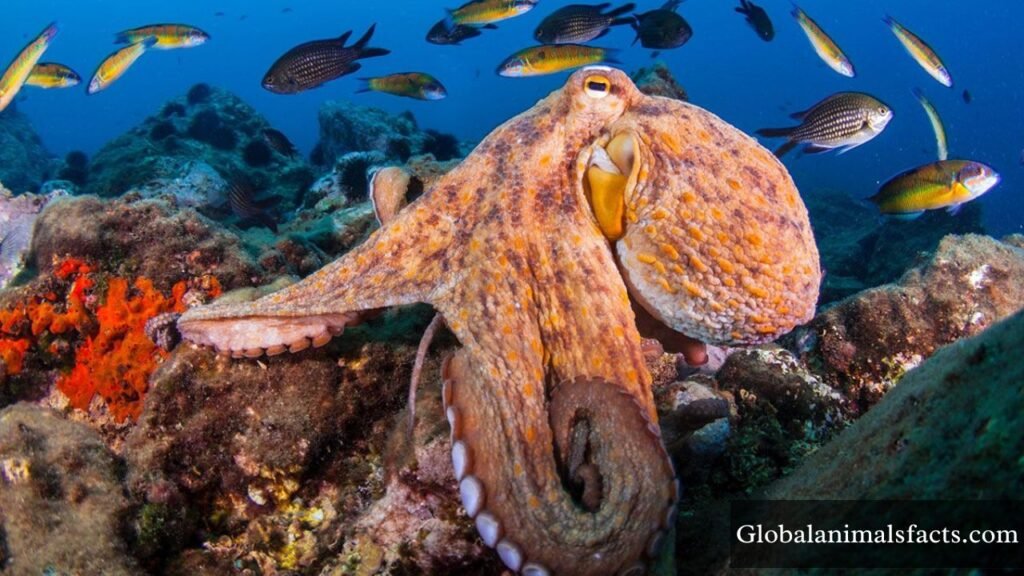
Their intelligence is equally fascinating. Octopuses exhibit problem-solving skills that rival those of some vertebrates, showcasing a capacity for learning through experience. They can navigate mazes, open jars, and even use tools, like coconut shells and discarded jars, to create shelters and ambush points. This cognitive prowess challenges traditional notions of intelligence in the animal kingdom and invites us to reconsider the ways we evaluate sentience across species.
Cats
Scientific Name: Felis catus
Class: Mammalia
Diet: Carnivore
Cats, often seen as aloof companions, possess an astonishing range of behaviors that reveal their curiosity and intelligence. Their impressive agility and keen senses make them adept explorers, both in the wild and at home. Every rustle in the bushes or flicker of light on the wall can spark an intricate play session, showcasing their ability to blend instinct with curiosity. This playful nature isn’t just entertainment; it’s crucial for their mental and physical well-being.
Moreover, cats have a unique communication style that often goes unnoticed. The subtleties of their body language, from a slow blink to an arched back, convey complex messages and emotions. Understanding these signals invites deeper connections between cats and their human companions, enriching the relationship beyond mere cohabitation.
Puppies
Scientific Name: Canis lupus familiaris
Class: Mammalia
Diet: Omnivore
Puppies are bundles of joy that embody curiosity and playfulness, often approaching the world with an innocent optimism that’s infectious to those around them. Each exploration is a mini adventure; a patch of grass becomes a wilderness to conquer, and a rustling leaf is a mysterious creature begging for investigation. This insatiable curiosity is not just adorable; it’s critical for their development, allowing them to learn essential social skills and navigate their environment.

The neurological development of puppies is fascinating. During the first few months, their brains grow remarkably fast, wired to process information and learn from their interactions. By exposing themselves to different sounds, sights, and scents, they are essentially gathering knowledge that shapes their character and behavior. This stage of life is pivotal, as the impressions made will influence their personality for years to come. Each curious action, from sniffing an unfamiliar object to engaging with new textures, advances their understanding of the world, turning them into the loving, loyal companions we adore.
Elephant
Class: Mammalia
Diet: Herbivore
Elephants, often hailed as nature’s gentle giants, possess a remarkable intelligence that continues to amaze researchers. Their intricate social structures resemble our own, characterized by strong matriarchal bonds and complex communication. Using infrasound, elephants can communicate over long distances, sending messages that travel through the ground and air, allowing them to connect with family members miles away. This ability underscores not just their social nature, but also their deep emotional connections, as they mourn loss and celebrate reunions.
Moreover, elephants exhibit an incredible understanding of their environment, showcasing behaviors that border on problem-solving. They have been known to use tools, such as sticks to scratch themselves or leaves to swat away flies. Their memory is legendary; matriarchs lead herds to water sources during droughts, showing a remarkable capacity for spatial awareness and recall. Such skills highlight their significant role in their ecosystems as mega-herbivores, shaping landscapes through their feeding habits and maintaining the habitats of countless other species.
African Grey Parrot
Scientific Name: Psittacus erithacus
Class: Aves
Diet: Herbivore
The African Grey Parrot is often hailed as one of the most intelligent birds in the animal kingdom, rivaling even the cognitive abilities of some primates. These remarkable creatures possess an acute understanding of human speech, demonstrating an ability to not only mimic words but also grasp their meanings. Researchers have observed that African Greys can identify shapes, colors, and even understand the concept of zero, showcasing an intellectual capability that challenges conventional views of avian intelligence.
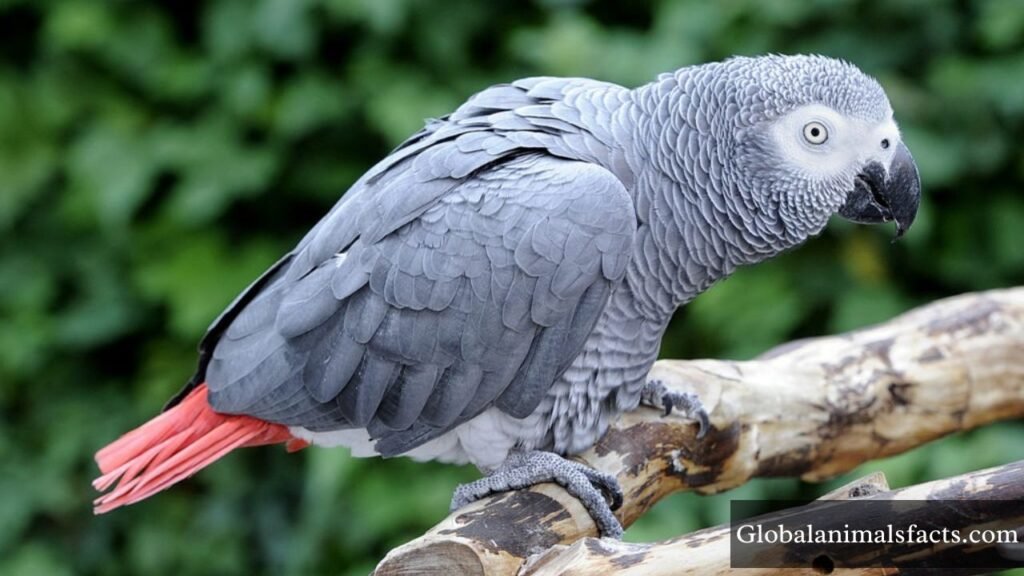
Beyond their impressive verbal skills, these parrots exhibit complex emotional and social behaviors. They form strong bonds with their human companions and even establish hierarchies among themselves, displaying a capacity for empathy and individual personality traits. In the wild, African Greys engage in intricate social structures; they communicate with a variety of vocalizations that help maintain their flocks. This social engagement underscores their need for mental stimulation, reminding potential pet owners that a satisfied African Grey requires not just companionship but also a rich environment filled with toys and challenges to keep their brilliant minds engaged.
Monkeys
Class: Mammalia
Diet: Omnivore
Among the most curious of animals, monkeys showcase a remarkable blend of intelligence and playfulness that captivates researchers and enthusiasts alike. Their social structures are complex and often mirror human interactions, revealing an intricate web of relationships where grooming rituals serve as both bonding experiences and conflict resolutions. Observing a troop of macaques foraging together, one can witness the spontaneous cooperation and innovative problem-solving that make these primates appear almost human-like in their behaviors.
Interestingly, monkeys possess an innate curiosity that drives them to explore their surroundings relentlessly. Whether using tools to extract insects from crevices or creating makeshift bridges from branches, their resourcefulness demonstrates cognitive abilities previously thought to be exclusive to humans. This intelligence extends beyond mere survival; for instance, capuchin monkeys are known to engage in playful antics that foster learning among their young, suggesting that curiosity is a crucial component of their development and socialization.
Meerkats
Scientific Name: Suricata suricatta
Class: Mammalia
Diet: Carnivore
Meerkats, with their upright posture and inquisitive gazes, embody a unique blend of social cooperation and individual curiosity. These small members of the mongoose family exhibit remarkable behaviors that challenge traditional views of animal hierarchies. Within their tight-knit groups, known as clans, each meerkat has a defined role, from babysitters to sentinels keeping watch for potential predators. This division of labor not only enhances their survival but also paints a vivid picture of complex social structures akin to human communities.
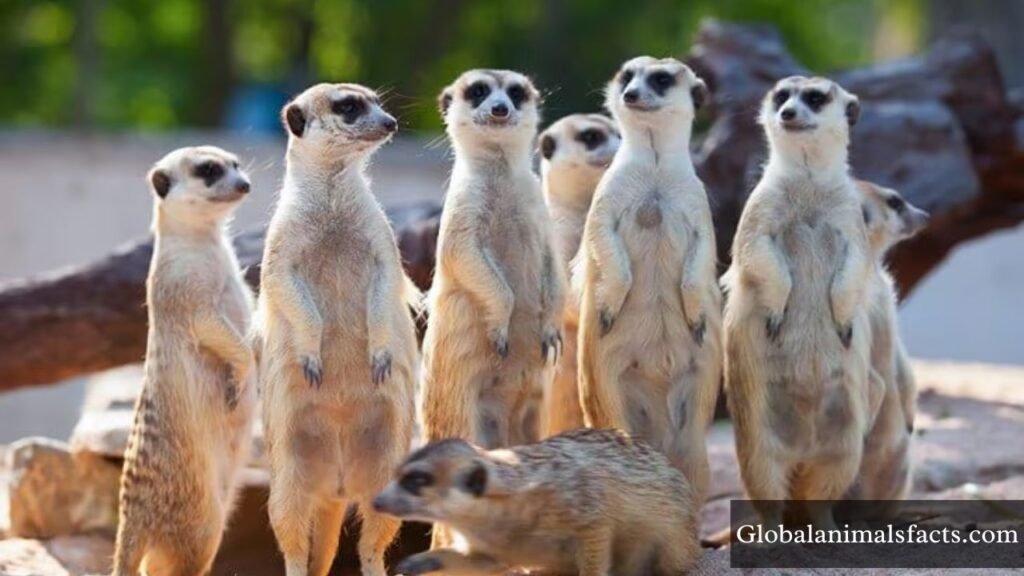
What makes meerkats particularly captivating is their communal approach to raising young. Siblings and even non-related adults pitch in to nurture the pups, sharing food, warmth, and protection, a testament to their strong communal bonds. Interestingly, meerkats have been observed engaging in play-fighting, which, while seemingly trivial, serves as vital practice for the challenges of adult life.
Toothfish
Scientific Name: Dissostichus mawsoni
Class: Actinopterygii
Diet: Carnivore
Toothfish, often found lurking in the icy depths of the Southern Ocean, are as fascinating as they are enigmatic. Known for their formidable set of sharp teeth, these fish embody the adaptability of life in extreme conditions. Surprisingly, they possess antifreeze glycoproteins in their blood, allowing them to thrive in sub-zero temperatures where few can survive. This extraordinary adaptation not only prevents ice from forming within their bodies but also showcases the evolutionary marvels that occur in our planet’s most inhospitable habitats.
Foxes
Scientific Name: Vulpes vulpes
Class: Mammalia
Diet: Omnivore
Foxes exhibit behavior that can sometimes blur the lines between cleverness and cunning. From urban landscapes to rural fields, these charismatic creatures have adapted remarkably well, often finding creative ways to coexist with humans. Unlike many other wild animals, foxes thrive in close proximity to city life, using their wits to scavenge for food — whether it’s raiding garden plots or rummaging through trash bins. Their resourcefulness showcases not only their intelligence but also their remarkable adaptability to changing environments.
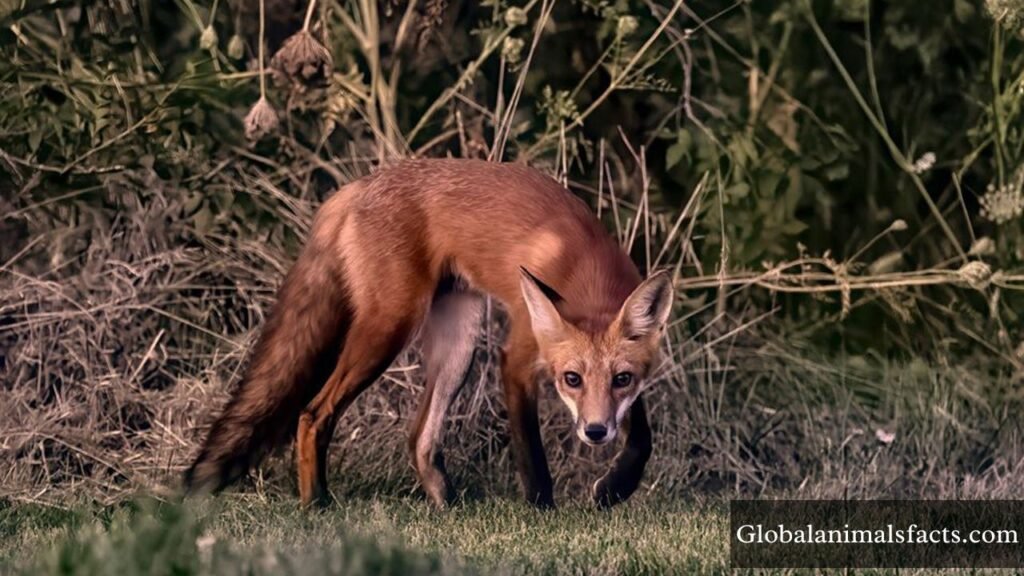
What sets foxes apart is their unique communication style. Beyond the well-known “yip” and “howl,” they employ a range of vocalizations to express their emotions and intentions, from social calls to alarm signals. This rich vocal repertoire reflects their complex social structures, where bonding and territorial defense come into play. Interestingly, foxes often engage in playfulness, a behavior that strengthens social ties among family members, and offers insights into their emotional depth and intelligence.
Bushbabies
Scientific Name: Galago senegalensis
Class: Mammalia
Diet: Omnivore
Bushbabies, or galagos, embody the essence of nocturnal enchantment with their wide, expressive eyes and remarkable agility. These small primates are not just adorable; their evolutionary adaptations are a testament to their unique lifestyle. With large ears that can pick up faint sounds, bushbabies possess an extraordinary sense of hearing, allowing them to hunt insects and navigate the night with unparalleled ease. Their leaping prowess is equally astonishing — they can jump up to 15 feet in a single bound, an ability that showcases their incredible muscle coordination and powerful hind legs.
Socially, bushbabies are quite intriguing, often found in family groups that exhibit complex vocalizations. Their distinctive calls — ranging from haunting howls to playful screams — serve not only to communicate but also to strengthen social bonds. Researchers believe these sounds play a pivotal role in maintaining group cohesion, especially in the dense forests where they reside. Observing their behavior offers a glimpse into the intricate social dynamics of these creatures, revealing a level of intelligence and community interaction that rivals many larger primate species
Gorilla
Scientific Name: Gorilla gorilla
Class: Mammalia
Diet: Herbivore
Gorillas, our closest relatives in the animal kingdom, evoke a deep sense of both curiosity and awe. Beyond their sheer size and strength, these intelligent creatures exhibit complex social structures and emotional depth akin to that of humans. For instance, gorilla families are known to display intricate forms of communication, including distinct vocalizations and body language that enable them to express frustration, joy, or affection. Observing a mother gorilla cradling her young or a silverback guiding his troop offers profound insights into the bonds they share, mirroring familial ties we recognize in our own lives.
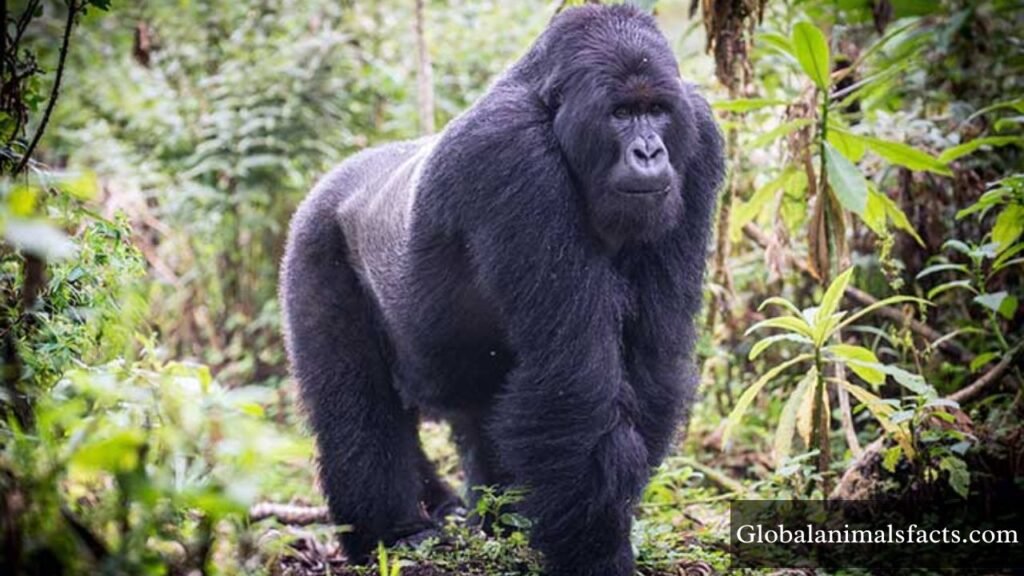
Moreover, recent studies have unveiled their remarkable cognitive abilities, with gorillas demonstrating problem-solving skills and even using tools in their natural habitats. They’ve adapted to their environment in ways that highlight their ingenuity; for instance, some have been observed using sticks to extract termites from mounds, showcasing a level of foresight not often attributed to non-human species. This adaptability not only emphasizes their intelligence but also prompts us to reflect on the values of cooperation and resourcefulness in the animal kingdom.
Raccoon
Scientific Name: Procyon lotor
Class: Mammalia
Diet: Omnivore
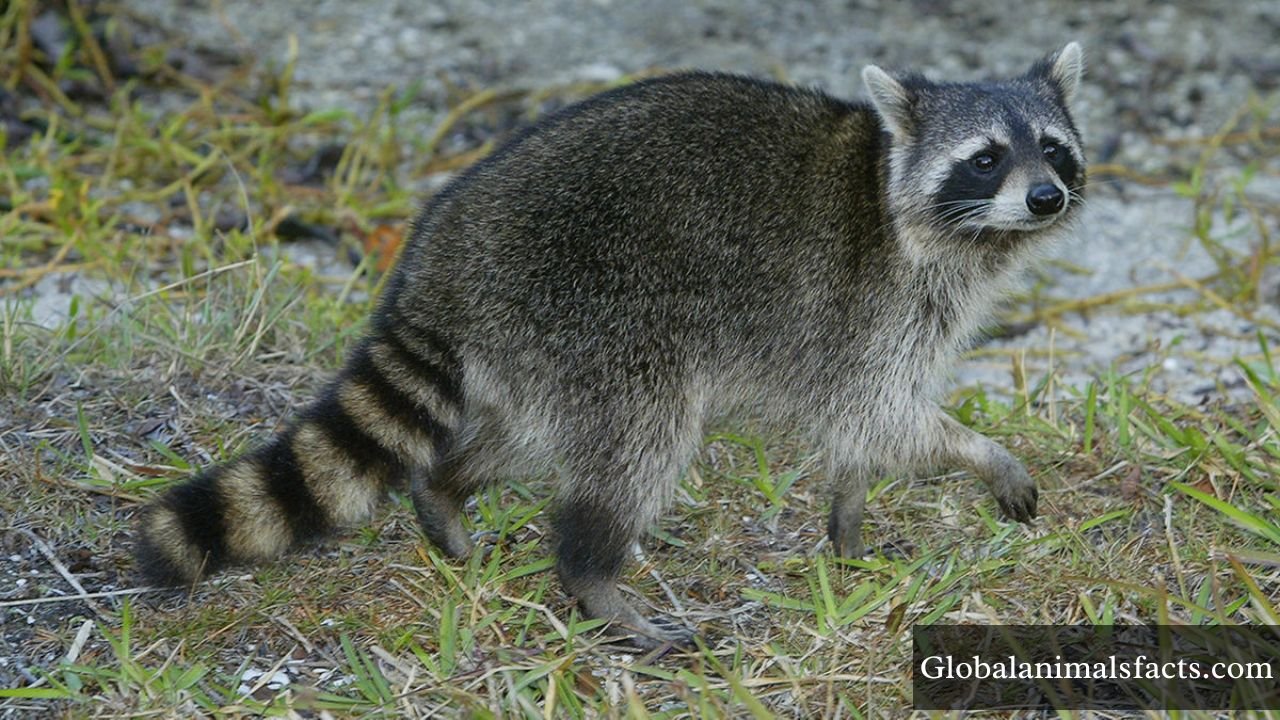
Raccoons, often regarded as the masked bandits of the animal kingdom, possess an extraordinary level of intelligence that sets them apart. Their dexterous front paws and high adaptability enable them to tackle challenges in urban environments, from opening trash cans to navigating complex obstacles. This remarkable problem-solving ability not only showcases their ingenuity but also reflects their role as opportunistic foragers, with diets that can encompass everything from fruits and nuts to discarded human food.
What truly draws attention, however, is the raccoon’s unique ‘hand-washing’ behavior. As they dip their food in water, it gives the impression of washing, a ritual that may have roots in their sensory exploration. This behavior, paired with their keen sense of touch, emphasizes a level of sensory sophistication that few mammals possess. Observing a raccoon in its element reveals a creature both curious and cunning, constantly exploring the world around it with an unquenchable thirst for discovery. Their playful nature and social dynamics contribute to a complex social structure, hinting that these clever critters are far more than mere scavengers; they are intricate players in the ecosystem, reminding us of the ever-evolving narrative of wildlife adaptation.
Penguins
Scientific Name: Aptenodytes forsteri
Class: Aves
Diet: Carnivore
One of the most remarkable traits of penguins is their extraordinary adaptability to harsh environments. These flightless birds have evolved not just for survival but for thriving in the biting cold of the Antarctic and the temperate regions of the Southern Hemisphere. Their unique body structure, with a streamlined silhouette combined with a layer of blubber beneath their feathers, allows them to navigate icy waters with agility and grace, reaching depths of over 1,800 feet to hunt for fish and krill.
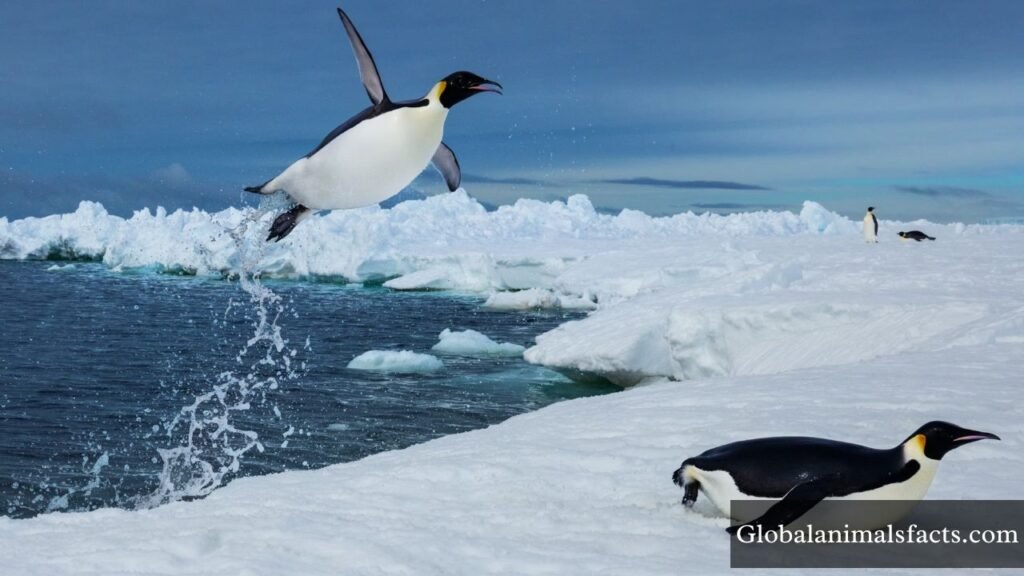
Socially, penguins are equally fascinating. They often engage in complex vocalizations and displays that foster bonds within their colonies. During breeding season, male penguins perform elaborate courtship dances, showcasing their vibrant personalities and commitment. Remarkably, these birds also practice a form of cooperative parenting, where both parents share the responsibilities of incubating eggs and feeding their chicks — a cooperative spirit that’s rare in the animal kingdom.
Dolphins
Scientific Name: Delphinus delphis
Class: Mammalia
Diet: Carnivore
Dolphins are often celebrated for their intelligence, yet their social structures reveal even more layers of curiosity. Living in complex, fluid communities called pods, these marine mammals exhibit behaviors akin to human society, including cooperation, problem-solving, and intricate communication.
Beyond their cognitive abilities, dolphins communicate through a sophisticated system of clicks, whistles, and body language, creating a tapestry of sound that conveys everything from location to emotional states. This vocal prowess allows them to coordinate hunting strategies, indicating a profound understanding of teamwork. Moreover, dolphins exhibit empathy; they have been observed aiding injured members of their pods, showcasing the depth of their social bonds.
Squirrel
Scientific Name: Sciurus vulgaris
Class: Mammalia
Diet: Omnivore
Squirrels, often seen as playful urban critters, embody a fascinating blend of intelligence and agility. These small acrobats have an extraordinary ability to navigate complex environments, thanks to their exceptional spatial memory — allowing them to remember the locations of thousands of buried nuts. Surprisingly, recent studies suggest that they can even use their sense of smell to find these hidden treasures, showcasing a level of adaptation that speaks volumes about their survival instincts.
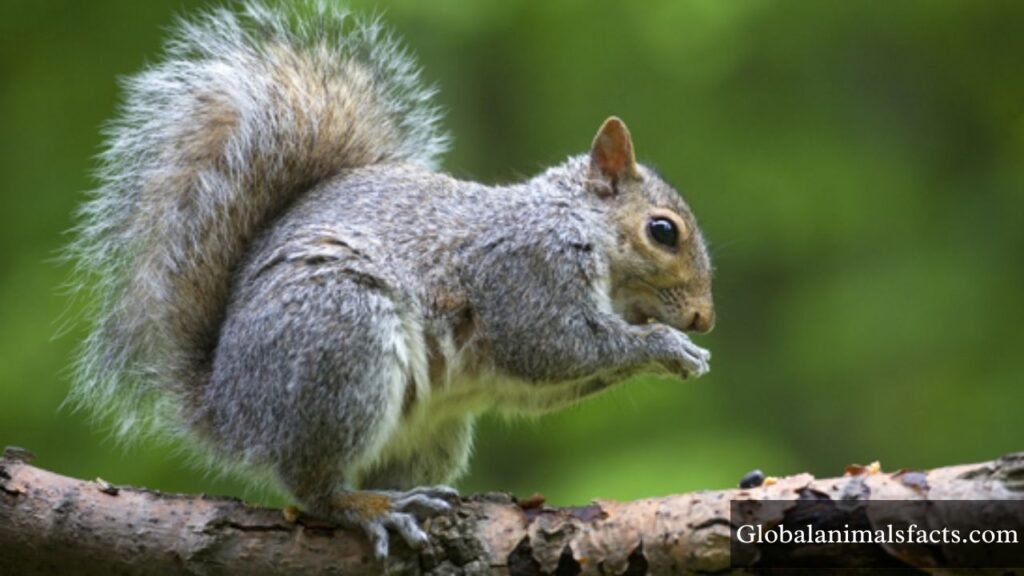
Beyond their foraging habits, squirrels exhibit intriguing social behaviors. Many species engage in playful activities that resemble social games, which not only strengthen bonds but also enhance their problem-solving skills. Observing these interactions can shed light on the importance of social dynamics in the animal kingdom, as communal living allows them to thrive in diverse environments.
Otters
Scientific Name: Lutra lutra
Class: Mammalia
Diet: Carnivore
Otters are not just playful doofuses of the animal kingdom; they are highly intelligent and social creatures with a rich tapestry of behaviors that often go unnoticed. These aquatic mammals exhibit a unique tool-using ability, a trait that only a select few animals possess. They can often be seen using stones to crack open shellfish, showcasing not only their dexterity but also their capacity for problem-solving. This cleverness extends to their social interactions, where otters demonstrate a wide range of vocalizations that help strengthen familial bonds and coordinate group activities — think of it as their own adorable underwater language!
What truly sets otters apart is their astonishing sense of play. They engage in activities that seem purely for pleasure, such as sliding down muddy slopes or playing catch with each other. This not only fosters emotional health but also sharpens skills vital for survival, such as hunting and swimming.
Giraffes
Scientific Name: Giraffa camelopardalis
Class: Mammalia
Diet: Herbivore
Giraffes, the tallest land animals on Earth, have a remarkable physiology that intrigues scientists and animal lovers alike. Their long necks, which can reach up to six feet in length, aren’t just for show; they play a crucial role in navigating their environment. With a unique vertebral structure comprising just seven cervical vertebrae — similar to humans — these gentle giants also possess a specialized cardiovascular system to manage blood flow to their brains when bending down to drink.
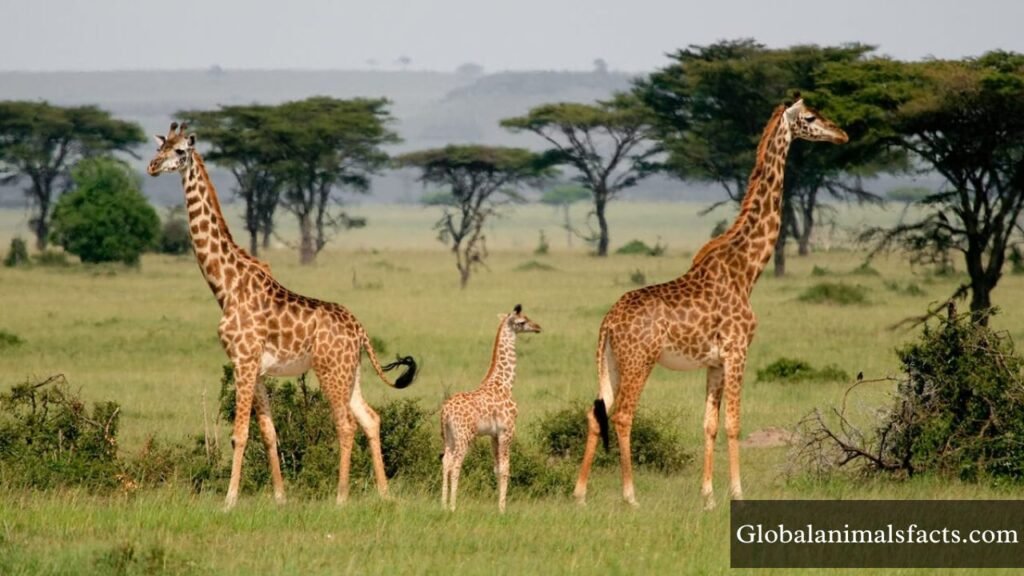
But it’s not just their height that captivates us. Giraffes communicate through a series of low-frequency sounds, previously unnoticed by human ears. This vocalization, often described as “humming,” echoes the complex social structures within herds, allowing them to maintain bonds and alert each other to potential dangers.
Axolotl
Scientific Name: Ambystoma mexicanum
Class: Amphibia
Diet: Carnivore
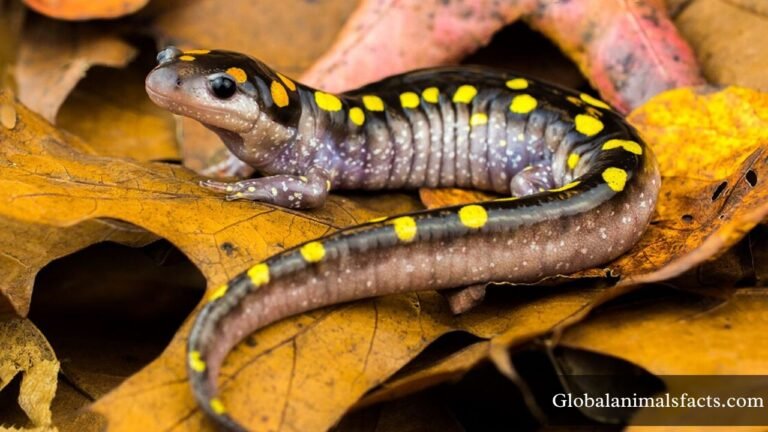
The axolotl, often dubbed the “Mexican walking fish,” is a remarkable amphibian that defies the typical life cycle of its species. Unlike most salamanders, which undergo metamorphosis, axolotls retain their larval features throughout their lives — a phenomenon known as neoteny. With feathery external gills and a charming, perpetual grin, these aquatic creatures have become icons of biodiversity and resilience.
What truly sets axolotls apart is their astonishing regenerative abilities; they can regrow limbs, parts of their heart, and even sections of their brain without scarring. This capability not only fascinates scientists but also holds potential for breakthroughs in regenerative medicine. Observing axolotls in their natural habitat, which is increasingly threatened by urban development and pollution, reveals a delicate balance of ecosystems that rely on these unique organisms for health and stability.
Crows
Scientific Name: Corvus brachyrhynchos
Class: Aves
Diet: Omnivore
Crows, often dismissed as mere scavengers, are some of the most intelligent creatures on the planet. Their ability to solve complex puzzles, use tools, and even recognize human faces showcases a level of cognitive prowess that rivals many primates. Studies have shown that these birds can plan for the future, a skill previously thought to be exclusive to humans and a handful of other species. Imagine a crow saving a tasty snack for later, or even caching multiple food sources in preparation for winter!
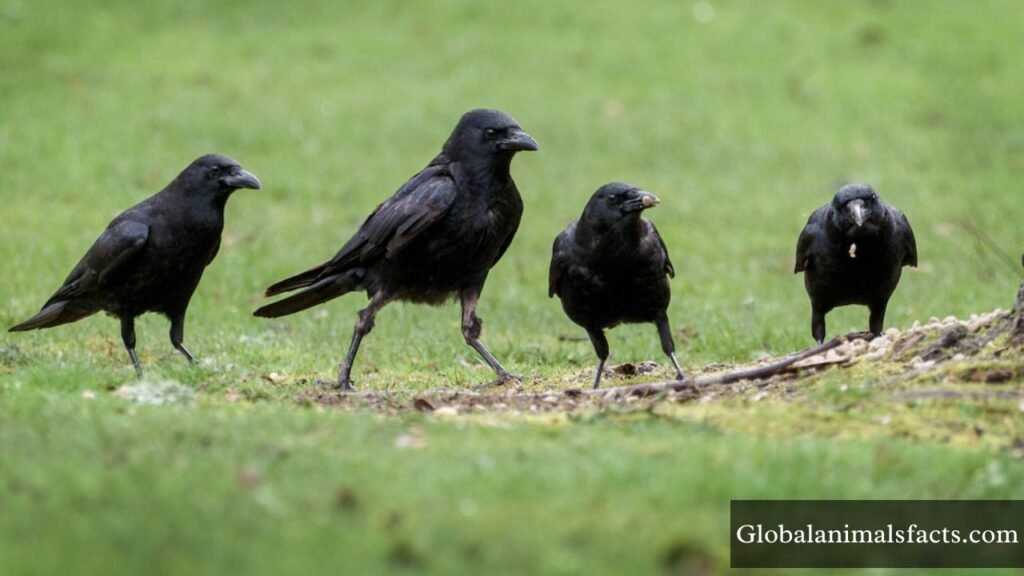
Moreover, crows possess a rich social structure, engaging in cooperative behavior that reflects their remarkable adaptability. They communicate with an intricate system of calls and gestures, allowing them to relay information about food sources or potential threats effectively. This social intelligence is particularly fascinating; crows have been observed teaming up to outsmart predators or even each other, demonstrating a complex understanding of their environment and the behavior of those around them.
Platypus
Scientific Name: Ornithorhynchus anatinus
Class: Mammalia
Diet: Carnivore
The platypus, a peculiar blend of mammal and reptile, defies categorization with its duck-bill, beaver tail, and webbed feet. Native to Australia, this enigmatic creature is one of only five extant species of monotremes, which are unique egg-laying mammals. Notably, the platypus is equipped with electroreceptors in its bill, allowing it to hunt effectively in murky waters, detecting the electric fields produced by the movements of prey. This sensory adaptation not only enhances its hunting prowess but also showcases the wonders of evolution in optimizing survival strategies.
Moreover, the platypus’s reproductive habits challenge conventional mammalian norms. Mating occurs in the water, with females laying up to three eggs, which they incubate by curling around them in their burrows. After hatching, the young are fed with nutrient-rich milk secreted through the skin — an extraordinary trait among mammals, as platypuses lack teats.
Hamster
Scientific Name: Mesocricetus auratus
Class: Mammalia
Diet: Omnivore
Hamsters, often seen as simple pets, are surprisingly complex creatures with a fascinating array of behaviors. One of their most curious traits is their habit of hoarding food. In the wild, these small rodents gather seeds and grains to store in their burrows, exhibiting an instinctive preparedness for food scarcity. Watching a hamster stuff its cheeks with a seemingly endless supply of treats is not only entertaining but also a reminder of their resourceful nature.
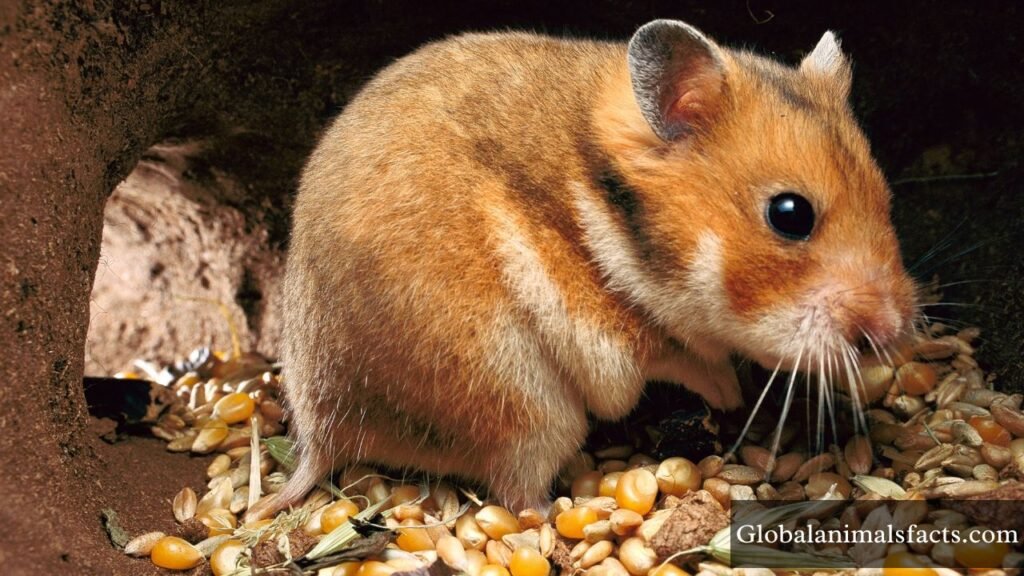
Social interactions among hamsters can also be intriguing. While many believe them to be solitary animals, some species, like the Campbell’s dwarf hamster, benefit from social living and engage in playful behaviors that showcase their intelligence. Their communication styles, from squeaks to subtle body language, reveal a rich tapestry of social dynamics that often goes unnoticed.
Spider
Class: Arachnida
Diet: Carnivore
Spiders, often shrouded in fear and fascination, are extraordinary architects of the animal kingdom. With over 48,000 known species, these eight-legged wonders showcase an astonishing diversity in form and function. Among them, the intricate webs of orb-weavers reveal a perfect blend of geometry and engineering, designed not just for trapping prey, but for adapting to environmental conditions. Some spiders can even produce silk that is stronger than steel, demonstrating a remarkable evolutionary advantage that has captivated scientists for generations.
Delving deeper, the social structures of certain spider species, like the communal spider in Africa, challenge the stereotype of the solitary arachnid. These communal spiders build sprawling webs together, exhibiting cooperative hunting strategies and nurturing behaviors that mirror those seen in social insects like bees. Beyond their silk-spinning prowess, spiders display remarkable hunting techniques that reflect their adaptability. The trapdoor spider, for instance, crafts a camouflaged entrance to its underground lair, pouncing on unsuspecting prey that wander too close. This stealthy predation not only demonstrates patience and strategic planning but also emphasizes the spider’s ability to blend seamlessly into its environment.
Readmore: Explore Top 25 Scavenger Animals.
Conclusion
The diverse array of curious animals showcases the incredible ingenuity and resilience of life on Earth. Each species, with its peculiar habits and remarkable adaptations, offers insights that challenge our perceptions and encourage a deeper appreciation for the natural world. By observing and studying these fascinating creatures, we not only learn more about their ecosystems but also about our own role in preserving them. As we continue to explore the mysteries of the animal kingdom, let’s commit ourselves to fostering a more compassionate and sustainable relationship with all living beings. Join the movement to protect these amazing animals and their habitats for future generations to enjoy.
FAQs
What is the most curious animal in the world?
One of the most curious animals in the world is the octopus. These fascinating creatures are known for their intelligence and problem-solving abilities. With their ability to manipulate objects using their eight flexible arms, they often explore their surroundings and engage in playful behavior, such as hiding in shells or playing with toys.
What animal is smart and curious?
Dolphins are often highlighted for their intelligence and curiosity. They exhibit complex social behaviors, communicate through a variety of sounds, and can solve problems. Their playful nature shows a genuine curiosity about their environment, often interacting with boats and humans.