Top 22 Mischievous Animals (With Pictures)
Mischievous animals are not just a source of entertainment; they challenge our understanding of intelligence and adaptability in the wild. In this article, we’ll dive into the playful antics of these rogue critters, exploring their impact on ecosystems and human interactions. By the end, you’ll not only appreciate the charm of these pranksters but also discover how they reflect broader themes of survival and social behavior in the animal kingdom.
List of Mischievous Animals
Here is the list of most mischievous animals in the world:
- Cats
- Goats
- Seagulls
- Pigs
- Elephants
- Crows
- Capuchins
- Ravens
- Ferrets
- Macaques
- Dogs
- Dolphins
- Fox
- Chimpanzees
- Raccoons
- Squirrels
- Bears
- Parrot
- Otters
- Coyotes
- Magpie
- Rat
Cats
Scientific Name: Felis catus
Class: Mammalia
Diet: Carnivore
Cats are nature’s little ninjas, masters of stealth and surprise, and their playful antics often blur the line between adorable and mischievous. Whether it’s stealthily pouncing on a rogue piece of string or launching a surprise attack on an unsuspecting human’s foot, their antics keep us on our toes. This playful behavior isn’t just about fun; it’s rooted in their predatory instincts, allowing them to hone their hunting skills even in the safety of our homes.
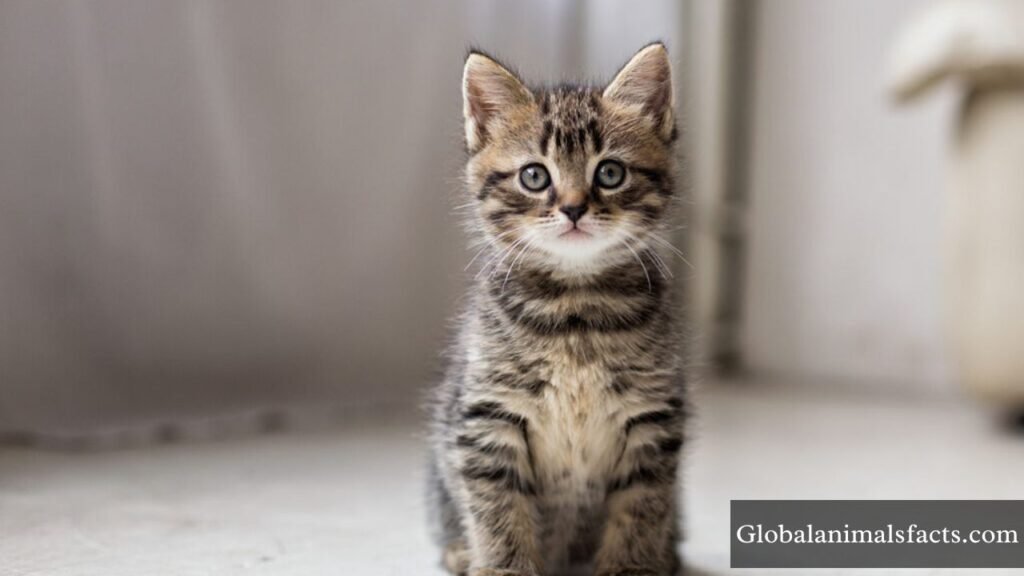
But the mischief doesn’t stop there; cats exhibit a curious knack for exploring the boundaries of their environments. Consider how they seem to knock over every object on a shelf just to test gravity — or perhaps to remind us of their superior intellect. This seemingly random chaos reveals their inquisitive nature and problem-solving abilities, highlighting a complex interplay of curiosity and cleverness that often leaves us both exasperated and amused.
Beyond their playful demeanor, cats can also sense our emotions, often using their mischievous behavior to lighten the mood or draw us out of a funk. When they curl up on a pile of paperwork or knock over your coffee, it’s as if they’re saying, “Let’s take a break from the seriousness of life!” This unique blend of charm, independence, and intelligence makes cats irreplaceable companions, reminding us that sometimes, a little mischief is exactly what we need to spark joy in our lives.
Goats
Scientific Name: Capra aegagrus hircus
Class: Mammalia
Diet: Herbivore
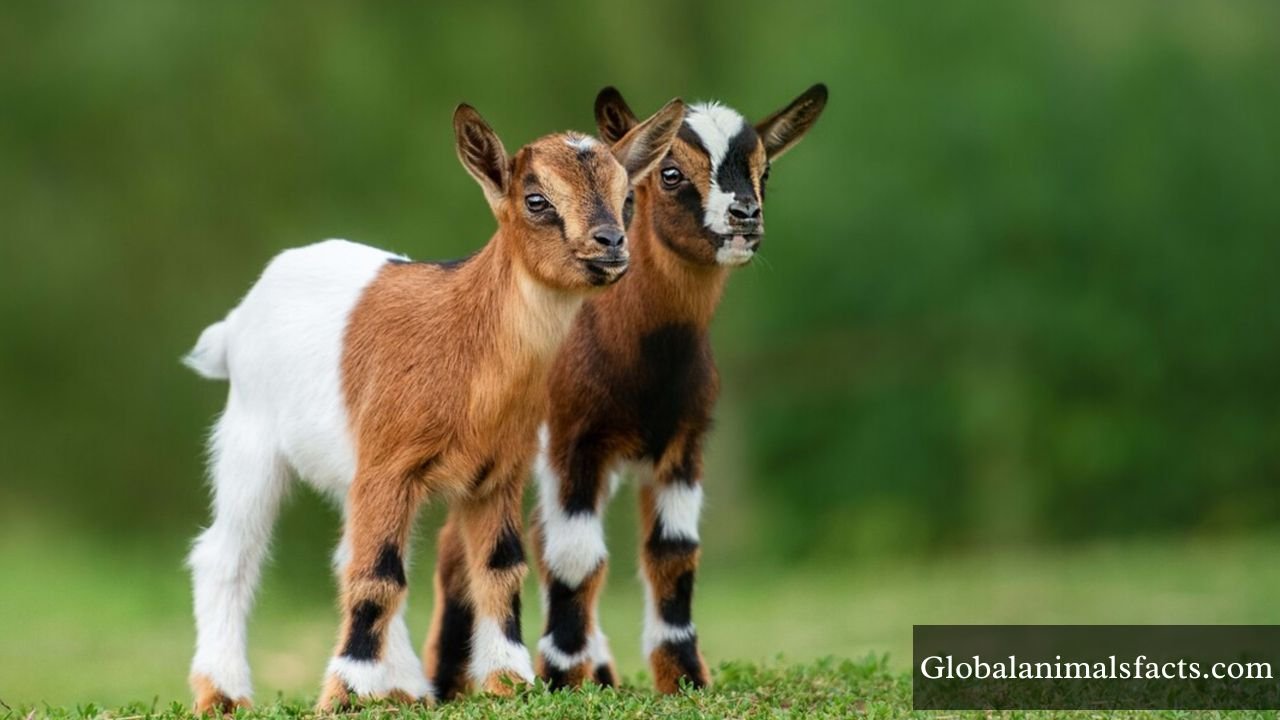
Goats have long earned their reputation as the pranksters of the animal kingdom, embodying a free-spirited nature that keeps both farmers and enthusiasts on their toes. With their curious personalities and agile bodies, they seem to relish in creating chaos wherever they roam. From cheekily nibbling on laundry left out to dry to playfully scaling structures that even a seasoned climber would avoid, goats constantly challenge the boundaries of their environment — and our expectations.
What sets goats apart is their remarkable intelligence and ability to solve problems, often leading to surprisingly strategic antics. They can maneuver through complex obstacles, utilizing their nimble legs to execute daring feats like jumping fences or escaping enclosures. Beyond mere mischief, these clever creatures wield a unique form of social influence, using their antics to bond with each other and form hierarchical relationships within their herds. This social playfulness invites us to reflect on the nuances of animal behavior and the intricate dynamics of their communities.
Seagulls
Class: Aves
Diet: Omnivore
Seagulls, often perceived as mere beachside nuisances, are masters of mischief with a cunning intelligence that can leave even the most seasoned beachgoer astounded. These birds possess an uncanny ability to adapt to human environments, seamlessly blending their natural instincts with urban antics. Whether it’s snatching a chip right out of a child’s hand or orchestrating a coordinated dive-bombing strategy to swipe unsuspecting picnicker’s lunches, seagulls are not just scavengers; they’re opportunistic pranksters that add a splash of unpredictability to coastal life.
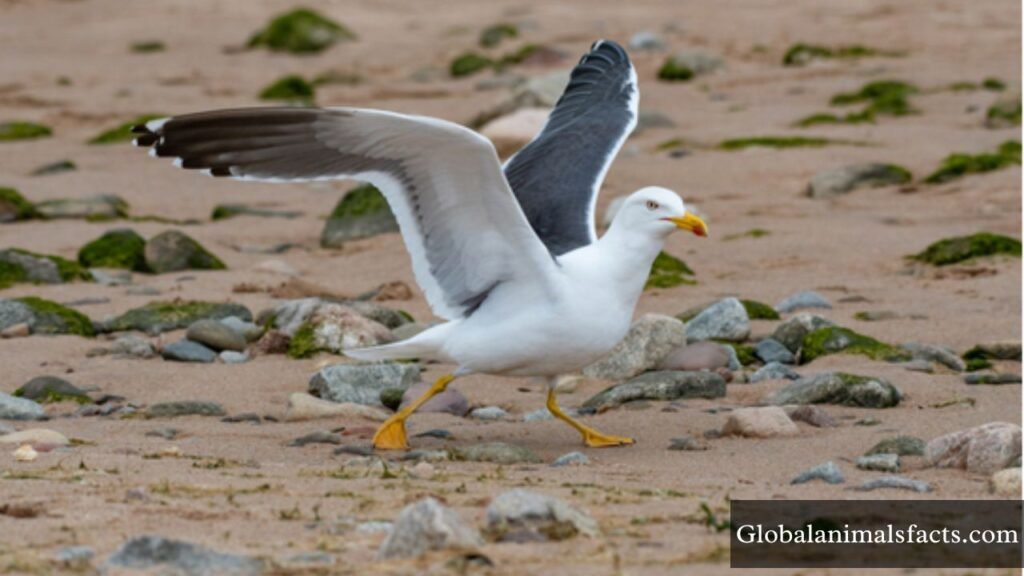
The cleverness of seagulls extends beyond their dining escapades. Recent studies have shown that these feathered tricksters can recognize individual humans, learning which beachgoers are likely to share their snacks and which ones are potential threateners with their waving arms and shooing motions. This remarkable social intelligence can lead to aerial ballet performances where gulls deftly maneuver around the beach, playfully taunting those who attempt to fend off their advances.
You can also read: Explore Top 28 Energetic Animals in The World.
Pigs
Scientific Name: Sus scrofa domesticus
Class: Mammalia
Diet: Omnivore
Pigs are often unfairly stereotyped as dirty creatures, yet they possess an intelligence and curiosity that rivals many household pets. These social animals revel in escapades, showcasing their mischievous side through clever tactics. From expertly nudging open gates to stealing snacks from unsuspecting humans, pigs have a talent for getting into trouble. Their innate problem-solving abilities mean that, while they might be seen as plump bundles of fun, they are, in fact, cunning little adventurers at heart.
Beyond their playful antics, pigs also communicate in hilariously human-like ways. They engage in playful games with each other, displaying a sense of joy that can brighten anyone’s day. Whether it’s frolicking in mud puddles or engaging in an impromptu chase, their lively spirit reflects a complex social structure and emotional depth that often goes unnoticed.
Elephants
Scientific Name: Loxodonta africana / Elephas maximus
Class: Mammalia
Diet: Herbivore
Elephants are renowned for their intelligence, but their playful mischief often steals the spotlight. These majestic giants are known to engage in antics that would make any prankster proud. From subtly shifting rocks to create obstacles for unsuspecting visitors to playfully spraying water at their companions, their cleverness reveals a playful side rarely seen in the animal kingdom. Observing them, one might see an elephant purposely toppling a tree, not out of necessity, but rather to watch the ensuing chaos and react with joy.
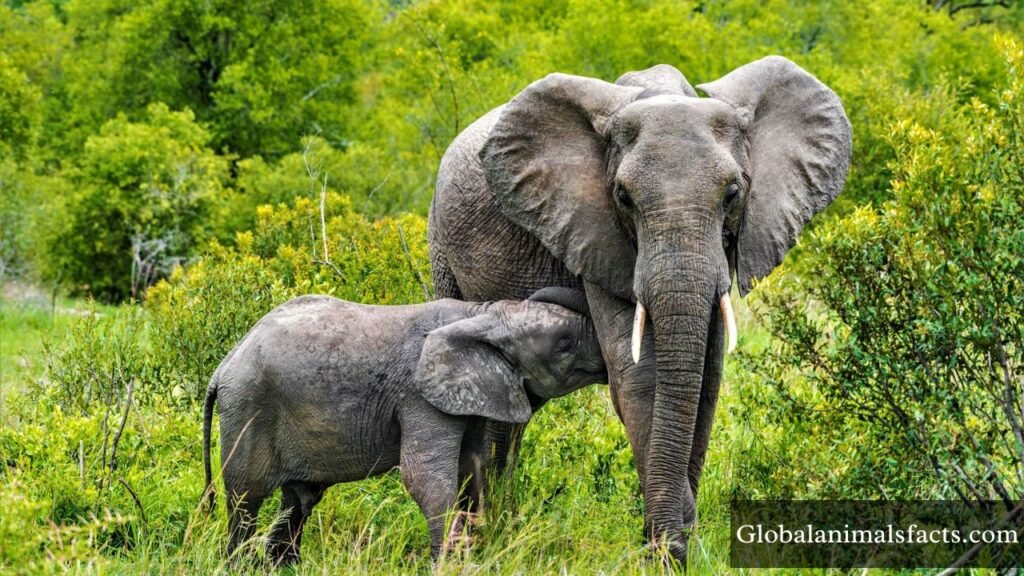
Interestingly, elephants also display a remarkable sense of timing when it comes to their playful pranks. When a younger elephant tips over a mud wallow, it’s often met with raucous trumpets from the elders — a form of encouragement that blends social bonding and playfulness. Furthermore, their interactions with other species often carry a mischievous flair: they’ve been observed stealing fruit from unsuspecting humans or engaging in playful chases with smaller animals.
Crows
Scientific Name: Corvus brachyrhynchos
Class: Aves
Diet: Omnivore
Crows are often celebrated for their remarkable intelligence, but their mischievous nature takes their cleverness to a whole new level. These feathered pranksters have been known to steal shiny objects, not just for their aesthetic appeal but to engage in a kind of play that showcases their problem-solving skills. Observing a crow pilfering a car’s reflective hubcap or gleefully moving a child’s toy can feel like watching a small heist unfold. This behavior isn’t random; it’s a clever tactic rooted in their curiosity and playful social dynamics.
Moreover, crows demonstrate a unique understanding of cause and effect — an attribute that few animals exhibit. They use tools, such as sticks, to extract insects from tree bark or drop heavy nuts onto roads for cars to crack open. What makes this even more fascinating is their ability to learn from one another. Younger crows often watch and imitate the older ones, creating a shared intelligence that evolves across generations. This rich social fabric not only reveals their cunning but also hints at a community-oriented mindset, where mischief transforms into a method for survival and bonding.
Capuchins
Class: Mammalia
Diet: Omnivore
Capuchins are the charming little rascals of the primate world, often stealing the show with their cheeky antics and undeniable intelligence. Found primarily in Central and South America, these monkeys possess a knack for problem-solving that often borders on the mischievous. Their curious nature drives them to explore their environments with an insatiable appetite for interaction, whether it’s swiping a snack from an unsuspecting picnicker or cleverly using tools to obtain hard-to-reach food. Observing their playful interactions can feel like watching a live theater performance, as they engage in playful banter, chase one another through the treetops, and engage in elaborate games of hide-and-seek.
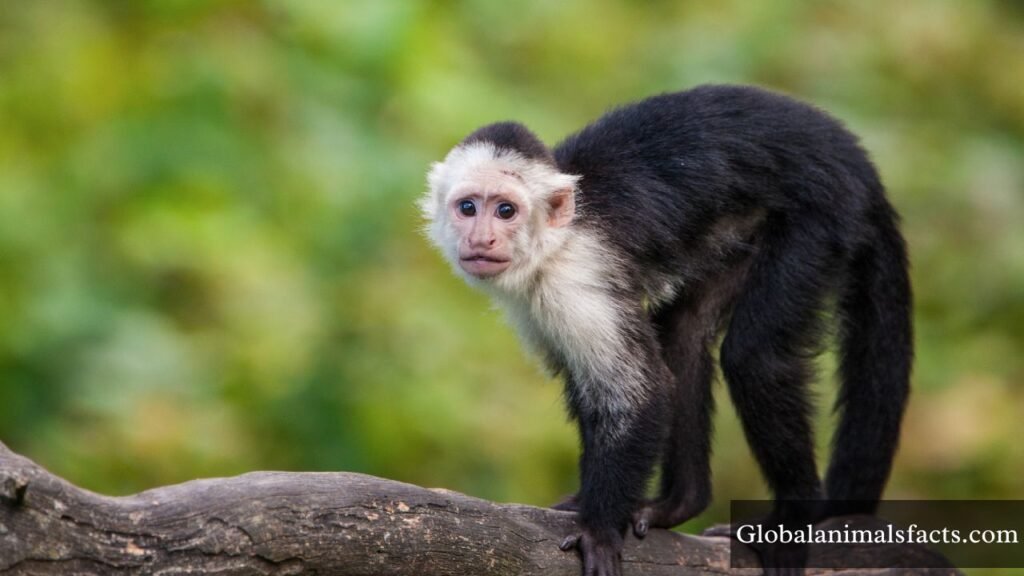
What sets capuchins apart from other primates is their remarkable social structure, which allows them to thrive in close-knit groups. These interactions are filled with a sense of mischief; they often play pranks on their companions, showcasing a rarely seen side of animal intelligence and behavior. This playful spirit is not just for entertainment; it plays a vital role in bonding and learning within their community.
Ravens
Scientific Name: Corvus corax
Class: Aves
Diet: Omnivore
Ravens are more than just black-feathered creatures; they are the ultimate tricksters of the animal kingdom. Known for their intelligence, these birds can solve complex problems and even use tools, showcasing a level of cognitive sophistication that rivals some primates. Observations reveal that ravens are not just scavengers; they engage in elaborate play, often stealing shiny objects or even playing games with each other, hinting at a deep understanding of their environment and social dynamics.
What’s truly fascinating is how ravens interact with humans, often leading to playful acts of mischief. They have been seen hiding food from one another and then pretending to leave it unguarded, all to observe a rival’s reaction. This intricate behavior suggests that they possess a sense of deception and cunning that adds an intriguing layer to their already rich behavioral repertoire.
Ferrets
Scientific Name: Mustela furo
Class: Mammalia
Diet: Carnivore
Ferrets, with their sleek bodies and sprightly antics, are the mischief-makers of the animal kingdom. These clever creatures possess an innate curiosity that often leads them to explore the most unexpected corners of their surroundings. From burrowing into laundry baskets to stealthily raiding food cabinets, their playful spirit can turn any environment into an adventurous playground. Their ability to easily squeeze into tight spaces not only showcases their agility but also invites owners into a game of hide-and-seek that can last for hours.
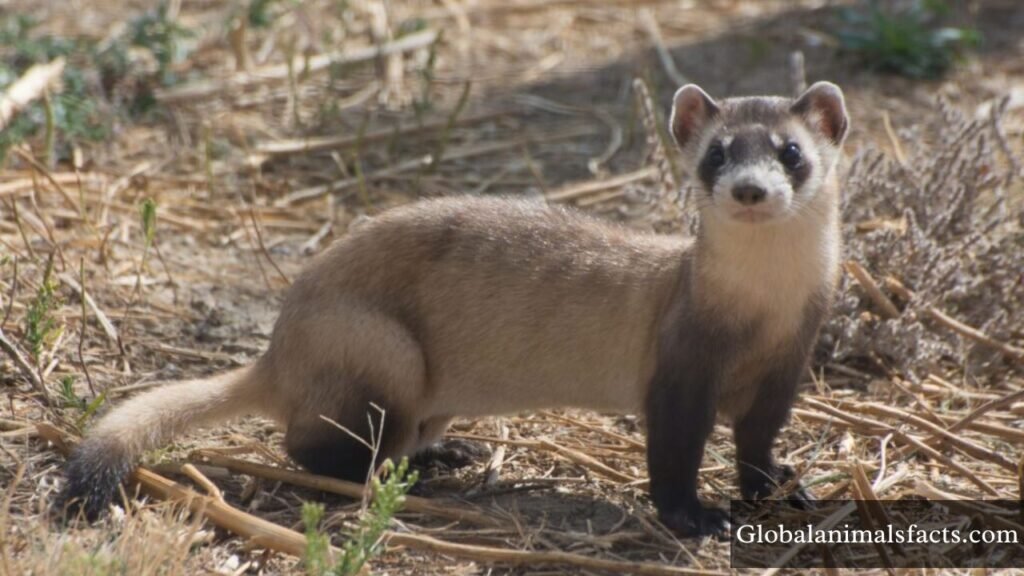
One of the most entertaining aspects of ferret behavior is their propensity for social play. Unlike many pets, ferrets engage in elaborate wrestling matches, often launching themselves into the air with acrobatic flips, only to tumble into a pile of giggling fuzz. This playful nature fosters strong bonds with their human companions and even other pets. Interestingly, ferrets also demonstrate a unique form of communication through their signature “dooking” sounds — a series of clucks and grunts that express excitement and delight. It’s a sound that, once heard, becomes impossible to forget, drawing you further into their world of playful chaos.
Macaques
Class: Mammalia
Diet: Omnivore
Macaques are the quintessential tricksters of the animal kingdom, boasting a remarkable blend of intelligence and curiosity that often leads them into delightful mischief. Found across various regions, from the snowy heights of the Himalayas to the lush forests of Japan, these adaptable primates have cultivated a reputation as adept problem solvers. Observers often notice their playful antics, whether it’s snatching food from unsuspecting tourists or devising elaborate plans to outsmart rivals. This resourcefulness speaks to their evolution; it’s not just about survival, but also about mastering their environment in the most entertaining ways possible.
What sets macaques apart is their complex social structures, where hierarchy and relationships can fuel their penchant for mischief. They engage in playful behaviors that not only strengthen bonds within their groups but also allow them to experiment with social dynamics. For instance, younger macaques may mimic older ones, creating a learning environment filled with trial and error that’s rich in humor as well as strategy.
Dogs
Scientific Name: Canis lupus familiaris
Class: Mammalia
Diet: Omnivore
Dogs, with their boundless energy and playful spirits, often embody mischief in the most endearing ways. Picture a golden retriever stealthily sliding toward a picnic table, eyes gleaming with mischief as he skillfully nudges a sandwich off the edge, then bolts away in a flurry of fur and laughter. Their antics go beyond simple theft; dogs possess an uncanny ability to turn everyday moments into unforgettable escapades, leaving us in stitches as we reinterpret both their intentions and our reactions.
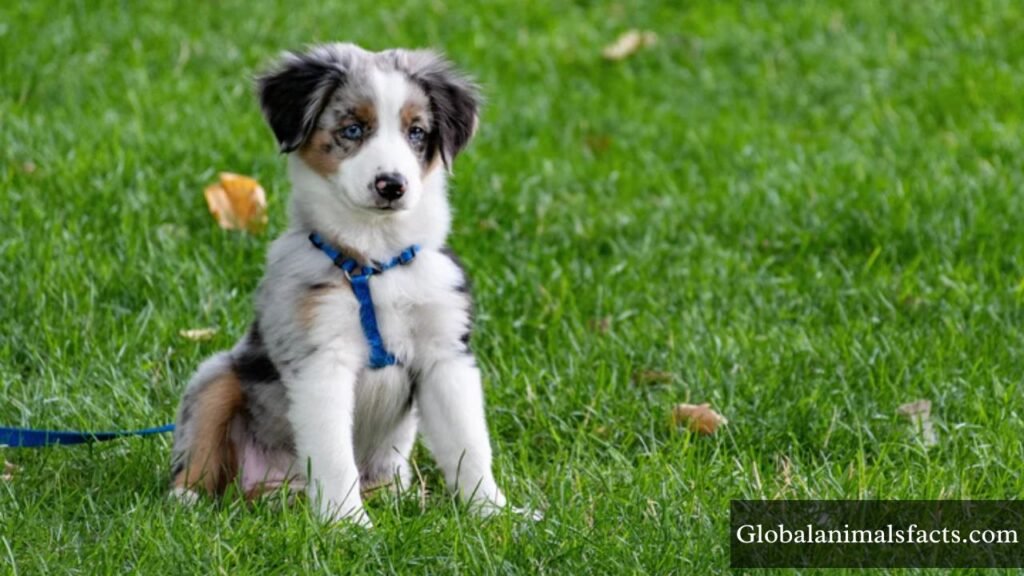
What makes this playful behavior even more fascinating is the underlying intelligence behind it. Dogs are natural problem solvers, and their mischievous acts often stem from a combination of curiosity and a desire for social interaction. When a beagle pulls apart the couch cushions or a pug flips over the trash can, it’s not just chaos; it’s a testament to their eagerness to explore their environment and engage with their humans. In a way, these antics invite us to remember the joys of spontaneity and playfulness, encouraging a lifelong bond that thrives on shared laughter and unexpected surprises.
Dolphins
Scientific Name: Delphinidae
Class: Mammalia
Diet: Carnivore
Dolphins, often hailed as the clowns of the ocean, showcase an intriguing blend of intelligence and playfulness that captivates observers. These marine mammals engage in a variety of playful behaviors, from surfing on waves to playing games of tag with each other and even humans. What’s more fascinating is their penchant for mischief; dolphins have been known to playfully nip at boats or tease other marine animals, demonstrating a playful curiosity about their surroundings.
Recent studies suggest that this behavior isn’t just for amusement — it’s a vital part of their social interactions. By engaging in playful antics, dolphins strengthen social bonds within pods and develop their cognitive skills. Moreover, their playful nature serves as a reflection of their sophisticated communication abilities; they utilize clicks and whistles not just for echolocation but also for sharing playful moments with one another. This unique combination of intelligence, social connection, and mischief makes dolphins not just incredible animals but also symbols of joy in the vast oceanic playground.
Fox
Scientific Name: Vulpes vulpes
Class: Mammalia
Diet: Omnivore
The fox, with its striking red fur and cunning demeanor, embodies the spirit of mischief in the animal kingdom. These clever canines have an uncanny ability to adapt to various environments, from urban landscapes to remote woodlands, displaying a unique intelligence that often puts them a step ahead of both prey and predator. Observers frequently note the playful antics of foxes, whether they’re leaping through freshly fallen snow or engaging in a spirited game of chase with their kits. This innate playfulness isn’t just for fun; it serves as an essential component of their social structure, helping young foxes develop the skills they’ll need for survival.
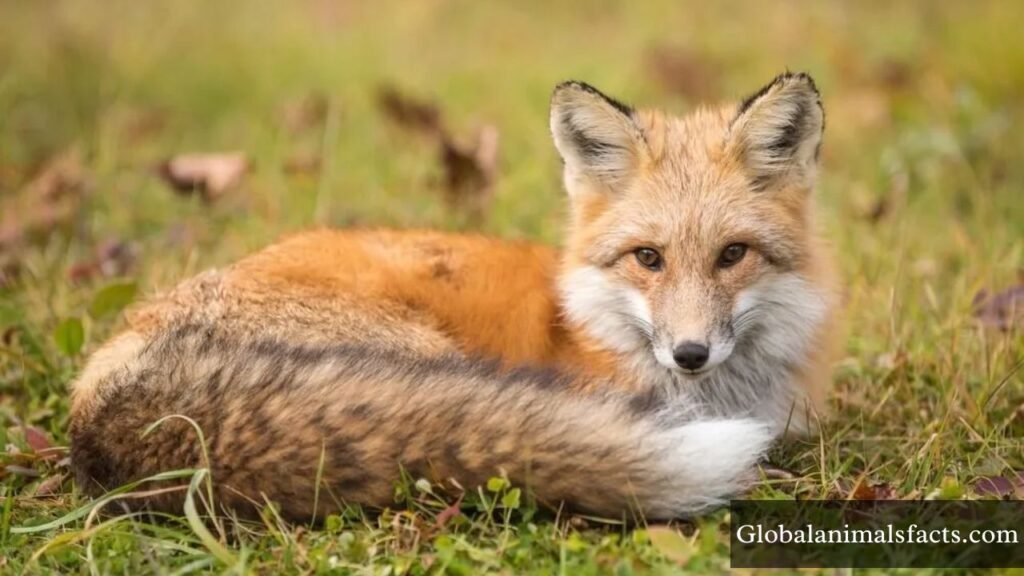
Moreover, foxes have a reputation for being resourceful foragers, often employing elaborate strategies to outsmart their food sources. They’ve been known to feign injury or divert attention away from hidden caches to deceive rival scavengers. This cleverness extends to their social interactions as well; in packs, they communicate through a series of vocalizations and body language, showcasing a sophisticated level of social intelligence and cooperation.
Chimpanzees
Scientific Name: Pan troglodytes
Class: Mammalia
Diet: Omnivore
Chimpanzees, often regarded as the most intelligent of our closest relatives, have a knack for mischief that can both entertain and astonish. Their playful antics reveal a profound understanding of their environment, allowing them to devise clever strategies to steal food or pull pranks on their companions. For instance, researchers have documented instances where chimps use tools not only for foraging but also to navigate complex social dynamics, exhibiting behaviors that hint at a delightful sense of humor. Imagine a troop where the alpha male, after a successful raid on a food stash, inadvertently spills the goods, only to watch as the younger members gleefully engage in a hilarious scramble.
Moreover, their playful nature isn’t merely a reflection of joy; it serves critical social functions. Mischievous play fosters bonding among chimps, allowing them to establish hierarchies and strengthen alliances. Observations reveal that these playful skirmishes, often resembling elaborate games of tag, promote cooperation and conflict resolution within the group. The capacity for mischief in chimpanzees showcases their complex emotional intelligence, providing a fascinating glimpse into the depths of their social lives that often mirror our own.
Raccoons
Scientific Name: Procyon lotor
Class: Mammalia
Diet: Omnivore
Raccoons, often dubbed the “bandits of the night,” exhibit a remarkable blend of intelligence and mischief that leaves both awe and exasperation in their wake. With clever little hands resembling those of toddlers, these creatures excel at manipulating objects, often raiding trash cans or squeezing into cleverly secured spaces. Their dexterous paws not only allow them to forage for food but also showcase a level of problem-solving that rivals many domesticated animals. It’s no wonder raccoons have earned a reputation not just for stealing food, but for outsmarting the very traps set to catch them.
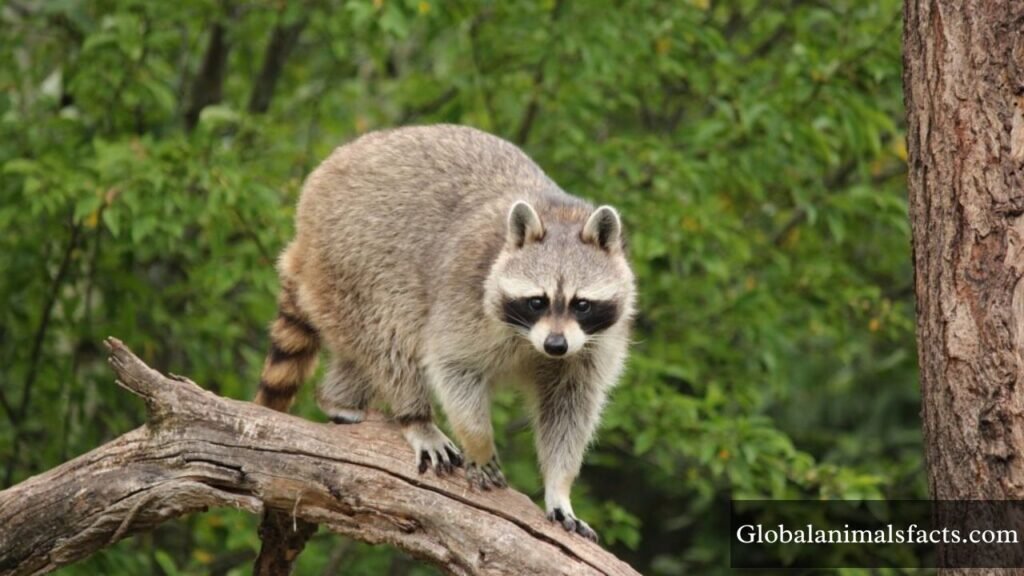
Beyond their notorious scavenging habits lies a fascinating social structure. Raccoons are surprisingly social animals, often seen forming family groups or foraging in pairs, which hints at a level of cooperation and communication that researchers are only beginning to understand.
Squirrels
Scientific Name: Sciuridae
Class: Mammalia
Diet: Omnivore
Squirrels are nature’s little acrobats, showcasing a blend of agility and cunning that keeps them one step ahead of both predators and humans. Their seemingly endless energy bursts make them expert navigators of parks and gardens, darting from trees to rooftops with a playful bounce. Whether it’s a daring leap from a branch or an impressive balancing act on a power line, these furry tricksters never fail to entertain.
But squirrels are not just show-offs; they’re strategic thinkers too. Observations reveal that they employ a technique called “deceptive caching,” where they fake bury nuts to throw off potential robbers. This playful ruse underlines their intelligence and adaptability, proving that these agile creatures thrive on more than just instinct.
Bears
Scientific Name: Ursidae
Class: Mammalia
Diet: Omnivore
Bears, often embodying a rugged majesty, also possess a surprisingly playful side that reveals their mischievous nature. From rummaging through campgrounds in search of forgotten snacks to their acrobatic antics while climbing trees, these massive creatures can display a surprising level of curiosity and intelligence. For instance, researchers have documented black bears using tools, such as sticks, to extract insects from hard-to-reach places — a testament to their remarkable problem-solving skills.
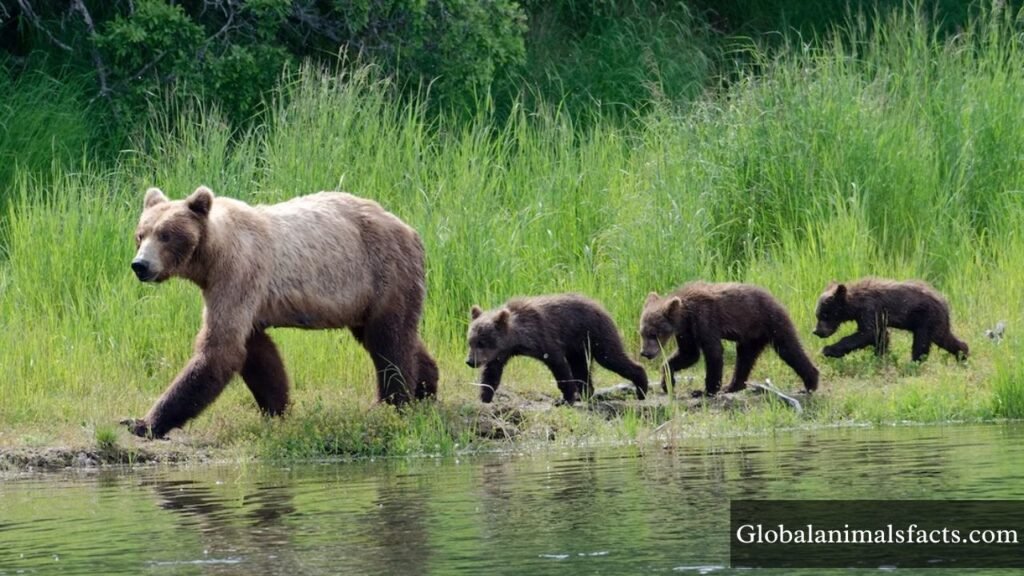
But it’s not just their resourcefulness that captivates observers; it’s also their playful interactions. Watch closely, and you might spot a bear rolling down a snowy slope or play-fighting with its cubs. These moments highlight the softer side of bears, countering the formidable image society often holds.
Parrot
Scientific Name: Psittaciformes
Class: Aves
Diet: Herbivore / Omnivore
Parrots are the pranksters of the animal kingdom, a colorful blend of wit and charm. These feathered comedians have an uncanny ability to mimic sounds and speech, often using their vocal talents to play tricks on unsuspecting humans. Imagine waking up to the unmistakable sound of a doorbell or a phone ringing, only to discover it’s your mischievous parrot at work. This clever mimicry not only entertains but also speaks to their sharp intelligence and social nature.
In the wild, parrots display their playful spirit by engaging in games with one another, often swinging from branches or chasing each other through the trees. Their antics aren’t just for fun; these playful interactions help build bonds within flocks. Whether it’s tossing objects or imitating the calls of other birds, their mischievous behavior serves as both entertainment and a vital social tool, highlighting their need for connection and stimulation.
Otters
Scientific Name: Lutrinae
Class: Mammalia
Diet: Carnivore
Otters are the epitome of mischief in the animal kingdom, captivating observers with their playful antics. These agile swimmers often engage in audacious games, sliding down muddy banks and frolicking on ice, showcasing their boundless energy and curiosity. Beyond their antics, otters possess a remarkable intelligence that allows them to use tools, such as using rocks to crack open shellfish — a behavior that reflects both dexterity and creativity. Witnessing an otter juggling a pebble or playfully tossing a fish demonstrates the surprising complexities of their social interactions and problem-solving skills.
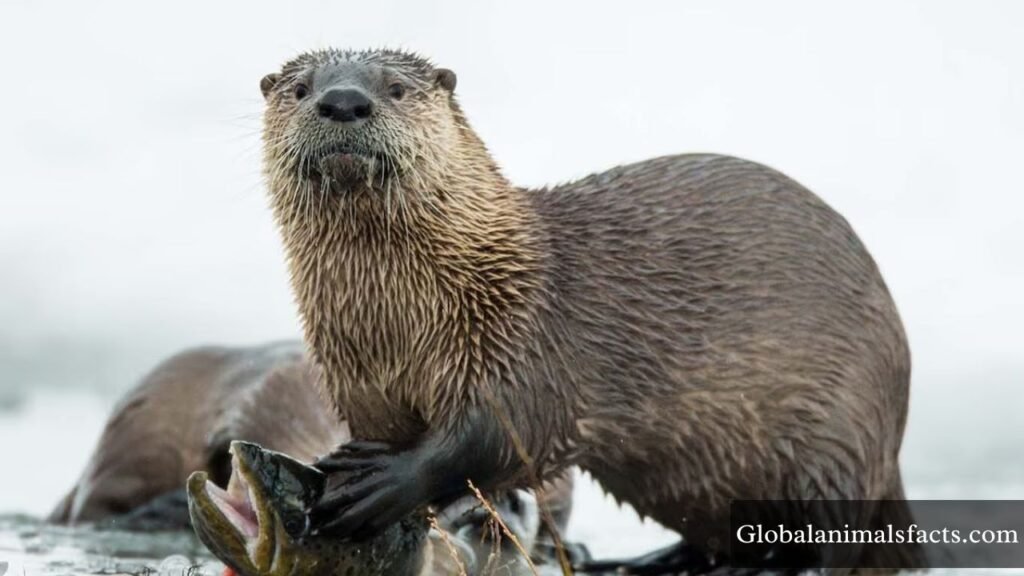
Social creatures at heart, otters revel in communal play, often forming tight-knit family groups called rafts. This bond goes beyond mere companionship; it’s an essential part of their survival strategy, as they work together to hunt, groom, and even share their food. Their endearing habit of holding hands while sleeping, known as rafting, ensures that they stay connected, showcasing an emotional depth that resonates with human observers. It’s this blend of playful mischief and profound social behavior that makes otters not just entertaining but also a reminder of the intricate connections that exist in nature.
Coyotes
Scientific Name: Canis latrans
Class: Mammalia
Diet: Omnivore
Coyotes, often celebrated as the clever tricksters of the animal kingdom, possess an innate adaptability that makes them masters of survival. In urban landscapes, they’ve become experts at navigating human environments, with a knack for scavenging from trash bins or raiding gardens. This shrewdness not only showcases their intelligence but also serves as a reminder of nature’s resilience, illustrating how wildlife can thrive amidst human encroachment.
What truly sets coyotes apart is their social dynamics. They often form loose packs, allowing for cooperative hunting and playful interactions that can resemble an intricate game of strategy. Observing these playful antics reveals a surprising depth of personality; coyotes engage in mock wrestling or chase each other with a buoyant energy that belies their reputation as solitary hunters.
Magpie
Scientific Name: Pica pica
Class: Aves
Diet: Omnivore
Magpies, with their striking black and white plumage, are not merely birds of beauty; they are delightfully mischievous tricksters capable of captivating human curiosity. Known for their intelligence and playful antics, these feathered pranksters have earned a reputation for stealing shiny objects. But this behavior is not merely a penchant for theft; it reflects their sophisticated cognitive skills and social dynamics. In fact, magpies exhibit problem-solving abilities on par with some primates, using cunning tactics to outsmart their competitors and even humans.
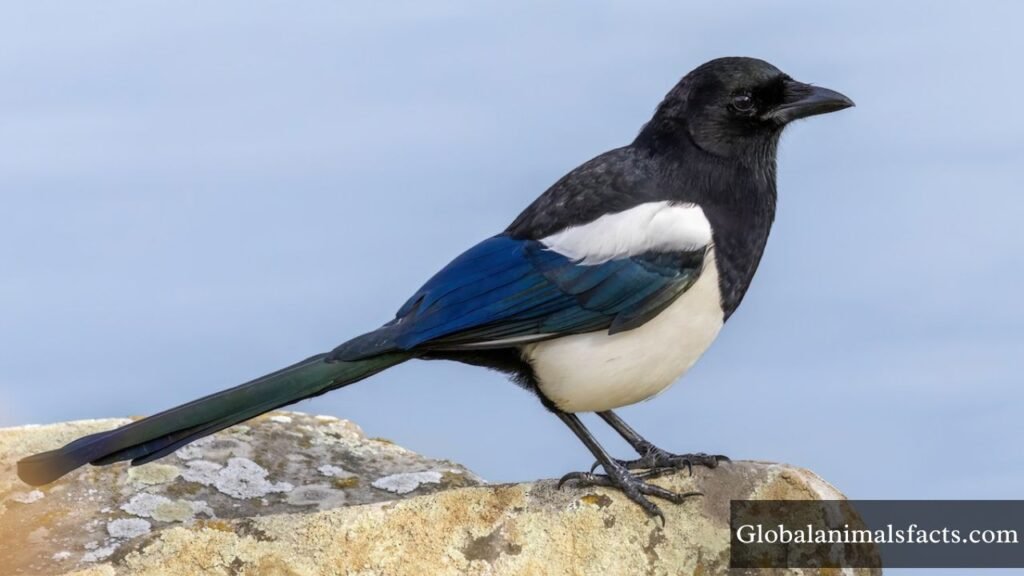
Beyond their love for glimmering trinkets, magpies demonstrate a surprisingly complex social structure. They engage in playful interactions with one another, often forming strong bonds that can last for years. Observing magpie societies reveals a lively tableau of communication; their varied calls can express everything from alarm to playful banter. These vocalizations underscore their intelligence and adaptability in different environments.
Rat
Scientific Name: Rattus rattus / Rattus norvegicus
Class: Mammalia
Diet: Omnivore
Rats often get a bad rap, but these clever little creatures are remarkably resourceful. With their nimble bodies and sharp minds, they’ve adapted to thrive in diverse environments, from urban alleyways to remote fields. They exhibit a mischievous charm, often seen exploring their surroundings with a playful curiosity that rivals any household pet. Ever watch a rat navigate a maze? Their problem-solving skills are impressive, showcasing a level of intelligence that continuously surprises researchers.
Beyond their antics, rats have a strong social structure, displaying complex behaviors like empathy and cooperation. They communicate with each other using a variety of vocalizations, creating a sophisticated social network. Interestingly, it’s been found that rats can even laugh when they’re tickled — delighted squeaks that are their version of joy. This playful nature can shift our perspective, reminding us that behind their notorious reputation, there’s a vibrant and engaging world teeming with life.
Readmore: Explore Top 25 Arboreal Animals in The World.
Conclusion
Mischievous animals remind us of the unpredictable and often humorous side of wildlife. Whether it’s a raccoon snatching food from an unsuspecting picnic or a playful puppy hiding its owner’s shoes, these antics can bring joy and laughter to our lives. Their playful behavior often highlights their intelligence and adaptability, showcasing how they navigate their environment in amusing ways. As we observe these creatures, we are encouraged to appreciate their playful spirits and recognize the important roles they play in our ecosystems. So next time you encounter a mischievous critter, take a moment to admire their cleverness and embrace the fun they bring to our world.
FAQs
What animal is known for mischief?
One animal often associated with mischief is the raccoon. These clever creatures are notorious for their ability to open trash cans and raid dumpsters in search of food. Their dexterity and intelligence make them adept at solving problems, which often leads to comical situations as they navigate human environments.
What animals are very playful?
Many animals are known for their playful nature, but a few stand out. Dolphins are often considered some of the most playful creatures in the ocean. They engage in acrobatics, play games with each other, and even interact with humans in a joyful manner. Their intelligence and social behavior contribute to their love for fun. Dogs also rank high on the list. They enjoy various activities, from fetch to tug-of-war, and their playful spirit often brings joy to their owners. Some species of primates, like chimpanzees, are incredibly playful, displaying behaviors that resemble human play, like chasing and wrestling.
What is the most flirtatious animal?
The most flirtatious animal award often goes to the male peacock. With their extravagant tail feathers, these birds put on a stunning display to attract females. When in full bloom, their iridescent plumage fans out, showcasing vibrant colors and intricate patterns. This dazzling performance is a clear signal of fitness and vitality, making them irresistibly appealing.
Which animal is sly and cunning?
The fox is often considered the epitome of slyness and cunning in the animal kingdom. Known for their intelligence and adaptability, foxes exhibit behaviors that highlight their cleverness. They can outsmart predators and find clever ways to hunt for food, often employing stealth and strategy.