Top 15 Happiest Animals in The World (With Pictures)
The Happiest Animals in The World are more than just cute faces; they exhibit behaviors that speak to their joyful existence. Understanding these creatures not only fascinates us but also deepens our connection to the animal kingdom. In this article, we’ll explore which animals wear the crown of happiness and what their joyful behaviors can teach us about living a more fulfilling life.
List of Happiest Animals in The World
Below is the list of most happiest animals in the world:
| Number of Animal | Names of Animals That are Happy |
| 1 | Dolphin |
| 2 | Quokka |
| 3 | Kinkajou |
| 4 | Penguin |
| 5 | Donkey |
| 6 | Goat |
| 7 | Bluebird |
| 8 | Squirrel |
| 9 | Laughing Kookaburra |
| 10 | Sea Otter |
| 11 | Dog |
| 12 | Red Panda |
| 13 | Capybara |
| 14 | Meerkat |
| 15 | Kea |
Dolphin
Scientific Name: Tursiops truncatus
Class: Mammalia
Diet: Carnivore
Dolphins are often celebrated as the epitome of joy in the animal kingdom, not just for their playful antics, but also for their rich social structures and emotional depth. These highly intelligent creatures exhibit behaviors that suggest a profound sense of playfulness; from surfing waves to engaging in intricate games with each other, their happiness is palpable. Scientific studies have shown that dolphins have distinct personalities, forming strong bonds within their pods that resemble human friendships, enhancing their overall well-being.
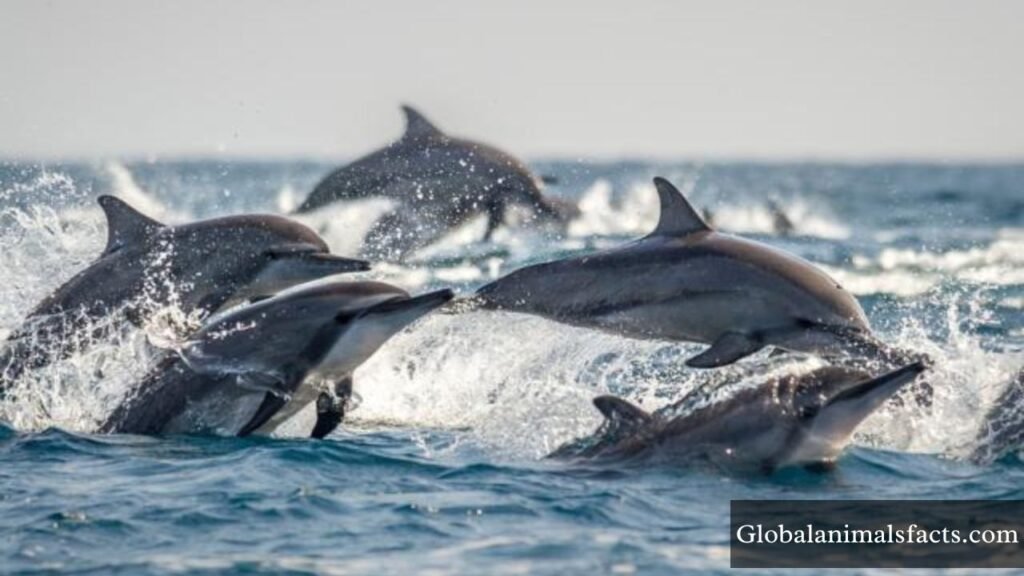
What’s particularly fascinating is their capacity for empathy and communication. Dolphins use a complex system of clicks and whistles to convey emotions and even alert one another to potential dangers. This intricate vocal repertoire indicates not only intelligence but also a deep emotional connection, allowing them to respond to each other’s needs with remarkable sensitivity. Moreover, their symbiotic relationships with other species, like shoals of fish or even humans, reveal a unique communal approach to happiness, demonstrating that joy can thrive through collaboration and connection in the wild.
Quokka
Scientific Name: Setonix brachyurus
Class: Mammalia
Diet: Herbivore
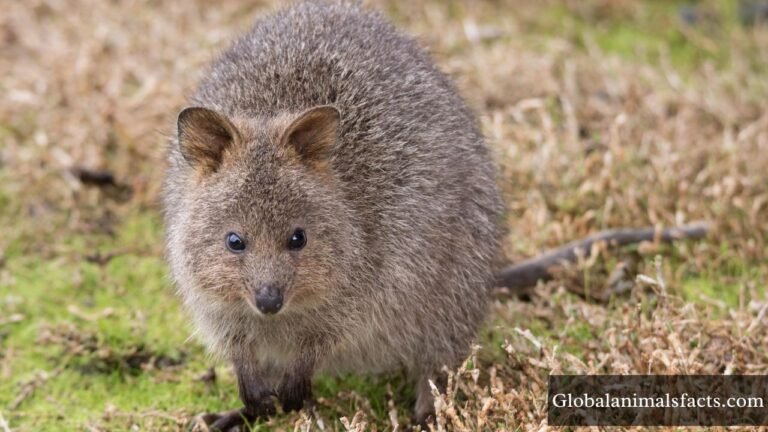
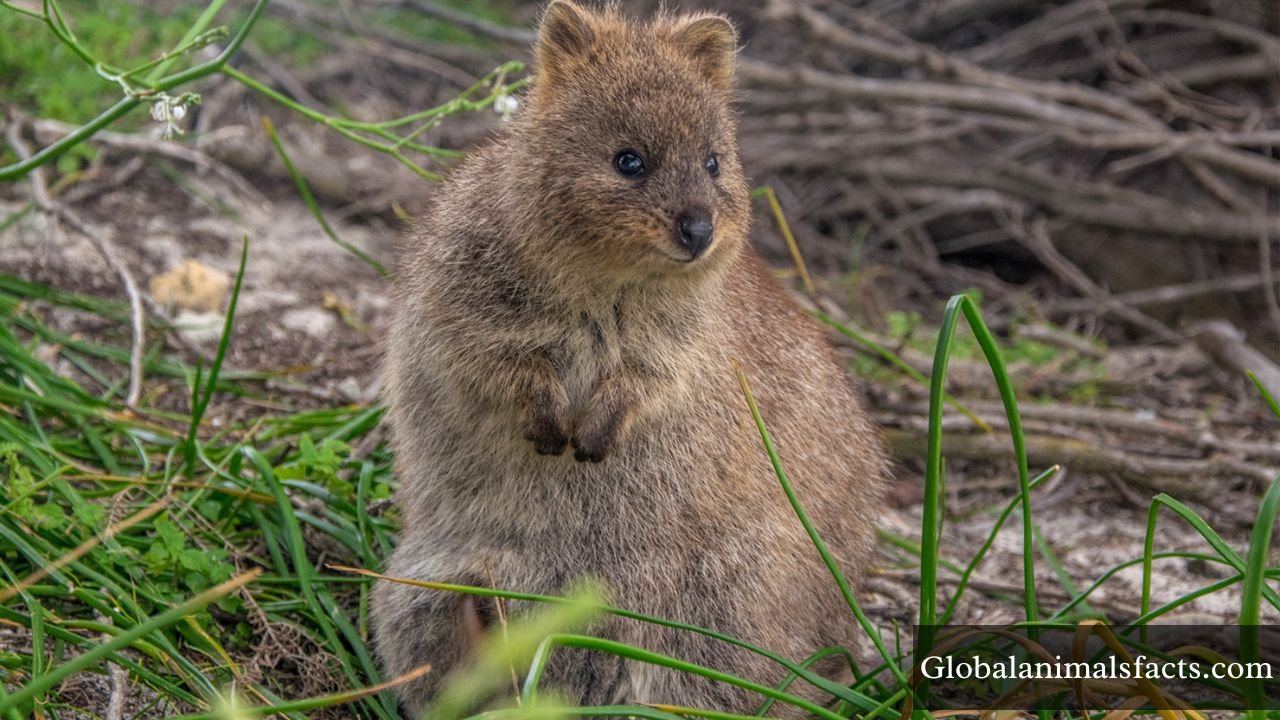
The quokka, often dubbed the “world’s happiest animal,” enchants everyone who encounters it. Native to Australia’s Rottnest Island, this small marsupial boasts a distinctive facial expression that resembles an eternal smile. This delightful demeanor isn’t just a quirky feature; it’s a testament to their social nature. Quokkas are known to thrive in groups, cultivating a strong sense of community that adds to their charm.
What’s fascinating is not just their appearance, but their adaptability in the wild. Quokkas have developed a unique ability to survive on sparse vegetation, primarily feeding on grass and leaves. This resilience highlights their role in the ecosystem, where they contribute to seed dispersal and help maintain the health of their habitat. As their population faces threats from habitat loss and introduced predators, conservation efforts are becoming increasingly important to ensure that these joyful creatures continue to roam their native lands, reminding us of the beauty of nature’s quirks.
Kinkajou
Scientific Name: Potos flavus
Class: Mammalia
Diet: Omnivore
The kinkajou, often dubbed the “honey bear,” is a lesser-known marvel of the animal kingdom that embodies joy in both its behavior and lifestyle. Found in the lush rainforests of Central and South America, these nocturnal creatures are celebrated for their playful personalities and inquisitive natures. With their large, expressive eyes and soft, fur-covered bodies, kinkajous exude an undeniable charm that captivates anyone fortunate enough to observe them in the wild.
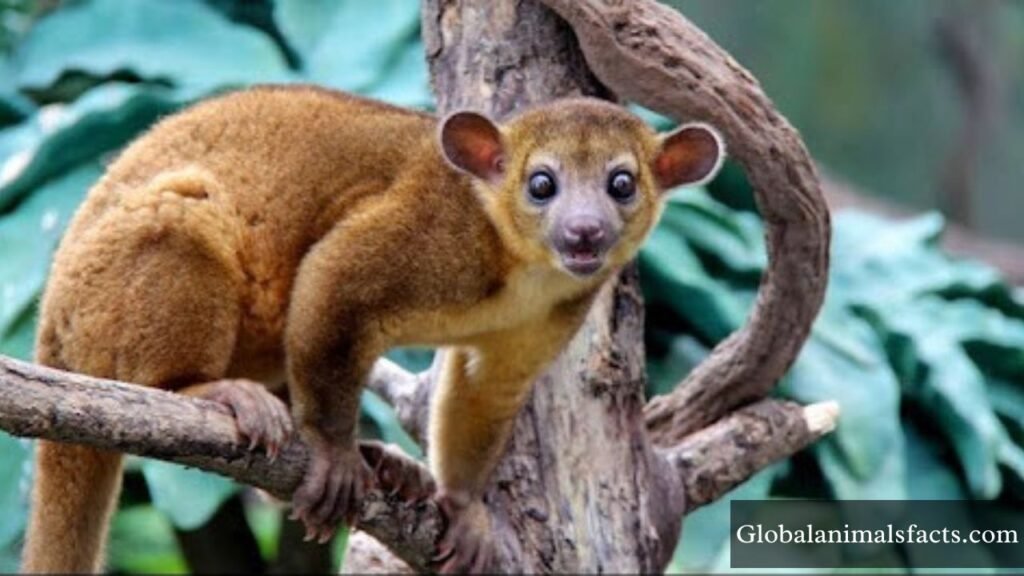
What truly distinguishes kinkajous is their social structure; they thrive in family groups, encouraging bonding and joy through endless play and mutual grooming. These furry acrobats display a remarkable agility, swinging deftly from branch to branch, often letting out playful vocalizations that resonate through the canopy. Their diet, rich in fruits and nectar, leaves them delightfully sticky from the honey they love, transforming each meal into a sugary adventure that adds to their whimsical charm. In a world increasingly aware of emotional well-being, the kinkajou reminds us of the importance of social connections and playful interactions, inspiring us to embrace joy in our own lives.
Penguin
Scientific Name: Aptenodytes forsteri
Class: Aves
Diet: Carnivore
Penguins, often depicted waddling adorably across icy landscapes, embody a unique blend of resilience and joy that captivates observers worldwide. These flightless birds don’t just thrive in some of the harshest climates on Earth; they also exhibit social behaviors that highlight their happiness-centric lifestyles. For instance, emperor penguins engage in intricate vocalizations that strengthen pair bonds and foster community, showcasing the depth of their social connections.
Moreover, the playful nature of juvenile penguins adds another layer to their joyful existence. Young penguins are known for their spirited frolicking in the frigid waters, often sliding on ice and engaging in synchronized swimming displays. This behavior not only serves as a vital part of their playtime but also nurtures essential skills needed for survival. In these moments, the sheer delight of these creatures reminds us that happiness can be found in the simplest of activities, even in the coldest corners of our planet.
Donkey
Scientific Name: Equus africanus asinus
Class: Mammalia
Diet: Herbivore
Donkeys, often underestimated as mere work animals, exude a remarkable charisma that truly sets them apart in the animal kingdom. With their expressive eyes, long ears, and gentle demeanor, these creatures embody a unique blend of resilience and playfulness. Far from the stoic image they often carry, donkeys display joy in their interactions — whether it’s frolicking in the fields or forming social bonds with other animals and humans. Their braying, a distinctive sound, resonates not only with communication but also with a sense of contentment, echoing the happiness they find in their environment.
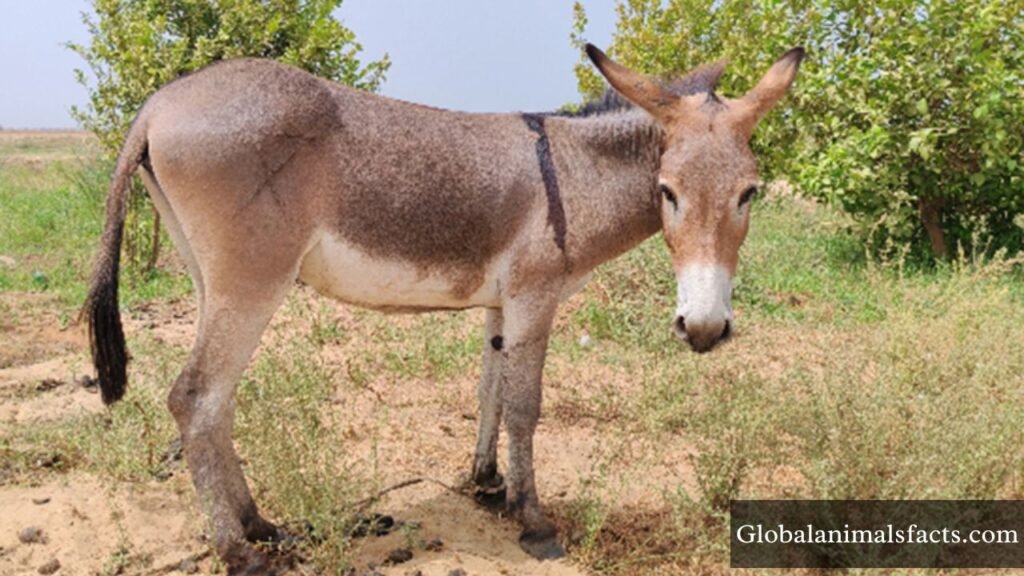
Research shows that donkeys possess a high level of intelligence, which contributes to their playful nature. They engage in spontaneous games and have displayed a remarkable ability to problem-solve, often showcasing a sense of curiosity that keeps life interesting. This mental stimulation is essential, as happy donkeys thrive in settings that offer them varied experiences and companionship. Ultimately, when treated with kindness and respect, donkeys not only fulfill their roles as dependable partners but also reveal their capacity for joy, reminding us that happiness often lies in simple, everyday moments.
Goat
Scientific Name: Capra aegagrus hircus
Class: Mammalia
Diet: Herbivore
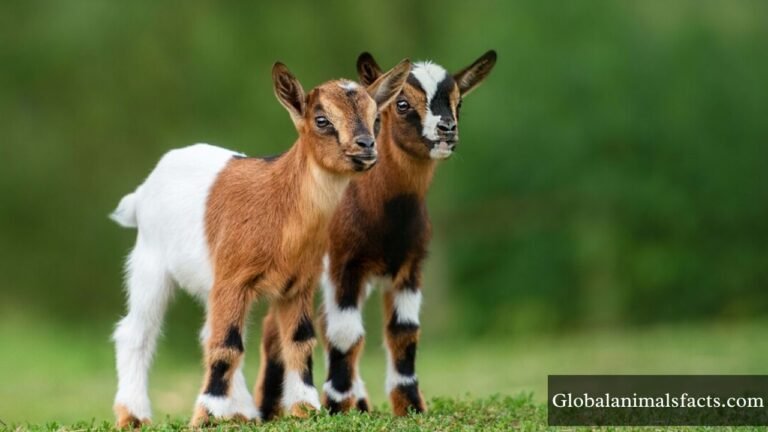
Goats are often regarded as the embodiment of sheer joy in the animal kingdom. Known for their playful antics, these creatures exhibit a natural curiosity that turns everyday situations into adventures. Whether they’re leaping onto rocky outcroppings or frolicking in lush pastures, goats display a zest for life that can’t help but bring a smile to anyone watching. Their playful nature is not just for show; studies suggest that their social behaviors, such as head-butting and play-fighting, are essential for their mental well-being, fostering close bonds within their herds.
Moreover, goats have an innate ability to adapt that mirrors their cheerful disposition. Found in diverse environments ranging from arid mountains to vibrant farms, they thrive in various conditions, showcasing their resilience. Their distinctive bleats and playful jumps not only express happiness but also communicate with one another, creating a rich social tapestry that enhances their lives. Engaging goats in activities like climbing structures or playing games sparks joy in them, illustrating how even simple interactions can enrich their experiences and deepen human-animal connections.
Bluebird
Scientific Name: Sialia sialis
Class: Aves
Diet: Omnivore
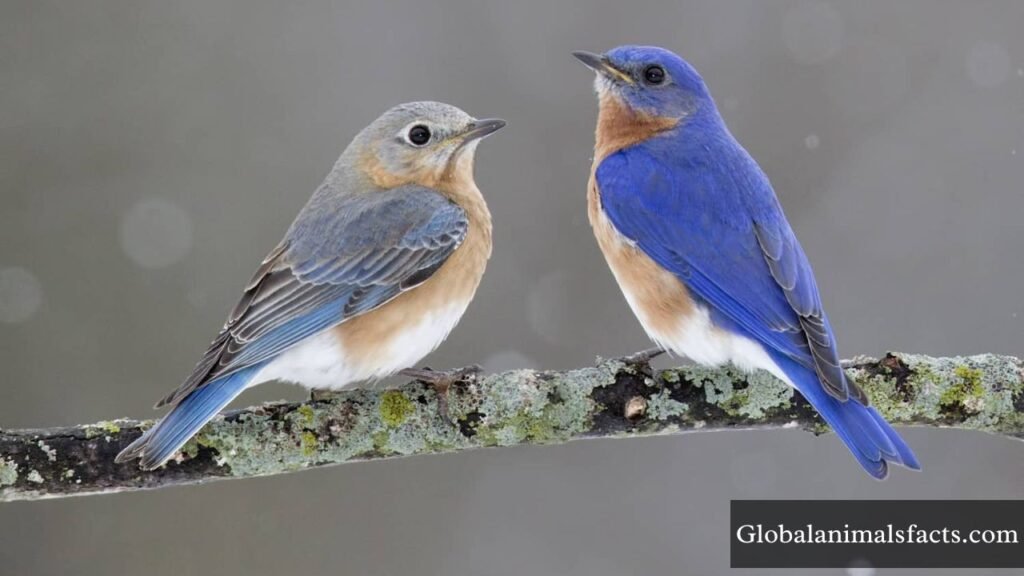
The bluebird, with its vibrant plumage and cheerful song, embodies joy in the animal kingdom. Known for their striking blue feathers and warm orange throats, these small songbirds are a delight to watch as they flit among open fields and meadows. Their aesthetic beauty is complemented by their behavior; bluebirds are social creatures often seen engaging in playful chases with one another or singing melodious tunes that seem to brighten even the gloomiest of days.
Squirrel
Scientific Name: Sciuridae
Class: Mammalia
Diet: Omnivore
Squirrels are often seen darting through trees with an effortless grace, and their playful antics reveal a surprising amount about their emotional lives. With a unique blend of acrobatics and agility, they bring an infectious energy to their surroundings. Watching a squirrel nimbly leap from branch to branch, it’s evident that they thrive on adventure and exploration. These little creatures seem to embody joy, often engaging in cheeky chases and playful wrestling with one another, suggesting a rich social life that enhances their happiness.
Their remarkable adaptability is another reason why squirrels are perceived as some of the happiest animals in nature. Thriving in diverse environments — from urban parks to dense forests — squirrels innovate daily, whether it’s finding new food sources or cleverly navigating obstacles. This constant problem-solving not only keeps their minds sharp but also injects a sense of purpose into their lives. As they hoard acorns and seeds, their instinct to prepare for the future merges with present satisfaction, showcasing a balance of foresight and living in the moment that we can all aspire to replicate.
Laughing Kookaburra
Scientific Name: Dacelo novaeguineae
Class: Aves
Diet: Carnivore
The laughing kookaburra, a native to Australia, is often celebrated for its distinctive call which sounds strikingly like human laughter. This iconic sound not only brings joy to those fortunate enough to hear it but serves a critical role in its social structure. Living in family groups, these avian comedians use their unique cacophony to communicate — and maybe even to establish territory. Imagine a rowdy family reunion, with each kookaburra joining in a chorus of merriment, reinforcing bonds that echo through the treetops.
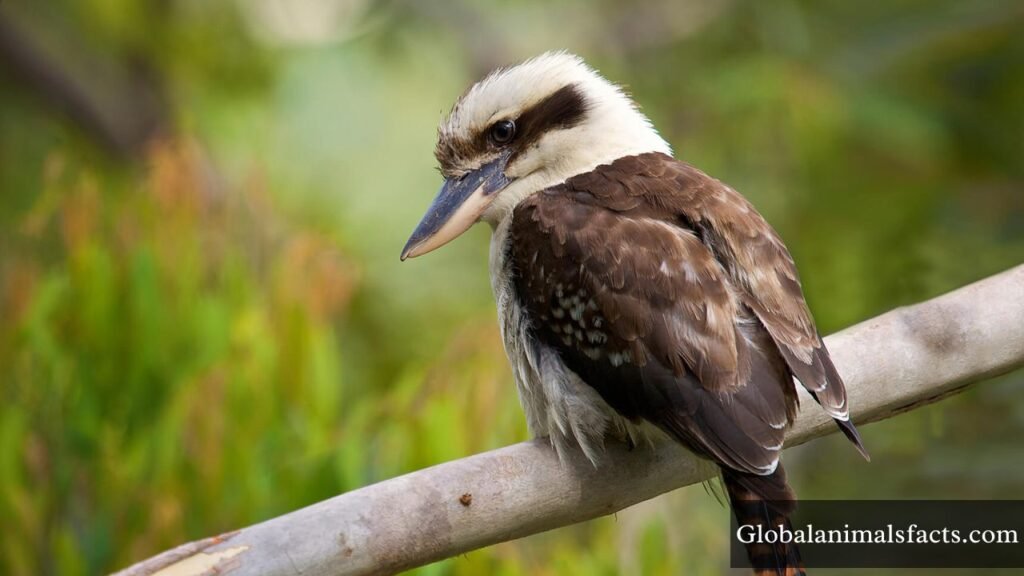
Beyond their jovial calls, kookaburras embody a fascinating blend of humor and survival instincts. Known for their sharp hunting skills, these birds adeptly catch snakes, insects, and even small mammals. Observing them in the wild reveals a remarkable duality: the ability to provoke laughter while simultaneously showcasing fierce predatory prowess. This juxtaposition underscores an essential truth about the natural world: even the happiest creatures must balance playfulness with the realities of survival. In the kookaburra, laughter is not just a sound; it’s a symbol of resilience and adaptability in the wild.
Sea Otter
Scientific Name: Enhydra lutris
Class: Mammalia
Diet: Carnivore
Sea otters are often heralded as the ocean’s most charming inhabitants, not just for their endearing appearance but for their playful behaviors that radiate joy. They are known to engage in on-the-surface antics like using stones to crack open shellfish, a proclivity that underscores their intelligence and dexterity. But beyond these playful displays, sea otters play a crucial role in maintaining the health of their marine ecosystems. By feasting on sea urchins, they help regulate these populations, preventing overgrazing of kelp forests, which are vital habitats for countless marine species.
What really sets sea otters apart is their remarkable social structure. Often seen floating in “rafts,” they maintain close-knit bonds, wrapped together to keep warm and stay safe. This communal aspect emphasizes a sense of belonging and emotional support among them, reflecting a deeper understanding of happiness beyond mere survival. The intricate social dynamics among sea otters remind us that joy often lies in connection — both within their species and in their shared habitat. Their delightful antics are more than just entertaining; they serve as a reminder of the essence of happiness found in community and ecological harmony.
Dog
Scientific Name: Canis lupus familiaris
Class: Mammalia
Diet: Omnivore
Dogs possess an infectious joy that often radiates from their playful antics and unwavering loyalty. Their ability to live in the moment serves as a wonderful reminder for us to appreciate the little things in life. Whether it’s a wagging tail greeting you at the door or the sheer excitement of a simple game of fetch, dogs embody a zest for life that can transform ordinary days into extraordinary ones. This enthusiasm isn’t just instinctual; studies show that interacting with dogs can elevate our mood, releasing oxytocin and serotonin, the “feel-good” hormones, in both humans and canines alike.
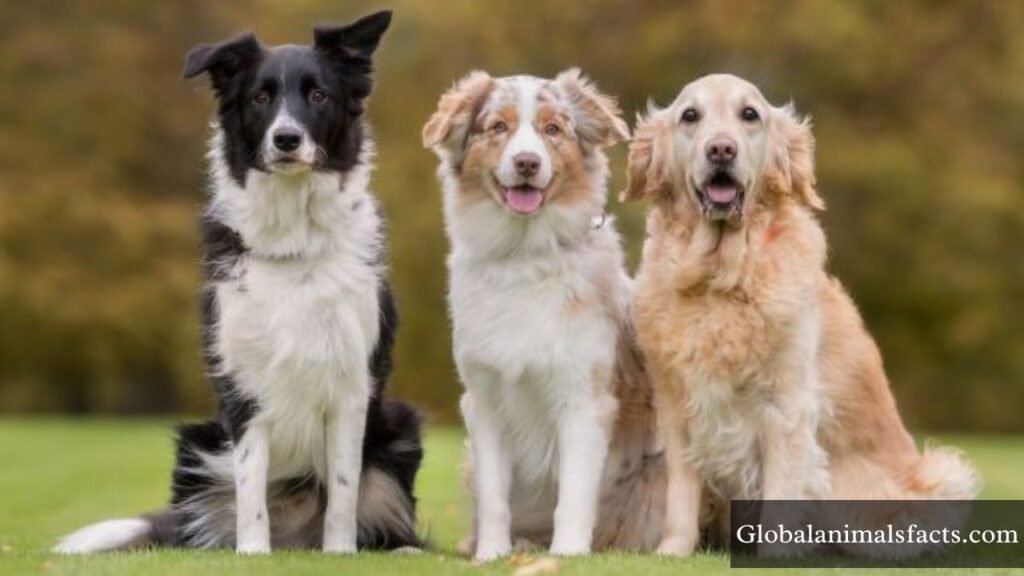
Moreover, the unique bond between dogs and humans showcases a remarkable emotional intelligence. They can sense our feelings, offering comfort during tough times with their presence. This empathy deepens their character and showcases why they’re considered not just pets, but family members. In a world often filled with anxiety and stress, the joy that dogs bring acts as a powerful antidote, fostering connection and reminding us of the pure, uncomplicated love that exists in the animal kingdom.
Red Panda
Scientific Name: Ailurus fulgens
Class: Mammalia
Diet: Omnivore
Red pandas, often eluding the label of a mere “cute animal,” embody an enchanting blend of playful curiosity and gentle demeanor. With their striking rust-colored fur and expressive faces, these adorable creatures seem to frolic through the treetops with an effortless joy that captivates anyone who encounters them. Their antics — climbing, tumbling, and rolling — reveal not just their playful nature but also a carefree existence that invites us to embrace the simple pleasures of life.
One fascinating aspect of red pandas’ behavior is their unique method of communication, which includes a range of chirps, whistles, and growls. This diverse vocalization adds another layer to their charm, suggesting a social complexity often overlooked in discussions about animal happiness. Living primarily in the misty bamboo forests of the Himalayas, red pandas exhibit a remarkable adaptability, thriving in their secluded environments while still showcasing a distinct ability to connect with others of their species.
Capybara
Scientific Name: Hydrochoerus hydrochaeris
Class: Mammalia
Diet: Herbivore
Capybaras, often dubbed the world’s happiest animals, exude a remarkable aura of calmness that resonates with both humans and fellow wildlife. These gentle giants, the largest rodents on Earth, embody serenity in social interactions. Found in groups by lakes and rivers, their inherent sociability sees them thrive in the company of various species, from birds to monkeys. This unique camaraderie underscores their adaptability and creates a tapestry of interspecies relationships that often perplex observers.
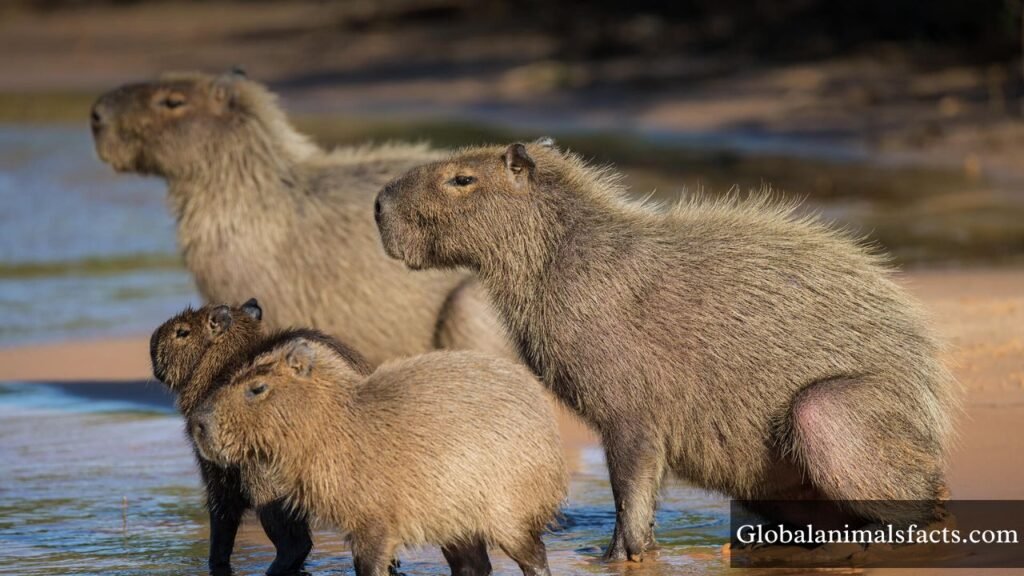
What makes capybaras truly captivating is their seemingly endless capacity for joy, which often translates into their playful antics. Whether frolicking in water or gently lounging in the sun, they radiate a sense of contentment that’s infectious. Their laid-back demeanor is also a survival mechanism; by maintaining social harmony and reducing stress, they effectively navigate the dangers of their natural habitat.
Meerkat
Scientific Name: Suricata suricatta
Class: Mammalia
Diet: Omnivore
The meerkat, with its playful demeanor and sociable nature, offers a glimpse into the joys of communal living in the animal kingdom. Often seen standing on hind legs, surveying their surroundings, these small mammals exhibit an innate sense of curiosity and vigilance that invites admiration. Their tight-knit family structures and cooperative breeding practices showcase a model of teamwork where every member plays a crucial role — be it foraging, nurturing, or guarding against predation. This social fabric enriches their lives, creating a joyful existence rooted in collaboration.
What truly sets meerkats apart is their enthusiastic approach to life, marked by engaging behaviors and a charmingly playful spirit. They often engage in exuberant greetings, touching noses and frolicking in the sun, which reinforces bonds within the family group. This vibrant display of affection is not merely social; it also fosters resilience against environmental stressors, as emotional support enhances their overall well-being. Observing meerkats in their natural habitat reveals that happiness isn’t just an emotion — it’s a collective choice rooted in connection, play, and shared purpose. Their vibrant social lives remind us that joy can thrive in unity and companionship.
Kea
Scientific Name: Nestor notabilis
Class: Aves
Diet: Omnivore
The Kea, New Zealand’s alpine parrot, is often regarded as one of the most playful creatures on the planet. With their inquisitive nature, these brilliant green birds possess an intelligence that rivals many mammals. Observing a Kea interact with its environment is like watching a master problem-solver at work; they’re known for their ability to manipulate objects, from opening car doors to unzipping backpacks, showcasing a curious spirit that thrives on exploration.
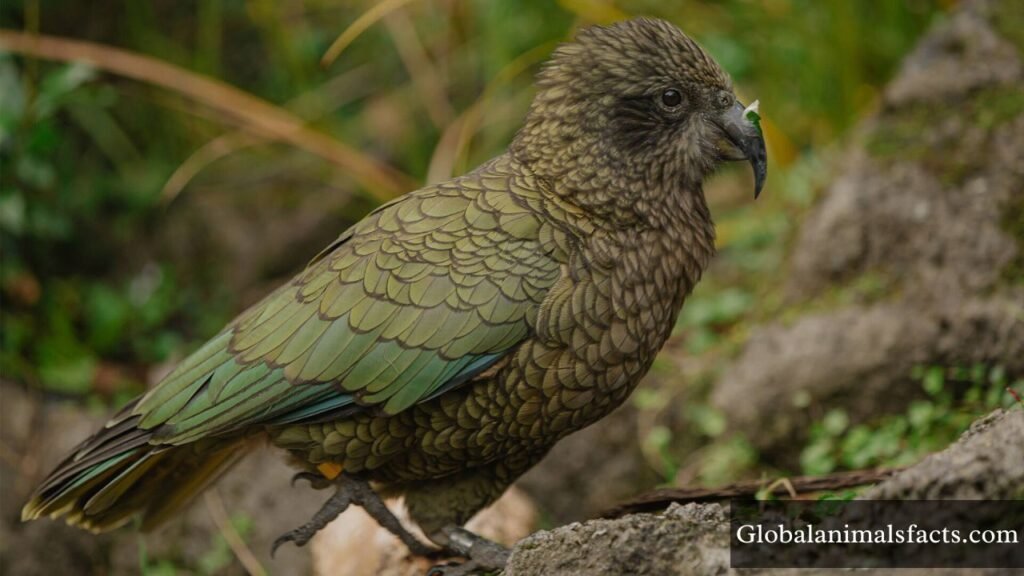
What makes the Kea particularly fascinating is its sociability, often seen engaging in playful antics with its peers. Their vocalizations range from cheerful squawks to melodious whistles, creating a lively chorus that echoes across the rugged mountains. This vibrant social dynamic not only enriches their lives but also strengthens their bonds, revealing the emotional depth of these feathered friends. In a world where the weight of survival often burdens us, the Kea’s ability to find joy and connection serves as a poignant reminder of the importance of play and community in our own lives.
Readmore: Top 30 Shy Animals in The World.
Final Thoughts
Exploring the lives of the happiest animals provides us with profound insights into the nature of joy and companionship. From the exuberant wag of a dog’s tail to the serene playfulness of sea otters, these animals exemplify the happiness we all seek. Their ability to express joy in such vibrant ways serves as a powerful reminder of the bliss that can be found in everyday moments. By understanding and protecting these happy species, we not only contribute to their well-being but also enrich our own existence. Let’s celebrate these joyous beings and commit to preserving their habitats for future generations to enjoy.
FAQs
What is the happiest animal in the world?
The quokka is often dubbed the happiest animal in the world. These small marsupials, native to Australia, are known for their cheerful facial expressions and seemingly friendly demeanor.
What is the kindest animal ever?
When it comes to the kindest animal, many people point to dolphins. Known for their social behavior and intelligence, dolphins often help injured or sick individuals, even guiding them to safety. Their playful nature and strong social bonds highlight their compassionate instincts.
What is the least aggressive animal?
Manatees are often considered one of the least aggressive animals. These gentle sea cows are herbivores, primarily feeding on aquatic vegetation. They have a slow and peaceful nature, often gliding through the water with minimal disturbance. Manatees are known for their curiosity rather than aggressiveness, frequently interacting with humans without any signs of hostility.
What is the most calming animal?
The sloth is often considered one of the most calming animals. With their slow-moving nature and laid-back lifestyle, they embody tranquility. Sloths spend most of their time hanging from trees, moving only about 40 yards per day, which can evoke a sense of peace just by watching them. Their adorable faces and gentle demeanor add to their calming presence. Just looking at a sloth can reduce stress and promote feelings of happiness.