Top 15 Cowardly Animals in The World (With Images)
The topic of cowardly animals in the world is not just an amusing one; it reveals the diverse survival mechanisms that exist across species. This article will take you on a journey through the animal kingdom, highlighting fear-driven behaviors and the evolutionary advantages they provide. Discover why cowardice can be a form of intelligence in nature.
List of Cowardly Animals in The World
Here is the list of most cowardly animals:
- Goats
- Deer
- Quokkas
- Rabbit
- Pygmy Grasshoppers
- Mouse
- Gazelle
- Hyenas
- Sheep
- Sloth
- Frog
- Opossums
- Chicken
- Eastern Hognose Snakes
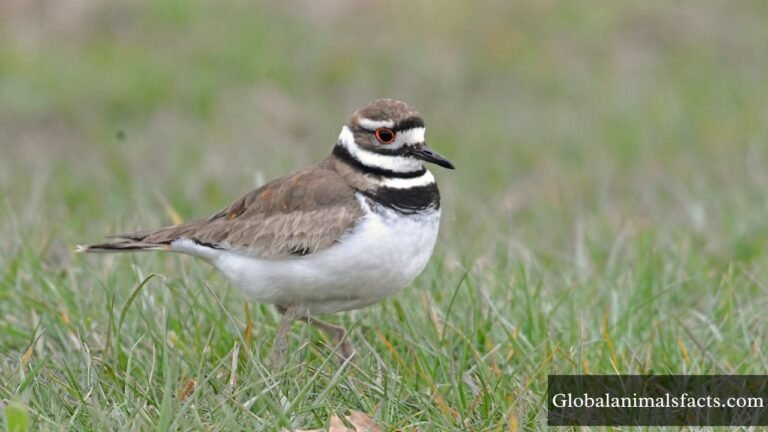
- Quail
Goats
Scientific Name: Capra aegagrus hircus
Class: Mammalia
Diet: Herbivore
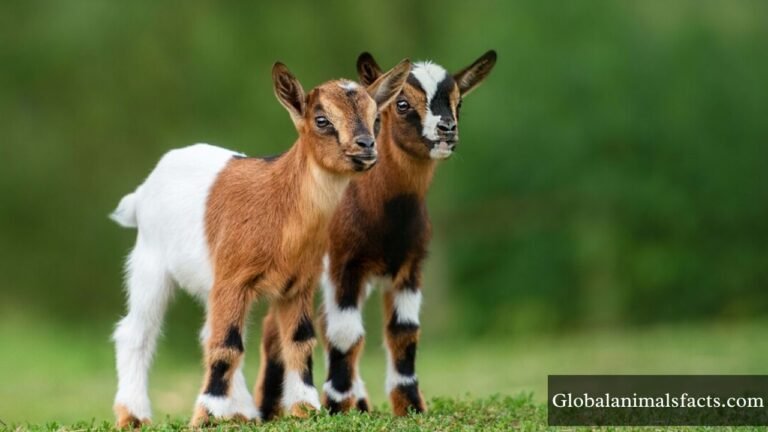
Goats are often perceived as bold and boisterous, but beneath their seemingly fearless exterior lies a surprisingly cautious nature. These quirky creatures exhibit a unique form of cowardice that’s both endearing and fascinating. For instance, goats are known to engage in what can be described as “stiff-legging” – a hilarious defensive maneuver where they suddenly freeze in place, appearing paralyzed by fear. This instinctual response is not just a display of timidity but an evolutionary tactic that helps them evade predators. In the wild, standing still can sometimes be an effective way to avoid detection.
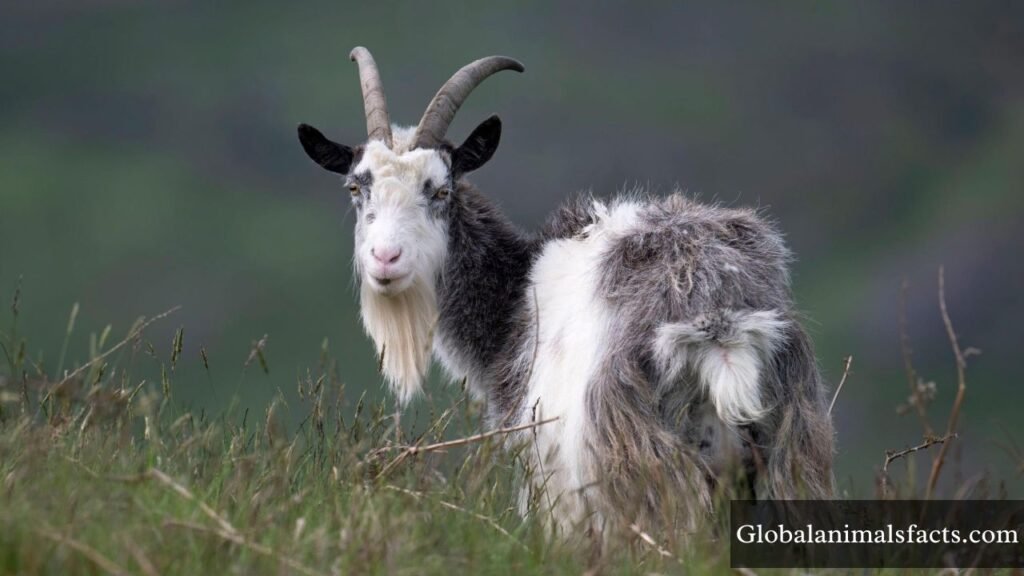
Interestingly, goats thrive on social structures that reinforce their behavior. They often look to their companions for cues on what to fear and when to act. This reliance on herd dynamics means that if a few goats express fear, the rest will often follow suit, amplifying their collective cowardice. Observing this herd mentality offers fresh insights into how even the bravest-looking species can embody a more cautious approach to survival.
Deer
Scientific Name: Cervidae
Class: Mammalia
Diet: Herbivore
Deer epitomize the delicate balance between grace and timidity in the animal kingdom. Their large, expressive eyes and delicate frame often mask an instinctual wariness developed over millennia. In the wild, every rustle of a leaf sends them into a flurry of alertness, making them experts at reading their environment. This hyper-awareness might seem like cowardice, but it’s a survival mechanism honed by centuries of predation.
Interestingly, this seemingly skittish behavior raises questions about their social dynamics. In herds, the more vigilant individuals are often the leaders during foraging or migration. They showcase a kind of collective wisdom, where the “cowardly” among them play a crucial role in ensuring the safety of the group. By prioritizing caution, deer not only protect themselves but also foster a system of cooperation, demonstrating that sometimes, what appears to be cowardice is, in fact, a strategic choice for survival.
Quokkas
Scientific Name: Setonix brachyurus
Class: Mammalia
Diet: Herbivore
Quokkas, often dubbed the “world’s happiest animals,” challenge our perceptions of courage in the wild. These small marsupials, native to Australia, embody a unique blend of curiosity and cuteness, but they also display a surprising level of timidity in their interaction with the world around them. While they don’t rely on ferocity for survival, their gentle demeanor allows them to thrive in the safety of their natural habitat, predominantly on Rottnest Island.
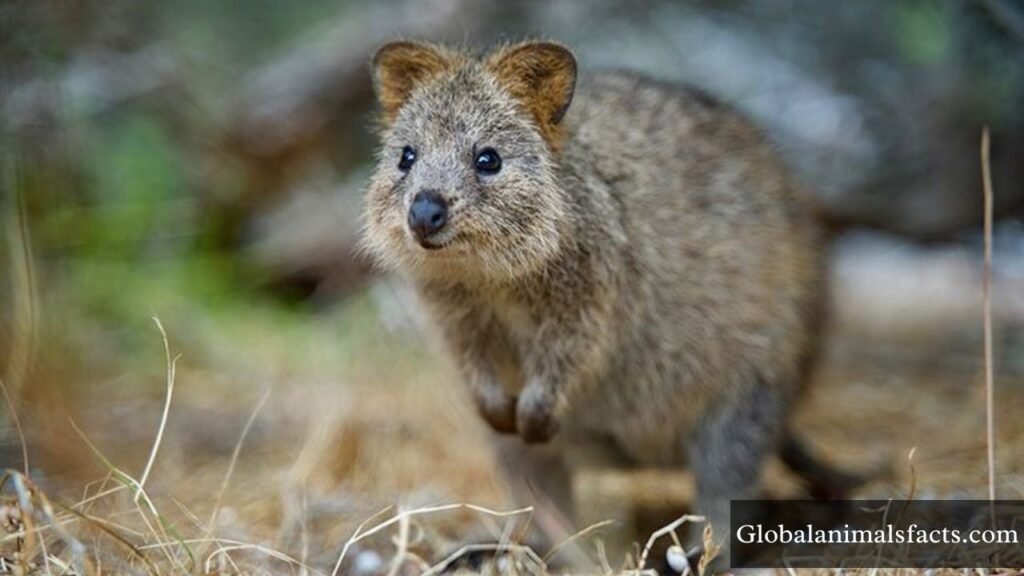
Their innate shyness serves as a remarkable survival strategy. Quokkas tend to freeze or retreat at the first hint of danger, opting to rely on their well-camouflaged fur and habitat to evade predators. This behavior not only protects them but also highlights the intricate balance of ecosystems, where even the meekest creatures can hold significant roles. Instead of aggression, quokkas depend on their social structures and the ability to blend in, reminding us that bravery can manifest in diverse forms — sometimes rooted more in the art of evasion than in face-to-face confrontation.
Readmore: Explore Top 18 Independent Animals in The World.
Rabbit
Scientific Name: Oryctolagus cuniculus
Class: Mammalia
Diet: Herbivore
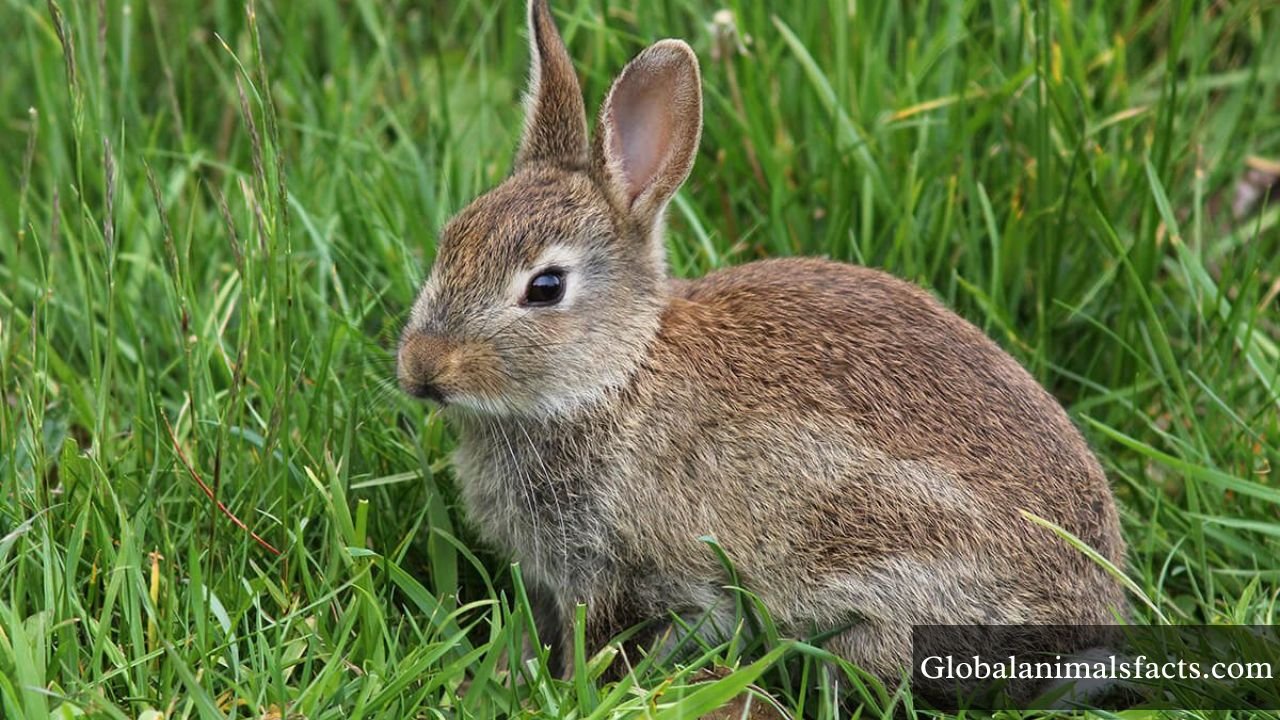
Rabbits, often seen as symbols of timidity, embody a unique blend of strategy and instinct when it comes to survival. Their nervous nature may paint them as cowardly creatures, but this reputation belies a sophisticated approach to life in the wild. With their large ears attuned to the slightest rustle and powerful hind legs ready to propel them to safety, rabbits showcase an evolutionary advantage that prioritizes caution over confrontation.
Interestingly, the very traits that label them as timid also contribute to their resilience. In the diverse ecosystems they inhabit, rabbits have developed remarkable social structures, relying on intricate communication among their groups to ward off predators. Their propensity to seek out burrows not only serves as a physical refuge but also fosters a sense of community, where they can flourish together while maintaining vigilance. This balance of cooperation and cautiousness highlights that what may appear as cowardice is often a profound survival instinct at play, reminding us that in the animal kingdom, bravery can take many forms.
Pygmy Grasshoppers
Scientific Name: Tetrigidae
Class: Insecta
Diet: Herbivore
The pygmy grasshopper, a diminutive creature often overlooked in the grand tapestry of nature, embodies a fascinating blend of survival tactics and innate cowardice. These tiny insects, measuring barely half an inch, rely on a remarkable strategy: when threatened, they freeze almost instantly, blending seamlessly into their environment. This instinctual behavior highlights not just a survival mechanism but a remarkable adaptation that emphasizes the art of invisibility over aggression. While many might portray them as timid, this act of stillness is a deliberate choice, ensuring they evade predators that rely on movement to spot their prey.
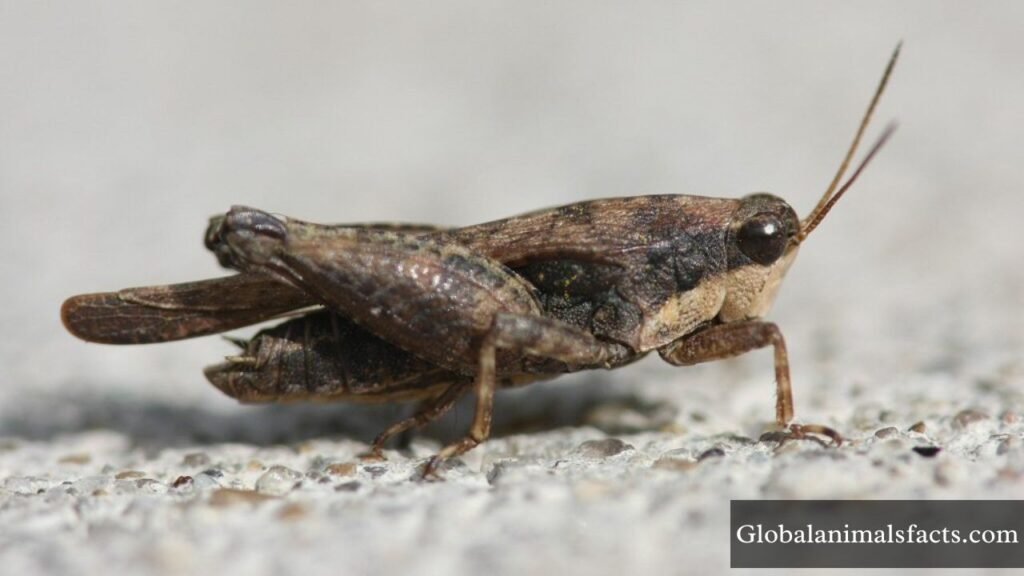
Interestingly, their cowardly demeanor can spark deeper reflections on the nature of fear and survival in the animal kingdom. In a world where physical prowess often reigns supreme, the pygmy grasshopper illustrates that there is strength in subtlety. Their lairs, often crammed with detritus and hidden within grass blades, function as miniature fortresses, cleverly camouflaging them from danger.
Mouse
Scientific Name: Mus musculus
Class: Mammalia
Diet: Omnivore
In the shadowy corners of human dwellings and the vast expanse of fields, mice dart with unmatched speed, embodying both vulnerability and survival instinct. While often labeled as cowardly for their flight response, this characterization oversimplifies their behavior. Mice are far from being mere timid creatures; they navigate a complex world filled with predators and environmental challenges, relying on acute senses and strategic evasions rather than sheer bravado. This survival strategy allows them to thrive in diverse habitats, showcasing an adaptation that speaks to their ingenuity.
Interestingly, their perceived cowardice can be seen as a form of wisdom. In the grand tapestry of nature, caution often trumps courage. When faced with danger, a mouse’s instinct is to flee, a response fine-tuned over countless generations. This instinctual behavior safeguards not just the individual but the genetic lineage. And when they scatter in a flurry of scurrying feet, it’s not just an act of fear; it’s a clever maneuver in an ecosystem where the wisest survive. Thus, the mouse, despite its small stature, represents an unsung hero of strategy, embodying strength in its swift retreats.
Gazelle
Scientific Name: Gazella
Class: Mammalia
Diet: Herbivore
In the vast savannas of Africa, the gazelle epitomizes the delicate balance between grace and survival. Their slender bodies and remarkable speed make them adept at evading predators, a fact often overshadowed by their reputation as timid creatures. However, gazelles display a sophisticated strategy that goes beyond mere flight; their agility, keen eyesight, and synchronized movement within herds serve as an evolutionary testament to their adaptability in hostile environments.
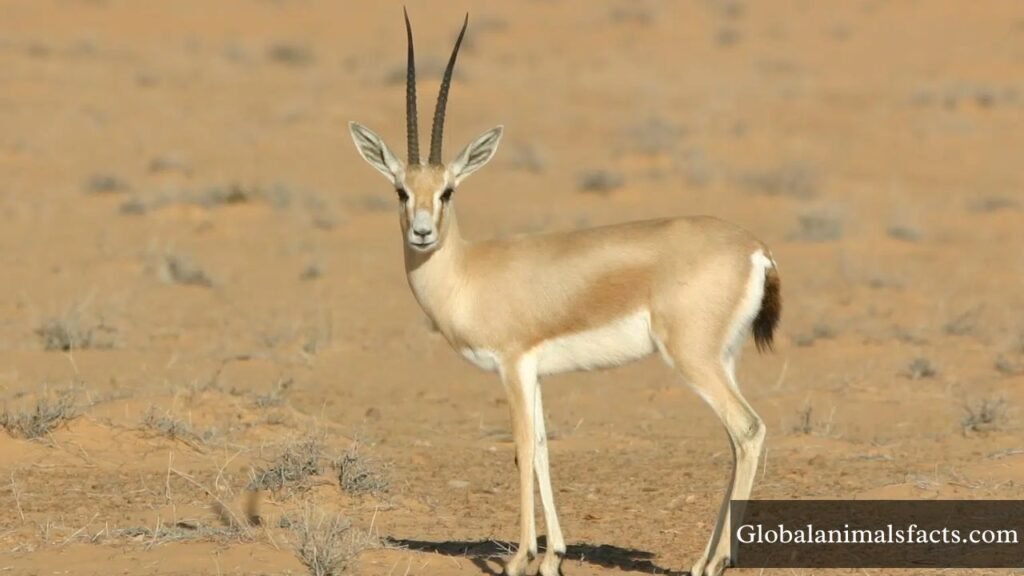
Observing gazelles in their natural habitat reveals an intricate dance of instinct and intelligence. When faced with danger, they exhibit a remarkable behavior known as “stotting,” where they leap high into the air to display their physical fitness to predators. This seemingly cowardly act communicates to the threat that chasing them would be futile, flipping the script on the notion of bravery.
Hyenas
Scientific Name: Hyaenidae
Class: Mammalia
Diet: Carnivore
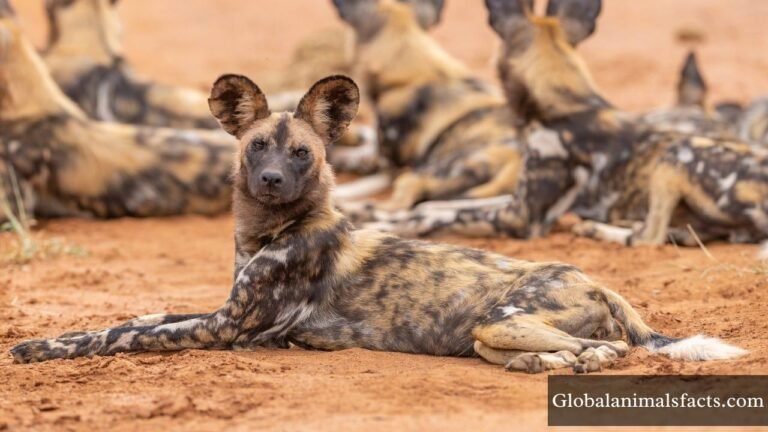
Hyenas often receive a bad rap as the cunning scavengers of the African savanna, but this perception masks their complex social structures and behaviors. While they may appear cowardly, relying heavily on pack dynamics, it’s crucial to understand that hyenas are master strategists. Their hunting techniques involve cooperation that rivals many social predators, with intricate vocalizations communicating everything from food discovery to threats.
Interestingly, while they scavenge, hyenas are also skilled hunters and can take down prey as large as wildebeests, highlighting their adaptability. This duality inspires a deeper appreciation; they harness intelligence and stealth rather than brute strength.
Sheep
Scientific Name: Ovis aries
Class: Mammalia
Diet: Herbivore
Sheep, often depicted as the epitome of cowardice in the animal kingdom, showcase a fascinating blend of instinctive behavior and social complexity. While they may freeze and flock together in moments of danger, this seemingly timid reaction is a survival strategy honed over millennia. Their flocking behavior serves as a protective mechanism; by sticking together, sheep can reduce the chances of an individual being targeted by predators. In essence, their ‘cowardice’ is a sophisticated response tailored for survival in an unpredictable world.
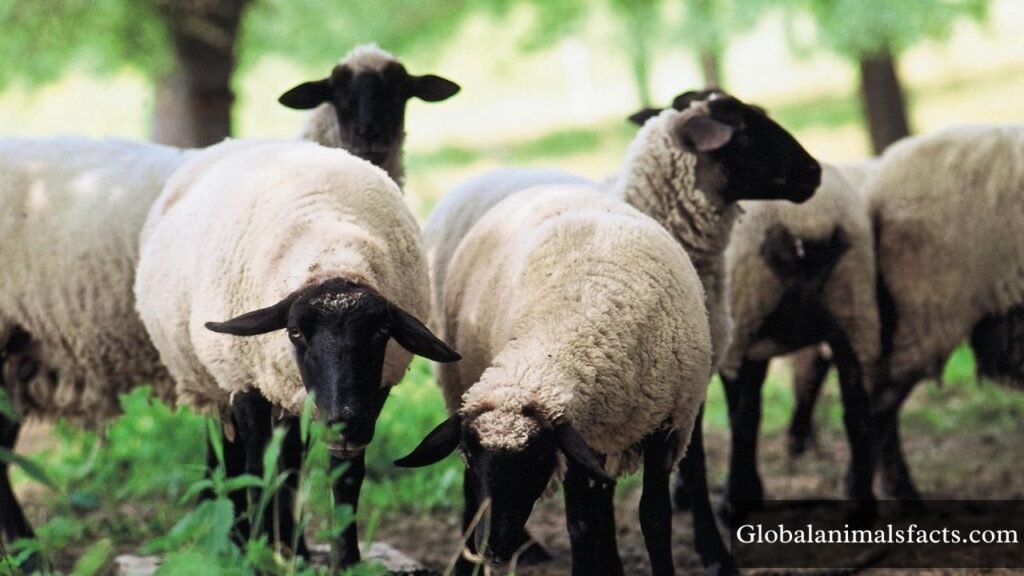
Moreover, sheep possess a surprising level of intelligence and emotional depth often overlooked. They can recognize faces, form long-term bonds with other sheep, and even display signs of stress or anxiety. Research suggests that their perceived cowardice is not merely a deficiency of bravery but rather a unique emotional intelligence that drives them to seek safety in numbers.
Sloth
Class: Mammalia
Diet: Herbivore
Sloths are often labeled as the quintessential lazy animal, but this gentle creature’s behavior has more to do with survival than a lack of ambition. Living in the treetops of Central and South America, sloths have evolved to move slowly and deliberate to avoid detection by predators. Their sluggish pace not only conserves energy but also helps them blend seamlessly into their green surroundings, casting a masterclass in camouflage.
Yet, there’s a paradox to their reputation as cowardly creatures. While their slow movements might be seen as timidity, sloths are incredibly resilient. They can hold their breath for up to 40 minutes while swimming, moving through the water with surprising grace. In a world driven by speed and aggression, sloths remind us that there’s strength in stillness and survival in patience.
Frog
Class: Amphibia
Diet: Carnivore
Frogs may not top the list of renowned bumblers in the animal kingdom, yet their survival strategies often involve a certain brand of caution that could be mistaken for cowardice. When faced with danger, these amphibians spring into action with remarkable agility, but what often goes unnoticed is their preference for evasive maneuvers over bold confrontation. Their seemingly timid nature is an evolutionary trait, making them masters at blending into their surroundings, relying on innate camouflage to avoid predators rather than facing them head-on.
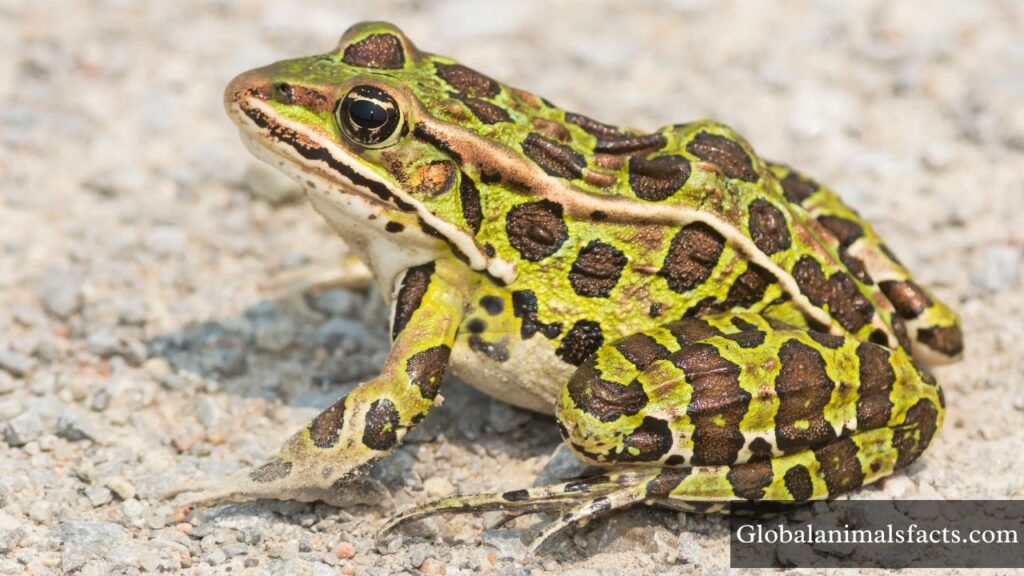
In the world of frogs, the fear factor extends beyond just their need to evade larger predators. Their vulnerability can be traced back to their moist skin, which makes them susceptible to dehydration and environmental changes. This connection between survival and sensitivity fosters a personality that’s inherently cautious; by remaining hidden in the underbrush or water, they not only conserve moisture but also protect themselves from the myriad of threats lurking nearby. Such behavior showcases how what might be perceived as cowardice is, in fact, an evolutionary advantage, allowing frogs to thrive in diverse habitats across the globe.
Opossums
Scientific Name: Didelphimorphia
Class: Mammalia
Diet: Omnivore
Opossums often get a bad rap for their appearance, but there’s more to these creatures than meets the eye. While they may seem cowardly, their unique defense mechanism — playing dead — demonstrates a fascinating survival strategy. When threatened, an opossum can literally drop to the ground and enter a state of shock, appearing unappealing to predators. This clever ruse often allows them to escape danger, proving that in the wild, sometimes playing the fool can be the wisest choice.
In addition to their impressive ability to feign death, opossums are nature’s clean-up crew. They consume pests, including ticks and cockroaches, and have even been observed eating small rodents. Their low body temperature makes them less susceptible to rabies, making them surprisingly beneficial for local ecosystems. By embracing their “cowardly” persona, opossums contribute to a healthier environment, all while reminding us that strength can come in many forms.
Chicken
Scientific Name: Gallus gallus domesticus
Class: Aves
Diet: Omnivore
Chickens often bear the brunt of “cowardly” stereotypes, but this perception barely scratches the surface of their intriguing behavioral practices. Beneath their seemingly timid exteriors lies a rich social structure. Chickens are highly social animals that establish complex hierarchies known as pecking orders. While they may quickly scatter at the first sign of danger, this flight response is tied to their survival instincts. Being part of a group allows them to react promptly to threats, relying on collective vigilance rather than individual courage.
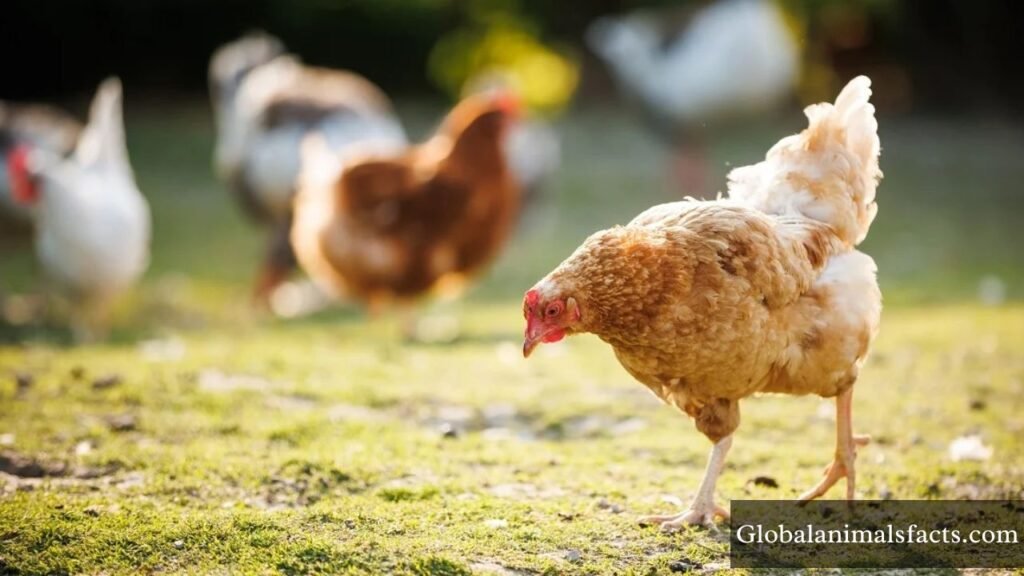
Moreover, their vocalizations reveal a nuanced method of communication that underscores their intelligence. Chickens utilize a range of sounds to convey different types of alerts — whether it’s a warning about a predator or a call to gather at a food source. Observing these intricacies invites us to reconsider the term “cowardly”; perhaps it’s a sign of their adaptive nature, prioritizing survival over bravado.
Eastern Hognose Snakes
Scientific Name: Heterodon platirhinos
Class: Reptilia
Diet: Carnivore
The Eastern Hognose Snake is a master of deception, showcasing a unique blend of theatrics and cowardice. When threatened, rather than exhibiting a fierce bite or a venomous display, this remarkable serpent opts for a dramatic performance. It flattens its neck, hisses loudly, and may even strike with its mouth closed, a clear warning to potential predators that it’s not as formidable as it might appear. If that doesn’t work, this snake takes its act a step further by rolling over onto its back in a dramatic faint, giving the impression of being lifeless.
This captivating strategy underlines an intriguing evolutionary tactic: survival through avoidance. In a world rife with predators, the Eastern Hognose embodies the idea that sometimes, playing dead — or “cowardly” — is a far more effective survival strategy than aggression.
Quail
Scientific Name: Coturnix coturnix
Class: Aves
Diet: Omnivore
Quail, often regarded as the timid dwellers of the underbrush, embody a unique blend of charm and caution. Their innate shyness is a survival mechanism honed over generations; flocks can be found quickly dissipating into the thickets at the slightest hint of danger. What’s particularly fascinating is their flight pattern — a short, explosive burst in response to threats, followed by a rapid descent that ensures they remain hidden among the dense foliage. This strategy is a testament to their evolutionary adaptation, emphasizing the importance of habitat over speed.
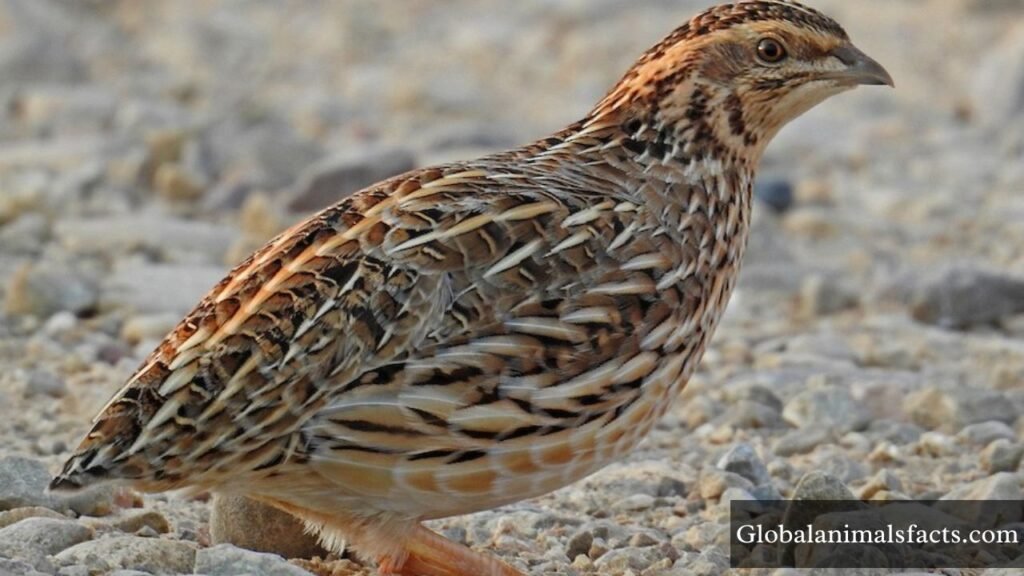
Yet, this perceived cowardice can be deceiving. Within the peaceful guise of quail lies a sophisticated communication system utilized to maintain flock cohesion. Soft coos and whistles resonate through their grassy domains, allowing them to stay connected while remaining vigilant against predators. Moreover, quail play a crucial ecological role, promoting seed dispersal and maintaining the health of their environments.
Readmore: Explore Top 25 Animals With Lowest IQ.
Final Words
Cowardly animals serve as a fascinating reminder of nature’s diversity and survival strategies. While their timid behavior may seem amusing, it often plays a crucial role in their survival, allowing them to evade predators and thrive in their environments. From the skittish deer to the bashful rabbit, each species exhibits unique adaptations that highlight the importance of caution in the wild. Understanding these animals encourages us to appreciate the varied responses to danger in the animal kingdom. Let us embrace this knowledge and continue to observe and protect the timid creatures that quietly inhabit our world.
FAQs
What animals are cowardly?
Cowardice in animals can often be tied to their survival instincts. For instance, prey animals like rabbits or deer may appear cowardly because they tend to flee at the first sign of danger. This behavior is not necessarily cowardice but a strategy to avoid predators. Their quick reflexes and decision to run enhance their chances of survival.
What is the most cowardly animal in the world?
Deer are often considered one of the most cowardly animals because they tend to flee at the slightest sign of danger. Their instinct is to escape rather than confront threats, making them seem timid. When faced with predators, they prioritize quick getaways over aggression or defense.