Badgers in Maine: Facts You Need To Know
Did you know that badgers, often associated with the wide plains of the Midwest, also call parts of Maine home? These fascinating creatures may not be the first wildlife you think of when exploring the Pine Tree State, but their presence highlights the complex ecosystems at play. In this article, we will uncover the unique habits and habitats of badgers in Maine, shedding light on their role in the local environment and why their conservation matters for biodiversity.
Badgers In Maine
- Diet
- Habitat
- Size, Lifespan And Weight
- Predators
- Colour
- Reproduction
Diet
In the lush landscapes of Maine, badgers exhibit a surprisingly diverse diet that reflects their adaptability and resourcefulness. Primarily known for their carnivorous habits, these fascinating creatures feast on a variety of small mammals, insects, and even amphibians. However, what might surprise many is their penchant for digging; badgers are exceptional excavators, using their keen sense of smell to locate buried treasures like earthworms and grubs, which form a significant part of their diet.
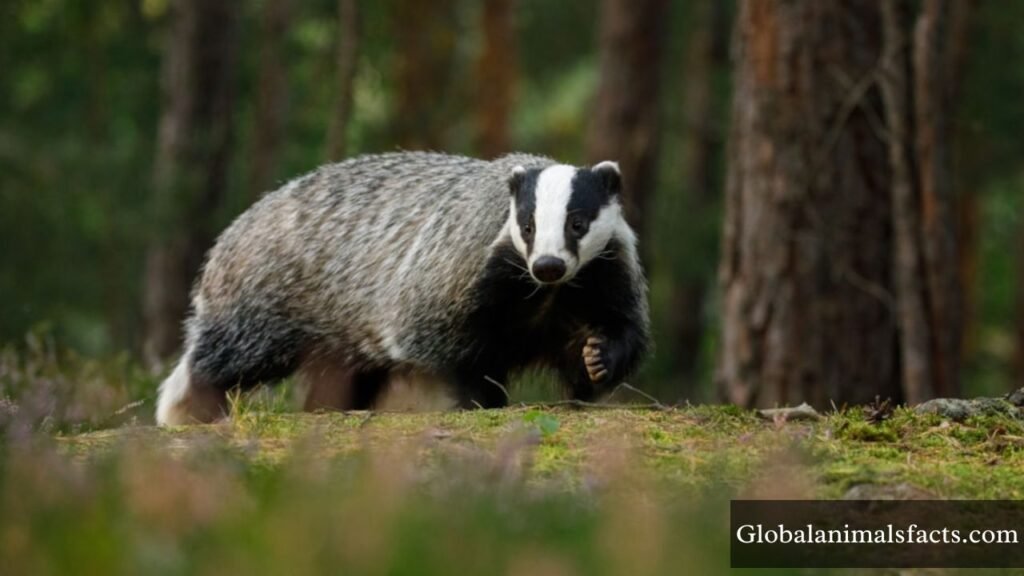
Moreover, badgers are opportunistic foragers, often taking advantage of seasonal abundance. In spring and summer, they supplement their diet with fruits, berries, and roots, showcasing their omnivorous tendencies. This adaptability not only highlights their survival skills but also emphasizes the interconnectedness of Maine’s ecosystem, where each badger plays a crucial role in controlling pest populations while aiding in seed dispersal. Such insights into their dietary habits reveal the intricate balance of nature and the vital role badgers play in maintaining ecological harmony.
Habitat
Maine’s rich tapestry of ecosystems provides a unique backdrop for the elusive badger, a creature often overlooked in discussions of wildlife diversity. These mammals thrive in open grasslands, savannas, and mixed woodlands, where they can dig extensive burrows. Yet, their habitat is more than just a physical space; it is a complex web that influences their behavior and survival.
Interestingly, badgers play a critical role in shaping the environment they inhabit. Their burrowing activities aerate the soil, promoting healthy plant growth and facilitating water infiltration. This natural tilling not only supports the flora but also creates microhabitats for various organisms. Furthermore, badgers are known for their particular affinity for areas rich in earthworms and rodents, making them key participants in maintaining the balance of local ecosystems.
Size, Lifespan And Weight
Badgers in Maine, primarily the American badger, are notable for their stocky bodies and impressive digging capabilities, which set them apart from other wildlife. Typically, they measure around 24 to 30 inches in length, including their short, bushy tails. This size allows them to navigate their underground burrows efficiently, a skill that helps them escape predators and hunt for food. Weighing between 15 and 30 pounds, these robust creatures possess strong muscles that enable them to dig remarkably fast, creating elaborate tunnels that serve as both home and hunting grounds.
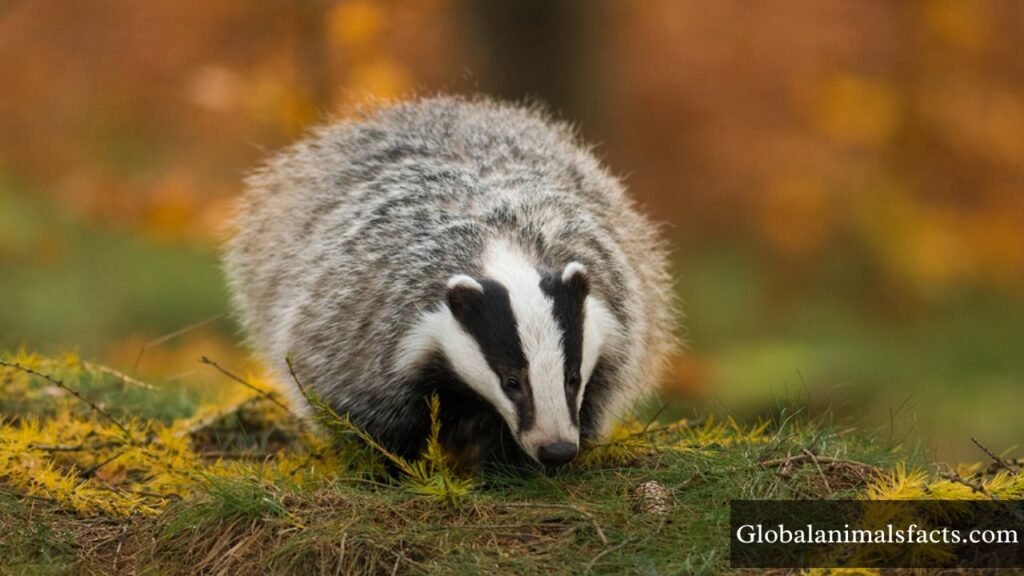
In terms of lifespan, badgers in the wild generally live around 5 to 14 years, though some individuals have been known to reach up to 14 years in more protected environments. Their resilience and adaptability to various habitats, from forests to grasslands, contribute to their longevity. Interestingly, badgers are mostly nocturnal and solitary, making them elusive inhabitants of Maine’s landscapes.
Predators
In the lush wilderness of Maine, badgers carve out a niche that showcases their role as formidable predators. These stocky mammals, equipped with powerful forelimbs and sharp claws, are adept burrowers, allowing them to excavate impressive dens and pursue a diet rich in small mammals, insects, and even the occasional reptile. Their tenacity is remarkable; armed with an acute sense of smell, badgers can locate prey hidden beneath layers of soil and foliage, demonstrating a predatory prowess that often goes unnoticed in the hustle of the forest.
But the badger’s predatory impact goes beyond simple survival. As a keystone species, their hunting habits contribute to the ecological balance by regulating populations of smaller mammals, which in turn influences plant communities. Moreover, the badger’s burrowing activities aerate the soil, positively affecting the health of the ecosystem.
Colour
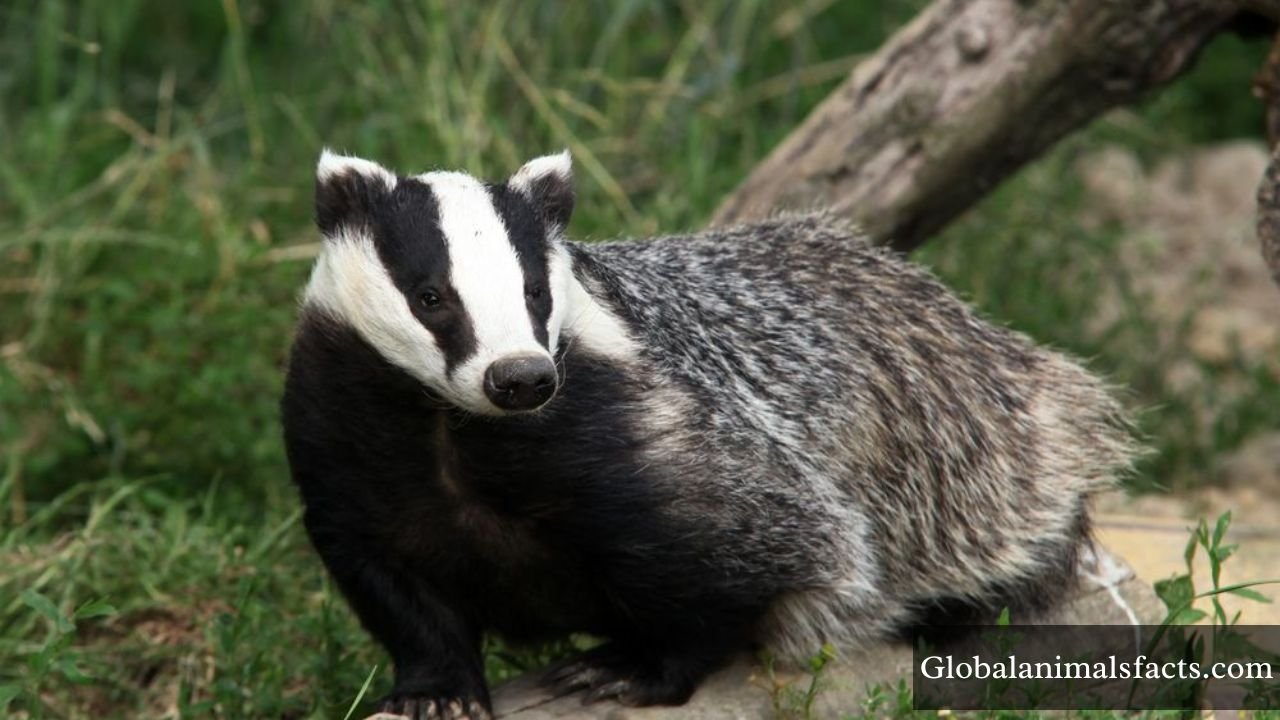
In Maine, the American badger’s striking color palette is a fascinating study in nature’s artistry. Their fur features a rich combination of tawny and gray, often accented with distinctive white stripes that run down their faces and across their backs. These markings not only create a unique visual identity but also serve as a form of camouflage against the earthy tones of their habitat, allowing them to blend seamlessly into the underbrush or fields they frequent.
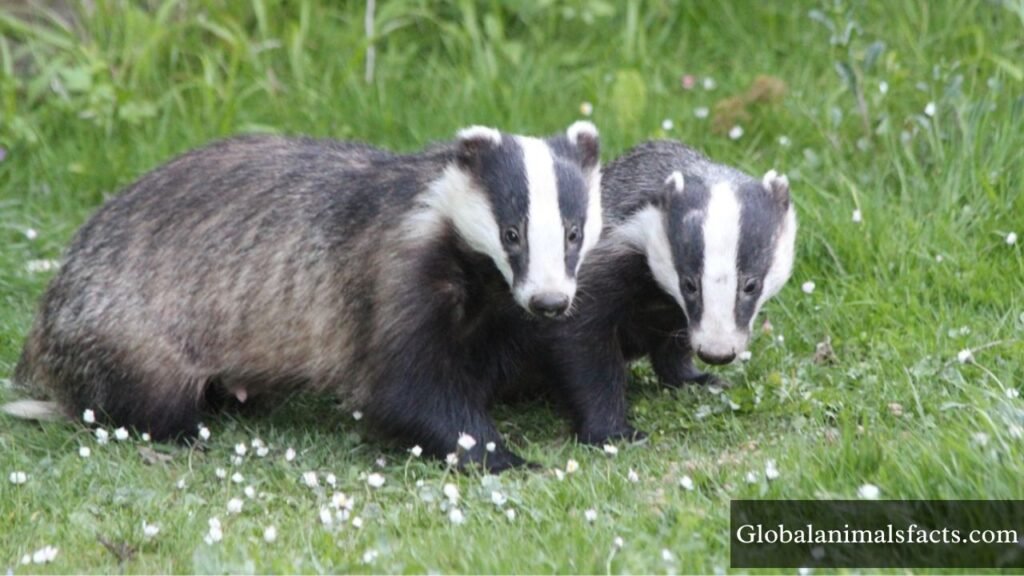
Beyond just aesthetics, the color of a badger can signal health and vitality. A well-groomed, vibrant coat often indicates a strong, well-fed animal, while those exhibiting dull or patchy fur may be struggling with environmental stressors or health issues. Observing these variations in coloration can provide insights into their overall well-being and the ecological conditions of their surroundings.
Reproduction
In Maine, badger reproduction is a fascinating yet often overlooked aspect of their life cycle, revealing the intricacies of their survival in the wild. Mating season occurs typically between late winter and early spring, when female badgers emit distinct vocalizations to signal their readiness. A male’s keen sense of smell plays a crucial role during this period, helping him locate potential mates across vast territories.
Once mating occurs, the female undergoes a gestation period of about 6 to 8 weeks before she gives birth to a litter that usually consists of 2 to 5 kits. These young badgers are born blind and helpless, depending entirely on their mother’s nurturing instincts for survival during those critical early weeks. What sets badgers apart is their unique burrowing behavior; the mother often prepares a safe den, providing a sheltered environment where the kits can develop away from predators. As they grow, curiosity beckons — kits begin to venture out of the burrow, where they learn essential survival skills by imitating their mother, ensuring the continuation of their species in Maine’s diverse ecosystems.
Conclusion
The presence of badgers in Maine reflects the resilience of wildlife in adapting to changing environments. These fascinating creatures play a crucial role in maintaining the balance of local ecosystems through their burrowing habits and foraging activities. However, as habitat destruction and climate change pose increasing threats to their populations, it is imperative that we promote awareness and conservation efforts dedicated to protecting these animals and their habitats. By supporting local wildlife initiatives and educating our communities about the importance of biodiversity, we can ensure that future generations will have the opportunity to appreciate the unique role of badgers in Maine. Let us unite in our efforts to safeguard their future!
FAQs
Are there badgers in Maine?
Yes, there are badgers in Maine, although they are not very common. These creatures typically prefer open habitats like grasslands and fields, which are less abundant in the densely wooded areas of the state. Badgers are more often spotted in the western parts of Maine, where the terrain is more suitable.
What large predators live in Maine?
Maine is home to several large predators, with the most notable being the Eastern Coyote and the black bear. Eastern Coyotes are highly adaptable and can thrive in a variety of habitats, making them common in rural and even suburban areas. They play a crucial role in maintaining the ecosystem by controlling smaller animal populations. In addition to coyotes, black bears are prevalent in Maine’s dense forests. The state boasts one of the largest bear populations in the northeastern U.S. These bears typically avoid human interaction but can sometimes be spotted foraging for food, especially during the spring and summer months.
What animals are famous in Maine?
Maine is known for its stunning wildlife, with several animals standing out as iconic. The moose is often seen as the state’s unofficial symbol, roaming the forests and roadside areas. Their impressive size and unique appearance make them a highlight for both residents and visitors alike. In addition to moose, the Atlantic puffin is another beloved creature of Maine. These small seabirds with their colorful beaks can often be spotted on coastal cliffs and islands. Their vibrant colors and charming antics have made them a favorite among birdwatchers and nature enthusiasts.
What is the most rare animal in Maine?
The Canada lynx is often considered the rarest animal in Maine. Known for its distinctive tufted ears and beautiful coat, this elusive feline thrives in dense, snowy forests. Though they were once near extinction, conservation efforts have helped stabilize their population, yet they remain a sighting rarity.