Top 11 Animals Without Eyes (With Pictures)
Did you know that certain animals have completely lost their eyesight yet continue to flourish in their unique habitats? In “Animals Without Eyes,” we delve into the intriguing lives of these creatures, revealing how they navigate, hunt, and thrive in darkness. This exploration offers insights into evolution and the diverse strategies life employs to survive. By the end of this article, you’ll not only appreciate these extraordinary animals but also gain a deeper understanding of adaptation in nature.
List of Animals Without Eyes
Below is the list of animals that are blind:
- Texas Blind Salamander
- Star–Nosed Mole
- Caecilian
- Freshwater Hydra
- Sea Sponge
- Widemouth Blindcat
- Kaua’i Cave Wolf Spider
- Blind Cave Crayfish
- Olm
- Mexican Tetra
- Sea Lily
Texas Blind Salamander
Scientific Name: Eurycea rathbuni
Class: Amphibia
Diet: Carnivore
The Texas blind salamander, a fascinating creature of the subterranean world, captures the imagination with its unique adaptations. Living exclusively in the dark confines of the Edwards Aquifer, these salamanders have evolved to thrive without sight, relying heavily on other heightened senses. Their pale, almost ghostly appearance is a testament to their underground habitat, stripping away pigments that would otherwise serve no purpose in pitch-black environments. Each characteristic, from their delicate, external gills to their sensitive skin, enhances their ability to navigate and forage in a realm where vision is irrelevant.
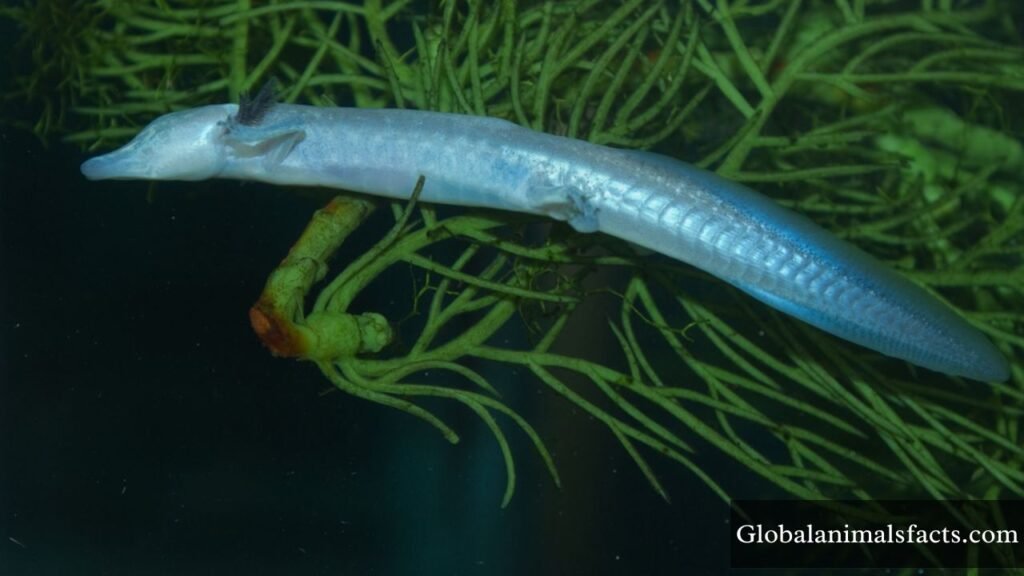
Interestingly, the Texas blind salamander’s reliance on chemical cues and vibrations sheds light on the broader theme of adaptation in extreme environments. As climate change and urban development threaten their sensitive ecosystem, this unique species also serves as a crucial indicator of water quality in the aquifer they call home. Their survival is intricately linked to the health of the fragile aquatic systems, making them not only a biological wonder but also a vital component in understanding our ecological footprint.
Star–Nosed Mole
Scientific Name: Condylura cristata
Class: Mammalia
Diet: Carnivore
The star-nosed mole is a marvel of evolution, thriving in the dimly lit, labyrinthine tunnels of wetlands and marshes — an environment where eyesight holds little value. With its unique, star-shaped sensory appendage, comprised of 22 fleshy tentacles, this mole navigates its world with incredible tactile precision. Each tentacle is packed with thousands of sensory receptors, allowing it to detect vibrational cues and chemical signals in the soil, crafting a remarkable perception of its surroundings that far surpasses simple sight.
Interestingly, the star-nosed mole’s adaptability extends beyond just its tactile prowess. It possesses an astounding capacity for rapid foraging, capable of identifying and consuming its prey in mere milliseconds. This efficiency isn’t just a testament to its specialized anatomy; it paints a picture of survival in a challenging habitat where food can be scarce.
Caecilian
Class: Amphibia
Diet: Carnivore
Caecilians are fascinating creatures that challenge our understanding of evolution and adaptation. As limbless amphibians, they have evolved to thrive in subterranean environments, where vision is more of a hindrance than a help. Instead of eyes, many caecilians possess specialized sensory structures that allow them to navigate and hunt in complete darkness. These adaptations not only exemplify nature’s ingenuity but also highlight a remarkable evolutionary journey away from sight.
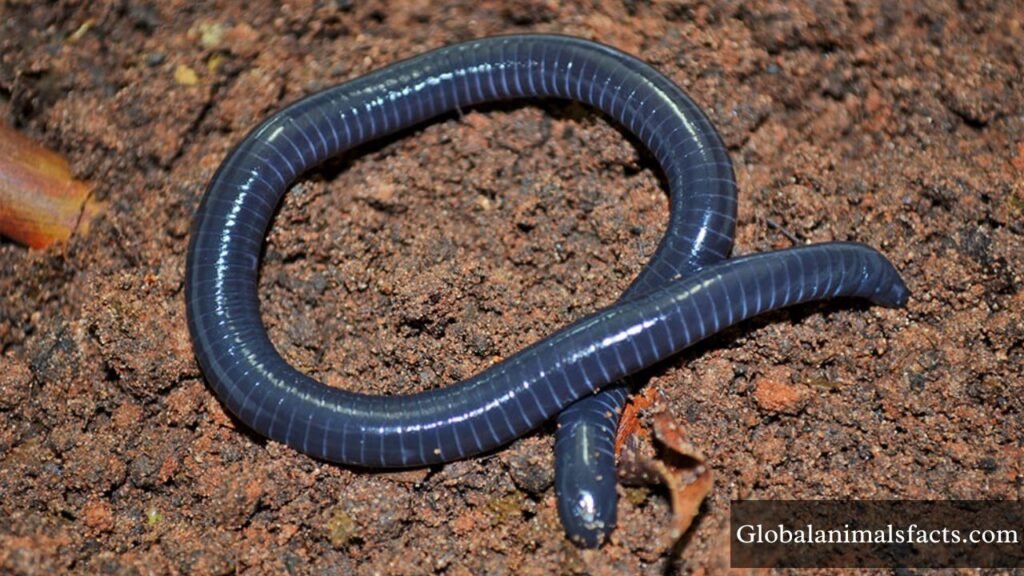
In their murky underground realms, caecilians rely on their keen sense of smell and vibration detection, making them adept hunters of earthworms and other invertebrates. Their skin, often moist and covered in a slimy secretion, plays a dual role — it aids in movement through soil while also serving as a crucial respiratory surface. This unique physiology opens intriguing discussions about the trade-offs in evolution, where losing eyesight translates to greater efficiency in their dark habitat. The caecilian’s existence prompts us to reconsider the value of our sensory experiences and reminds us that life can thrive under conditions far removed from our expectations.
Freshwater Hydra
Scientific Name: Hydra vulgaris
Class: Hydrozoa
Diet: Carnivore
The freshwater hydra, a seemingly unassuming creature, captivates the imagination with its incredible adaptability and resilience. Found in ponds and streams, this tiny organism survives in conditions that would challenge most other life forms, showcasing an extraordinary form of biological creativity. While it lacks traditional eyes, the hydra navigates its environment through a sophisticated set of sensory tentacles, which help it detect food and respond to threats.
What’s particularly fascinating is the hydra’s regenerative abilities. This creature can not only heal injuries but can also regenerate its entire body from just a small fragment. Researchers are diving into its cellular mechanisms to uncover secrets of longevity, sparking hopes for breakthroughs in regenerative medicine for humans. The hydra’s unique perspective on life, thriving without sight and showcasing an alternative form of awareness, challenges our understanding of sensory perception in the animal kingdom, reminding us that survival can take many forms.
Sea Sponge
Class: Demospongiae
Diet: Filter feeder
The sea sponge, an ancient marvel of evolution, provides a fascinating glimpse into the complexity of life in ocean depths. Not only do these organisms lack eyes, but they also exist without nervous systems, yet they exhibit remarkable filtering abilities. Sea sponges thrive by absorbing water, extracting nutrients, and expelling waste — an elegant solution to survival that showcases nature’s ingenuity. Their porous bodies act as a finely tuned filtration system, enabling them to remove bacteria and organic matter while contributing to the overall health of marine ecosystems.
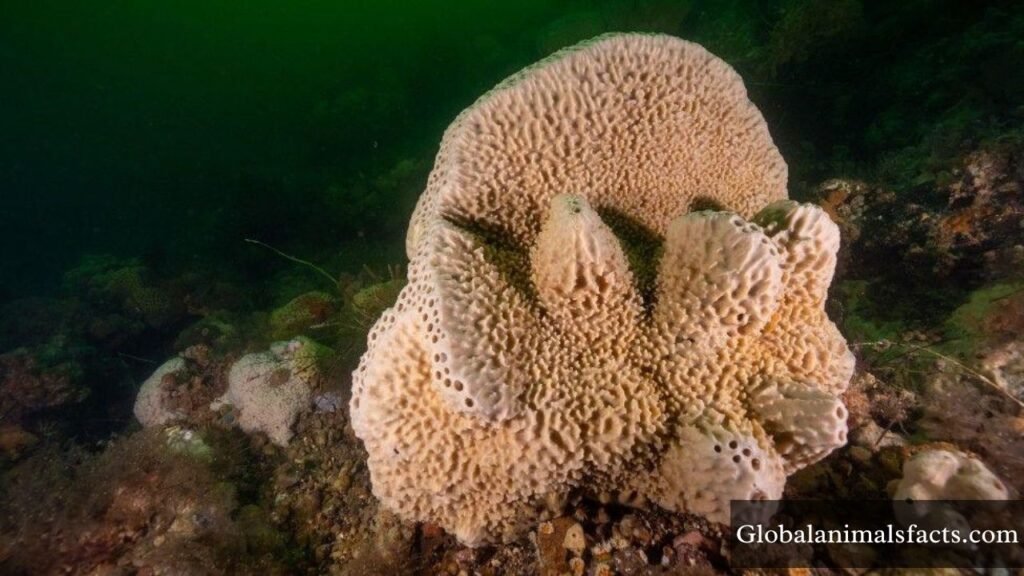
Interestingly, sponges have adapted to a range of environments, from shallow reefs to deep-sea abysses, showcasing their resilience. They don’t require vision to navigate their world; instead, they have evolved chemical signaling systems to communicate with one another and respond to environmental changes.
Widemouth Blindcat
Scientific Name: Satan eurystomus
Class: Actinopterygii
Diet: Carnivore
The widemouth blindcat, a fascinating creature of the Texas subterranean ecosystems, demonstrates nature’s ability to adapt in extraordinary ways. With its large, gaping mouth and lack of eyes, this elusive fish has evolved to thrive in the pitch-black depths of caves, where food scarcity and darkness dictate survival strategies. Strikingly, these blindcats possess enhanced lateral lines, an intricate sensory system that enables them to detect vibrations and movements in the water — a true testament to the wonders of evolution. Interestingly, the widemouth blindcat’s appearance challenges our notions of beauty in nature. While many might consider vision as crucial for survival, this species has embraced a life that relies entirely on other senses.
Kaua’i Cave Wolf Spider
Scientific Name: Adelocosa anops
Class: Arachnida
Diet: Carnivore
The Kaua’i cave wolf spider, a remarkable yet often overlooked inhabitant of Hawaii’s underground caves, illustrates nature’s uncanny adaptability. This species, entirely devoid of eyes, thrives in the pitch-black chambers of its tropical habitat, revealing a fascinating paradox: in darkness, vision becomes a hindrance. This evolutionary trade-off highlights how creatures can develop heightened sensitivity to vibrations and chemical signals, making them adept hunters despite their lack of sight.
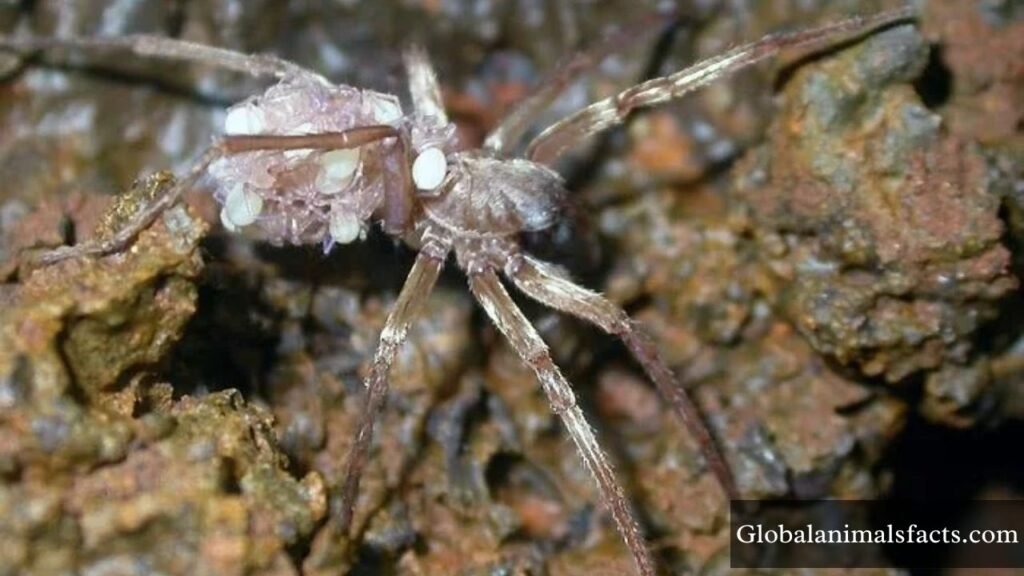
Living in such isolated environments has also led the Kaua’i cave wolf spider to exhibit unique behaviors and physical characteristics. Its elongated legs and pale coloration are not merely survival advantages; they are adaptations that underscore its unique ecological niche. These spiders navigate their subterranean world with extraordinary precision, relying on their refined sensory capabilities to locate prey.
Blind Cave Crayfish
Scientific Name: Orconectes australis
Class: Malacostraca
Diet: Omnivore
The blind cave crayfish, a fascinating creature native to underground aquatic ecosystems, offers a remarkable glimpse into evolution’s adaptability. In total darkness, these crustaceans have evolved to thrive without the need for sight, showcasing nature’s ability to repurpose sensory modalities. Their tactile sensory hairs and acute chemical receptors enable them to navigate their environment with impressive precision, transforming the lack of vision into an exceptional ability to interact with their surroundings.
This unique adaptation raises questions about what it means to “see.” For the blind cave crayfish, the world is navigated through touch and taste, fundamentally altering the experience of existence. In their pitch-black habitats, the crayfish exhibit heightened social behaviors and complex interactions, challenging conventional notions of communication and perception. Furthermore, studying these resilient beings can ignite discussions about biodiversity and conservation, highlighting the delicate balance of cave ecosystems threatened by human activities. In a world largely dominated by sight, these creatures remind us that there are myriad ways to experience life beyond the visible spectrum.
Olm
Scientific Name: Proteus anguinus
Class: Amphibia
Diet: Carnivore
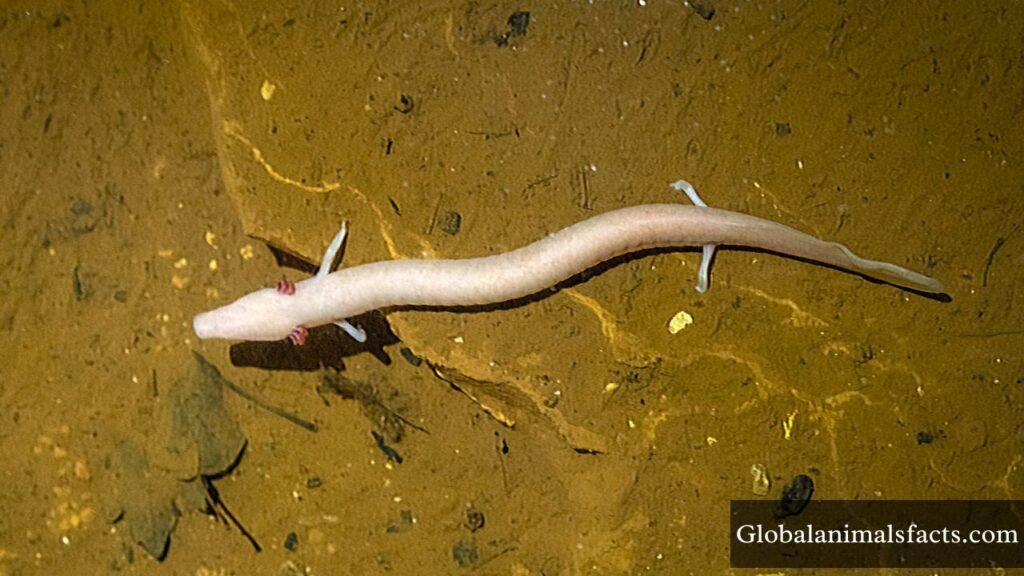
The olm, a fascinating cave-dwelling amphibian, thrives in total darkness, relying on an extraordinary set of adaptations. Found primarily in the subterranean waters of Slovenia and surrounding regions, these creatures have evolved to navigate life without eyes, utilizing an enhanced sense of hearing and touch instead. Their skin, a delicate shade of pale pink, is not just for show; it’s loaded with sensory cells that allow them to detect the slightest vibrations in the water, making them adept hunters of small invertebrates.
Mexican Tetra
Scientific Name: Astyanax mexicanus
Class: Actinopterygii
Diet: Omnivore
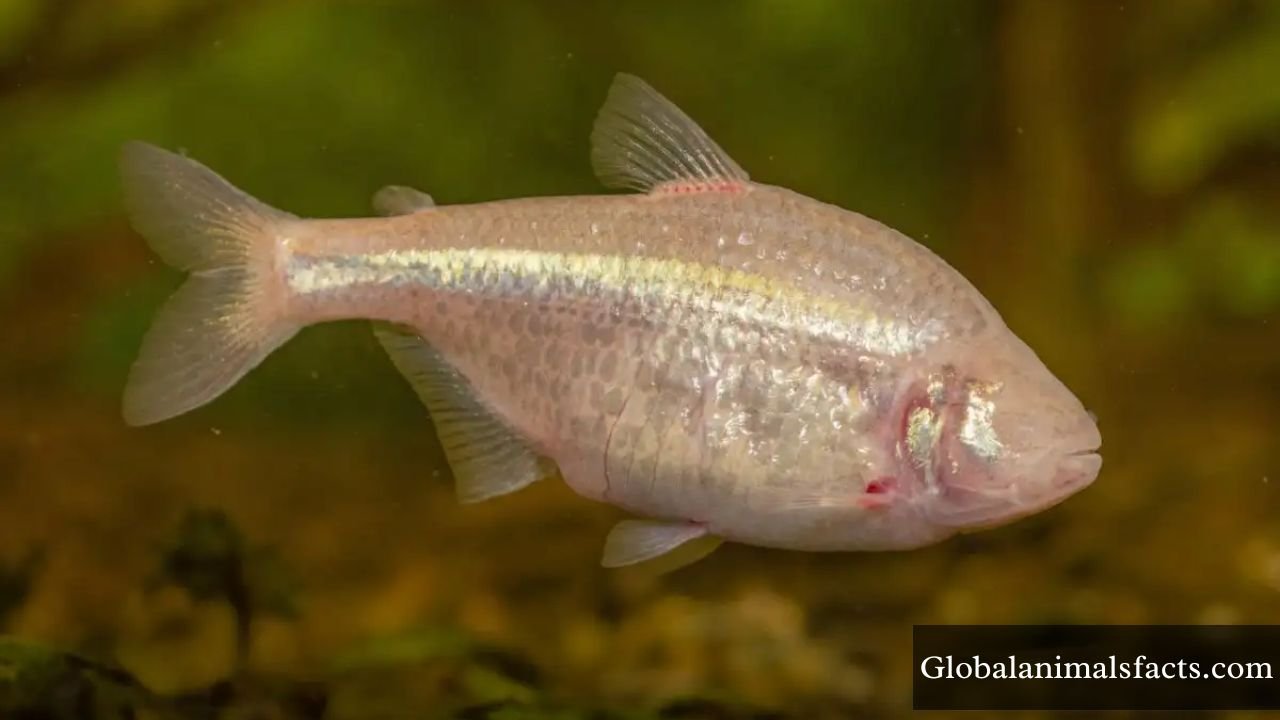
The Mexican Tetra, native to the rivers of Mexico and parts of Texas, offers a fascinating glimpse into evolution’s adaptability. While most fish rely on their eyesight for survival, the Mexican Tetra has evolved in complete darkness, particularly in its cave-dwelling form. Over generations, these fish have become blind, but this loss has been counteracted by a remarkable enhancement of their other senses. Equipped with heightened lateral line systems, they can detect vibrations and pressure changes in their environment, allowing them to navigate and find food with astonishing precision.
Moreover, the Mexican Tetra’s unique adaptation challenges our traditional understanding of sensory perception. It raises intriguing questions about the interplay between environment and adaptation — how species can thrive without one of their primary senses. The fish also showcases a fascinating example of convergent evolution; despite their blindness, these tetra remain playful and social, often engaging in behaviors that suggest a strong reliance on community for survival. Observing their interactions, one can’t help but marvel at nature’s ability to redefine success and the ways life can flourish against the odds.
Sea Lily
Class: Crinoidea
Diet: Filter feeder
The sea lily, a fascinating marine organism, may seem an unlikely candidate for a discussion on eyeless animals, as it resides in a world largely unexplored. These echinoderms, often mistaken for plants, thrive on the ocean floor, attached to rocks or coral. While they lack eyes, sea lilies possess unique sensory capabilities, allowing them to detect light and chemicals in the water, navigating their underwater environment with remarkable precision.
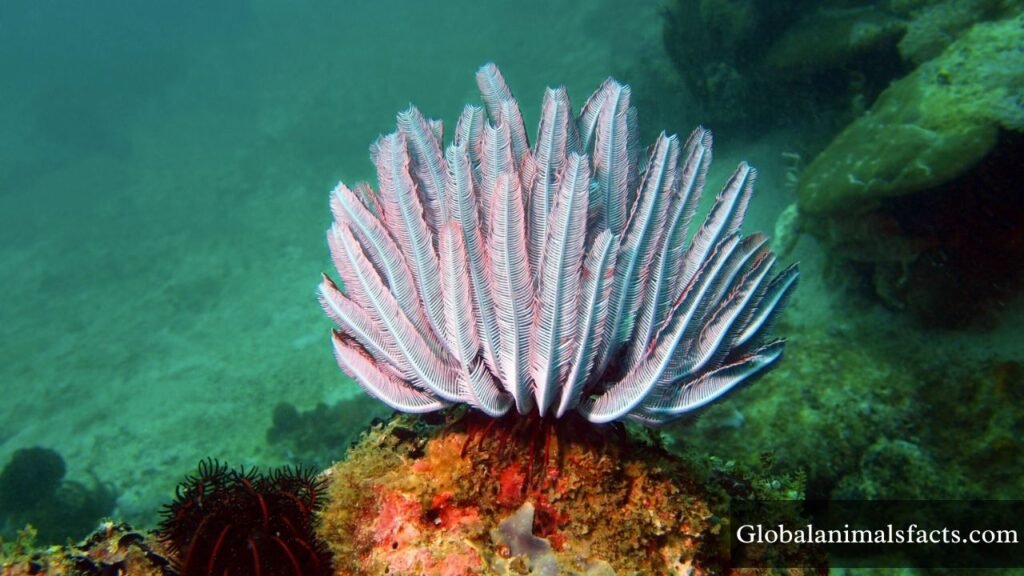
Unlike many creatures that rely on vision, sea lilies have evolved to fully embrace their surroundings through a sophisticated network of tube feet, which they use to capture food and sense their environment. Their ability to filter microscopic particles from the water showcases a complex relationship with their ecosystem, relying not on sight but on touch and chemical cues. This adaptation speaks to the resilience of life in diverse conditions, revealing that reliance on sight isn’t universally necessary for survival.
Readmore: Top 16 Animals That Live in Mud.
Final Thoughts
Animals without eyes illustrate the diverse adaptations of life in our world, demonstrating that survival can thrive even in the absence of sight. These remarkable creatures have evolved unique sensory methods to navigate their environments, highlighting the resilience of nature. From the depths of the ocean to the dark recesses of caves, these beings remind us of the incredible variety of life forms and their specialized ways of interacting with the world. As we continue to study and learn from these fascinating animals, we deepen our understanding of evolution and ecology. Let us celebrate the wonders of nature and advocate for the conservation of habitats that shelter these extraordinary creatures.
FAQs
Which animal does not have eyes?
Earthworms do not have eyes. Instead of sight, they have other sensory organs that help them navigate their environment. They rely on their skin to sense light, moisture, and temperature changes, which is crucial for their survival underground.
What animal is fully blind?
The Mexican Blind Cavefish is a fascinating species that has adapted to life in complete darkness. Over generations, these fish have lost their eyesight as a survival mechanism in their lightless underwater caves. Their bodies have evolved to rely more on heightened sensory systems, like touch and taste, to navigate their environment. Despite being fully blind, these fish thrive by using lateral line systems that detect vibrations and movements in the water. This adaptation helps them find food and avoid predators in their dark habitats.
Which animal has 24 eyes?
The animal with 24 eyes is the box jellyfish. This peculiar creature has a unique visual system featuring clusters of eyes known as rhopalia. Each rhopalium contains a set of six eyes, giving the box jellyfish a total of 24 eyes.