Top 9 Animals with Trunks (With Pictures)
Animals with trunks not only include the majestic elephant but also some lesser-known species that exhibit this fascinating adaptation. In this article, we’ll explore the various roles trunks play in the lives of these animals, from foraging to social interactions. By the end, you’ll gain a deeper appreciation for these remarkable creatures and their unique capabilities.
List of Animals with Trunks
Below is the list of animals that have trunks:
- Elephant Shrew
- Giant Anteater
- Elephants
- Proboscis Monkey
- Aardvark
- Elephant Seal
- Saiga Antelope
- Wild Boar
- Tapir
Elephant Shrew
Class: Mammalia
Diet: Insectivore
The elephant shrew, despite its name and appearance, is neither an elephant nor a true shrew. This fascinating creature, belonging to the order Macroscelidea, showcases the beauty of evolutionary diversity with its elongated snout and quick agility. Often referred to as “sengi,” the elephant shrew’s trunk-like snout is not merely for show; it plays an integral role in foraging. Equipped with a keen sense of smell, these animals can navigate through dense underbrush, uncovering insects and other small treasures hidden beneath the forest floor.
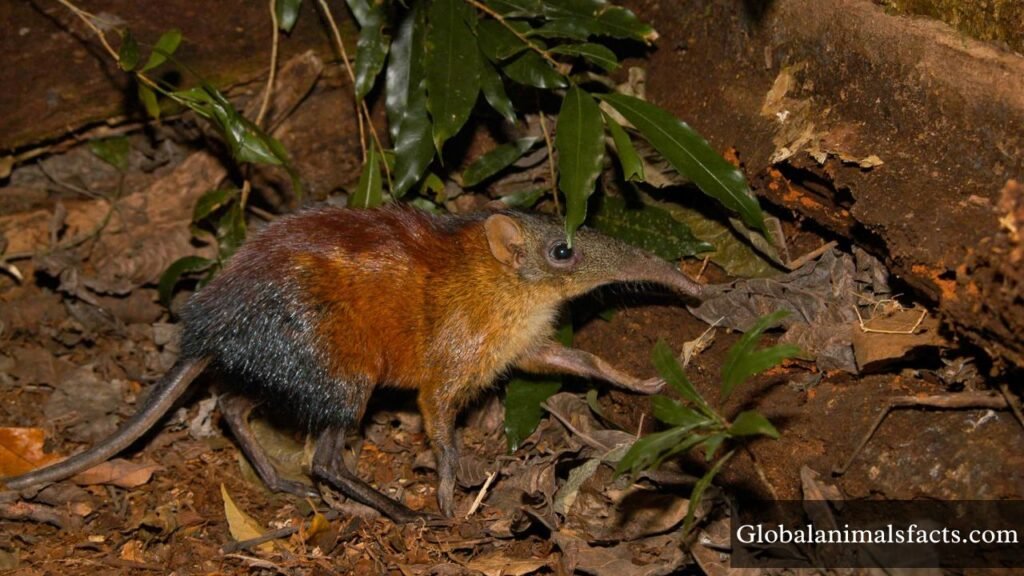
Another compelling aspect of the elephant shrew’s life is its unique social behavior. Most species are solitary, but some exhibit intricate mating rituals and strong parental care, challenging our assumptions about these seemingly simple creatures. For instance, studies have shown that young sengis often learn vital survival skills by observing their mothers, showcasing a level of sophistication in their social dynamics that mirrors more complex mammals.
Giant Anteater
Scientific Name: Myrmecophaga tridactyla
Class: Mammalia
Diet: Insectivore
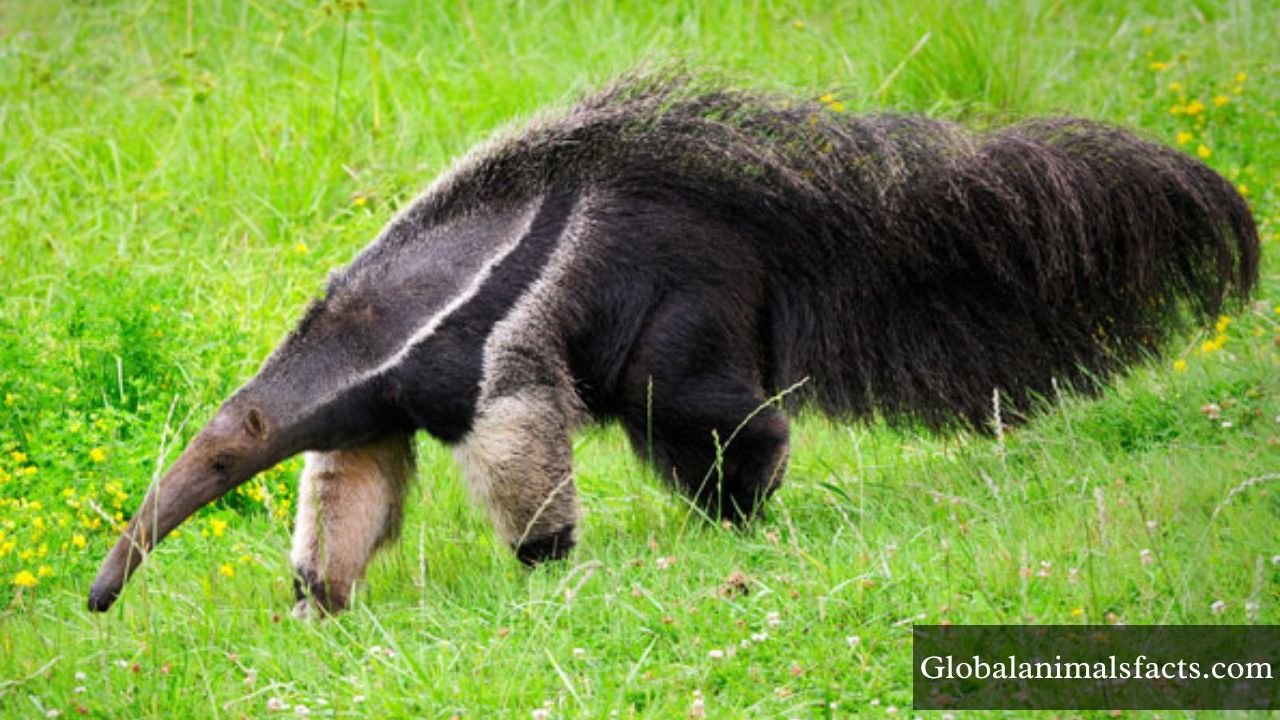
The giant anteater, often overshadowed by more charismatic wildlife, is a marvel of evolutionary adaptation. With its elongated snout, it expertly navigates the dense foliage of Central and South America, revealing a unique feeding strategy that sets it apart. Unlike typical trunk-bearing animals, the anteater deploys its snout as a highly specialized tool, allowing it to probe into ant hills and termite mounds, which would be inaccessible to others. This snout, along with an extraordinarily long tongue that can extend up to 16 inches, aids in slurping up thousands of ants and termites in a single day, showcasing a remarkable niche in the animal kingdom.
Beyond its distinct physical features, the giant anteater plays a crucial role in its ecosystem. As it forages, it inadvertently aerates the soil and disperses seeds, contributing to habitat health. However, its survival is increasingly threatened by habitat destruction and climate change, bringing urgency to conservation efforts.
Elephants
Scientific Name: Loxodonta africana (African elephant), Elephas maximus (Asian elephant)
Class: Mammalia
Diet: Herbivore
Elephants, the gentle giants of the animal kingdom, exhibit remarkable intelligence and emotional depth that often astonish researchers. Their trunks, a unique fusion of nose and upper lip, enable them to perform a stunning array of tasks, from delicate movements like picking up a single blade of grass to powerful actions such as uprooting entire trees. This versatility is a testament to their evolutionary adaptation, allowing them to thrive in diverse environments from savannas to dense forests.
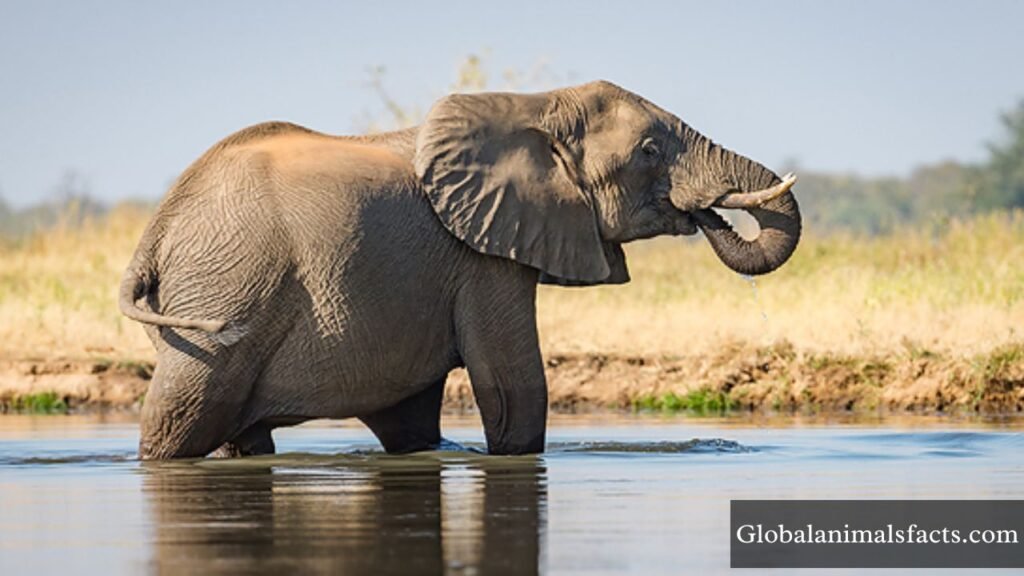
Beyond physical attributes, elephants showcase rich social structures and complex communication methods. They engage in behaviors that reveal deep familial bonds, with matriarchs guiding herds and teaching younger elephants essential survival skills. When a member of their group is in distress, elephants can often be seen gathering around, displaying empathy in a manner reminiscent of human emotional support.
Proboscis Monkey
Scientific Name: Nasalis larvatus
Class: Mammalia
Diet: Herbivore
The proboscis monkey, with its unmistakable large nose, captivates not only with its appearance but also with its unique adaptations. Native to the mangrove forests of Borneo, these monkeys have evolved remarkable physical features that serve practical purposes. Their elongated snouts are not just for show; they enhance vocalizations, allowing them to communicate effectively through the dense foliage of their habitat. This adaptation is particularly intriguing considering their reliance on complex social structures within their troops.
Beyond their distinctive noses, proboscis monkeys are remarkable swimmers, a rarity among primates. They often leap from trees to plunge into water, using their powerful limbs and webbed feet to navigate aquatic environments with ease. This behavior illustrates their versatility and adaptability in a landscape that is constantly changing due to deforestation and habitat loss. Preserving their natural habitat is crucial not only for the survival of these striking creatures but also for the biodiversity that depends on the intricate ecosystems they inhabit.
Aardvark
Scientific Name: Orycteropus afer
Class: Mammalia
Diet: Insectivore
Aardvarks, often overshadowed by their more famous relatives in the wild, are fascinating creatures that embody a unique blend of characteristics, including their distinctive long snouts resembling a trunk. These nocturnal foragers possess an incredible sense of smell, allowing them to detect ants and termites from a distance. With their powerful digging skills, they can excavate extensive burrows in search of food, demonstrating a remarkable adaptability to their environment.
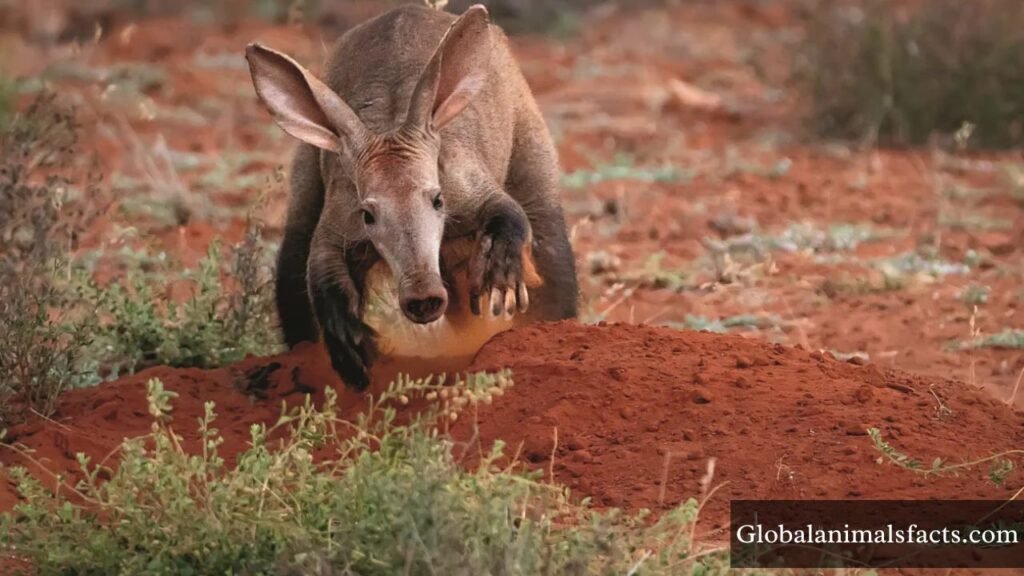
What’s particularly intriguing about aardvarks is their role in the ecosystem. As they burrow, they aerate the soil, enhancing its fertility and allowing plants to thrive. This natural tilling process not only supports vegetation but also creates habitats for other wildlife. Furthermore, their diet primarily consists of ants and termites, making them essential players in controlling insect populations, which keeps their ecosystem balanced and healthy.
Elephant Seal
Scientific Name: Mirounga angustirostris (Northern), Mirounga leonina (Southern)
Class: Mammalia
Diet: Carnivore
Among the remarkable members of the pinniped family, the elephant seal stands out not only for its size but also for its fascinating adaptations. These marine mammals can weigh up to 4,500 pounds, with males boasting a distinctive, inflatable snout that resembles the trunk of their terrestrial counterparts. This “trunk” serves multiple purposes: it aids in vocalizations during mating season, enabling males to produce powerful, resonant calls that echo across their breeding grounds, and it helps assert dominance among rivals.
Beyond their physical attributes, elephant seals lead a unique lifestyle marked by astonishing migratory patterns. These creatures traverse thousands of miles across the ocean, showcasing an innate navigational ability that has sparked the curiosity of marine biologists. They dive deep — often reaching depths of over a mile — while holding their breath for more than an hour, a testament to their incredible adaptation to life in the ocean. In this journey, they experience both the solitude of the vast sea and the vibrant social dynamics of haul-outs, where large groups come together to breed, bask, and create a cacophony of sounds that resonate with the life of the ocean.
Saiga Antelope
Scientific Name: Saiga tatarica
Class: Mammalia
Diet: Herbivore
The Saiga antelope, with its distinctive bulbous nose, is an enchanting reminder of nature’s capacity for adaptation. Found primarily in the steppes of Central Asia, this unique feature serves not just for show; it filters dust and regulates body temperature during the temperature extremes of its habitat. As they roam in herds across vast landscapes, these antelopes embody the stories of resilience, battling against habitat loss, poaching, and the pressing threat of climate change.
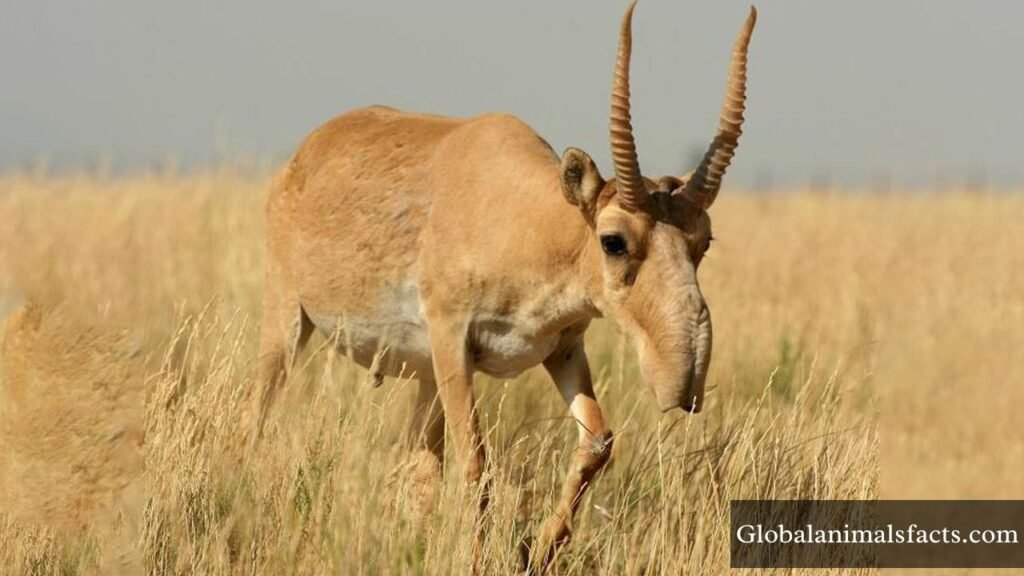
Interestingly, the Saiga’s mating rituals offer a glimpse into their intricate social structure. Males engage in vocal displays and physical posturing to attract mates, revealing a surprising layer of sophistication in their communication. Despite their seemingly robust population in the past, these charming creatures face significant challenges today, leading to a dramatic decline in numbers. Conservation efforts are gaining momentum, focusing on habitat protection and anti-poaching initiatives, emphasizing the importance of preserving not just a species, but the delicate balance of the ecosystems they inhabit.
Wild Boar
Scientific Name: Sus scrofa
Class: Mammalia
Diet: Omnivore
Wild boars, often overlooked in the discussion of trunked animals, offer a fascinating glimpse into nature’s adaptability. With their stout bodies and powerful snouts, these creatures utilize their unique anatomy to root through the earth in search of food. Their skillful foraging not only sustains them but also plays a crucial role in their ecosystems, aerating the soil and facilitating seed dispersal.
Moreover, wild boars exhibit a remarkable social structure, often seen moving in family groups called sounders. These tight-knit units demonstrate a complex communication system, utilizing grunts and body language, reflecting their intelligence and adaptability in the wild. While their relationships are characterized by cooperation, wild boars also display a fierce degree of competition, defending their territory against predators and rivals alike.
Tapir
Scientific Name: Tapirus
Class: Mammalia
Diet: Herbivore
The tapir, a fascinating creature that resembles a cross between a pig and an elephant, boasts a unique trunk-like snout that makes it stand out in the animal kingdom. This flexible appendage, while not as prominent as an elephant’s trunk, serves various purposes for the tapir, from foraging to social interaction. Their snouts help them grasp leaves, fruits, and aquatic plants, allowing them to thrive in dense rainforest habitats. This unique feeding adaptation not only supports their diet but also plays a crucial role in seed dispersal, making tapirs vital to their ecosystems.
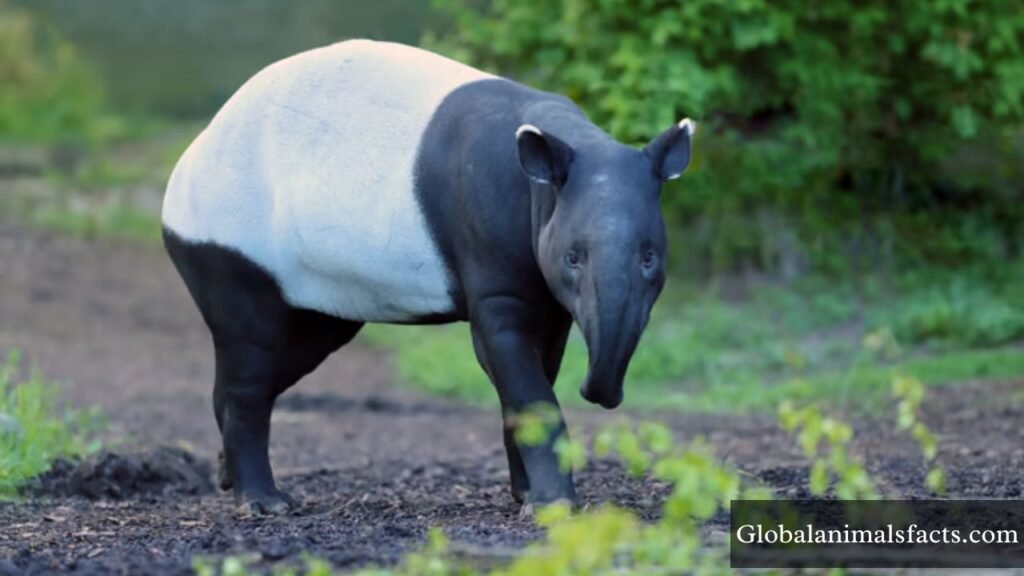
Despite their somewhat awkward appearance, tapirs are surprisingly adept swimmers, often using rivers as their main mode of transportation. Their ability to hold their breath and submerge themselves is not just a survival mechanism; it’s a testament to their evolution within their lush, tropical environments. However, these remarkable animals face increasing threats from habitat loss and poaching, leading to a decline in their populations. By learning more about tapirs and their role in biodiversity, we can better appreciate the interconnectedness of all species and the urgent need for conservation efforts.
Readmore: Explore Top 10 Animals Without Tails.
Conclusion
Trunks in the animal kingdom are more than just physical features; they symbolize remarkable evolutionary adaptations that enhance survival and social dynamics. Animals like elephants showcase how these extraordinary appendages help in foraging, communication, and nurturing their young, underscoring the intricate connections within ecosystems. Yet, as these species face increasing threats, it is imperative that we recognize their importance and take action to safeguard their habitats. By supporting conservation initiatives and raising awareness, we can make a positive difference. Together, let’s champion the cause of trunked animals and protect their place in our natural world.
FAQs
Which animal is famous for having a trunk?
The animal most famous for having a trunk is the elephant. Elephants are known for their long, flexible trunks, which they use for a variety of purposes. These trunks serve as both a nose and a hand, allowing them to breathe, eat, drink, and interact with their environment.
What animal has the longest trunk in the world?
The animal with the longest trunk in the world is the elephant. African elephants, in particular, have exceptionally long trunks that can measure up to seven feet in length.