Top 14 Animals With The Strongest Bite (With Images)
Did you know that the animal kingdom boasts creatures with bite forces so powerful they could crush bones? In this article on animals with the strongest bite, we’ll explore the fascinating world of these formidable predators and the evolutionary adaptations that contribute to their incredible strength. Understanding the mechanics behind these bites not only unveils the sheer power of nature but also highlights the roles these animals play in their ecosystems. Get ready to discover which animals rank at the top!
List of Animals With The Strongest Bite
Below is the list of animals with the strongest bite in the world:
| Number of Animals | Names of Animals with Strongest Bite |
| 1 | Jaguars |
| 2 | Great white sharks |
| 3 | Grizzly Bear |
| 4 | Saltwater crocodiles |
| 5 | Lion |
| 6 | Gorillas |
| 7 | Spotted hyenas |
| 8 | Tiger |
| 9 | American alligators |
| 10 | Nile Crocodile |
| 11 | Hippos |
| 12 | Shortfin mako sharks |
| 13 | Polar bears |
| 14 | Black Piranha |
Jaguars
Scientific Name: Panthera onca
Class: Mammalia
Diet: Carnivore
Jaguar bite force: 1,500 to 2,000 pounds per square inch.
Jaguars possess one of the most powerful bites in the animal kingdom, with a bite force measured at an astonishing 1,500 to 2,000 pounds per square inch. This formidable strength is a result of their uniquely robust jaw structure and muscular build, allowing them to pierce through tough hides and even turtle shells. Unlike many other big cats that primarily bring down prey through sheer speed, the jaguar relies heavily on its crushing bite to deliver a swift, fatal blow, often targeting the skull or shell of its prey.
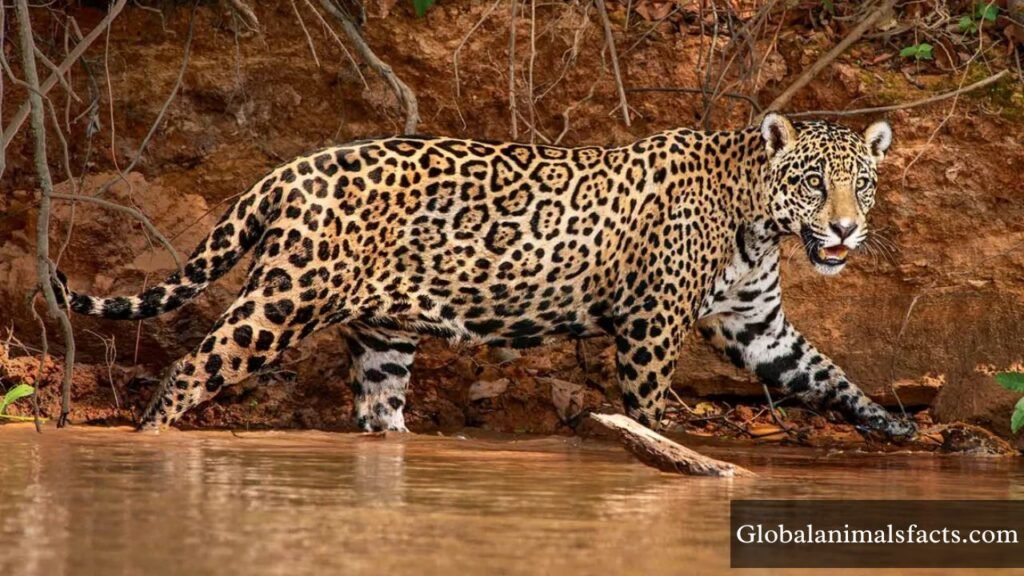
What truly sets the jaguar apart is its remarkable hunting strategy. While many predators prefer to stalk and ambush, jaguars are known for their exceptional ability to swim and hunt in water. This adaptability enables them to hunt a diverse diet, from fish to capybaras. Their evolutionary advantage isn’t just physical; it is also a testament to their keen intelligence and strategic prowess in various environments, making them one of the most versatile hunters in their habitats.
Great white sharks
Scientific Name: Carcharodon carcharias
Class: Chondrichthyes
Diet: Carnivore
Great white shark bite force: 1.8 tons per square inch
The great white shark boasts one of the most formidable bites in the animal kingdom, with an estimated bite force exceeding 1.8 tons per square inch. This incredible power is not merely for show; it plays a vital role in their predatory lifestyle. Their sharp, serrated teeth can slice through flesh with ease, making them efficient hunters of marine mammals, fish, and even seabirds. What’s fascinating is how their evolutionary design allows them to replace lost teeth rapidly, keeping their bite potent throughout their lives.
But the great white’s bite isn’t just about brute strength. Studies have shown that these apex predators exhibit a unique biting technique, often relying on an initial attack from below to maximize damage and then circling back to finish their meal. This behavior highlights their intelligence and adaptability, complicating the traditional view of sharks as mere mindless hunters.
Grizzly Bear
Scientific Name: Ursus arctos horribilis
Class: Mammalia
Diet: Omnivore
Grizzly Bear bite force: 1,200 PSI
The grizzly bear, an embodiment of raw power found in the North American wilderness, has a bite force that can reach up to 1,200 PSI. This formidable strength is complemented by their massive jaws, capable of crushing bones and tearing through thick hides with alarming ease. Yet, what’s truly fascinating is how this formidable bite reflects their ecological role; the grizzly’s ability to dismantle carcasses ensures nutrient recycling within their habitat, benefiting countless other species.
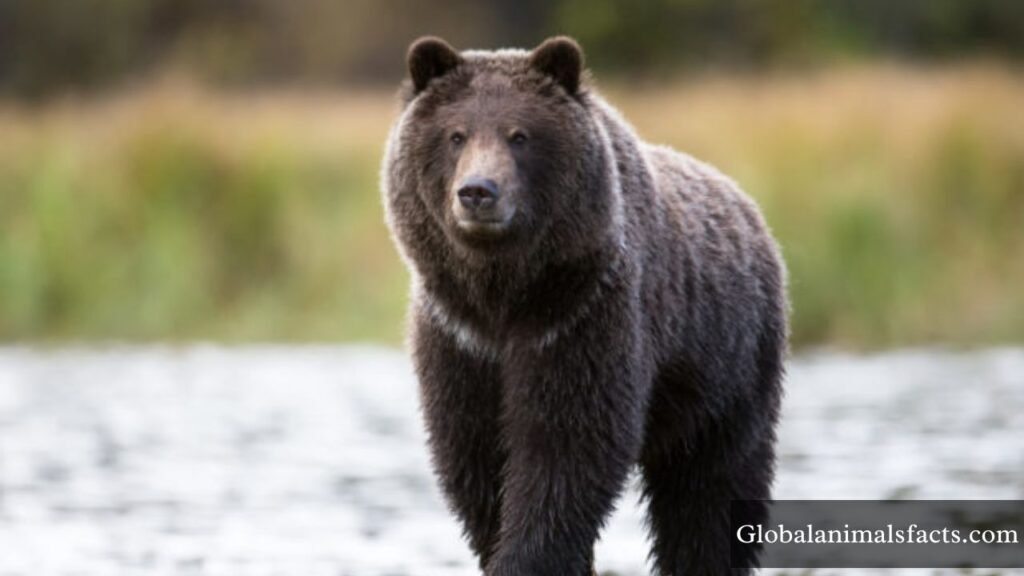
Interestingly, the grizzly bear’s bite is not merely a tool for hunting or defense but also a critical component of their communication. These creatures often use their teeth and vocalizations to establish dominance or signal warning, demonstrating that their powerful jaws serve both functional and social purposes. This duality provides a glimpse into the complex behaviors of such apex predators, revealing that beneath their fearsome exterior lies an intricate social structure that few can rival. Understanding these aspects not only enhances our appreciation for the grizzly bear but also underscores the importance of preserving their natural habitat.
Saltwater crocodiles
Scientific Name: Crocodylus porosus
Class: Reptilia
Diet: Carnivore
Saltwater crocodile bite force: 3,700 pounds of pressure per square inch
The saltwater crocodile reigns supreme when it comes to bite force in the animal kingdom. With a bite that can exert over 3,700 pounds of pressure per square inch, this formidable predator is truly built for dominance. Its powerful jaws are finely tuned for gripping and tearing through both flesh and bone, allowing it to capture prey that ranges from fish to large mammals. Unlike many other reptiles, saltwater crocodiles can adapt their hunting techniques, using ambush tactics in shallow waters to surprise unsuspecting victims.
What sets the saltwater crocodile apart from other apex predators isn’t just its brute strength, but its ancient lineage. These reptiles have been around for over 200 million years, making them living fossils and key players in their ecosystems. Their impressive bite force is not just a demonstration of power but an evolutionary advantage, allowing them to scare off competitors and assert territory with minimal effort.
Lion
Scientific Name: Panthera leo
Class: Mammalia
Diet: Carnivore
Lion bite force: 650 PSI
The lion, often called the “king of the jungle,” possesses a bite force that underscores its reputation as a dominant predator. With a bite force measured at around 650 PSI, lions are equipped to tackle large prey, from wildebeests to buffalo. However, that powerful bite is not just for hunting; it’s also essential for the social structure within prides. Lions use their powerful jaws to assert dominance, protect their territory, and maintain cohesion among pride members.
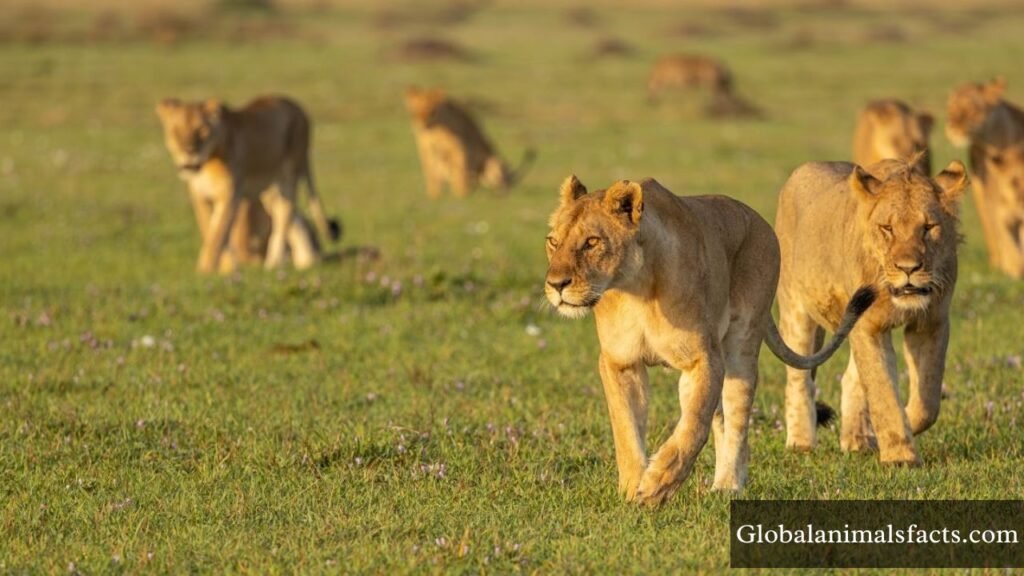
Interestingly, a lion’s bite strength is often overlooked in discussions about animal power, despite its capability to crush bone. This adaptation allows lions to access nutrient-rich marrow, which is crucial for their survival, particularly in arid environments where food can be scarce. Their bite, combined with their immense strength and strategic hunting techniques, makes them incredibly efficient in the wild.
Gorillas
Scientific Name: Gorilla gorilla
Class: Mammalia
Diet: Herbivore
Gorilla bite force: 1,300 pounds per square inch
Gorillas, often hailed as gentle giants, possess an astonishing bite force that belies their calm demeanor. Their powerful jaws and massive teeth have adapted to a diet primarily consisting of tough vegetation, allowing them to crush fibrous plant material with ease. Recent studies estimate a gorilla’s bite force can reach up to 1,300 pounds per square inch, making them one of the strongest biters in the animal kingdom, second only to the mighty saltwater crocodile.
What’s even more fascinating is the social aspect of their biting power. In the wild, gorillas rarely resort to aggression, often using their immense strength to display dominance rather than engage in physical confrontations. Their bites serve as a powerful symbol of their strength, rooted deeply in the hierarchy of their troops. This ability to balance brute force with social intelligence opens discussions about their communication methods and the strategies they employ to maintain peace, showcasing a profound connection between strength and diplomacy in the animal world.
Spotted hyenas
Scientific Name: Crocuta crocuta
Class: Mammalia
Diet: Carnivore
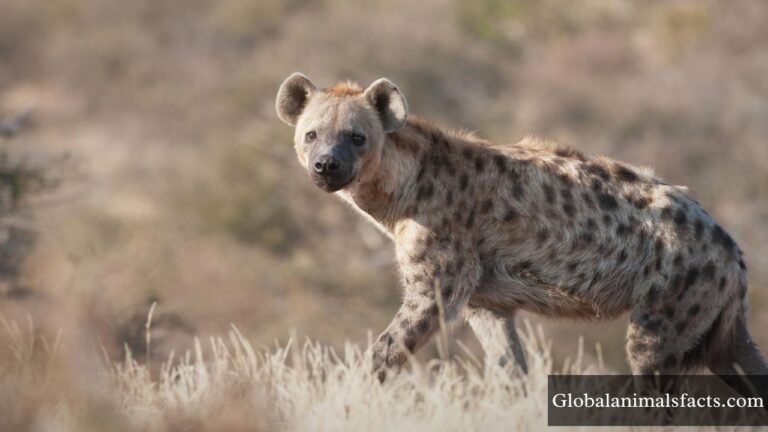
Spotted hyena bite force: 1,100 PSI
The spotted hyena, often misunderstood and shrouded in myth, boasts one of the most formidable bites in the animal kingdom, measuring an astonishing 1,100 PSI. This bite pressure is not merely for display; it serves a crucial role in their survival strategy. Equipped with powerful jaws and specialized teeth, these carnivores can crush bones, allowing them to access marrow, a vital nutrient source. This adaptability contributes to their reputation as scavengers and hunters, showcasing their dual roles in the ecosystem.
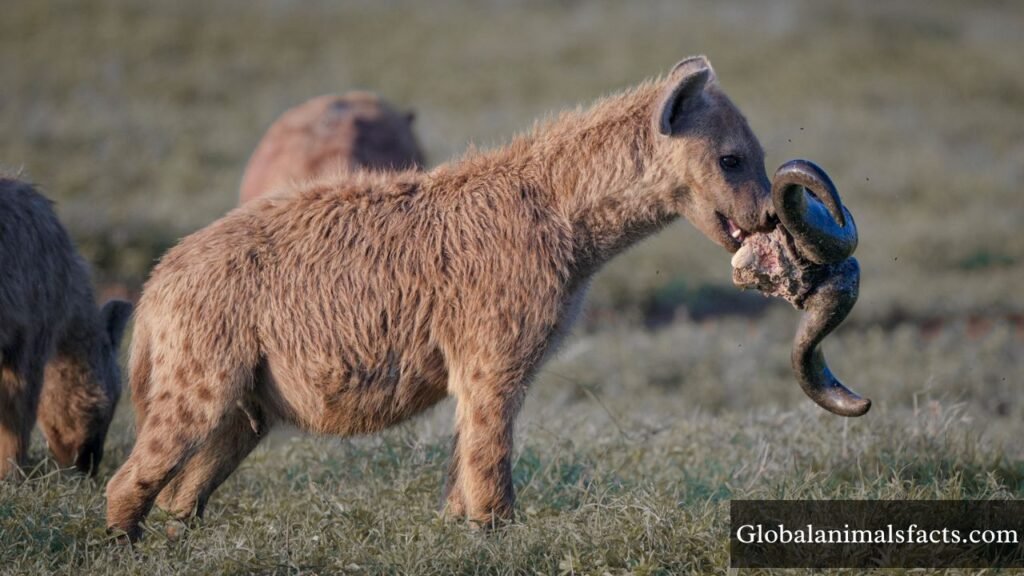
But what truly sets the spotted hyena apart is their complex social structure and communication. Living in clans that can range from 10 to over 80 individuals, these creatures are incredibly cooperative, using their strength in numbers to tackle larger prey. Their infamous social calls, often mistaken for laughter, are an integral part of their hierarchy, offering insights into their social dynamics. By understanding the importance of their bite and social behaviors, we can appreciate how these fascinating animals thrive in diverse environments, shaping their ecosystems in ways that are often overlooked.
Tiger
Scientific Name: Panthera tigris
Class: Mammalia
Diet: Carnivore
Tiger bite force: 1,000 PSI
The tiger, a formidable predator, boasts one of the most powerful bites in the animal kingdom, with a bite force estimated at around 1,000 PSI. This incredible strength allows the tiger to crush bones and penetrate thick hides, making it a masterful hunter. Unlike many big cats that rely on stealth and agility, tigers use their immense jaw strength to quickly dispatch prey, ensuring a swift kill in the wild.
What’s fascinating about the tiger’s bite is not just its raw power but its strategic use in various hunting scenarios. Tigers often deliver a lethal bite directly to the neck of larger prey, severing arteries and leading to fast immobilization. Their unique dental structure, equipped with long canines and robust molars, enables them to grip and tear flesh more effectively than many other carnivores.
American alligators
Scientific Name: Alligator mississippiensis
Class: Reptilia
Diet: Carnivore
American alligator bite force: 2,000 pounds per square inch
The American alligator, with its powerful jaws, boasts one of the strongest bite forces in the animal kingdom. When it snaps its mouth shut, the force can exceed 2,000 pounds per square inch, making it a formidable predator. What’s particularly fascinating is how this bite strength evolved: alligators have adapted to thrive in a variety of habitats, from murky swamps to slow-moving rivers, using their crushing bites to subdue everything from fish to deer. This remarkable strength becomes even more impressive when you consider their hunting strategy — waiting stealthily in the water until the opportune moment to strike.
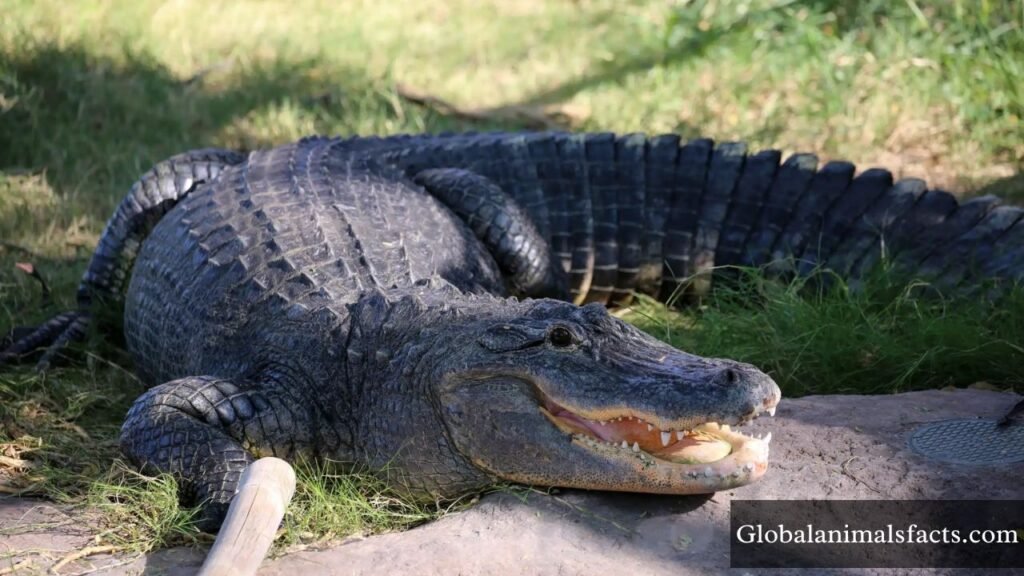
Interestingly, alligators utilize their bite strength not just for hunting, but also for defense and social interaction. When competing with rivals or courting mates, their alarming bite can communicate dominance without needing to resort to prolonged conflict. This adaptability, combined with their ancient lineage, serves as a testament to how alligators have remained apex predators for millions of years. Their jaws are not just tools of brute force; they embody a complex interplay of evolutionary traits that ensure their survival in a constantly changing environment.
Nile Crocodile
Scientific Name: Crocodylus niloticus
Class: Reptilia
Diet: Carnivore
Nile Crocodile bite force: 5,000 pounds of force per square inch
The Nile crocodile, a true apex predator, boasts one of the most powerful bites in the animal kingdom, measuring an astonishing 5,000 pounds of force per square inch. This immense strength enables it to crush bones and capture prey with chilling efficiency. Unlike many other animals, the crocodile’s bite isn’t only about power; it’s a sophisticated tool evolved over millions of years. With a jaw structure that distributes force evenly, the Nile crocodile can deliver a lethal grip in mere seconds, often leaving its rival or prey in irreversible peril.
But the Nile crocodile’s bite isn’t merely a weapon; it’s a feast of evolutionary strategy. Its massive, conical teeth are designed for gripping rather than chewing, allowing the crocodile to secure its catch while employing a technique known as the “death roll” — a dazzling display of strength and agility. This maneuver not only helps disorient prey but also makes it easier to tear apart larger animals. By leveraging its bite for both capture and consumption, the Nile crocodile exemplifies a creature perfectly adapted to its role as a fearsome predator within the aquatic ecosystems of Africa.
Hippos
Scientific Name: Hippopotamus amphibius
Class: Mammalia
Diet: Herbivore
Hippopotamus bite force: 1,800 pounds of pressure per square inch
When considering the animal kingdom’s mightiest biters, the hippopotamus often surprises many. Known for their seemingly docile demeanor, these enormous creatures wield one of the most powerful bites of any land animal. With jaw muscles that can exert an astounding 1,800 pounds of pressure per square inch, hippos are not only the envy of many fearsome predators but also one of Africa’s most dangerous animals. Their strong bite allows them to crush bones and slice through tougher vegetation with ease, showcasing a versatility that few can rival.
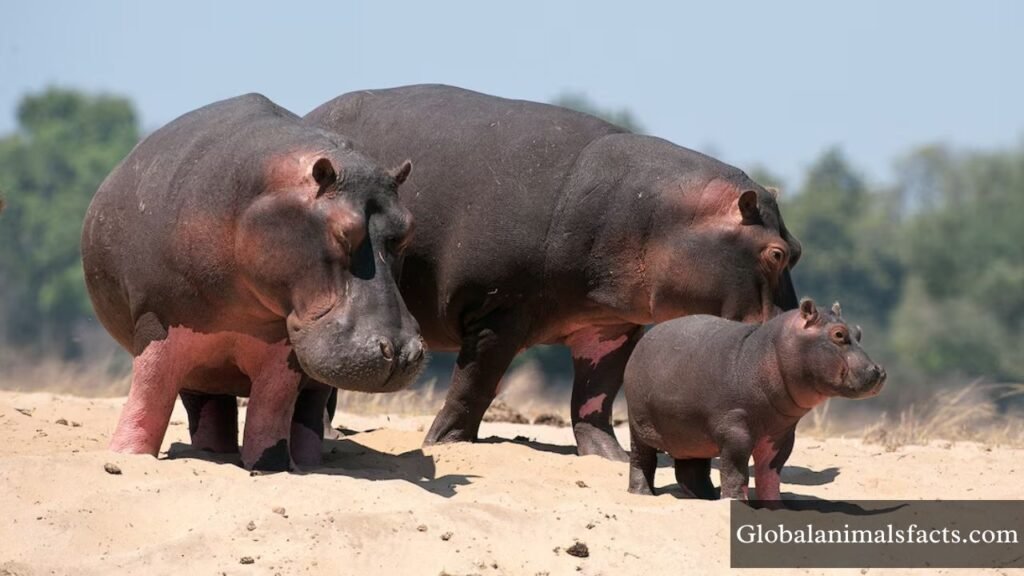
But it’s not just their brute strength that makes hippos fascinating; it’s also the psychological paradox they embody. While most people view them as benign, their territorial and aggressive nature reveals a complex character. Hippos are known to be highly protective of their space, often charging at boats or intruders with little warning. This behavior is underscored by their social structure, where group dynamics can intensify territorial disputes, making them more formidable than their size suggests.
Shortfin mako sharks
Scientific Name: Isurus oxyrinchus
Class: Chondrichthyes
Diet: Carnivore
Shortfin mako shark bite force: 1300 PSI
The shortfin mako shark, known for its incredible speed and agility, is not just a marvel of the ocean but also possesses one of the strongest bites among all shark species. With bite forces measured at up to 1300 PSI, these predators exhibit an impressive combination of power and precision. Their streamlined bodies allow them to exceed speeds of 45 miles per hour, transforming their powerful jaws into efficient tools for capturing agile prey, like tunas and mackerels.
What sets the shortfin mako apart is not just its strength but the evolutionary adaptations that enhance its biting capability. Unlike many other sharks, their jaw structure allows for a unique locking mechanism, helping to maintain grip on slippery prey even when under pressure. This distinct feature facilitates quick, decisive strikes — ensuring that their meal doesn’t escape easily.
Polar bears
Scientific Name: Ursus maritimus
Class: Mammalia
Diet: Carnivore
Polar bear bite force: 1,200 pounds of pressure per square inch
Polar bears possess one of the most formidable bites in the animal kingdom, capable of exerting over 1,200 pounds of pressure per square inch. This immense biting force isn’t just for show; it’s a crucial tool for their survival in the harsh Arctic environment. Their powerful jaws enable them to crunch through thick layers of ice and access the blubber of seals, their primary prey. The sheer strength and structure of their teeth are adapted for gripping slippery prey, making these apex predators exceptionally efficient hunters.
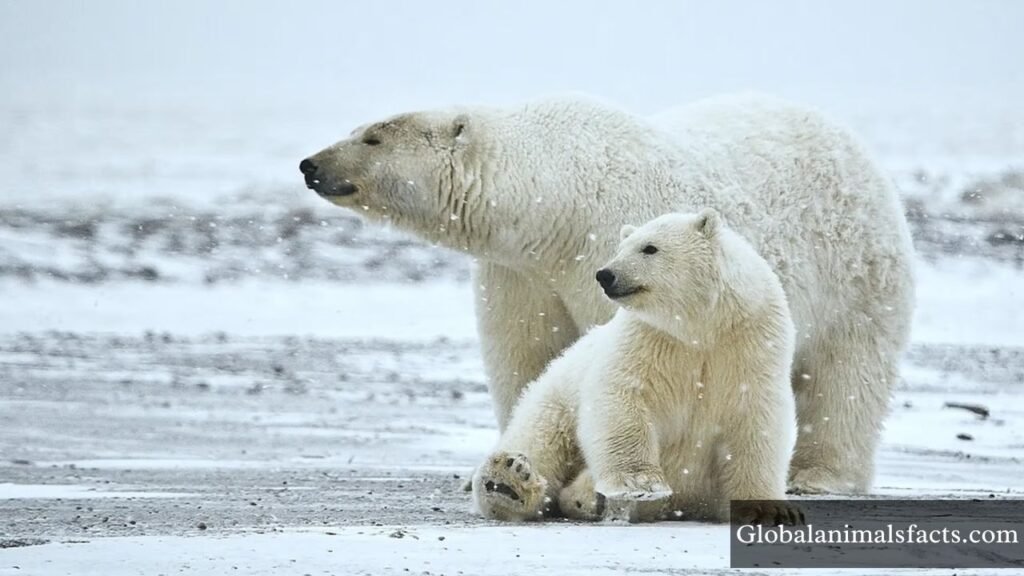
Interestingly, the bite of a polar bear not only serves a physical purpose but also plays a role in their social interactions. During mating season, their powerful jaws are involved in displays of dominance and mating rituals, showcasing their strength without resorting to actual aggression. Furthermore, studying the mechanics of a polar bear’s bite can provide insights into their evolutionary adaptations, revealing how they thrive in an environment where food scarcity can be a significant challenge. This fascinating interplay between strength and survival underscores the polar bear’s status as a resilient emblem of the Arctic.
Black Piranha
Scientific Name: Serrasalmus rhombeus
Class: Actinopterygii
Diet: Carnivore
Black Piranha bite force: 1,300 psi
The black piranha, often overshadowed by its notorious reputation, boasts one of the most formidable bites in the animal kingdom. With jaw pressure exceeding 1,300 psi, it rivals even the great white shark in bite force relative to body size. These fish, averaging around 12 to 24 inches in length, possess razor-sharp teeth that are perfectly adapted for slicing through flesh. It’s not just their power that’s impressive, but their hunting strategy, which often involves teamwork and ambush tactics, demonstrating a level of intelligence not usually associated with fish.
What’s even more fascinating is how this biting prowess plays a crucial role in their ecosystem. As apex predators in their freshwater habitats, black piranhas help control fish populations and maintain ecological balance. Moreover, while many perceive them as mere carnivorous villains in nature, their biting capability also serves as a defense mechanism, deterring larger predators and safeguarding their territory.
Readmore: Explore Top 28 Energetic Animals in The World.
Final Thoughts
The study of animals with the strongest bite reinforces the incredible diversity and specialization found in the animal kingdom. From the powerful jaws of the saltwater crocodile to the ferocious bite force of the hyena, these creatures have evolved to thrive in their environments. Their biting strength not only plays a crucial role in hunting and feeding but also in defense against predators and competition. Understanding these adaptations not only fascinates biologists but also highlights the intricate relationships within ecosystems. Let us continue to explore and appreciate these remarkable animals, advocating for their conservation and the preservation of their habitats.
FAQs
What animal has the strongest bite force in the world?
The animal with the strongest bite in the world is the saltwater crocodile. Researchers estimate that their bite force can exceed 3,700 pounds per square inch, making it significantly stronger than that of any other known animal. This powerful bite helps them capture and hold onto their prey, which often includes large mammals.
Who has a stronger bite, lion or tiger?
Tigers have a stronger bite than lions. On average, a tiger’s bite force is around 1,050 psi, while a lion’s bite force is approximately 650 psi.
What animal bites the fastest?
The trap-jaw ant holds the title for the fastest bite in the animal kingdom. With a jaw that can snap shut at an astonishing speed of up to 157 miles per hour, these tiny insects are masters of both defense and hunting. Their unique mechanism allows them to launch their mandibles like a spring, making their strikes almost instantaneous.
What animal is lazy but strong?
One animal that fits the description of being lazy yet strong is the sloth. Sloths are renowned for their slow movements and relaxed lifestyle, often hanging out upside down in trees for most of the day. Despite their laid-back demeanor, they possess incredibly strong muscles, especially in their upper bodies, allowing them to hang effortlessly from branches while conserving energy.
What is leopard bite force?
Leopards possess an impressive bite force, typically rated at around 300 to 310 psi. This powerful bite allows them to grasp and immobilize prey effectively, often killing with a single bite to the neck or skull.
What is cheetah bite force?
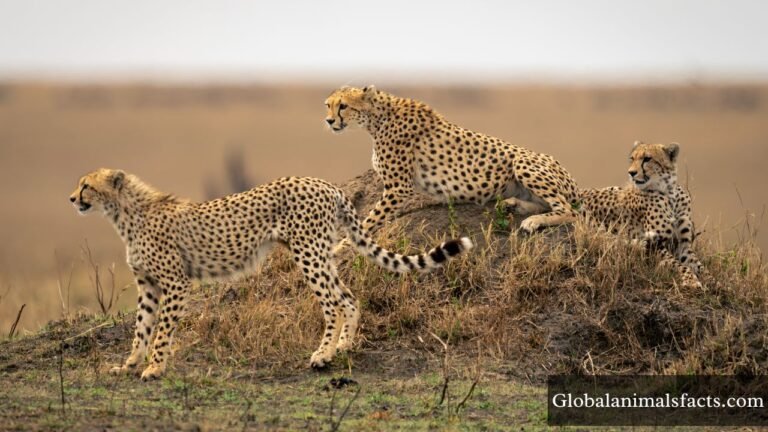
Cheetahs have a bite force of around 475 pounds per square inch. This is relatively low compared to other big cats like lions or tigers, which can exceed 1,000 psi. Cheetahs primarily rely on their incredible speed and agility to catch prey rather than raw strength.