Explore Top 22 Animals With Long Necks (With Pictures)
Animals with long necks aren’t just fascinating for their unique adaptations; they play crucial roles in their ecosystems. This article explores the various species that boast impressive neck lengths, revealing how these adaptations enhance their survival. By the end, you’ll appreciate the evolutionary marvels that enable these creatures to thrive in their environments.
List of Animals With Long Necks
Below is the animals that have long necks:
- Flamingo
- Swan
- Alpaca
- Goose
- Camel
- Giraffe
- Okapi
- Llama
- Anhinga
- Turtle
- Ostrich
- Heron
- Black Stork
- Turkey
- Black-necked Stork
- Horse
- Turkey Vulture
- Zebra
- Emu
- Peacock
- Great Blue Heron
- Mute Swan
Flamingo
Scientific Name: Phoenicopterus roseus
Class: Aves
Diet: Omnivore
Flamingos are renowned not only for their striking pink feathers but also for their elegantly elongated necks, which are a marvel of evolutionary adaptation. These necks allow them to reach deep into shallow waters, where they expertly sift through mud and sediment for small organisms such as shrimp and algae. This feeding technique, called “filter feeding,” is made possible by their unique beaks that curve downward, allowing them to graze while keeping their heads submerged.
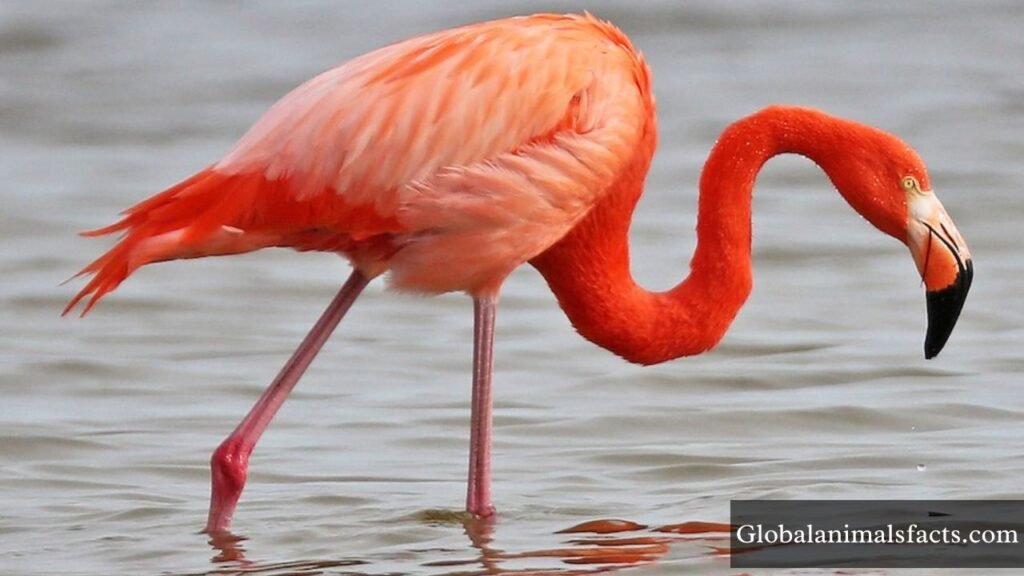
Beyond their feeding habits, the flamingo’s long neck plays a crucial role in social interactions. During courtship displays, flamingos engage in synchronized movements, raising their necks dramatically to communicate and attract potential mates. This graceful display not only showcases their physical prowess but also highlights the importance of visual signals in their social dynamics.
Swan
Scientific Name: Cygnus cygnus
Class: Aves
Diet: Herbivore
The swan, with its elegant long neck, is a living embodiment of grace on the water. This magnificent feature is not merely for aesthetics; it serves multiple purposes in the swan’s daily life. By extending its neck, a swan can reach underwater vegetation and forage for food, maximizing its ability to find nutrients even in deeper waters. This adaptability enhances their survival in various aquatic environments, from serene lakes to bustling marshes.
Moreover, the long neck plays a crucial role in the swan’s social interactions. With their necks arched and curved during mating displays, swans communicate strength and beauty to potential partners, reinforcing bonds within their pairs. Their necks allow swans to maintain a watchful eye on their surroundings, spotting predators or rivals long before they approach. The dual utility of the swan’s elongated neck combines functionality with expressive behavior, making these birds not only a feast for the eyes but also fascinating subjects for observation and study.
Alpaca
Scientific Name: Vicugna pacos
Class: Mammalia
Diet: Herbivore
Alpacas, often overshadowed by their more famous relatives, the llamas, are fascinating creatures with a unique combination of elegance and charm. Their long necks not only enhance their striking appearance but also serve a purpose in their natural habitat. These gentle grazers can reach high grasses and leaves that are out of reach for other herbivores, allowing them to thrive in the diverse landscapes of the Andes mountains. This adaptability underscores their role in maintaining ecological balance in their environment.
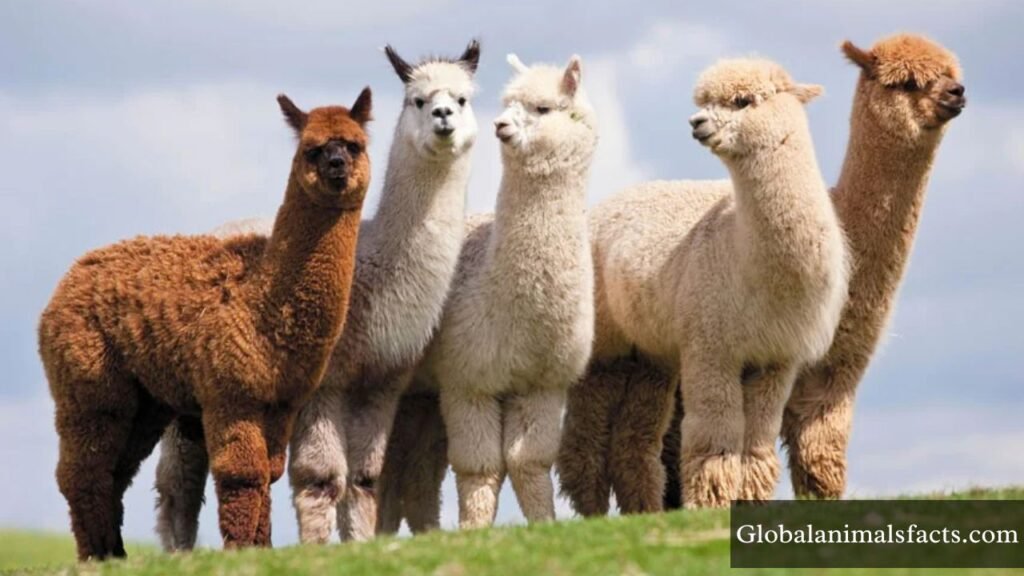
Moreover, the graceful neck of an alpaca is not merely functional; it also plays a pivotal role in their social interactions. With their expressive neck movements, alpacas communicate emotions ranging from curiosity to affection. This non-verbal communication enriches their social dynamics and bonds, making them not only social creatures but also fascinating subjects for studies in animal behavior.
Goose
Scientific Name: Anser anser
Class: Aves
Diet: Herbivore
Geese, often overlooked as mere farmyard companions, possess a fascinating array of adaptations tied to their long necks. These elegant birds, with necks that can stretch up to long lengths, are not just visually striking; their anatomy plays a crucial role in their survival. By extending their necks, geese can graze on lush grasses and aquatic plants that are often out of reach for many other birds. In the wild, this ability allows them to exploit diverse habitats, from marshes to vast fields, effectively broadening their dietary palette.
Moreover, their long necks aren’t just for foraging; they serve as vital tools for communication and social interaction within flocks. Geese are known for their complex vocalizations, which range from honks to soft coos, and their neck postures can significantly enhance these interactions. When they raise their necks, it conveys alertness or dominance, while a lowered neck can signal submission or calm. This sophisticated body language is essential, particularly during the breeding season when establishing hierarchies and nurturing partnerships becomes critical.
Camel
Scientific Name for Dromedary Camel: Camelus dromedarius
Scientific Name for Bactrian Camel: Camelus bactrianus
Class: Mammalia
Diet: Herbivore
The camel, often dubbed the “ship of the desert,” boasts more than just a unique mode of transportation across arid landscapes; its long neck plays a crucial role in its survival. This elongated structure allows camels to reach high branches and shrubs, tapping into a vital food source in an environment where vegetation is sparse. Their neck flexibility not only aids in foraging but also enhances their communication with other camels, allowing for subtle body language that’s vital in maintaining social bonds within herds.
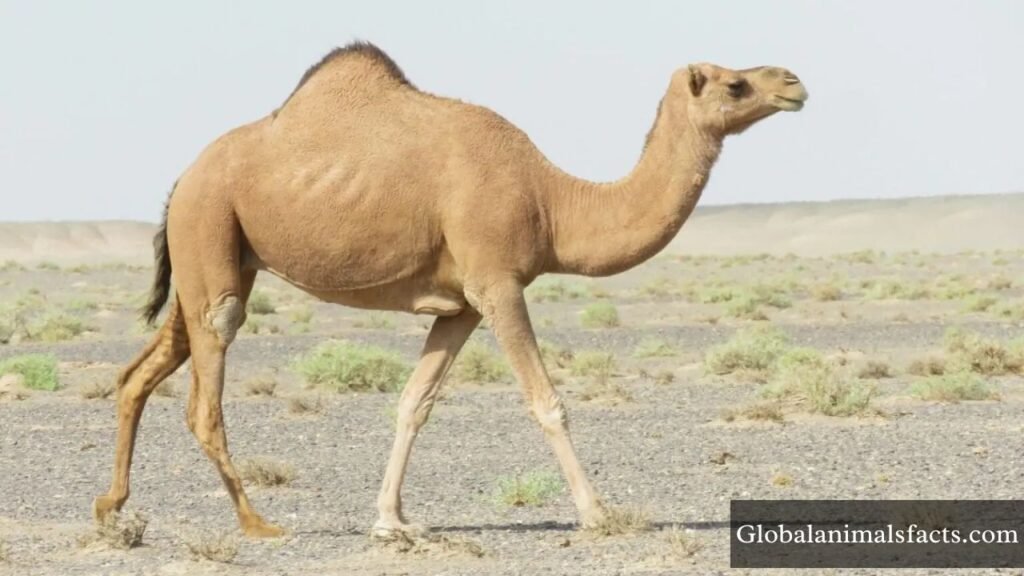
Another fascinating aspect of the camel’s long neck is its implication for thermoregulation. As these animals traverse extreme temperatures, their necks assist in dissipating heat more efficiently, showcasing nature’s ingenious adaptations.
Giraffe
Scientific Name: Giraffa camelopardalis
Class: Mammalia
Diet: Herbivore
The giraffe, with its iconic, elongated neck, is a stunning example of evolutionary adaptation. While most animals use height for various defensive strategies, the giraffe’s lofty stature primarily serves to access food that other herbivores can’t reach. Their remarkable ability to browse on high foliage not only sustains them but also reduces competition for resources in their arid African habitats. This adaptation highlights a fascinating aspect of survival: sometimes, the best way to thrive is to literally rise above the rest.
Moreover, giraffes have a unique vascular system that supports their extraordinary necks. Their hearts, capable of pumping around 11 gallons of blood, have to generate enough pressure to circulate blood up to their brains, which can be a significant distance of over six feet. Their necks contain only seven vertebrae — just like humans — though each is dramatically lengthened, allowing for an intricate balance of grace and strength. This structural engineering not only enables them to reach the treetops but also plays a crucial role when it comes to fighting; male giraffes engage in a behavior called “necking,” where they swing their necks and heads to strike opponents in a contest of dominance.
The giraffe’s social behavior is equally intriguing. They form herds that are fluid in structure, often consisting of both males and females, and they exhibit complex social interactions. Their communication involves a range of vocalizations and even body language, from the gentle swaying of their long necks to intricate movements that signal readiness for interaction or play.
Okapi
Scientific Name: Okapia johnstoni
Class: Mammalia
Diet: Herbivore
The Okapi, often dubbed the “forest giraffe,” possesses a striking combination of features that blur the lines between its two closest relatives: the giraffe and the zebra. Native to the dense rainforests of the Democratic Republic of Congo, this elusive creature thrives in a habitat rich with vegetation, utilizing its long neck to graze on leaves and branches that would be out of reach for many other herbivores. Unlike its distant cousin, the Okapi’s neck is not as elongated, but it still serves an important purpose, allowing the animal to search for food in the canopy while maintaining a low profile against predators.
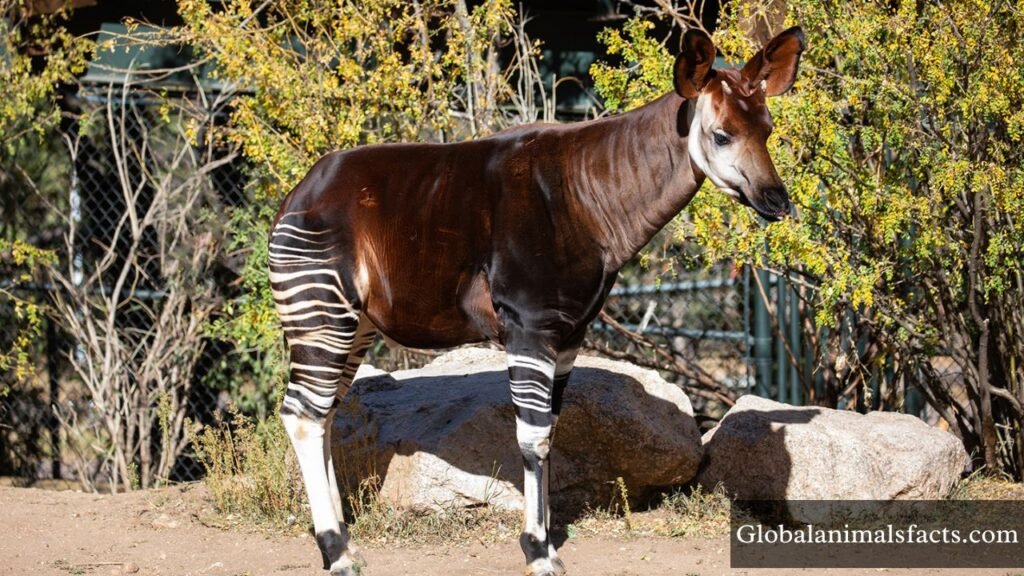
Interestingly, the Okapi’s long neck is complemented by its unique striped hindquarters, which provide a natural camouflage in the dappled sunlight of its forest home. This adaptive coloration helps the Okapi remain hidden from both predators and potential threats, showcasing nature’s ingenuity in survival strategies. Additionally, their large ears are not just for hearing; they can swivel independently to pick up the slightest sounds, enhancing the Okapi’s ability to navigate its environment.
Llama
Scientific Name: Lama glama
Class: Mammalia
Diet: Herbivore
Llamas, often mistaken for their camel counterparts, are fascinating creatures that showcase their unique necks not just for their stature, but for adaptability in their environment. With necks that stretch gracefully, they can survey expansive landscapes, scanning for potential threats or food sources. This height advantage allows them to nibble on vegetation that might be out of reach for shorter species, demonstrating an evolutionary elegance that speaks to their ability to thrive in the rugged terrains of the Andes.
Beyond their physical attributes, llamas possess rich social behaviors tied to their long, flexible necks. When communicating with one another, they often elongate and lower their necks to display dominance or submission, using subtle body language to convey intentions. Interestingly, these social dynamics are not merely for hierarchy; they play a pivotal role in forming tight-knit herds that can collectively respond to challenges. This harmonious interaction, combined with their unique necks, allows llamas to forge bonds that enhance their survival, making them not just remarkable animals but also intricate social beings.
Anhinga
Scientific Name: Anhinga anhinga
Class: Aves
Diet: Carnivore
The Anhinga, often dubbed the “snakebird” for its long neck and streamlined body, is a remarkable aquatic hunter. Its elongated neck allows it to pierce the water’s surface with precision, making it an expert in snatching fish while remaining largely submerged. This unique adaptation not only aids in hunting but also enhances its ability to navigate through dense marshes, where many other birds might struggle. With its striking, iridescent plumage glistening in the sun, the Anhinga is a stunning sight as it spreads its wings to dry after a dive, showcasing its remarkable ability to balance beauty and efficiency in the wild.
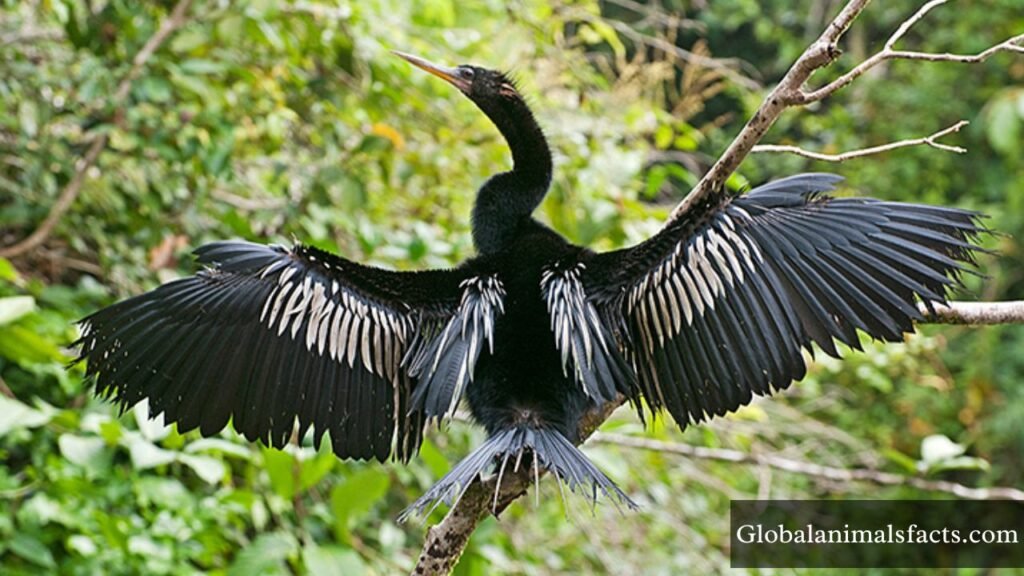
Interestingly, the Anhinga’s long neck isn’t merely a physical trait; it’s a testament to its evolutionary journey. Unlike other water birds that possess more buoyant bodies and rely on waterproof feathers, the Anhinga’s design aids in streamlined swimming and efficient foraging. This creates a fascinating contrast in its behavior — while most waterfowl take to the air after their dive, the Anhinga often stays submerged longer, blending elegance with a fierce hunting style.
Turtle
Scientific Name: Testudines
Class: Reptilia
Diet: Mostly Herbivore
The unique anatomy of turtles often surprises those who study them, especially when it comes to their long necks, particularly in species like the snake-necked turtle. Unlike most turtles, which retract their heads into their shells for protection, these fascinating creatures utilize their elongated necks for a variety of purposes, including hunting and foraging in aquatic environments. Their flexible necks allow them to strike swiftly at prey, such as fish and invertebrates, turning what could be a defensive disadvantage into a strategic advantage in their hunt.
Moreover, the long neck offers insightful adaptations beyond survival; it plays a role in social behaviors and mating rituals within some species. This crucial feature facilitates intricate displays that may attract potential mates, showcasing the balance of beauty and functionality in nature.
Ostrich
Scientific Name: Struthio camelus
Class: Aves
Diet: Omnivore
The ostrich, the world’s largest bird, boasts an impressive neck that serves more than just an aesthetic purpose. This long neck, which can measure up to 3 feet, allows the ostrich to survey vast landscapes for potential predators. Their keen eyesight is complemented by this anatomical advantage, enabling them to spot threats from miles away, which is crucial for survival in the open savannas where they roam.
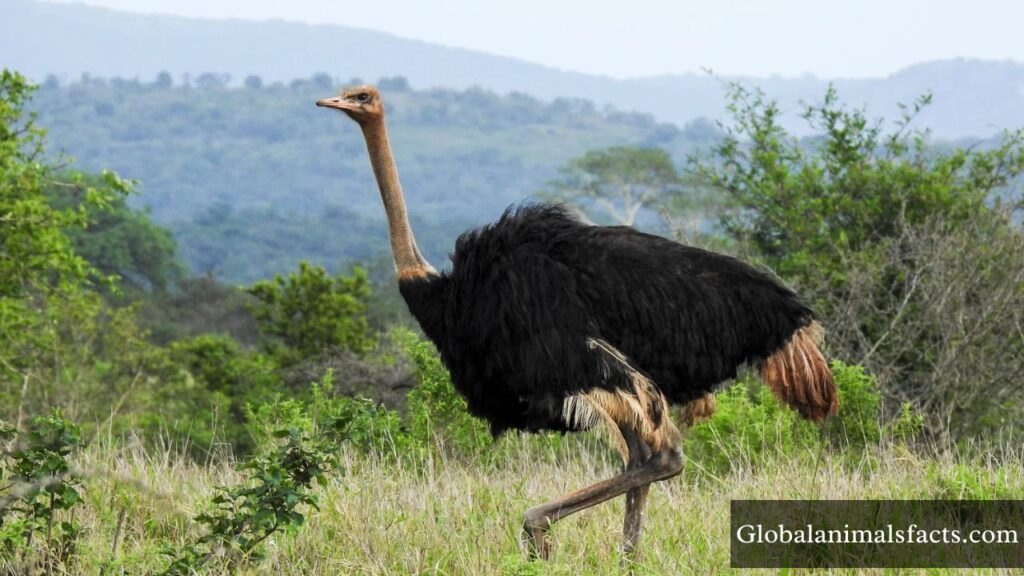
The ostrich’s neck plays a vital role in their unique method of communication. They utilize various vocalizations, body postures, and even neck movements to convey messages to one another. This intricate dance of signaling is essential, especially during mating rituals where the male uses his long neck to impress females, bending and stretching it in a display of vigor.
Heron
Scientific Name: Ardea cinerea
Class: Aves
Diet: Carnivore
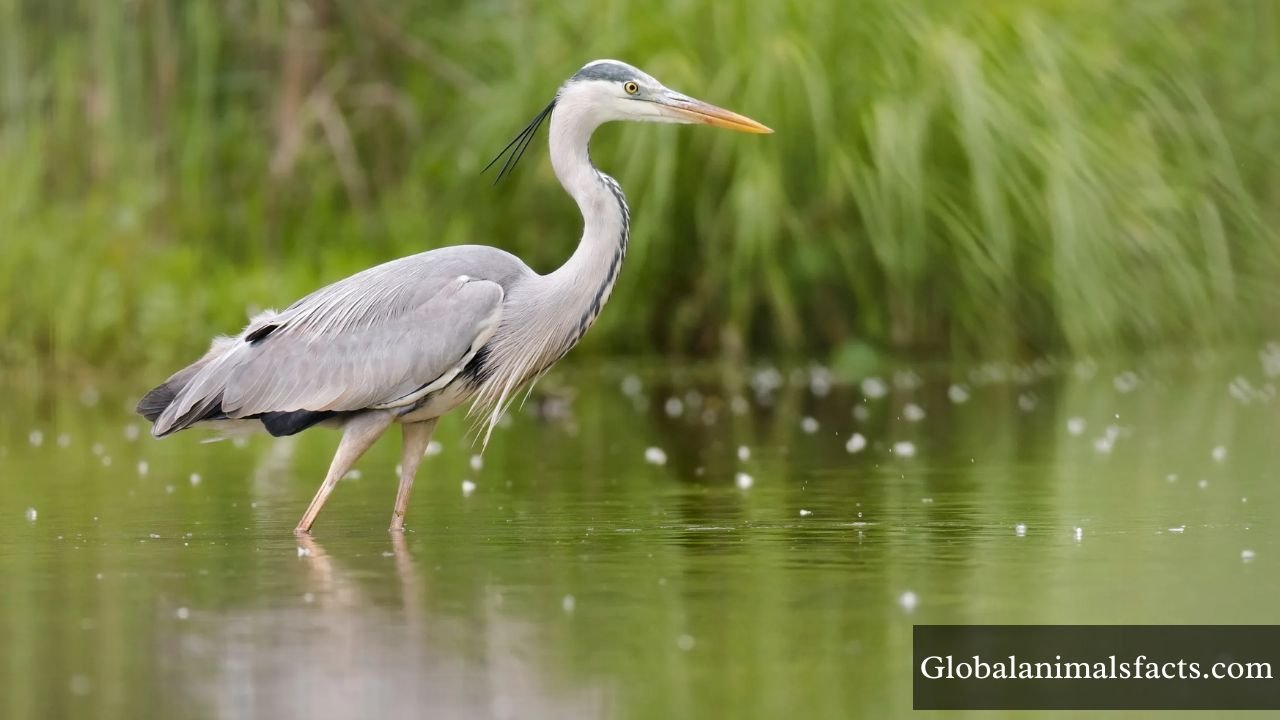
The heron, with its elegant and elongated neck, epitomizes grace in the animal kingdom. This remarkable feature is not just for show; it serves a critical purpose in their hunting strategy. By extending their necks and blending into their surroundings, herons can stealthily stalk prey like fish and amphibians in shallow waters. Their specialized neck muscles allow them to strike with astounding speed, capturing dinner in the blink of an eye. But the heron’s long neck is also a fascinating adaptation for social interaction. During mating rituals, these birds display intricate neck movements and posturing, showcasing their vital role in attracting partners.
Black Stork
Scientific Name: Ciconia nigra
Class: Aves
Diet: Carnivore
The black stork, with its slender, elongated neck, is a master of grace and adaptability. These birds, often found in wetlands and riverbanks across Europe, Asia, and North Africa, exhibit a striking contrast of deep black plumage against glossy white underparts, making them a visual marvel. Their long necks play a crucial role in their foraging technique; they use them to stealthily stalk their prey, often elegantly dipping to catch fish, amphibians, and insects hidden beneath the water’s surface.
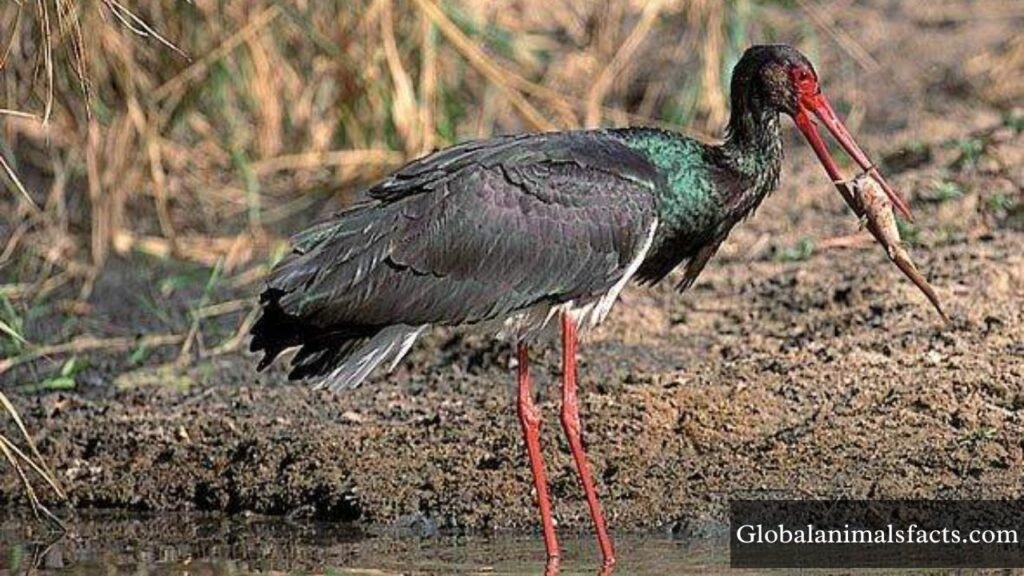
What truly sets the black stork apart is its migratory behavior, which showcases incredible endurance. These birds journey thousands of miles between nesting sites and wintering grounds, relying on the thermal updrafts to conserve energy during migration. This aspect of their life cycle highlights not just their physicality but also their connection to diverse ecosystems, illustrating the delicate balance between species and their environments.
Turkey
Scientific Name: Meleagris gallopavo
Class: Aves
Diet: Omnivore
Turkey, often overlooked in discussions about long-necked animals, showcases a fascinating adaptation among its species. The wild turkey, with its impressive elongated neck, serves multiple functions beyond mere aesthetics. This adaptable feature enhances their ability to forage, allowing them to reach higher branches and grasses while remaining vigilant against predators. The neck also plays a critical role in their courtship rituals; male turkeys display their long necks and prominent wattles to attract mates, adding a vibrant display to their social dynamics.
The turkey’s neck isn’t just a tool for survival and attraction; it reflects a deeper evolutionary narrative. The prominence of their necks has contributed to a unique communication system that utilizes body language and vocalizations. Turkeys are known for their diverse vocal repertoire, which is complemented by physical posturing. This complex interplay of behavior encourages a stronger social structure among turkey flocks, emphasizing how even seemingly simple traits can have profound implications for community dynamics.
Black-necked Stork
Scientific Name: Ephippiorhynchus asiaticus
Class: Aves
Diet: Carnivore
The Black-necked Stork, a striking avian marvel native to wetlands across Asia and Australia, boasts a long neck that elegantly complements its sizable, dark plumage. This adaptation is not merely for show; it plays a crucial role in the stork’s hunting technique. By extending its neck into shallow waters, the stork can swiftly probe for fish, frogs, and crustaceans, showcasing its impressive agility and precision. Observing one in action reveals a blend of grace and strategy, as it balances stillness with arcing movements, a true testament to nature’s design.
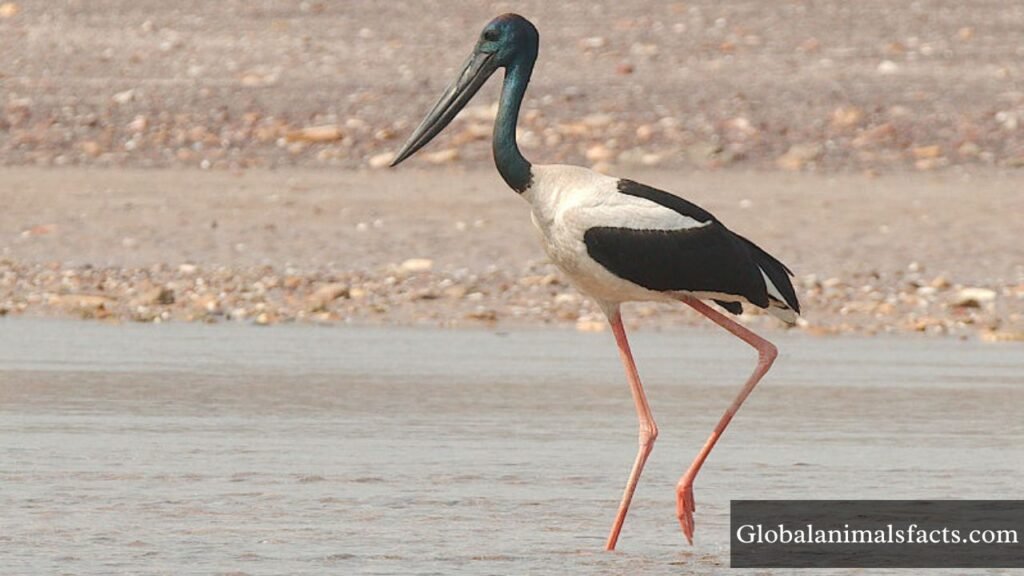
More than just a skilled hunter, the Black-necked Stork also embodies intricate social behaviors. During the mating season, these birds perform elaborate courtship displays, where males puff up their necks, weaving and bobbing to attract a female’s attention. This vibrant ritual not only highlights the importance of long necks in communication but also emphasizes the role of visual signals in avian bonding.
Horse
Scientific Name: Equus ferus caballus
Class: Mammalia
Diet: Herbivore
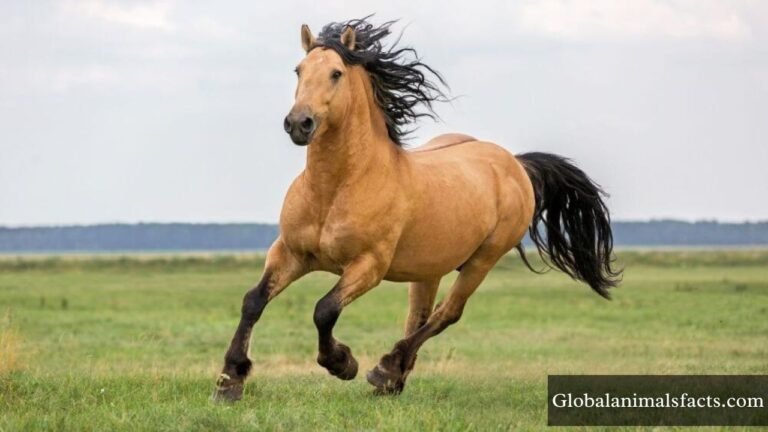
Horses, often celebrated for their speed and grace, also possess a unique element that stands out: their long necks. This anatomical feature not only contributes to their striking appearance but also plays a vital role in their adaptability. A horse’s neck acts as a counterbalance to its powerful hindquarters, enabling fluid movement whether galloping across open fields or maneuvering through tight spaces. This dynamic design allows them to reach high grasses and foliage that other grazing animals might miss, showcasing their ability to thrive in diverse environments.
Moreover, the long neck of a horse serves as a communication tool. With an extensive range of motion, horses can express a variety of emotions and intentions through subtle shifts in posture. From arching their necks in excitement to lowering them in submission, these gestures foster social interactions within herds and enhance their bonds with humans. This complexity of communication enriches our understanding of horse behavior and underscores the importance of recognizing their emotional vocabulary. With every graceful movement and expressive flick of their neck, horses provide a captivating glimpse into the intricacies of animal behavior, making them not just stunning sights but profound companions.
Turkey Vulture
Scientific Name: Cathartes aura
Class: Aves
Diet: Carnivore
The turkey vulture, with its long, slender neck, is often perceived as an enigma of nature, perfectly adapted for its scavenging lifestyle. Unlike many birds of prey, which showcase talons and beaks built for the chase, the turkey vulture employs a unique strategy that emphasizes patience. Its elongated neck aids in reaching deeper into carcasses, allowing it to extract nutrients that other scavengers might miss. This anatomical feature not only enhances its feeding efficiency but also minimizes feather contamination, an essential aspect of its hygiene and survival.
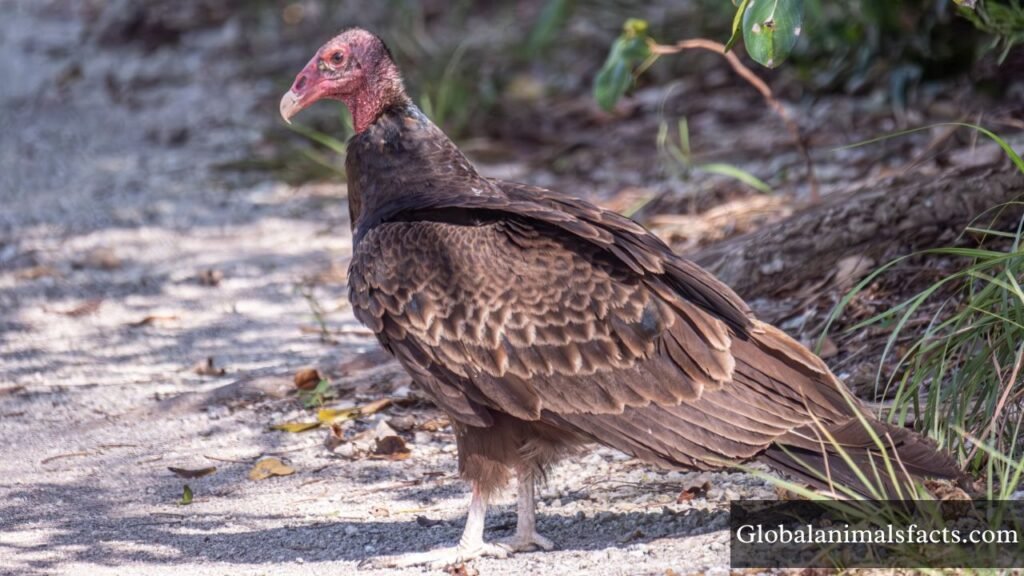
Moreover, the turkey vulture’s remarkable sense of smell sets it apart from other vultures, who primarily rely on eyesight. This acute olfactory ability complements its long neck, enabling it to detect decay from great distances. As it soars effortlessly on thermal currents, its keen senses guide it to decomposing animals hidden within the expansive landscapes. This ecological role as a cleanup crew not only preserves the environment but highlights a vital, albeit underappreciated, aspect of biodiversity.
Zebra
Scientific Name: Equus quagga
Class: Mammalia
Diet: Herbivore
Zebras, with their iconic black-and-white stripes, possess more than just a striking appearance; their necks serve vital functions in their social dynamics and survival strategies. Unlike the elongated necks of giraffes, a zebra’s neck is proportionate but still plays a crucial role in communication and social interaction. The neck enables them to engage in intricate displays of body language, essential for maintaining herd cohesion and hierarchy.
In the wild, a zebra’s neck also acts as a protective feature. When threatened, they can swiftly turn to survey their environment, using their peripheral vision to spot predators while maintaining a stance ready to defend or flee. This adaptability underscores the intelligence and awareness within a herd, as zebras are attuned not only to their surroundings but also to each other’s movements and emotions.
Emu
Scientific Name: Dromaius novaehollandiae
Class: Aves
Diet: Omnivore
The emu, often overlooked in the long-necked animal category, is a fascinating creature native to Australia. Unlike many other long-necked animals, emus possess a unique combination of stout bodies and elongated necks that offer them a remarkable advantage in their environment. Their height enables these flightless birds to survey vast distances, allowing them to spot predators and forage for food effortlessly across the Australian outback. With their keen eyesight, emus can detect movement from far away, making them both efficient foragers and savvy survivalists.
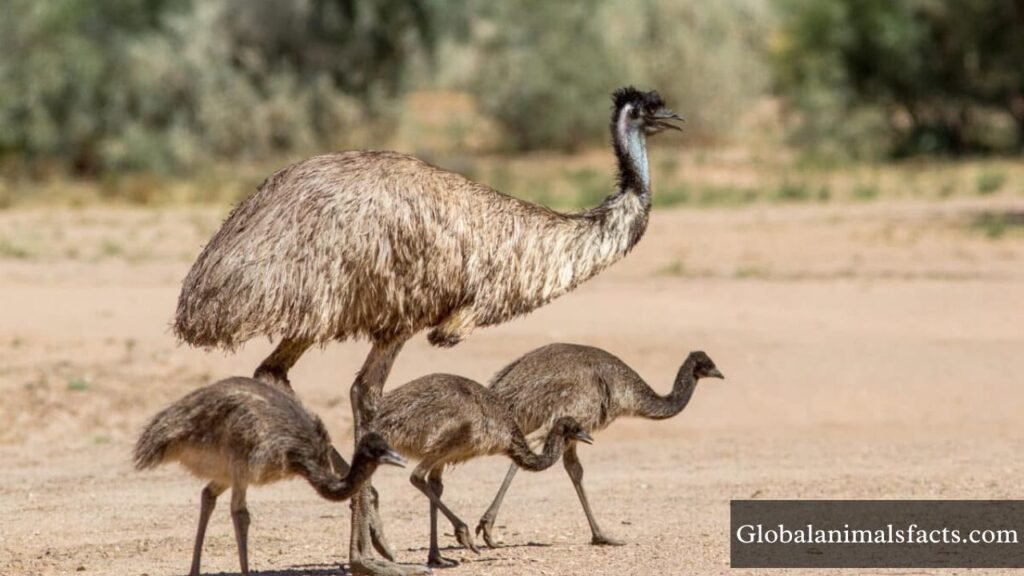
The emu’s long neck is not just a functional tool; it also plays a significant role in social interactions. During mating rituals, males display their impressive necks through elaborate posturing and vocalizations, creating a captivating spectacle for potential mates. This display highlights how adaptations in animal morphology go beyond mere survival, intertwining with behavioral complexities and contributing to the richness of their social lives.
Peacock
Scientific Name: Pavo cristatus
Class: Aves
Diet: Omnivore
Peacocks, widely celebrated for their dazzling plumage, feature a surprisingly long neck that complements their vibrant tails. This elongated neck not only aids in displaying their iridescent feathers during courtship rituals but also serves as a crucial tool for foraging. As they traverse through dense underbrush, their necks help them reach hidden treasures of insects and seeds that other birds may miss.
Interestingly, a peacock’s long neck also plays a vital role in their social interactions. It allows them to communicate visual signals effectively, raising their necks high to establish dominance or attract potential mates. Each subtle movement is a part of a sophisticated dance, showcasing not just beauty but also intelligence. In essence, the peacock’s elongated neck is more than just an aesthetic feature; it’s a functional marvel that blends beauty with survival, capturing the essence of nature’s intricate design.
Great Blue Heron
Scientific Name: Ardea herodias
Class: Aves
Diet: Carnivore
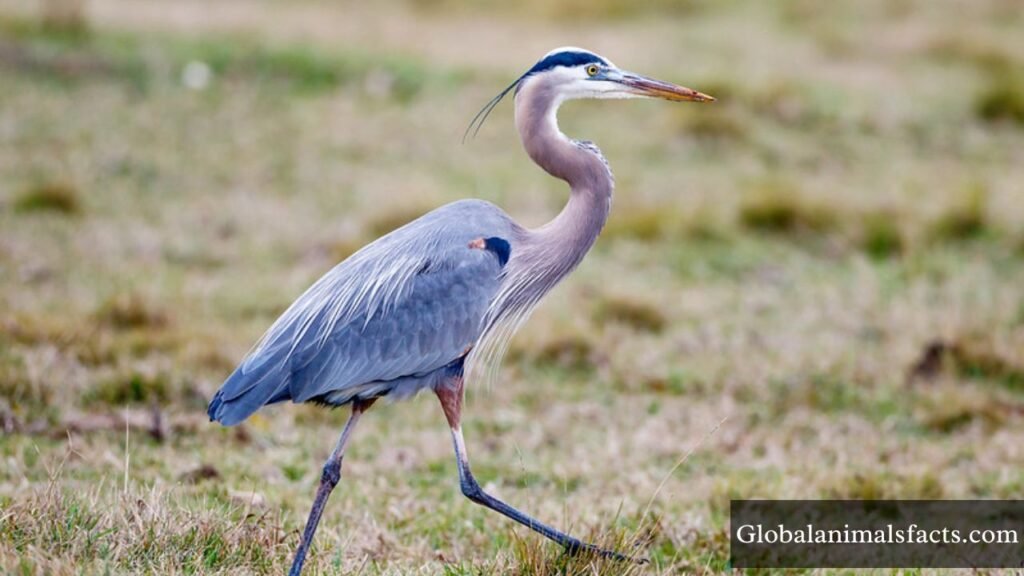
The Great Blue Heron, with its striking silhouette and elongated neck, is a master of elegance among wading birds. This magnificent creature can stretch its neck in both graceful and tactical ways, allowing it to spot prey from impressive distances. Its long neck is not just for aesthetics; it functions as both a tool and a weapon, enabling the heron to strike with precision when hunting fish, frogs, or small mammals in shallow waters. Observing a heron in action is like witnessing a slow-motion dance, where each movement is calculated to ensure success.
Mute Swan
Scientific Name: Cygnus olor
Class: Aves
Diet: Herbivore
The Mute Swan, an iconic symbol of grace, showcases more than just its long neck — it embodies a unique blend of elegance and adaptability. Its elongated neck not only aids in foraging for aquatic plants but also plays a critical role in communication. When displaying dominance or courting a mate, these swans can arch their necks into striking, serpentine shapes, creating a visual spectacle that captivates onlookers.
Beyond aesthetic appeal, the Mute Swan’s neck serves a functional purpose in its habitat. It allows the bird to navigate shallow waters with ease, searching for food that other waterfowl may overlook. Moreover, this lengthened anatomy enables them to maintain a watchful vigilance over their surroundings, keeping an eye out for potential predators while they gracefully glide across the water’s surface.
Readmore: Explore Top 25 Scavenger Animals.
Conclusion
Animals with long necks offer an intriguing glimpse into the marvels of evolutionary adaptation. From the towering giraffes grazing on treetops to the elegant swans gliding through water, these creatures exemplify the diverse strategies that species employ to survive and thrive in their environments. Their unique anatomical features not only serve specific purposes in terms of feeding and locomotion but also contribute to their ecological roles. By studying these fascinating animals, we can gain valuable insights into biodiversity and the complex interconnections within ecosystems. Let’s continue to appreciate and protect these remarkable species for generations to come.
FAQs
What animal has the longest neck in the world?
The animal with the longest neck in the world is the giraffe. Adult giraffes can have necks that stretch up to six feet long! This impressive neck not only helps them reach leaves high up in trees but also plays a role in mating displays. Interestingly, despite having such long necks, giraffes have the same number of neck vertebrae as humans — just seven. Each vertebra is simply much larger and more elongated, allowing them to tower over most other animals in their habitat.
What animal has a long neck like a giraffe?
The gerenuk, also known as the “giraffe gazelle,” has a notably long neck, similar to a giraffe, though not as lengthy. This African antelope is adapted for browsing on tall shrubs and trees. Its unique neck allows it to reach vegetation that other herbivores can’t, giving it a distinct advantage in its arid habitat. Another interesting feature of the gerenuk is its ability to stand on its hind legs while stretching its neck to nibble on leaves. This behavior, combined with its elongated neck, makes it a fascinating example of adaptation in the animal kingdom.
Which bird has a very long neck?
The bird with one of the longest necks is the ostrich. These large, flightless birds can have necks that reach up to 3 feet in length. This long neck helps them reach high grasses and shrubs in their habitat while also aiding in spotting predators from a distance.