Explore Top 12 Animals With Big Feet (With Pictures)
Animals with big feet aren’t just fascinating due to their size; these adaptations often play a crucial role in their survival. In this article, we’ll explore the remarkable characteristics and evolutionary advantages of some of the world’s largest-footed creatures. By the end, you’ll have a deeper appreciation for how these unique adaptations help animals thrive in their environments.
List of Animals With Big Feet
Below is the list of animals that have big feet:
- Kangaroo
- Ostrich
- African jacana
- White Rhinoceros
- Hippopotamus
- Lion
- Polar Bear
- Giraffe
- Camel
- Elephants
- Moose
- Gorilla
Kangaroo
Scientific name: Macropus
Class: Mammalia
Diet: Herbivore
Kangaroos, with their impressive hind feet, are not just remarkable for their size; they are engineering marvels of the animal kingdom. These large feet, which can span up to four inches across, are perfectly adapted for their unique mode of locomotion. Kangaroos are the only large animals that move by hopping, and their big feet allow them to cover great distances with minimal energy expenditure. Each powerful kick enables them to leap up to 30 feet in a single bound, showcasing an evolutionary design that integrates strength and efficiency.
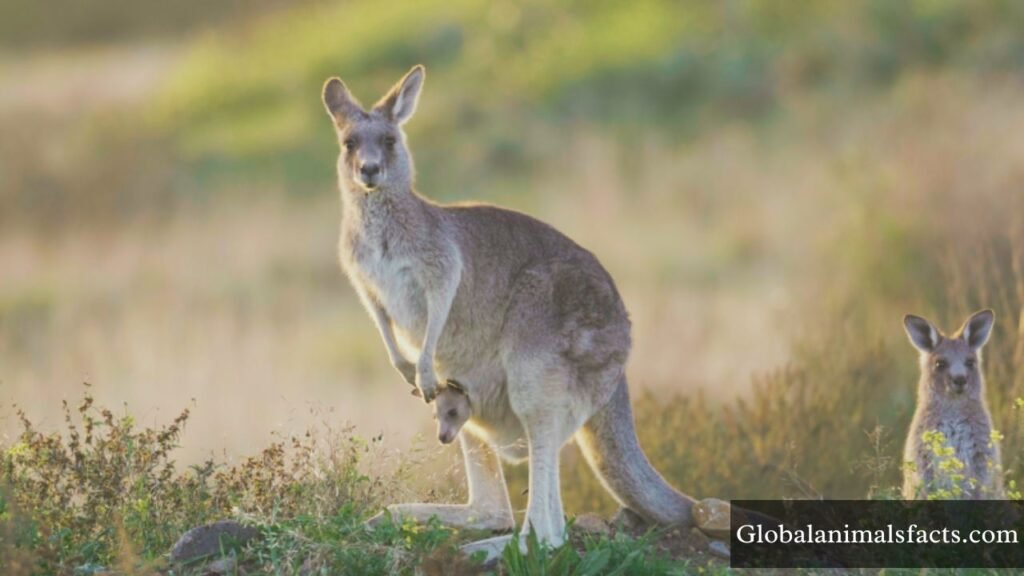
Beyond mere locomotion, kangaroo feet play a crucial role in their survival strategies. The size of their feet helps them navigate the rugged terrain of the Australian outback, allowing them to tread lightly across sandy surfaces or rocky landscapes. Their feet also act as shock absorbers, minimizing impact as they land after an impressive jump. This adaptability not only aids in foraging and escaping predators but also reflects their role as a keystone species, influencing the ecological balance around them.
Ostrich
Scientific name: Struthio camelus
Class: Aves
Diet: Omnivore
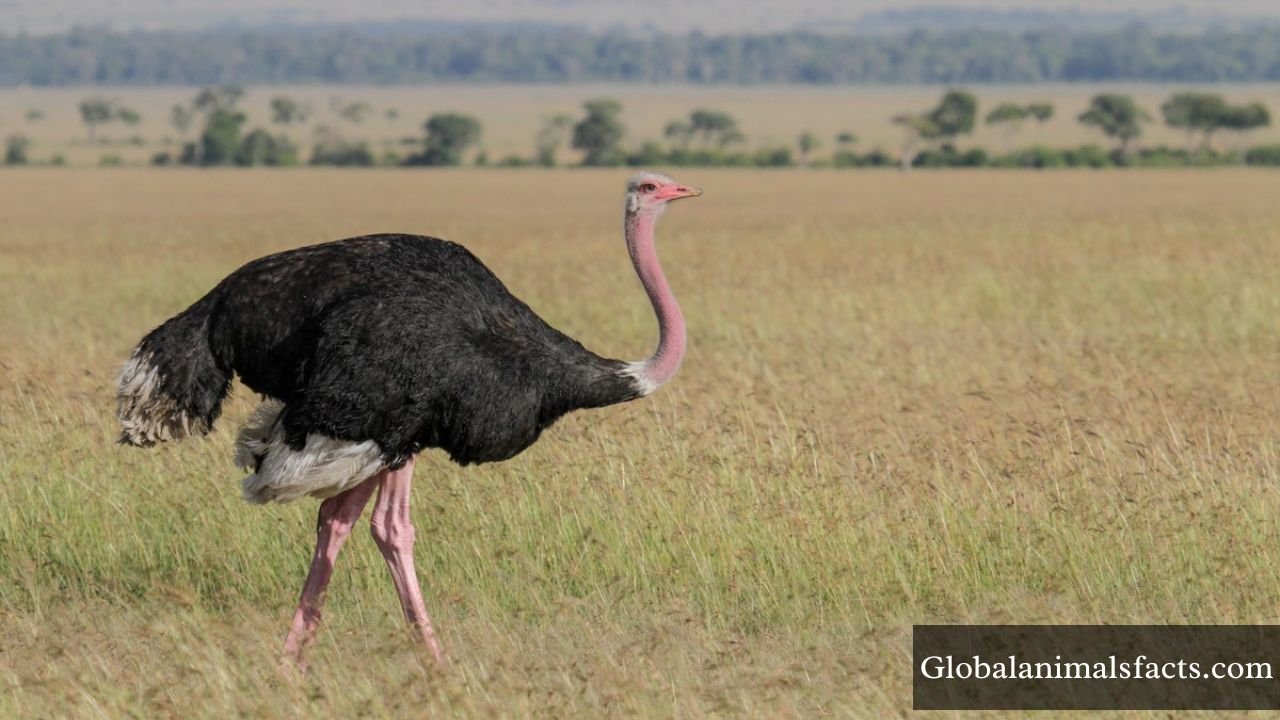
The ostrich, with its impressive feet spanning about two feet in length, stands out not just for its size but for its incredible design. These powerful, long legs are engineered for speed, allowing the ostrich to sprint at up to 45 miles per hour, making it the fastest-running bird in the world. Notably, the ostrich has only two toes on each foot, a unique evolutionary adaptation that minimizes energy expenditure while maximizing force and speed. This efficient design not only aids in rapid movement but also provides stability when navigating the diverse terrains of the African savannah.
Furthermore, ostrich feet play a vital role in their survival. The large, padded soles help distribute their weight, allowing them to traverse various environments without sinking into soft ground. When threatened, these birds can deliver formidable kicks, a defensive strategy that has been known to deter even the most persistent predators.
African jacana
Scientific name: Actophilornis africanus
Class: Aves
Diet: Omnivore
The African jacana, often referred to as the “Jesus bird,” showcases an intriguing adaptation with its oversized feet, allowing it to traverse lily pads and floating vegetation with remarkable ease. This charming bird, brightly hued with striking blue and chestnut plumage, possesses toes that can span nearly a foot wide, a feature that gives it exceptional balance and stability on precarious surfaces. With each graceful step, it seems to dance across the water, providing a stunning visual as it searches for insects and small invertebrates hiding among the foliage.

Beyond mere aesthetics, the jacana’s foot structure reveals fascinating survival strategies. These large feet are not just for show; they serve a crucial role in ensuring the bird’s safety from predators while foraging. By distributing its weight over a larger surface area, the jacana can confidently navigate its often unsafe marshy habitat. This unique evolutionary trait underscores the interconnectedness of form and function in nature, illustrating how adaptations can elegantly solve the challenges of an animal’s environment.
Readmore: Explore Top 22 Animals With Long Necks.
White Rhinoceros
Scientific name: Ceratotherium simum
Class: Mammalia
Diet: Herbivore
The white rhinoceros, one of the largest land mammals, showcases feet that are both formidable and fascinating. Each foot supports its hefty weight, averaging around 2,300 kilograms, and is equipped with wide, flat pads that provide stability on varied terrains, from savannas to wetlands. The white rhino has three distinct toes on each foot, an adaptation that enables it to navigate its environment more easily while preventing sinking into softer soils.
Incredibly, the feet of the white rhino are more than just structural marvels; they also play a crucial role in communication. When these majestic creatures stomp or move, they create vibrations that others of their kind can sense through the ground. This silent language of thundering footsteps speaks volumes in the wild, heralding both presence and intention, thereby integrating them deeply into their ecosystems.
Moreover, their broad feet help them navigate varied landscapes, from rocky outcrops to muddy wetlands. This versatility allows them to raid vegetation across different environments, showcasing not only adaptability but also the vital role these gentle giants play in maintaining their habitats.
Hippopotamus
Scientific name: Hippopotamus amphibius
Class: Mammalia
Diet: Herbivore
The hippopotamus, despite its hefty size, is often underrated when it comes to agility and adaptability. With feet measuring up to 16 inches in length, these massive animals are surprisingly adept at navigating both land and water. Their comparatively large feet help distribute their weight across muddy riverbeds, allowing them to move more gracefully than one might expect for such a hefty creature. This unique structural adaptation not only supports their bulk but also contributes to their exceptional swimming abilities, as their feet assist in propulsion when submerged.
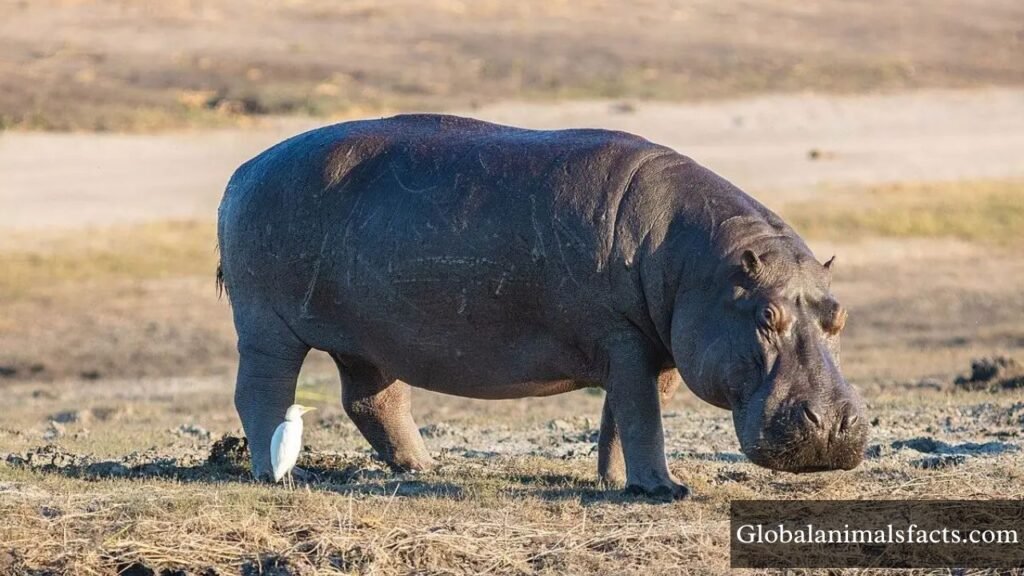
Moreover, the hippo’s feet are strategically designed to maximize their ability to traverse various terrains, from swampy wetlands to rocky riverbanks. This versatility is crucial for a species that spends significant time both grazing on land and wallowing in water to keep cool.
Lion
Scientific name: Panthera leo
Class: Mammalia
Diet: Carnivore
The lion, often referred to as the king of the jungle, possesses impressively large feet that play a crucial role in its survival. Each paw, equipped with soft, padded soles and retractable claws, not only provides stealthy movement but also enables powerful traction when sprinting at remarkable speeds. These substantial feet help distribute the lion’s considerable weight, allowing it to stalk prey through diverse terrains, from grasslands to rocky outcrops, with agility that belies its size.
Moreover, a lion’s large feet serve a social purpose as well. The unique paw prints they leave behind can communicate information to other lions, signaling territory and presence. These tracks, often found near watering holes or hunting grounds, tell a fascinating story about their movements and interactions.
You can also read: Explore Top 9 Animals with Trunks.
Polar Bear
Scientific name: Ursus maritimus
Class: Mammalia
Diet: Carnivore
The polar bear’s impressive feet, spanning up to 12 inches wide, are not just a feat of nature; they are essential tools for survival in the frigid Arctic. These large, furry appendages serve as snowshoes, distributing the bear’s substantial weight over soft snow and preventing it from sinking. Each foot is equipped with sensory bumps called papillae, which enhance grip on ice, allowing these magnificent creatures to traverse their slippery environment with surprising agility.
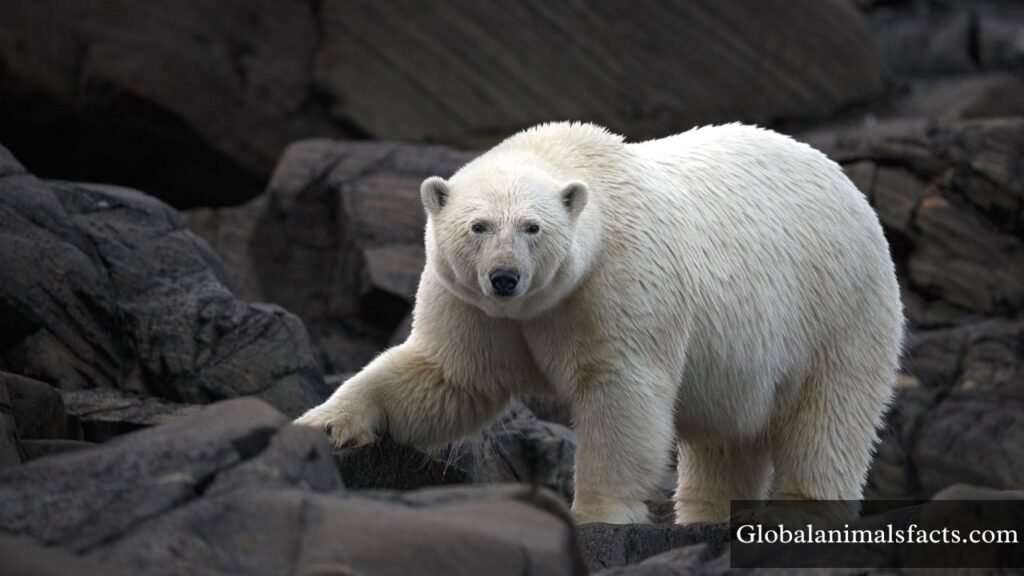
Moreover, the design of a polar bear’s foot is a marvel of evolutionary engineering. The furry soles provide insulation against the freezing ground, while the sharp claws offer an advantage when hunting for seals, their primary prey. This unique adaptation showcases the bear’s ability to thrive in a harsh, icy habitat, illuminating the intricate interplay between anatomy and environment.
Giraffe
Scientific name: Giraffa camelopardalis
Class: Mammalia
Diet: Herbivore
The giraffe’s impressive feet, often overlooked, play a crucial role in its survival. Each foot spans nearly a foot in diameter, equipped with a specially adapted structure that distributes its weight across the ground. This prevents sinking into soft terrain, enabling these towering creatures to navigate their savanna habitats with grace. Moreover, the giraffe’s unique foot anatomy contributes to its staggering height, allowing it to reach the leaves high above, out of reach of other herbivores.
Interestingly, their feet are not just functional; they also serve as a form of communication. When giraffes kick or stamp their feet, they send vibrations through the ground, alerting others in the herd to potential threats. This silent language is vital in the vast landscapes they roam, where visual cues might be limited.
Camel
Class: Mammalia
Diet: Herbivore
Camels, often referred to as the “ships of the desert,” possess uniquely large, padded feet that are essential for their survival in arid environments. These broad feet act like natural snowshoes, spreading their weight over the soft, sandy terrain to prevent sinking. This adaptation allows camels to traverse vast stretches of desert, where navigation can be incredibly challenging, ensuring they remain agile while also conserving energy.
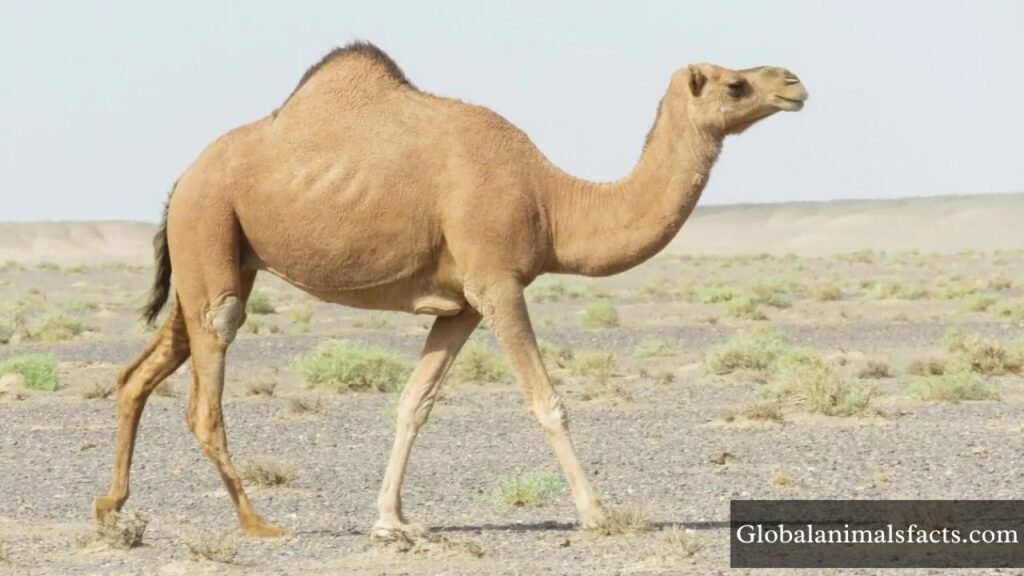
Moreover, camels’ feet are perfectly designed for temperature regulation. The large surface area not only provides stability but also helps to dissipate heat, keeping their body temperature in check during the blistering desert days. Interestingly, the friction between their feet and the ground is reduced compared to more traditional hoof structures, allowing them to walk quietly and with remarkable stealth — a benefit that aids in avoiding potential predators.
Elephants
Class: Mammalia
Diet: Herbivore
Elephants, the gentle giants of the animal kingdom, possess large, padded feet that serve more than just a practical purpose. These massive appendages support their considerable weight, but they also play a vital role in how they interact with their environment. The soft pads beneath their feet help them move silently through their often dense habitats, allowing these creatures to sneak up on prey or evade potential predators, even at their formidable size.
The structure of an elephant’s foot is a marvel of evolution. With each foot containing multiple bones and ligaments, the design allows for remarkable flexibility and shock absorption. This adaptation is critical, given that an adult elephant can weigh between 5,000 to 14,000 pounds! The large surface area of their feet distributes weight evenly, minimizing the impact on the ground — a feature that supports their migration over vast distances while preserving the ecosystem by reducing soil compaction.
Moreover, elephants’ feet reveal their social nature. Through vibrations transmitted via their feet, they can communicate with one another over long distances — an extraordinary ability often overlooked. This underground communication system adds a layer to their complex social structures, facilitating coordination within herds.
Moose
Scientific name: Alces alces
Class: Mammalia
Diet: Herbivore
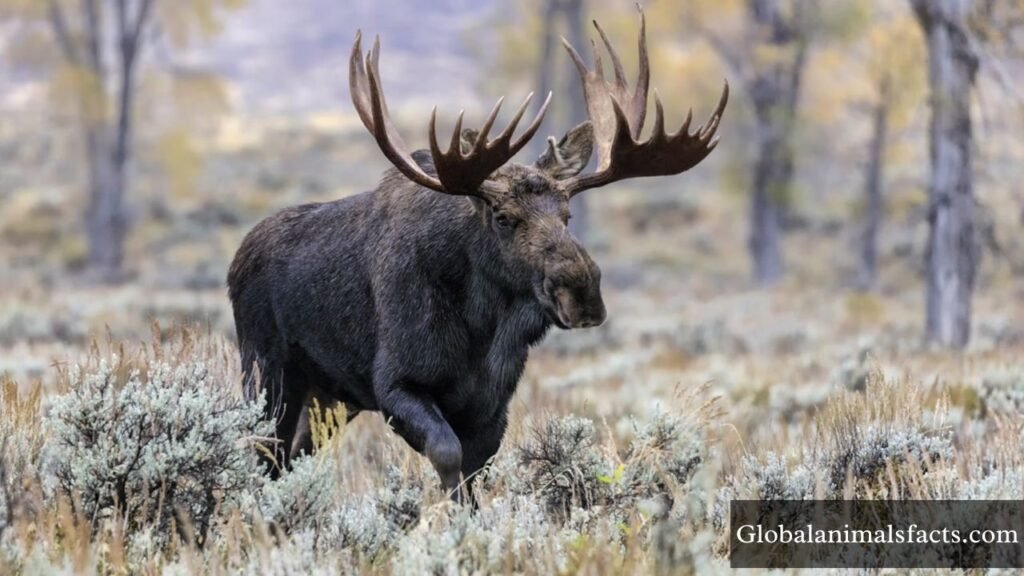
Moose, the towering giants of the North American landscape, boast enormous feet that are both a marvel of nature and a vital tool for survival. These oversized limbs, measuring up to six inches wide, are perfectly adapted to navigate the treacherous terrain of their habitats, particularly in snowy winters. Unlike most creatures, the moose’s hooves squish down into the ground, distributing their weight and preventing them from sinking too deep into the snow. This unique adaptation allows them to forage for food, mainly aquatic vegetation, with remarkable efficiency, even during harsh conditions.
Gorilla
Scientific name: Gorilla gorilla
Class: Mammalia
Diet: Herbivore
Gorillas, often seen as gentle giants of the jungle, possess feet that are as formidable as their colossal frames. Measuring up to a foot long, a gorilla’s foot is uniquely adapted for its lifestyle, enabling them to navigate their forest homes with a blend of agility and strength. Unlike humans, their feet showcase a distinct opposable toe, which allows these remarkable primates to grip branches and climb effortlessly in search of food, from tender leaves to scrumptious fruits.
But beyond sheer size, the structure of a gorilla’s foot reveals a fascinating evolutionary story. Their broad, flat feet provide stability and support for their considerable weight, which can exceed 400 pounds in some cases. This sturdy design lets them move silently through the underbrush, an essential trait in their often predatory habitat. The intricate relationship between their foot anatomy and social behavior is equally intriguing; these large appendages are also tools for communication, as gorillas use ground-shaking stomps and subtle shifts in weight to convey messages to their troop, demonstrating how their environment shapes their interactions.
Readmore: Explore Top 8 Mammals That Cannot Jump.
Final Thoughts
Animals with big feet play a crucial role in their ecosystems, showcasing a fascinating adaptation that enhances their survival. From the powerful strides of elephants to the unique adaptations of hippos, these creatures demonstrate how size can influence movement and habitat. Their large feet serve functional purposes, such as providing stability and supporting body weight. As we continue to explore and appreciate these amazing animals, it’s essential to recognize the importance of their conservation. Ultimately, protecting these species not only preserves biodiversity but also ensures that future generations can marvel at their extraordinary characteristics.
FAQs
What animal has big feet?
The animal with notably big feet is the elephant. Elephants have large, flat feet that help support their massive weight and provide stability when moving through their natural habitats. Their feet also have a unique structure, with soft pads that act like shock absorbers.
What animal has the largest paw?
Polar bears have the largest paws of any land carnivore. Their front paws can measure up to 12 inches across. These massive paws help them distribute their weight on the ice, providing better traction and stability as they move across snowy terrains.
Do giraffes have big feet?
Yes, giraffes do have big feet. Their foot size helps support their tall and heavy bodies, allowing them to maintain balance while walking or running.
What bird has huge feet?
The African jacana is known for its impressively large feet, which it uses to walk on floating vegetation. These adaptations allow it to traverse wetlands and ponds where other birds might struggle.