Top 16 Animals That Live in Mud (With Images)
From resilient mudskippers to stealthy amphibians, these creatures have adapted to thrive in conditions that many would consider inhospitable. Understanding the unique adaptations and benefits of these Animals That Live in Mud reveals not only the wonders of evolution but also the intricate balance of our ecosystems. Join us as we explore their world and discover why they are essential for the health of our environment.
List of Animals That Live in Mud
Below is the list of animals that live in mud:
- Fiddler Crabs
- Elephant
- Red Mud Worm
- Geoduck Clams
- Alligator
- Hippopotamus
- Catfish
- Ghost Shrimp
- Frogs
- Mudskippers
- Water Buffalo
- Wild Boar
- Salamander
- Earthworm
- Rhinoceros
- Littleneck Clams
Fiddler Crabs
Class: Malacostraca
Diet: Omnivore
Fiddler crabs, with their distinctive one oversized claw, are fascinating architects of their muddy habitats. These crustaceans turn the humble mudflat into a vibrant ecosystem, creating extensive burrows that can rise and fall with the tides. As they scuttle about, they play an essential role in aerating the sediment and recycling nutrients, essentially transforming barren landscapes into thriving microhabitats for various organisms.
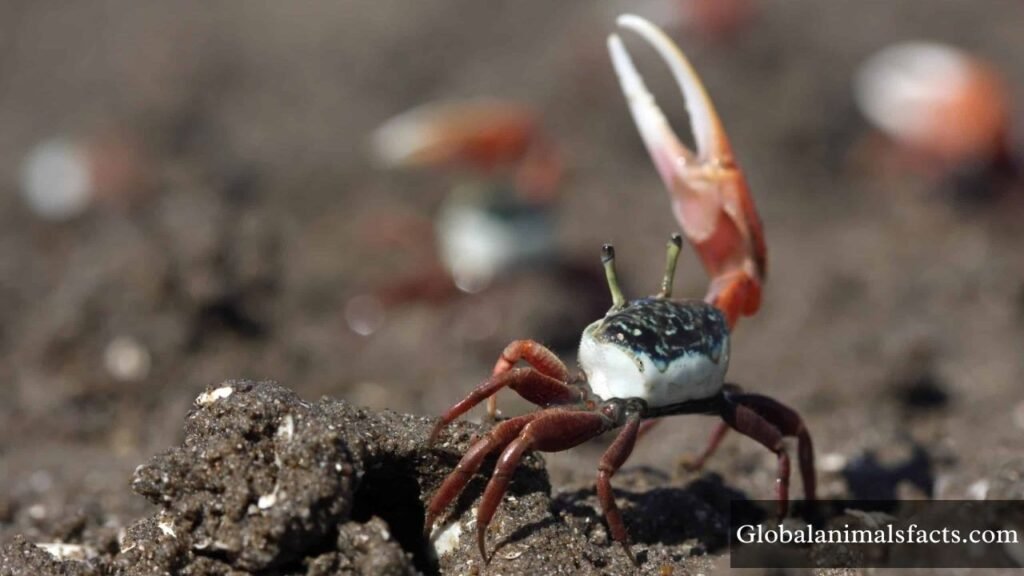
Their courtship rituals are particularly captivating. Male fiddler crabs wave their enlarged claws to attract females, turning their muddy homes into stages for a lively display of strength and agility. This unique form of communication not only highlights their remarkable adaptability but also demonstrates the intricate balance of ecosystems where physical traits influence mating success. Observing these small yet significant creatures offers a deeper understanding of the interconnectedness of life, reminding us that even the simplest habitats are teeming with complex relationships and survival strategies.
Elephant
Scientific Name for African elephant: Loxodonta africana
Scientific Name for Asian elephant: Elephas maximus
Class: Mammalia
Diet: Herbivore
Elephants, often associated with majestic landscapes and savannahs, have a surprising affinity for mud that plays a pivotal role in their lifestyle. When elephants encounter mud puddles, they don’t just stumble upon them; they transform these spots into their personal spas. Rolling in the cool, soothing muck serves multiple purposes — it helps regulate their body temperature, providing relief from the heat of the day, while also acting as a protective layer against sunburn and insect bites. This ritual not only nourishes their skin but also fosters social bonds; elephants often engage in playful mud baths together, reinforcing familial ties and interactions within the herd.
Red Mud Worm
Scientific Name: Lumbriculus variegatus
Class: Clitellata
Diet: Detritivore
The Red Mud Worm, often found in the muddy banks of rivers and ponds, is an extraordinary creature that thrives in an environment that many would find inhospitable. Its vivid red hue is not just a striking visual feature but also plays a crucial role in camouflage, helping it blend seamlessly into its sediment-rich habitat. These worms are specialized filter feeders, drawing nutrients from the mud and water, which allows them to play a vital role in their ecosystem by helping to improve water quality and aerate the sediment.
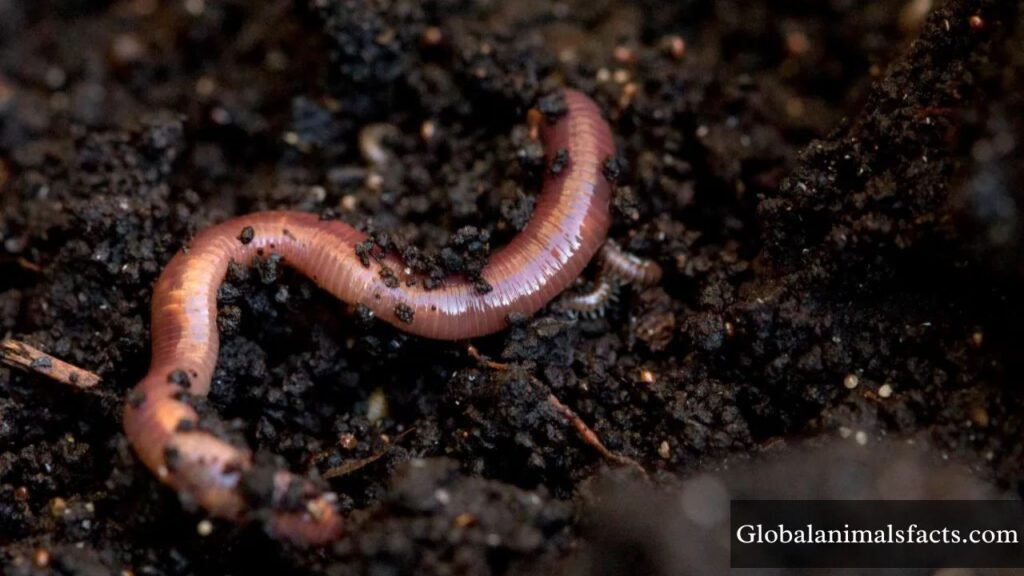
Interestingly, the Red Mud Worm exhibits a fascinating behavior called bioturbation, where its movement through the mud creates channels and pockets that benefit other organisms. By stirring up the sediment, these little architects enhance the availability of oxygen and nutrients, promoting a thriving microhabitat for various aquatic life forms. As we explore the intricate connections between these mud-dwelling creatures and their environment, we uncover the deeper ecological significance of seemingly unassuming animals like the Red Mud Worm, reminding us that every component of nature, no matter how small, contributes to the tapestry of life.
You can also read: Explore Top 22 Mischievous Animals.
Geoduck Clams
Scientific Name: Panopea generosa
Class: Bivalvia
Diet: Filter feeder
Geoduck clams, often overshadowed by their more glamorous marine counterparts, are extraordinary creatures that thrive beneath the muddy surfaces of coastal ecosystems. Known for their impressive size and distinctive long necks, these clams can grow to over a foot in length, making them one of the largest burrowing clams in the world. Their burrowing habit not only helps them evade predators but also plays a crucial role in the ecosystem by aerating the sediment and allowing nutrients to circulate more freely.
What makes geoducks truly fascinating is their ability to filter water, contributing to the health of their marine environment. A single geoduck can filter up to 50 gallons of water per day, removing bacteria and other impurities while simultaneously feeding on plankton. This remarkable filtering system enhances water quality, showcasing how these seemingly humble organisms participate in larger ecological processes. Furthermore, the clam’s unique evolutionary adaptations make it a resilient survivor, able to thrive in fluctuating temperatures and salinity levels, highlighting the remarkable versatility of life in mud.
Alligator
Scientific Name: Alligator mississippiensis
Class: Reptilia
Diet: Carnivore
The alligator, often seen basking in the sun on muddy banks, is more than just a fierce predator; it’s a master of adaptation. When the scorching heat of summer arrives, these reptiles utilize mud as a cooling mechanism, allowing their bodies to stay regulated while reducing water loss. This natural mud bath not only protects their skin from sunburn but also acts as a barrier against harmful parasites.
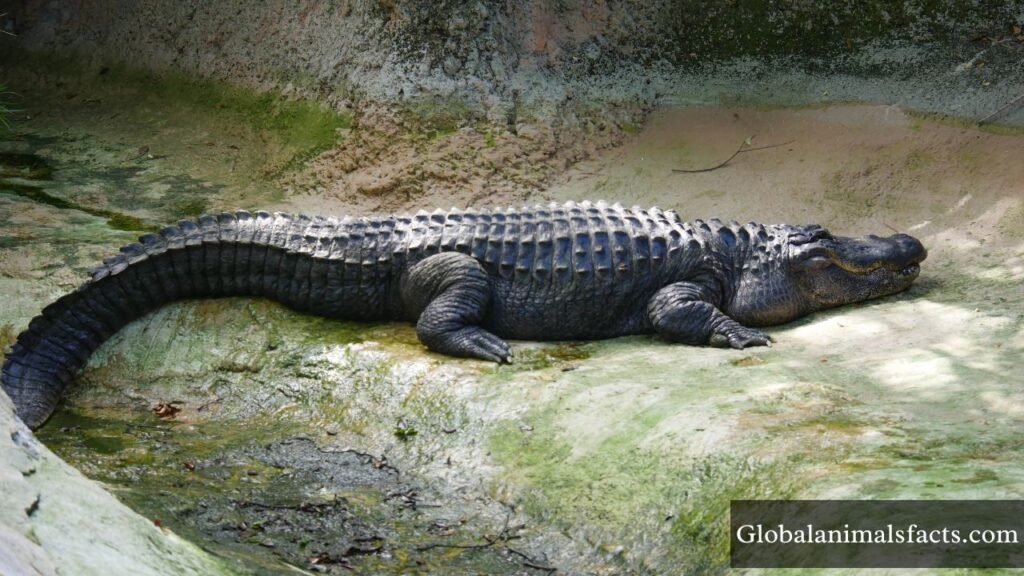
Furthermore, alligators play an essential role in their ecosystems, where mud becomes a vital element of their survival strategies. During seasonal droughts, their deep, muddy nests retain moisture, creating microhabitats for various organisms. This unique interaction highlights the intricate web of life in wetlands, where alligators contribute to both their own survival and the health of the ecosystem.
Hippopotamus
Scientific Name: Hippopotamus amphibius
Class: Mammalia
Diet: Herbivore
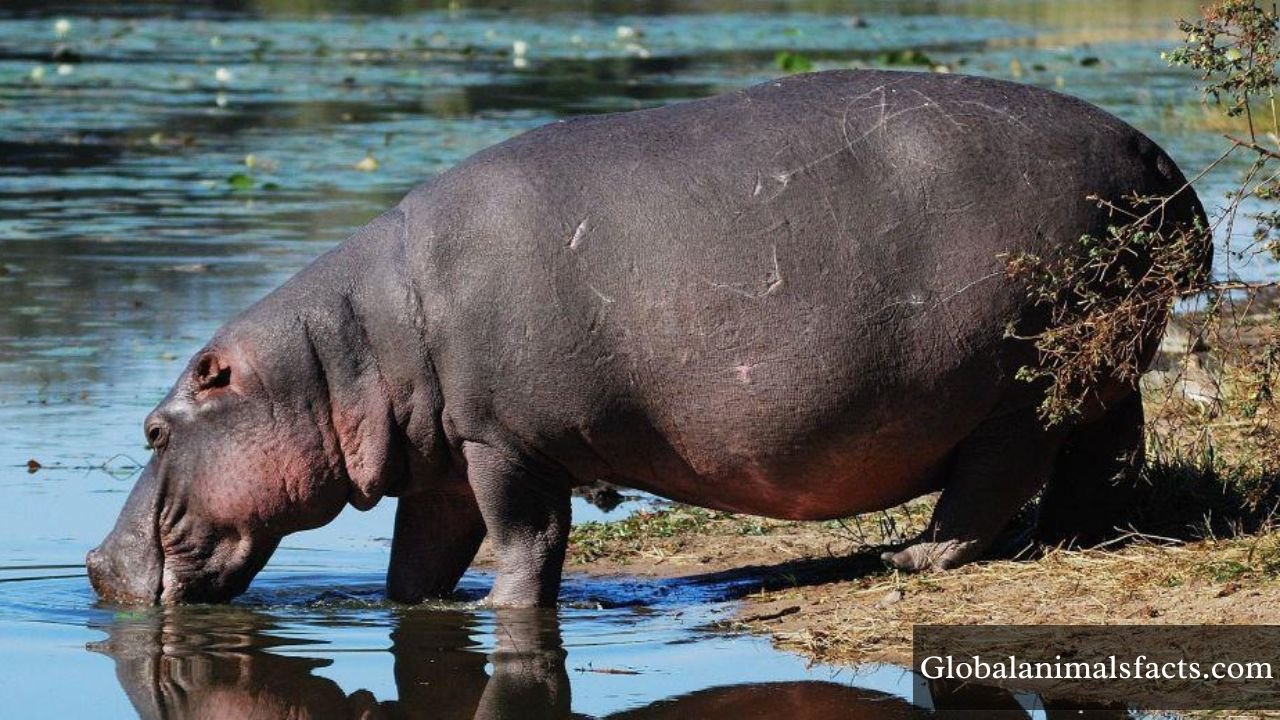
Hippopotamuses, often misunderstood as docile giants, are surprisingly intricate creatures that thrive in muddy waters. These massive mammals spend much of their day submerged, where the murky depths provide both camouflage and protection from the harsh rays of the sun. The mud serves a dual purpose, acting as a natural sunscreen that shields their skin while also helping to regulate their body temperature. It’s fascinating to think that this seemingly simple behavior is a complex adaptation to their environment, highlighting their intimate relationship with water and mud.
Catfish
Scientific Name: Siluriformes
Class: Actinopterygii
Diet: Omnivore
Catfish, often residing in murky waters, exhibit a fascinating adaptation to their muddy environments. Their sensory whiskers, or barbels, are not just for show; they are finely tuned to detect vibrations and chemical changes in the water, allowing these fish to forage effectively even in low visibility. This sensory capability means that catfish can thrive where other species might struggle, making them a vital part of the aquatic ecosystem.
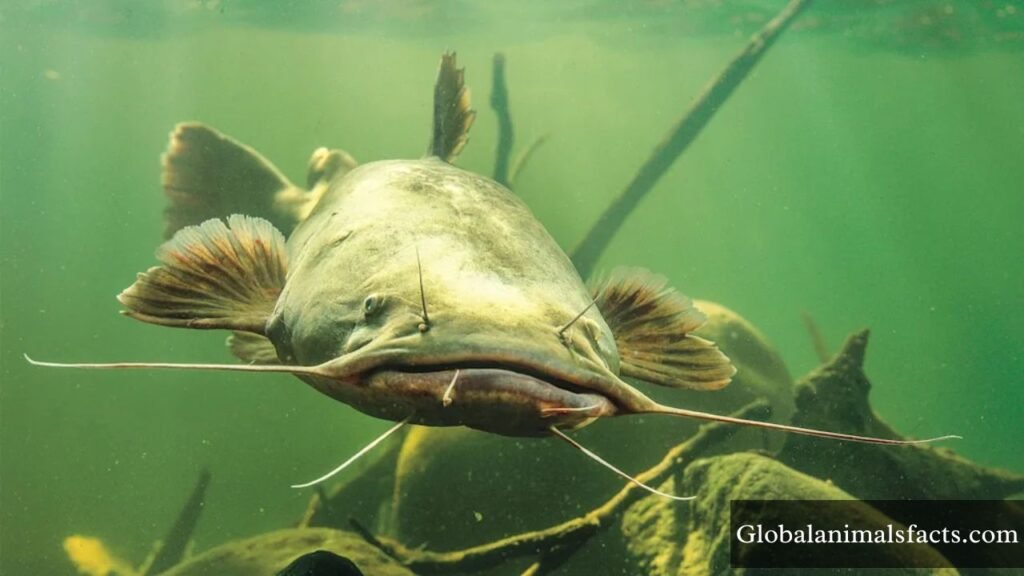
Interestingly, catfish don’t just inhabit mud-filled areas; they can also bury themselves beneath the substrate during droughts or extreme temperatures, entering a state of dormancy. This ability to “hibernate” in mud showcases their remarkable resilience and adaptability.
Ghost Shrimp
Class: Malacostraca
Diet: Detritivore
Ghost shrimp, with their translucent bodies and unique adaptations, are fascinating denizens of muddy environments. Unlike other crustaceans, these creatures excel in their mud-dwelling lifestyle by using their burrowing skills to forge intricate tunnel systems. This not only serves as protection from predators but also provides a stable environment where they can filter nutrients from the surrounding sediment. Observing a ghost shrimp at work can be mesmerizing; their movements are so fluid that they seem to vanish into their surroundings, epitomizing their namesake.
These fascinating shrimp have a symbiotic relationship with the ecosystem. As they aerate the mud and feed on detritus, they contribute to nutrient cycling, supporting a diverse community of organisms. This process aids in maintaining the health of aquatic systems, demonstrating the often-overlooked role of smaller creatures in sustaining larger ecological balances.
Frogs
Class: Amphibia
Diet: Carnivore
Frogs are fascinating amphibians that exhibit a remarkable adaptability to mud-laden habitats. Many species are expert excavators, utilizing the damp earth not just for shelter but also as a strategic defense mechanism. When the heat of summer scorches their environment, some frogs will burrow into the cooling mud, entering a state of dormancy called estivation. This process allows them to survive prolonged dry spells, re-emerging only when conditions are favorable again, demonstrating nature’s incredible resilience.
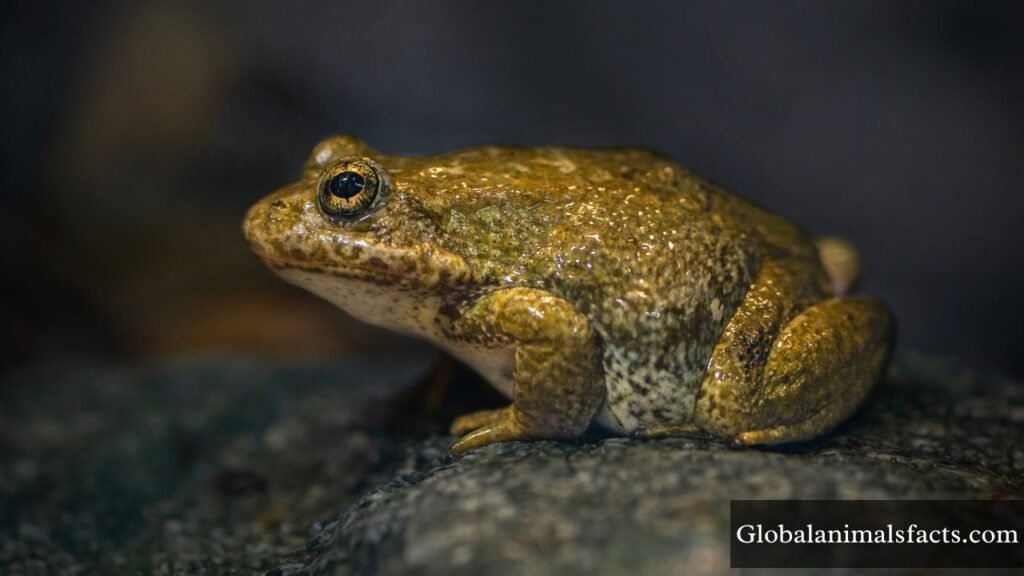
Moreover, frogs thrive in muddy ecosystems teeming with life. The rich organic material in mud supports intricate food webs, allowing frogs to fill their bellies with a variety of insects and other small prey. However, the murky realms they inhabit can also be harbingers of danger, as pollution and habitat destruction threaten their survival. In this sense, the muddy homes of frogs serve as both sanctuary and warning, reminding us of the delicate balance that exists within nature. By diving into the world of these mud-dwelling amphibians, we uncover the intricate connections that define our environment and the urgent need to protect it.
Mudskippers
Class: Actinopterygii
Diet: Omnivore
Mudskippers are fascinating creatures that blur the lines between aquatic and terrestrial life. These amphibious fish possess extraordinary adaptations that allow them to thrive in muddy intertidal zones. Unlike most fish, mudskippers can breathe through their skin, enabling them to venture onto land for extended periods, where they display remarkable agility and social behavior. Their bulging eyes and powerful pectoral fins make them adept at both swimming and “walking” on land, revealing an unexpected versatility.
What’s particularly intriguing about mudskippers is their complex social interactions. They communicate through a variety of visual signals — like puffing out their cheeks or performing elaborate displays — which play crucial roles in establishing territory and attracting mates.
Readmore: Explore Top 25 Arboreal Animals in The World.
Water Buffalo
Scientific Name: Bubalus bubalis
Class: Mammalia
Diet: Herbivore
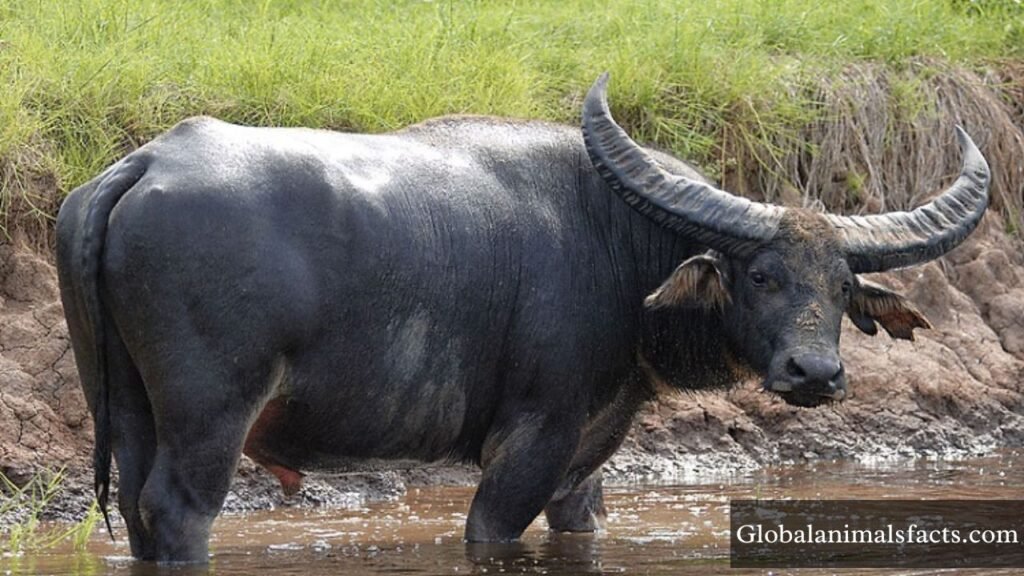
Water buffalos are remarkable creatures that thrive in muddy environments, blending function with fascinating behavior. Their affinity for mud goes beyond mere comfort; it serves as a natural sunscreen, protecting their skin from harsh UV rays while simultaneously acting as insect repellent. This unique adaptation not only keeps them cool during sweltering days but also fosters a unique microbial ecosystem on their skin, which helps ward off parasites.
Wild Boar
Scientific Name: Sus scrofa
Class: Mammalia
Diet: Omnivore
Wild boars are fascinating creatures that thrive in muddy habitats, playing a vital role in their ecosystems. These adaptable mammals use mud not just for wallowing but as a strategic tactic to regulate their body temperature and protect their skin from parasites. In the sweltering heat, the thick mud acts as a natural sunscreen, shielding them from harmful UV rays.
Moreover, their muddy escapades serve an ecological purpose — when they root around in search of food, they turn over soil and disperse seeds, effectively aiding in plant regeneration. This behavior not only nourishes their own diet of roots and tubers but also fosters a diverse habitat for countless other species.
Salamander
Class: Amphibia
Diet: Carnivore
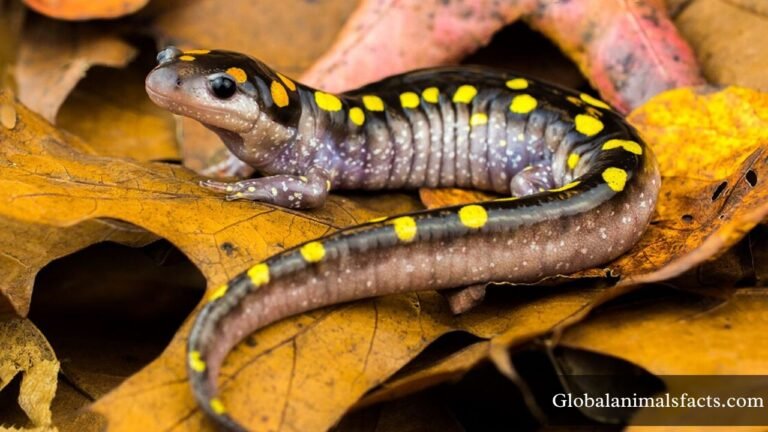
Salamanders are fascinating amphibians that thrive in moist, muddy environments, revealing a unique adaptation to their habitat. Often lurking beneath the surface, they play a pivotal role in their ecosystems by helping to control insect populations and participating in nutrient cycling. With their permeable skin, salamanders absorb moisture and vital substances from their surroundings, making them particularly susceptible to changes in their environment. This sensitivity allows them to act as bioindicators, signaling the health of their ecosystems.
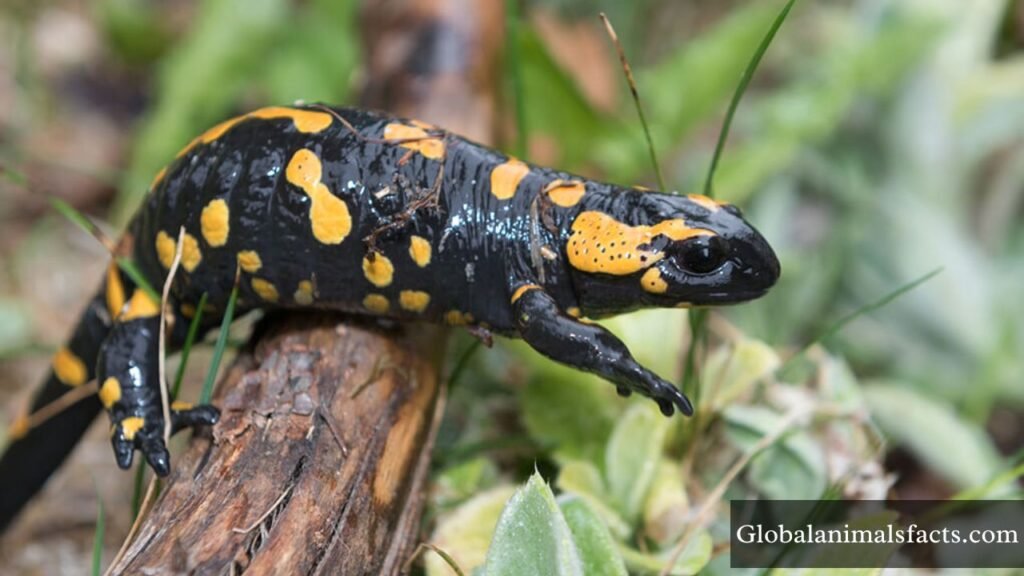
These elusive creatures often use mud as both a shelter and a breeding ground, with some species even opting for temporary mud nests during the rainy season. Remarkably, certain salamanders possess the ability to regenerate lost limbs, a phenomenon that has captivated scientists and inspired research into potential medical applications. Their striking colors and intricate patterns not only serve as camouflage in their muddy habitats but also play a role in mating displays, showcasing their diversity. Understanding the integral role of salamanders in these ecosystems can deepen our appreciation for the nuanced balance of life in muddy environments and the importance of conservation efforts to protect them.
Earthworm
Scientific Name: Lumbricus terrestris
Class: Clitellata
Diet: Detritivore
Earthworms are nature’s silent engineers, transforming barren soils into fertile grounds. Beneath our feet, they tirelessly burrow through the earth, creating intricate networks that aerate the soil and help with water retention. This unique behavior not only promotes plant growth but also assists in breaking down organic matter, enriching the soil with essential nutrients.
Earthworms possess a remarkable adaptability to their muddy habitats. Their skin, which is permeable, allows for the absorption of water and nutrients directly from the surrounding soil. This essential trait drives their incredible capacity to thrive even in less than ideal conditions. As they feast on decomposing organic matter, they play a critical role in nutrient cycling, supporting entire ecosystems — a testament to their unassuming power. Through their tireless work in mud, earthworms uncover the hidden magic beneath the surface, reminding us of the unseen life forms that sustain our planet.
Rhinoceros
Scientific Name: Rhinocerotidae
Class: Mammalia
Diet: Herbivore
Rhinoceroses, often portrayed as majestic giants of the animal kingdom, find solace in the soothing embrace of mud. This seemingly simple act goes beyond mere comfort; it serves crucial roles in their survival. The mud acts as a natural sunscreen, protecting their sensitive skin from the harsh rays of the sun, while also helping to regulate their body temperature in the sweltering heat of their native habitats. Interestingly, this fascinating behavior is not just about self-care. The mud acts as a protective barrier, keeping pesky insects and parasites at bay, proving that these magnificent creatures are as smart as they are strong.
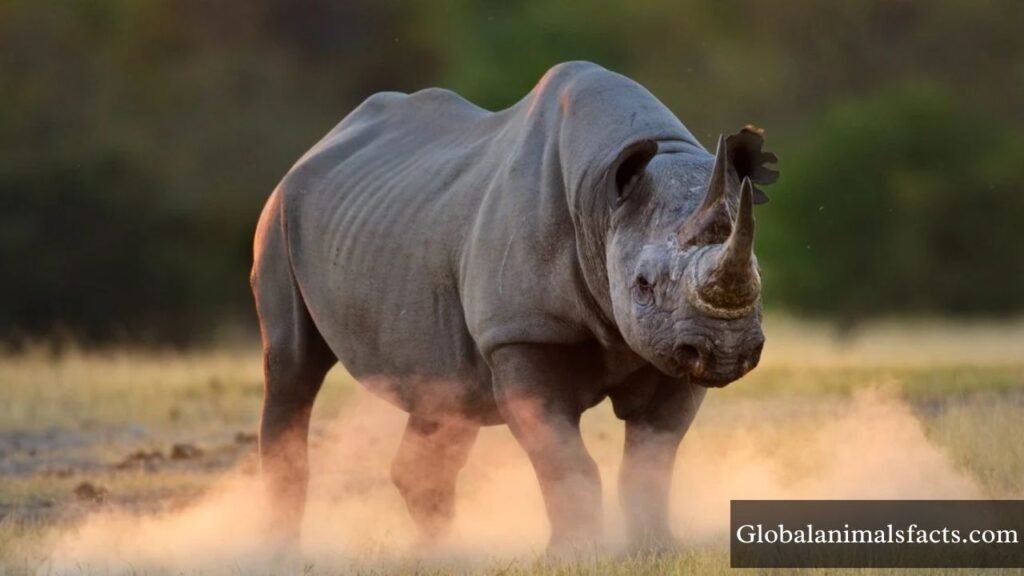
Moreover, mud wallows play a vital social role among rhinoceroses. These cooling retreats become communal spots where individuals can establish dominance or bond with others in their group. Observing them in these muddy havens reveals a surprisingly intricate social tapestry, as younger rhinos learn from older ones, witnessing their unique interactions and behaviors.
Littleneck Clams
Scientific Name: Leukoma staminea
Class: Bivalvia
Diet: Filter feeder
Littleneck clams are fascinating inhabitants of tidal mudflats, where they bury themselves to evade predators and harsh environmental conditions. These small bivalves are not just experts at survival; their burrowing capabilities create complex networks within the mud, which can enhance nutrient cycling in their ecosystem. This hidden life under the surface is essential, as littleneck clams filter seawater, removing plankton and organic matter while simultaneously contributing to cleaner, healthier tidal zones.
Interestingly, littleneck clams have developed a unique relationship with their environment. The mud serves as both a protective layer and a nutrient-rich source, allowing them to thrive in a habitat where few animals can compete. Researchers have found that these clams communicate through chemical cues, signaling to one another to either dig deeper or come to the surface when conditions are right for spawning. This cooperative behavior not only boosts their reproductive success but also highlights the delicate balance between competition and collaboration in nature’s muddy depths.
Readmore: Explore Top 16 Dirtiest Animals in The World.
Final Thoughts
Animals living in mud are not only fascinating but also vital contributors to their ecosystems. These creatures, which include fascinating species like amphibians and invertebrates, demonstrate the interconnectedness of life in often-overlooked habitats. By playing essential roles in nutrient cycling and soil aeration, they facilitate a healthy environment for many other organisms. As stewards of the Earth, we must be vigilant in protecting these unique habitats from the impacts of climate change and human activity. Join the movement to conserve and celebrate the incredible diversity of life that thrives in the mud!
FAQs
Which animal lives in mud?
Several animals thrive in muddy environments, with one of the most notable being the pig. Pigs use mud as a way to cool down since they don’t sweat. Rolling in mud also helps protect their skin from sunburn and parasites.
Why do animals like mud?
Animals enjoy mud for a few key reasons. First, it helps them cool down. When animals roll in mud, it creates a layer that keeps their skin cool and protects them from the sun. This is especially important for animals like pigs and elephants, who can easily overheat. Mud also acts as a natural barrier against insects and parasites. The thick layer can help shield their skin from annoying bugs, providing some relief from irritation.
Which animal loves to be in muddy water?
An animal that enjoys muddy environments is the hippopotamus. Hippos spend much of their time submerged in muddy waters, which helps keep their massive bodies cool. Plus, it provides them with a comfortable, safe spot to rest and avoid predators.
What animals live in swamps?
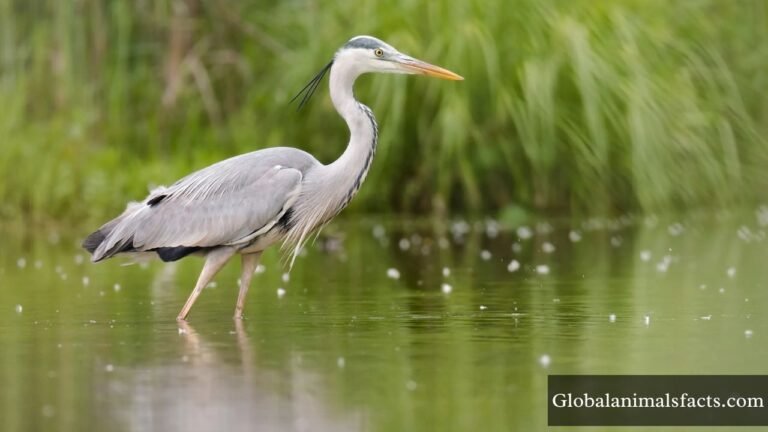
Swamps are rich ecosystems that support a wide variety of animals. Common inhabitants include alligators, which thrive in the warm, wet conditions, and various species of frogs and toads that use the water for breeding. Birds like herons, egrets, and ducks also make swamps their home, often seen wading through the shallow waters. In addition to reptiles and birds, swamps are home to many mammals, such as beavers, otters, and raccoons. These animals rely on the abundant food sources, including aquatic plants and smaller fish. Insects, such as mosquitoes and dragonflies, also flourish, playing a crucial role in the food web. Overall, swamps are vibrant habitats filled with diverse wildlife.