Top 15 Animals That Live in Grassland (With Pictures)
Have you ever wondered which animals call the grassy plains their home? Grasslands, teeming with life, support a variety of species that play crucial roles in their ecosystems. In this article, we will delve into the intriguing world of animals that live in grassland, examining their adaptations, social structures, and interactions with the environment. By the end, you’ll not only understand these animals better but also recognize the importance of preserving their habitats.
List of Animals That Live in Grassland
Here is the list of grassland animals:
- Pronghorn
- Cheetah
- Long-billed Curlew
- Prairie Dog
- Przewalski’s horse
- Elephant
- Zebra
- Lion
- African Buffalo
- Common Emu
- Giraffe
- Hyena
- Black-Footed Ferret
- American Bison
- Swift Fox
Pronghorn
Scientific Name: Antilocapra americana
Class: Mammalia
Diet: Herbivore
Across the grasslands of North America, the pronghorn stands out as an incredible survivor, possessing a unique blend of speed and agility that fascinates ecologists and wildlife enthusiasts alike. Unlike typical antelope species found in Africa, pronghorns have adapted to the vast, open spaces of the Great Plains, where their incredible endurance allows them to reach speeds of up to 60 miles per hour. This remarkable velocity is not just for show; it’s a survival mechanism honed by evolution to evade predators like coyotes and bobcats.
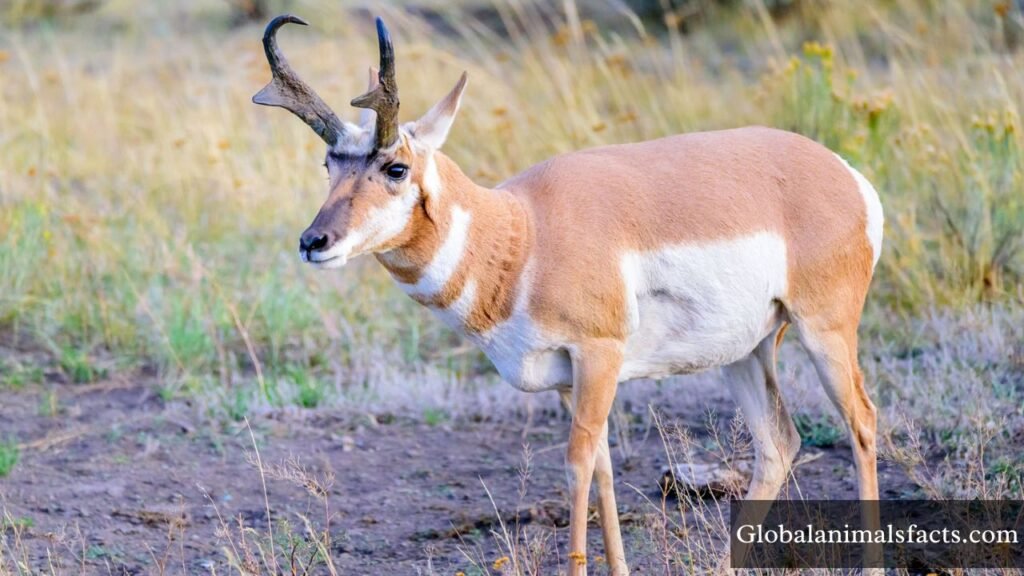
Interestingly, the pronghorn’s adaptations go beyond sheer speed. They also have large, acute eyesight that allows them to spot threats from miles away, a critical advantage in the expansive, unobstructed vistas of their habitat. Furthermore, pronghorns are unique in their seasonal behavior; they thrive in the harsh conditions of winter, where they can find food beneath the snowpack, showcasing their resilience in a landscape that many other species find inhospitable. With populations recovering in certain areas, pronghorns serve as a symbol of conservation success, reminding us of the delicate balance between natural ecosystems and human influence. Their story is one of endurance, adaptation, and the whimsical unpredictability of nature.
Cheetah
Scientific Name: Acinonyx jubatus
Class: Mammalia
Diet: Carnivore
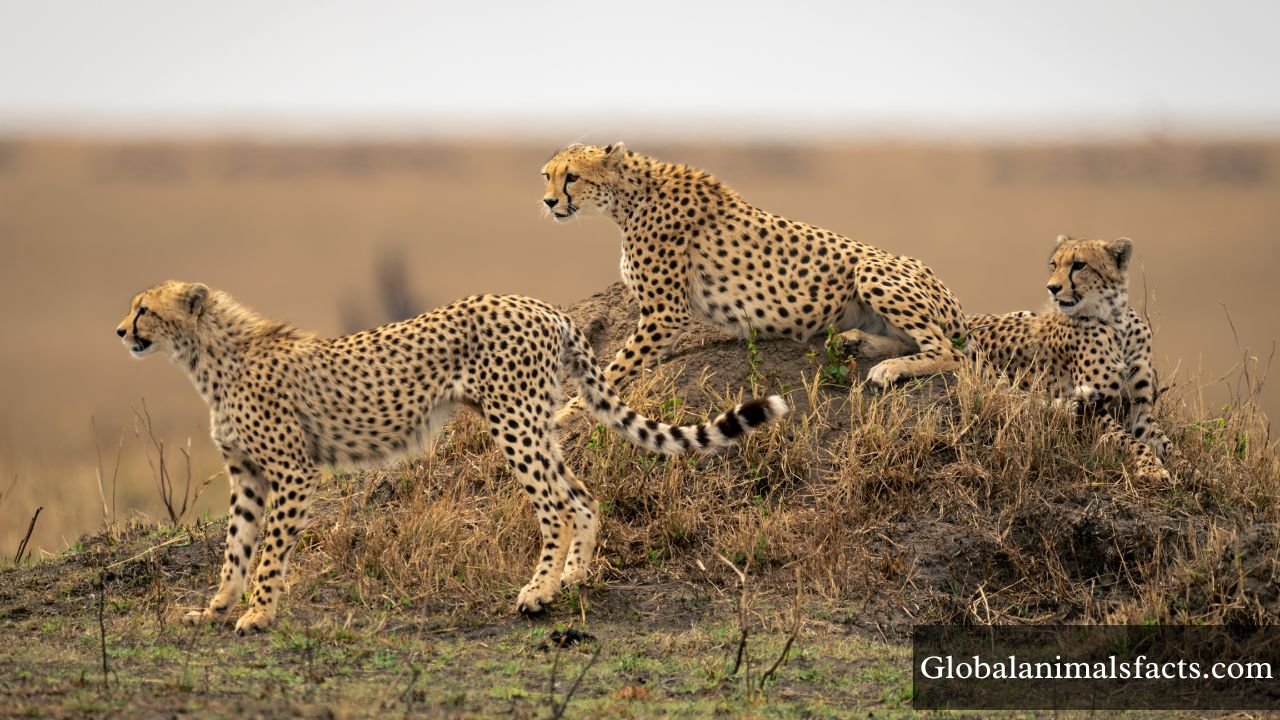
The cheetah, often celebrated as the fastest land animal, is a quintessential inhabitant of grassland ecosystems, where its unique adaptations enable it to thrive. With their slender, aerodynamic bodies and long legs, these magnificent felines can reach speeds up to 75 miles per hour in short bursts, primarily to catch swift prey like gazelles. However, what truly sets the cheetah apart is its incredible eyesight; they can spot a meal from miles away, making them master strategists in the open, expansive terrain of the savannah.
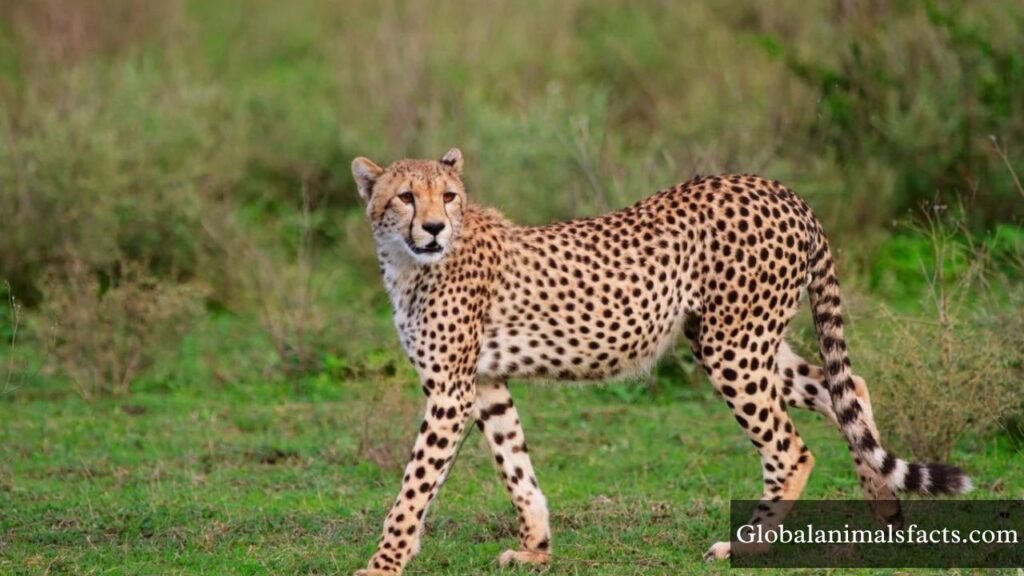
Interestingly, unlike other big cats that rely on strength, cheetahs utilize a combination of speed, stamina, and intricate stalking techniques to catch their prey, showcasing a fascinating blend of agility and intelligence. This unique hunting strategy highlights not only their role as apex predators but also emphasizes the delicate interconnections within their grassland environment.
Long-billed Curlew
Scientific Name: Numenius americanus
Class: Aves
Diet: Omnivore
The Long-billed Curlew, with its strikingly long, curved beak, embodies the spirit of the grasslands. Its unique morphology is perfectly suited for foraging; the curlew skillfully probes the moist soil to uncover a bounty of insects and crustaceans hidden beneath. This adaptation not only highlights the creature’s role as a forager but also emphasizes the intricate relationships within the grassland ecosystem, where every species plays a part in maintaining the balance of life.
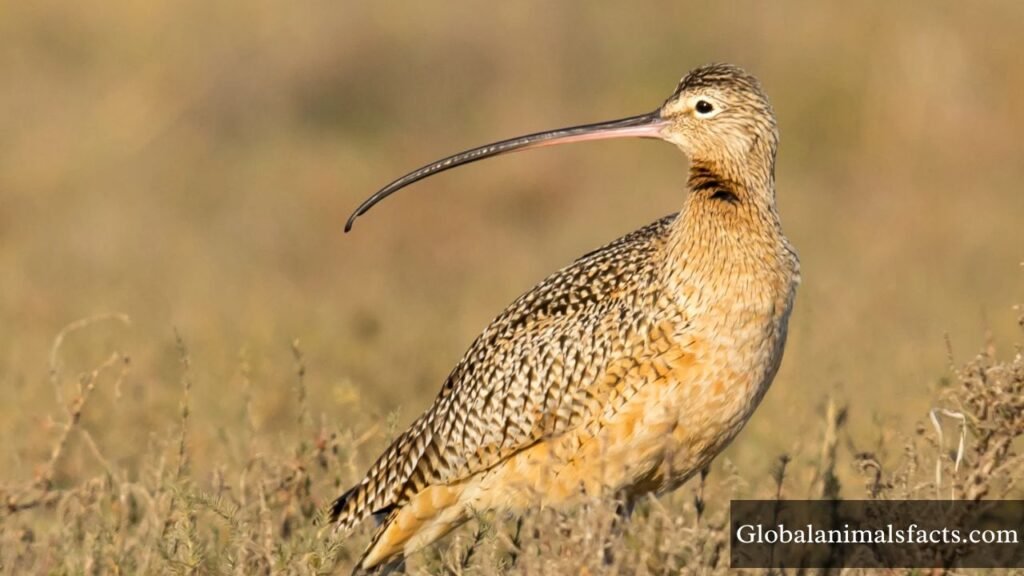
As migratory birds, Long-billed Curlews are symbols of seasonal change, traveling thousands of miles between their breeding and wintering grounds. Their haunting, melodious calls echo across expansive fields, serving as a reminder of nature’s symphony. However, these elegant birds face challenges from habitat loss and climate change, which threaten their nesting sites and food availability, urging conservation efforts to protect the delicate grassland habitats they call home. By fostering awareness about this striking species, we are encouraged to appreciate the rich tapestry of life that these grasslands support, reminding us of our responsibility to preserve their beauty for future generations.
Prairie Dog
Scientific Name: Cynomys
Class: Mammalia
Diet: Herbivore
Prairie dogs, with their strikingly social nature, are more than just cute inhabitants of the grasslands; they’re essential architects of their ecosystems. Living in expansive colonies called “towns,” these rodents engage in intricate tunneling networks that not only create shelter for themselves but also foster a diverse array of wildlife. As these tunnels aerate the soil, they enhance nutrient cycling, benefiting the plant life that sustains various species. This symbiotic relationship highlights the vital role prairie dogs play, often overlooked in discussions about the grassland ecosystem.
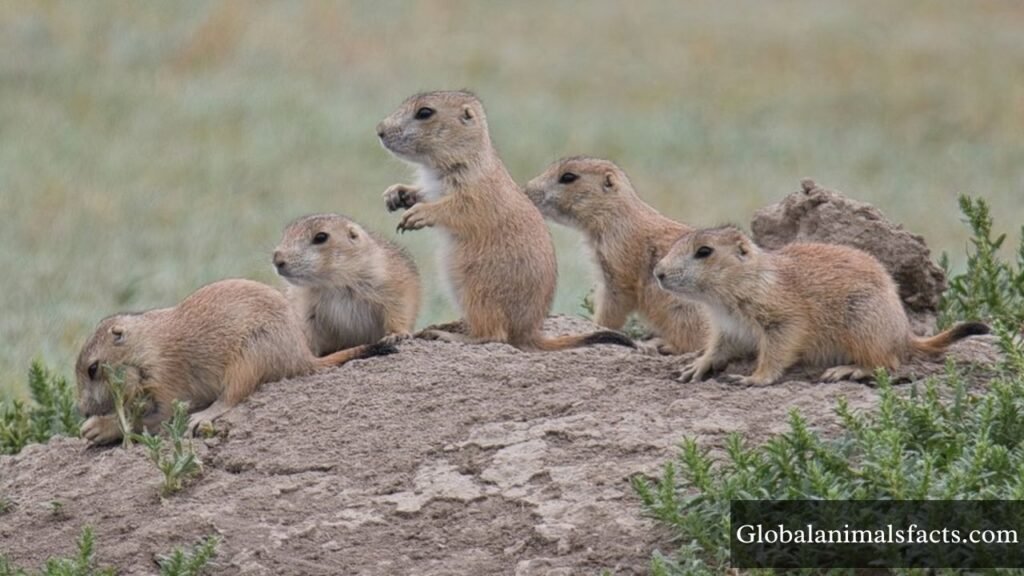
Moreover, their vibrant communication — comprising a sophisticated system of barks and yips — serves as an effective means of alerting fellow prairie dogs to potential dangers, showcasing a remarkable level of social intelligence. When viewed from a broader ecological perspective, the decline of prairie dog populations can signal significant shifts in the grassland environment. As keystone species, their presence supports the survival of predators like hawks and coyotes, alongside the many herbivores that depend on the grasslands’ rich vegetation. Their existence underscores the interconnectedness of life in these vast open spaces, offering a compelling reminder of the delicate balance in nature.
Przewalski’s horse
Scientific Name: Equus ferus przewalskii
Class: Mammalia
Diet: Herbivore
Przewalski’s horse, often regarded as the last truly wild horse species, roams the vast grasslands of Central Asia, embodying resilience and historical significance. Unlike their domesticated cousins, these equines are adapted to survive in harsh environments, equipped with a stout build and sturdy legs that allow them to traverse the rugged, arid terrain of the steppes. This unique adaptation is complemented by their ability to thrive on coarse grasses, showcasing their remarkable evolutionary traits that have enabled survival in a challenging ecosystem.
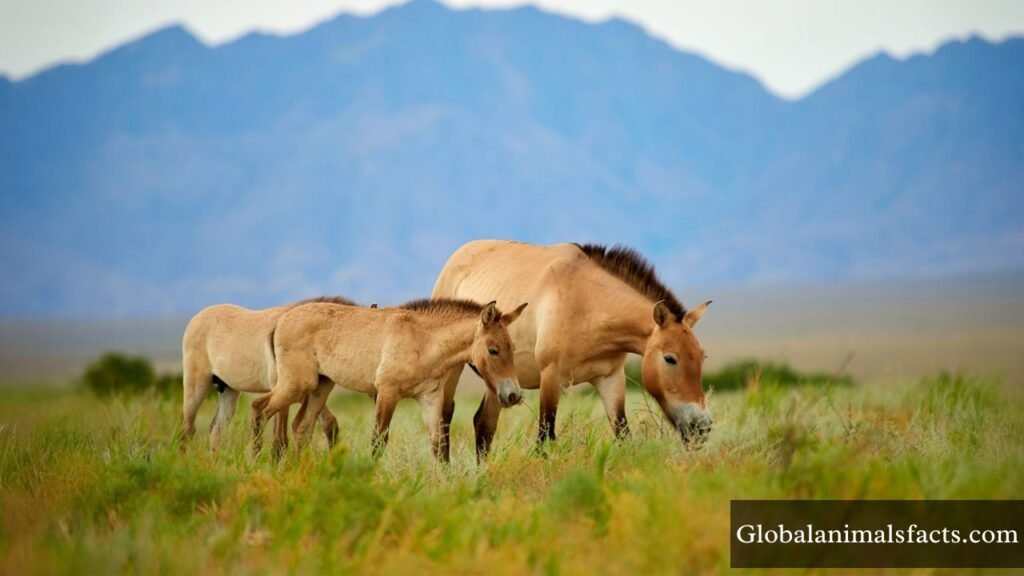
What’s particularly fascinating about Przewalski’s horse is its remarkable comeback from the brink of extinction. Once relegated to a status of mere legend, these horses have been reintroduced into the wild through dedicated conservation efforts, highlighting the potential for recovery in nature when given the right resources and commitment. Their social structure is equally intriguing; living in small, matriarchal groups fosters not only individual bonds but also a communal defense strategy against predators, showcasing their intelligence and social complexity.
Elephant
Scientific Name for African Elephant: Loxodonta africana
Scientific Name forAsian Elephant: Elephas maximus
Class: Mammalia
Diet: Herbivore
Elephants are often regarded as the gentle giants of the grasslands, where their massive presence not only shapes the landscape but also influences the entire ecosystem. As keystone species, they play a crucial role in maintaining the health of grassland habitats. Their grazing habits promote new growth by uprooting older vegetation, which in turn supports a diversity of plant and animal life. This ongoing cycle creates a dynamic environment where various species thrive, showcasing the intricate interconnectedness of nature.
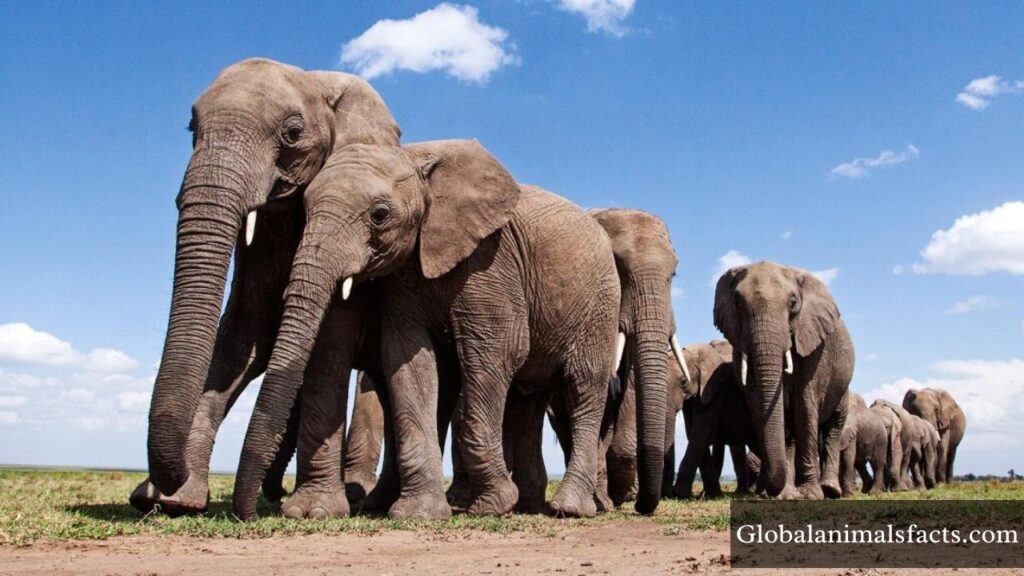
Elephants possess remarkable social structures and communication skills that extend beyond mere vocalizations. Their ability to detect infrasound — low-frequency sounds inaudible to humans — enables them to communicate over long distances, sharing information about food sources or potential threats. This sophistication reveals deep emotional intelligence within their herds, fostering bonds that can last a lifetime. Observing these magnificent creatures navigating their grassy realms is a striking reminder of the complexity and depth of animal behavior, urging us to rethink our relationship with the natural world and the conservation efforts it desperately needs.
Zebra
Scientific Name: Equus quagga
Class: Mammalia
Diet: Herbivore
Zebras, with their striking black-and-white stripes, aren’t just visually captivating; these patterns serve vital purposes in their grassland habitats. Each zebra has a unique stripe pattern, much like human fingerprints, which may help in individual recognition within herds. This social aspect is crucial, as zebras are inherently gregarious animals, forming tight-knit groups that protect one another from predators. The stripes also play a role in thermoregulation and may confuse biting insects, providing another layer of survival in the open savannah.
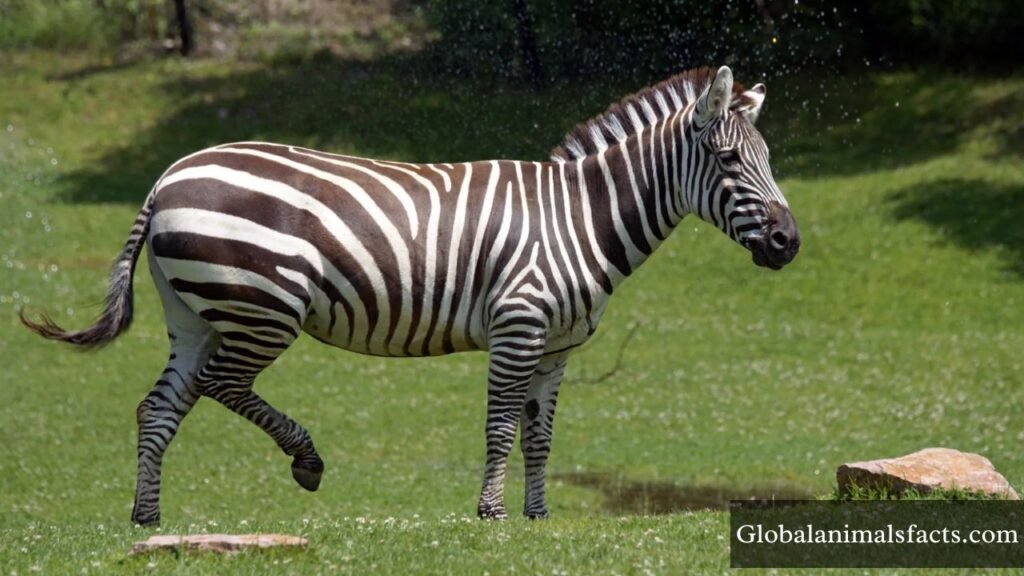
Their diet primarily consists of grasses, but zebras are selective grazers, often choosing nutrient-rich shoots that promote health and vigor. This selective feeding helps maintain the grasslands, allowing other herbivores access to food. Interestingly, zebras are known to be adaptable; in the face of drought or altered ecosystems, they can alter their grazing patterns or migrate to greener pastures, showcasing their resilience in an ever-changing environment. Observing these magnificent creatures in their natural habitat reveals not just their beauty, but the intricate dance of survival that defines the grassland ecosystem.
Lion
Scientific Name: Panthera leo
Class: Mammalia
Diet: Carnivore
The lion, often hailed as the king of the savanna, occupies a celebrated yet precarious niche in the grassland ecosystem. These majestic creatures are not just symbols of strength; their social structure plays a critical role in maintaining the balance of their habitat. Living primarily in prides, which consist of related females and a few males, lions exemplify cooperation in hunting and territory defense. This social behavior is not just about survival; it cultivates complex relationships that echo the sophisticated dynamics of their environment.
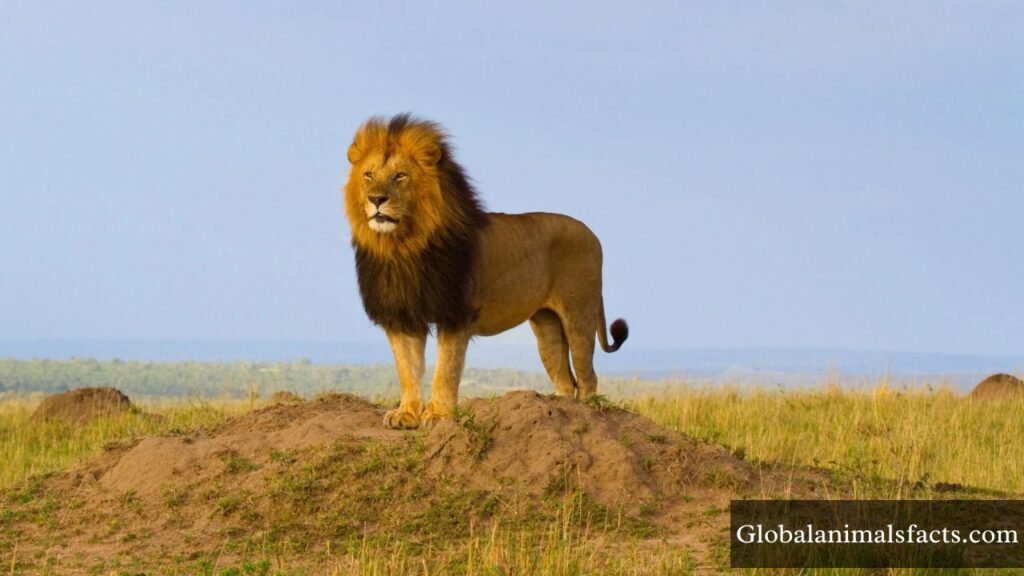
But the lion’s existence in grasslands also highlights the delicate interplay of predator and prey. As apex predators, lions influence the population dynamics of herbivores, such as zebras and antelopes. Their hunting strategies, often involving stealth and teamwork, ensure that weaker individuals are targeted, promoting healthier herds and preventing overgrazing. However, as landscapes change and human encroachment expands, these apex predators face mounting challenges, underscoring the urgent need for conservation efforts that balance ecological integrity with human development. In the grand tapestry of life in grasslands, lions serve as both a profound reminder of nature’s power and a call to action for its preservation.
African Buffalo
Scientific Name: Syncerus caffer
Class: Mammalia
Diet: Herbivore
The African buffalo, a formidable resident of the grassland ecosystem, defies the common perception that all bovines are docile. These majestic creatures are known for their unpredictable nature and strong herd dynamics, offering a unique glimpse into the social structures of large mammals. Living in tightly-knit family groups led by a matriarch, they showcase complex behaviors and relationships that highlight their intelligence and emotional depth. Unlike solitary animals, buffalo rely on the safety of their numbers, demonstrating a poignant example of community and cooperation amid the dangers presented by predators like lions and hyenas.
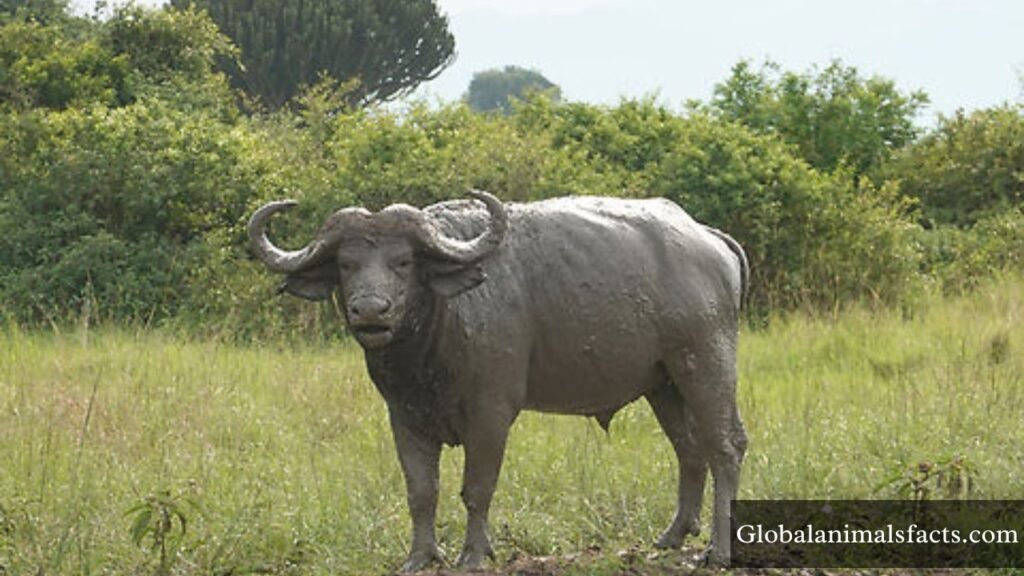
One remarkable aspect of the African buffalo’s existence is their remarkable adaptability. Unlike some of their counterparts in other ecosystems, buffalo thrive on a varied diet that includes not just grass but also shrubs and forbs. This flexibility becomes crucial during dry seasons when food becomes scarce, showcasing their resilience. They play an essential role in maintaining the grassland ecosystem; their grazing habits encourage plant diversity and prevent overgrowth, ensuring a healthy habitat not just for themselves, but for countless other species that depend on the grassland for survival.
Common Emu
Scientific Name: Dromaius novaehollandiae
Class: Aves
Diet: Omnivore
The common emu, a flightless bird native to Australia, has adapted supremely to the vast grasslands it calls home. Standing at nearly six feet tall, these towering birds possess long, powerful legs that allow them to sprint at impressive speeds, making them adept at evading predators. Their shaggy, brown feathers blend seamlessly with the grassland flora, providing excellent camouflage against both the scorching sun and lurking threats.
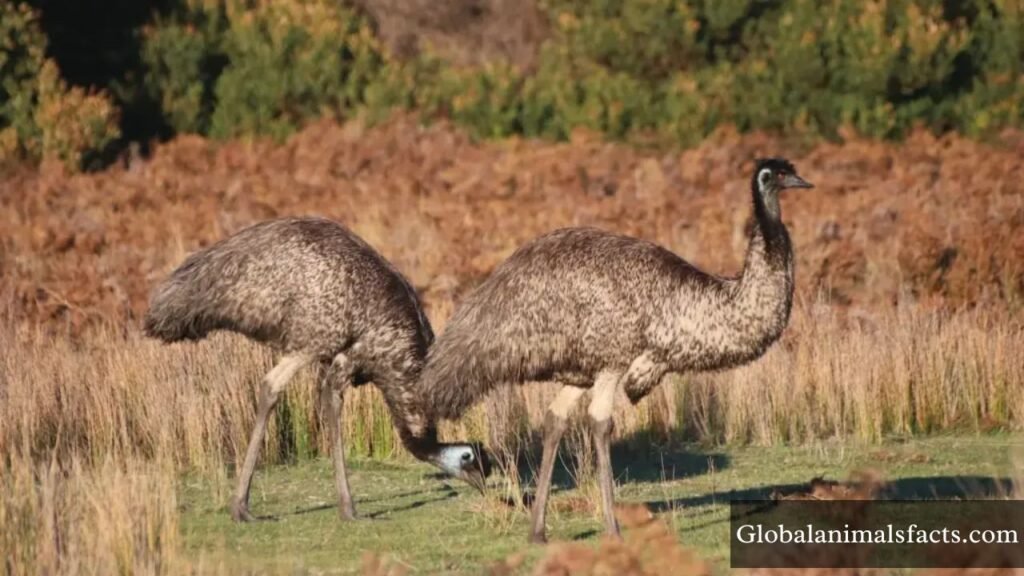
What’s fascinating is the emu’s role as a seed disperser, contributing significantly to the ecosystem’s health. As they forage for seeds and fruits, they inadvertently aid in the spread of various plant species, fostering biodiversity. During the breeding season, the emu buck exhibits remarkable parental dedication, incubating the eggs and caring for the chicks. This nurturing behavior highlights a captivating contrast to the often solitary existence attributed to many wildlife species and invites a deeper appreciation for the nuances of avian life in grasslands.
Giraffe
Scientific Name: Giraffa camelopardalis
Class: Mammalia
Diet: Herbivore
In the vast expanse of grasslands, the giraffe stands as a remarkable emblem of adaptability and grace. With their towering necks, these iconic creatures have honed an extraordinary feeding strategy, reaching foliage that remains tantalizingly out of reach for most herbivores. This unique adaptation not only allows them to thrive in environments where competition for food can be fierce, but it also plays a crucial role in shaping the ecosystem. By browsing on acacia and thorny trees, giraffes help maintain the balance of vegetation, preventing any single species from overwhelming the landscape.
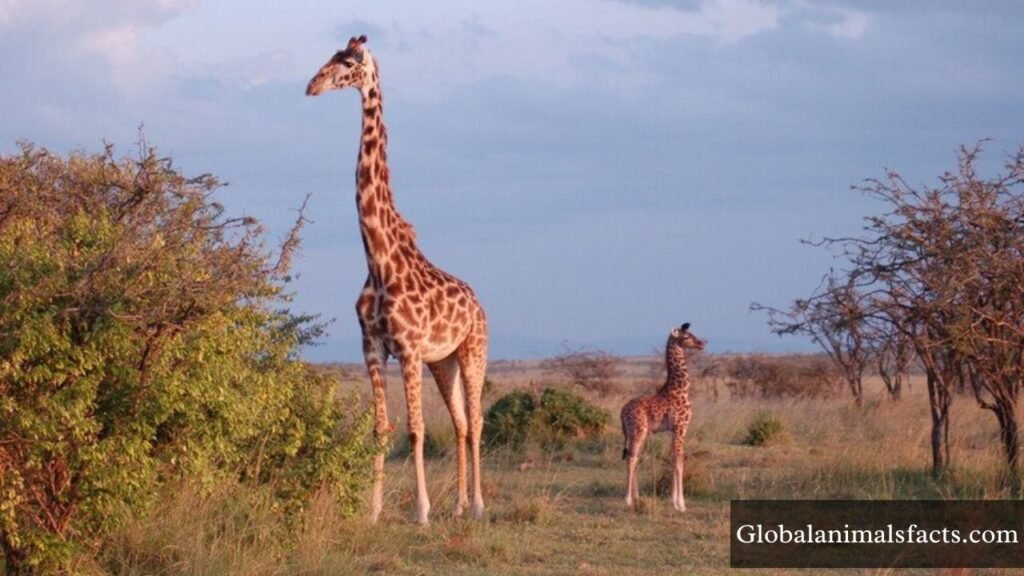
Beyond their physical attributes, giraffes display complex social behavior. Living in loose herds, they have intricate social structures characterized by non-aggressive interactions and affectionate bonding. Studies reveal that giraffes communicate with each other using a range of vocalizations and subtle body language, fostering connections that extend beyond mere survival. Interestingly, their distinctive coat patterns serve not just for camouflage but also as a form of social recognition, allowing individuals to identify one another amidst the golden grasses.
Hyena
Scientific Name: Crocuta crocuta
Class: Mammalia
Diet: Carnivore/Scavenger
Hyenas, often misunderstood as mere scavengers, are remarkable survivors in the grasslands, showcasing a unique blend of adaptability and social complexity. These intelligent animals live in matriarchal clans, where the females are not only larger but also dominate the social structure. This intriguing social order allows for cooperative hunting strategies, enabling them to not just scavenge but also actively pursue prey such as wildebeest, antelope, and even smaller mammals.
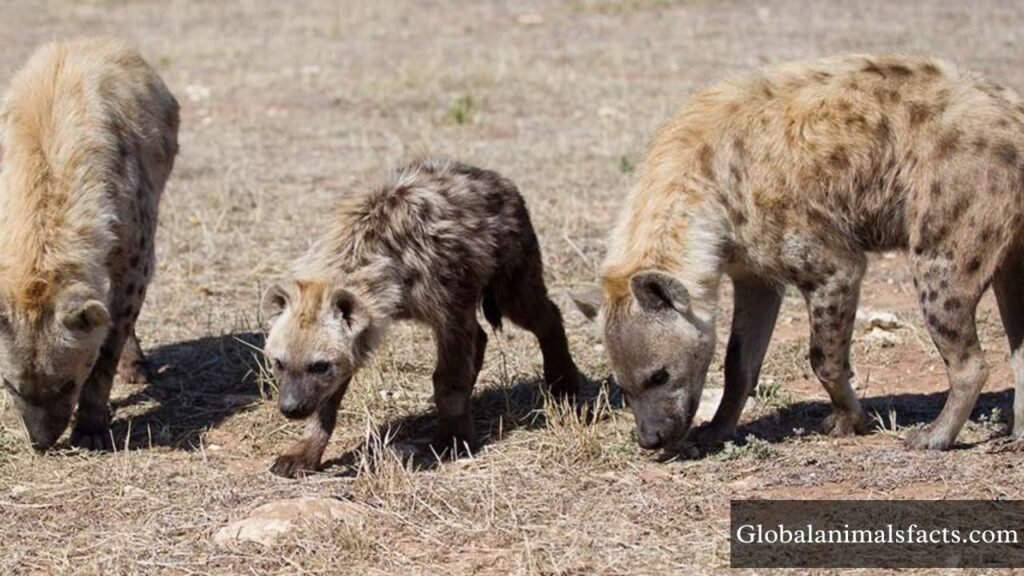
Their incredible vocalizations, often likened to a demonic laugh, serve as a means of communication, allowing clan members to coordinate efforts and warn each other about potential threats. Moreover, hyenas play a critical ecological role by helping to maintain the balance of their habitat, as they consume carrion and reduce the spread of disease. By observing these misunderstood creatures in their natural grassland habitats, one gains a deeper appreciation for their intricate behaviors and the vital functions they serve within the ecosystem. Such insights challenge the conventional view of hyenas as mere scavengers, revealing them as clever strategists and pivotal players in the grassland’s vibrant tapestry of life.
Black-Footed Ferret
Scientific Name: Mustela nigripes
Class: Mammalia
Diet: Carnivore
The black-footed ferret, a small yet fierce inhabitant of the North American grasslands, plays a vital role in its ecosystem. Once considered extinct, these agile creatures have made a remarkable comeback due to dedicated conservation efforts. They thrive in prairie dog colonies, relying on these social rodents not just for shelter but primarily for sustenance. The ferret’s slender body and keen eyesight allow it to navigate the intricate tunnels of a prairie dog town, showcasing a unique adaptation to a habitat that can be harsh and unforgiving.
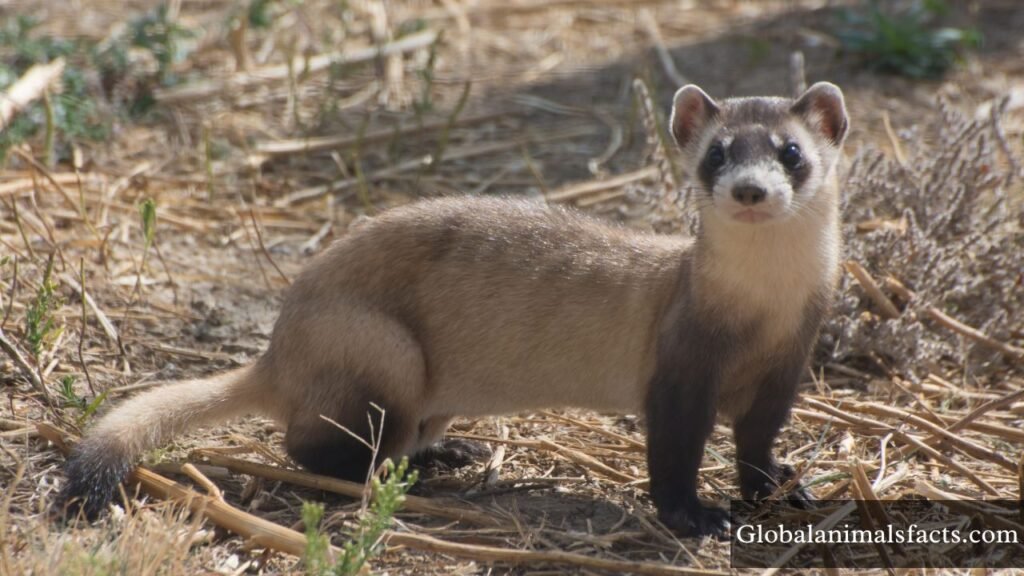
Beyond their hunting prowess, black-footed ferrets embody the intricate ties of biodiversity. Their presence signals a healthy prairie ecosystem, as their diets highlight the delicate balance between species. The decline of prairie dogs, often due to habitat loss or disease, directly threatens the ferret population, making their conservation intertwined with the fate of the entire grassland community. Observing these remarkable ferrets not only invites awe but also raises critical questions about habitat preservation and our role in protecting the delicate webs of life that thrive in the grasslands.
American Bison
Scientific Name: Bison bison
Class: Mammalia
Diet: Herbivore
The American bison, often regarded as the iconic symbol of the Great Plains, roams the vast grasslands of North America with a presence that’s both majestic and humbling. These colossal creatures, weighing up to 2,000 pounds, are not just impressive for their size; their social structure fosters fascinating dynamics within their herds. Bison are known to maintain strong bonds, particularly among females, who will often defend their young against predators, exhibiting a nurturing side that contrasts with their formidable appearance.
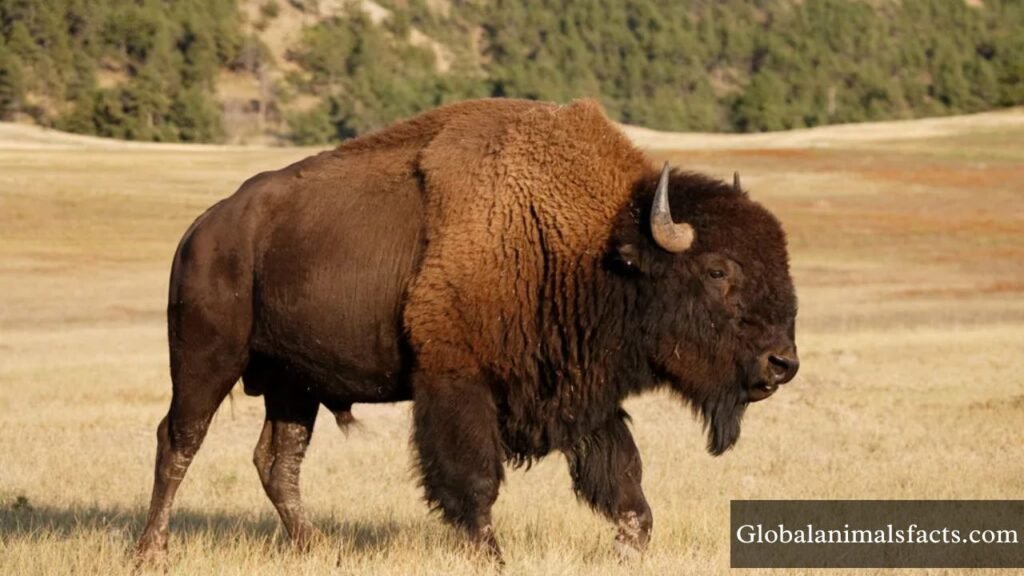
Beyond their impressive stature, bison play a crucial role in shaping the grassland ecosystem. Their grazing patterns help maintain the balance of plant life, allowing diverse species of grasses and wildflowers to thrive. As they roam, they also create wallows — shallow depressions that collect water and become vital habitats for various organisms, from insects to amphibians.
Swift Fox
Scientific Name: Vulpes velox
Class: Mammalia
Diet: Omnivore
The swift fox, a small yet striking inhabitant of North America’s grasslands, displays remarkable adaptations that allow it to thrive in these sweeping plains. With its sleek, slender body and distinctive tufted ears, this nocturnal hunter embodies efficiency and grace. Unlike many of its larger canine relatives, the swift fox has developed a unique strategy for survival: it is primarily insectivorous, feeding on a plethora of grasshoppers, beetles, and other invertebrates during the night. This diet not only allows it to exploit ecological niches often overlooked by larger predators but also minimizes competition for resources.
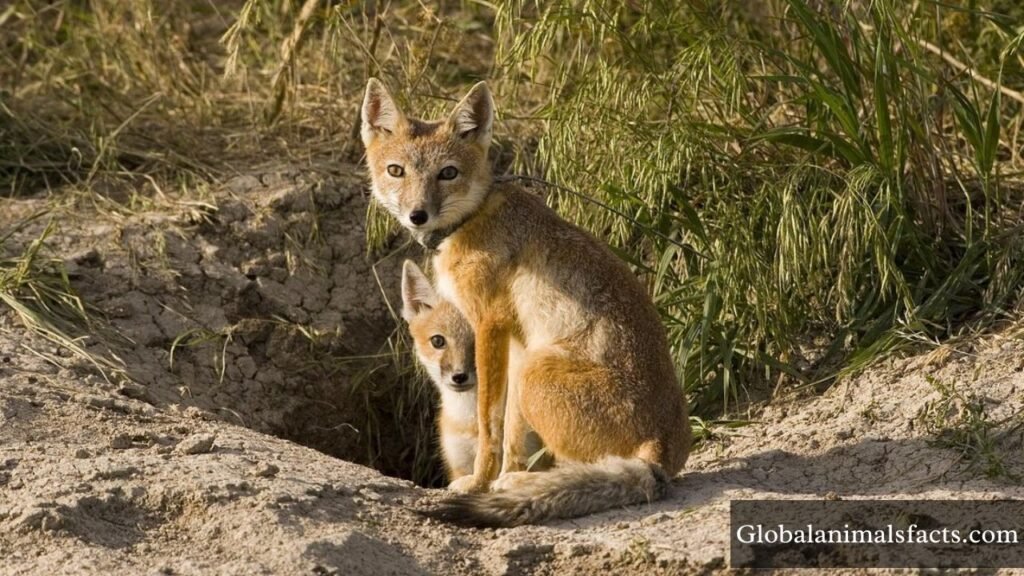
In addition to its dietary adaptations, the swift fox is a master of stealth. Utilizing its excellent hearing and keen sense of smell, it navigates the intricate tapestry of grassland flora, often employing burrows to evade not only larger predators but also the harsh elements. These burrows serve a dual purpose, providing shelter and a temporary refuge for kits during their vulnerable early months. Socially, swift foxes exhibit fascinating behavior; they often engage in playful interactions, which helps strengthen their bonds and coordinate hunting tactics. This communal aspect of their lives reveals a complexity that challenges the simplistic view of their solitary existence.
Readmore: Explore Top 30 Shy Animals in The World.
Final Thoughts
Grasslands are vital ecosystems that support a diverse array of wildlife, each uniquely adapted to thrive in this environment. From grazing herbivores like bison and antelope to predatory species such as the cheetah and hawk, these animals play essential roles in maintaining the balance of their habitat. The interactions among these species highlight the importance of preserving grassland areas, which are increasingly threatened by human activities like agriculture and urban development. By understanding the significance of these ecosystems and the creatures that inhabit them, we can take meaningful steps toward their conservation. Let us work together to protect these remarkable landscapes and the wildlife they sustain.
FAQs
What animals live in the grassland?
Grasslands are home to a diverse range of animals adapted to this open environment. Common inhabitants include large herbivores like bison, antelope, and zebras that graze on the abundant grasses. Insects such as grasshoppers and butterflies also thrive here, contributing to the ecosystem. Predators such as coyotes, lions, and various bird species roam these areas, hunting for smaller animals. Burrowing creatures like prairie dogs and groundhogs play a vital role in soil aeration and seed dispersal, further enriching the grassland habitat.
What is the biggest animal in the grasslands?
The biggest animal in the grasslands is the African elephant. These majestic creatures can weigh up to 12,000 pounds and stand about 10 to 13 feet tall at the shoulder. Their large ears help them regulate body temperature, and their long trunks are versatile tools for feeding, drinking, and social interaction.
What animal is the king of the grasslands?
The king of the grasslands is often considered to be the lion. These majestic creatures sit atop the food chain in their savanna habitats, showcasing strength and authority. Lions are social animals, living in prides that create a complex social structure, allowing them to effectively hunt and protect their territory.
What is the smallest animal in the grasslands?
The Etruscan shrew holds the title for the smallest animal in the grasslands. Measuring only about 3.5 inches long and weighing around 2 grams, it’s tiny but incredibly fast. This diminutive mammal is often found in various habitats, including grasslands, where it scurries through the underbrush in search of insects and other small prey.
What is the fastest animal in the grasslands?
The fastest animal in the grasslands is the cheetah. Known for its incredible speed, a cheetah can reach speeds of up to 60-75 mph in short bursts covering distances of around 1,500 feet. This makes it the fastest land animal, perfectly adapted for hunting in open habitats.