Top 20 Animals That Have Spots (With Images)
In this article, we delve into the fascinating world of animals that have spots, exploring their unique adaptations and how these patterns play crucial roles in their survival. Whether you’re a pet owner or a wildlife enthusiast, understanding these remarkable creatures can offer insights into the complexities of animal biology and ecology. Read on to discover which spots are nature’s camouflage and which serve other intriguing purposes.
List of Animals That Have Spots
Below is the list of animals that have spots on their body:
- Ladybug
- Spotted deer
- Dalmatian
- Hyena
- Cheetah
- Whale shark
- Jaguar
- Spotted salamander
- Giraffe
- Spotted turtle
- Ocelot
- Burmese python
- Fallow Deer
- Spotted moray
- African Wild Dog
- Appaloosa Horse
- Holstein Friesian Cow
- Spotted eagle ray
- Snow leopard
- Serval
Ladybug
Scientific name: Coccinellidae
Class: Insecta
Diet: Carnivorous/predatory
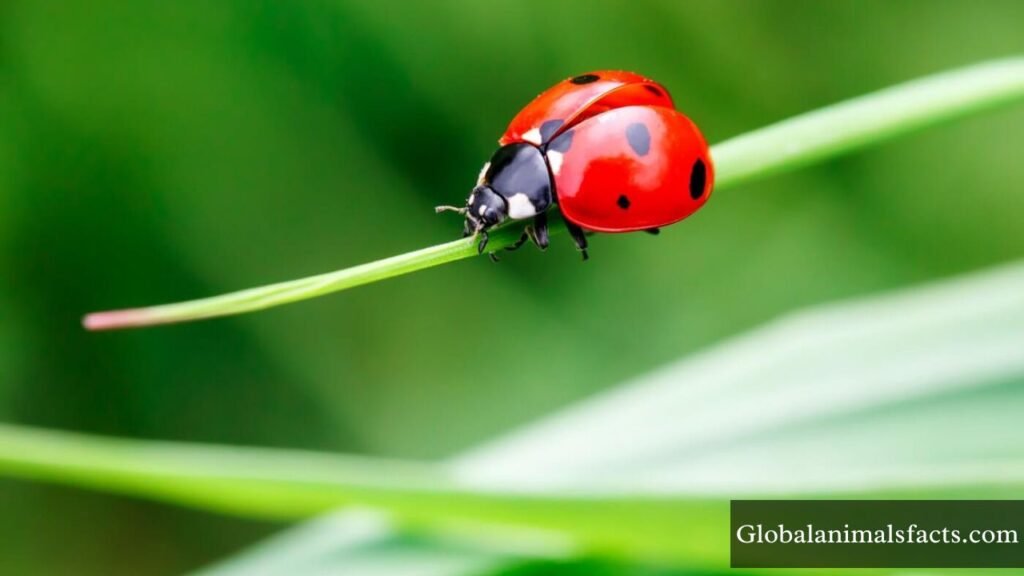
The ladybug, often celebrated for its charming appearance and helpful nature, boasts a vibrant array of colors and distinctive spots. These small beetles, belonging to the Coccinellidae family, are not just a pleasant sight in gardens but serve an important ecological role. Their spots, typically black against the backdrop of red or orange, play a crucial role in their survival; they act as a form of aposematism, signaling to potential predators that they may not be as palatable as they appear. This colorful warning system allows them to thrive in various environments, from lush gardens to urban landscapes.
Spotted deer
Scientific name: Axis axis
Class: Mammalia
Diet: Herbivore
Spotted deer, often found grazing in the lush forests of Asia, are a mesmerizing blend of grace and beauty, adorned with a coat of vivid spots that serve much more than aesthetic appeal. These markings, primarily white against a rich brown background, not only provide effective camouflage among dappled sunlight filtering through leaves but also play a crucial role in social signaling. Each deer has its unique pattern, allowing individuals to recognize each other and forge social bonds in their close-knit herds.
Dalmatian
Class: Mammalia
Diet: Omnivore
The Dalmatian is much more than just a strikingly spotted companion; it carries a rich tapestry of history and unique characteristics that fascinate dog lovers and historians alike. Originally bred as a carriage dog, Dalmatians were often found trotting alongside horse-drawn fire trucks, guiding them through crowded streets — a role that underscores their intelligence and energetic nature.
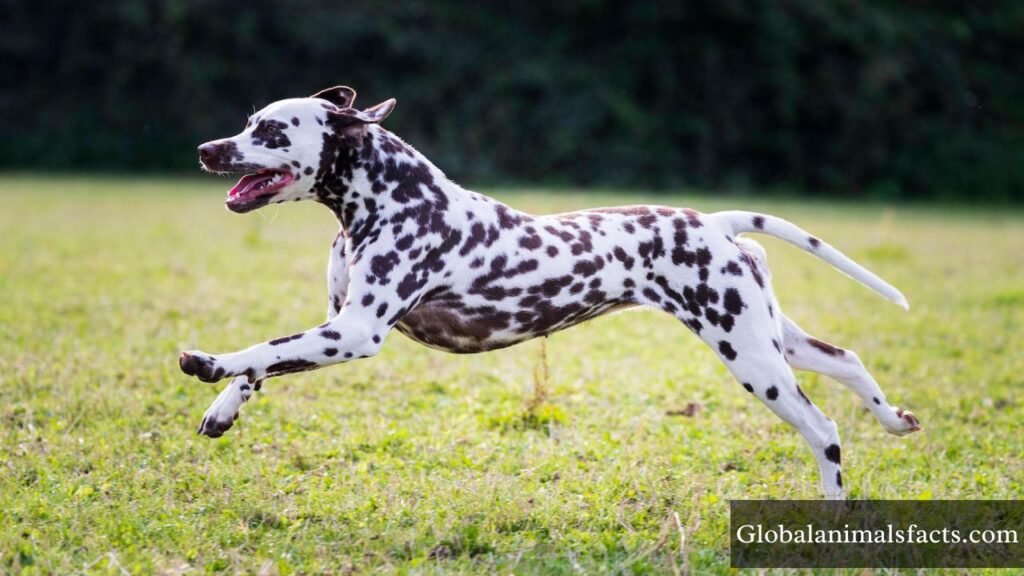
Beyond their vivid appearance, Dalmatians are known for their quirky personalities. Often described as playful and energetic, they thrive on stimulation and companionship, which makes them perfect pets for active families or individuals who are willing to invest time in training and exercise. Fascinatingly, Dalmatian puppies are born completely white, and their spots begin to emerge at around three to four weeks of age, creating a striking visual transformation that mirrors their developing personalities.
Hyena
Scientific name: Crocuta crocuta
Class: Mammalia
Diet: Carnivore
Hyenas, often misunderstood as mere scavengers, possess a complex social structure and intriguing physical characteristics. Their distinctive spotted coats are not only a striking feature but also serve crucial adaptive functions. These patterns provide camouflage in their natural habitats, allowing them to blend into the savannah grasses and shadowy underbrush, enhancing their hunting and foraging strategy. The configuration of spots varies from individual to individual, much like human fingerprints, thereby giving each hyena a unique identity.
Beyond aesthetics, the spots on a hyena’s fur play a role in social interactions within their clans. These markings can signal dominance and health, with more vibrant and less faded spots often signifying a more vigorous individual. This visual cue aids in the establishment of hierarchies, which are critical to the intricate social dynamics of hyena societies.
Cheetah
Scientific name: Acinonyx jubatus
Class: Mammalia
Diet: Carnivore
The cheetah, renowned for being the fastest land animal, boasts a distinctive coat patterned with black spots that serve more than just a decorative purpose. Each spot is unique, much like a human fingerprint, helping researchers identify individual cheetahs in the wild. This intricate pattern not only provides camouflage in the dappled light of savannah grasses, but it also plays a role in temperature regulation, as the black spots absorb heat during the cooler mornings.
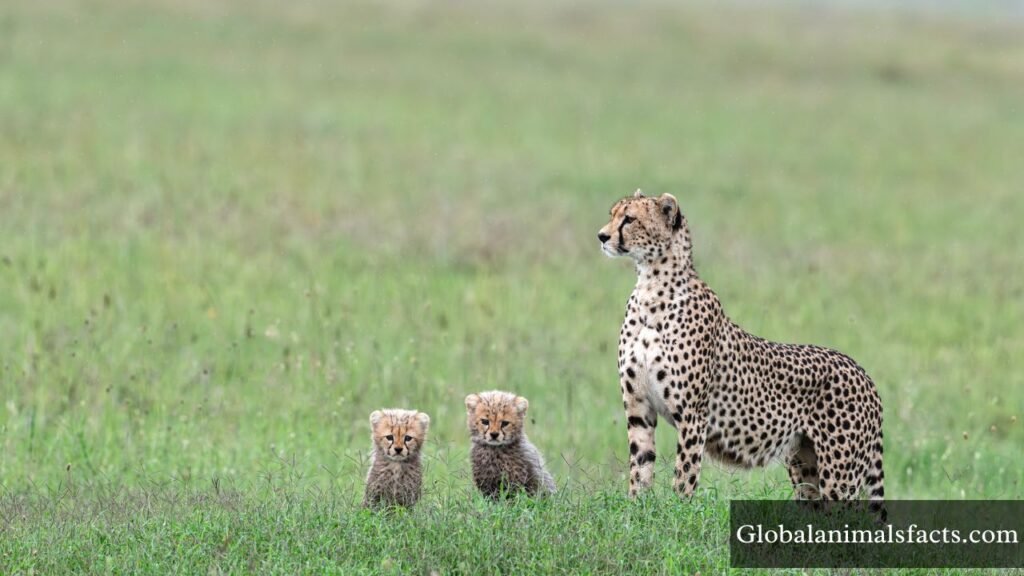
Beyond their striking appearance, these spots symbolize the cheetah’s specialized hunting technique. Unlike other big cats that rely on stealth and strength, cheetahs utilize their exceptional speed — accelerating from 0 to 60 mph in just a few seconds — to catch prey. Those keen eyes, framed by teardrop-shaped markings that enhance glare reduction, allow them to spot potential meals from great distances, making their coat a part of a highly adapted survival strategy in the ever-challenging African landscape.
Whale shark
Scientific name: Rhincodon typus
Class: Chondrichthyes
Diet: Filter feeder
The whale shark, the gentle giant of the ocean, boasts a distinctive pattern of spots that makes it one of the most recognizable creatures in the underwater world. These unique spot patterns, much like fingerprints in humans, are specific to each individual, allowing scientists to identify and monitor populations easily. This remarkable characteristic has become crucial for conservation efforts, shedding light on their movement patterns and potential threats they face in the wild.
Beyond their aesthetics, these spots serve a purpose beyond mere identification. They play a role in the shark’s camouflage, breaking up its silhouette and helping it blend into the dappled light filtering through the water. This adaptation provides an advantage against predators and enhances its ability to approach prey silently. While whale sharks primarily feed on plankton, their sheer size and grace create an unexpected contrast, inviting divers and snorkelers alike to marvel at their serene beauty in their natural habitat.
Jaguar
Scientific name: Panthera onca
Class: Mammalia
Diet: Carnivore
The jaguar, a stunning embodiment of power and elegance, is renowned for its striking rosette-patterned coat. Each spot, or rosette, serves a dual purpose: it provides critical camouflage in the dappled light of its rainforest habitat while also playing a vital role in establishing social identity. Unlike other big cats, jaguars possess a uniquely robust physique, allowing them to take down prey far larger than themselves, including caimans and even small deer.
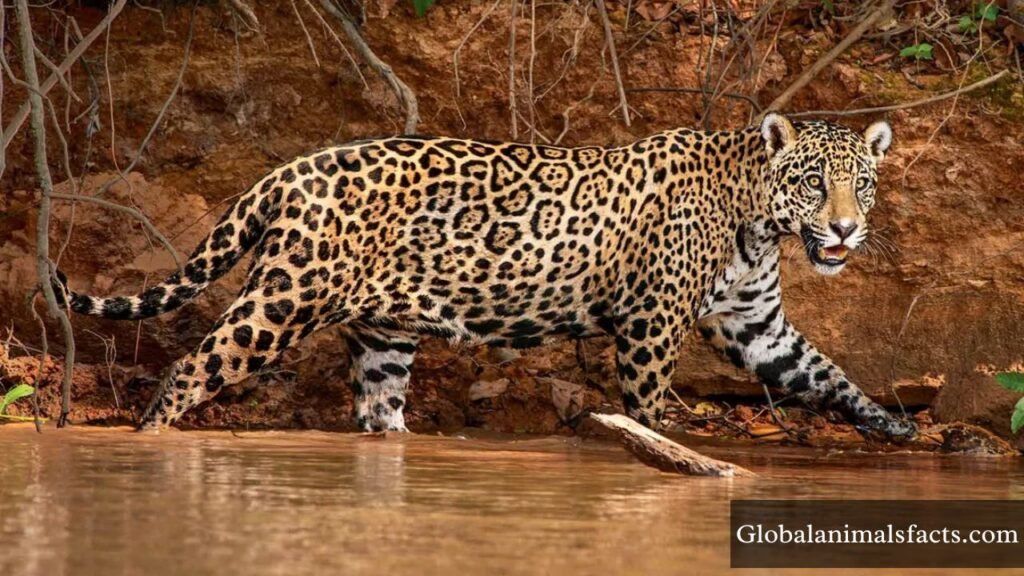
Beyond their physical prowess, jaguars have an intriguing social behavior tied to their striking appearance. Their distinct spot patterns are akin to fingerprints — no two are alike — which researchers believe may assist in individual identification among these elusive creatures.
Spotted salamander
Scientific name: Ambystoma maculatum
Class: Amphibia
Diet: Carnivore
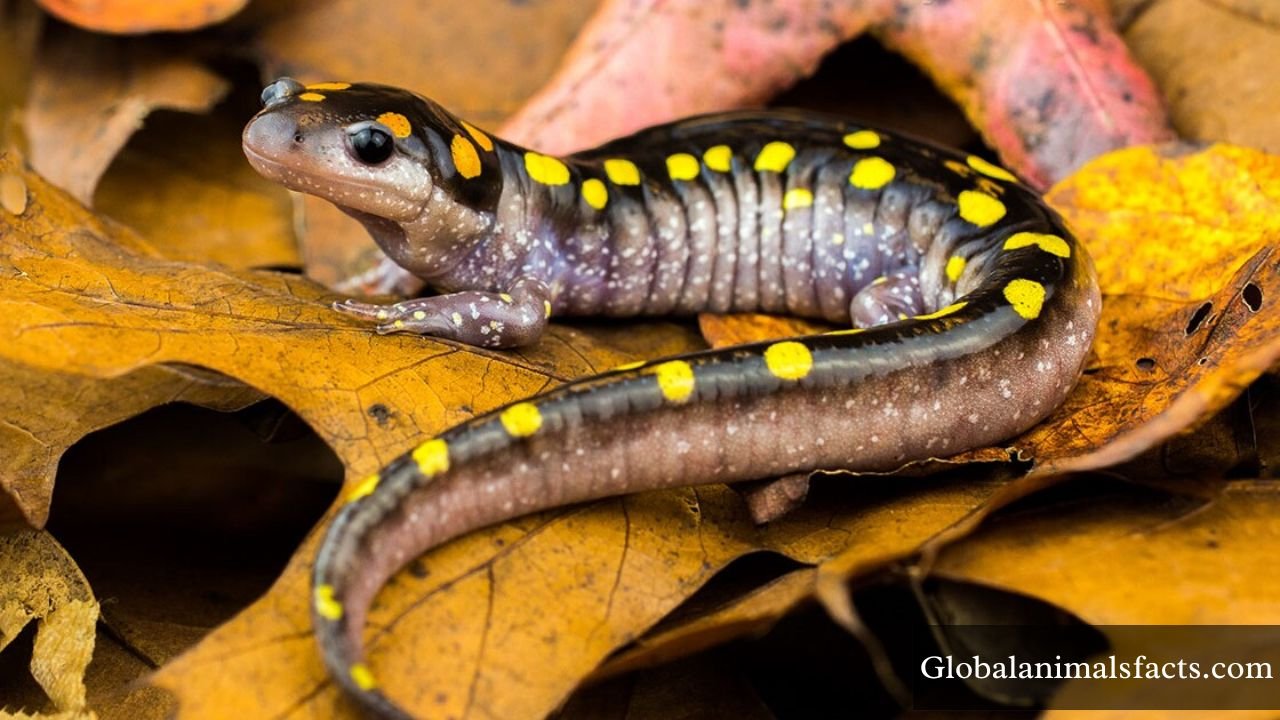
The spotted salamander, with its striking yellow or white spots against a backdrop of sleek black skin, not only captures the eye but also plays a crucial role in its ecosystem. This amphibian, indigenous to North America, typically emerges from underground burrows during the first warm rains of spring, signaling the approach of breeding season. Their vibrant spots serve as a defense mechanism by signaling potential toxicity to predators. Beyond their appearance, spotted salamanders exhibit fascinating behavior patterns. They are nocturnal foragers, preying on earthworms, insects, and slugs, showcasing their importance in controlling pest populations.
Giraffe
Scientific name: Giraffa camelopardalis
Class: Mammalia
Diet: Herbivore
The giraffe, with its towering height and iconic, patchy coat, is a fascinating example of nature’s artistry. Each giraffe has a unique pattern of spots, much like human fingerprints. These floral-like patches not only serve to camouflage the giraffe in the mottled sunlight of the savanna but also help regulate its body temperature. The darker patches can absorb heat, while the lighter areas reflect sunlight, aiding in thermoregulation, especially during the scorching African afternoons.
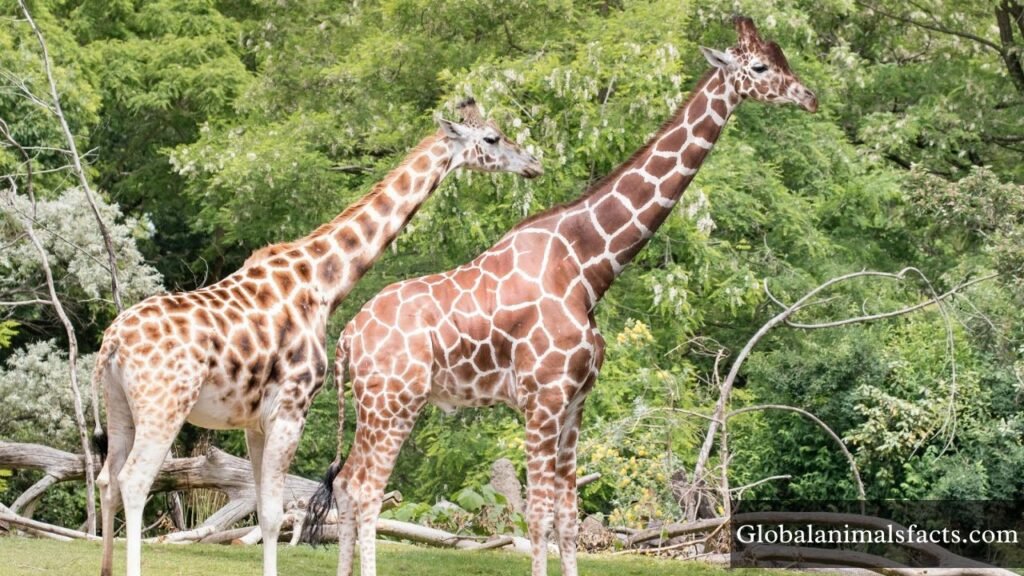
Beyond mere aesthetics, these spots carry significant social implications among giraffes. They focus on visual communication, using their distinctive patterns to identify one another within their herds. Research has even suggested that adult giraffes can recognize each other based on these unique spot patterns, enhancing social bonds and cohesion within groups.
Spotted turtle
Scientific name: Clemmys guttata
Class: Reptilia
Diet: Omnivore
The spotted turtle, with its striking yellow or white spots against a dark, leathery shell, embodies a blend of beauty and ecological significance. Found primarily in wetlands of North America, these turtles are not just visually stunning but also play a critical role in their ecosystems. By grazing on aquatic plants and helping to maintain healthy vegetation levels, they contribute to the overall balance of their habitat, supporting a myriad of other species.
Beyond their ecological contributions, spotted turtles are fascinating in their behavior and adaptability. While they are generally shy creatures, often retreating into their shells or sliding into the water when threatened, they exhibit social interactions that can be quite surprising. In certain conditions, groups of spotted turtles can be observed basking together, showcasing a sense of community that few might associate with reptiles.
Unfortunately, the beauty of the spotted turtle comes with challenges as they face threats from habitat loss and poaching. Their declining populations highlight the urgent need for conservation efforts and awareness. By understanding the role these turtles play in their environments, we not only appreciate their uniqueness but also recognize the responsibility we share in preserving the delicate ecosystems they inhabit.
Ocelot
Scientific name: Leopardus pardalis
Class: Mammalia
Diet: Carnivore
The ocelot, with its mesmerizing coat of spots and stripes, is a true marvel of the feline world. Found primarily in the dense jungles and grasslands of Central and South America, these cats have evolved a striking pelage that serves as both armor and art. Each ocelot sports a unique pattern of rosettes, similar to a fingerprint, which not only enhances their beauty but also provides superb camouflage, allowing them to stealthily navigate their environments, hunt, and evade larger predators.
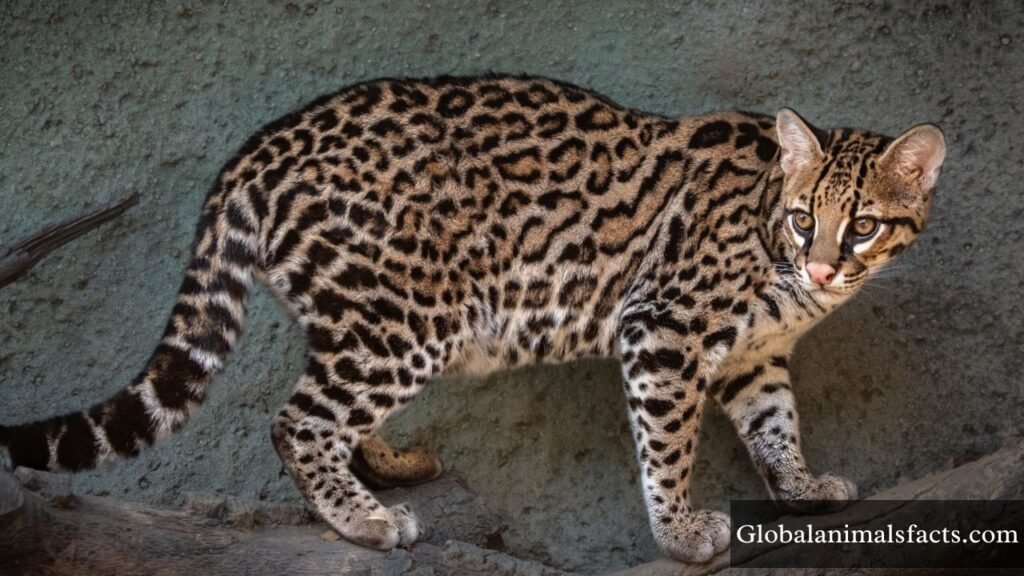
Beyond their striking appearance, ocelots are also fascinating in their behavioral complexity. They are primarily nocturnal, using their acute night vision to stalk small mammals, birds, and reptiles under the cover of darkness. Interestingly, ocelots have also been observed engaging in playful behaviors, exhibiting intelligence and curiosity that hint at deeper social structures than previously thought. Their survival in the wild, however, is increasingly threatened by habitat loss and poaching, making conservation efforts critical.
Burmese python
Scientific name: Python bivittatus
Class: Reptilia
Diet: Carnivore
The Burmese python is a stunning creature, known not only for its impressive size but also for its distinct pattern of spots and blotches that adorn its skin. These markings serve more than an aesthetic purpose; they are a crucial adaptation that enhances the snake’s ability to camouflage in its natural habitat. Found primarily in the dense rainforests and wetlands of Southeast Asia, the python’s intricate design enables it to blend seamlessly into the dappled light filtering through the foliage, making it an effective ambush predator.
In addition to their striking appearance, Burmese pythons exhibit fascinating behavioral patterns related to their spots. Researchers have observed that these snakes utilize their coloration to engage in thermoregulation, allowing them to absorb heat more efficiently from the sun-warmed surfaces they rest upon.
Fallow Deer
Scientific name: Dama dama
Class: Mammalia
Diet: Herbivore
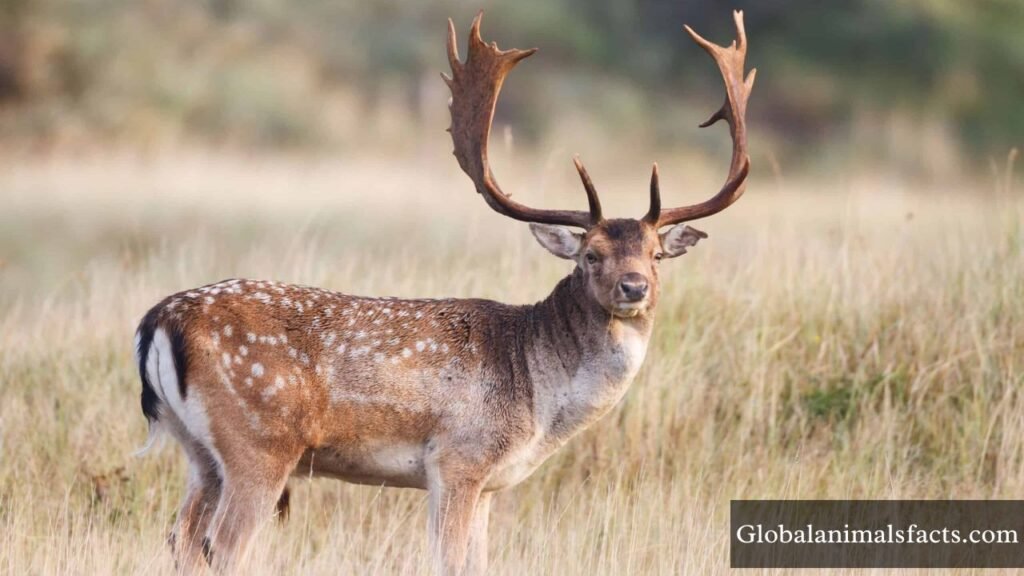
Fallow deer are a fascinating example of nature’s artistry, showcasing a striking pattern of spots that offers both beauty and functionality. These markings are not merely for show; they play a vital role in their survival. The spots provide effective camouflage within the dappled light of their forest habitat, allowing them to blend seamlessly into their surroundings and evade predators. This natural disguise is most prominent in the summer coat, where the white spots stand out against a rich chestnut background, creating an enchanting yet practical aesthetic. Fallow deer display a remarkable variety of coat colors, ranging from the classic reddish-brown to a more captivating white or even dark brown. The spots also help in identification among individuals.
Spotted moray
Scientific name: Gymnothorax moringa
Class: Actinopterygii
Diet: Carnivore
The spotted moray eel, with its intricate pattern of spots and vibrant colors, is a captivating inhabitant of coral reefs. These eels can grow up to 5 feet long, showcasing a stunning array of black, yellow, and green hues that help them blend seamlessly into their surroundings. Unlike many sea creatures, their unique spotting serves not just an aesthetic purpose but also a functional one. The patterns break up their outline, providing crucial camouflage against predators and prey alike, making them both elusive and effective hunters.
Beyond their striking appearance, spotted morays possess an intriguing behavior that sets them apart in the underwater kingdom. They often exhibit a mix of curiosity and caution as they peek out from their rocky crevices, ready to strike when a potential meal approaches. Their keen sense of smell allows them to navigate the often murky waters of their habitat, emphasizing the importance of acute sensory adaptation in the animal world. As their ecosystems face increasing challenges from climate change and overfishing, preserving the habitats of these unique creatures becomes even more pressing, allowing us to appreciate the delicate beauty they bring to marine life.
African Wild Dog
Scientific name: Lycaon pictus
Class: Mammalia
Diet: Carnivore
The African wild dog, often mistaken for its domestic counterpart, is a strikingly beautiful creature known for its unique coat pattern. Each individual boasts a kaleidoscope of irregular spots in shades of tan, brown, and black, making the wild dog a master of camouflage in its natural habitat. This distinctive array of markings serves not just an aesthetic purpose; it plays a vital role in individual recognition within packs. Each dog’s pattern is as unique as a fingerprint, enabling them to identify friends and rivals alike in the complex social dynamics of their packs.
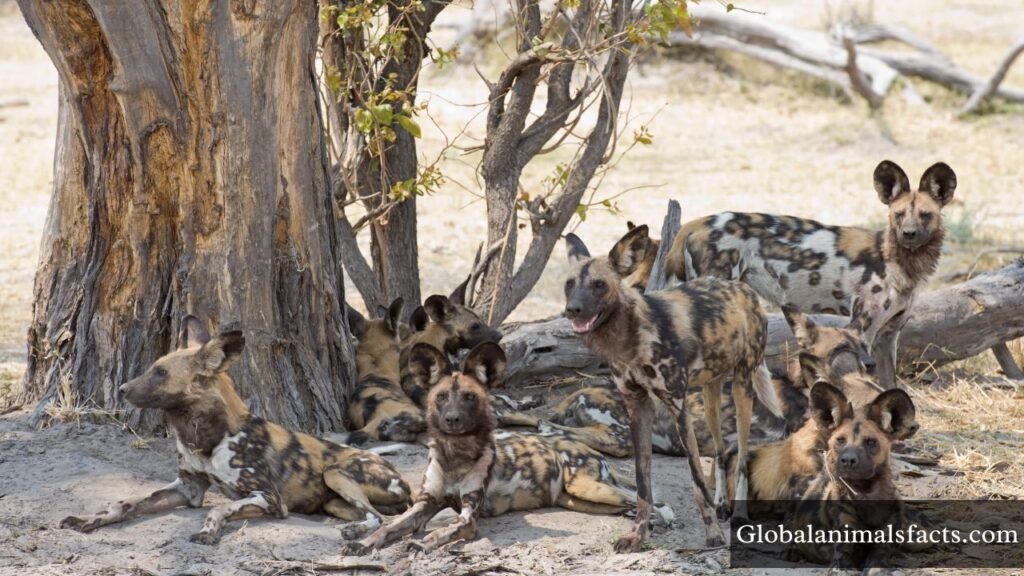
Beyond their captivating appearance, the African wild dog is a paradox of social behavior and hunting prowess. With a success rate of nearly 80% in hunts — much higher than that of lions — they showcase a cooperation that can only be admired. Their spots symbolize more than mere beauty; they highlight the evolutionary advantages that come with being both striking and effective predators. Unfortunately, despite their fascinating adaptations and intricate social structures, the African wild dog faces severe threats from habitat loss and human conflict, underscoring the urgent need for conservation efforts.
Appaloosa Horse
Class: Mammalia
Diet: Herbivore
The Appaloosa horse is a stunning embodiment of the adage that beauty is in the details. Renowned for its unique spotted coat patterns that range from large patches to intricate flecks, each Appaloosa is a canvas of nature’s artistry. These horses can display a variety of colors, but the spots emerge most vividly against a white or dark background, creating a mesmerizing visual effect that captivates onlookers. Beyond their striking appearance, the spots are a testament to a rich lineage; formerly favored by the Nez Perce Tribe for their strength and endurance, these horses have deep cultural significance.
Interestingly, the Appaloosa’s coat pattern is not merely decorative; it also reflects the horse’s genetics and heritage. The presence and arrangement of spots can vary significantly, making each horse a unique expression of its lineage. This genetic diversity brings an additional layer of fascination to breed enthusiasts who study their characteristics closely. Furthermore, Appaloosas are not just beautiful — they are versatile athletes, excelling in various disciplines, from western riding to endurance competitions.
Holstein Friesian Cow
Scientific name: Bos taurus
Class: Mammalia
Diet: Herbivore
The Holstein Friesian cow, often recognized by its distinctive black-and-white spotted coat, is more than just a picture of pastoral charm; it plays a pivotal role in the dairy industry worldwide. These cows are known for their high milk production, with a single Holstein capable of yielding over 2,000 gallons of milk each year. Their striking appearance, characterized by bold patches of color, isn’t just aesthetic; it serves as an adaptive feature, allowing them to blend into the varied landscapes of their native regions in Europe while also helping to regulate body temperature.
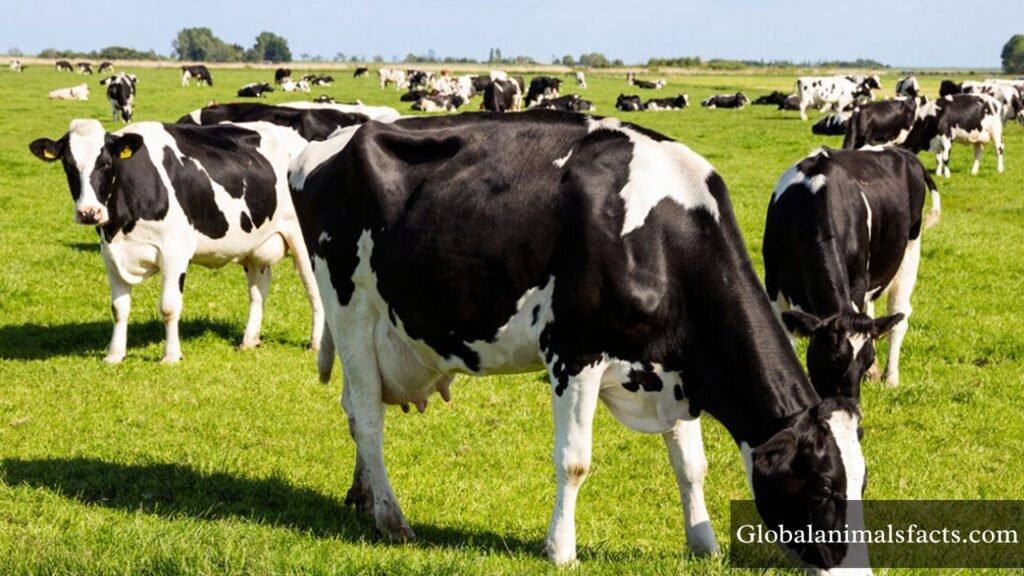
Beyond their dairy prowess, Holsteins are known for their engaging personalities. Often described as curious and friendly, they demonstrate remarkable social behaviors, forming tight-knit groups with established hierarchies. This social structure not only enhances their wellbeing but also allows farmers to connect with individual cows, making care more personalized. Studies suggest that cows with richer social interactions produce more milk, tying the bonds they forge with both their peers and caretakers to their productivity.
Spotted eagle ray
Scientific name: Aetobatus narinari
Class: Chondrichthyes
Diet: Carnivore
The spotted eagle ray, a mesmerizing inhabitant of the world’s oceans, captivates observers with its unique blend of grace and character. These rays, adorned with striking white spots against a dark gray canvas, are not just visually stunning; they possess an intriguing behavior that sets them apart. Often spotted gliding effortlessly over sandy seabeds, they display a captivating dance, using their large pectoral fins to navigate through the water with elegance. Their ability to leap out of the water, performing acrobatic flips, adds a layer of wonder to their already enchanting presence.
Beyond their beauty, spotted eagle rays play a vital role in marine ecosystems. Feeding primarily on mollusks, crustaceans, and small fish, they help maintain the balance of ocean life by regulating prey populations. This makes them a valuable asset for coral reef health, where their feeding habits contribute to the overall biodiversity of these critical environments. Furthermore, as they are often found in mangrove and estuarine habitats, their presence can indicate the health of these critical ecosystems, linking their survival with broader environmental well-being. Observing them in their natural habitat encourages us to appreciate not only their splendor but also the intricate relationships that sustain marine life.
Snow leopard
Scientific name: Panthera uncia
Class: Mammalia
Diet: Carnivore
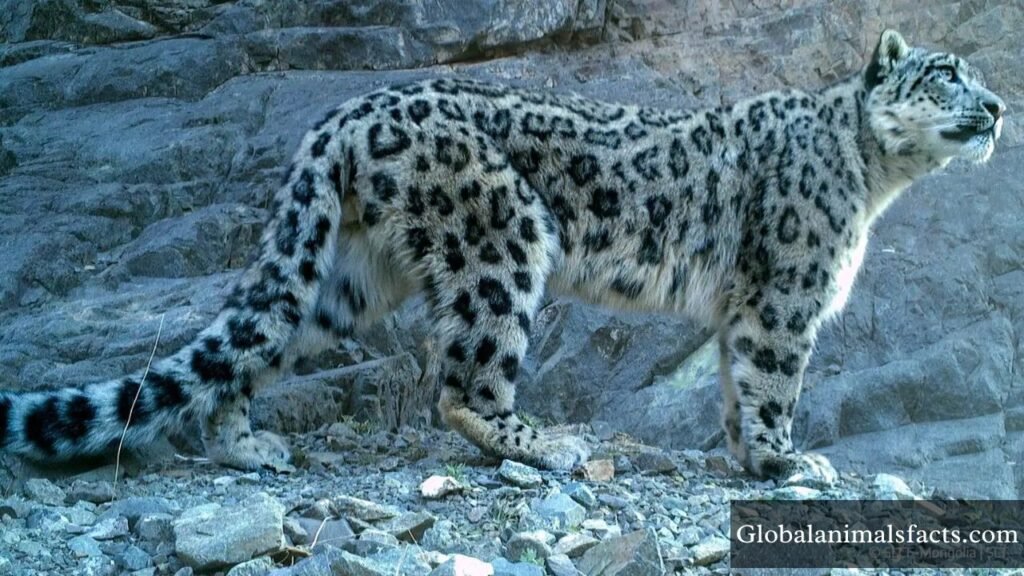
The snow leopard, with its striking gray coat adorned with rosettes and spots, perfectly exemplifies the art of camouflage in the rugged landscapes of Central and South Asia. Each unique pattern on its fur serves a dual purpose: it not only helps the snow leopard blend seamlessly into its rocky habitat, but also offers a personal identity, much like a fingerprint. This beautiful adaptation allows it to remain hidden from both prey and potential threats, showcasing nature’s ingenuity in evolutionary design.
Serval
Scientific name: Leptailurus serval
Class: Mammalia
Diet: Carnivore
The serval, a sleek and agile wildcat native to Africa, showcases a stunning coat adorned with distinctive black spots and stripes. These markings do more than just enhance its aesthetic appeal; they serve as a crucial adaptation for survival in the patchy savannahs and grasslands of its habitat. The spots break up the serval’s outline, providing excellent camouflage as it stalks through tall grass in search of prey, primarily small mammals and birds. This remarkable adaptation highlights the intricate relationship between an animal and its environment, illustrating how evolution molds physical features to suit specific lifestyles.
Beyond its hunting prowess, the serval’s unique morphology plays a significant role in its daily life. With excessively long legs, it can leap up to 10 feet in a single bound to catch birds in mid-flight, showcasing not just its physical beauty but also its incredible athleticism. Interestingly, the serval’s keen sense of hearing allows it to detect prey underground, making it a formidable predator.
Readmore: Explore Top 22 Animals With Long Necks.
Conclusion
The world of spotted animals is both diverse and fascinating, showcasing nature’s creativity in adaptation and survival. From the majestic jaguar with its unique coat to the playful Dalmatian, these creatures remind us of the beauty and complexity of wildlife. Each species has evolved its spots for various purposes, whether for camouflage or signaling danger. By appreciating these animals and their unique traits, we gain a deeper understanding of the ecosystems they inhabit. Let’s continue to celebrate and protect these incredible creatures and their natural habitats.
FAQs
What animal has spots?
Many animals have spots, each unique to their species. For example, leopards are known for their distinctive rosettes, which provide excellent camouflage in their natural habitat. Similarly, dalmatians are famous for their black or liver spots against a white coat, making them instantly recognizable. Birds like the spotted owl and certain types of fish, such as trout, also exhibit spotted patterns.
What animal has lots of spots?
One animal known for its spots is the leopard. These big cats are famous for their rosette-shaped spots, which help them camouflage in their natural habitat. Each leopard has a unique pattern, making it possible to identify individuals.
Is giraffe spotted?
Yes, giraffes are indeed spotted! Their unique coat patterns consist of irregular patches that can vary in color from light tan to reddish-brown. These spots help them blend into their environment, providing some camouflage against predators in the wild.
Does a hyena have spots?
Yes, hyenas do have spots! The most commonly recognized species, the spotted hyena, features a coat with irregular dark spots on a lighter background. These spots can vary in size and intensity, helping them blend into their surroundings in the wild.