Top 23 Animals That Gallop (Images Included)
Animals That Gallop encompass a diverse group of species, each with unique traits that allow them to move swiftly and elegantly. This not only highlights their athleticism but also their survival strategies in the wild. Join us as we delve into the world of galloping animals, examining their behaviors, adaptations, and the ecological roles they fulfill. You’ll come away with a deeper appreciation for the swift-footed creatures that share our planet.
List of Animals That Gallop
Below is the list of galloping animals in the world:
| Number of Animals | Names of Animals that Gallop |
| 1 | Camels |
| 2 | Giraffes |
| 3 | Goat |
| 4 | Horses |
| 5 | Deer |
| 6 | Wolves |
| 7 | Donkey |
| 8 | Tiger |
| 9 | Llamas |
| 10 | Bears |
| 11 | Crocodiles |
| 12 | Gazelle |
| 13 | Cow |
| 14 | Cheetahs |
| 15 | Dogs |
| 16 | Hippos |
| 17 | Lion |
| 18 | Sheep |
| 19 | Hyenas |
| 20 | Zebra |
| 21 | Alpacas |
| 22 | Wild Boars |
| 23 | Bison |
Camels
Scientific name: Camelus dromedarius / Camelus bactrianus
Class: Mammalia
Diet: Herbivore
Camels are often celebrated for their endurance and unique adaptations, but their galloping ability is equally fascinating. These remarkable creatures, typically associated with desert landscapes, can astonishingly reach speeds of up to 40 miles per hour in short bursts. When they gallop, their distinctive long legs and gait allow them to cover vast distances quickly, showcasing a surprising athleticism that often goes unnoticed. With a motion that resembles a graceful and methodical dance, camels leverage their strong, padded feet to navigate the challenging terrains of sand and rock.
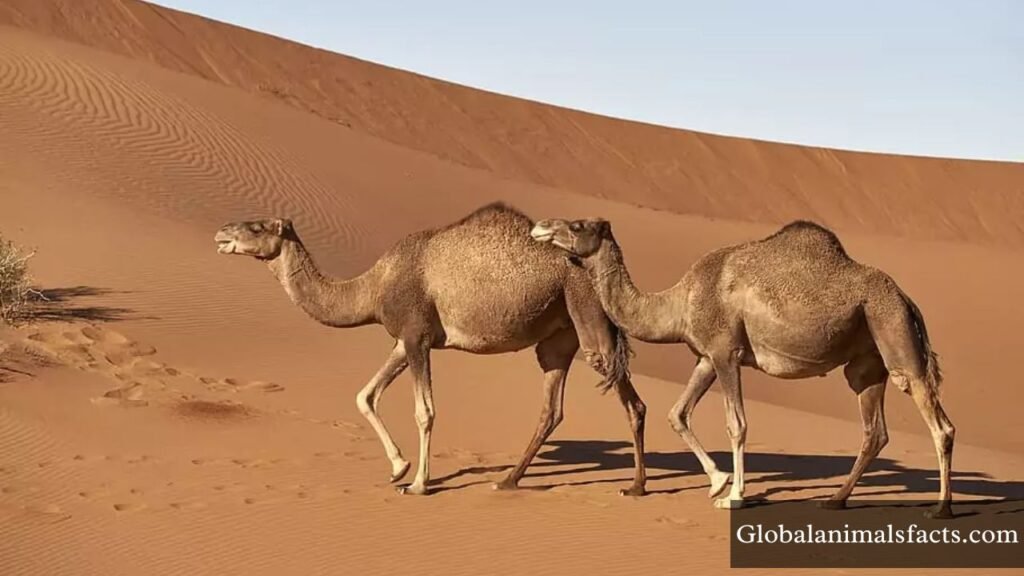
The camel’s galloping prowess isn’t just about speed; it’s also integral to their survival in harsh environments. This swift movement allows them to escape predators and traverse their expansive habitats, making them both agile and resilient. Moreover, their unique anatomical features, such as long necks and flexible spines, contribute to a powerful motion that facilitates their remarkable speed. Observing a group of camels in full gallop offers a glimpse into the harmony of form and function, reminding us that these iconic animals are not just cargo carriers but elegant athletes of the arid landscapes they call home.
Giraffes
Scientific name: Giraffa camelopardalis
Class: Mammalia
Diet: Herbivore
Giraffes, often celebrated for their towering height and unique appearance, are surprisingly adept gallopers. Despite their long legs and graceful necks, these gentle giants can reach impressive speeds of up to 37 miles per hour in short bursts. When they gallop, their legs move in a remarkably fluid motion, creating an elegant rhythm that contrasts with their otherwise lumbering demeanor. This ability to sprint is not merely a spectacle; it’s a crucial survival trait that helps them evade predators in the wild.
An intriguing aspect of a giraffe’s gallop is its surprisingly efficient biomechanics. Their long, flexible necks shift its center of gravity, allowing them to maintain balance while running. Their distinctive, camera-ready silhouettes provide the perfect vantage for spotters in open savannas; this high vantage point not only aids in spotting danger but also adds to the giraffe’s charm as they move across the landscape.
Goat
Scientific name: Capra hircus
Class: Mammalia
Diet: Herbivore
With their nimble legs and remarkable balance, goats can navigate rocky terrains and steep inclines with ease, demonstrating a unique form of galloping that’s more about playful bursts than sheer speed. When the spirit moves them, they leap and bound, showcasing a series of short, energetic bursts that resemble a dance more than a typical run. This joyful movement not only captivates onlookers but also serves as an essential expression of their social dynamics, allowing them to engage with herd members in an energetic showcase of strength and vitality.
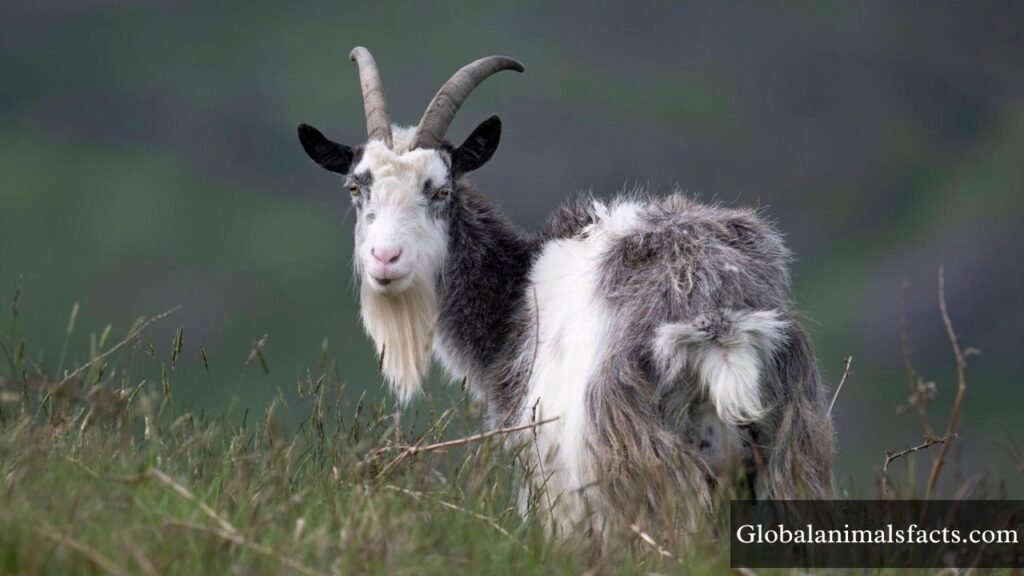
The galloping behavior of goats can be attributed to their curious and adventurous nature. Often seen sprinting across fields or scaling uneven landscapes, these animals often participate in what can be described as spontaneous games of tag, where the sheer thrill of motion takes precedence over any destination. This playful bounding is not just energy release; it’s a crucial aspect of their social interaction, fostering bonds and establishing hierarchies within the herd.
Readmore: Explore Top 28 Energetic Animals in The World.
Horses
Scientific name: Equus ferus caballus
Class: Mammalia
Diet: Herbivore
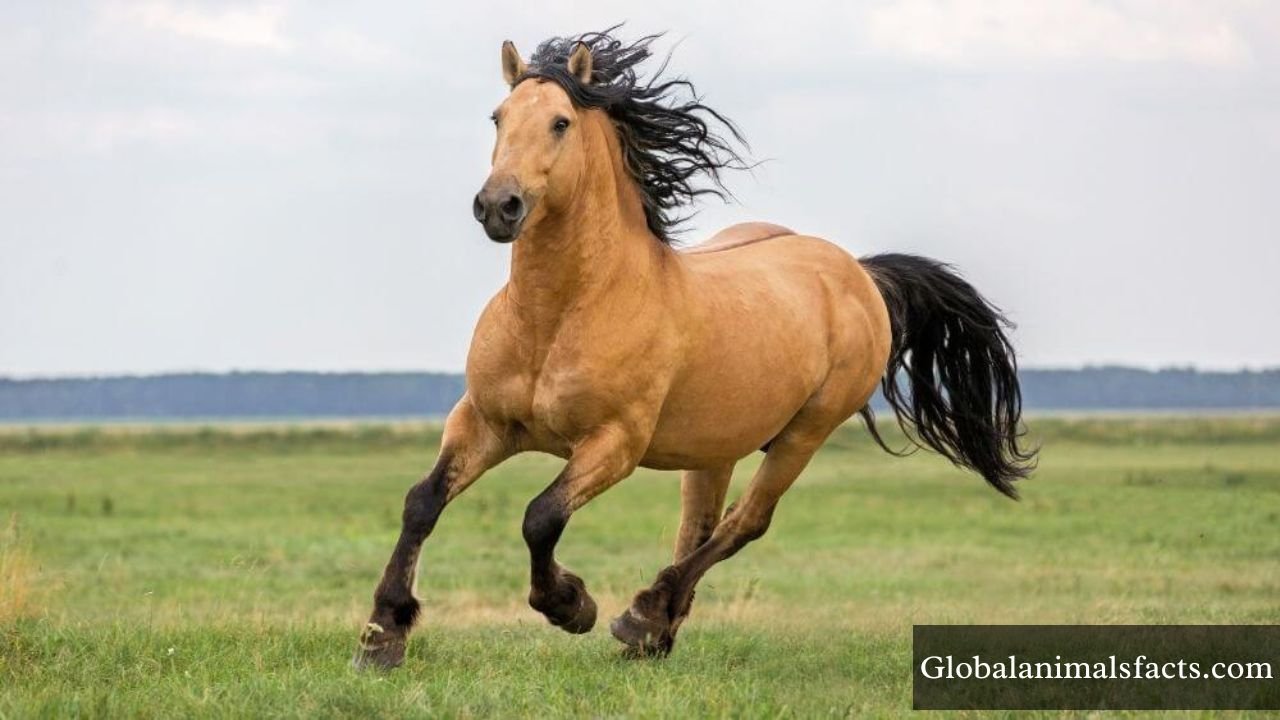
Horses, the iconic gallopers of the animal kingdom, embody strength and grace like no other creature. Their innate ability to cover vast distances with powerful strides speaks to a design honed over millennia. Beyond their athletic prowess, horses are unique in their social dynamics; they thrive in herds and communicate through a complex language of body cues and sounds. Observing a group of horses at play reveals a captivating world of interaction, where hierarchy and camaraderie coexist seamlessly.
Interestingly, the horse’s gallop isn’t merely a product of muscular efficiency; it’s also a reflection of their deep-rooted instincts. In the wild, their swift flight response is a survival tactic against predators, but domestication has transformed their role from wild steeds to beloved companions and athletes. Modern equestrian sports harness this natural talent, allowing humans to partner with these magnificent beings, forging a bond that transcends mere utility. Each gallop can tell a story, from the adrenaline of a race to the serene trot of a leisurely ride through sunlit trails, inviting us to reflect on our own relationships with these magnificent creatures.
Deer
Scientific name: Cervidae
Class: Mammalia
Diet: Herbivore
Deer, with their graceful frames and powerful legs, are among the most captivating animals that gallop across the landscape. Their bounding gait, characterized by a series of strong, rhythmic leaps, enables them to navigate various terrains with surprising agility. Unlike many galloping animals, deer boast a unique ability to change direction swiftly while in motion, an evolutionary advantage that helps them evade predators. Their hooves are specially adapted for a variety of environments, allowing them to traverse both soft forest floors and rocky mountain paths.
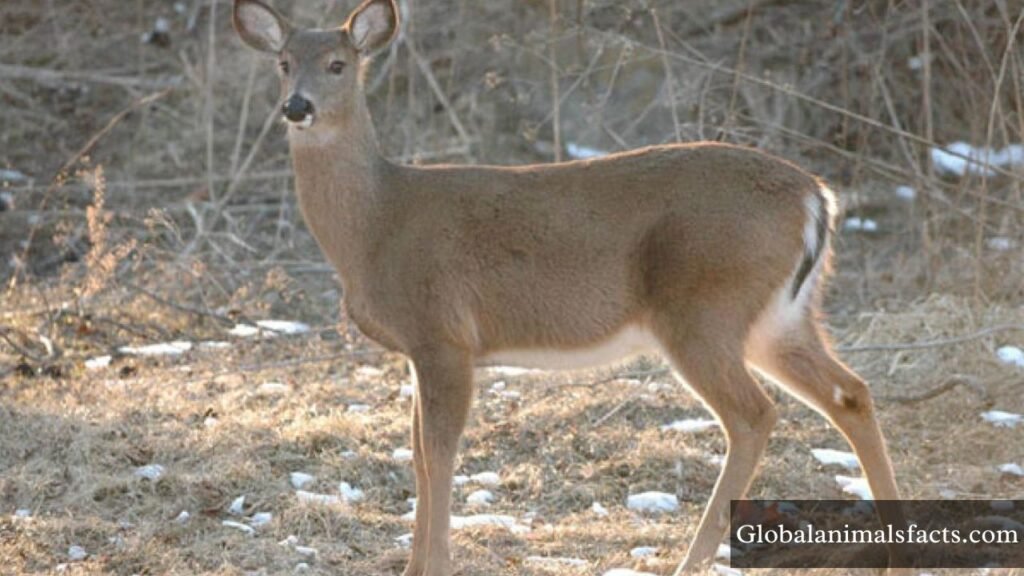
A fascinating aspect of deer behavior is their use of their galloping ability not just for escape, but also as a form of communication. During mating season, males engage in high-speed displays, showcasing their strength and agility to attract potential mates. This impressive form of galloping showcases not only physical prowess but also psychological dominance in their social structure. Moreover, the subtle differences in gallop between species — like the distinctive bounding of a white-tailed deer compared to the more steady gait of a mule deer — highlight the rich diversity within the deer family. Observing these magnificent creatures in motion offers a glimpse into their world, where elegance meets survival in a beautiful dance across the open fields and dense forests.
Wolves
Scientific name: Canis lupus
Class: Mammalia
Diet: Carnivore
Wolves, often depicted as solitary hunters, are in fact proficient gallopers that showcase extraordinary endurance and agility. When they take off in a sprint, the powerful mechanics of their bodies come into play, enabling them to cover vast distances in search of food or during pack pursuits. Unlike some animals whose galloping is characterized by short bursts of speed, wolves are built for long-distance running, allowing them to chase prey over several miles without tiring. Their unique gait, characterized by a fluid, rhythmic movement, is a testament to their evolutionary adaptation to the challenges of their environments.
Wolves demonstrate a social galloping behavior when they travel in packs. The way they move together not only enhances their hunting efficiency but also strengthens social bonds within the group. This synchronous motion reflects a deep-seated kinship and coordination, showcasing their intelligence beyond mere survival instincts.
Donkey
Scientific name: Equus africanus asinus
Class: Mammalia
Diet: Herbivore
Donkeys might not be the first animals that come to mind when we think of galloping, yet their agility and speed often surprise those who encounter them. Despite their reputation for being stubborn, donkeys have a unique way of moving that showcases both power and grace. Their distinctive gait allows them to cover ground quickly, particularly when they feel threatened or excited.
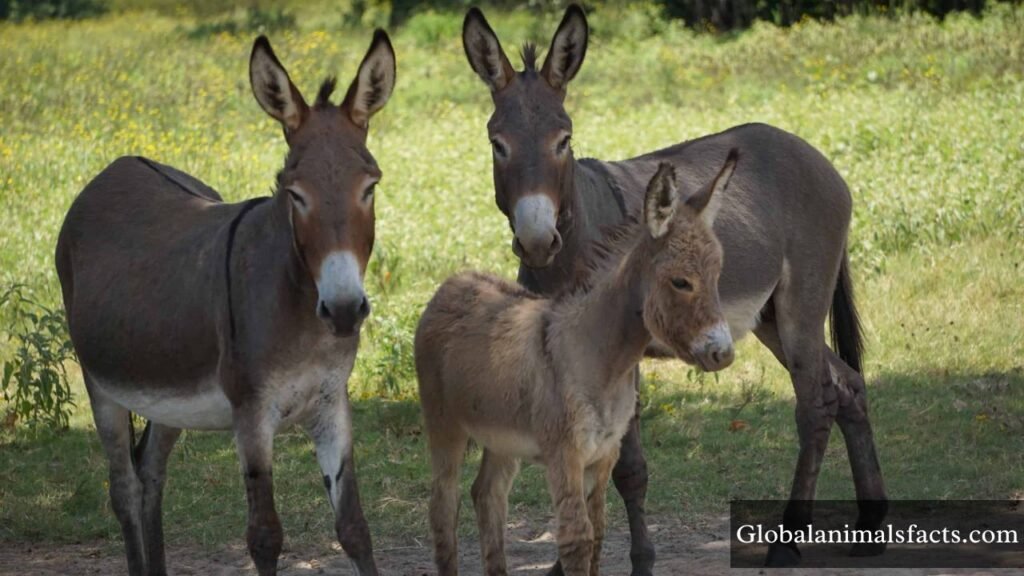
Donkeys possess a remarkable stamina that rivals many faster animals. This endurance makes them ideal companions for long treks, whether in mountainous terrains or open fields. Their strong, stocky legs are built for strength rather than sheer speed, which enables them to navigate rough landscapes with surprising ease. Observing a donkey in full stride reveals a joyful exuberance, a dance of determination that speaks to their resilient spirit.
Moreover, donkeys are highly social animals that thrive on companionship. Their galloping often reflects not just a physical capability but also a response to their environment, showcasing their playful personality.
You can also read: Explore Top 30 Shy Animals in The World.
Tiger
Scientific name: Panthera tigris
Class: Mammalia
Diet: Carnivore
Tigers, despite their majestic and intimidating stance, are often not recognized for their galloping abilities. When these big cats sprint, it’s a fascinating blend of raw strength and graceful agility. Their powerful muscles propel them forward, allowing for bursts of speed that can reach up to 30 miles per hour in short distances. This rapid movement, especially over uneven terrain, showcases not just their physical prowess but also an innate adaptability to their environment.
Tigers typically use their galloping skills during hunting, where their stealth and sudden acceleration become vital. Unlike many prey animals that rely on endurance to escape, a tiger’s strategy hinges on quick, explosive speed. This sprinting capability is complemented by their unique body structure, including long legs and a flexible spine, which ensures they can navigate through dense forests or over rocky landscapes with remarkable efficiency.
Llamas
Scientific name: Lama glama
Class: Mammalia
Diet: Herbivore
Llamas, often recognized for their gentle demeanor and striking woolly coats, possess a surprising capability that many might overlook: a unique galloping style. When llamas pick up speed, their movement transcends the typical bounding seen in horses or other galloping animals. Their long necks extend, and tufts of fur sway rhythmically, creating a captivating spectacle of grace and agility. This unique gait is not only functional for navigating diverse terrains, but it also highlights their evolutionary adaptations to the steep Andes Mountains.
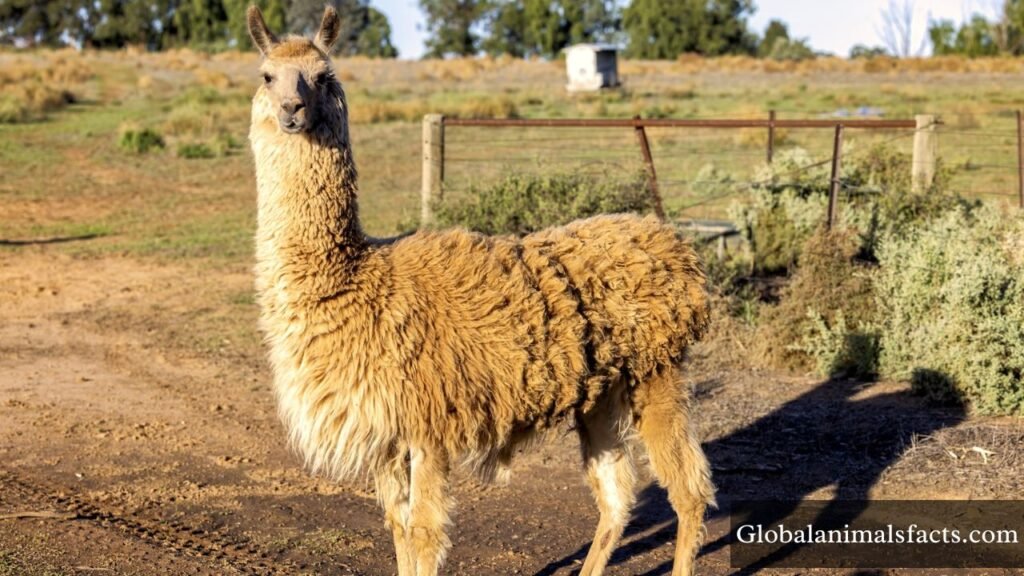
Interestingly, llamas are not just built for speed; they exhibit a social agility as well. In the wild, they use their quick bursts of galloping to evade predators, demonstrating both physical prowess and a keen survival instinct. Their social structure often plays a significant role during these moments, as llamas will communicate and coordinate with one another when threatened, showcasing a remarkable blend of instinct and teamwork. This striking combination of agility and social behavior allows llamas to thrive in their challenging environments, making them not just charming companions but also remarkable athletes of the animal kingdom.
Bears
Scientific name: Ursidae
Class: Mammalia
Diet: Omnivore
While bears are often perceived as lumbering creatures, they possess an impressive ability to gallop, defying the expectations tied to their bulk. When motivated — by the instinct to chase, protect, or explore — bears can achieve astonishing speeds, reaching up to 35 miles per hour. This burst of speed, combined with their powerful limbs, enables them to traverse various terrains with surprising agility, from dense forests to open meadows.
Moreover, the galloping bear isn’t just a spectacle; it’s integral to their social dynamics. During playful bouts or mating displays, these animals showcase their prowess, communicating vigor and vitality. This behavior not only reinforces dominance but also helps establish bonds within their groups.
Crocodiles
Scientific name: Crocodylidae
Class: Reptilia
Diet: Carnivore
Crocodiles might not seem like traditional gallopers, yet their surprising burst of speed across land can be quite eye-opening. These formidable reptiles can sprint up to 10 miles per hour in short bursts, utilizing a unique, sprawling gait that appears more like a powerful lunge than a graceful run. This ability aids them in navigating terrestrial obstacles and making quick escapes from potential threats.
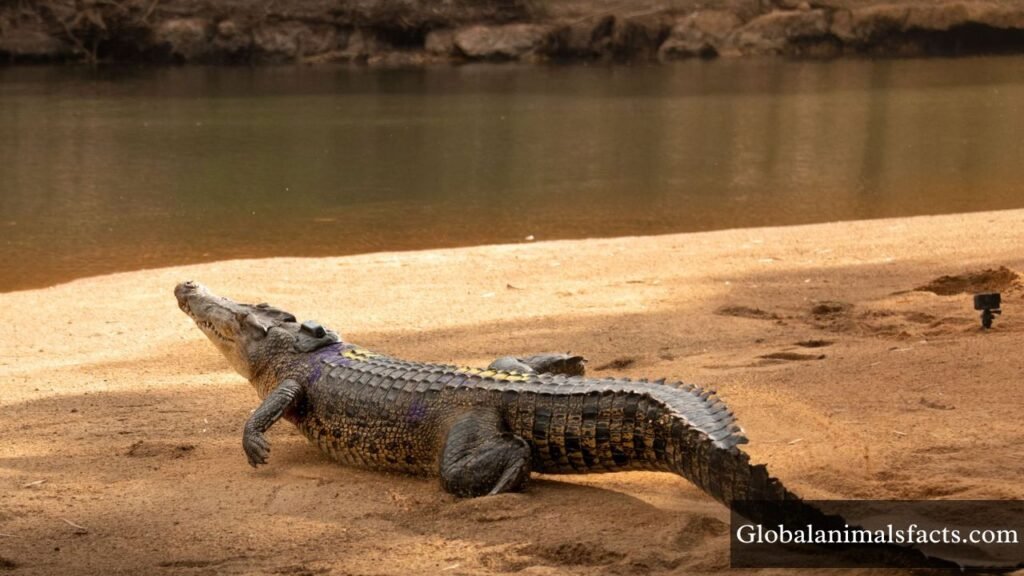
What’s fascinating is that this ground speed is often overshadowed by their aquatic prowess. A crocodile’s muscular tail propels it through water with astonishing agility, but on land, their galloping skills reveal an unexpected adaptability. Observations show that these ancient predators employ their speed primarily for offense and defense, hunting or outrunning competition rather than for leisurely exploration.
Gazelle
Scientific name: Gazella
Class: Mammalia
Diet: Herbivore
The gazelle, with its breathtaking grace and agility, epitomizes the art of galloping. These magnificent creatures exhibit extraordinary adaptations that allow them to thrive in the arid landscapes of Africa and Central Asia. Their slender legs and lightweight bodies are engineered for speed, enabling them to reach incredible bursts of up to 60 miles per hour. What’s particularly fascinating is their unique galloping style; they utilize a biomechanical marvel known as “stotting” or “pronking,” where they leap into the air with all four legs extended. This not only confuses predators but also showcases their physical fitness to potential mates, blending survival instinct with the dance of courtship.
In addition to their physical prowess, gazelles demonstrate remarkable social behavior. They often form herds that enhance their ability to detect predators, using collective vigilance to stay safe. Gazelles possess a complex communication system, employing body language and vocalizations that convey messages about danger and social dynamics. Observing them in the wild reveals a captivating world where every gallop and leap serves a purpose, weaving together the threads of survival, social interaction, and beauty that define their existence.
Cow
Scientific name: Bos taurus
Class: Mammalia
Diet: Herbivore
When we think of galloping animals, majestic horses often come to mind, leaving cows somewhat overlooked in the conversation. However, these sturdy creatures possess their own unique form of movement. Cows can indeed gallop, albeit in their own distinct, lumbering style. This gait is a result of their heavy bodies and large frames, allowing them to move surprisingly quickly when the situation calls for it, such as in moments of excitement or distress. Observing a herd in motion during feeding time is a sight to behold, as they harmoniously navigate their environment despite their bulk.
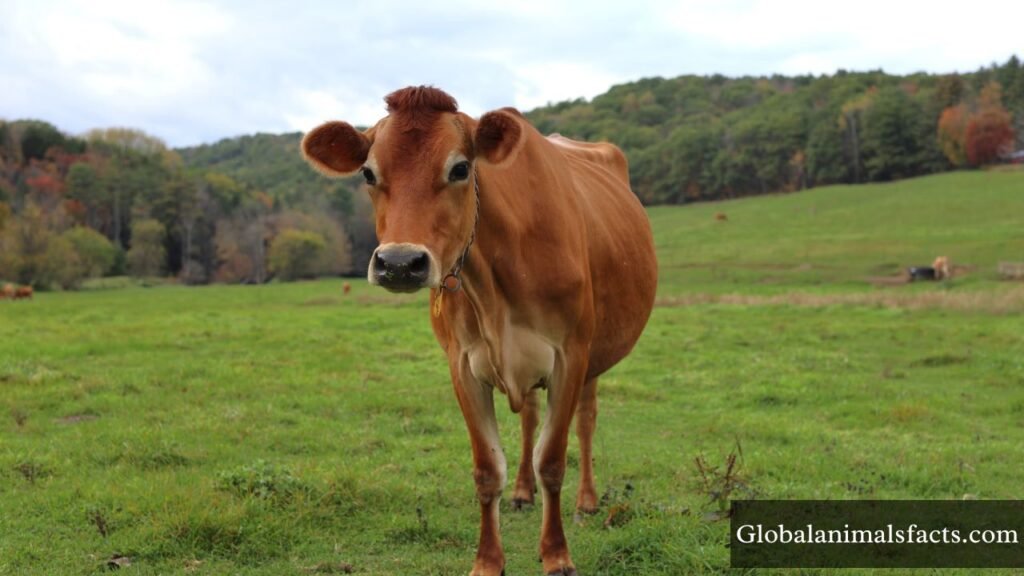
Beyond their physical capability, cows exhibit a fascinating range of behavior when running. Their gallop isn’t merely about speed; it’s a form of communication and social interaction. Young calves often engage in playful sprints, showcasing their energy and curiosity about their surroundings. This playful behavior isn’t just for fun; it helps build their social bonds and develop physical coordination, crucial for their growth and survival in the herd.
Readmore: Explore Top 22 Most Curious Animals.
Cheetahs
Scientific name: Acinonyx jubatus
Class: Mammalia
Diet: Carnivore
Cheetahs are the embodiment of speed in the animal kingdom, with a remarkable ability to accelerate from 0 to 60 miles per hour in just a few seconds. What many don’t realize is that this extraordinary acceleration is due to their unique physiology. Their lightweight frame, elongated spine, and specialized limb muscles are perfectly adapted for short bursts of speed, allowing them to cover up to 25 feet in a single stride. This incredible form of galloping is not just about raw speed; it’s a finely tuned ballet of biomechanics that ensures maximum efficiency with every powerful leap.
However, cheetahs face the paradox of their own design. While their sprinting prowess makes them formidable hunters, they can’t sustain these incredible speeds for long. After a high-speed chase lasting only about 20 to 30 seconds, these magnificent creatures risk overheating, making strategic bursts critical for survival. This introduces an interesting dynamic in their hunting style, forcing them to plan their stalks with precision and stealth.
Dogs
Scientific name: Canis lupus familiaris
Class: Mammalia
Diet: Omnivore
Dogs, often celebrated as our loyal companions, display a remarkable variety of galloping styles that reveal both their breed characteristics and individual personalities. When a dog gallops, especially in play, it’s not just a form of exercise; it’s a joyous expression of freedom. For example, the nimble Greyhound performs a highly efficient gallop that maximizes speed, showcasing its innate hunting abilities. In contrast, breeds like the Boxer exhibit a more exuberant gallop, full of twists and turns, reflecting their playful nature.
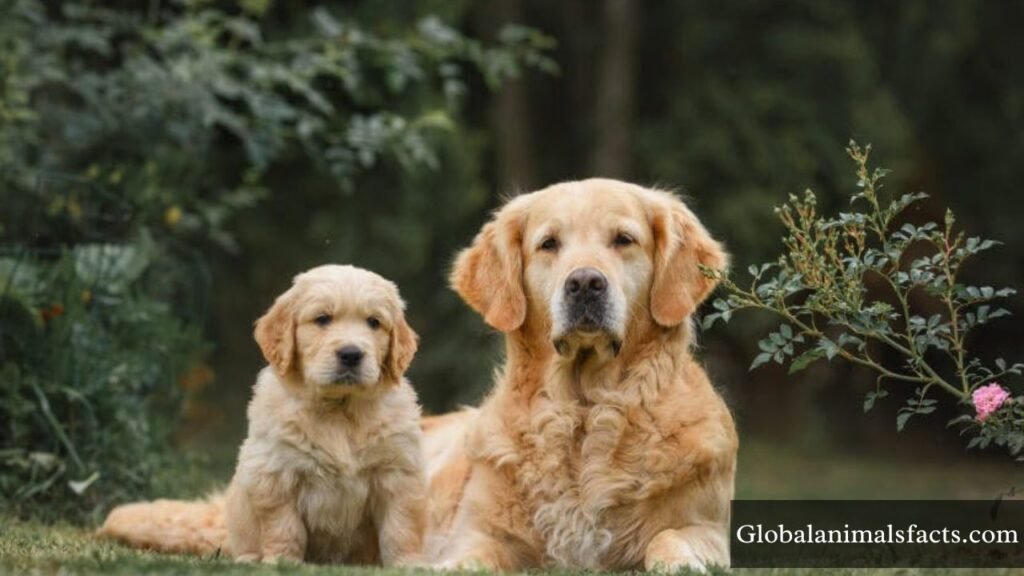
Beyond sheer speed, observing a dog gallop can offer insights into their emotions and state of mind. A dog bounding across a field with ears flapping and tail wagging often radiates pure joy, while a more measured gallop can suggest focus, perhaps during a training session or when chasing a favorite toy. Moreover, the rhythm of their strides can even tell a story about their health; an awkward or uneven gallop might signal discomfort or injury, urging owners to pay attention to their furry friend’s well-being. Each gallop tells a unique story, inviting us to appreciate the diverse ways these animals live and thrive.
Hippos
Scientific name: Hippopotamus amphibius
Class: Mammalia
Diet: Herbivore
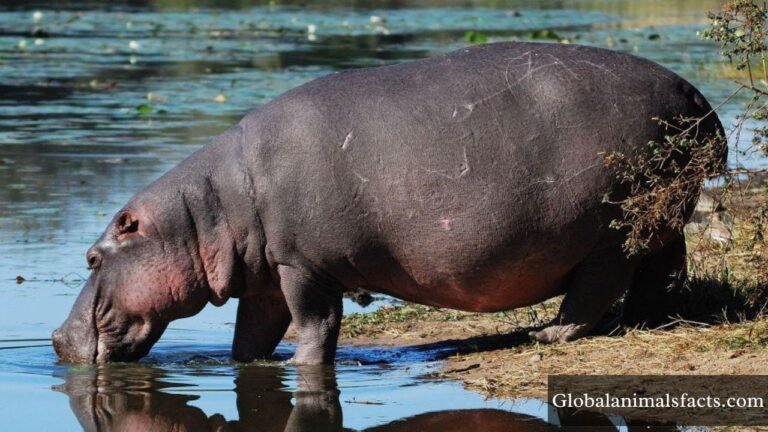
Hippos, often associated with their hefty bodies and aquatic lifestyles, possess an unexpected talent: they can gallop. While most people envision these massive creatures submerged in the murky waters of rivers and lakes, they can surprisingly reach speeds of up to 19 miles per hour on land. This rapid movement isn’t just for show; it serves crucial purposes, such as asserting dominance or making a swift retreat from potential threats.
What’s even more remarkable about these hefty mammals is their social structure. Hippos are highly territorial, especially males. When they gallop towards each other, it serves as a display of strength and intimidation rather than a pursuit. In this context, their speed becomes a fascinating aspect of their complex social interactions, illustrating how movement plays a role in establishing hierarchy within pods.
Lion
Scientific name: Panthera leo
Class: Mammalia
Diet: Carnivore
The lion, often hailed as the king of the jungle, is not just a master of stealth and strength; it also exhibits a surprisingly graceful gallop when the occasion arises. Unlike their cheetah cousins, who are built for speed over short distances, lions possess a unique blend of power and stamina, allowing them to maintain a sustained, powerful gait. When in pursuit of prey or during a territorial display, a lion’s gallop demonstrates a remarkable fluidity, showcasing their muscular build and intricate coordination.
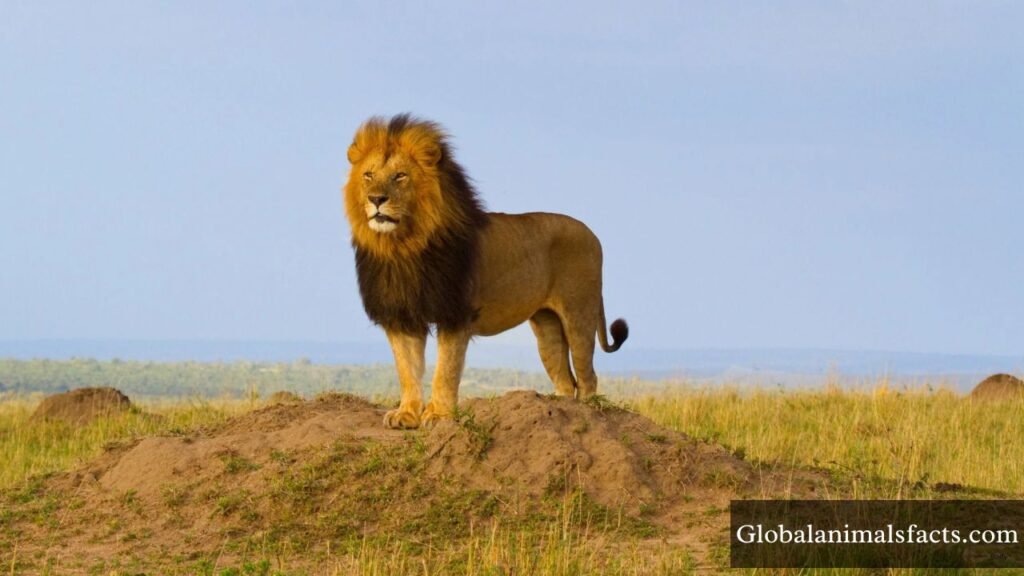
What’s fascinating is the social aspect tied to a lion’s movement. In prides, lions often coordinate their gallops, moving as a united front during hunting. This synchronized effort not only enhances their efficiency but also strengthens social bonds within the group. Moreover, their galloping prowess is a testament to the evolutionary adaptations that have contributed to their survival.
Sheep
Scientific name: Ovis aries
Class: Mammalia
Diet: Herbivore
When you think of animals that gallop, sheep may not be the first to come to mind. However, these seemingly docile creatures possess a surprising agility and speed that can catch anyone off guard. In particular, breeds like the Texel and Suffolk have often shown themselves capable of impressive bursts of speed, especially when startled or in pursuit of greener pastures. Their unique body structure, with a strong back and muscular legs, allows them to leap and bound across fields, showcasing an unexpected athleticism.
Moreover, sheep aren’t just proficient at running; they also exhibit fascinating social behaviors during their gallops. Often running in groups, they rely on a strong instinct to stay together, creating a dynamic tapestry of motion that can be both mesmerizing and chaotic. This instinct is not just for safety; it also reflects their playful side, as younger sheep frequently engage in play-fighting or racing with one another, highlighting an often-overlooked dimension of their personality. Observing sheep in full gallop serves as a reminder that there’s much more to these animals than meets the eye, blending practicality with an inherent joyfulness as they navigate their world.
Hyenas
Scientific name: Crocuta crocuta
Class: Mammalia
Diet: Carnivore
Hyenas, often misunderstood as mere scavengers, possess a unique and surprising form of locomotion. While many associate these robust creatures with their laugh-like calls and their penchant for carrion, they are also adept hunters and can gallop at impressive speeds of up to 37 miles per hour. This swift, bounding gait allows them to cover vast distances in pursuit of prey or while engaged in territorial disputes. Unlike the graceful strides of horses or the rhythmic canters of deer, hyenas display a powerful, almost erratic gallop that reflects their adaptability and strength in the dynamic landscapes of the African savanna.
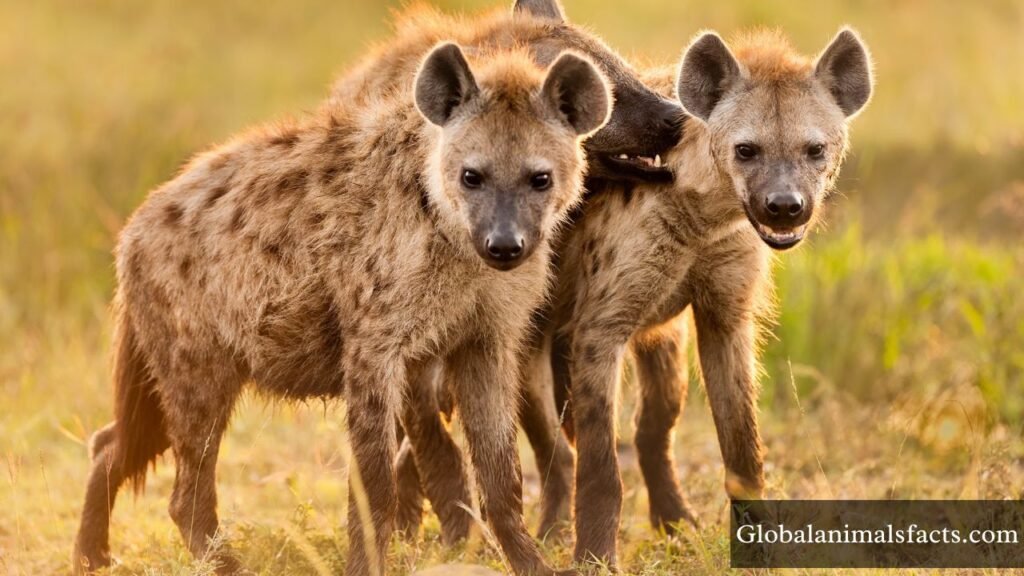
Moreover, the social structure of hyenas adds another layer of intrigue to their galloping prowess. Living in matriarchal clans, they often coordinate their movements during hunts, showcasing a blend of strategy and agility. This tight-knit social fabric means that galloping isn’t just a solitary action; it’s often a collective performance that enhances their success as hunters.
Zebra
Scientific name: Equus quagga
Class: Mammalia
Diet: Herbivore
Zebras, with their striking black-and-white stripes, are not just a feast for the eyes; they are masters of speed and agility in the wild. Zebras possess a unique galloping style that combines strength and grace. Their powerful hindquarters enable them to execute impressive leaps, allowing them to navigate the rough terrains of the African savanna with ease. This agility is not just for show; it plays a crucial role in evading predators, enhancing their survival.
Interestingly, the stripes of a zebra serve more than an aesthetic purpose. They create an optical illusion that confuses predators and pesky insects, making it difficult to single out an individual zebra in a moving herd. As they gallop across the plains, the stunning display of their stripes creates a mesmerizing visual effect, blurring lines and shapes that can protect them from danger. Their social structure also enhances their survival, as they often gallop in coordinated movements, communicating through subtle shifts in their posture and pace, illustrating a blend of artistry and instinct in their galloping behavior.
Alpacas
Scientific name: Vicugna pacos
Class: Mammalia
Diet: Herbivore
Alpacas, often associated with their gentle demeanor and fleece, possess an unexpectedly charming ability to gallop when the mood strikes. This unique gait is not just a practical response to threats; it’s an expression of pure joy. Watching an alpaca in full gallop is a delightful sight — their long necks extend, and their fluffy bodies bounce gracefully, embodying a surprising elegance filled with spirit.
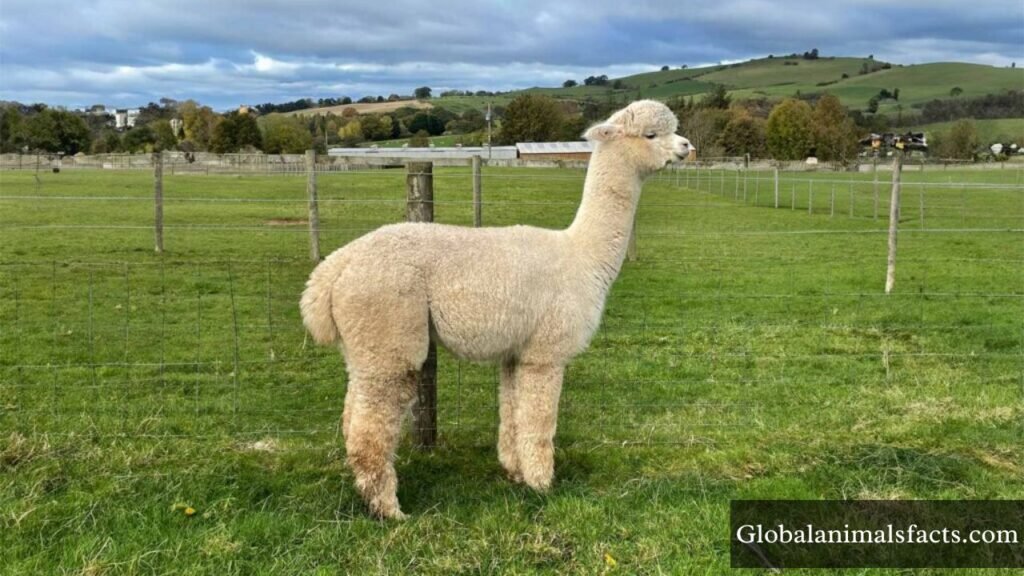
What sets alpacas apart from their llama cousins is their innate playfulness, often seen in their spontaneous sprints around the pasture. Their galloping isn’t merely about speed; it reflects their social structure where young alpacas, or crias, engage in playful races, strengthening bonds and establishing hierarchies. This interaction is not only entertaining but also a fascinating window into their social behaviors, showcasing that even in a seemingly serene species, undercurrents of competition and camaraderie thrive.
Wild Boars
Scientific name: Sus scrofa
Class: Mammalia
Diet: Omnivore
Wild boars are often perceived as lumbering creatures, but these remarkable animals possess an unexpected agility that belies their robust appearance. With a powerful build and strong legs, they can reach impressive speeds, especially when spurred by a sense of danger. Their galloping ability is not just a survival instinct; it highlights their adaptability in varied terrains, from dense forests to open fields. This versatility allows wild boars to escape predators, forage for food, and navigate their complex social structures more effectively.
Interestingly, wild boars exhibit unique behaviors when they gallop. They often engage in a distinctive bounding motion, allowing them to cover ground quickly while maintaining balance and control. This not only helps them evade threats but also plays a vital role in their foraging technique, as their rapid movements can disturb the underbrush, revealing hidden sources of nourishment.
Bison
Scientific name: Bison bison
Class: Mammalia
Diet: Herbivore
Bison, often mistaken for lumbering giants, can surprisingly gallop with grace and speed when the occasion demands. These majestic animals, weighing up to a ton, can reach speeds of 40 miles per hour. Their powerful limbs allow for astonishing agility, especially when navigating the rugged terrains of the plains. Watching a bison gallop in a sweeping motion is a sight to behold, the muscles rippling beneath their thick, shaggy coats.
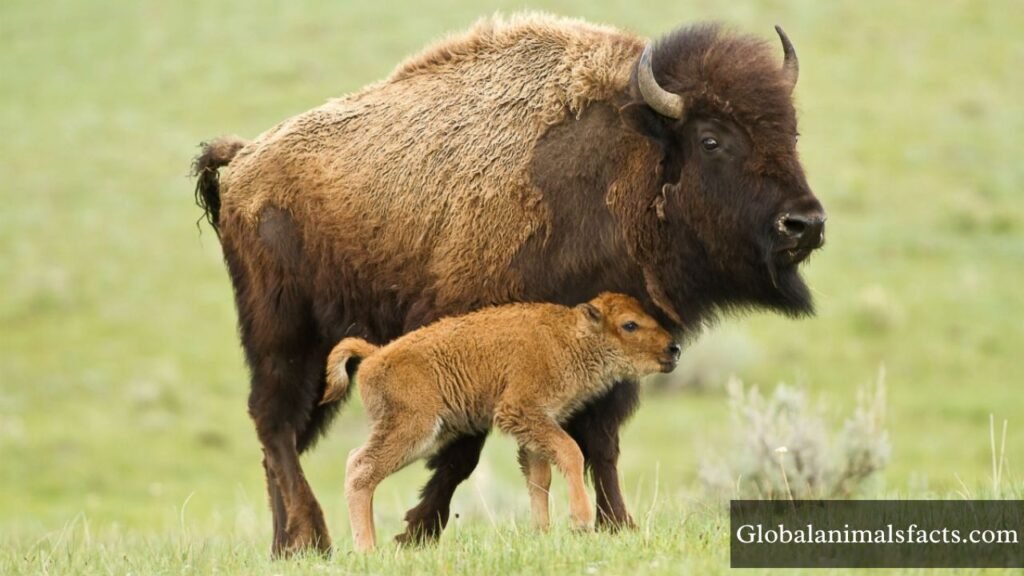
What’s even more fascinating is how bison utilize their speed. During migrations, they rely on swift movements to evade predators and maintain the integrity of the herd. Their ability to maintain cohesion during a stampede is a testament to their social structure — each bison playing a role in protecting the collective. This intricate balance highlights not just their physical prowess, but also their intelligence and adaptability in the wild.
Readmore: Explore Top 12 Animals With Big Feet.
Final Thoughts
Galloping animals showcase a remarkable blend of strength and agility, captivating us with their speed and grace. From the majestic horse to the swift gazelle, these creatures have adapted their movement patterns to thrive in their environments. Their unique physical adaptations not only enable them to escape predators but also play a vital role in their social structures. As we learn more about them, we also uncover the importance of protecting their habitats to ensure their survival. Let’s celebrate these magnificent gallopers and commit ourselves to preserving the rich biodiversity they represent.
FAQs
Does a hyena gallop?
Yes, hyenas can gallop, but it’s not their primary mode of movement. While they are capable of running at high speeds, they generally use a loping trot, which is more energy-efficient over longer distances. Their body structure is built for stamina rather than pure speed, allowing them to cover ground as they track prey or scavenge.
Do giraffes gallop?
Yes, giraffes can gallop, but it’s quite different from how most animals do it. When they gallop, they spread their legs wide and move in a unique, rhythmic manner that utilizes their long necks and legs. This unusual style allows them to reach impressive speeds, but they typically don’t rely on this gait for long distances.
Which animal can gallop like a horse?
While horses are the most well-known gallopers, several other animals can gallop, too. For example, some species of deer, like the mule deer, are capable of a similar bounding gait. They can move swiftly and gracefully over uneven terrain, making them adept at navigating their natural habitats. Another animal that exhibits a galloping motion is the zebra. Like horses, zebras have powerful legs and a similar skeletal structure that allows for a strong, rhythmic gallop. Even though they share this trait, their unique body dynamics and social behaviors set them apart from horses in the wild.
Does a cow gallop?
Yes, cows can gallop, but it’s not their primary mode of movement. While they are not built for speed like horses, cows can reach a quick pace when they feel threatened or excited. Their gallop is often clumsy compared to more agile animals, but they can still cover ground relatively fast in short bursts.
Can a donkey gallop?
Yes, donkeys can gallop, although it’s not their primary gait. While they typically move at a walk, trot, or canter, donkeys are capable of reaching a faster speed when needed. The gallop is more of an extended run, allowing them to cover ground quickly.