Top 12 Animals That Eat Squirrels (With Images)
There are several animals that eat squirrels, and understanding these natural predators can reveal a fascinating layer of the ecosystem. This article delves into the surprising relationships between these creatures and their prey, highlighting the importance of predator-prey dynamics in maintaining ecological balance. By the end, you’ll gain insight into the various species that consider squirrels a tasty snack and why this matters for biodiversity.
List of Animals That Eat Squirrels
Below is the list animals that eat squirrels:
| Number of Animals | Names of Animals That Eat Squirrels |
| 1 | Hawk |
| 2 | Raccoon |
| 3 | Coyote |
| 4 | Great Horned Owl |
| 5 | Domestic Cat |
| 6 | Eagle |
| 7 | Alligator |
| 8 | Snakes |
| 9 | Gray Wolf |
| 10 | Weasel |
| 11 | Fox |
| 12 | Bobcat |
Hawk
Scientific Name: Buteo jamaicensis
Class: Aves
Diet: Carnivore
Hawks, with their sharp talons and exceptional eyesight, are proficient hunters that play a pivotal role in controlling populations of smaller animals like squirrels. These raptors are equipped with keen vision that allows them to spot their prey from several hundred feet in the air, making them effective hunters in diverse ecosystems. For a hawk, a sighting isn’t just about spotting food; it’s a calculated decision based on terrain, the movement of potential prey, and even social cues from other birds.
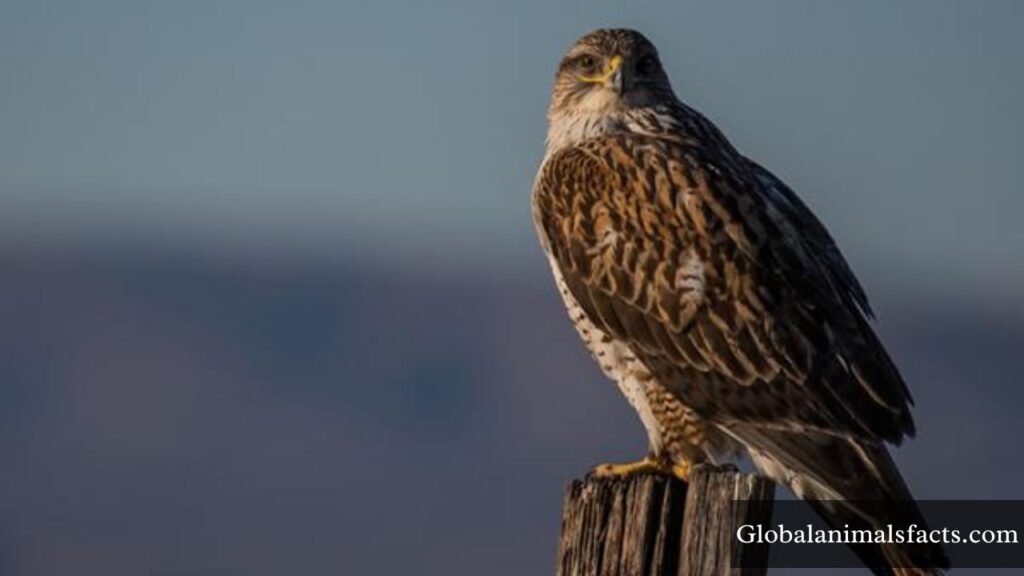
Moreover, the hunting methods of hawks can be fascinating. They employ a strategy called “stooping,” where they dive at incredible speeds toward unsuspecting squirrels, often surprising them from above. This aerial ambush not only showcases their hunting prowess but also speaks to the intricate balance of predator and prey dynamics in nature. Every encounter between a hawk and a squirrel tells a story of survival, adaptation, and the relentless pursuit of life in the wild.
Raccoon
Scientific Name: Procyon lotor
Class: Mammalia
Diet: Omnivore
Raccoons, the clever masked bandits of the animal kingdom, are often overlooked as formidable predators within their diverse diet. While they are best known for rummaging through urban trash bins, these agile creatures possess an opportunistic nature that extends to hunting smaller mammals — squirrels included. Their dexterous front paws give them the ability to climb trees and navigate the same habitats as squirrels, making them adept at ambushing these nimble rodents.
What’s particularly fascinating is the raccoon’s versatility in hunting techniques. They can use both stealth and surprising strength, often waiting patiently for the right moment to pounce. This ability to adapt their hunting skills to different environments highlights the complexity of their behavior and their role in maintaining ecological balance.
Coyote
Scientific Name: Canis latrans
Class: Mammalia
Diet: Omnivore
Coyotes are often seen as adaptable survivors, thriving in diverse environments from urban areas to remote wilderness. Their predatory skills make them formidable hunters, and squirrels represent a tantalizing meal within their broad diet. These cunning canids utilize their keen senses and stealth to ambush unsuspecting squirrels, often employing a combination of speed and agility to chase down their prey.
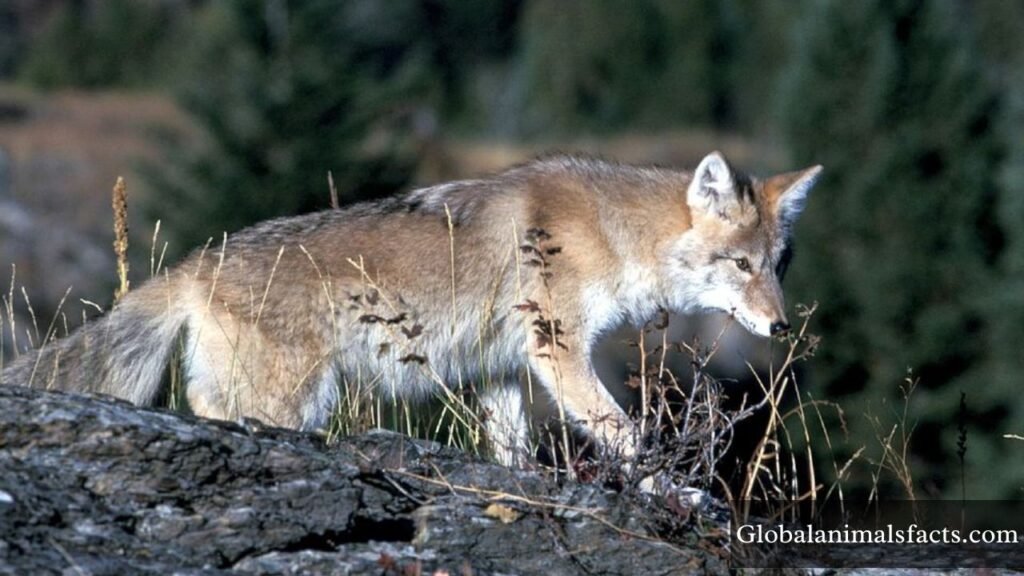
Interestingly, coyotes have been observed using social tactics when hunting, occasionally teaming up to track down smaller animals like squirrels. This cooperative behavior enhances their success rate, showcasing not only their physical prowess but also their social intelligence. The presence of coyotes can even influence squirrel populations, as the natural balance of predators and prey shapes local ecosystems. In this dynamic dance of survival, coyotes don’t just play the role of hunter; they’re essential players in maintaining ecological harmony, reminding us of the intricate web of life where every species has its part to play.
Readmore: Explore Top 12 Animals That Eat Ants.
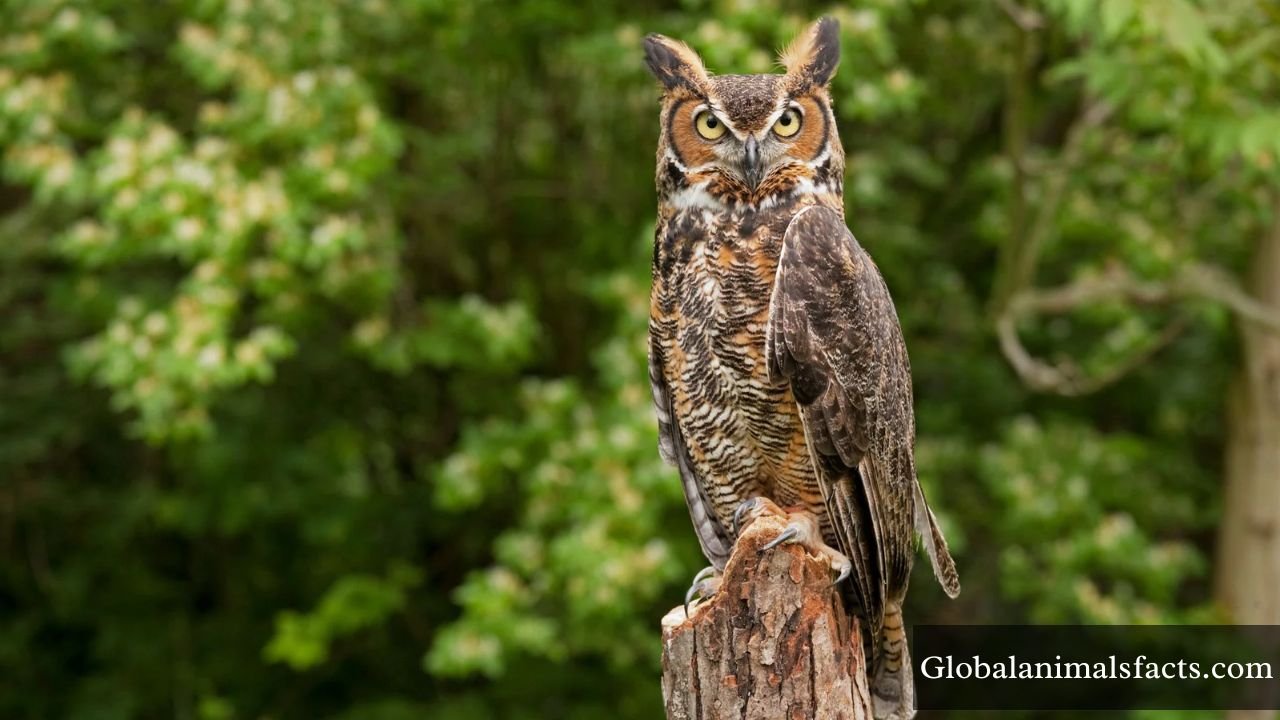
Great Horned Owl
Scientific Name: Bubo virginianus
Class: Aves
Diet: Carnivore
The great horned owl, a formidable predator of the night, has a diverse diet that often includes squirrels among its many prey. With its keen eyesight and incredible hearing, this avian hunter targets its victims with remarkable precision, making it a dominant force in its ecosystem. The owl’s ability to swivel its head nearly 270 degrees allows it to scout the area for movement, resulting in stealthy, surprise attacks that often catch squirrels off guard.
Interestingly, the great horned owl’s hunting prowess is complemented by its impressive adaptability. Auditory cues help locate a squirrel’s rustling amidst the leaves or the telltale chatter of its alarm calls. Moreover, these owls have been known to thrive in various habitats, from forests to urban areas, showcasing their flexibility in seeking out different nutrition sources.
Domestic Cat
Scientific Name: Felis catus
Class: Mammalia
Diet: Carnivore
Domestic cats, with their playful pounces and stealthy stalking, are natural hunters, and their predilection for hunting squirrels is well-documented. These agile felines often view squirrels not just as creatures to observe but as dynamic prey that engage their instincts. Cats, regardless of their size, possess sharp retractable claws and keen eyesight, which make them formidable hunters even in urban environments where squirrels thrive.
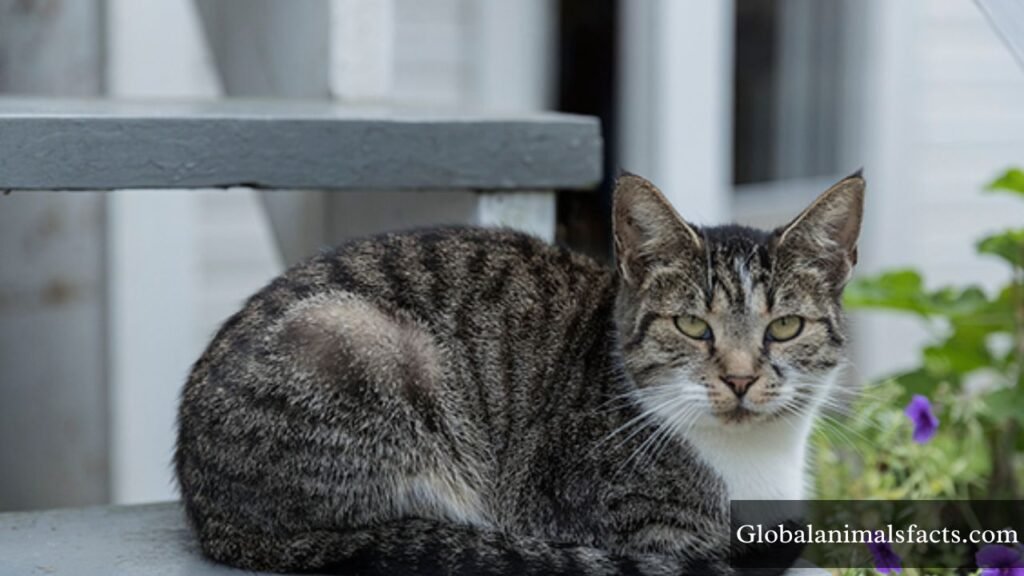
Interestingly, while a cat’s hunting prowess may seem purely instinctual, it’s also influenced by its environment and upbringing. Indoor cats, for instance, may lack the experience to effectively hunt, even if their genetics yearn for the chase. Conversely, those that roam outdoors often hone their skills, displaying remarkable agility and precision when pursuing active, bushy-tailed squirrels darting through trees. This dance of predator and prey not only showcases the cat’s inherent artistry but also highlights nature’s intricate balance — where every chase adds to the ever-turning wheel of life.
Eagle
Scientific Name: Haliaeetus leucocephalus
Class: Aves
Diet: Carnivore
The eagle, a master of the skies, is not just an emblem of freedom but also a formidable predator with a diverse menu that can include squirrels. With their keen eyesight, eagles can spot these agile rodents darting through trees from impressive heights. This predatory instinct showcases the eagle’s adaptability; while larger prey like rabbits or fish may dominate their diet, the convenience and abundance of squirrels can make them an easy target, especially in densely wooded areas.
When hunting, eagles employ a unique strategy that capitalizes on their impressive wingspan and aerial acrobatics. A swooping dive, reaching speeds of up to 150 miles per hour, allows them to close in on unsuspecting squirrels with breathtaking precision.
Alligator
Scientific Name: Alligator mississippiensis
Class: Reptilia
Diet: Carnivore
Alligators, often regarded as apex predators in their aquatic habitats, have an intriguing diet that can include various mammals, including the unsuspecting squirrel. While these reptiles are more commonly associated with fish or birds, their opportunistic feeding habits reveal a surprising versatility. In freshwater ecosystems, alligators frequently venture onto land, especially during the warmer months, where they might encounter squirrels scurrying near the water’s edge.
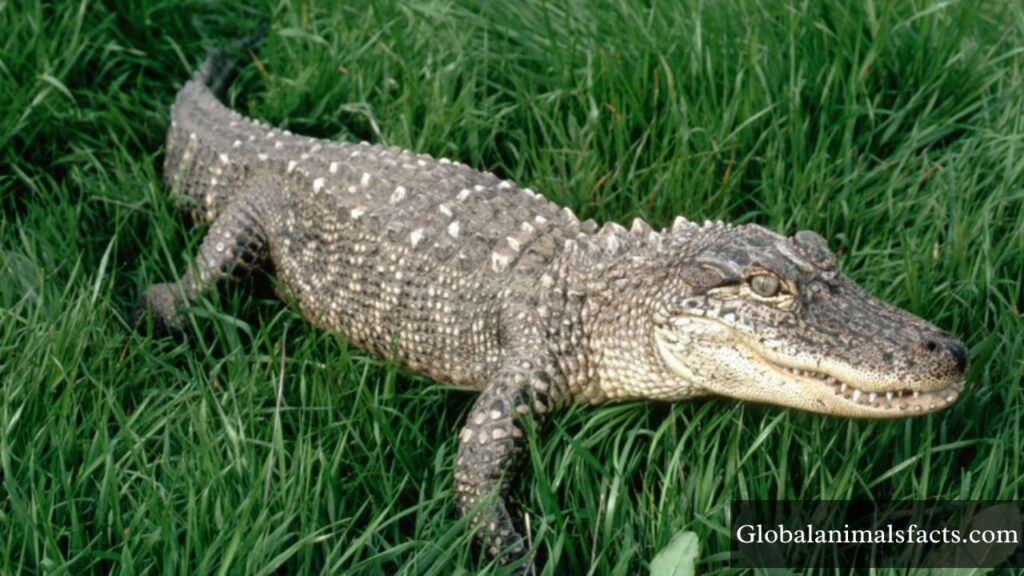
This predation is not merely a random event; it showcases the alligator’s adaptability in hunting. Squirrels, drawn to open areas for foraging, can become easy targets if they stray too close to the water’s edge. In this predatory dynamic, alligators employ a stealthy approach, often lying motionless and camouflaged until the right moment to strike presents itself. This behavior highlights the nuanced interactions within ecosystems, where even small mammals like squirrels play a role in the larger food web.
Snakes
Scientific Name: Serpentes
Class: Reptilia
Diet: Carnivore
Among the diverse cast of characters in the wildlife drama, snakes play a particularly intriguing role as predators of squirrels. These formidable hunters possess remarkable adaptations that make them expert ambush artists. With their ability to blend seamlessly into their surroundings, snakes can lie in wait, undetected, for the unsuspecting squirrel to scurry by. Species like the Eastern Rat Snake or the Black Mamba leverage their impressive speed and agility to capture these small mammals, showcasing an unexpected but effective synergy between predator and prey in their ecosystems.
What’s fascinating is the unique methods snakes employ during the hunt. Some may utilize constriction, coiling tightly around a squirrel to immobilize it, while others depend on venom to subdue their quarry instantly. This biological diversity highlights a broader narrative about survival; in a world where food sources are often scarce, snakes’ dietary flexibility allows them to exploit various niches. By targeting squirrels, they accomplish more than mere sustenance — they help regulate rodent populations, maintaining a dynamic balance in their habitats.
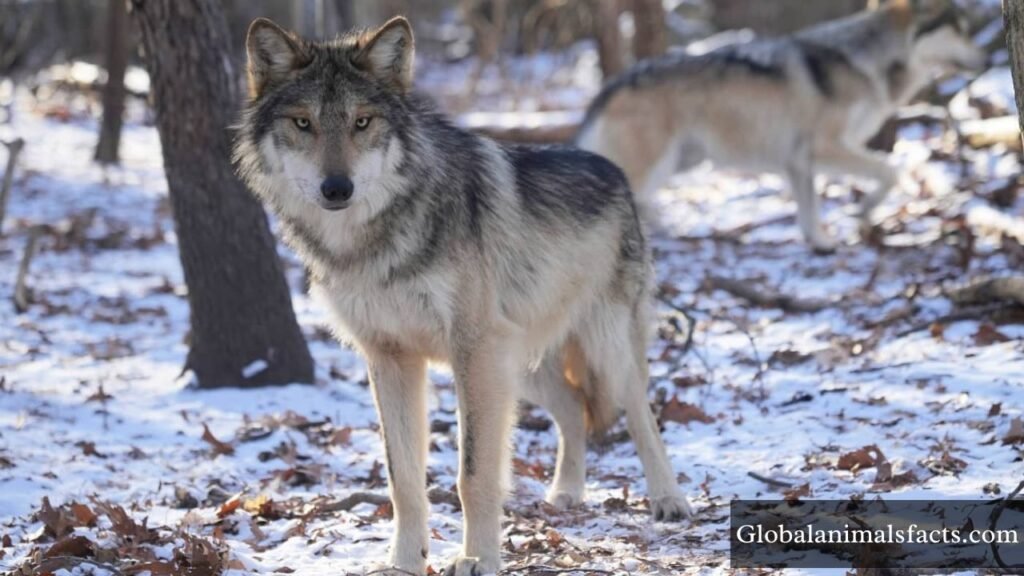
Gray Wolf
Scientific Name: Canis lupus
Class: Mammalia
Diet: Carnivore
The gray wolf, often depicted as both a cunning hunter and a symbol of the wild, plays a significant role in the ecosystem, including its predation on squirrels. While these nimble rodents may seem too small to attract the attention of such formidable predators, gray wolves exhibit a remarkable adaptability in their hunting strategies. When food sources are scarce or when they’re tracking younger or weaker squirrels, wolves don’t hesitate to seize the opportunity. Their keen senses and pack dynamics enhance their ability to locate and capture these agile creatures.
Weasel
Scientific Name: Mustela nivalis
Class: Mammalia
Diet: Carnivore
Weasels are often overlooked when considering nature’s keen hunters, but their slender bodies and remarkable agility make them efficient predators. These small carnivores are equipped with sharp teeth and an audacious spirit that allows them to take on prey much larger than themselves, including squirrels. Their ability to navigate tight spaces in trees and burrows helps them catch their unsuspecting targets, showcasing an impressive blend of speed and stealth.
What sets weasels apart in this predatory role is their unique hunting strategy. Rather than tackling an entire squirrel head-on, they may employ a series of ambush tactics, patiently waiting for the right moment to strike. Their playful yet lethal approach to hunting often leaves squirrels unaware of the lurking danger.
Fox
Scientific Name: Vulpes vulpes
Class: Mammalia
Diet: Omnivore
Foxes are astute predators, often showcasing their versatility in hunting methods. Adapted to various habitats, these cunning canines are not fussy eaters; when it comes to a quick, agile snack, squirrels often find themselves on the menu. What’s fascinating is the fox’s ability to harness its keen senses, especially hearing, to locate squirrels hidden beneath layers of foliage or even snow. This acute perception allows them to ambush their prey with astounding precision.
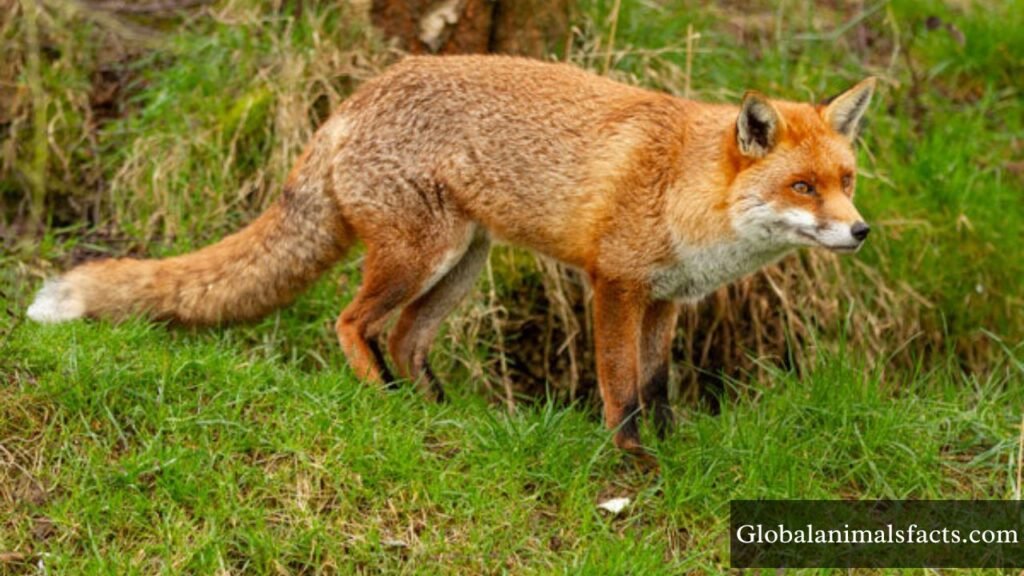
Interestingly, the relationship between foxes and squirrels extends beyond mere predator and prey. Foxes play a crucial role in controlling squirrel populations, which can become problematic in some areas. By keeping these populations in check, foxes indirectly contribute to the overall health of their ecosystems.
Bobcat
Scientific Name: Lynx rufus
Class: Mammalia
Diet: Carnivore
Bobcats are stealthy predators, often emerging as unexpected hunters of squirrels in their woodland and suburban territories. With their keen eyesight and acute hearing, these agile felines can stalk their prey with remarkable precision. What makes the bobcat particularly fascinating is its versatility; while squirrels may be a snack, its diet can vary widely, including rabbits, birds, and even the occasional deer, showcasing its adaptability in different ecosystems.
In addition to their agile hunting skills, bobcats employ a unique ambush strategy. They often hide in dense underbrush or near feeding grounds, waiting patiently for the perfect moment to pounce.
Readmore: Explore Top 14 Animals That Eat Cactus.
Final Words
The predators that target squirrels showcase the fascinating dynamics of nature’s food chain. Various species, including foxes, raccoons, and owls, contribute to the ecological equilibrium by managing squirrel populations. Each encounter between predator and prey serves as a reminder of the interconnectedness of life in our ecosystems. By gaining insights into these relationships, we can better understand the importance of wildlife conservation efforts. Let’s take a proactive stance in protecting these environments so that nature can continue to thrive.
FAQs
What eats squirrels?
Squirrels face predation from various animals, primarily birds of prey like hawks and owls. These raptors are adept at catching squirrels while they’re on the ground or in trees. Snakes, particularly larger species, can be a threat to young or smaller squirrels. On the ground, foxes, coyotes, and domestic cats also hunt squirrels.
What animal eats squirrels the most?
One of the primary predators that eat squirrels is the red-tailed hawk. These birds of prey are known for their keen eyesight and powerful talons, making them highly effective hunters. They can spot squirrels from high in the sky and swoop down quickly to capture their meal.
Can a snake eat a squirrel?
Yes, a snake can definitely eat a squirrel. Many snake species are opportunistic feeders and will eat small mammals, including squirrels, if the opportunity arises. Snakes are equipped with powerful jaws that allow them to swallow prey much larger than their head, making a squirrel a feasible meal. For instance, larger species like the Eastern rat snake are well-known for preying on squirrels.
Do falcons eat squirrels?
Yes, falcons do eat squirrels, although it’s not their primary food source. Falcons are versatile hunters and opportunistic feeders, so if they find a suitable squirrel, especially in areas where the rodents are plentiful, they won’t hesitate to catch one. Generally, their diet mainly consists of smaller birds, but larger species like the peregrine falcon can certainly take down squirrels if the opportunity arises. Their speed and keen eyesight make them formidable predators, capable of snatching prey quickly from the ground.