Top 12 Animals That Eat Ants (With Images)
In this exploration of “Animals That Eat Ants,” we’ll reveal a host of surprising species that feast on these tiny, yet abundant insects. Learning about these critters not only highlights the diversity of diets in the animal kingdom but also emphasizes the interconnectedness of food webs. Join us as we unveil the fascinating behaviors and adaptations of these ant-eating animals.
List of Animals That Eat Ants
Below is the list of animals that eat ants:
- Giant Anteater
- Jumping Spider
- House Gecko
- Antlions
- Aardvark
- Wrens
- Horned Lizards
- Pangolins
- Orangutan
- Echidnas
- Fire Ants
- Numbats
Giant Anteater
Scientific name: Myrmecophaga tridactyla
Class: Mammalia
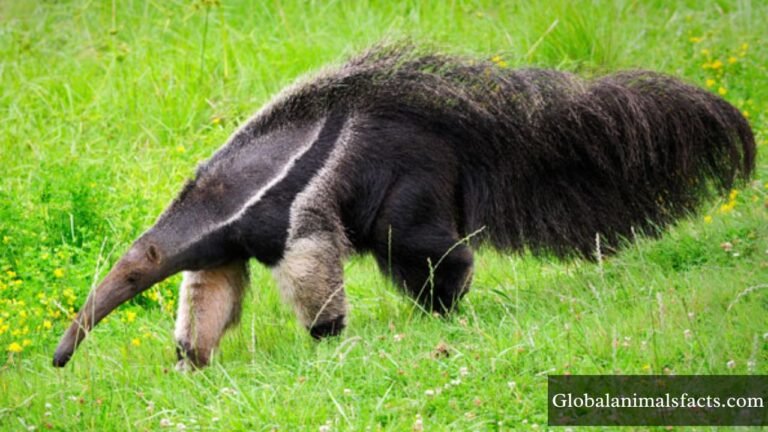
The Giant Anteater stands out not only for its remarkable size but also for its unique adaptations that make it a masterful ant-hunter. Equipped with an elongated snout and a long, sticky tongue that can extend up to 2 feet, it effortlessly extracts ants and termites from their mounds. This fascinating feeding mechanism is complemented by its acute sense of smell, allowing it to detect food sources even beneath the surface. As it forages through diverse habitats — from grasslands to rainforests — its peculiar gait, characterized by the use of only two toes on its front limbs, further highlights nature’s creativity in survival.
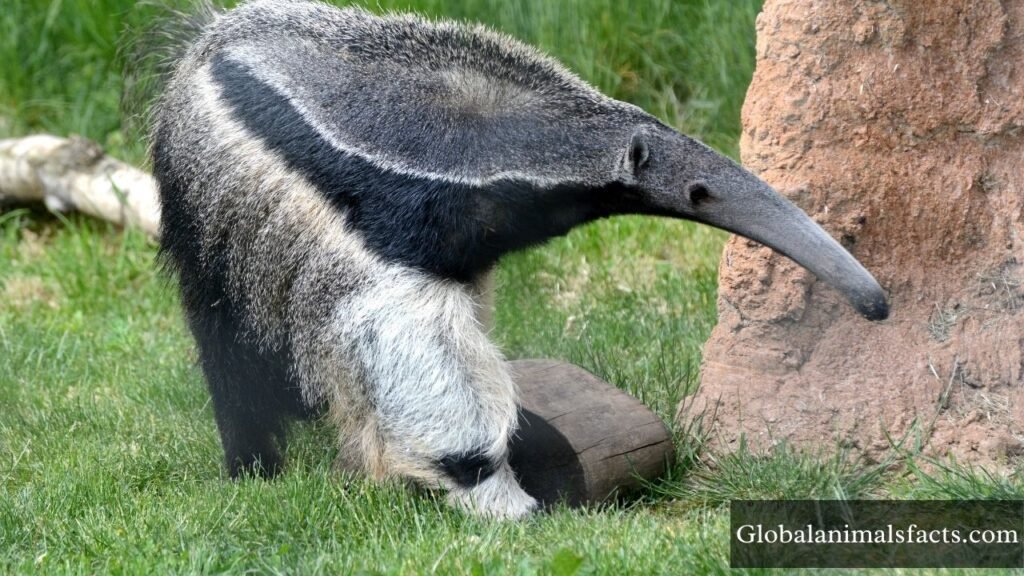
Interestingly, while the Giant Anteater’s diet is primarily insectivorous, recent studies reveal that it also plays an essential ecological role by aiding in pest control. By keeping ant and termite populations in check, it contributes to the health of the ecosystems it inhabits. Moreover, its appearance, adorned with a striking coat of fur and distinctive patterns, invites curiosity and admiration, leading to increased conservation efforts. As habitat destruction threatens these remarkable creatures, understanding their unique characteristics and ecological significance becomes crucial in fostering a deeper appreciation for the delicate balance of nature.
Jumping Spider
Scientific name: Salticidae
Class: Arachnida
The jumping spider, a nimble and agile predator, has a unique relationship with its primary source of nourishment: ants. Unlike many of its arachnid relatives that weave intricate webs to ensnare prey, the jumping spider employs a more dynamic strategy, utilizing its exceptional vision and leaping ability to capture its meals. With up to eight keenly adapted eyes, it can spot ants from significant distances, making it a formidable hunter even among more formidable ant species.
One fascinating aspect of the jumping spider’s hunting technique is its reliance on stealth and precision. Before launching its dramatic leap, it meticulously studies the ant’s movements, calculating the perfect moment to strike. This careful observation not only showcases the spider’s intelligence but also highlights the intricate predator-prey dynamics in the ecosystem. Moreover, while some might view ants as mere nuisances, the jumping spider embraces this tiny warrior, understanding the nutritional value and abundant energy provided by these tiny creatures. The very act of hunting ants also plays a role in maintaining ecological balance, keeping ant populations in check, and demonstrating nature’s complex interdependencies.
House Gecko
Scientific name: Hemidactylus frenatus
Class: Reptilia
The house gecko, a small and elusive reptile, offers a fascinating window into the complex web of nature’s food chain, particularly when it comes to its appetite for ants. With their keen eyesight and agile movements, these geckos make quick work of foraging for their tiny, industrious prey. Equipped with sticky toe pads, they can effortlessly scale walls and ceilings, turning otherwise unreachable corners of our homes into prime ant-hunting grounds. This adaptability not only showcases their evolutionary success but also highlights their role as a natural pest controller, maintaining the balance within household ecosystems.
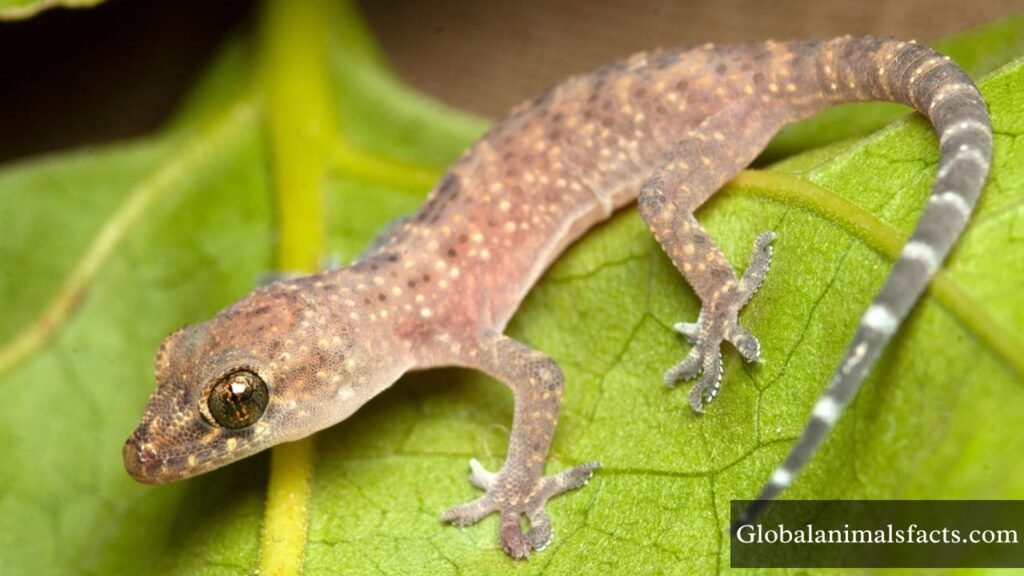
Interestingly, house geckos exhibit a unique hunting strategy when it comes to ants. Instead of simply snatching them up like larger predators, these reptiles often observe and wait for the opportune moment, demonstrating patience and precision. In some cases, they can even consume dozens of ants in a single night, effectively reducing the ant population in their territory.
Antlions
Scientific name: Myrmeleontidae
Class: Insecta
Antlions, the fierce predators of the insect world, are known for their unique hunting technique that transforms the ground into a deadly trap. Their larval stage features a funnel-shaped pit, meticulously dug into sandy soil. When unsuspecting ants tumble into this cleverly disguised deathtrap, they find themselves ensnared by the antlion’s rapid, lightning-fast strike. This fascinating behavior is a remarkable example of natural engineering, showcasing how creatures adapt to their environments to maximize efficiency in hunting.
Aardvark
Scientific name: Orycteropus afer
Class: Mammalia
The aardvark, a distinctive nocturnal mammal, has evolved into an expert ant eater with its long snout and specialized tongue. This unique adaptation enables it to reach deep into ant hills and termite mounds, extracting its protein-rich prey with astonishing efficiency. What’s fascinating is not just their method of feeding, but their impact on the ecosystem. By disturbing ant nests, aardvarks inadvertently aerate the soil, facilitating nutrient cycling and allowing new vegetation to flourish.
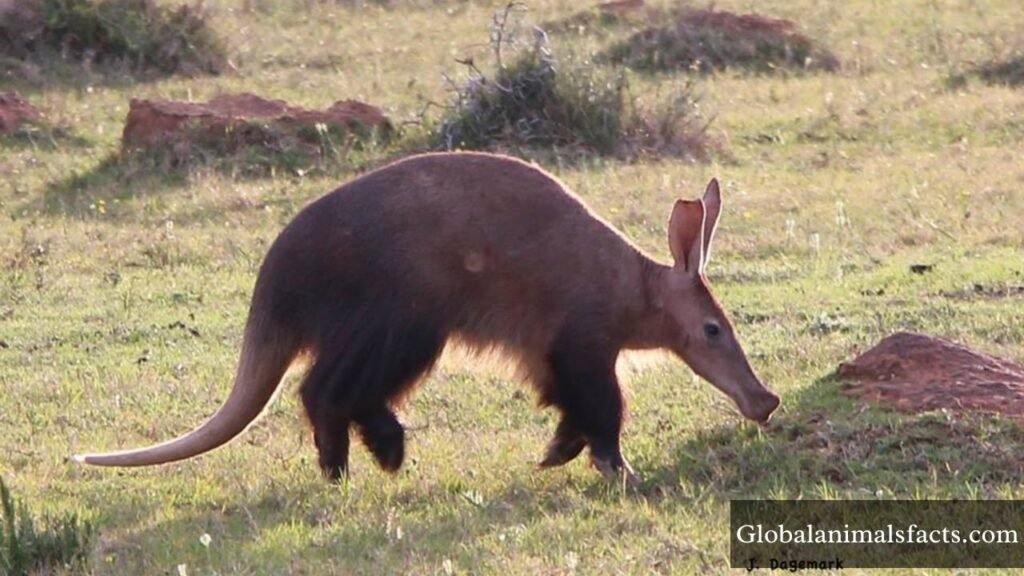
Aardvarks possess an intriguing defense mechanism against potential predators. Their armored skin, combined with a burrowing instinct, allows them to quickly dig into the ground, creating a haven where only their snout and tail might be visible above the surface. This behavior not only protects them but also highlights their integral role in the balance of their habitat, as they can create new tunnels that other animals will later inhabit.
Wrens
Scientific name: Troglodytidae
Class: Aves
Wrens are fascinating little birds that showcase an impressive adaptability in their diet, with ants forming a significant portion. Known for their energetic personalities and melodious songs, these tiny titans are skilled hunters. They often employ their keen sense of hearing to locate the rustling sounds of ants hidden beneath leaves or within their intricate underground tunnels. This ability to pinpoint prey not only highlights their acute sensory skills but also reflects their survival ingenuity in diverse habitats.
These feathered foragers use an array of methods to extract ants, from probing crevices with their agile beaks to deftly flipping over rocks and debris. In some regions, the evolution of their foraging behaviors has been intricate, as certain wren species have adapted to target specific ant varieties that are more abundant or nutritious. This dietary flexibility not only allows them to thrive in various ecosystems but also positions them as critical players in controlling ant populations, illustrating the delicate balance of nature.
Horned Lizards
Scientific name: Phrynosoma
Class: Reptilia
Horned lizards, often dubbed “horn toads,” are fascinating creatures that have evolved a unique diet primarily consisting of ants. These lizards possess specialized adaptations for their ant-centric lifestyle, including an elongated tongue that allows them to snatch up their tiny prey with remarkable speed. What’s particularly intriguing is the lizard’s ability to consume thousands of ants in a single day, showcasing an efficient hunting strategy that is both impressive and crucial for their survival in arid environments.
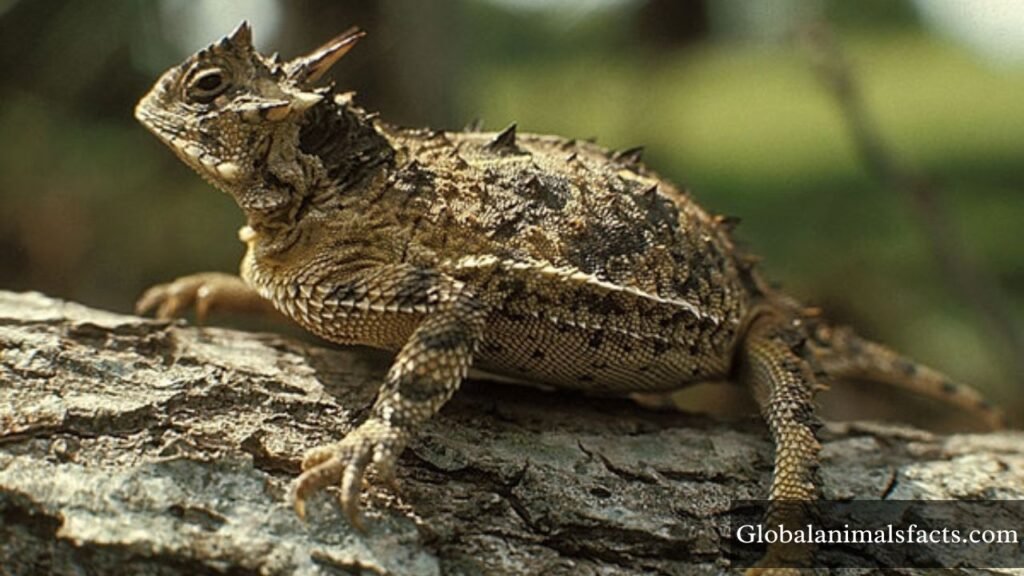
Beyond their physical adaptations, horned lizards exhibit intriguing behaviors that enhance their predatory success. For instance, they often remain perfectly still, blending into their surroundings to ambush unsuspecting ants. This stealthy approach, coupled with their camouflaged scales, provides them with a tactical advantage in the wild. Interestingly, their distinct flattened bodies also allow them to quickly burrow into the ground, seeking refuge from predators while waiting for the next wave of ants to emerge.
Pangolins
Scientific name: Manis
Class: Mammalia
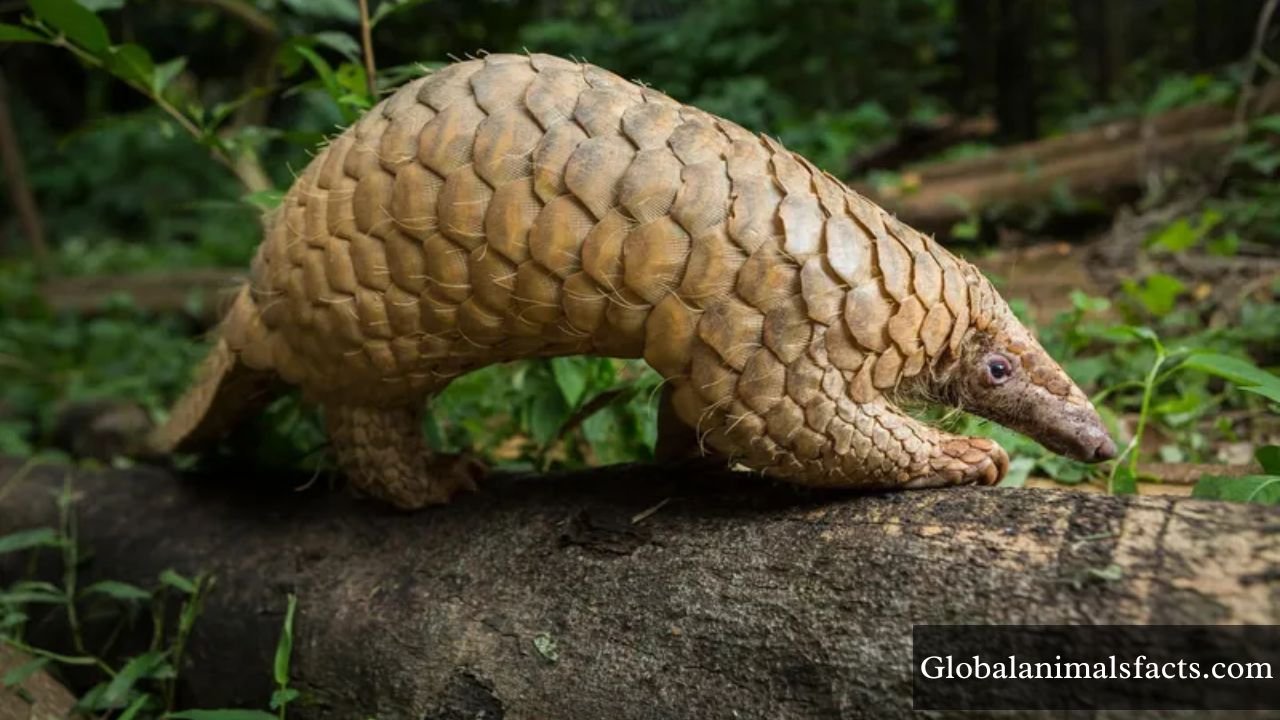
Pangolins, often dubbed “scaly anteaters,” are fascinating creatures that take ant consumption to an art form. With their unique keratin scales, these mammals possess an extraordinary adaptation — their long, sticky tongues that can extend nearly the length of their bodies. This remarkable appendage allows them to deftly extract ants and termites from their burrows, showcasing a feeding strategy that is both efficient and specialized. In a single meal, a pangolin can devour thousands of these tiny insects, making them a crucial player in maintaining ecological balance by controlling ant populations.
What sets pangolins apart in the animal kingdom is not just their feeding habits but also their remarkable behavior. Often solitary and primarily nocturnal, these creatures exhibit a fascinating mix of vulnerability and tenacity. As they forage under the cloak of darkness, they also play a vital role in seed dispersion, inadvertently aiding plant growth and biodiversity. Sadly, their exquisite scales have made them the most trafficked mammals in the world, prompting urgent calls for conservation efforts to protect these fascinating wildlife icons. Embracing pangolins in the narrative of biodiversity helps us appreciate the delicate interplay between species and the ecosystems they inhabit.
Orangutan
Class: Mammalia
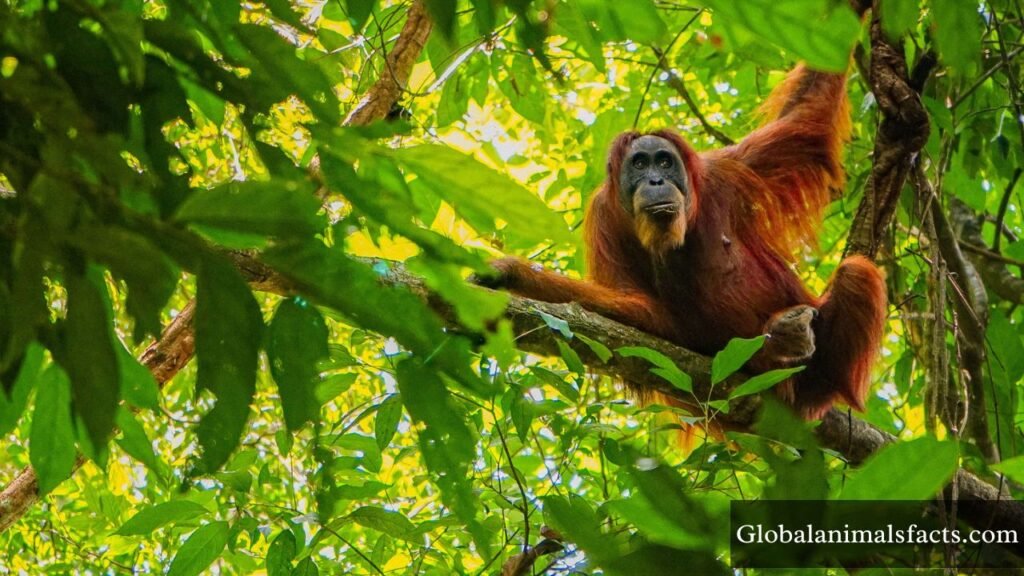
Orangutans, primarily known for their malleable diets of fruits and leaves, have an interesting side to their culinary habits: they occasionally munch on ants. This behavior taps into the rich biodiversity of their rainforest habitat, showcasing their adaptability and resourcefulness. With their strong, dexterous hands, orangutans can deftly pry open ant nests, a feat that not only requires skill but also clever strategy as they target particularly ripe seasons when ant populations peak.
Echidnas
Scientific name: Tachyglossidae
Class: Mammalia
Echidnas, often overshadowed by their more famous monotreme cousin, the platypus, have a fascinating approach to their ant-rich diet. These spiny mammals, native to Australia and New Guinea, possess a unique set of adaptations that make them efficient foragers. With their specialized snouts, they can easily probe into ant mounds, extracting both ants and termites with remarkable precision. What’s particularly interesting is the echidna’s ability to sense vibrations underground, allowing them to pinpoint active nests, highlighting their incredible adaptability to the environment.
Beyond their impressive foraging skills, echidnas also showcase a remarkable ecological role as pest controllers. By consuming large quantities of ants, they help regulate ant populations, which can greatly affect local ecosystems. This balance fosters biodiversity, enabling other species to thrive. Moreover, their slow metabolism and unique digestive system allow them to break down the chitin in exoskeletons efficiently, showcasing nature’s ingenious solutions to survival.
Fire Ants
Scientific name: Solenopsis
Class: Insecta
Fire ants, notorious for their aggressive behavior and painful stings, have a diet that extends beyond seeds and small insects – they are voracious cannibals, consuming their own kind. This cannibalistic behavior is not merely a survival tactic during food scarcity; it also plays a significant role in maintaining the colony’s health and efficiency. By consuming injured or weakened ants, they eliminate potential threats to the hive and recycle nutrients back into the ecosystem, showcasing a rather macabre form of resource optimization.
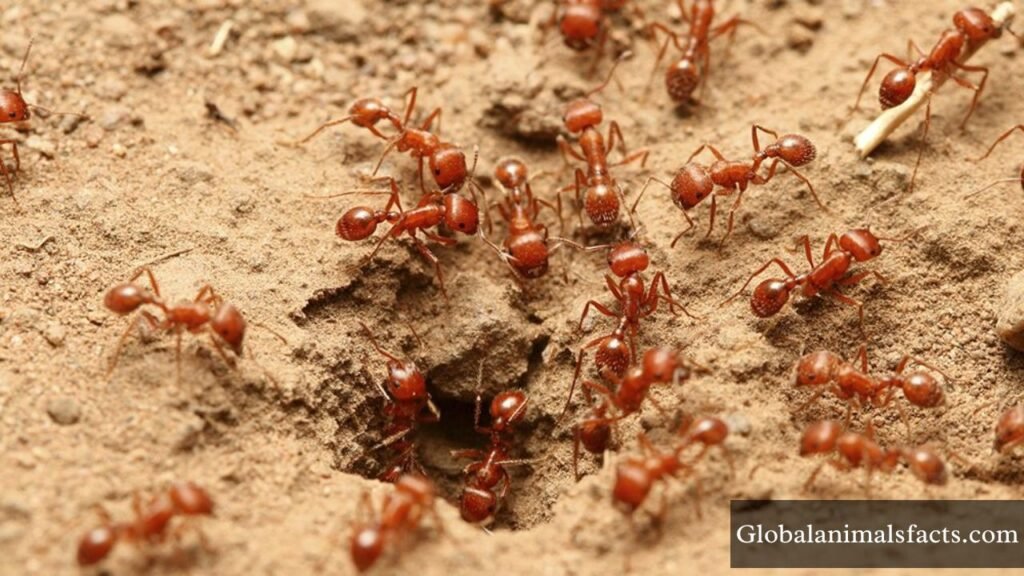
Interestingly, this behavior reflects the striking adaptability of fire ants. In environments where competition is fierce, their ability to consume one another may bolster their resilience against predators and invasive species. Studies indicate that colonies that practice cannibalism often exhibit higher reproductive success, ensuring that the strongest and most viable genes perpetuate.
Numbats
Scientific name: Myrmecobius fasciatus
Class: Mammalia
Numbats, those adorable marsupials native to Australia, are nature’s unsung heroes in the battle against ant populations. With their long, sticky tongues that can extend to a remarkable length, these nocturnal creatures are perfectly adapted for extracting ants from their underground colonies. Unlike many of their fellow marsupials, numbats have a specialized diet that relies almost exclusively on termites and ants, making them key players in maintaining ecological balance.
What’s fascinating about numbats is their unique feeding behavior. They have a remarkable ability to locate ant nests by smell and can consume up to 20,000 ants in a single day! This impressive capacity not only keeps ant populations in check but also showcases how interconnected ecosystems can be. One might even consider numbats as tiny, fuzzy gardeners, helping to regulate the soil health and biodiversity of their habitats through their eating habits.
In recent years, conservation efforts have emphasized the importance of protecting these charming creatures, which are sadly classified as endangered. By safeguarding their habitats and ensuring a stable food supply, we also preserve the delicate balance of their ecosystems. Numbats remind us that even the smallest animals can have a significant impact on the environment, urging us to appreciate the intricate web of life that sustains us all.
Readmore: Explore Top 25 Scavenger Animals.
Final Thoughts
The diverse world of ant-eating animals showcases the intricate balance of ecosystems and the fascinating adaptations that have enabled these creatures to thrive. From the formidable anteaters of South America to the industrious pangolins in Africa and Asia, each species has developed unique hunting strategies and anatomical features that highlight the wonders of evolution. These animals not only play a crucial role in controlling ant populations but also serve as indicators of environmental health. Understanding their behaviors and habitats can help us appreciate the delicate relationships within our natural world. To protect these remarkable species, it’s essential to advocate for conservation efforts and raise awareness about the importance of biodiversity in our ecosystems.
FAQs
What animals eat ants?
Many animals enjoy a hearty meal of ants! Some of the most notable include anteaters, which are specifically adapted to hunt these insects with their long snouts and sticky tongues. Other mammals, like armadillos and certain types of monkeys, also incorporate ants into their diets. Birds, such as woodpeckers and wrens, are also known to munch on ants. Even some reptiles and amphibians, like lizards and frogs, will snack on these little critters. Insects like spiders and beetles can join the feast too, showcasing the ant’s role in the food chain.
Do squirrels eat ants?
Yes, squirrels do eat ants, although they aren’t a major part of their diet. Squirrels are primarily herbivores, favoring nuts, seeds, fruits, and vegetables. However, they are opportunistic feeders, meaning they’ll take advantage of available food sources, including insects like ants.
What is an ant’s worst enemy?
An ant’s worst enemy is the giant anteater. This massive creature has evolved specifically to consume ants and termites. With its long snout and sticky tongue, it can reach deep into ant colonies, devouring thousands of them in a single sitting.
What bugs eat ants?
Bugs that eat ants include: Antlion larvae, Jumping Spider, Assassin Bug, Praying Mantis, and Ground Beetle.