Top 12 Animals That are Humble (With Images)
In a world often dominated by pride and competition, animals that are humble demonstrate that quiet strength and cooperation can be just as powerful. This article will explore their unique traits and how these lessons can inspire us in our everyday lives.
List of Animals That are Humble
Below is the list of humble animals in the world:
- Horses
- Dolphins
- Camels
- Cow
- Pigeon
- Elephants
- Rabbit
- Dogs
- Sheep
- Deer
- Turtles
- Goat
Horses
Scientific name: Equus ferus caballus
Class: Mammalia
Diet: Herbivore
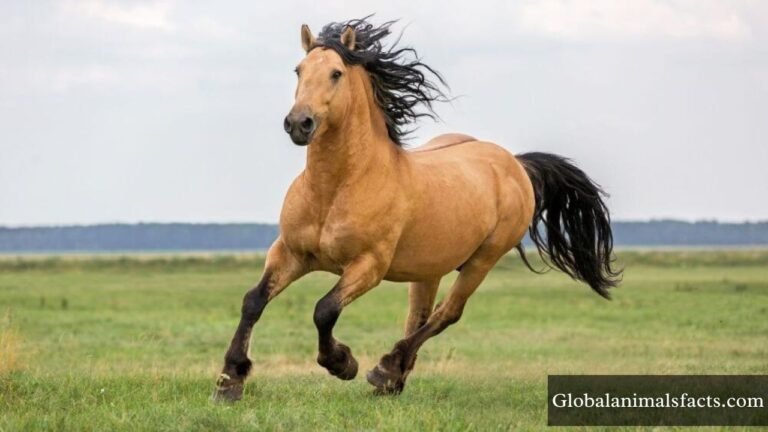
Horses, often seen as majestic creatures galloping under open skies, also embody a profound humility that resonates deeply with their human counterparts. Their natural demeanor, characterized by a gentle curiosity and a capacity for deep emotional connection, showcases a unique blend of strength and sensitivity. In many cultures, horses have served as companions and partners, silently reflecting the spirit of their riders and the landscapes they traverse.
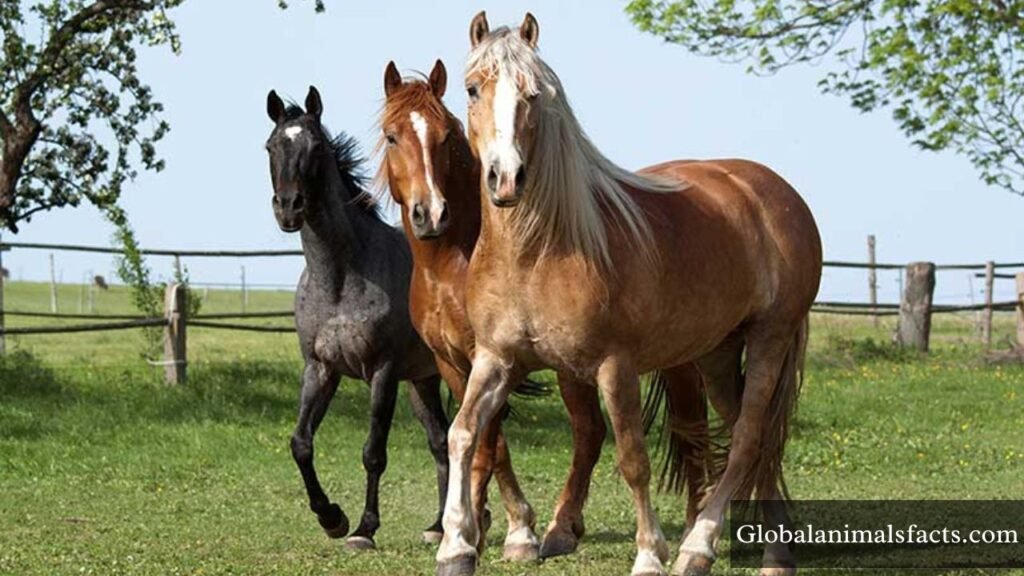
Beyond their physical prowess, horses offer invaluable lessons in trust and communication. Each subtle flick of an ear or soft nicker speaks volumes about their perceptions and feelings, urging us to sharpen our own senses and deepen our understanding of non-verbal cues. This ability to bond and convey emotion positions them as mirrors of our own vulnerabilities, inspiring us to practice patience and empathy in our daily lives, whether in relationships or personal challenges. Embracing the humble spirit of these magnificent animals invites us to find strength in vulnerability and fosters a deeper respect for the connections we share with all living beings.
Dolphins
Scientific name: Tursiops truncatus
Class: Mammalia
Diet: Carnivore
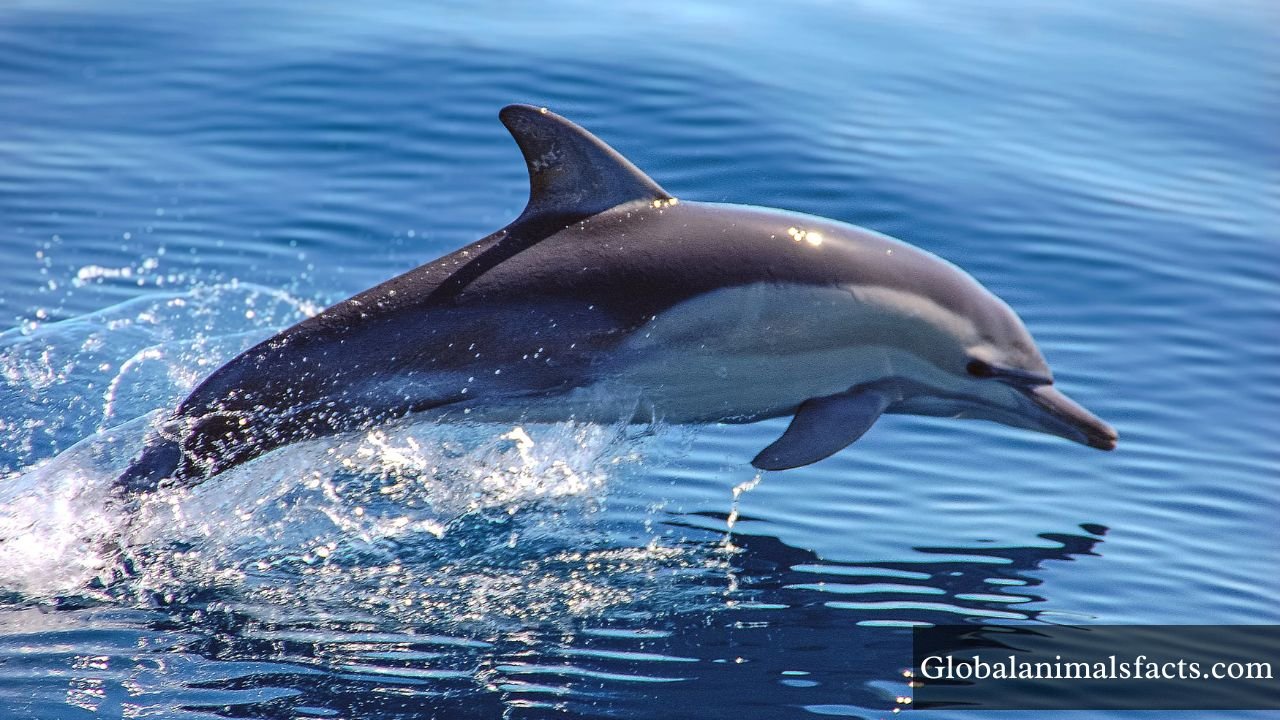
Dolphins, often celebrated for their intelligence and grace, embody a unique blend of curiosity and humility that captivates marine enthusiasts. Unlike their more aggressive counterparts in the animal kingdom, these gentle creatures engage with their surroundings in a playful yet respectful manner. Their social structures, functioning in tight familial pods, reveal a profound understanding of cooperation and empathy — traits that lead them to assist injured companions and even other species in distress, reflecting an altruistic spirit often overlooked in discussions about animal behavior.
Each encounter with a dolphin offers a window into a world where joy and humility coexist. Whether they are performing acrobatics in the surf or synchronizing their movements as they hunt, dolphins demonstrate an unyielding zest for life that is both inspiring and grounding. Their echolocation abilities allow them to navigate complex underwater ecosystems with ease, yet they remain humble in their approach, thriving on connections and interactions within their communities.
Camels
Scientific name: Camelus dromedarius
Class: Mammalia
Diet: Herbivore
Camels, often dubbed the “ships of the desert,” are remarkable creatures that epitomize resilience in harsh environments. Beyond their iconic humps, which serve as reservoirs of fat, camels possess an extraordinary ability to go for weeks without water, thanks to unique physiological adaptations. These adaptations include their efficient kidneys and the ability to tolerate a temporary rise in body temperature, minimizing water loss through sweating. Such traits not only ensure their survival but also challenge our understanding of endurance in the animal kingdom.
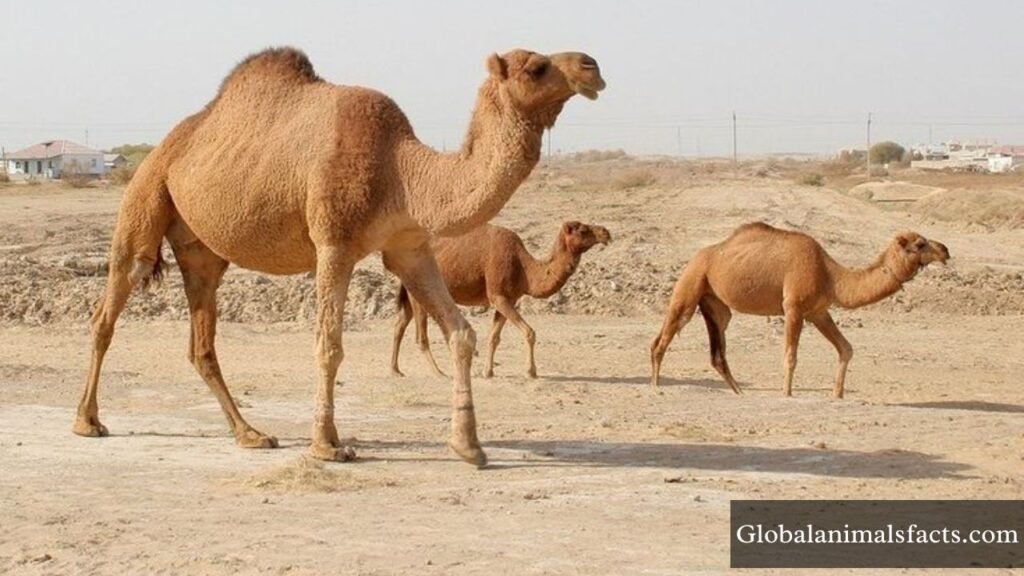
What often goes unnoticed is the camel’s profound social structure and emotional intelligence. Known for forming strong bonds with their handlers and fellow camels, they communicate through a variety of vocalizations and body language. This social intricacy adds depth to their seemingly humble existence, revealing a level of empathy and cooperation that enriches our perspective on animal behavior.
Cow
Scientific name: Bos taurus
Class: Mammalia
Diet: Herbivore
Cows often evoke a sense of calmness and tranquility, embodying a humble spirit that resonates deeply with those who encounter them. These gentle giants possess an extraordinary capacity for social bonding; they form intricate relationships with their herd mates, displaying emotions that range from joy to sorrow. Observing cows in a pasture reveals a world where mutual grooming and vocal communication create a tapestry of life that is as rich as any human community.
Pigeon
Scientific name: Columba livia
Class: Aves
Diet: Omnivore
Pigeons often flutter through our cities, overlooked yet surprisingly resilient. These adaptable birds have a rich history, once serving as messengers during wars and crucial allies in agriculture, recognized for their keen navigational skills. While many see them as mere urban nuisances, their ability to thrive in diverse environments speaks to their unwavering tenacity, making them a symbol of survival in the hustle of modern life.
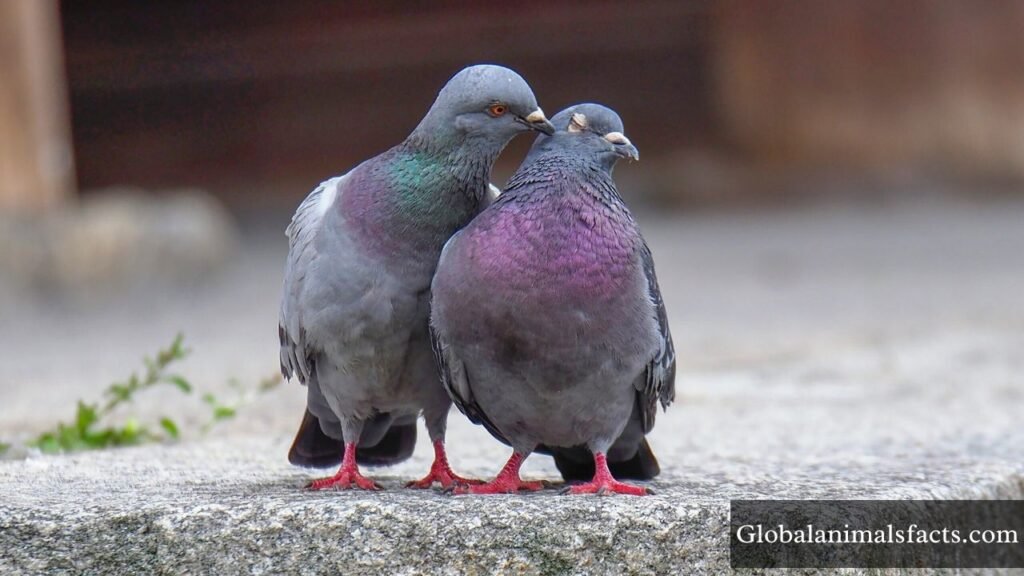
Their intelligence is another compelling aspect, as pigeons possess the remarkable ability to recognize themselves in mirrors, a trait shared with only a few animal species. In addition to their impressive cognitive capabilities, pigeons have strong social structures, often forming lifelong bonds with partners.
Elephants
Scientific name: Loxodonta africana
Class: Mammalia
Diet: Herbivore
Elephants are often seen as gentle giants, embodying a rare blend of strength and sensitivity. Their intricate social structures reveal a deep emotional intelligence, as these animals form lifelong bonds within their matriarchal herds. Observing them in the wild, one can witness not just their remarkable problem-solving abilities but also a profound capacity for empathy; they comfort one another in times of stress and even mourn their deceased. This behavioral richness forces us to reconsider the boundaries between human and animal emotions, inviting a deeper appreciation for the silent wisdom they embody.
Rabbit
Scientific name: Oryctolagus cuniculus
Class: Mammalia
Diet: Herbivore
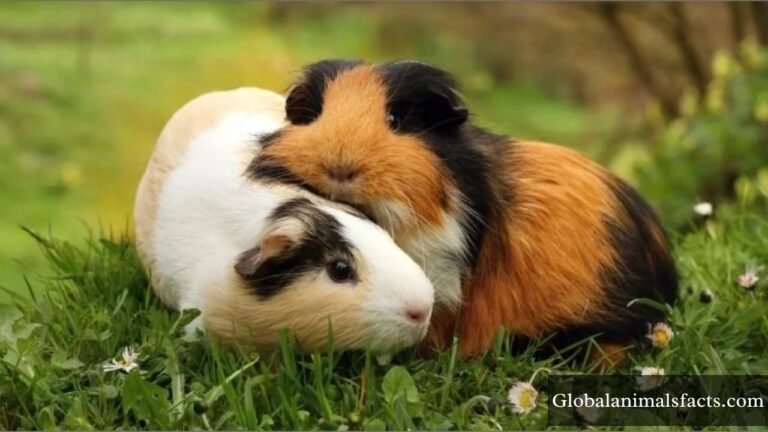
Rabbits, often characterized by their gentle demeanor and floppy ears, embody a quiet strength that belies their small stature. These creatures, with their twitching noses and vibrant personalities, are not just symbols of innocence; they play a significant role in their ecosystems. As herbivores, they help control plant growth, which, in turn, supports a diverse range of wildlife. Their burrowing habits aerate the soil, promoting healthier vegetation, and their presence in nature reflects a finely-tuned balance that sustains life.
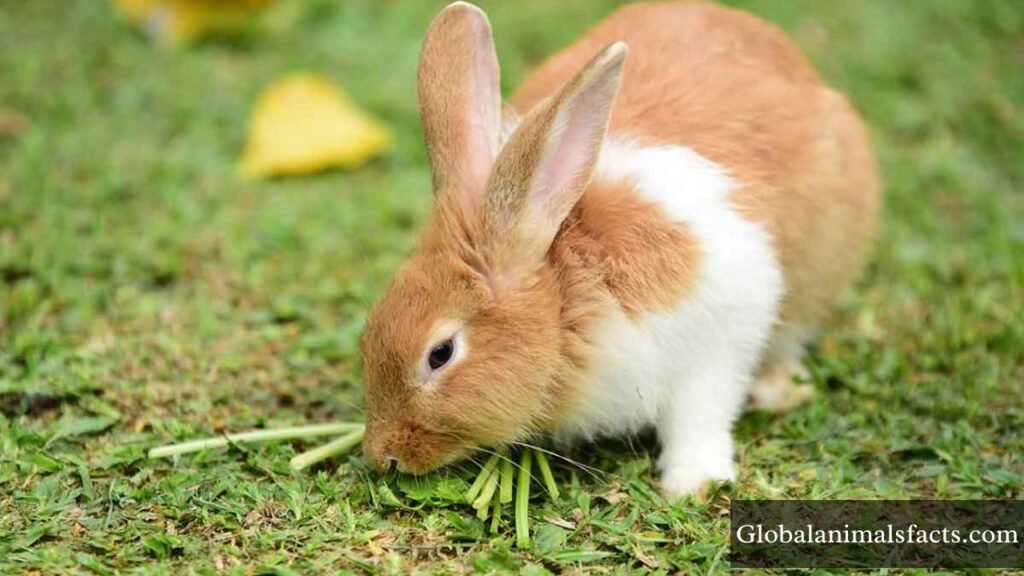
Moreover, rabbits are often seen as embodiments of resilience. In the wild, they must navigate a landscape filled with predators while still creating safe havens for their young. This instinctual adaptability is mirrored in their behavior domestically; they form deep bonds with humans and can thrive in various living situations.
Dogs
Scientific name: Canis lupus familiaris
Class: Mammalia
Diet: Omnivore
Dogs, often labeled as “man’s best friend,” embody an extraordinary blend of loyalty, empathy, and resilience. They have an uncanny ability to intuitively read human emotions, often stepping in to offer comfort during life’s trials. This emotional intelligence not only strengthens the bond between dog and owner but also serves to create a profound sense of companionship. Whether it’s a wagging tail or a gentle nuzzle, dogs communicate in ways that words sometimes fail to capture.
What’s fascinating is how dogs adapt to the varying emotional landscapes of their humans. They sense our joys and sorrows, often adjusting their behavior to comfort or celebrate alongside us. This instinctual empathy showcases not just their intuitive nature but also a lesson in selflessness. In their world, love is given freely, without conditions — an inspiring reminder of the power of genuine connection in a fast-paced, often self-absorbed society.
Sheep
Scientific name: Ovis aries
Class: Mammalia
Diet: Herbivore
Sheep, often overlooked, are fascinating creatures that embody a quiet strength. Their social nature reveals a complex hierarchy within the flock, showcasing their intelligence and emotional depth. Researchers have discovered that sheep can recognize individual faces, both human and ovine, demonstrating more sophistication than we typically attribute to them. This ability helps them form bonds and navigate the intricate social dynamics of their community.
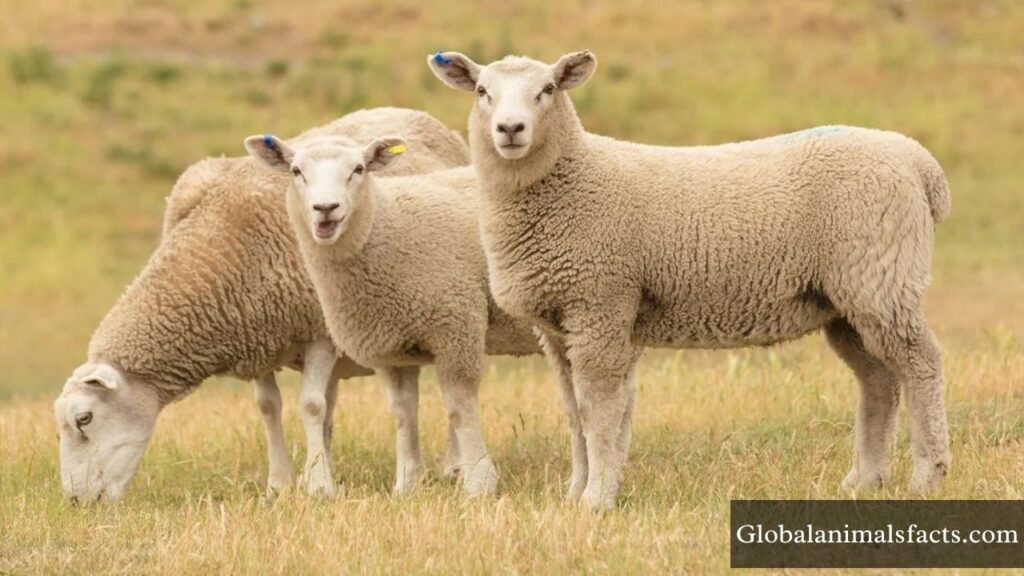
Beyond their woolly exterior, sheep play a vital role in sustainable agriculture. Their grazing habits help maintain healthy ecosystems, preventing overgrowth and promoting biodiversity. They can thrive in harsh environments, making them key allies in regenerative farming practices.
Deer
Scientific name: Cervus elaphus
Class: Mammalia
Diet: Herbivore
Deer embody a unique blend of grace and humility, often evoking a sense of tranquility in their presence. These gentle creatures navigate their environments with a quiet elegance, showcasing a remarkable ability to adapt while remaining unobtrusive. Unlike many animals that exhibit aggressive behaviors to establish dominance, deer prioritize peace, often retreating at the first sign of danger. This instinctual aversion to conflict demonstrates their humble nature, reinforcing their role as both prey and a vibrant member of the ecosystem.
What truly captivates observers is the social dynamic within deer herds. Mature males, known as bucks, often yield to the more dominant males during mating season, showcasing a fascinating natural hierarchy that doesn’t rely on brute force but on respect and instinct. Female deer, too, play a crucial role in maintaining harmony within the group, nurturing fawns with patience and gentle guidance. In essence, the deer remind us that strength can manifest not just in power, but in the art of coexistence and the wisdom of humility.
Turtles
Scientific name: Testudines
Class: Reptilia
Diet: Varies by species (herbivore / omnivore / carnivore)
Turtles embody the essence of patience and resilience. With their slow, deliberate movements, they remind us of the beauty in taking life one step at a time. Contrary to popular belief, their speed isn’t always a disadvantage; it allows them to observe their surroundings closely, fostering a deep connection with nature. This unhurried pace can teach us valuable lessons about mindfulness in our hectic lives.
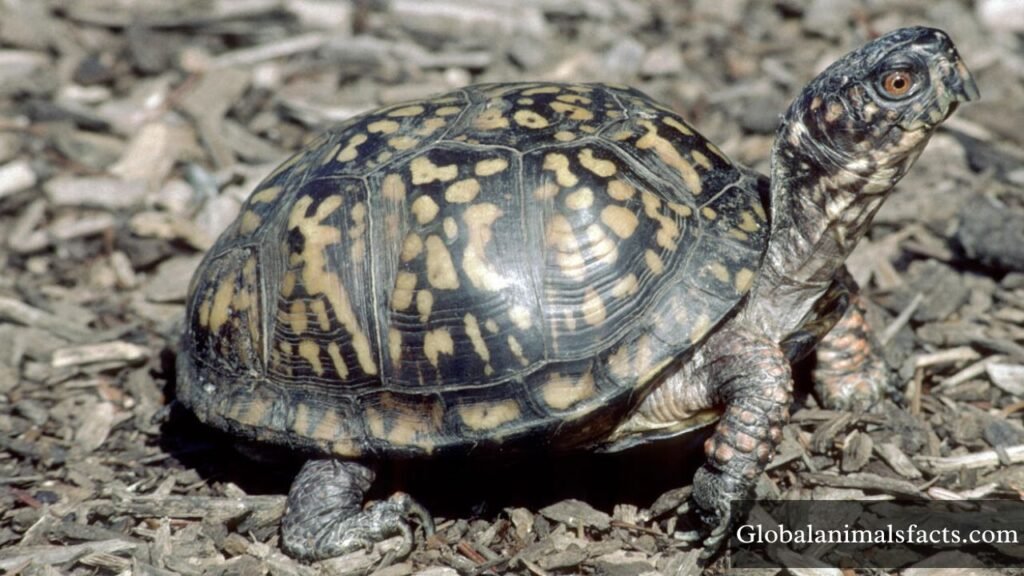
Beyond their stoic appearances, turtles are remarkable navigators. Some species migrate thousands of miles, displaying an innate ability to return to their spawning grounds, guided by Earth’s magnetic fields. This natural GPS is a testament to their incredible resilience and adaptability.
Goat
Scientific name: Capra aegagrus hircus
Class: Mammalia
Diet: Herbivore
Goats are often underestimated, yet they embody a unique blend of intelligence and playfulness. Their curious nature leads them to explore their environment, pushing boundaries that reveal their problem-solving skills. From navigating rocky terrains to finding clever ways to escape enclosures, goats showcase an incredible resourcefulness that inspires awe. They communicate through a variety of vocalizations and even body language, fostering a surprisingly complex social structure within their herds.
Beyond their antics, goats play a vital role in sustainable agriculture. Thanks to their voracious appetites, they excel at keeping invasive plants in check, contributing to the health of their ecosystems. Moreover, they provide not just milk and fiber but also companionship, striking bonds with both humans and other animals. Observing these creatures reveals a world of humble confidence; they remind us that sometimes the smallest of beings have the largest impact.
Readmore: Explore Top 9 Animals with Trunks.
Final Thoughts
In a world where arrogance often overshadows humility, it is refreshing to observe how animals embody this admirable trait. From the gentle strength of elephants to the quiet grace of dolphins, these creatures remind us of the power of modesty. Their interactions highlight the importance of community and empathy, showing that humility is not a weakness but rather a strength that fosters connections. Observing these animals can inspire us to reflect on our behavior and strive for a more grounded existence. Let us embrace the lessons of humility that nature offers and apply them in our own lives.
FAQs
What animals are humble?
Humility in animals can be a bit subjective, but certain species exhibit traits that reflect a humble nature. For instance, elephants are known for their gentle demeanor and strong social bonds, often showing empathy and caring for one another. Their behavior demonstrates a level of humility, especially as they navigate complex social structures without seeking dominance. Dolphins are often viewed as humble creatures. They’re highly intelligent and social, yet they frequently engage in cooperative behaviors, helping injured or distressed members of their pods. This selfless attitude suggests a humility that stands out in the animal kingdom. Other examples include certain bird species like penguins, which work together and display nurturing behaviors rather than seeking individual glory.
What is the most humble animal in the world?
Dogs are often considered the most humble animals in the world. Their loyalty and devotion to humans are unmatched. Whether they’re wagging their tails when you come home or offering comfort during hard times, dogs demonstrate an unwavering love that exudes humility. They don’t demand much in return — just a bit of affection, some food, and a warm spot to rest. This selfless nature makes them stand out in the animal kingdom. Their ability to forgive and remain by our side, no matter the circumstances, truly embodies what it means to be humble.