Top 18 Independent Animals in The World (With Images)
Ever wonder how certain animals manage to thrive solo in the wild while others depend on social structures for survival? This article uncovers the intriguing realm of independent animals in the world, highlighting their unique abilities to live autonomously. By examining these remarkable creatures, we can gain insight into the resilience and adaptation found in nature. Whether you’re an animal enthusiast or just curious about survival strategies, you’re in for a fascinating exploration of life’s lone survivors.
List of Independent Animals in The World
Below is the list of animals that are independent:
| Number of Animals | Names of Animals That are Independent |
| 1 | Raccoons |
| 2 | Wolverine |
| 3 | Octopus |
| 4 | Tiger |
| 5 | Koala |
| 6 | Cheetah |
| 7 | Sloths |
| 8 | Great White Shark |
| 9 | Jaguar |
| 10 | Platypus |
| 11 | Red Fox |
| 12 | Orangutan |
| 13 | Crocodiles |
| 14 | Polar Bear |
| 15 | Snow Leopard |
| 16 | Cougar |
| 17 | Sea Turtles |
| 18 | Moles |
Raccoons
Scientific Name: Procyon lotor
Class: Mammalia
Diet: Omnivore
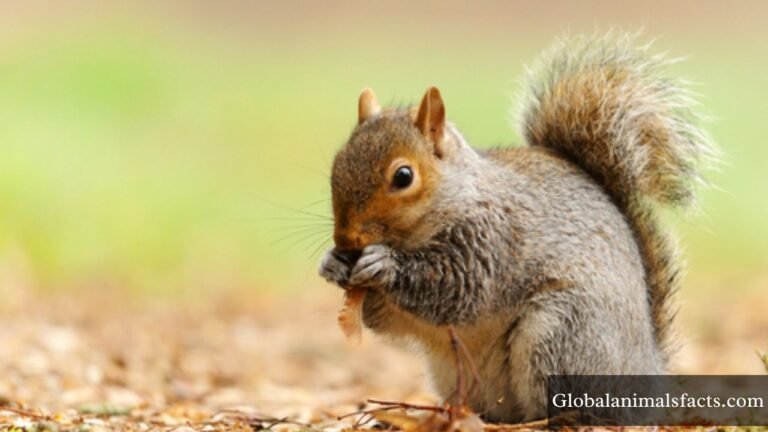
Raccoons are the quintessential emblem of independence in the animal kingdom, showcasing intelligence wrapped in a layer of mischief. Their dexterous front paws allow them to manipulate objects with surprising finesse, making them adept scavengers in urban environments. This adaptability has fueled their survival in a world increasingly dominated by human activity, illustrating the remarkable ability of wildlife to thrive under changing conditions. Every night, as dusk falls, these masked bandits embark on nocturnal adventures, exploring their urban jungles with a blend of curiosity and resourcefulness.
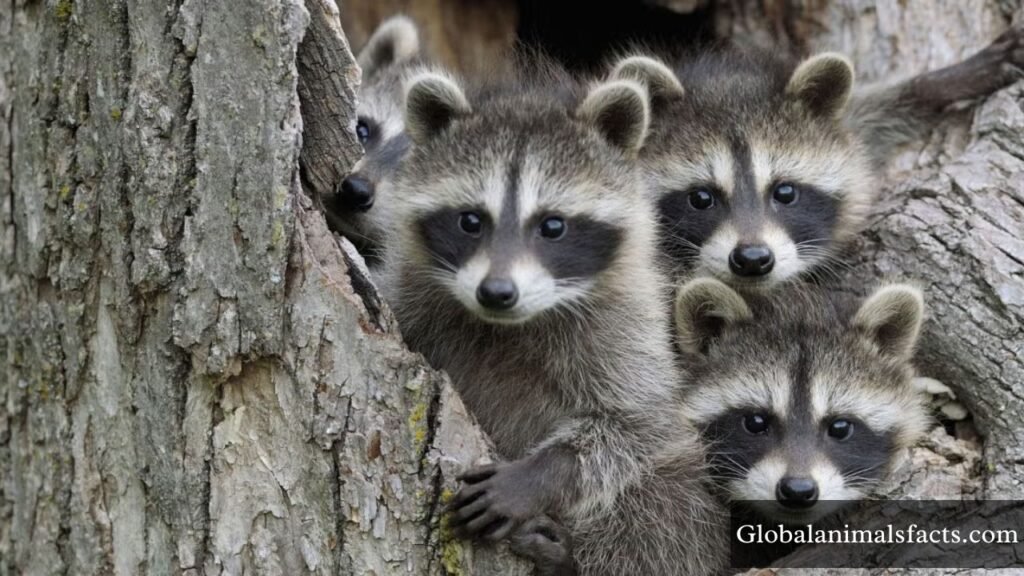
What truly sets raccoons apart is their communal yet solitary nature. While they may forage alone, they form social bonds through play and grooming, showcasing their complex social dynamics. This balance between independence and interaction speaks volumes about their adaptive strategies — traits we might learn from. Their ability to navigate both wild and suburban landscapes serves as a reminder that nature’s ingenuity knows no bounds, challenging us to appreciate the wild inhabitants that share our spaces.
Wolverine
Scientific Name: Gulo gulo
Class: Mammalia
Diet: Carnivore
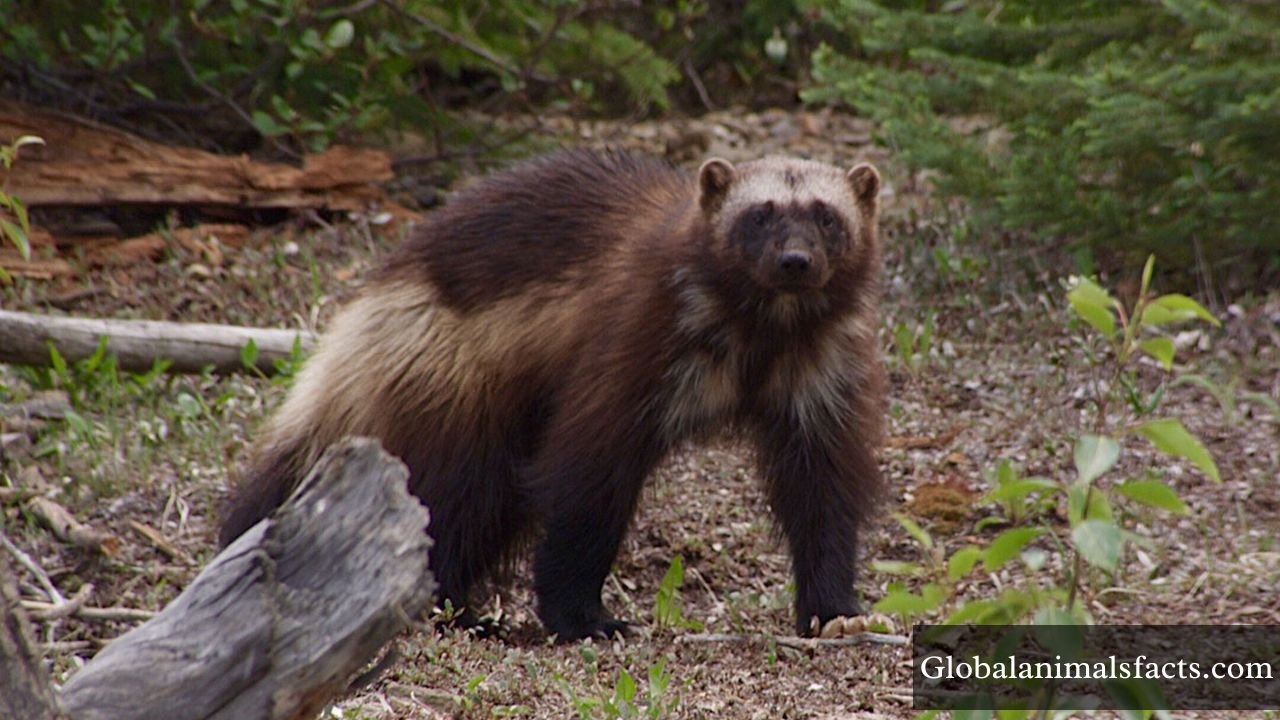
Wolverines, often overshadowed by larger predators, epitomize resilience and independence in the wild. These tenacious mammals, with their thick fur coats and powerful bodies, navigate some of the harshest terrains across the northern hemisphere. Surprisingly, their solitary nature enhances their survival; wolverines are adept opportunists, scavenging and hunting with a versatility that allows them to thrive in rugged environments. Their reputation as fierce scavengers is not unwarranted — these animals will fearlessly confront prey many times their size, showcasing a blend of audacity and resourcefulness.
What truly captivates observers is the wolverine’s role in its ecosystem. As a keystone species, it indirectly supports biodiversity by controlling populations of other animals and helping to recycle nutrients through scavenging. In a world increasingly impacted by climate change, these solitary creatures are also indicators of environmental health, signaling shifts in ecosystem dynamics.
Octopus
Scientific Name: Octopus vulgaris
Class: Cephalopoda
Diet: Carnivore
Octopuses are marvels of intelligence and independence, wielding unique adaptations that set them apart in the animal kingdom. With three hearts and blue blood, their physiology is as fascinating as their behavior. These invertebrates possess remarkable problem-solving abilities, often escaping from enclosures or unscrewing jar lids to access food, showcasing their resourcefulness and curiosity. Unlike many animals that thrive in social groups, octopuses are solitary creatures — each one fiercely territorial, favoring a lifestyle of self-sufficiency.
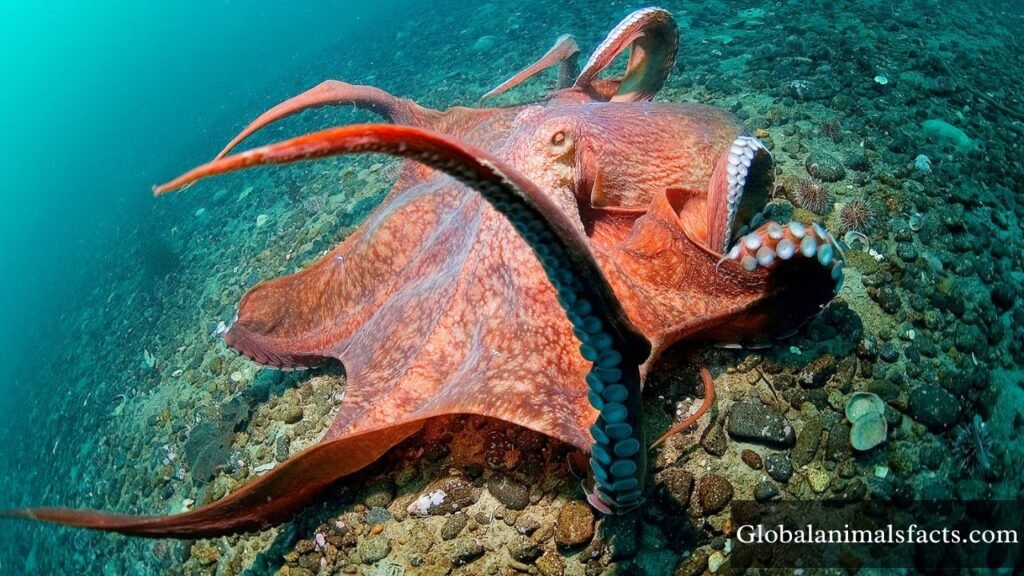
Their ability to blend seamlessly into their surroundings through advanced camouflage speaks to their independence as well. Using specialized skin cells called chromatophores, they can quickly change color and texture, evading predators with artistry and precision. This talent not only aids in survival but serves as a captivating display of their complex nervous system and cognitive skills.
You can also read: Explore Top 30 Shy Animals in The World.
Tiger
Scientific Name: Panthera tigris
Class: Mammalia
Diet: Carnivore
Tigers, the majestic emblems of the wild, encapsulate a paradox of beauty and ferocity. Unlike many social animals, tigers are solitary creatures, thriving in their independence. This solitary lifestyle is not merely a preference; it is a strategy honed through evolution. Their need for vast territories — sometimes spanning over 100 square miles — ensures they have ample space to hunt and flourish away from competition. This independence also shapes their hunting tactics, where stealth and solitary ambush prove far more effective than group dynamics.
Moreover, tigers embody the essence of adaptability. They are not confined to a single habitat but can thrive in diverse environments, from dense tropical forests to open grasslands and even snowy terrains. This versatility makes them formidable hunters, capable of adjusting their strategies based on prey type and environmental conditions.
Koala
Scientific Name: Phascolarctos cinereus
Class: Mammalia
Diet: Herbivore
Koalas, often perceived as cuddly icons of Australia, lead surprisingly independent lives that defy their gentle appearance. Found predominantly in eucalyptus forests, these marsupials have an intriguing adaptation to their environment: they thrive on a diet of eucalyptus leaves, which are notoriously low in nutrients. This specialized diet necessitates a solitary lifestyle, as they spend long hours munching on leaves and napping — up to 18-20 hours a day. Such a routine not only aids in energy conservation but also reduces competition for food, allowing them to carve out their own territory in the treetops.
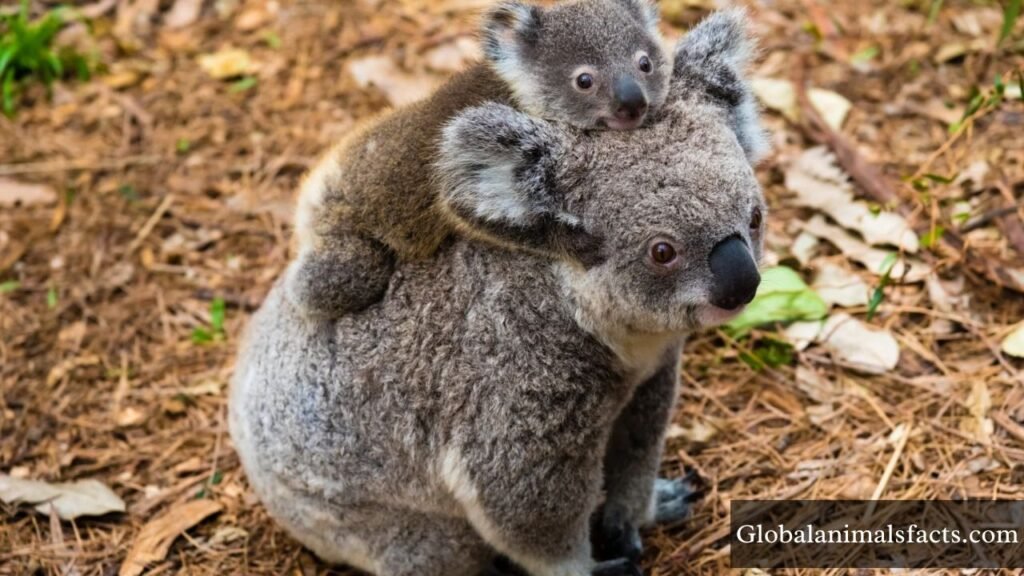
Yet, there’s more to their independence than mere survival strategies. Koalas communicate through a series of low-frequency bellows, creating a unique signature that can resonate through the forest. This vocalization serves as a tool for asserting territorial boundaries rather than forming social bonds, reinforcing their solitary nature. The challenges posed by habitat loss and climate change have prompted conservationists to underscore their independence, urging the preservation of isolated eucalyptus groves. In a world increasingly dominated by human activity, the koala stands as a poignant reminder of the delicate balance necessary for the survival of independent species in their natural habitats.
Cheetah
Scientific Name: Acinonyx jubatus
Class: Mammalia
Diet: Carnivore
The cheetah, often celebrated for its unmatched speed, showcases a fascinating blend of independence and social behavior. While typically solitary creatures, these graceful felines exhibit a unique social structure in some contexts. Males often form small groups called “coalitions,” usually comprised of littermates, which aids in territory defense and hunting efficiency. This nuanced social behavior reveals that even the most independent animals can find strength in unity, challenging our assumptions about solitary species.
Cheetahs are not just defined by their speed; their hunting strategy reflects an impressive intelligence and adaptability. Unlike other big cats that rely heavily on stealth to ambush prey, cheetahs use their remarkable eyesight and keen awareness of their surroundings to identify targets from a distance. Their signature sprint — capable of reaching up to 75 miles per hour — results in a high-stakes chase that relies on short bursts of energy rather than endurance. This remarkable adaptation highlights how evolution has honed their skills for survival, showcasing the delicate balance between independence and the demands of their environment.
Readmore: Explore Top 14 Animals With Big Ears.
Sloths
Class: Mammalia
Diet: Herbivore
Sloths are the epitome of leisurely living, embodying a lifestyle that many of us envy yet rarely pursue. These fascinating creatures, with their slow-paced movements and tranquil demeanor, thrive in the dense canopies of Central and South American rainforests. While their relaxed nature might suggest they lead unremarkable lives, sloths are extraordinary in their adaptations; their unique physiology allows them to convert their low-energy diet of leaves into sustenance with incredible efficiency. This unconventional approach not only conserves energy but also reduces their need for frequent movement, allowing them to dodge predators and engage in a discreet existence.
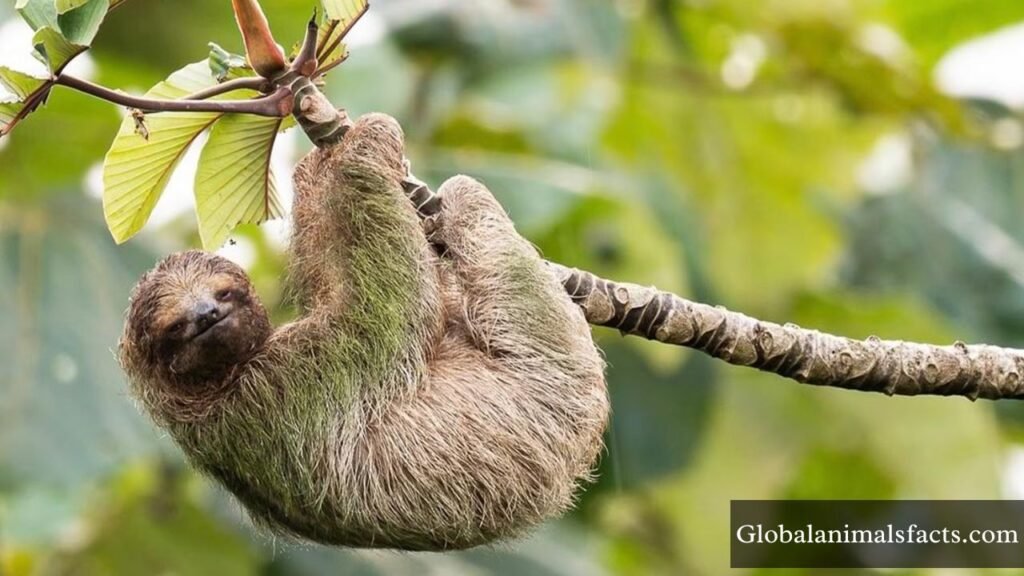
But sloths are more than just masters of stillness. Their impressive symbiotic relationships with algae, which often grow on their fur, highlight a complex ecological interdependence that showcases the intricacies of their ecosystems. This algae not only provides them with camouflaging benefits but also serves as a habitat for other tiny organisms, creating vibrant micro-ecosystems on their bodies. As guardians of their forest homes, sloths play a crucial role in maintaining the balance of their environment, reminding us that even the quietest lives can have profound impacts on their surroundings.
Great White Shark
Scientific Name: Carcharodon carcharias
Class: Chondrichthyes
Diet: Carnivore
The great white shark, often dubbed the ocean’s apex predator, embodies a unique blend of independence and power. Unlike many species that exhibit social behaviors, great whites thrive in solitude, navigating vast oceanic expanses with a grace that belies their formidable reputation. This solitary lifestyle allows them to hone their hunting skills, relying on instincts honed over millions of years. Their keen sensory systems, particularly the ampullae of Lorenzini, enable them to detect the faintest electrical impulses, making them unparalleled hunters in the deep.
In essence, the great white’s independence represents a sophisticated evolutionary strategy. By avoiding social structures, they minimize competition for resources, allowing them to dominate their niche effectively. Interestingly, recent studies suggest that their solitary nature doesn’t preclude interaction; great whites exhibit a complex awareness of other individuals, often forming loose associations during feeding events. This blend of solitary prowess and nuanced social dynamics paints a portrait of a creature not merely surviving, but thriving in the intricate tapestry of marine life.
Jaguar
Scientific Name: Panthera onca
Class: Mammalia
Diet: Carnivore
In the dense rainforests and rugged mountains of Central and South America, the jaguar stands as a symbol of independence and solitary power. Unlike their more social big cat relatives, jaguars are the ultimate loners, navigating their territories with an unmatched grace. Their elusive nature allows them to remain largely undetected, embodying the essence of stealth and independence — a vital trait in a world where habitats are being rapidly lost.
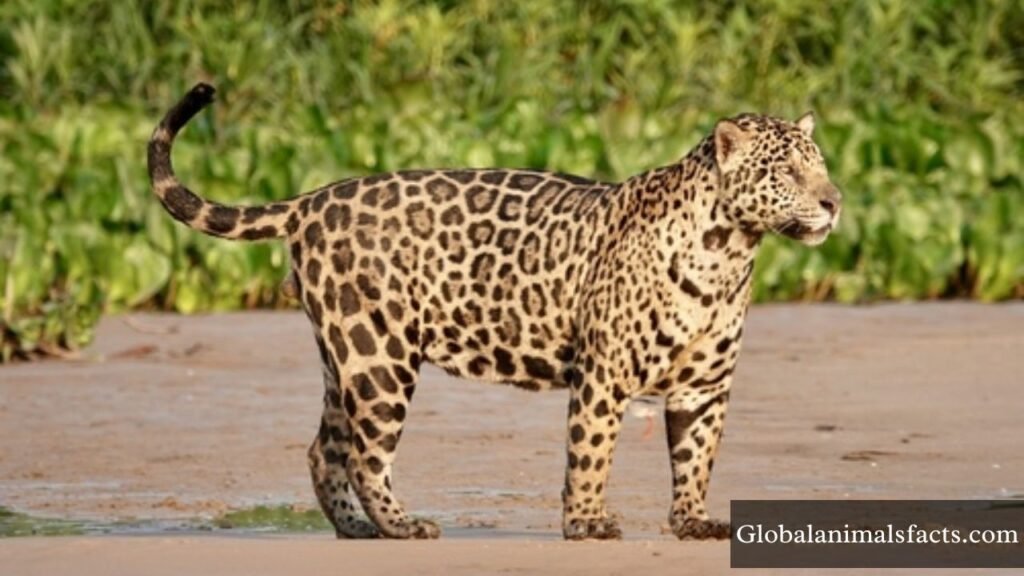
What makes jaguars fascinating is not just their solitary behavior but also their unique hunting prowess. They possess the strongest bite force of all felines, allowing them to pierce the shells of armor-plated reptiles like turtles. This adaptability showcases their independence, as they thrive in diverse environments — be it swamps, grasslands, or tangled forests — against all odds. The survival of the jaguar is a reminder of the enduring power of resilience and self-reliance in nature, urging us to reflect on the importance of preserving their habitats for future generations.
Also read: Explore Top 15 Animals That Walk Slowly.
Platypus
Scientific Name: Ornithorhynchus anatinus
Class: Mammalia
Diet: Carnivore
The platypus, a fascinating creature native to Australia, embodies nature’s whimsy, defying conventional categorizations. With its duck-like bill, otter-like body, and beaver-like tail, this mammal is a reminder of evolution’s playful side. A notable feature is its ability to sense electric fields in the water, allowing it to hunt with precision in murky conditions, an adaptation that highlights its independence as a forager. This unique sensory perception not only enhances its survival skills but also speaks to the intricate balance of nature, where every adaptation serves a purpose.
Intriguingly, the platypus is one of the few venomous mammals, with males sporting spurs capable of delivering a painful sting. This unsettling trait underscores the platypus’s independence, as it relies on a mix of physical prowess and biological uniqueness to navigate challenges in both aquatic and terrestrial environments. Furthermore, its method of reproduction — laying eggs while still being a mammal — adds a layer of complexity to its identity.
Red Fox
Scientific Name: Vulpes vulpes
Class: Mammalia
Diet: Omnivore
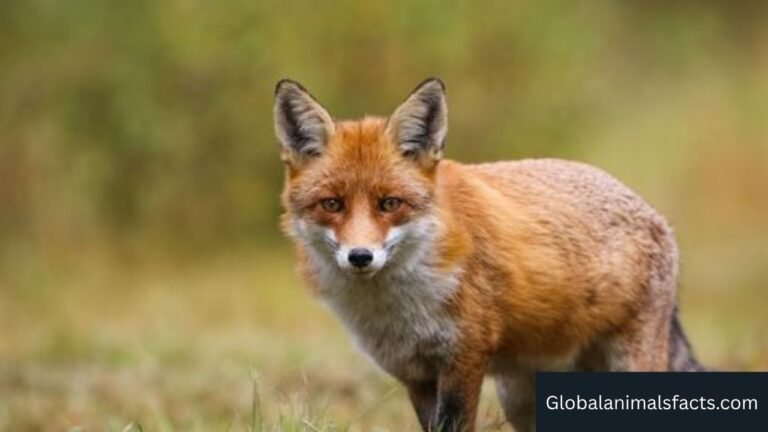
The red fox, with its fiery coat and sly demeanor, embodies the essence of independence in the animal kingdom. Known for their adaptability, these clever canids thrive in a variety of habitats, from bustling urban environments to serene woodlands. Their keen intelligence allows them to navigate complex landscapes, using their acute hearing to detect prey even in the thickest underbrush. Unlike many other species that rely heavily on social structures, red foxes often embrace solitary hunting, showcasing their resourcefulness and cunning instincts.
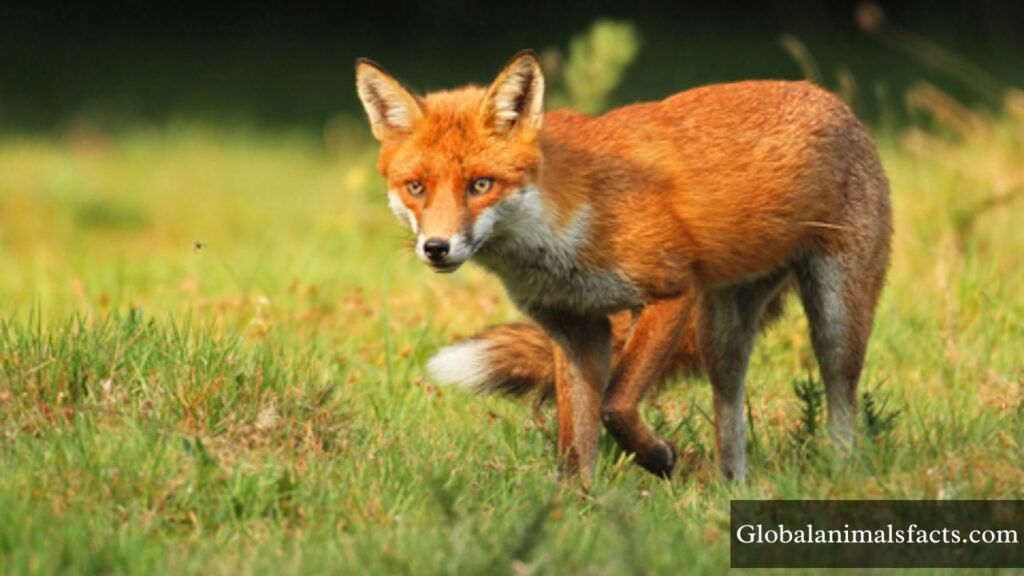
What makes the red fox particularly fascinating is its diverse range of vocalizations. Beyond the iconic “bark,” these animals communicate through a series of screams, howls, and chirps, creating a rich tapestry of sounds that echo through their territories. This vocal repertoire not only reinforces their independence but also highlights their intelligence — each call serves a purpose, whether it’s attracting a mate or asserting dominance.
Orangutan
Class: Mammalia
Diet: Omnivore
Orangutans epitomize independence in the animal kingdom, showcasing an unparalleled mastery of their arboreal environment. Unlike many social primates, these solitary creatures have developed a profound relationship with their surroundings — navigating the dense rainforests of Borneo and Sumatra with grace and determination. Their ability to create tools, from using sticks to extract insects to fashioning leaves into makeshift umbrellas, highlights their intelligence and resourcefulness, qualities often overlooked in discussions about social behavior.
Moreover, orangutans engage in periodic social interactions that defy their solitary reputation. These encounters, usually between mothers and their young or occasional friendships among peers, reflect a nuanced understanding of social dynamics — suggesting that independence doesn’t strictly mean isolation. As these magnificent creatures face the dual crises of habitat loss and poaching, their story becomes a poignant reminder of the importance of fostering a deeper appreciation for their autonomy and intelligence, urging us to rethink our relationship with the natural world. By protecting their habitats, we honor not only their independence but also the intricate web of life that sustains our planet.
Readmore: Explore Top 8 Mammals That Cannot Jump.
Crocodiles
Scientific Name: Crocodylus
Class: Reptilia
Diet: Carnivore
Crocodiles, often perceived as ruthless apex predators, embody a fascinating blend of ancient history and adaptive prowess. These reptiles have inhabited Earth for over 200 million years. Their remarkable ability to thrive in diverse habitats — from freshwater rivers to brackish coastal regions — demonstrates not just adaptability, but an unparalleled connection to their environments. Unlike many animals that rely on social structures, crocodiles are the ultimate independent creatures, mastering their surroundings with a solitary approach to hunting and survival.
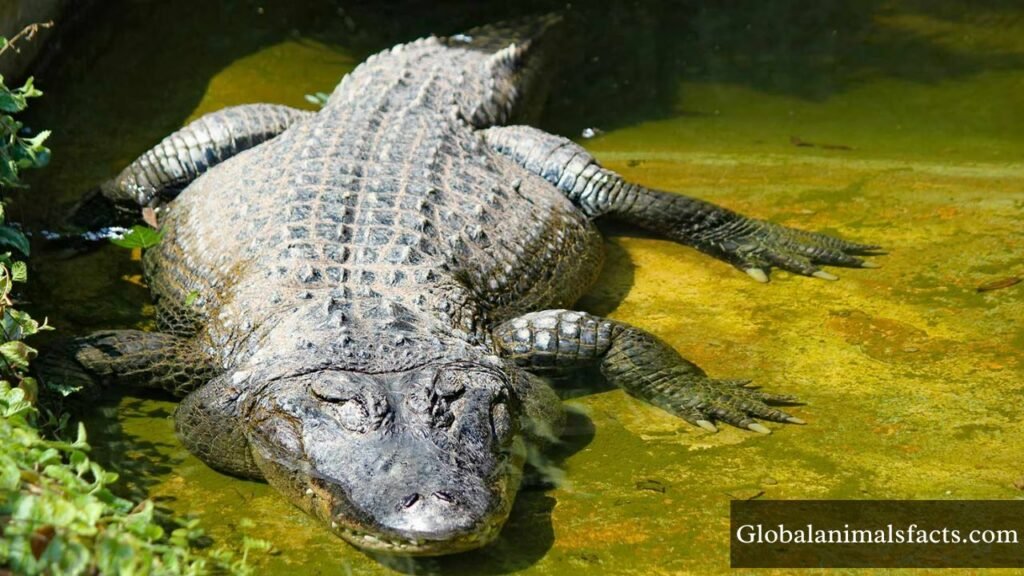
What sets crocodiles apart is their intricate behavior and intelligence. They use a combination of stealth and patience, often lying still for hours, waiting for the perfect moment to strike. This calculated hunting technique showcases their strategic minds, revealing a layer of intelligence that goes unnoticed by many. Crocodile mothers display unexpected nurturing behaviors, guarding and guiding their hatchlings to water, which fundamentally challenges the notion that independence equates to emotional coldness in the animal kingdom.
In a world where many species struggle with environmental changes, crocodiles stand as symbols of resilience. Their ability to regulate body temperature and ease into various aquatic environments highlights a form of evolutionary ingenuity that few can mimic. Observing these creatures not only enriches our understanding of wildlife but also invites a deeper contemplation on the interconnections between life forms and their ecosystems.
Polar Bear
Scientific Name: Ursus maritimus
Class: Mammalia
Diet: Carnivore
The polar bear epitomizes resilience and independence in the harsh Arctic environment, where it reigns as a formidable predator. With its thick blubber and dense fur, this majestic animal is perfectly adapted to withstand frigid temperatures, showcasing nature’s remarkable ingenuity. However, it’s the polar bear’s solitary lifestyle that truly highlights its strength; largely roaming the vast expanse of ice alone, it embodies a fierce sense of independence, only coming together with mates during the brief summer breeding season.
Interestingly, polar bears exhibit a level of intelligence that allows them to navigate their rapidly changing habitat with impressive adaptability. As ice continues to melt due to climate change, these bears have been observed altering their hunting grounds and methods, displaying not just survival instincts but also a cognitive ability to strategize in the face of adversity. Their solitary nature, while often interpreted as loneliness, can also be seen as a powerful testament to the strength found in self-reliance amid an unforgiving world. Each polar bear serves as a reminder of the delicate balance between independence and community within nature’s intricate web, emphasizing the importance of preserving their habitat to ensure these iconic creatures continue to thrive.
Snow Leopard
Scientific Name: Panthera uncia
Class: Mammalia
Diet: Carnivore
The snow leopard, a magnificent creature of the high Himalayas, epitomizes independence in both behavior and survival strategy. Unlike many other big cats that thrive in groups, this elusive feline has mastered the art of solitude. Their solitary nature isn’t just a preference; it’s a necessity in the vast, rugged terrain they call home. Snow leopards navigate steep cliffs and deep snow, depending on their powerful legs and unique elongated tails for balance and agility, allowing them to hunt with stealth and precision.
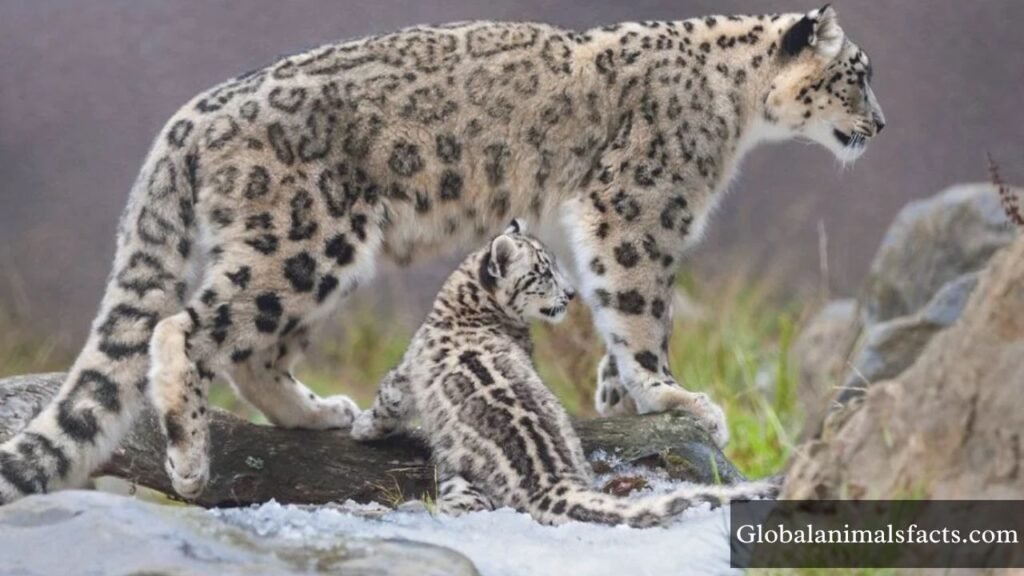
What sets the snow leopard apart is its remarkable adaptation to extreme conditions, reflected not only in its thick, luxurious coat but also in its keen senses that help it detect movement from afar. However, this independent spirit faces challenges; poaching and habitat loss threaten their existence, urging conservationists to advocate for measures that protect not just these magnificent cats, but the intricate ecosystems they represent.
Also read: Explore Top 9 Animals with Trunks.
Cougar
Scientific Name: Puma concolor
Class: Mammalia
Diet: Carnivore
The cougar, often dubbed the mountain lion or puma, epitomizes solitude in the wild. Unlike many other large predators that hunt in packs, cougars are fiercely independent, relying on their solitary instincts and remarkable adaptability. Their ability to thrive in diverse habitats — from dense forests to arid deserts — speaks volumes about their resilience. These creatures are masters of stealth, often employing a combination of patience and precision to stalk their prey, a practice that highlights their individual hunting prowess.
Moreover, the cougar’s elusive nature is both intriguing and vital for maintaining balance within their ecosystems. They play a key role as apex predators, controlling deer populations and ensuring healthier herbivore dynamics. This independence extends beyond hunting; cougars are also skilled at navigating their expansive territories, often spanning hundreds of miles, which reduces competition and allows them to flourish in relative solitude. This unique way of life offers a powerful reminder of the beauty of independence in the animal kingdom, encouraging a deeper appreciation for the complexities of nature and the delicate balance that sustains it.
Sea Turtles
Scientific Name: Chelonia mydas
Class: Reptilia
Diet: Herbivore/Omnivore
Sea turtles are often seen as symbols of independence in the animal kingdom, traversing vast oceans with an elegant grace that captivates observers. Ranging from the majestic leatherback to the tiny Kemp’s ridley, these ancient mariners are a marvel of evolution, having existed for more than 100 million years. One of their most remarkable traits is their innate ability to navigate thousands of miles across open water, returning to the very beaches where they were born to lay their eggs. This extraordinary homing instinct speaks to a level of independence that is both instinctual and awe-inspiring.
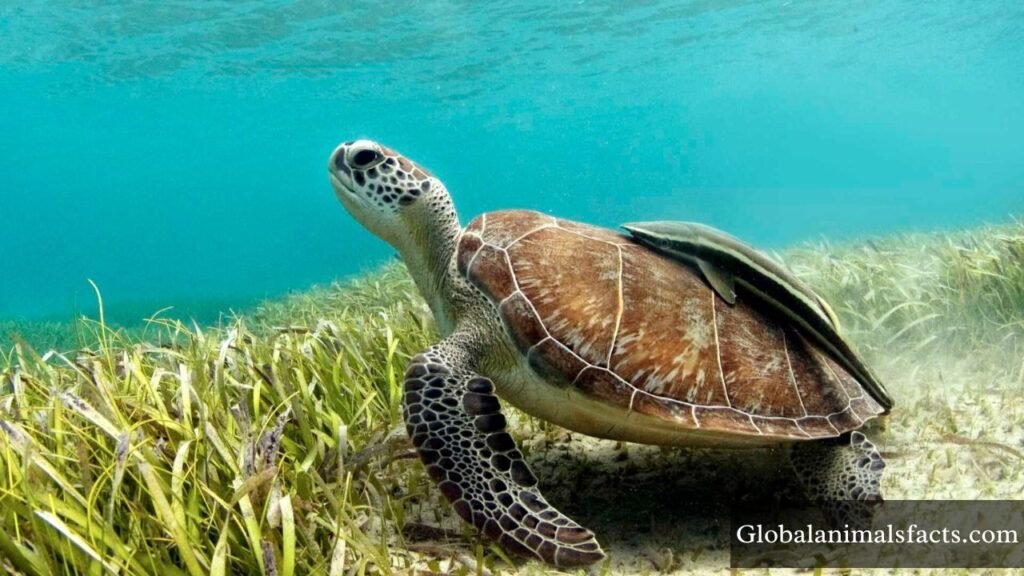
What adds to their enchantment is their solitary nature; unlike many species, sea turtles typically spend their lives alone, venturing into the depths of the ocean without forming permanent social bonds. Each swim can evoke a silent journey of self-discovery, exemplifying their commitment to survival and resilience. In a world increasingly impacted by human activity, their independence often places them at the center of conservation efforts. Protecting their nesting sites and habitats is crucial, not only for the turtles themselves but as a reminder of the fragile balance of marine ecosystems.
Moles
Scientific Name: Talpidae
Class: Mammalia
Diet: Insectivore
Moles are intriguing creatures that thrive beneath our feet, navigating a hidden world teeming with life. Their velvety fur, dense and moisture-resistant, protects them in their subterranean adventures, while their spade-like hands are perfectly designed for digging intricate tunnels. Interestingly, these skilled burrowers contribute significantly to soil aeration, which promotes healthy root systems for plants above ground. Their underground habitats create a unique ecosystem that supports other wildlife, often going unnoticed until one of their characteristic mounds breaks the surface.
From a behavioral standpoint, moles exhibit fascinating independence. Unlike many social animals that thrive in groups, moles are largely solitary, often fiercely territorial. This solitary nature allows them to develop complex tunnels without the interference of others, leading to efficient hunting for insects and earthworms. Furthermore, their keen sense of smell compensates for their poor eyesight, turning them into adept foragers in the dark, which reveals a remarkable adaptation to their underground lifestyle.
Readmore: Explore Top 14 Animals With The Strongest Bite.
Final Thoughts
Independent animals exemplify the strength and ingenuity found in the natural world. These creatures often take the lead in their own survival, illustrating how independence can enhance their chances of thriving amidst challenges. By observing their unique adaptations and behaviors, we gain valuable insights into the complexities of wildlife. Recognizing the importance of these independent beings inspires us to advocate for their protection and preservation. Engage in local conservation initiatives to help ensure that these remarkable animals continue to roam freely.
FAQs
What is the most independent animal in the world?
The octopus is often considered the most independent animal in the world. With its remarkable intelligence and problem-solving skills, it can navigate complex environments and escape predators without relying on a social structure or herd. Each octopus is a solitary hunter, using its ability to camouflage and manipulate objects to find food and shelter. Their ability to regenerate lost limbs adds to their self-sufficiency. Unlike social animals that depend on a group for protection or hunting, octopuses thrive on their own. This independence, combined with their unique behaviors and adaptability, truly sets them apart in the animal kingdom.
What animal is fiercely independent?
The wolverine is a symbol of fierce independence. These solitary creatures are known for their tenacity and strength, often taking on prey much larger than themselves. They roam vast territories, sometimes covering over 30 miles in a single day in search of food, showcasing their self-sufficient nature. Wolverines are also highly adaptable and resilient, thriving in harsh, rugged environments. Their reluctance to rely on others for survival and their ability to outsmart predators make them stand out as one of the most fiercely independent animals in the wild.
What pets are independent?
Cats are among the most independent pets you can own. Unlike dogs, they don’t require constant attention or structured walks. They are perfectly content to explore on their own, take naps in sunny spots, and entertain themselves with toys.