Top 25 Arboreal Animals in The World (With Pictures)
Arboreal animals in the world play a crucial role in maintaining the balance of these rich ecosystems. By exploring their unique adaptations and habitats, this article will not only deepen your appreciation for these incredible creatures but also highlight the importance of conserving their environments. Join us as we dive into the fascinating lives of tree-dwelling animals and their impact on our planet’s health.
List of Arboreal Animals in The World
Below is the list of arboreal animals in the world:
- Sloth
- Koala
- Howler Monkey
- Gibbon
- Slow Loris
- Spider Monkey
- Tree Kangaroo
- Colobus Monkey
- Kinkajou
- Squirrel
- dormouse
- Clouded Leopard
- Margay
- Tree Porcupine
- Green Tree Python
- Orangutan
- Green Iguana
- Binturong
- Flying Squirrel
- Red-Eyed Tree Frog
- Aye-Aye
- Tree Frog
- Emerald Tree Boa
- Chameleon
- Green Tree Monitor
Sloth
Scientific Name: Folivora
Class: Mammalia
Diet: Herbivore
Sloths, often perceived as the epitome of languidness, possess a fascinating adaptation that goes beyond their notoriously slow movements. Their unique physiology allows them to thrive in the treetops of Central and South America, where their remarkably long limbs and powerful claws help them effortlessly cling to branches. This arboreal life is not just about surviving; it’s a carefully honed lifestyle that protects them from predators while enabling them to exploit the rich tapestry of their canopy habitat, which provides a steady supply of leaves — a food source that is low in calories yet high in fibrous goodness.
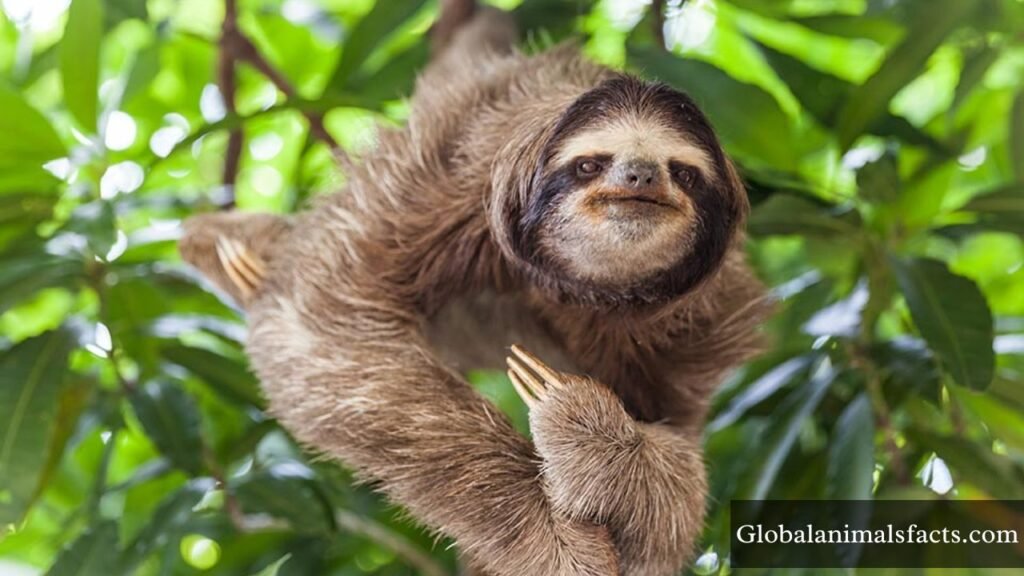
But there’s more to sloths than their lethargic reputation suggests. These creatures harbor symbiotic relationships with their environment that are both remarkable and essential. The algae that grow on their fur not only provide them with camouflage against predators but also support a mini-ecosystem of insects and other microorganisms, showcasing a beautiful example of nature’s interconnectedness. By moving so slowly and spending most of their time hanging upside down, sloths have become masters of energy conservation, evolving in a way that allows them to remain efficient in an environment where every calorie counts.
Koala
Scientific Name: Phascolarctos cinereus
Class: Mammalia
Diet: Herbivore
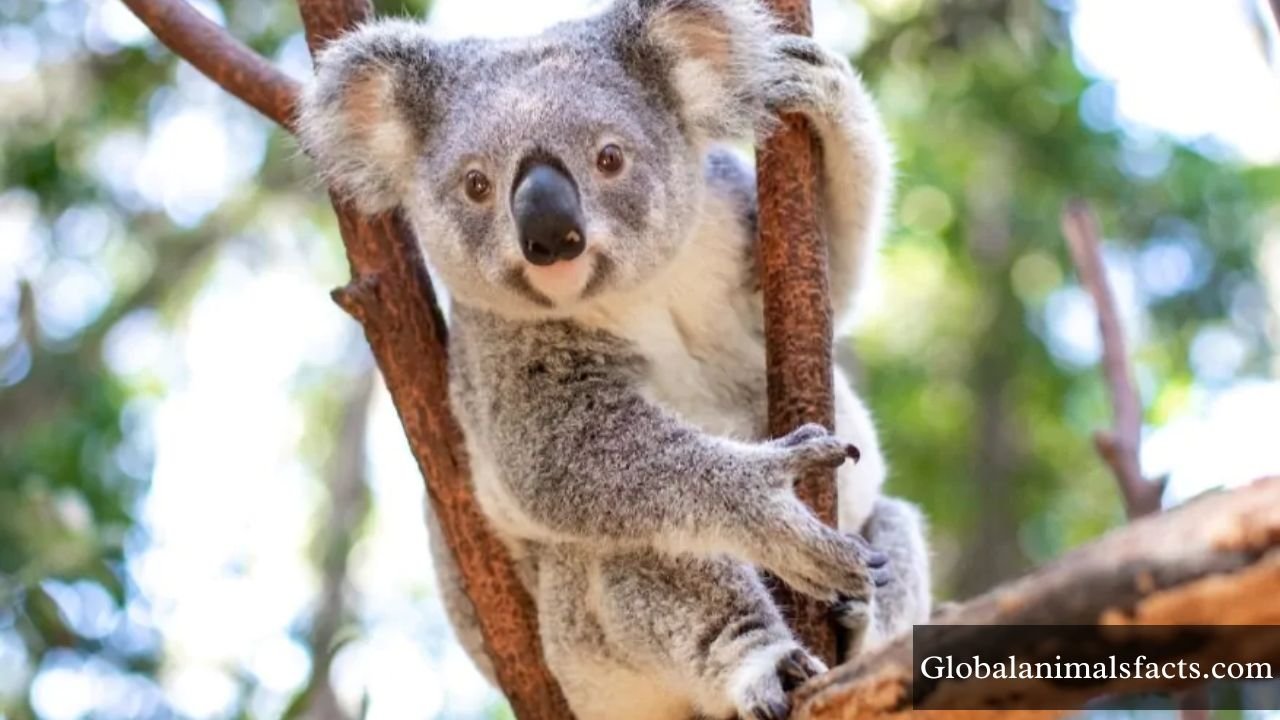
Koalas, often mistaken for cuddly teddy bears, are fascinating creatures that embody the complexities of arboreal life. Unlike most mammals, koalas are highly specialized for living in eucalyptus trees, with strong, curved claws that allow them to grip branches firmly as they navigate the treetops. Their unique diet is equally astonishing; koalas primarily consume eucalyptus leaves, which are toxic to most animals. However, their specialized digestive systems are equipped with a complex arrangement of gut bacteria that detoxifies these leaves, enabling them to extract essential nutrients while wasting little energy.
In addition to their dietary adaptations, koalas display intriguing social behaviors, often seen grooming each other to maintain hygiene and strengthen social bonds within their groups. This meticulous grooming is not only about cleanliness; it also plays a crucial role in their communication and social structure within their limited home ranges. As they balance the energy-intensive task of climbing and foraging with long hours of sleep — up to 20 hours a day — koalas represent a remarkable example of adaptation and survival in a challenging arboreal environment. Understanding these creatures provides a window into the delicate ecosystems of eucalyptus forests and highlights the importance of conservation efforts to protect their dwindling habitats.
Howler Monkey
Scientific Name: Alouatta
Class: Mammalia
Diet: Herbivore
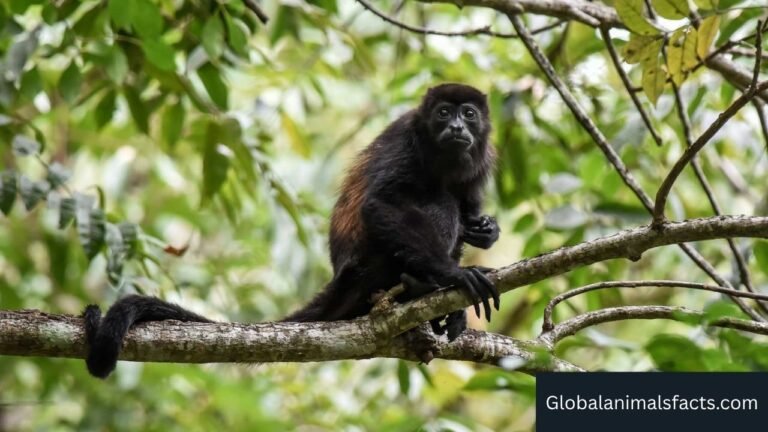
Howler monkeys, with their distinctive vocalizations echoing through the treetops, offer a fascinating glimpse into the complex social structures of arboreal life. Their howls, which can travel over three miles, serve not only as a means of communication but also as a way to establish territory among rival troops. This vocal prowess underscores their role as social beings, where sound plays a critical role in maintaining group cohesion and navigating the dense canopies of Central and South American forests.
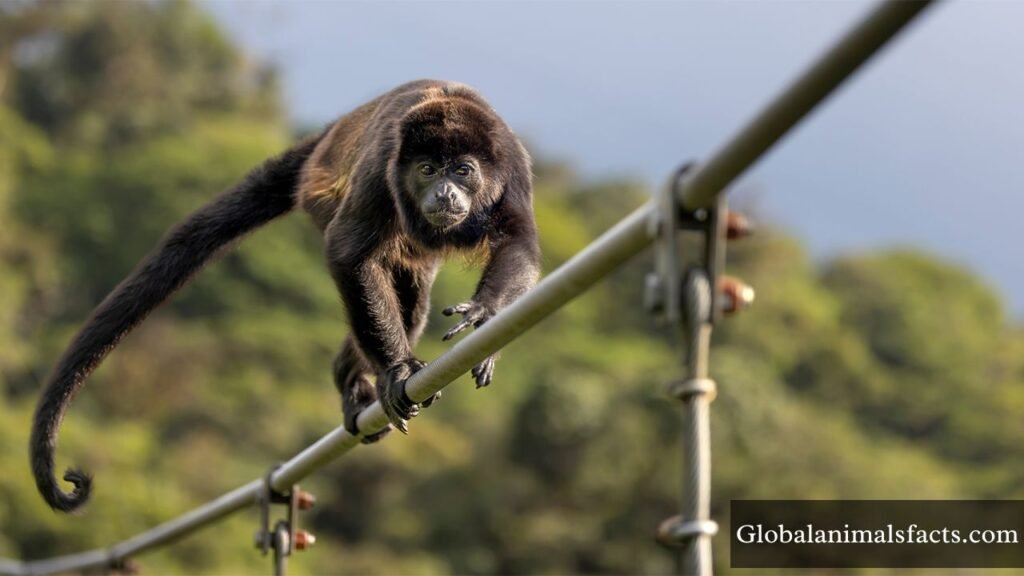
Moreover, these monkeys have evolved remarkable adaptations for life in the treetops. Their prehensile tails function almost like a fifth limb, allowing them to maneuver expertly among branches while foraging for leaves, fruits, and flowers. This arboreal lifestyle not only proves essential for their survival but also highlights their role as seed dispersers, contributing to forest regeneration and biodiversity.
Readmore: Explore Top 18 Independent Animals in The World.
Gibbon
Scientific Name: Hylobatidae
Class: Mammalia
Diet: Omnivore
Gibbons are often referred to as the “swinging acrobats” of the rainforest, showcasing astonishing agility that sets them apart in the arboreal realm. Their long arms and lightweight bodies enable them to perform impressive brachiation — a method of movement where they swing from branch to branch. This unique form of locomotion not only facilitates their search for ripe fruits and leaves but also serves as an extraordinary display of skill during inter-group interactions. Watching a gibbon effortlessly sail through the canopy can be a mesmerizing reminder of the wonders of evolution.
What truly distinguishes gibbons, however, is their complex social structures and vocalizations. These primates live in small family groups, where they communicate through enchanting songs that can travel several kilometers through dense foliage. Each species has a distinct “song,” which not only strengthens bonds within the group but also serves to ward off rivals. This vocal artistry is crucial not just for social cohesion but also as an elaborate expression of their identity in a world dominated by dense greenery.
Gibbons are facing increasing threats from habitat loss and poaching, underscoring the urgency of conservation efforts. Their specialized adaptations make them particularly vulnerable to changes in their environment, yet they hold secrets of resilience and interconnectedness within the forest ecosystem. Understanding the critical role they play in maintaining arboreal biodiversity can inspire us to cherish and protect these remarkable beings, preserving the vibrant tapestry of life they help sustain.
Slow Loris
Scientific Name: Nycticebus
Class: Mammalia
Diet: Omnivore
The slow loris, often overshadowed by more charismatic primates, is a marvel of adaptation in the treetops. These nocturnal creatures are not only slow in their movements — each deliberate, calculated motion makes them efficient foragers — but they also possess an extraordinary defense mechanism: toxin-secreting glands that create a venom powerful enough to deter potential predators. When a slow loris bites, it transfers this venom through its saliva, a unique trait that sets it apart among primates and highlights its evolutionary niche.
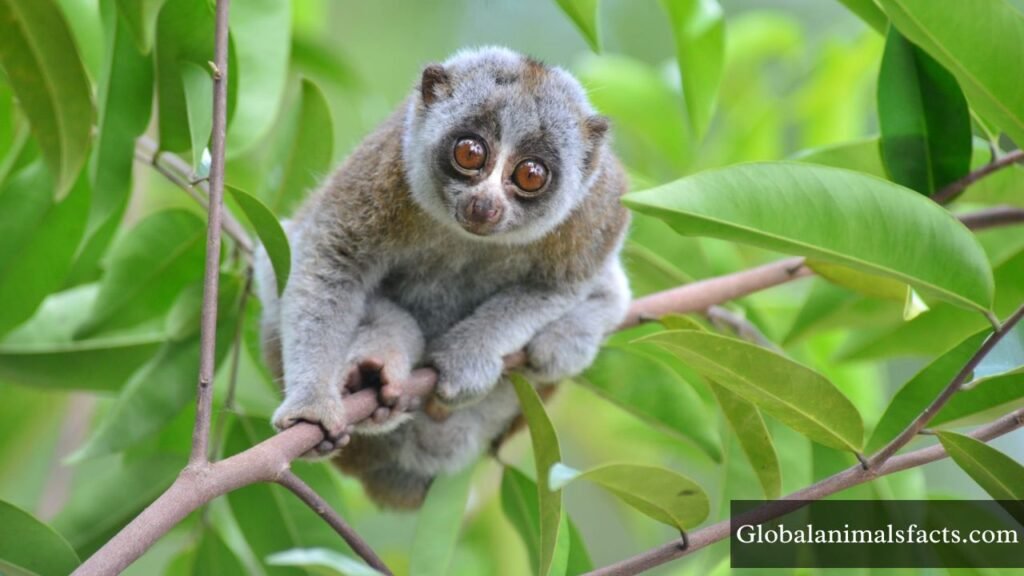
Living primarily in Southeast Asian rainforests, slow lorises embody the delicate balance of their ecosystem, playing essential roles in seed dispersal and insect control. Despite their camouflage and serene demeanor, these creatures face significant threats from habitat loss and illegal wildlife trade, which has led to conservation organizations rallying for their protection. Empowering local communities and raising awareness about their ecological importance could catalyze significant change, echoing the broader need to respect and preserve rich biodiversity.
Spider Monkey
Scientific Name: Ateles
Class: Mammalia
Diet: Omnivore
Among arboreal animals, the spider monkey stands out with its acrobatic prowess and unique social structure. These primates, native to Central and South America, boast long limbs and prehensile tails, allowing them to navigate the treetops with astonishing agility. Their impressive vocalizations, resembling a chorus of hoots and howls, serve not only as communication but also as a way to maintain social bonds within their troops, often consisting of intricate familial networks.
What truly captivates researchers is their role in forest ecosystems as seed dispersers. As spider monkeys feast on fruits, they inadvertently contribute to forest regeneration, ensuring a vibrant and diverse habitat. However, their survival is threatened by habitat loss, which highlights the urgent need for conservation efforts. Innovative strategies, such as creating wildlife corridors that connect fragmented forests, could bolster their populations and promote biodiversity, illuminating the interconnectedness of life in these lush environments.
Tree Kangaroo
Scientific Name: Dendrolagus
Class: Mammalia
Diet: Herbivore
Tree kangaroos, with their striking fur and curious demeanor, embody a fascinating paradox of evolution. Unlike their terrestrial cousins, these marsupials have fully adapted to a life high in the canopy, showcasing incredible agility and strength. With their long tails providing balance and their strong limbs designed for powerful climbing, every movement through the treetops is a graceful spectacle. Observing them navigate the forest is like watching a ballet — each leap and bound is an intricate dance in a realm that remains largely unseen.
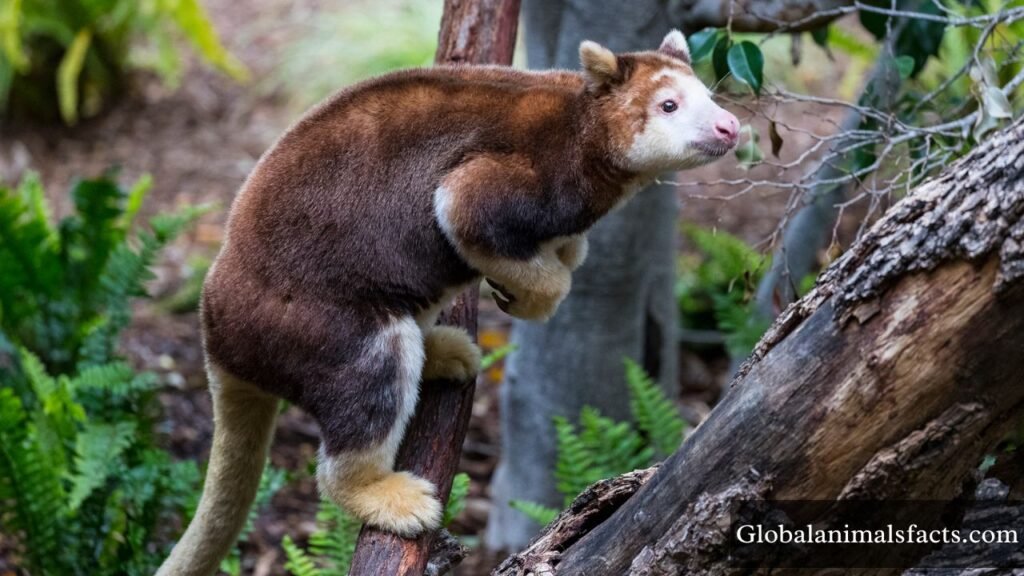
What truly sets tree kangaroos apart is their social structure. Living in small groups, they communicate through a series of vocalizations, engaging in complex interactions that reflect a rich social life. This not only helps them bond but also facilitates cooperative behavior when foraging. Their diet, which includes leaves, fruit, and flowers, highlights their role in seed dispersal, making them vital players in their ecosystem.
You can also read: Explore Top 23 Animals That Gallop.
Colobus Monkey
Scientific Name: Colobus
Class: Mammalia
Diet: Herbivore
The Colobus monkey, often recognized by its striking black and white fur, is a true embodiment of elegance among arboreal animals. These primates are known for their remarkable adaptations to life in the trees; their long limbs and specialized stomachs allow them to navigate the treetops with grace while feasting primarily on leaves. Unlike many monkeys, the Colobus have a unique digestive system that ferments foliage, enabling them to thrive on a diet that would be challenging for other species. This reliance on foliage not only shapes their feeding habits but also influences their social structures.
Living in large social groups, Colobus monkeys showcase a fascinating dynamic of cooperation and hierarchy. Their expressive vocalizations help maintain cohesion within the troop, allowing for seamless communication despite their forested habitat. Watching them gracefully swing from branch to branch is a reminder of the intricate ecosystems they inhabit, where they play a crucial role in seed dispersal.
Kinkajou
Scientific Name: Potos flavus
Class: Mammalia
Diet: Omnivore
Kinkajous are truly the unsung acrobats of the rainforest canopy, embodying the magic of arboreal life. With their prehensile tails that serve as a fifth limb, these nocturnal mammals navigate the treetops with remarkable agility. Their large, expressive eyes are perfectly adapted for low-light conditions, allowing them to forage for ripe fruits and nectar while the world below sleeps. This dietary preference not only plays a crucial role in seed dispersal but also underscores their importance in maintaining the health of tropical ecosystems.
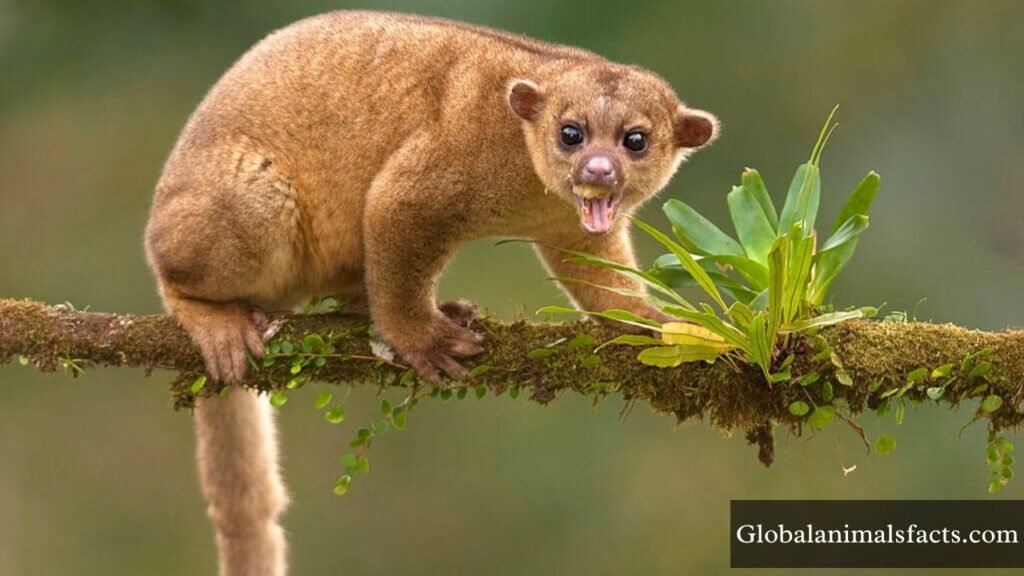
Beyond their remarkable physical adaptations, kinkajous exhibit fascinating social behaviors. Often found in small groups, these playful creatures engage in a symphony of vocalizations and are known for their affectionate grooming rituals. Their social structures inspire a deeper understanding of community dynamics in wildlife, suggesting that collaboration and companionship are vital for survival in the complex web of the rainforest.
Squirrel
Scientific Name: Sciuridae
Class: Mammalia
Diet: Omnivore
Squirrels are remarkable architects of their arboreal habitats, showcasing an inventive spirit that often goes unnoticed. Their nest-building prowess involves weaving twigs, leaves, and moss into a formidable structure known as a dreys. These nests aren’t just a fortress against weather and predators; they also embody a squirrel’s unique personality and environmental adaptations. By observing each species, one might notice variations in construction technique, demonstrating a fascinating blend of instinct and learned behavior.
Beyond their robust physicality and adaptability, squirrels excel in their foraging strategies, embodying a natural intelligence that’s both cunning and resourceful. They possess a remarkable spatial memory, adeptly storing food and retrieving it later, even navigating complex tree canopies with unparalleled agility. Interestingly, their foraging habits contribute significantly to forest health; as they bury seeds and nuts — sometimes forgetting them — they inadvertently play the role of forest gardeners, facilitating new plant growth. This intricate dance between survival, cultivation, and ecological balance paints a vivid picture of their indispensable role in the environment.
Dormouse
Scientific Name: Gliridae
Class: Mammalia
Diet: Omnivore
Dormice, often referred to as the “gliders of the forest,” possess a unique charm that captivates nature enthusiasts. Their name derives from the French “dormir,” meaning “to sleep,” which hints at their long hibernation periods that can last up to six months. These nocturnal creatures, primarily found in deciduous forests, have adapted spectacularly to an arboreal lifestyle. Their large, expressive eyes not only enhance night vision but also communicate a surprising level of social interaction among their kin.
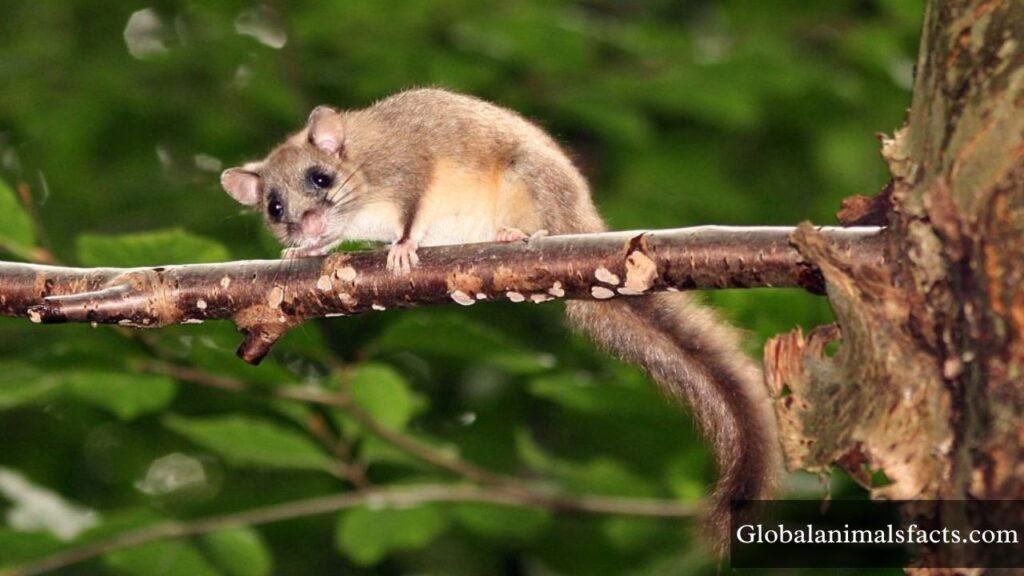
What truly sets dormice apart is their ability to effortlessly glide between branches using a membrane of skin stretched between their limbs. This adaptation allows them to navigate their treetop domain with grace, foraging for fruits, seeds, and insects, all while avoiding ground-based predators. As climate change alters their habitats, dormice have shown remarkable resilience, adjusting their diet and migration patterns. By observing these delightful animals, we are reminded of the intricate balance within ecosystems and the importance of preserving the lush forests they call home.
Also read: Explore Top 20 Animals That Have Spots.
Clouded Leopard
Scientific Name: Neofelis nebulosa
Class: Mammalia
Diet: Carnivore
The clouded leopard, with its elusive nature and striking coat, is a master of the treetops. Found across Southeast Asia, these cats possess a unique climbing ability, thanks to their flexible ankles and retractable claws. Unlike many of their feline relatives, they spend much of their time in trees, navigating their arboreal realm with grace. Their large, cloud-like spots are not just for camouflage; they help them blend seamlessly into the dappled sunlight filtering through the leaves, making them nearly invisible to both prey and predators alike.
What’s particularly fascinating is their role in maintaining the health of their ecosystem. As apex predators, clouded leopards regulate the populations of small mammals and birds, preventing overpopulation and ensuring a balanced habitat. Their secretive lifestyle reveals a complex social structure, as they communicate through a series of vocalizations, including growls and purrs, often unseen in the dense forests they inhabit. Despite their beauty and ecological significance, they face threats from deforestation and poaching, reminding us how fragile their existence truly is. Understanding these creatures not only inspires awe but also highlights the urgent need for conservation efforts to protect their arboreal homes.
Margay
Scientific Name: Leopardus wiedii
Class: Mammalia
Diet: Carnivore
The margay, a small wild cat native to the lush rainforests of Central and South America, is often overshadowed by its larger feline relatives, yet it possesses a unique charm that captivates wildlife enthusiasts. With its striking spotted coat and remarkable agility, the margay is a master of arboreal living, spending most of its life in the treetops. Unlike many of its terrestrial counterparts, this elusive feline has adapted superbly to a life that demands both stealth and skill — its flexible ankles allow it to climb down trees headfirst and leap impressive distances from branch to branch.
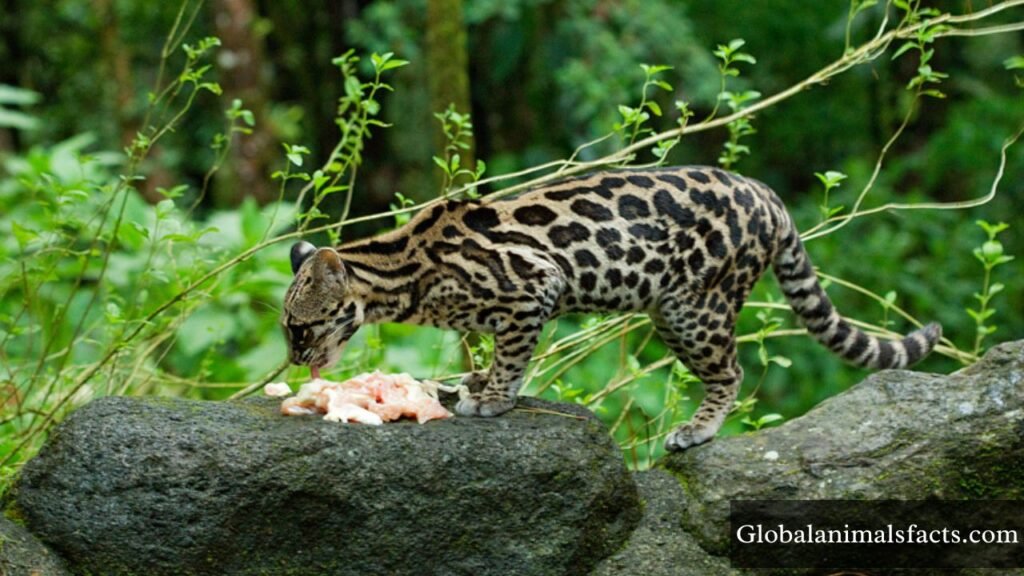
Equally fascinating is the margay’s vocal repertoire, which includes a variety of calls that mimic the cries of monkeys and birds. This vocal mimicry not only aids in communication but also assists in deceiving potential prey, showcasing the margay’s cunning predatory instincts. Observations of their behavior reveal a thoughtful approach to hunting; they often stalk and ambush their prey quietly, allowing their striking camouflage to play a pivotal role in their survival.
Tree Porcupine
Scientific Name: Coendou
Class: Mammalia
Diet: Herbivore
The tree porcupine, often overshadowed by its more famous relatives, embodies a unique blend of adaptability and charm. Residing predominantly in the lush canopies of South America, these nocturnal rodents possess powerful limbs and long, curved claws, allowing them to navigate their arboreal homes with remarkable agility. Their quills, a fascinating adaptation, serve not just as a defense mechanism but as an effective means of communication amongst companions, released in a friendly gesture or to signal distress.
What truly sets the tree porcupine apart is its diet, predominantly consisting of leaves, fruits, and bark — foods that many other creatures might overlook. This herbivorous diet promotes not only their health but also plays a crucial ecological role in seed dispersal, enhancing forest regeneration. Their foraging habits reveal a fascinating interdependence with their environment, emphasizing the importance of preserving these vital ecosystems.
Green Tree Python
Scientific Name: Morelia viridis
Class: Reptilia
Diet: Carnivore
The Green Tree Python, with its vibrant, jade-green scales, is a true marvel of the arboreal world. Native to the rainforests of New Guinea, Indonesia, and nearby islands, this snake perfectly embodies the essence of adaptation. Its striking coloration isn’t just for beauty; it serves as a camouflage against the lush foliage, allowing it to ambush unsuspecting prey with astonishing stealth. Clinging effortlessly to branches, the Green Tree Python takes advantage of its surroundings, showcasing a unique form of behavior often overlooked: the ability to constrict like a living vine, enhancing both hunting tactics and survival.
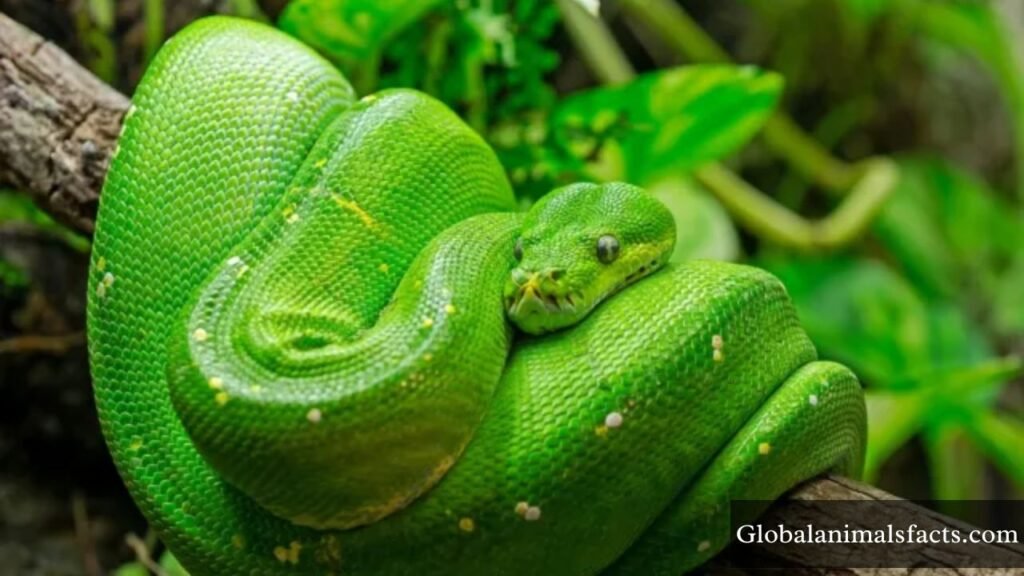
What’s fascinating about these serpents is their remarkable ability to thermoregulate. Unlike many snakes that primarily rely on external heat sources, the Green Tree Python employs its unique arboreal lifestyle to maintain optimal body temperature. Living high in the canopy, they can bask in sunlight and retreat to shaded spots to cool down, demonstrating a nuanced understanding of their habitat. Furthermore, their nocturnal habits add another layer of intrigue; emerging at twilight to hunt, they navigate their environment with an acute sense of awareness, making them adept hunters in the shadows.
You can also read: Explore Top 16 Animals With Pouches.
Orangutan
Class: Mammalia
Diet: Omnivore
In the lush canopies of Southeast Asian rainforests, orangutans are the acrobats of the arboreal world, exhibiting an extraordinary mastery of their environment. Known for their intelligence and intricate social structures, these great apes spend nearly their entire lives among the branches, forging paths through the treetops that few other species can navigate. Their long arms and incredibly flexible limbs enable them to swing effortlessly from branch to branch, demonstrating a physical prowess that’s complemented by their adept problem-solving skills. In contrast to many other primates, orangutans exhibit a profound understanding of tool use, often utilizing leaves and sticks to extract honey or insects, showcasing their cognitive abilities.
However, these magnificent creatures face existential threats from habitat destruction and illegal wildlife trade. With deforestation rapidly encroaching upon their territories, orangutans are not just facing a loss of home; they are witnessing the fragmentation of their social networks, which are essential for their survival. Conservation efforts are increasingly shifting towards understanding the importance of preserving not only the species but also the complex tapestry of their forest ecosystems. By blending ecological restoration with community involvement, we can help safeguard these intelligent beings and their arboreal realm, ensuring they continue to swing through the treetops for generations to come.
Green Iguana
Scientific Name: Iguana iguana
Class: Reptilia
Diet: Herbivore
The green iguana, a marvel of arboreal adaptation, showcases a stunning blend of beauty and ecological dynamism. With their vibrant green skin, these lizards not only serve as a feast for the eyes but also as a masterclass in camouflage among leafy canopies. Their long tails and adept climbing legs allow them to navigate the treetops with remarkable agility, enabling them to escape predators while also accessing a diet rich in leaves, flowers, and fruits.
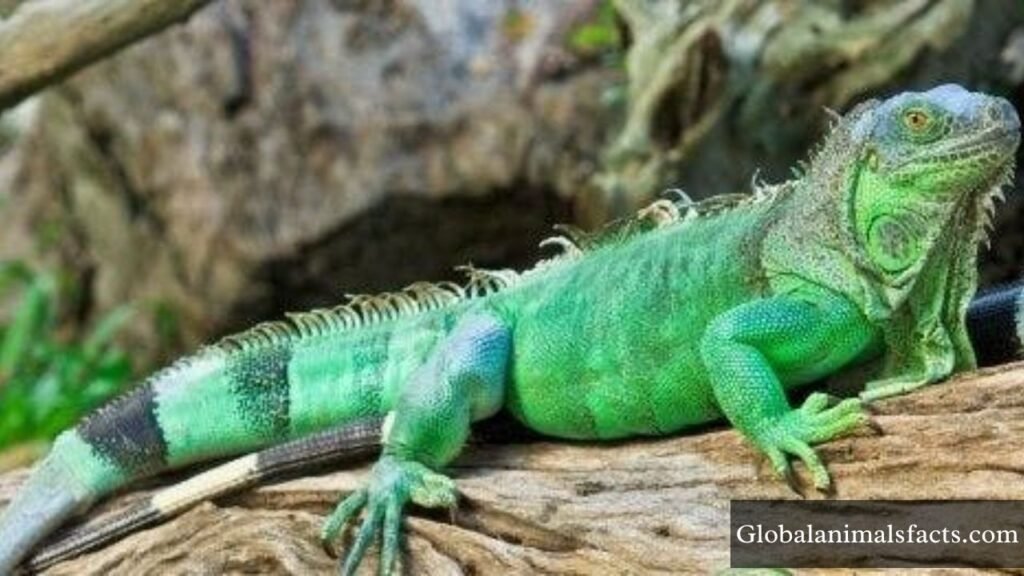
A lesser-known facet of the green iguana’s life is its social behavior. Often found basking in groups, these reptiles exhibit complex social interactions, using a variety of body postures and head bobs to communicate dominance or submission. Interestingly, they also engage in a form of sunbathing where their skin transforms to a darker hue, maximizing heat absorption — a fascinating interplay between behavioral adaptation and survival strategy. As they thrive in their natural habitats across Central and South America, green iguanas remind us of the intricate connections within ecological systems, and their role as seed dispersers is pivotal for rainforest health.
Binturong
Scientific Name: Arctictis binturong
Class: Mammalia
Diet: Omnivore
Binturongs, often called “bearcats,” are an enigma of the arboreal world. With their shaggy fur and prehensile tails, they blend seamlessly into the treetops of Southeast Asia’s lush forests. What sets them apart, however, is their unique scent — often likened to popcorn! This aroma is more than just a quirky trait; it plays a crucial role in their social interactions and territorial marking.
These nocturnal mammals are skilled climbers, using their sharp claws and agile limbs to navigate the complex canopy. They are not just passive tree dwellers; their diet is surprisingly varied, consisting of fruits, leaves, and small animals. This adaptability enhances forest health, as they help disperse seeds throughout the ecosystem. Observing a binturong in action reveals not just a creature of beauty but also a vital player in maintaining the balance of its arboreal habitat.
Flying Squirrel
Class: Mammalia
Diet: Omnivore
Flying squirrels are remarkable examples of nature’s ingenuity, showcasing an ability to glide gracefully between trees in their forest homes. Unlike true fliers, these nocturnal creatures possess a unique membrane called the patagium, stretching from their wrists to their ankles. This adaptation allows them to soar distances of up to 150 feet, an impressive feat that enables them to evade predators and efficiently forage for food among tree canopies.
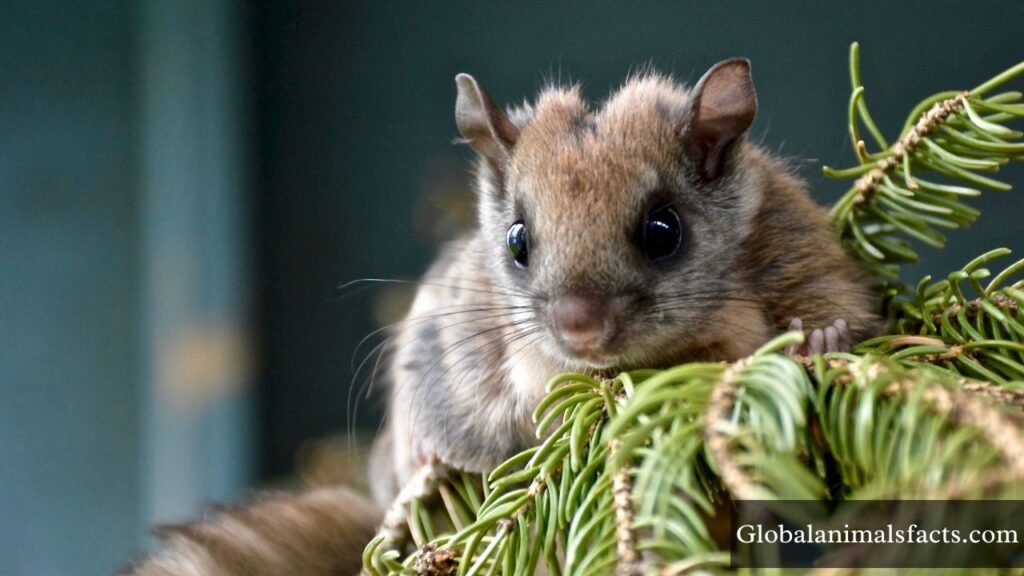
What makes flying squirrels even more captivating is their social behavior. Unlike many solitary rodent species, they thrive in small family groups, often nesting in communal dens. This cooperative lifestyle fosters a sense of community, aiding in protection against predators and facilitating sharing of resources.
Also read: Explore Top 15 Animals With Fur.
Red-Eyed Tree Frog
Scientific Name: Agalychnis callidryas
Class: Amphibia
Diet: Carnivore
The Red-Eyed Tree Frog, with its vibrant green body and dramatic red eyes, is a masterpiece of nature’s artistry. Residing primarily in the humid rainforests of Central America, this amphibian serves as both predator and prey, playing a pivotal role in its ecosystem. Its striking colors are not merely for show; they are an evolutionary marvel. When threatened, the frog can quickly curl up and display its vivid hues, momentarily startling predators, allowing it a split second to escape.
Beyond their eye-catching appearance, these frogs exhibit fascinating behaviors that reveal their adaptability. For instance, they are primarily nocturnal, using the cover of night not only to hunt insects but also to evade larger predators. Their sticky toe pads allow them to navigate the treetops effortlessly, showcasing their arboreal lifestyle. However, the Red-Eyed Tree Frog’s habitat is increasingly threatened by deforestation and climate change, urging conservation efforts that underscore the interconnectedness of species.
Aye-Aye
Scientific Name: Daubentonia madagascariensis
Class: Mammalia
Diet: Omnivore
The Aye-Aye, a remarkable inhabitant of Madagascar’s lush rainforests, challenges conventional perceptions of beauty in the animal kingdom. With its oversized eyes and a uniquely elongated middle finger, this creature embodies the ingenuity of evolution. Far from being merely peculiar, the Aye-Aye’s striking features serve practical purposes — its sensitive finger is a specialized tool for foraging. By tapping on tree bark, it detects the hollow sounds of grubs or insects hidden within, showcasing an extraordinary adaptation to its arboreal lifestyle.
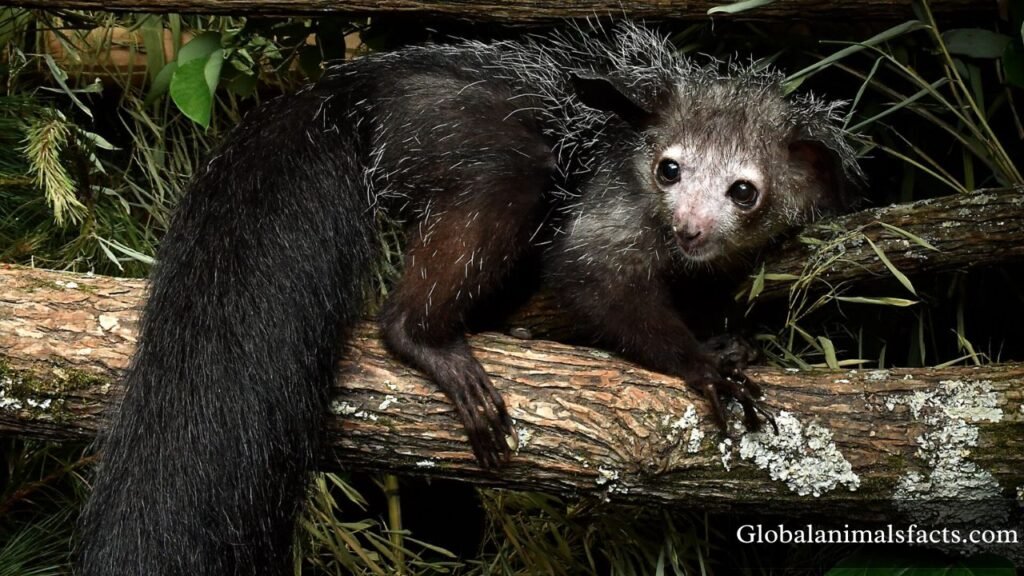
Their role in the ecosystem as pest controllers is vital, underscoring the importance of biodiversity and conservation. Protecting the Aye-Aye not only ensures the survival of this unique species but also highlights the intricate connections found within Madagascar’s endemic wildlife.
Tree Frog
Scientific Name: Hylidae
Class: Amphibia
Diet: Carnivore
Tree frogs are nature’s acrobats, embodying incredible adaptability and vibrant beauty. Their specialized toe pads, covered in tiny, adhesive mucous, allow them to traverse the vertical landscapes of their arboreal homes with remarkable agility. This unique adaptation not only facilitates climbing but also showcases an evolutionary marvel, enabling them to thrive in diverse habitats ranging from lush rainforests to arid mountain regions.
These amphibians don’t just rely on their physical prowess; they are also masters of communication. The symphony of croaks and ribbits that fills the night air serves as both a mating call and a territorial proclamation. Each species has its own unique call, often influenced by local environmental conditions, which can be a fascinating study for both amateur naturalists and seasoned biologists alike. Moreover, tree frogs play a crucial ecological role as both predator and prey, helping to maintain the delicate balance within their ecosystems.
Emerald Tree Boa
Scientific Name: Corallus caninus
Class: Reptilia
Diet: Carnivore
The emerald tree boa, with its striking green scales and distinctive yellow or white blotches, epitomizes the allure of arboreal life. Found primarily in the lush rainforests of the Amazon, this snake masterfully blends into its surroundings, using its vibrant coloration as both a camouflage and a means of ambush. By coiling around branches and hanging motionless, it can easily catch unsuspecting prey, which includes small mammals and birds, showcasing a remarkable adaptation to its arboreal habitat.
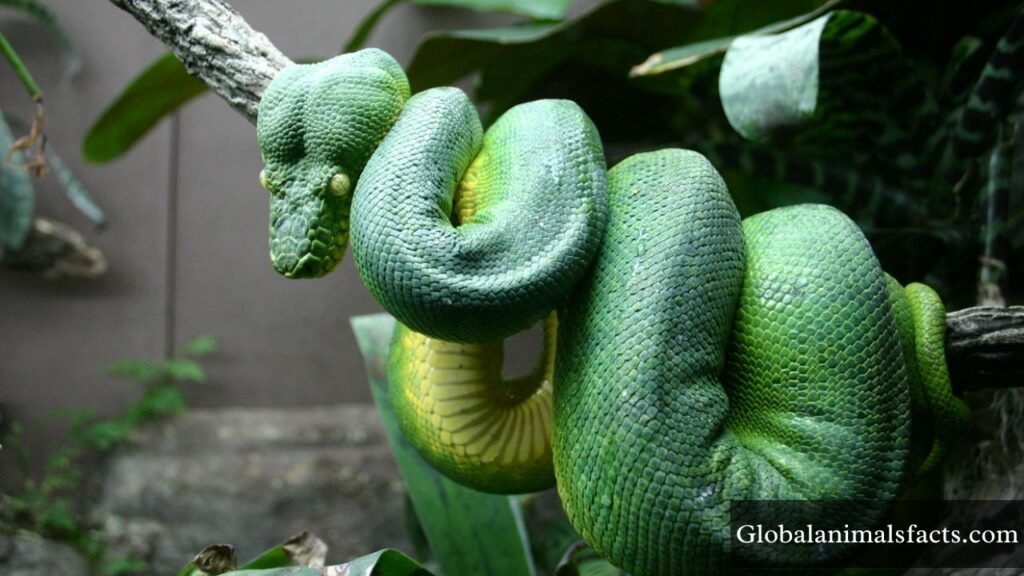
Beyond its captivating appearance, the emerald tree boa exhibits fascinating behavioral traits. Unlike many reptiles, it possesses a unique ability to maintain its body temperature, absorbing heat from the sun-drenched treetops during the day and transitioning to nighttime hunting. This temperature regulation is crucial for its active lifestyle, allowing the boa to thrive in an environment with fluctuating conditions. Furthermore, recent studies have revealed that these snakes exhibit a form of social behavior rarely seen in reptiles, suggesting deeper social structures within their populations that may challenge our understanding of reptilian interactions. This remarkable blend of beauty, adaptability, and complexity makes the emerald tree boa a true gem of the rainforest canopy.
You can also read: Explore Top 15 Hard Working Animals in The World.
Chameleon
Scientific Name: Chamaeleonidae
Class: Reptilia
Diet: Carnivore
Chameleons are not just masters of color but also of their environment, thriving as iconic arboreal residents. Their prehensile tails and zygodactylous feet allow for incredible maneuverability among branches, making them adept climbers and hunters. Unlike many reptiles, which are often rooted to the ground, chameleons epitomize the arboreal lifestyle, using their habitat to their advantage. They can navigate through a maze of leaves and branches with a grace that belies their seemingly awkward shapes.
What sets chameleons apart from other creatures in the trees is their remarkable ability to change color, a phenomenon driven both by their mood and environmental cues. This isn’t just for camouflage but also plays a vital role in communication and temperature regulation. When a chameleon shifts from green to brown to display its mood, it shows a level of emotional expression typically unseen in the animal kingdom.
Green Tree Monitor
Scientific Name: Varanus prasinus
Class: Reptilia
Diet: Carnivore
The Green Tree Monitor, a stunning lizard native to the lush canopies of New Guinea and surrounding islands, is an arboreal marvel that captivates both researchers and reptile enthusiasts alike. Sporting a vivid green hue that serves as both camouflage and a display for potential mates, this lizard isn’t just a pretty face; it possesses a unique combination of agility and intelligence that allows it to navigate its vertical habitat with grace. Their long, sharp claws enable them to effortlessly climb trees, but it’s their keen eyesight that truly sets them apart, allowing them to spot insects and fruits from considerable distances.
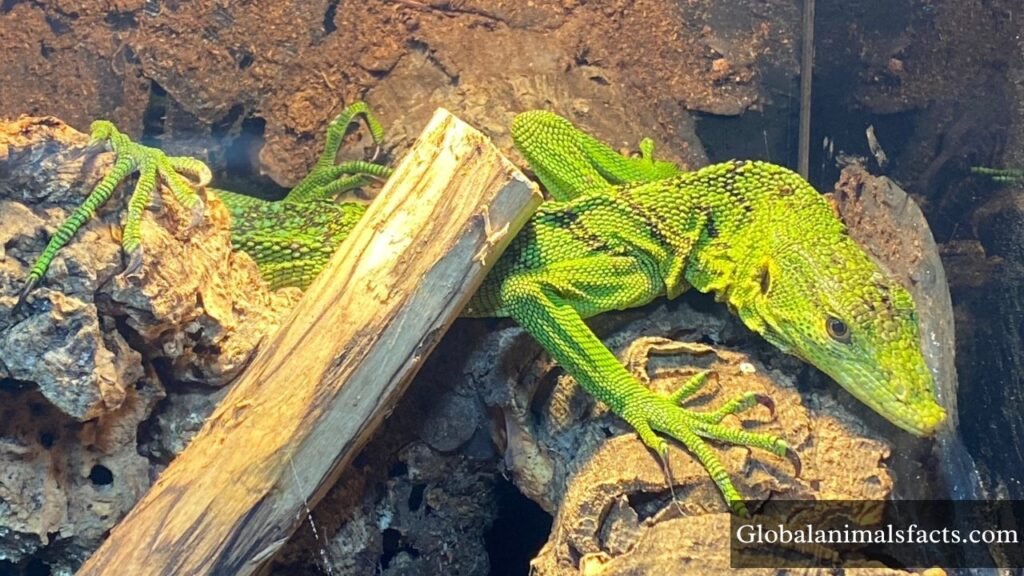
Interestingly, the Green Tree Monitor exhibits complex social behaviors rarely observed in reptiles. They demonstrate a level of communication that includes body language and subtle vocalizations, which suggest a more intricate social structure than previously thought. Moreover, these monitors are also known for their surprisingly playful demeanor, engaging in activities like chasing one another or exploring their surroundings, reminiscent of young mammals.
Readmore: Explore Top 28 Energetic Animals in The World.
Final Thoughts
Arboreal animals showcase the incredible adaptability of wildlife to forested environments. From the agile tree kangaroo to the vibrant tree frog, each species exhibits unique traits that enable them to thrive in the canopy’s complexity. Their lifestyles offer a fascinating glimpse into the interdependence of nature, highlighting the importance of conserving these habitats for future generations. As deforestation continues to threaten their homes, it’s crucial for us to advocate for sustainable practices and protect these remarkable creatures. Join us in supporting conservation efforts and ensuring that arboreal animals continue to flourish in the wild.
FAQs
What are 5 examples of arboreal?
A few notable examples include the sloth, known for its slow movement and unique lifestyle in the treetops of Central and South America. Another example is the tree frog, which uses its webbed toes to cling to branches, allowing it to thrive in its leafy habitat. The koala is also a classic arboreal animal, spending most of its life in eucalyptus trees and feeding solely on their leaves. The red panda showcases arboreal habits, expertly navigating through its forested home in the Himalayas. Lastly, the chameleon, with its remarkable ability to blend into tree foliage, highlights the diverse adaptations of arboreal species in their quest for survival.
What is the most arboreal animal?
The most arboreal animal is often considered to be the sloth. These slow-moving mammals are perfectly adapted to life in trees, with long limbs and a unique ability to hang from branches using their strong claws. They spend most of their lives in the canopies of rainforests, feeding on leaves and moving at a leisurely pace.
Are monkeys called arboreal animals?
Yes, many monkeys are considered arboreal animals. This adaptation allows them to navigate their environment adeptly, using their strong limbs and prehensile tails for climbing and swinging between branches. Arboreal monkeys often reside in tropical forests, where they find food and shelter among the foliage. However, not all monkeys are strictly arboreal. Some species, like baboons, spend a significant amount of time on the ground.
What is the biggest arboreal animal?
The biggest arboreal animal is the orangutan. These great apes are known for their impressive size and adaptability to life in the trees. Adult male orangutans can weigh up to 200 pounds, making them the largest primates that primarily live in trees. Orangutans are native to the rainforests of Borneo and Sumatra. Their long arms and strong bodies allow them to swing between branches with ease.